Category: Travel Guides

  • 19 Best Places to Visit in November in the USA (2025 Edition)

    19 Best Places to Visit in November in the USA (2025 Edition)

    [ad_1]

    We’ll never forget our trip to Zion National Park one November. After battling the summer crowds on a previous visit, we returned to find the trails almost completely to ourselves. The air was crisp, the autumn colours were still holding on in the lower canyon, and the experience felt so much more personal and raw.

    That trip reminded us that travelling in the shoulder season is often the best way to really connect with a place.

    If you’re trying to figure out where to go in the USA before the chaos of the holiday season kicks in, November is your month. It’s a bit of a sweet spot for travel. The summer crowds are long gone, and the winter rush hasn’t quite arrived yet, which can mean better deals and more breathing room.

    We’ve road-tripped, hiked, and explored our way across the United States for years. Based on those experiences, we’ve put together this list of our favourite places to visit in November. Whether you’re looking for a final dose of sunshine or a cosy city break, this guide has you covered.

    A stunning view over Key West, a beautiful place to visit in November in the USA.

    Quick List: Best Places to Visit in November in the USA

    November is one of the best months for a US trip, offering a sweet spot between autumn’s peak and the holiday rush. Here are a dozen of our top recommendations:

    Scottsdale, Arizona: Desert hiking & sunny patios

    Maui, Hawaii: Whale watching season & epic sunsets

    New York City, New York: Thanksgiving parade & pre-holiday buzz

    New Orleans, Louisiana: Jazz music & Creole cuisine without the humidity

    Zion National Park, Utah: Crowd-free canyon hikes & crisp air

    Asheville, North Carolina: Late autumn colours & Blue Ridge Mountain views

    Telluride, Colorado: Early snow & a quiet mountain town

    Lake Tahoe, California/Nevada: Peaceful hikes & deep blue water

    Napa Valley, California: Cabernet season & cosy winery tours

    Savannah, Georgia: Historic squares & mild temperatures for strolling

    San Antonio, Texas: Historic missions & festive River Walk

    Palm Springs, California: Mid-century modern style & poolside relaxation

    Why Travel to the USA in November?

    November is one of our favourite months for exploring the United States because it feels like you’re getting an inside scoop. It’s the definition of a shoulder season month.

    The weather is often still pleasant in many parts of the country, but the crowds are significantly smaller than in the summer or the festive season. This can lead to better prices on flights and accommodation, and you get to experience popular spots without feeling rushed. It’s a fantastic time to plan a road trip or a city break before the winter chill sets in.

    Best Places to Visit in November for Warm Weather

    If you’re looking to escape the autumn chill and find some sunshine before winter sets in, these are our go-to spots in November. The weather is ideal; warm enough for the beach or a hike, but without the intense heat of the summer months.

    1. Scottsdale, Arizona
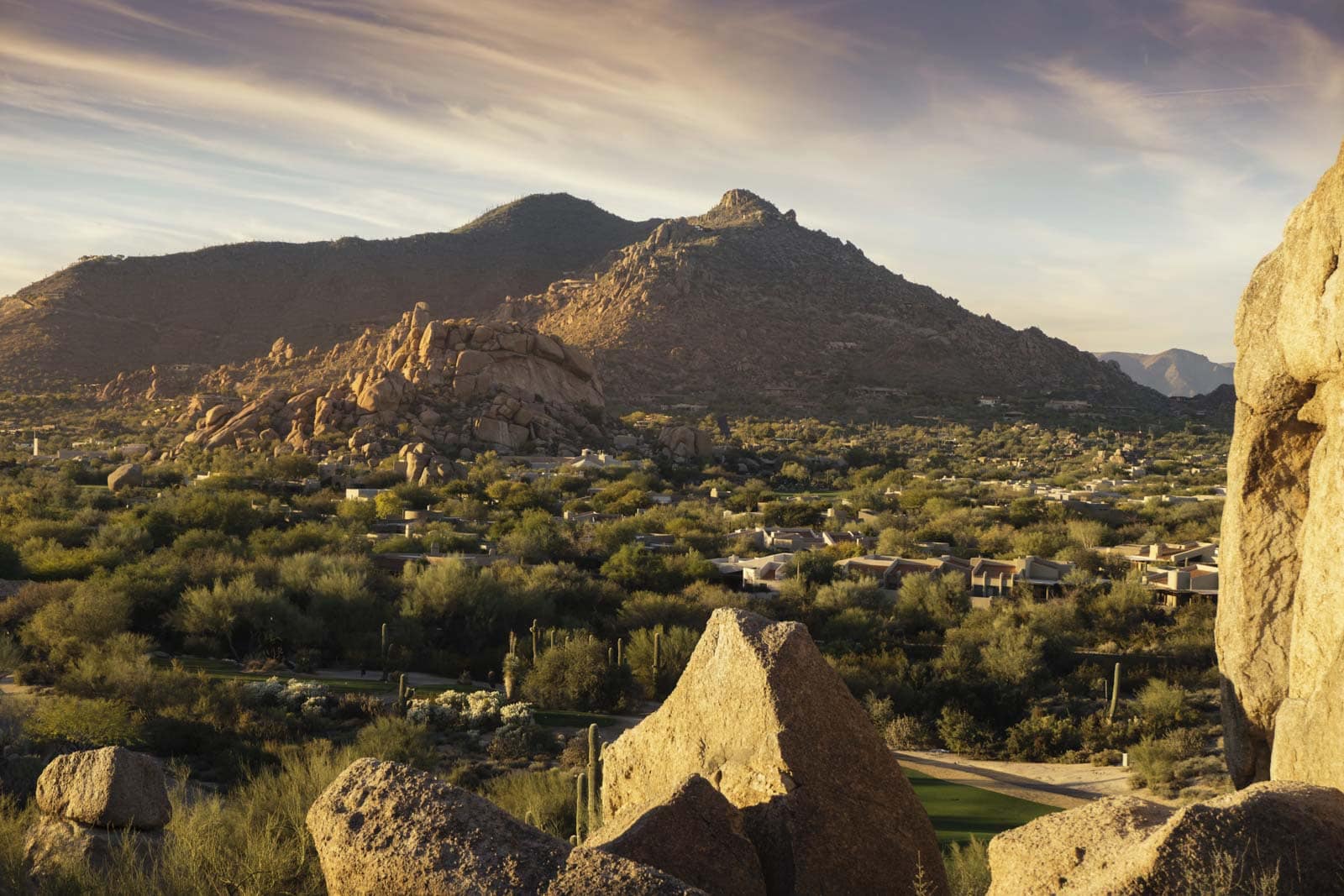
    A wide sunset view over the city and desert mountains from a viewpoint in Scottsdale, Arizona.

    We’ve hiked Camelback Mountain in the summer, and trust me, doing it in November is a completely different experience. We hit the trail early in the morning with just a light jacket and felt energized by the crisp desert air, not drained by the heat. That feeling of reaching the top and looking out over the valley is what a trip to Scottsdale is all about.

    Why Visit in November: The weather is pretty much perfect. Daily temperatures are comfortable for everything from golfing and hiking to simply relaxing on a sunny patio. The city is alive but not overly crowded like it is during the peak season.

    Top Things to Do:

    Hike Camelback Mountain or explore the McDowell Sonoran Preserve.

    Wander through the art galleries and shops in Old Town Scottsdale.

    Visit Taliesin West, Frank Lloyd Wright’s winter home and architectural school.

    Where to Stay: Scottsdale has a great range of places, from sprawling luxury resorts with golf courses to more intimate boutique hotels near Old Town.

    2. Maui, Hawaii

    One of our most memorable moments in Maui was sitting on the coast and seeing the first humpback whales of the season breach in the distance. November marks the beginning of their return to Hawaiian waters, and there’s a real sense of excitement in the air.

    Why Visit in November: It’s the sweet spot before the peak holiday crowds arrive. The official whale watching season kicks off, the weather is fantastic, and you can often find better deals on flights and accommodation. Just remember that November is the start of the rainy season in Hawaii, so might have a few showers.

    Top Things to Do:

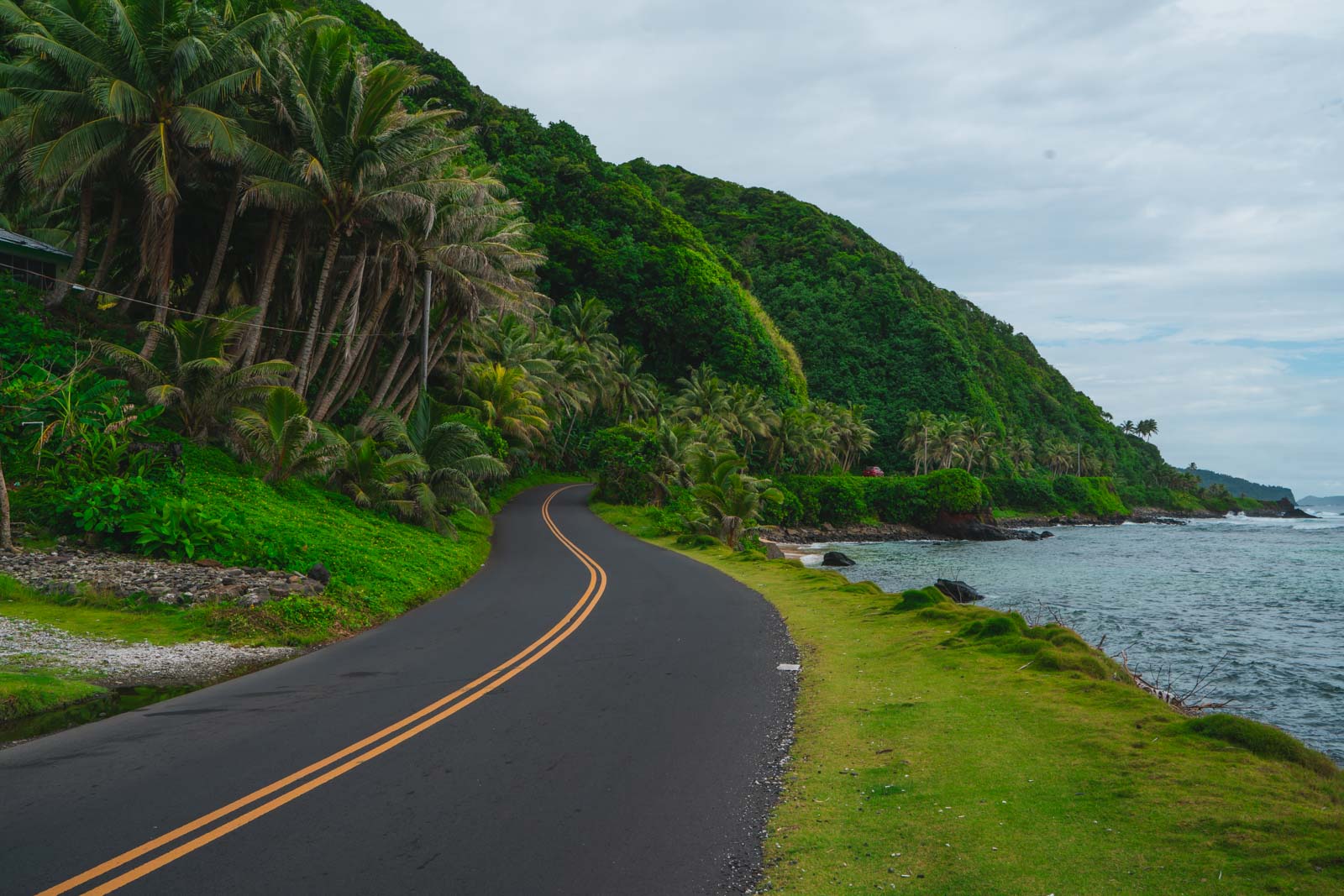
    Drive the iconic Road to Hana.

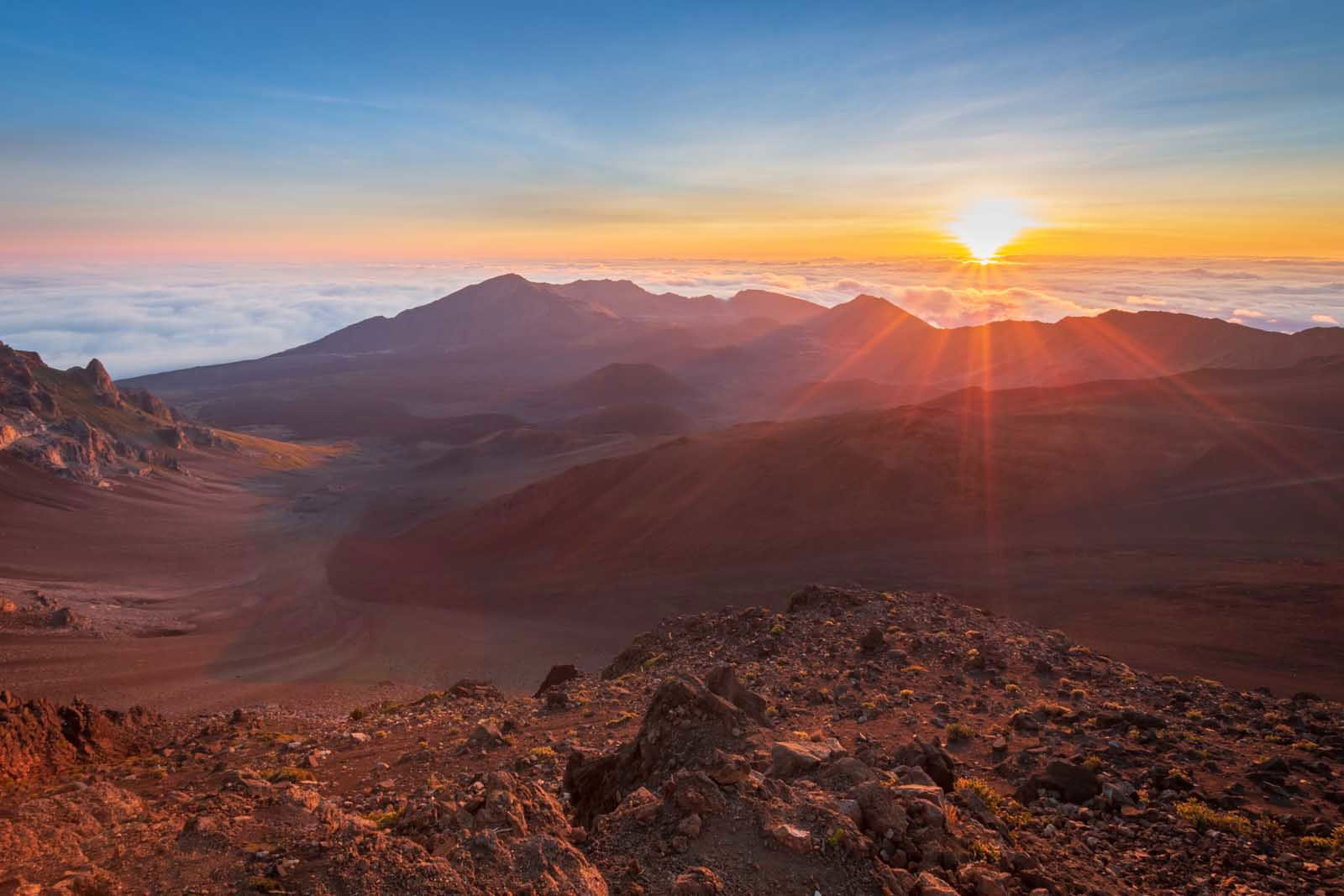
    Watch the sunrise from the top of Haleakal? National Park.

    Take a boat tour to see the humpback whales.

    Relax on the sands of Ka’anapali Beach.

    Where to Stay: For luxury, look to the resorts in Wailea. For a more laid-back, local vibe, check out the town of Paia on the North Shore.

    3. Key West, Florida

    There’s a certain charm to Key West that’s hard to explain. We loved ending our days at Mallory Square, watching the street performers and the incredible sunset over the water. It feels less like you’re in the US and more like you’ve escaped to a quirky Caribbean island.

    Why Visit in November: The summer humidity has subsided, leaving behind sunny weather and average temperatures of 21°C – 27°C are perfect for exploring on foot or by bicycle. It’s an ideal time for snorkelling or diving as the water is still warm and hurricane season is over.

    Top Things to Do:

    Walk down the lively Duval Street.

    Visit the Ernest Hemingway Home and Museum (and see the six-toed cats).

    Join the Sunset Celebration at Mallory Square.

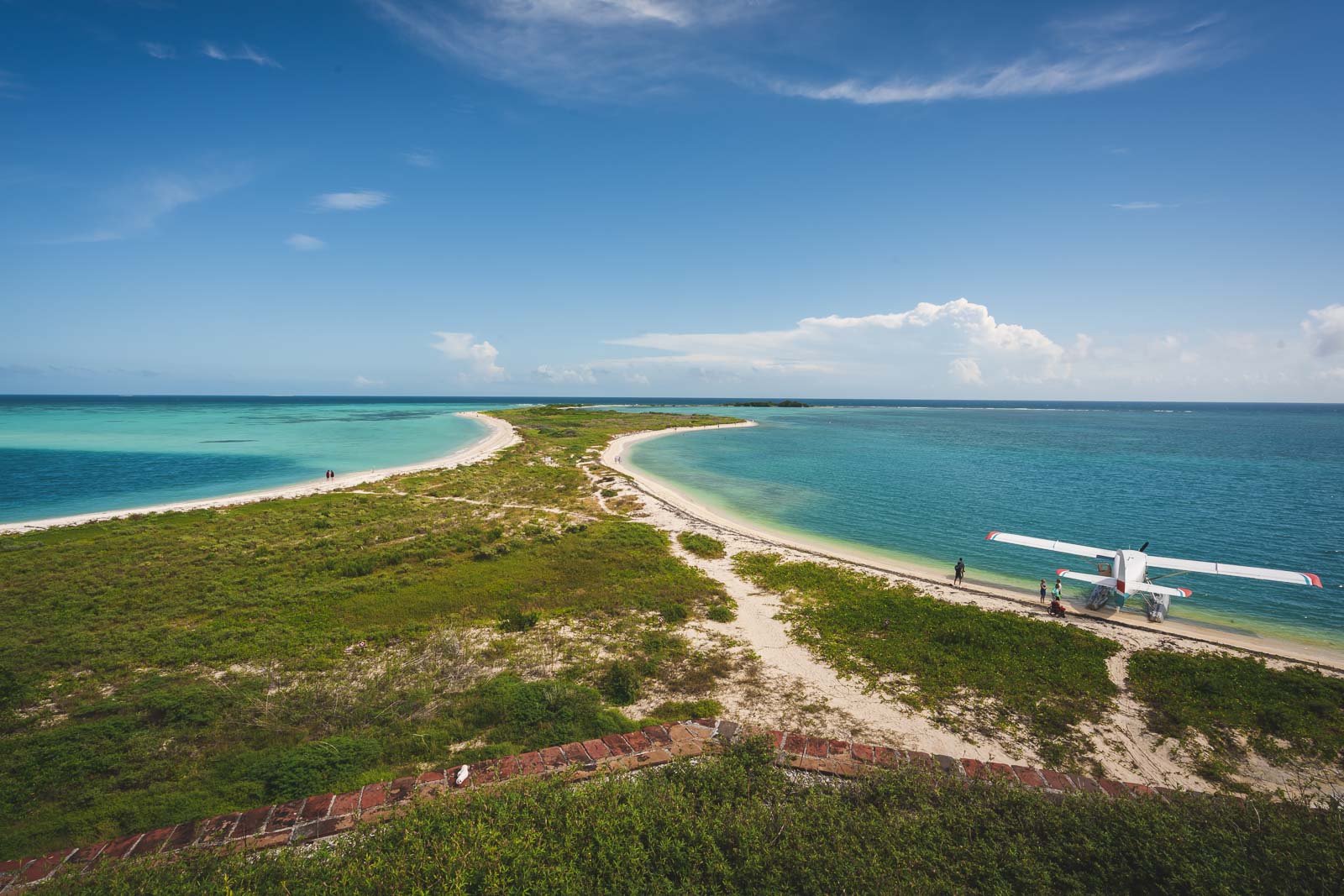
    Take a day trip by ferry or seaplane to Dry Tortugas National Park.

    Where to Stay: We recommend finding a guesthouse or inn in the historic Old Town to be close to the action.

    4. Death Valley National Park, California

    Standing at Badwater Basin at sunrise is an experience that sticks with you. It’s the lowest point in North America, and in the cool morning air of November, the silence and scale of the salt flats are incredible. It’s a place that’s largely inaccessible in the summer, which makes visiting this time of year feel special.

    Why Visit in November: Safety and comfort. The dangerously high summer temperatures have dropped, making it prime time to explore the park’s famous landscapes during the day. The clear, dry air also makes for some of the best stargazing in the country.

    Top Things to Do:

    See the salt flats at Badwater Basin.

    Watch the sunrise or sunset over the badlands from Zabriskie Point.

    Hike the Mesquite Flat Sand Dunes.

    Stay up late for some unbelievable stargazing.

    Where to Stay: Lodging is limited, so book ahead. The Oasis at Death Valley offers a couple of options right inside the park.

    Best Places to Visit in November for City Breaks

    November is an ideal time for a city break in the US. The weather is often cool and crisp, perfect for walking, and you get to see these places transform as they gear up for the holiday season.

    5. New York City, New York

    We once spent a week in New York in mid-November and it felt like we had the city during its best transition. The fall colors were still clinging to the trees in Central Park, but the first holiday lights were starting to appear (you know we love Christmas in NYC). There was a buzz in the air about the Macy’s Thanksgiving Day Parade, but the intense December crowds hadn’t arrived yet. It was the perfect balance.

    Why Visit in November: This is your chance to see iconic holiday events with fewer crowds. The weather is cool and comfortable for exploring the different neighbourhoods on foot.

    Top Things to Do:

    Watch the giant balloons get inflated the night before the Macy’s Thanksgiving Day Parade.

    Go ice skating at Bryant Park’s Winter Village or at Rockefeller Center.

    See a Broadway show before the ticket prices climb for the holidays.

    Take a walk through a quieter Central Park.

    Where to Stay: Midtown is convenient for first-timers who want to be near Times Square and the theatre district. For a more neighbourhood feel, we love staying in the West Village.

    6. New Orleans, Louisiana

    Our favourite trips to New Orleans have been in the fall. We have a great memory of grabbing beignets and coffee and just wandering through the French Quarter for hours, listening to jazz musicians on street corners. You can’t do that comfortably in the summer heat, but in November, the weather is just right.

    Why Visit in November: The oppressive heat and humidity of summer are gone. It’s the perfect time to explore the city’s historic architecture and cemeteries on foot. Plus, the city hosts unique events like the Bayou Classic.

    Top Things to Do:

    Listen to authentic live jazz on Frenchmen Street.

    Explore the architecture and history of the French Quarter.

    Ride the St. Charles Streetcar to the Garden District to see the grand homes.

    Indulge in the city’s famous Creole and Cajun food.

    Where to Stay: Staying at a hotel with a balcony in the French Quarter is a classic New Orleans experience.

    7. San Antonio, Texas
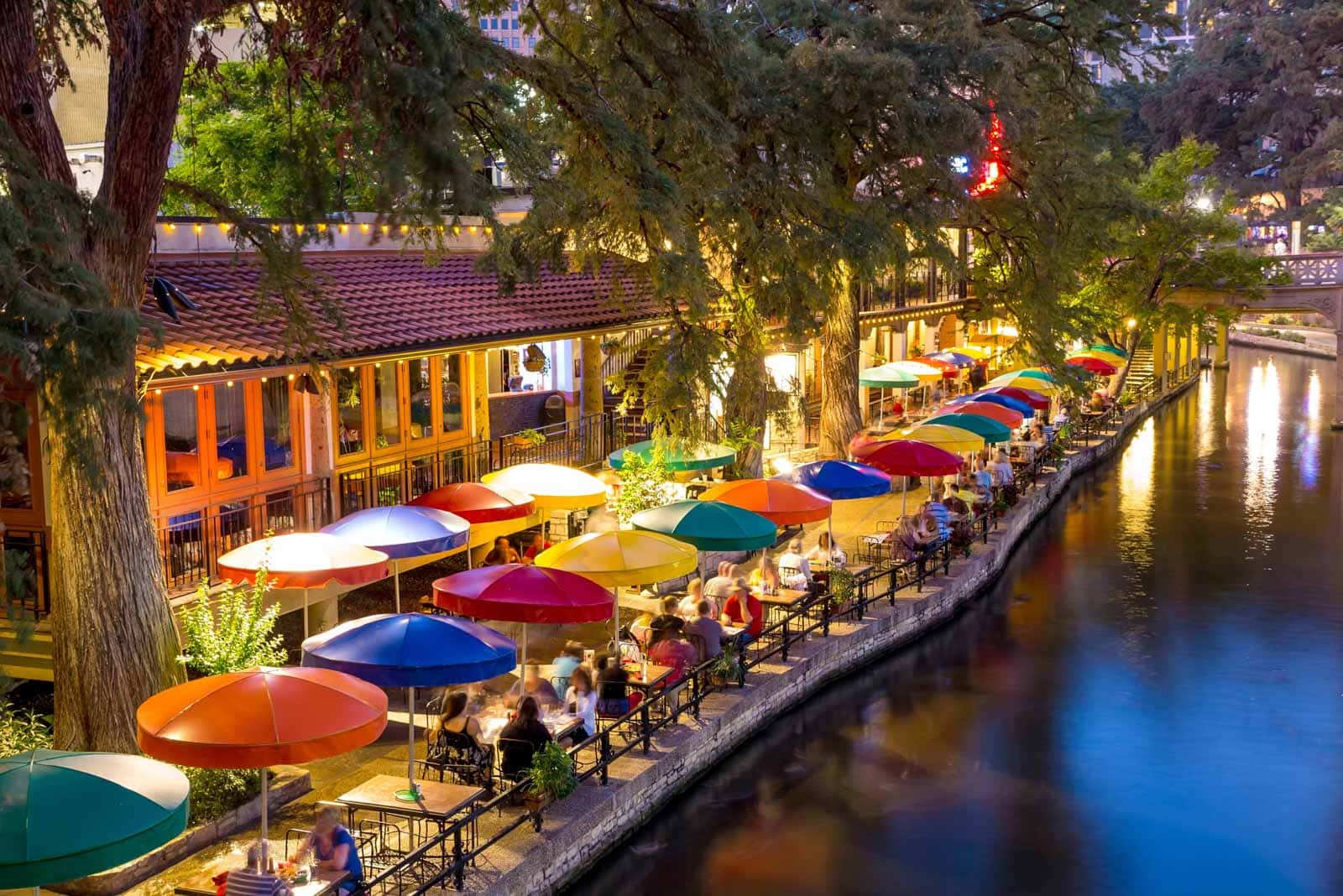
    The lively and colourful San Antonio River walk at night in San, Antonio, Texas

    We took an evening boat tour along the San Antonio River Walk just as they were putting up the holiday lights. Seeing the cypress trees draped in colour, reflected in the water below, was magical. The city feels incredibly festive, but in a relaxed, Texan way.

    Why Visit in November: The weather is mild and pleasant, which is ideal for strolling along the River Walk and exploring the city’s historic Spanish missions. The famous holiday lights display usually begins the day after Thanksgiving.

    Top Things to Do:

    Explore the shops, restaurants, and public art along the River Walk.

    Visit The Alamo and the other four missions that make up the UNESCO World Heritage Site.

    Browse the stalls at the Historic Market Square, the largest Mexican market in the US.

    Where to Stay: We recommend a hotel right on the River Walk to have the city’s main attraction at your doorstep.

    8. Chicago, Illinois
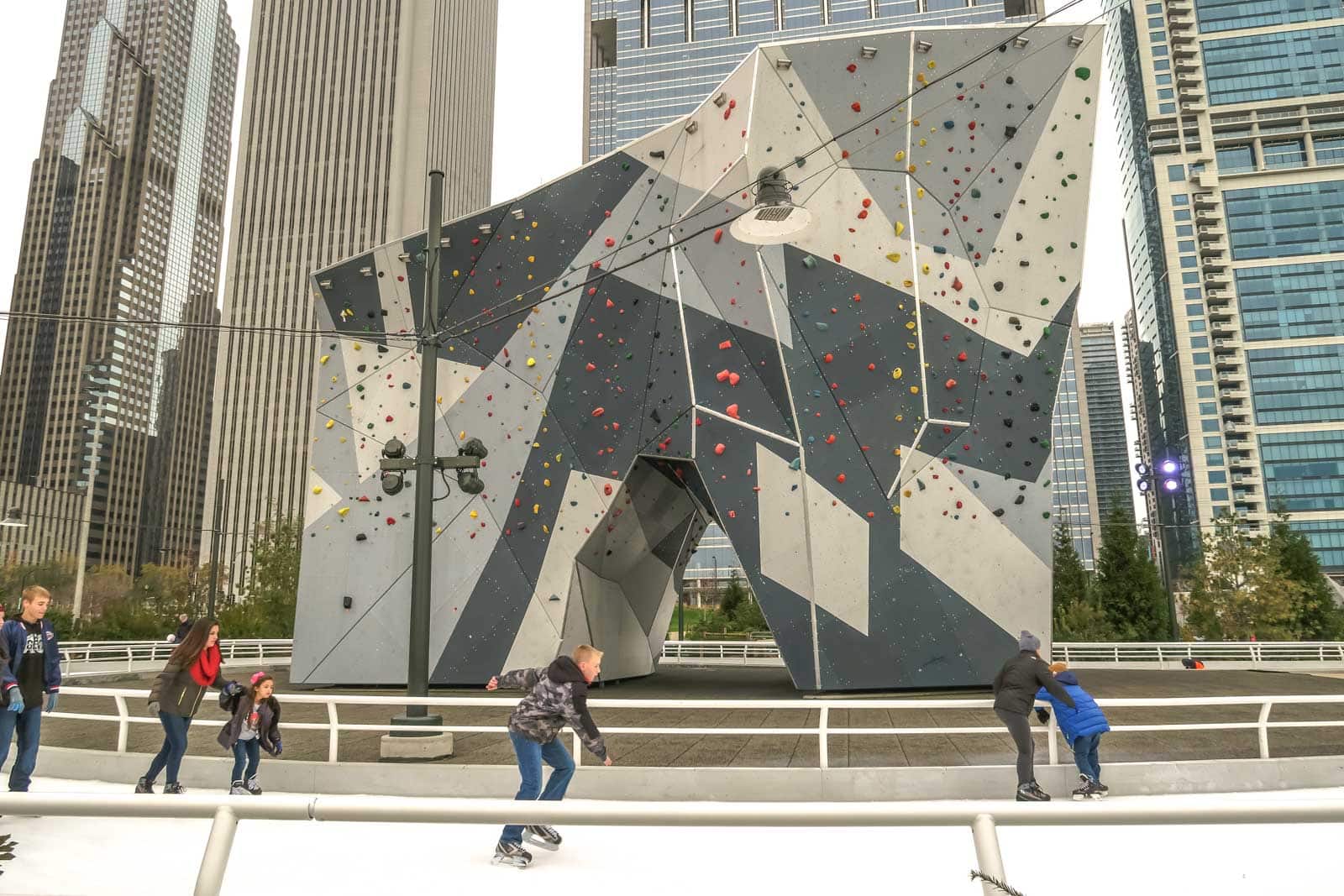
    Ice skating at Maggie Daley Park in Chicago

    There’s nothing quite like the weekend before Thanksgiving in Chicago when the city officially kicks off the holiday season. We went for the Magnificent Mile Lights Festival one year, and seeing Mickey Mouse lead the parade as they lit up a million lights down the avenue was pure fun.

    Why Visit in November: Chicago goes all-out to begin the festive season. It’s cold, but the city’s energy will warm you up. It’s also a great time to explore Chicago’s world-class indoor attractions.

    Top Things to Do:

    Attend the Magnificent Mile Lights Festival.

    Shop at the Christkindlmarket, an open-air German Christmas market.

    Go ice skating on the ribbon at Maggie Daley Park.

    Spend a day exploring the Art Institute of Chicago or the Field Museum.

    Where to Stay: The Loop or River North are central neighbourhoods that offer easy access to most of the main sights and transportation.

    Best Places in November for Outdoor Adventure & Scenery

    For those who want to get out and explore, November offers some incredible opportunities. The trails are quieter, the temperatures are perfect for a long hike, and the light is often softer, which is great for photography.

    9. Zion National Park, Utah

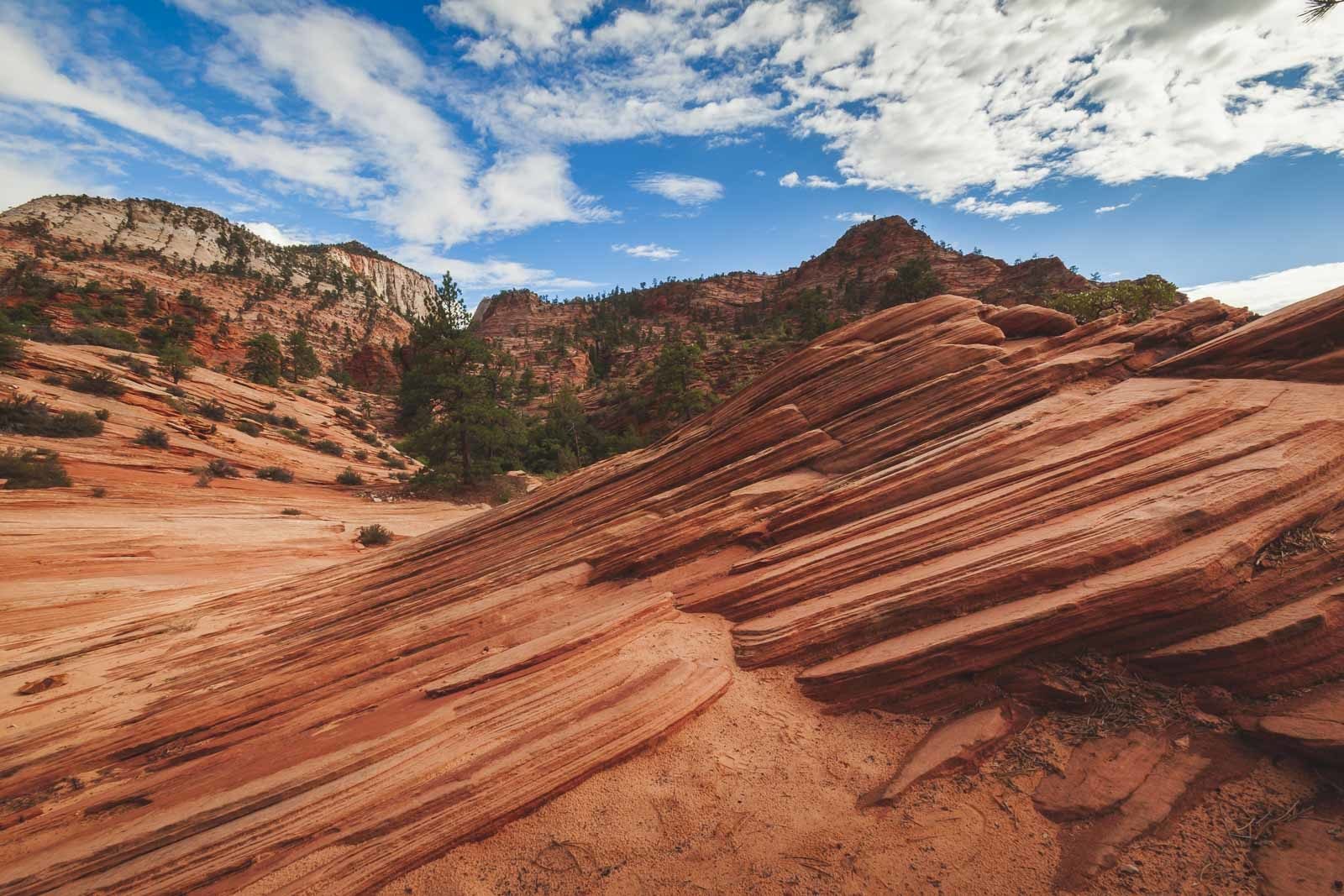
    As we mentioned, our November trip to Zion was a game-changer. We rented dry suits in Springdale and hiked a section of The Narrows. Wading through the Virgin River with those massive canyon walls towering above us, and with only a handful of other people in sight, was an unforgettable adventure. It’s a completely different park without the summer crowds.

    Why Visit in November: The intense summer heat is gone, making for perfect hiking conditions. The park is much quieter, and on weekdays, you can often drive your own car into Zion Canyon, which isn’t allowed during peak season.

    Top Things to Do:

    Hike The Narrows (be sure to rent appropriate cold-water gear).

    Explore the Emerald Pools Trail.

    Drive the scenic Zion-Mount Carmel Highway and look for bighorn sheep.

    Hike The Watchman Trail for a great view of the valley.

    Where to Stay: The town of Springdale is located right at the park’s entrance and has plenty of hotels and restaurants.

    10. Asheville, North Carolina
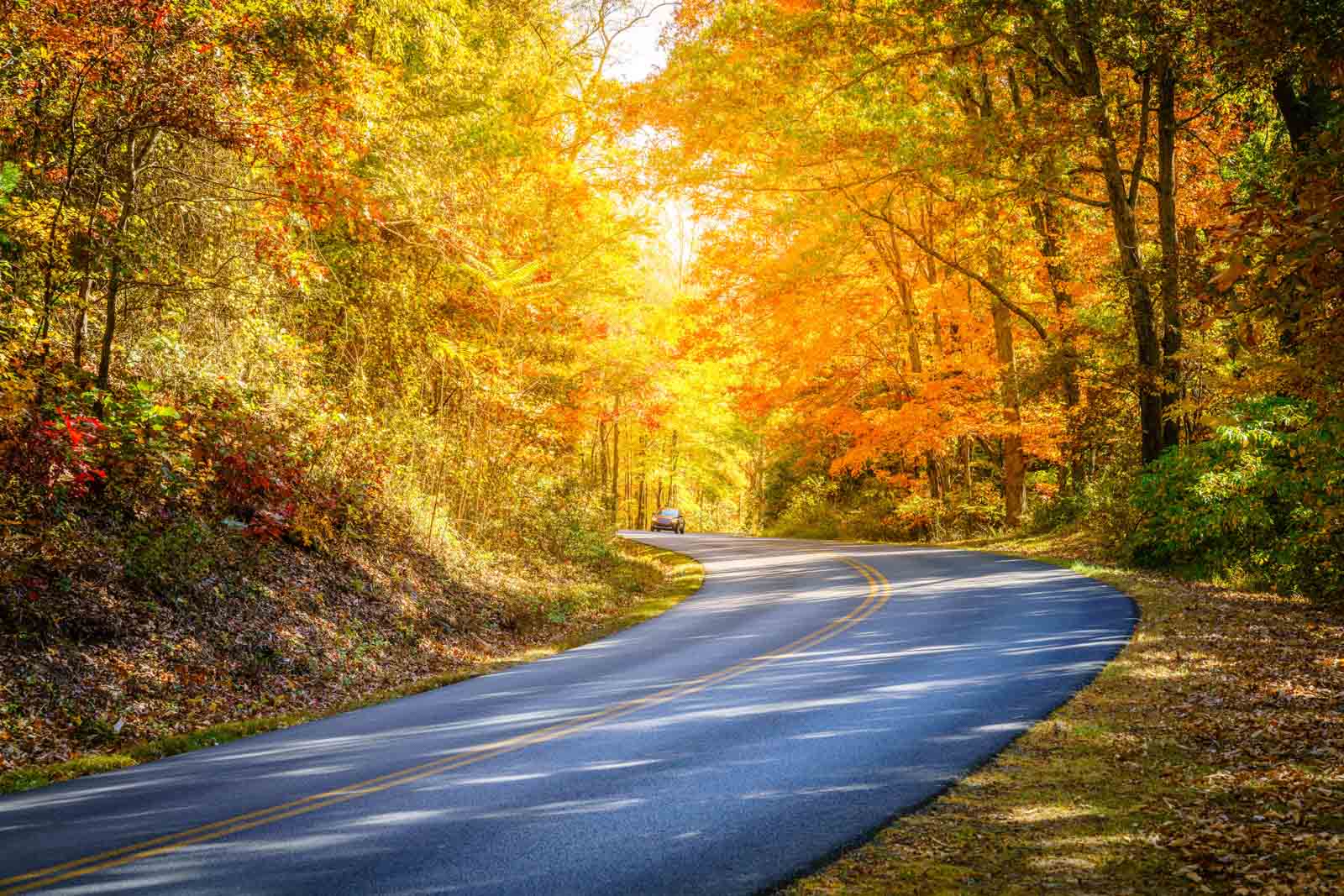
    Driving through the fall colours driving the Blue Ridge Parkway on the outskirts of Asheville, North Carolina

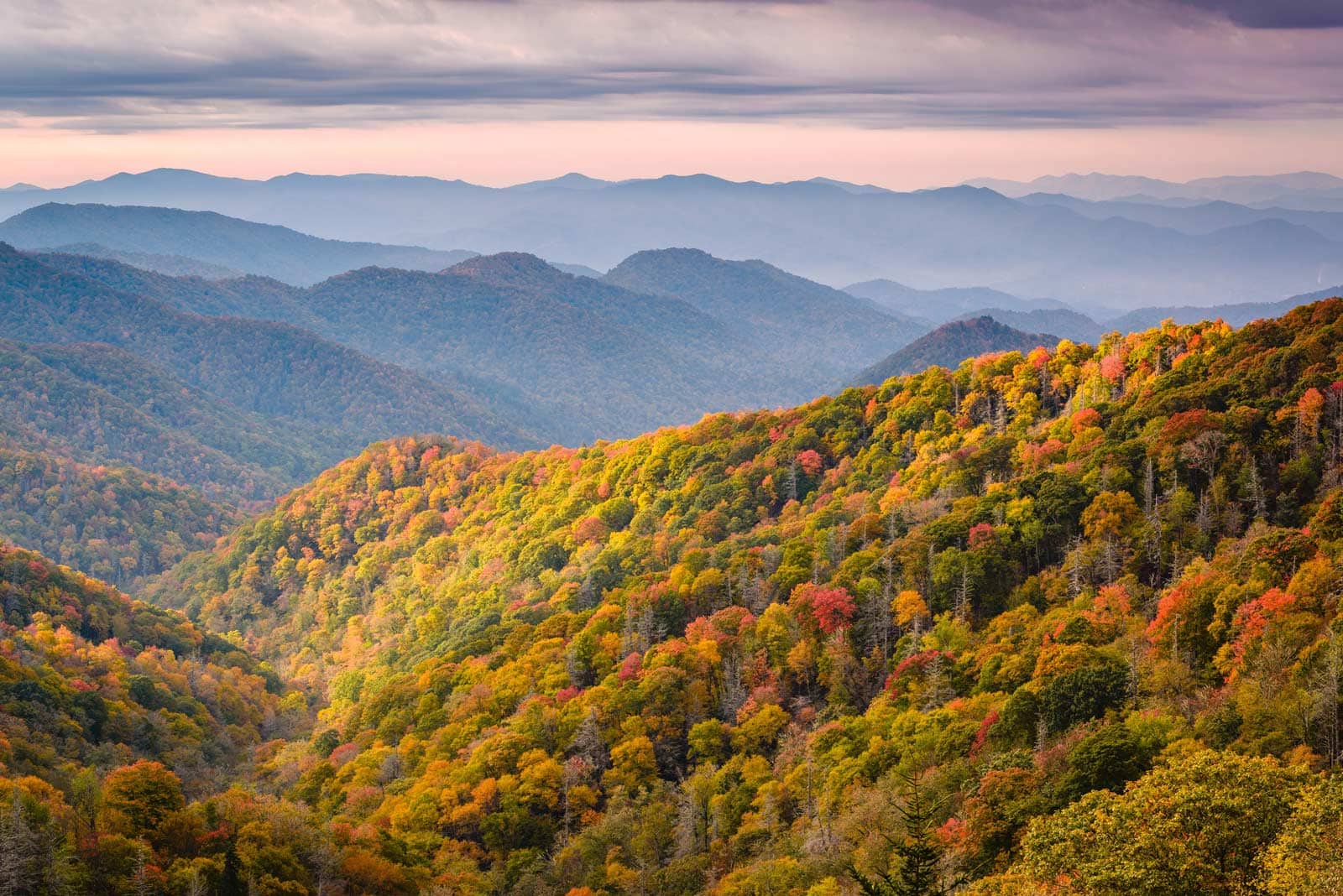
    We drove a section of the Blue Ridge Parkway just outside of Asheville one November, thinking we had missed all the fall foliage. But the lower elevations were still full of colour, with deep reds and golds clinging to the trees. The views over the mountains were hazy and beautiful. It proved that the scenery here is spectacular long after the peak season ends.

    Why Visit in November: You can often catch the last of the fall colour. The crisp mountain air is invigorating for hikes, and the city itself is a cosy place to return to, with a fantastic food scene and dozens of craft breweries.

    Top Things to Do:

    Drive a portion of the Blue Ridge Parkway (check for road closures).

    Hike in the Pisgah National Forest.

    Tour the Biltmore Estate, which is usually decorated for Christmas starting in early November.

    Explore the vibrant downtown area’s shops, galleries, and restaurants.

    Where to Stay: You can choose from trendy hotels downtown or rent a secluded cabin in the nearby mountains for a true retreat.

    11. Sedona, Arizona
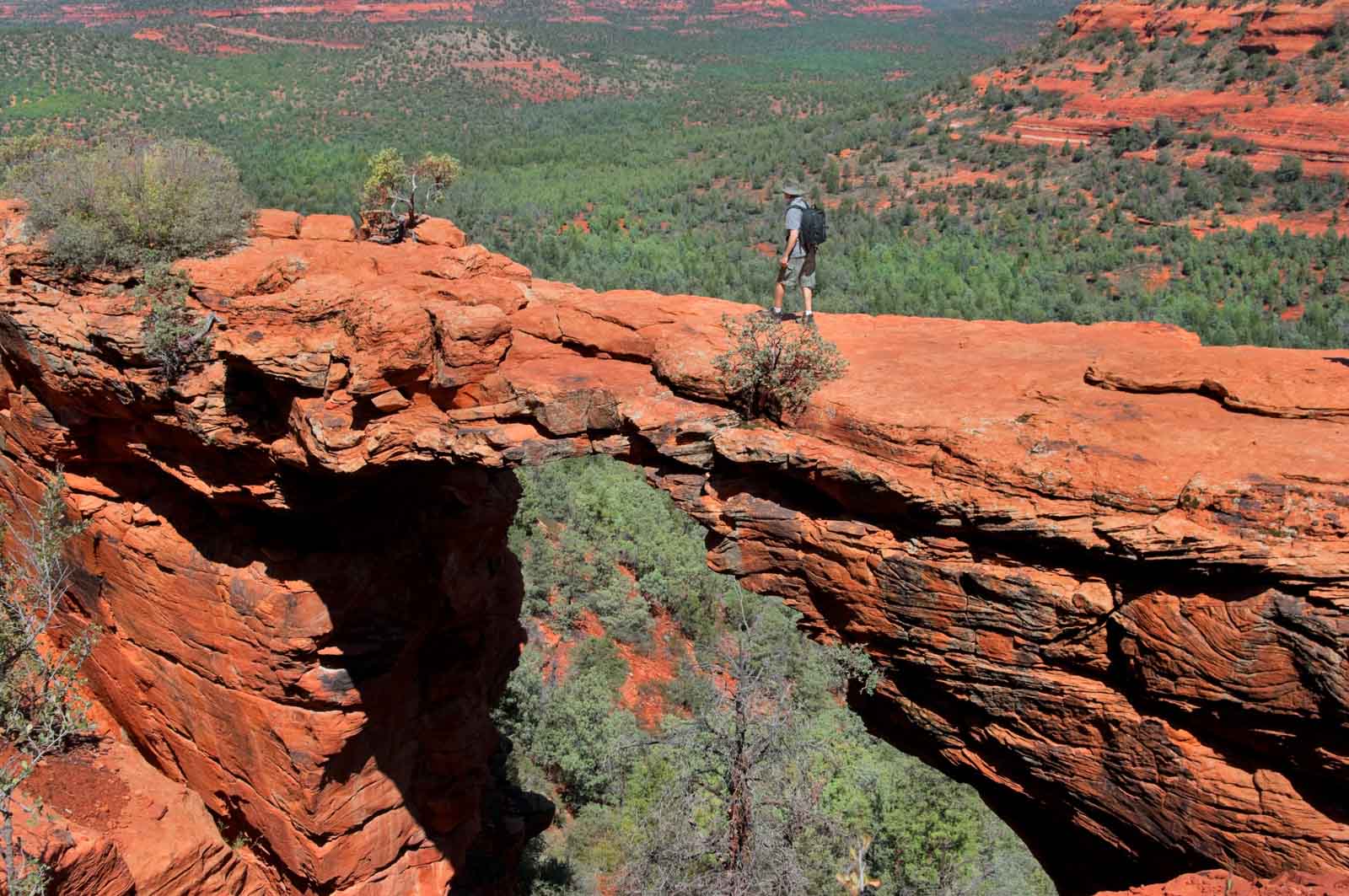
    Dave from The Planet D hiking in Sedona, Arizona.

    We took one of the famous Pink Jeep Tours on our last visit. Bouncing over the red rock trails was a blast, and our guide pointed out all the different rock formations and vortex sites. Doing it in November meant we could enjoy the open-air vehicle without baking in the sun.

    Why Visit in November: The weather is ideal for hiking and exploring the outdoors. The bright blue skies create a remarkable contrast with the deep red rocks, making for excellent photographs. The spiritual energy of the vortexes feels even more powerful in the quiet of the off-season.

    Top Things to Do:

    Take a jeep tour to explore the backcountry.

    Hike the trails around Cathedral Rock or Bell Rock.

    Browse the unique shops and art galleries at Tlaquepaque Arts & Shopping Village.

    Watch the sunset from the Airport Mesa viewpoint.

    Where to Stay: Many of Sedona’s resorts are built to blend in with the landscape and offer incredible views and spa services.

    12. Napa Valley, California
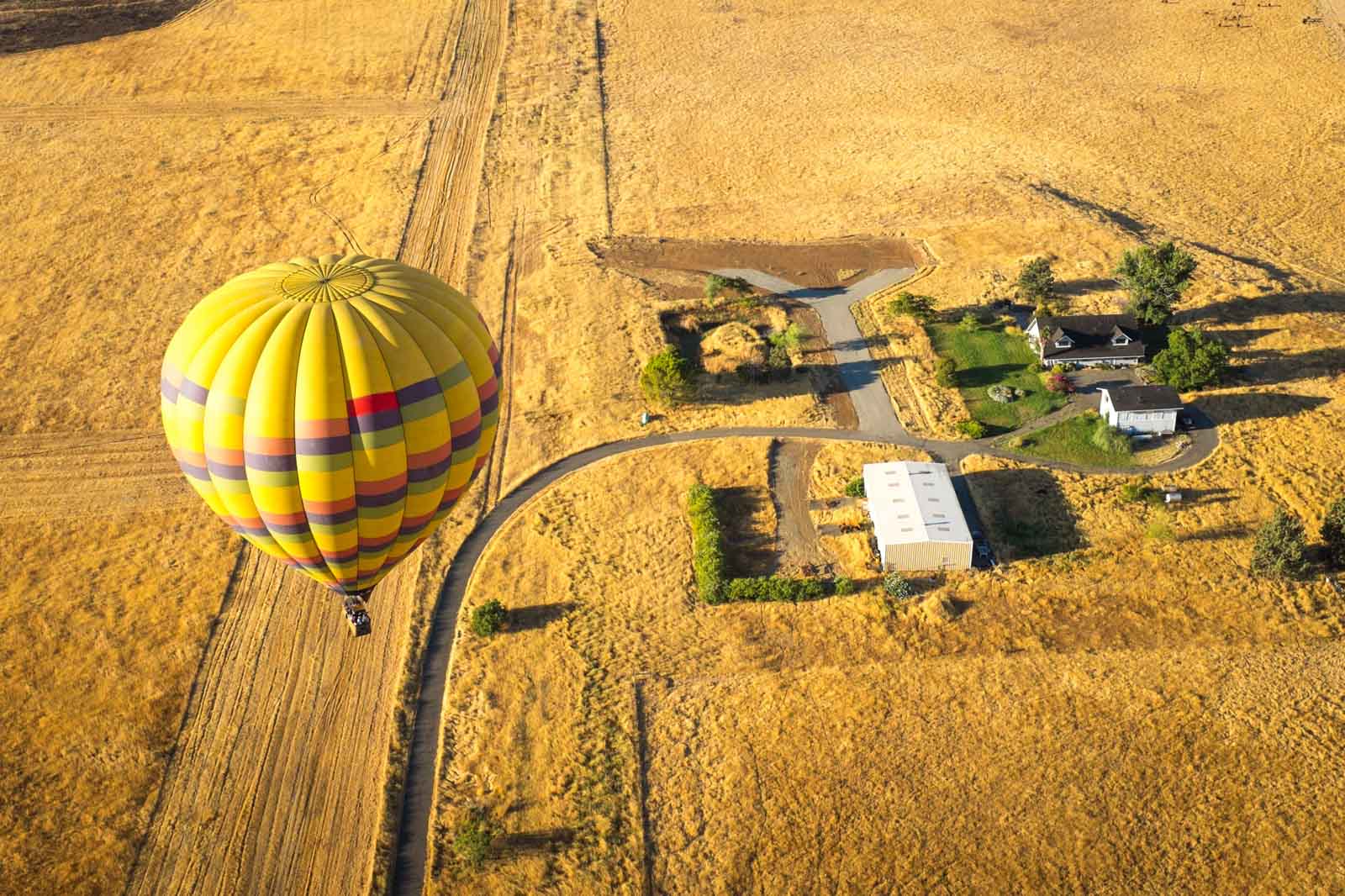
    Looking down on the Napa Vqlley Vineyards from our hot air balloon

    Napa Valley in November is a different kind of beautiful. The grapevines, having done their work, are turning brilliant shades of gold, orange, and deep red. We remember sitting in a quiet tasting room, savouring a glass of Cabernet Sauvignon while a fire crackled in the fireplace. It felt sophisticated and incredibly relaxing.

    Why Visit in November: The valley is celebrating “Cabernet Season,” the perfect time to taste the region’s signature bold red wines. The fall scenery in the vineyards is gorgeous, and the wineries are far less crowded than during the harvest season.

    Top Things to Do:

    Go wine tasting with a focus on Cabernet Sauvignon.

    Take a hot-air balloon ride for a bird’s-eye view of the colourful vineyards.

    Enjoy a gourmet meal at one of the valley’s many Michelin-starred restaurants.

    Ride the Napa Valley Wine Train.

    Where to Stay: For a classic experience, book a room at a charming inn or B&B in towns like St. Helena, Yountville, or Calistoga.

    13. Telluride, Colorado
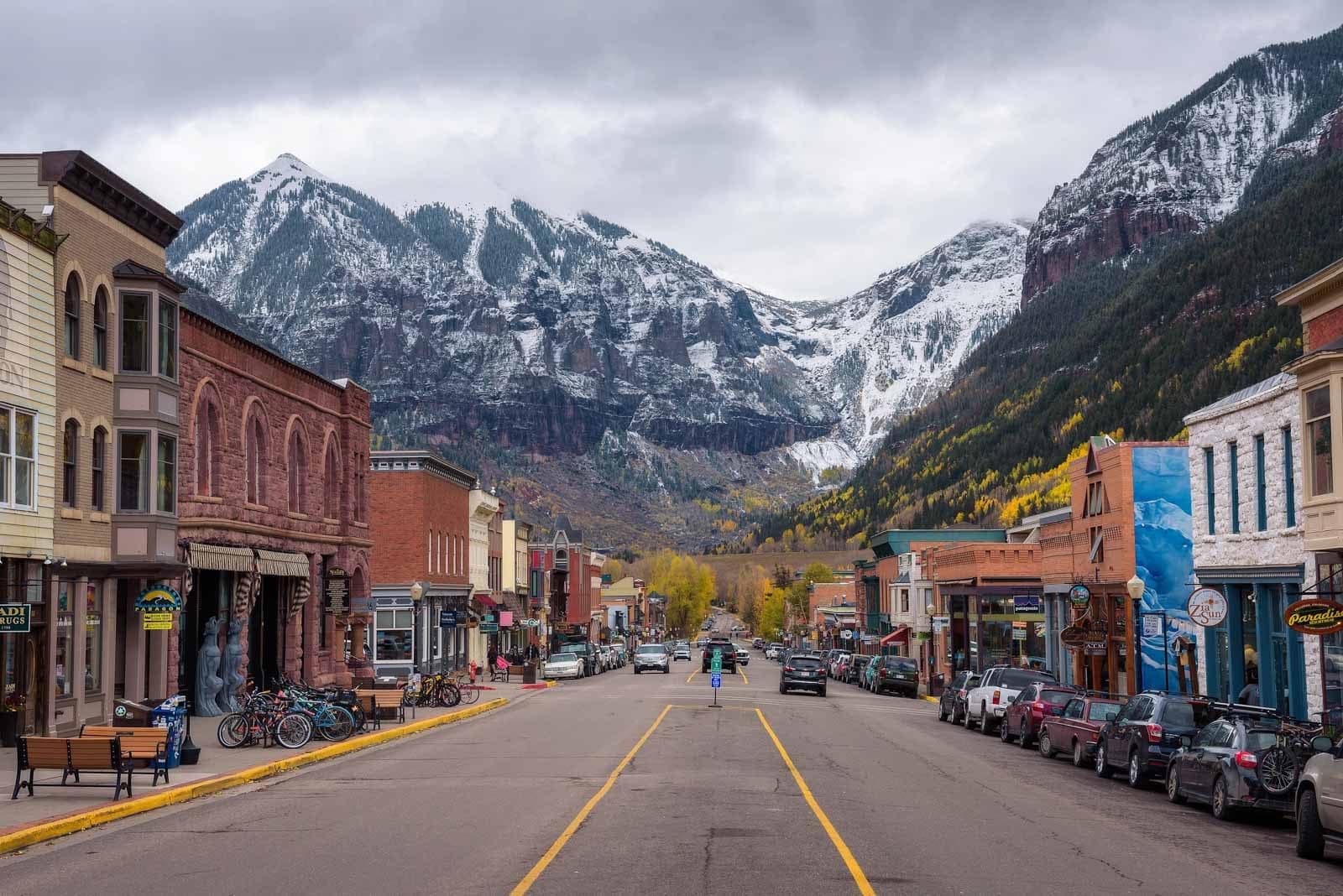
    Downtown Telluride, Colorado with a light dusting of snow on the mountains.

    We visited Telluride once in the quiet window between fall hiking and peak ski season. We rode the free gondola up the mountain over a valley dusted with the early snow of the year. The town was so peaceful, and looking down into that famous box canyon felt like we had a secret view all to ourselves before the winter crowds arrived.

    Why Visit in November: You get to experience the calm before the storm of ski season, often at a lower price. The ski resort sometimes opens on Thanksgiving weekend, offering some of the earliest runs of the year in North America.

    Top Things to Do:

    Ride the free gondola between the town of Telluride and Mountain Village for incredible views.

    Walk along the historic, Victorian-era Main Street.

    Check for early-season skiing or snowboarding.

    Enjoy the quiet, cosy atmosphere in the local restaurants and bars.

    Where to Stay: Choose between the historic inns in the town of Telluride or the modern, ski-in/ski-out hotels in Mountain Village.

    14. Lake Tahoe, California/Nevada

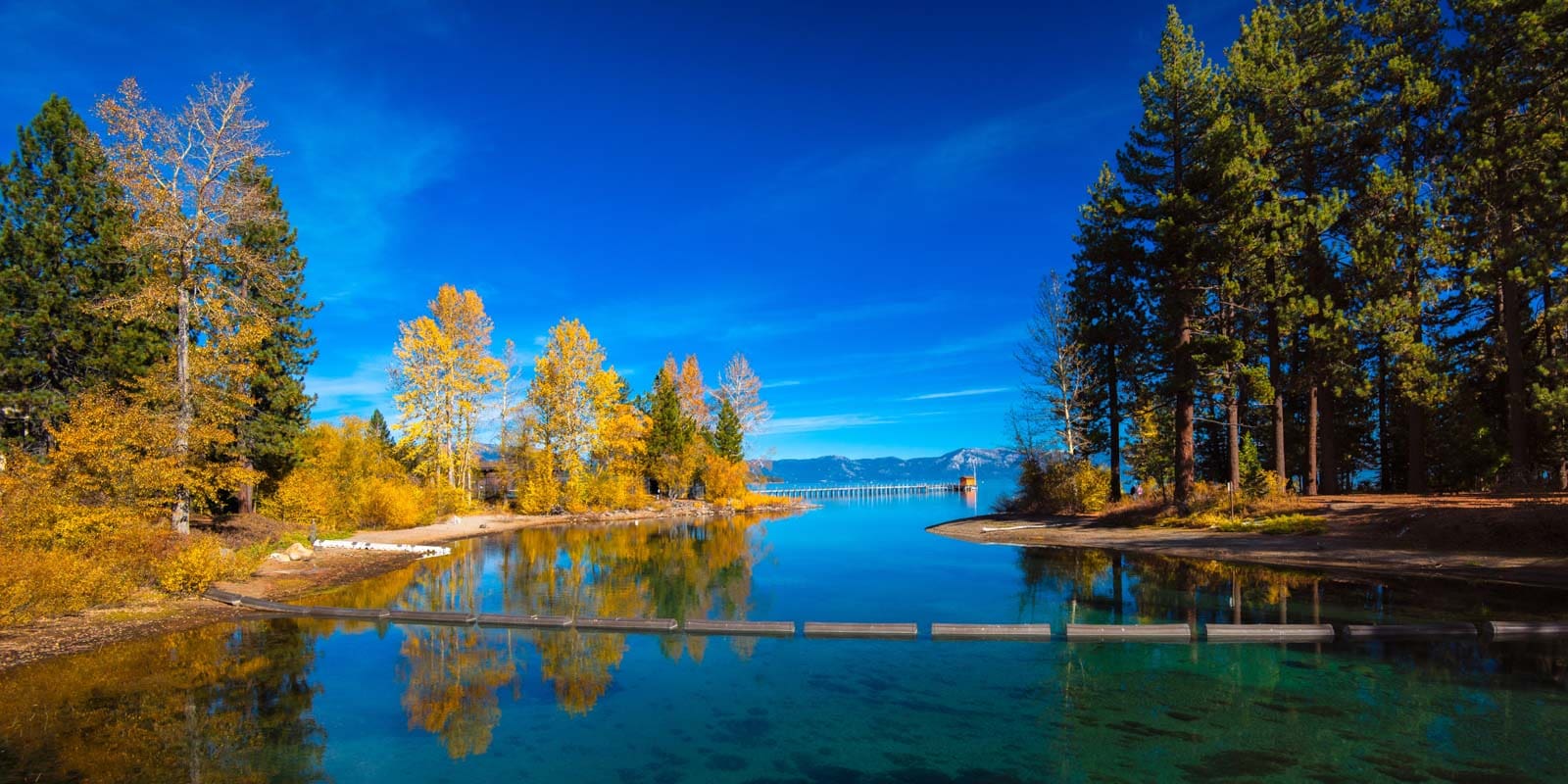
    We took a trip to Lake Tahoe in November and went for a hike around Emerald Bay. The air was crisp, the scent of pine was everywhere, and the lake was a shade of blue so deep it didn’t look real. With almost no one else on the trail, it was one of the most peaceful and spectacular walks we’ve ever had.

    Why Visit in November: It is the true quiet season. The summer and winter crowds are gone, making for a peaceful and relaxing visit. You can often find great deals on lodging, and the trails at lower elevations are perfect for hiking.

    Top Things to Do:

    Hike the trails around the stunning Emerald Bay State Park.

    Drive the 72-mile scenic road that circles the entire lake.

    Explore the shops and restaurants in South Lake Tahoe or Tahoe City.

    See if the Heavenly Gondola is running for amazing views of the lake.

    Where to Stay: For a cosy trip, rent a cabin near the West Shore. For more action and amenities, look for a hotel in South Lake Tahoe.

    Best Places to Go in November for a Unique Experience

    Sometimes you want a trip that’s a little different. These destinations offer something special in November, from diving deep into American history to soaking up some mid-century modern style in the desert.

    15. Plymouth, Massachusetts
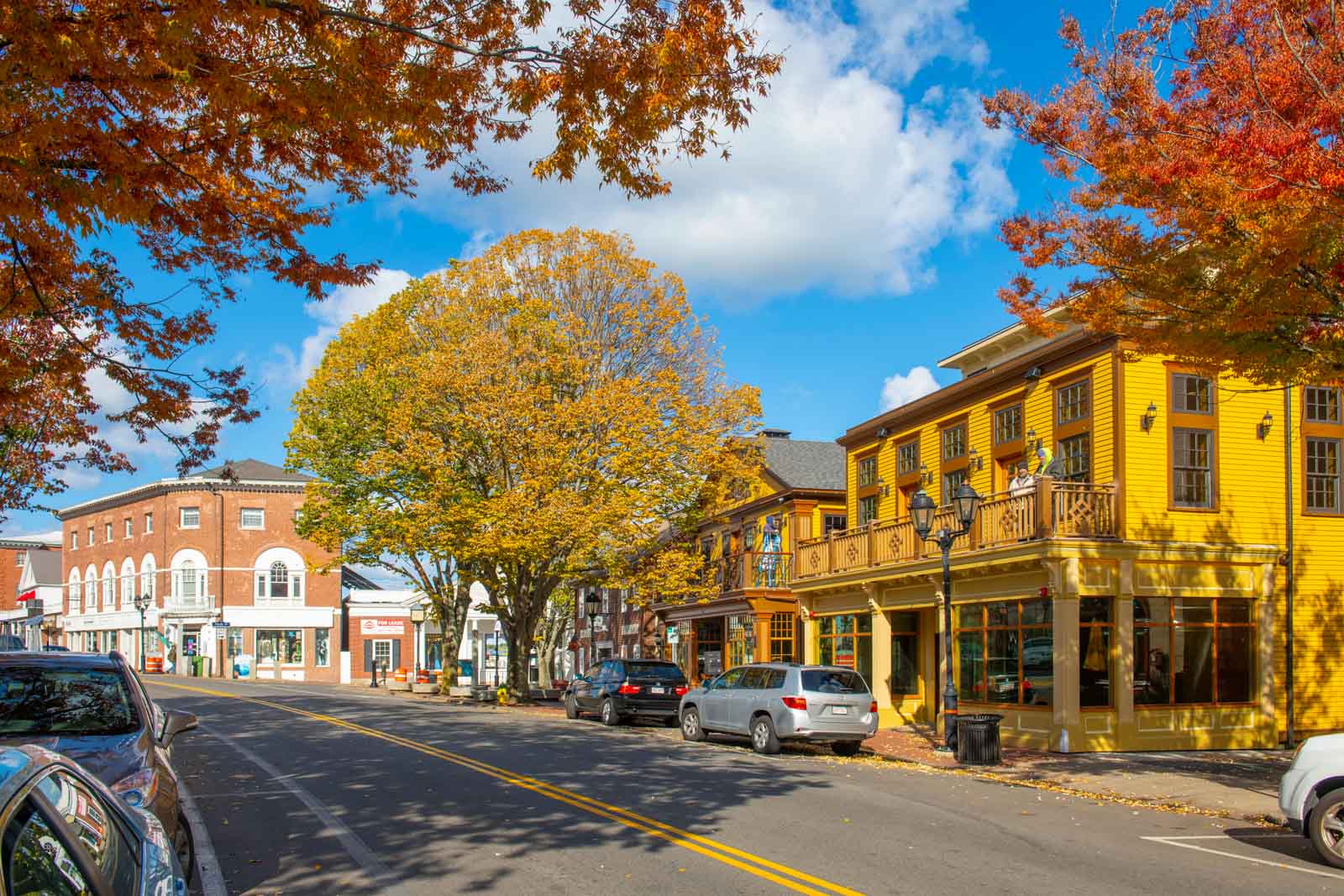
    Downtown Plymouth, Massachusetts on a beautiful fall day in November

    Visiting Plymouth in the weeks leading up to Thanksgiving is a powerful experience. We walked the grounds of the Plimoth Patuxet Museums and saw the Mayflower II replica, and it really brought a new depth to a story we’ve all heard. Standing there, you can’t help but reflect on that slice of American history.

    Why Visit in November: This is the setting for the original Thanksgiving story, and visiting this month makes the history feel incredibly relevant and alive. The big summer crowds are gone, leaving a quiet, reflective atmosphere. October is also a great month to visit.

    Top Things to Do:

    Explore the Plimoth Patuxet Museums, a living history museum.

    See Plymouth Rock and the Mayflower II ship at the waterfront.

    Wander through the historic downtown and Burial Hill cemetery.

    Where to Stay: Look for a historic inn or a hotel along the waterfront for the full New England experience.

    16. Savannah, Georgia
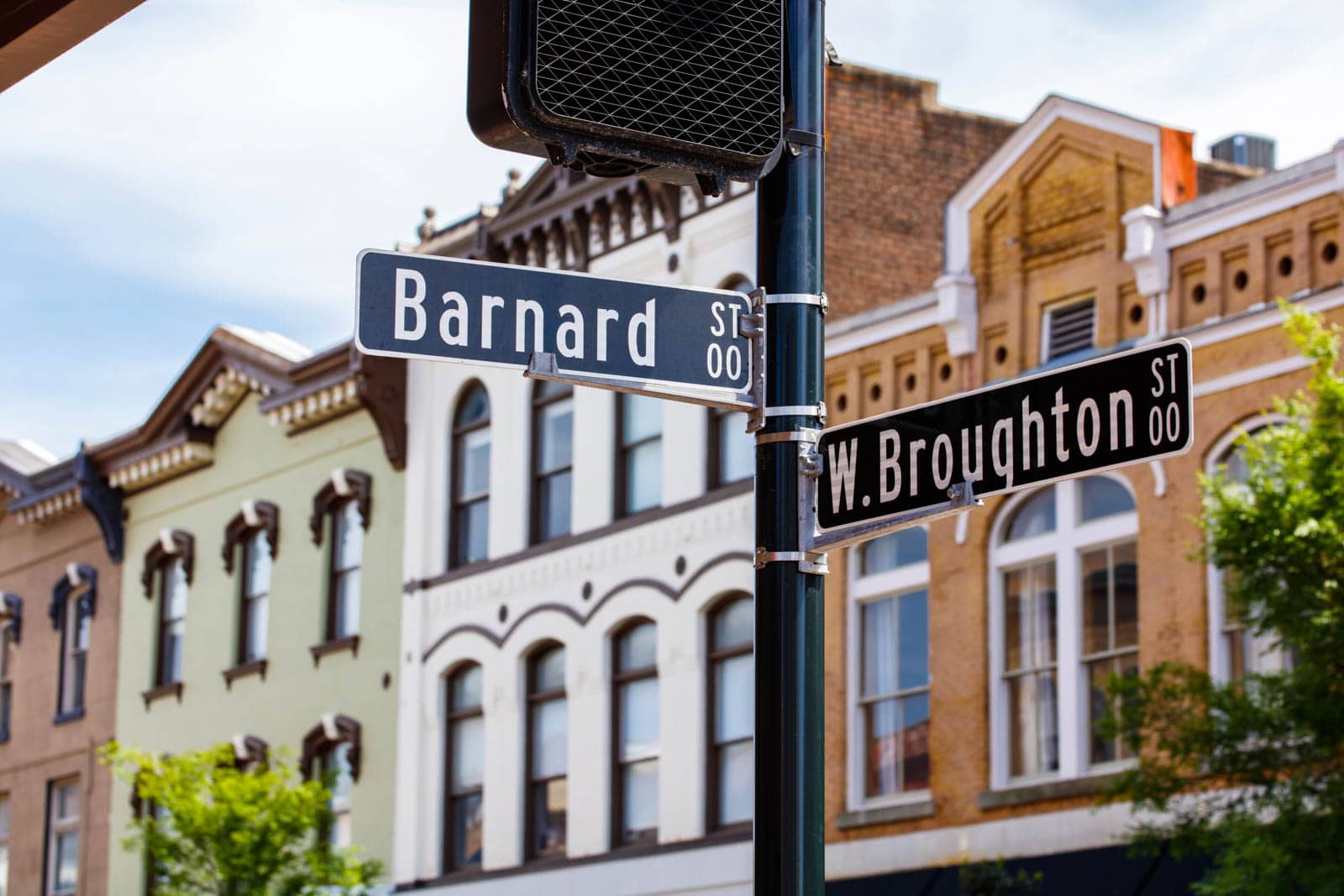
    A view of the Barnard Street sign in downtown Savannah, Georgia

    We took a ghost tour on a cool November evening in Savannah, and the city’s atmosphere was perfect for it. With the Spanish moss hanging from the ancient oak trees and the gaslights flickering in the historic squares, the spooky stories felt entirely believable. Afterwards, we just walked for hours, enjoying the cool air.

    Why Visit in November: The weather is ideal for exploring Savannah’s beautiful and walkable historic district. The oppressive summer humidity is a distant memory, and the city’s many squares are a delight to discover on foot.

    Top Things to Do:

    Walk through some of the 22 historic squares, each with its own character.

    Tour a historic home, like the Mercer Williams House from Midnight in the Garden of Good and Evil.

    Explore the shops and restaurants along the revitalized Broughton Street and River Street.

    Where to Stay: We recommend booking a room in one of the boutique hotels or historic inns located right in the Historic District.

    17. Las Vegas, Nevada

    The famous Las Vegas Sign taken on our trip to Vegas in November

    Many people think of Vegas as just The Strip, but we love using it as a base for desert adventures. One November we rented a car and drove out to the Valley of Fire State Park. Exploring the incredible red rock formations in the mild weather was fantastic, and then we returned to the energy and lights of the city at night. It’s the best of both worlds.

    Why Visit in November: The desert heat has subsided, making it the perfect time to explore nearby natural wonders. Back in the city, you can often find great deals on hotels and shows before the busy holiday season.

    Top Things to Do:

    Take a day trip to hike in Valley of Fire State Park.

    See one of the incredible Cirque du Soleil shows.

    Explore the wildly different themes of the hotels along The Strip.

    Visit the impressive Hoover Dam.

    Where to Stay: For first-timers, staying mid-Strip gives you easy access to the main attractions.

    18. Palm Springs, California
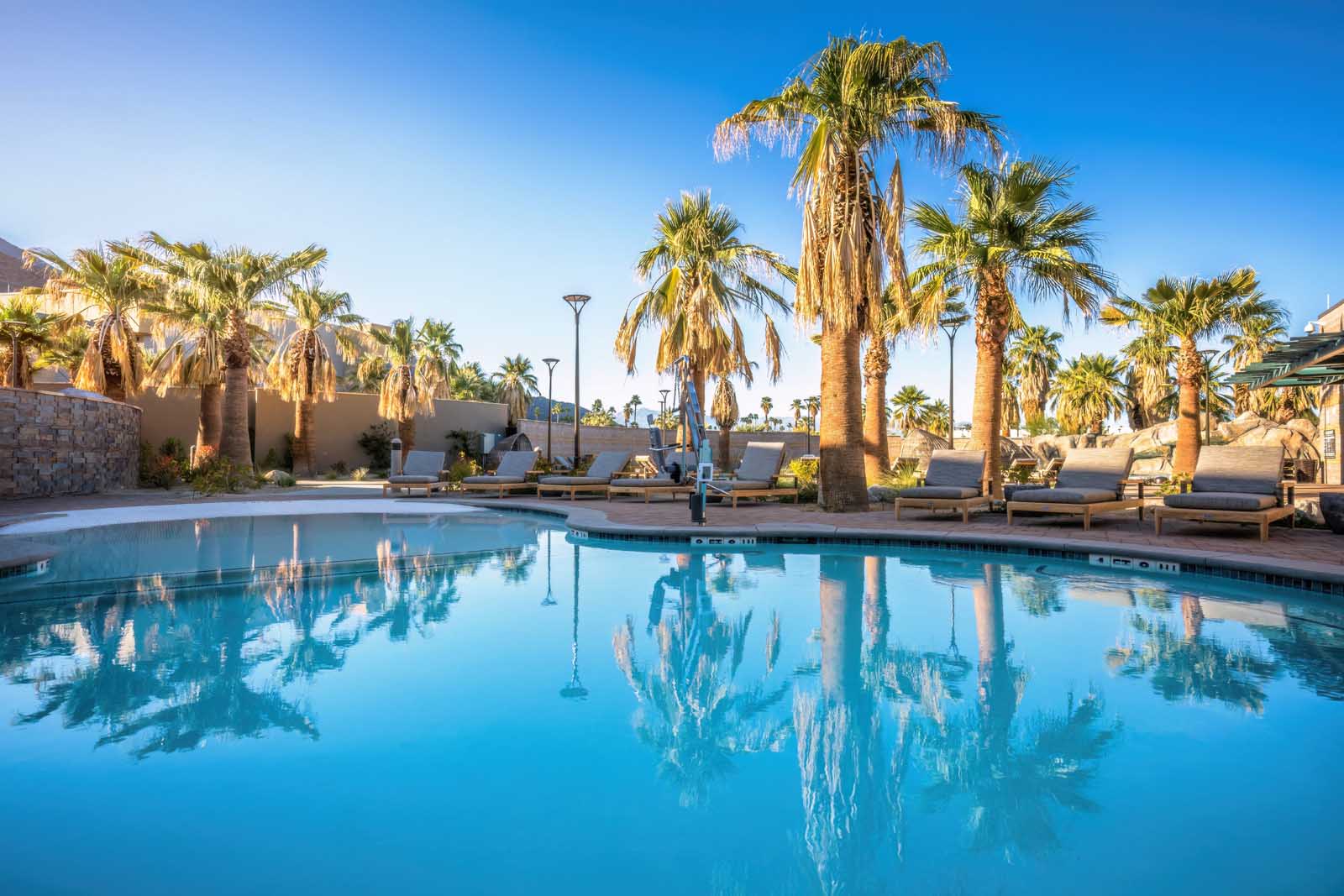
    Pool and palm trees in Palm Springs, California

    Palm Springs just feels cool. We spent a weekend there simply appreciating the mid-century modern design, from the unique houses to the retro hotels. After a morning of exploring, we spent the afternoon just relaxing by the pool in the warm sun. It was a perfect, low-key getaway.

    Why Visit in November: The weather is idyllic. It’s sunny and warm enough to lounge by the pool but comfortable enough for hiking or tennis. It’s the quintessential relaxing desert escape.

    Top Things to Do:

    Ride the Palm Springs Aerial Tramway for spectacular views of the Coachella Valley.

    Hike the scenic trails in the Indian Canyons.

    Take a self-guided tour of the city’s famous mid-century modern architecture.

    Shop for vintage finds in the Uptown Design District.

    Where to Stay: Treat yourself to a stay at one of the city’s many restored mid-century modern hotels or boutique inns.

    19. Philadelphia, Pennsylvania
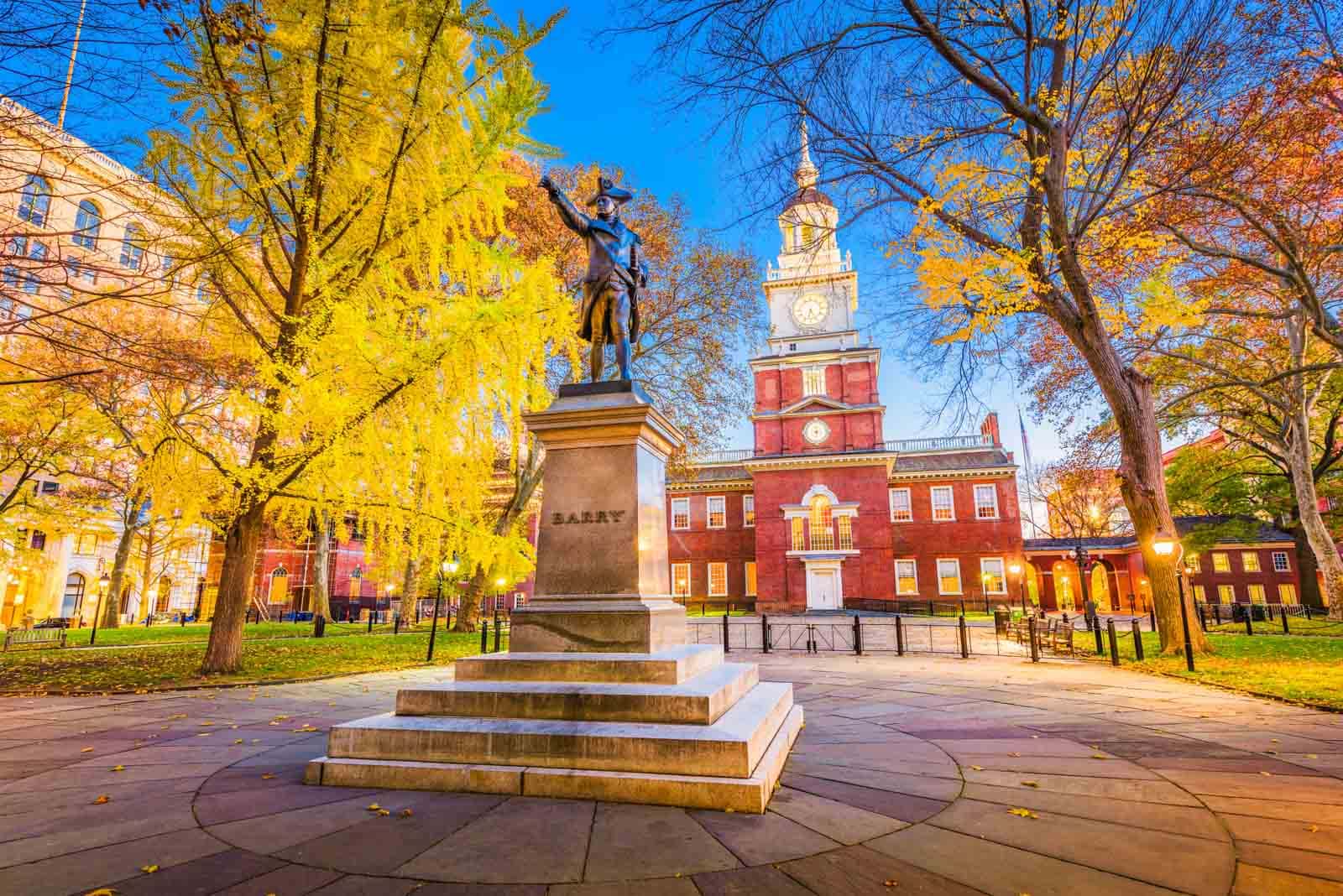
    A view of Independence Hall in Philadelphia, Pennsylvania, on a cool fall day with golden trees

    Philadelphia is one of America’s great walking cities. We loved grabbing a classic Philly cheesesteak at Reading Terminal Market and then walking it off by exploring the streets of the Old City. The history here feels so tangible, from Independence Hall to the cobblestone alleys.

    Why Visit in November: The crisp fall weather is perfect for a history-heavy trip that requires a lot of walking. The city also hosts the oldest Thanksgiving Day Parade in the country, offering a unique holiday experience.

    Top Things to Do:

    Visit Independence National Historical Park to see the Liberty Bell and Independence Hall.

    Run up the “Rocky Steps” at the Philadelphia Museum of Art.

    Eat your way through the amazing Reading Terminal Market.

    Explore the charming, historic streets of the Old City.

    Where to Stay: Center City or the Old City are the best bets for being within walking distance of most major historical sites.

    Tips for Travelling in the USA in November

    Check the Weather: The weather across the United States varies wildly in November. You could be swimming in Florida or skiing in Colorado. Always check the specific forecast for your destination right before you leave.

    Pack in Layers: For most places, layers are your best friend. A t-shirt, a fleece, and a waterproof or windproof jacket will cover you for most city breaks and outdoor adventures.

    Book Around Thanksgiving: November is generally a shoulder season with good deals, but the week of Thanksgiving is a major travel period. Book flights and accommodation well in advance if your trip falls over the holiday.

    FAQ: Best Places to Visit in the US in November

    Where is the warmest place to visit in the USA in November?

    For the warmest weather, you’ll want to head south. Southern Florida (like the Florida Keys), Hawaii, and desert destinations like Scottsdale and Palm Springs consistently offer the most sunshine and warmest temperatures in November.

    Is November a good time to visit US National Parks?

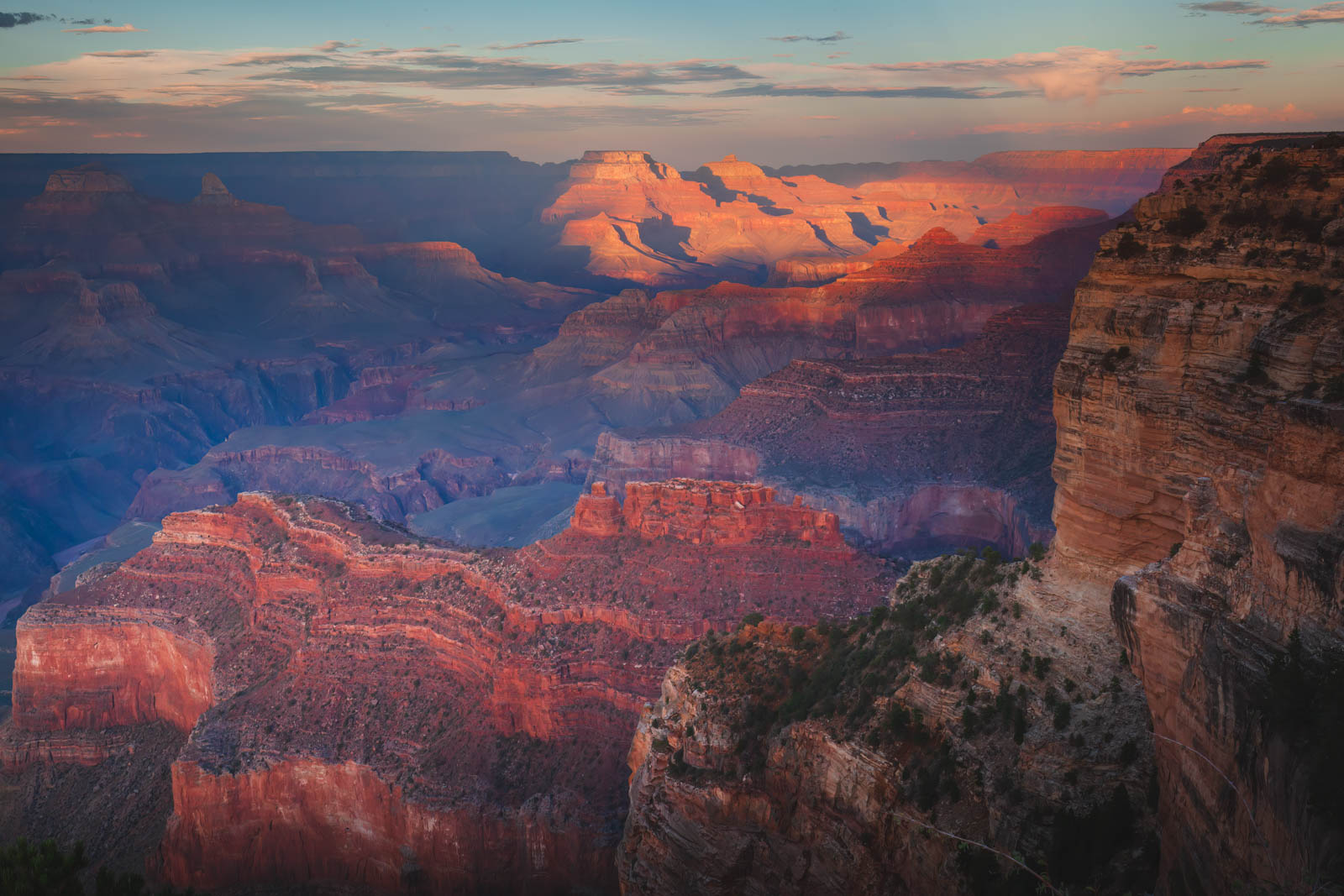
    Yes, it’s an excellent time for many parks, especially the desert parks in the Southwest like Zion, Death Valley, and Grand Canyon, where summer temperatures are extreme. However, in mountain parks like Yosemite or Glacier, many roads and services may be closed due to snow.

    What is there to do in the USA for Thanksgiving?

    You can go big by watching the famous Macy’s Thanksgiving Day Parade in New York City, or you can go historical by visiting Plymouth, Massachusetts. Alternatively, many people use the long weekend for a quiet getaway to a national park or a relaxing beach destination.

    Where can you still see fall foliage in the US in November?

    You’ll be catching the very tail end of the season, but you can still find good fall colour in lower elevations and more southerly states. Places like Asheville, North Carolina, Savannah, Georgia, and even Napa Valley in California can have beautiful foliage well into November.

    Ready for a November Getaway?

    Dave and Deb in the Gondola at Telluride Colorado

    November is a fantastic and often overlooked month to explore the United States. With fewer crowds and a mix of festive energy and off-season calm, it offers a unique chance to see some of the country’s best spots in a different light.

    So, where will you go?

    [ad_2]

    Source link

  • The Best Portuguese Food: 31+ Traditional Dishes You Have to Eat

    The Best Portuguese Food: 31+ Traditional Dishes You Have to Eat

    [ad_1]

    There are few places we’ve explored that are as much of a feast for the senses as Portugal. We spent two full months traveling the entire country, from the sun-drenched seafood restaurants of the Algarve to the historic heart of Guimarães in the north. Our mission was simple: to eat everything.

    We tried food from tiny tascas in Lisbon, seaside grills serving the freshest catch, and family-run spots deep in the countryside. This guide is the result of that delicious journey. It’s our collection of the traditional Portuguese dishes that you simply have to try, based on our firsthand experience of eating our way across the country.

    Traditional Portuguese Food at a Glance

    If you’re short on time, here are our top picks to help you decide what to eat first.

    Must-Try Dishes: Pastel de Nata, Bifana, Grilled Sardines, Caldo Verde.

    Best Seafood: Bacalhau, Cataplana de Marisco, Polvo à Lagareiro.

    Best Meat Dishes: Francesinha, Leitão Assado (Suckling Pig), Porco Preto.

    Must-Try Drinks: Vinho Verde, Ginjinha.

    1. Pastel de Nata (Custard Tarts)

    You can’t talk about traditional Portuguese cuisine without starting here. These bite-sized egg custard tarts are a national treasure. The pastry is impossibly flaky, shattering the moment you bite into it, giving way to a warm, creamy custard centre. They’re typically served with a sprinkle of cinnamon on top.

    Dave & Deb’s Take: We’ve eaten more of these than we can count, and our rule is simple: eat them warm, preferably standing right outside the bakery. While there are famous spots in Lisbon, almost every local pastelaria has a fantastic version. It’s the perfect companion to a morning coffee.

    2. Bacalhau (Salt Cod)

    A delicious plate of Bacalhau à Brás, a traditional Portugal dish made with salt cod, potatoes, and eggs.

    Bacalhau isn’t just a fish; it’s a Portuguese obsession. It’s said there are more than 365 ways to prepare this dried and salted cod—one for every day of the year. Historically, it was the food that sustained sailors on long voyages, but today it’s a beloved staple found in everything from simple fish cakes to elaborate casseroles. WE really got a good taste of it when we were up in Guimaraes. What amazing food scene.

    Dave & Deb’s Take: If you’re new to bacalhau, the best introduction is Bacalhau à Brás. It’s a typical Portuguese dish of shredded cod mixed with onions, scrambled eggs, and thinly fried potatoes. It’s delicious, not too fishy, and a perfect way to experience Portugal’s national dish.

    3. Bifana (Pork Sandwich)

    a delicious Bifana, a traditional Portuguese pork sandwich, from a local cafe in Porto.

    The Bifana is Portugal’s answer to the perfect sandwich. It’s simple, cheap, and incredibly satisfying. The sandwich consists of thin slices of pork marinated in garlic, white wine, and spices, served on a soft, fresh bread roll. It’s the ultimate Portuguese comfort food.

    Dave & Deb’s Take: The best Bifanas we’ve had are from tiny, no-frills spots where you can hear the pork sizzling on the griddle. Don’t be shy with the mustard, a squeeze of it cuts through the richness of the pork perfectly. It’s the ideal cheap and cheerful lunch.

    4. Grilled Sardines (Sardinhas Assadas)

    A plate of freshly grilled sardines, a popular food in Portugal, served with a side salad and lemon.

    Freshly grilled sardines are a juicy, simple pleasure and a staple of Portuguese cuisine. Historically a dish of the lower classes due to their affordability, they are now a beloved snack or light lunch across the country. The secret is the slow-grilling over charcoal, which keeps the fish moist and packed with flavour.

    Dave & Deb’s Take: The best sardines we’ve ever had were from a tiny, no-name grill set up on a side street in the Alfama district of Lisbon during the St. Anthony Festival in June. The whole neighbourhood smelled of grilled fish and charcoal. You eat them with your hands, placing the sardine on a slice of bread to soak up the juices. Don’t be afraid to get messy; it’s all part of the experience.

    5. Piri-Piri Chicken

    A platter of smoky, charcoal-grilled Piri-Piri chicken, a famous dish from the Algarve region of Portugal.

    This is one of Portugal’s most famous culinary exports, and for good reason. It’s so much more than just the version you find at chain restaurants. Authentic Portuguese Piri-Piri chicken is spatchcocked, marinated in a flavourful mix of chili, garlic, olive oil, and lemon, and then grilled over charcoal until the skin is crispy and the meat is incredibly juicy.

    Dave & Deb’s Take: Every restaurant has its own secret Piri-Piri sauce recipe, and part of the fun is trying different versions. We found the best spots are usually unassuming, local places with a huge charcoal grill out front. It’s typically served with simple fries and a basic salad, which is all you need to accompany the star of the show.

    6. Caldo Verde (Green Soup)

    A warm bowl of Caldo Verde, a traditional Portuguese green soup with slices of chouriço sausage.

    Caldo Verde is the ultimate Portuguese comfort food. This warming and flavourful soup originates from the northern Minho region but is now found on menus all across the country. It’s a simple, rustic soup made from potatoes, thinly shredded collard greens (or kale), and slices of smoky chouriço sausage, all brought together with a generous drizzle of olive oil.

    Dave & Deb’s Take: This was our go-to starter on cool evenings in Porto. It’s hearty without being heavy, and the combination of the earthy greens and the smoky sausage is perfect. It’s a simple dish, but when it’s done right, it’s one of the most satisfying things you can eat in Portugal.

    7. Francesinha (The Queen of Sandwiches)

    This isn’t just a sandwich; it’s an event. Hailing from Porto, the Francesinha is a beast of a meal, layered with sausage, ham, and steak, then smothered in melted cheese and a rich, spicy, beer-based tomato sauce. It’s messy, decadent, and absolutely unforgettable. Perfect when accompanied by a side of french fries.

    Dave & Deb’s Take: We made a special trip to Porto just to try an authentic Francesinha, and it lived up to the hype. It’s arguably the most popular Portuguese food. Our advice? Come hungry, and don’t wear a white shirt. You’ll find it on menus in Lisbon, but it’s worth waiting to try it in its hometown of Porto.

    8. Carne de Porco à Alentejana (Pork with Clams)

    A traditional Portuguese dish of Carne de Porco à Alentejana, featuring marinated pork and fresh clams.

    This is the original Portuguese surf and turf, and it’s a brilliant combination of flavours. The dish combines tender chunks of pork marinated in wine and garlic with fresh clams, all served over a bed of fried potatoes and topped with fresh cilantro. It originated in the Algarve region but is now a beloved classic across the country.

    Dave & Deb’s Take: The first time we saw this on a menu, we were a bit skeptical about the pork and clam combo, but it just works. The salty flavour of the clams perfectly complements the rich pork, and the sauce is incredible for dipping your bread in. It’s a must-try for any adventurous foodie.

    9. Arroz de Marisco (Seafood Rice)

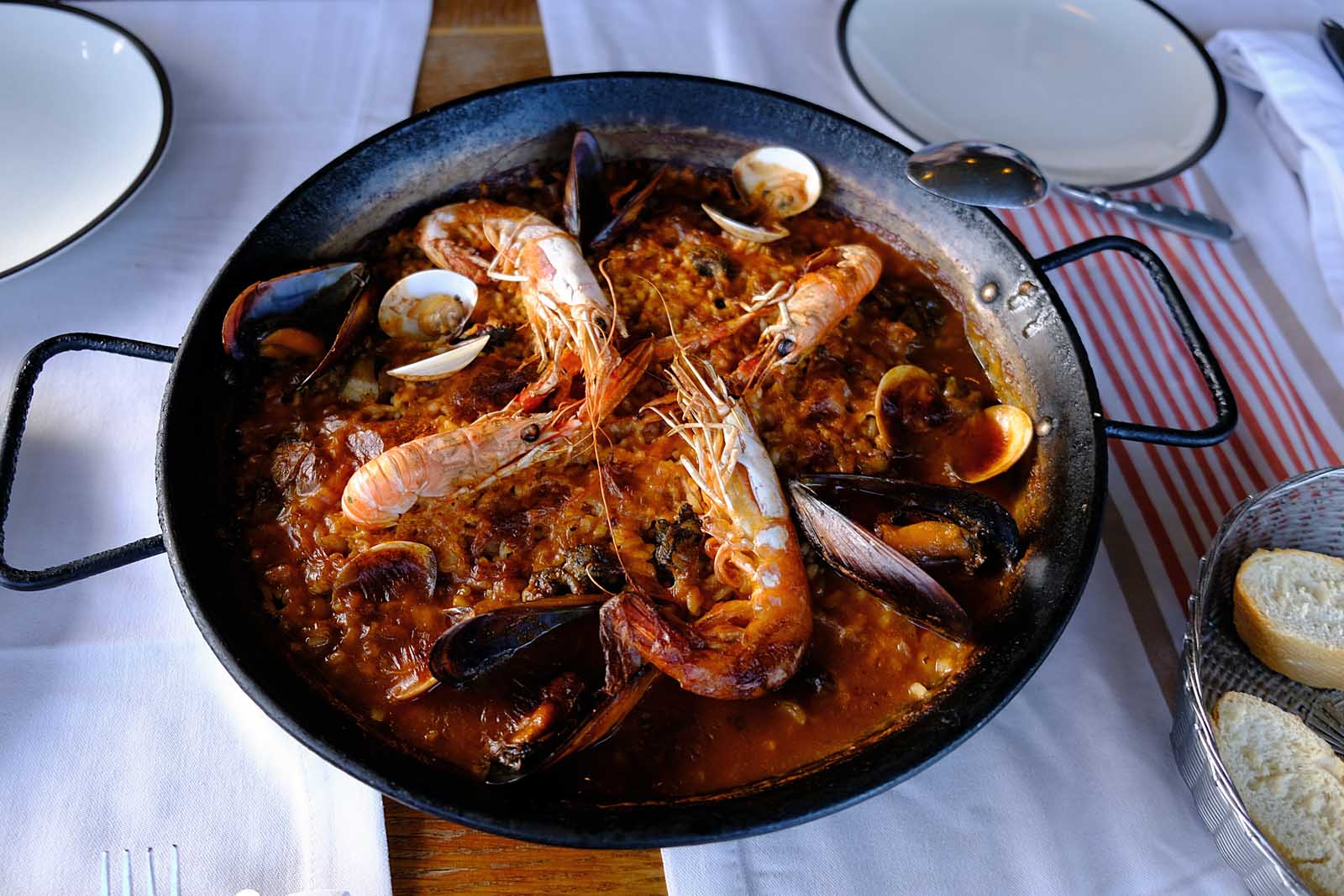
    A clay pot filled with Arroz de Marisco, a rich and soupy Portuguese seafood rice stew.

    While it might look like a Spanish paella, Arroz de Marisco is a uniquely Portuguese dish. The key difference is that the rice is cooked in a flavourful broth until it’s much looser and more stew-like than a paella. It’s packed with a generous amount of seafood, typically including prawns, mussels, clams, and squid.

    Dave & Deb’s Take: This is a fantastic dish to share. It usually comes to the table in a large clay pot, steaming and fragrant. We love the soupy consistency of the rice, which is packed with the flavour of the sea. It’s a perfect meal for a long, lazy lunch with a bottle of Vinho Verde.

    10. Bitoque (Steak and Egg)

    A classic Bitoque steak topped with a perfect fried egg, a staple of Portuguese cuisine.

    Bitoque is a classic Portuguese comfort meal you’ll find in almost every local restaurant or tasca. It’s a simple but satisfying dish of a thin-cut steak (either pork or beef) that’s pan-fried in garlic and butter, then topped with a runny fried egg. It’s almost always served with a side of french fries and rice.

    Dave & Deb’s Take: This was our go-to lunch on days when we needed something quick, hearty, and reliable. It’s a no-frills dish, but it’s always delicious. The best part is breaking the fried egg yolk and letting it run over the steak and fries. It’s simple, classic Portuguese cooking at its best.

    11. Arroz de Pato (Duck Rice)

    A savoury dish of Arroz de Pato, a traditional Portuguese duck rice baked with chouriço on top.

    This is a classic Portuguese comfort food dish. Arroz de Pato, or duck rice, is a rich and savory dish where the rice is cooked in a flavorful broth made from simmering the duck itself. The tender, shredded duck meat is then mixed into the rice, which is often topped with slices of smoky chouriço and baked until the top is slightly crispy.

    Dave & Deb’s Take: We had this on a cool evening in a small, family-run restaurant and it was the perfect hearty meal. It’s much richer and more flavourful than a standard rice dish. The crispy chouriço on top adds the perfect salty, smoky contrast to the tender duck.

    12. Polvo à Lagareiro (Octopus with Olive Oil)

    Tender roasted octopus, or Polvo à Lagareiro, served with potatoes in a garlic and olive oil sauce.

    If you love seafood, this dish is an absolute must-try. Tender octopus is boiled and then roasted with plenty of garlic and a generous amount of Portuguese olive oil, and typically served with small, roasted potatoes that have been smashed to soak up all the delicious oil.

    Dave & Deb’s Take: We were a bit hesitant about octopus before our trips to Portugal, but this dish completely converted us. When it’s cooked well, the octopus is incredibly tender, not chewy at all. It’s a simple dish that really lets the high-quality ingredients shine. It’s one of our go-to orders every time we’re back in Portugal.

    13. Bolinhos de Bacalhau (Codfish Cakes)

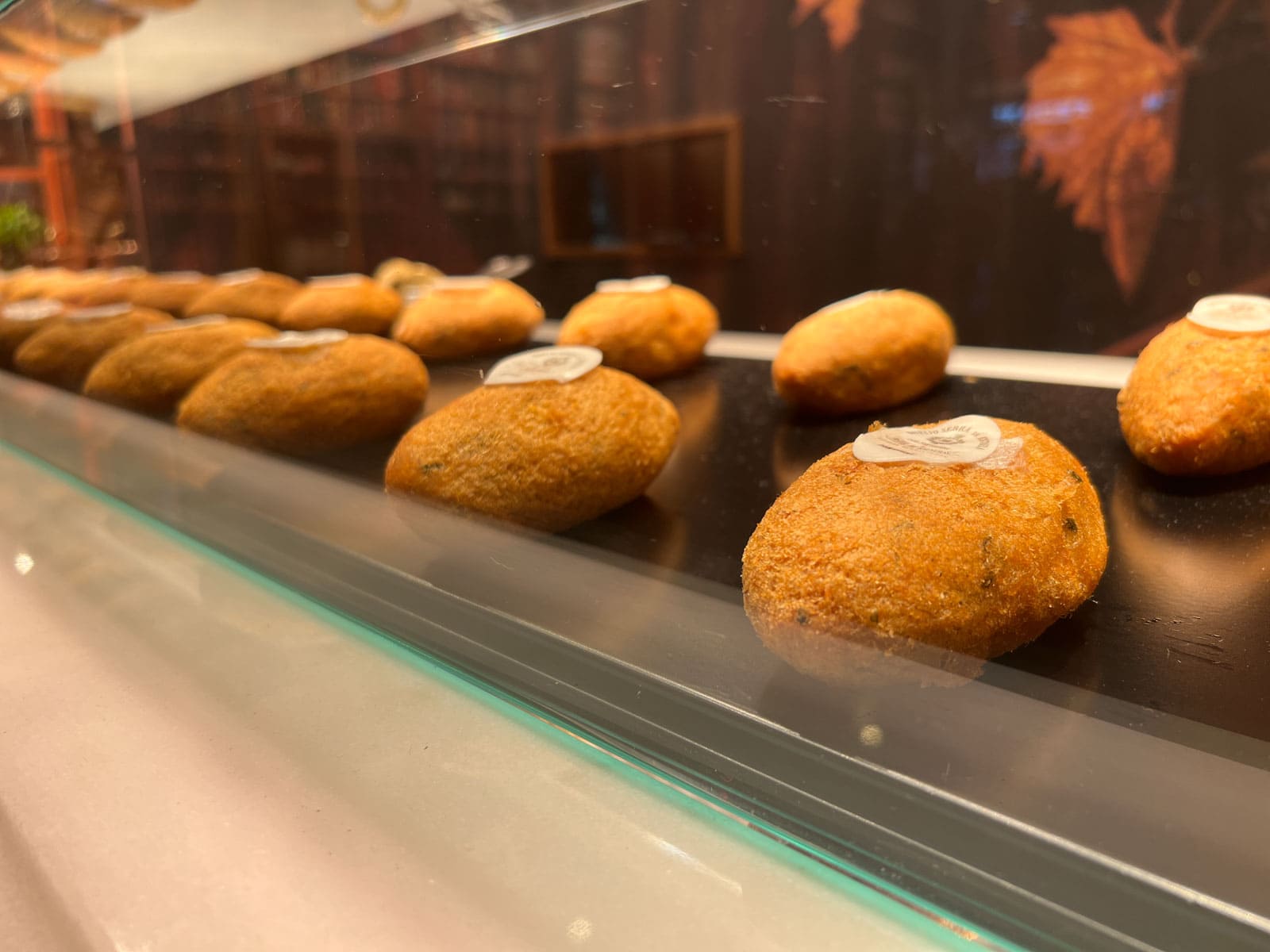
    A display of crispy, golden-brown Bolinhos de Bacalhau, a popular Portuguese food snack.

    These are one of Portugal’s most popular snacks or appetizers. Bolinhos de Bacalhau are small, deep-fried fritters made from a mixture of salted cod, potatoes, eggs, and fresh parsley. They are crispy on the outside and soft and fluffy on the inside.

    Dave & Deb’s Take: You’ll find these everywhere, from small cafes to high-end restaurants. They’re the perfect snack to have with a cold beer on a sunny afternoon. We love how they’re a simple, delicious bite of Portugal’s most famous fish.

    14. Cozido à Portuguesa (Portuguese Stew)

    A hearty platter of Cozido à Portuguesa, a traditional boiled stew with various meats and vegetables.

    This is a carnivore’s dream and a true taste of typical Portuguese food. Cozido is a hearty boiled stew packed with a huge assortment of meats and vegetables. A typical Cozido can include beef, pork, chicken, and various sausages like chouriço and morcela (blood sausage), all slow-cooked with vegetables like potatoes, carrots, and cabbage.

    Dave & Deb’s Take: Be prepared: this is not a light meal. It’s a massive platter of food, meant to be shared. It’s a fantastic way to sample a huge variety of Portuguese meats and sausages all in one go. It’s a classic Sunday family meal for a reason.

    15. Cataplana de Marisco (Portuguese Seafood Stew)

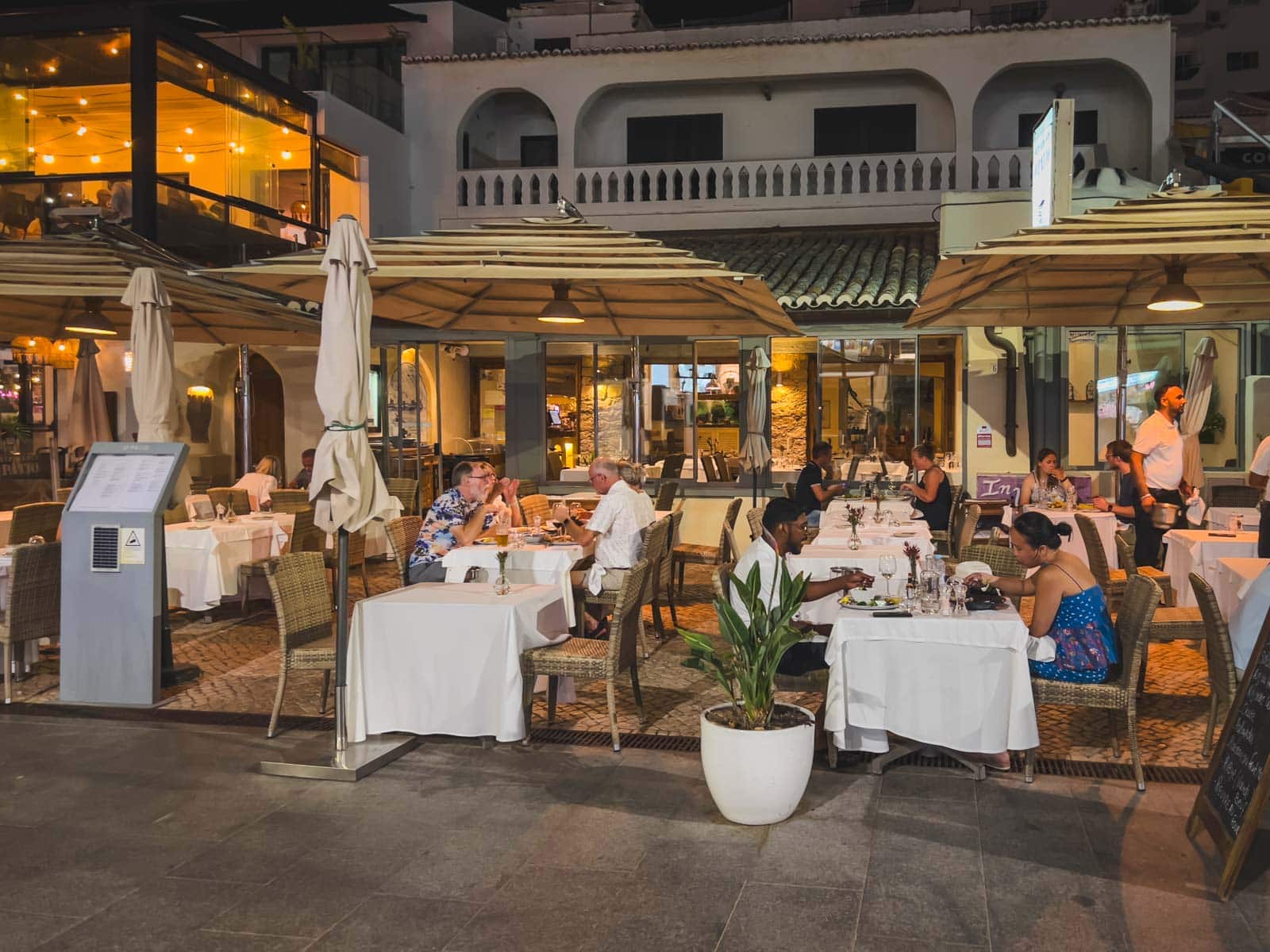
    Exterior of the restaurant in the Algarve where we first had Cataplana de Marisco

    This iconic dish from the Algarve region is as much about the presentation as it is about the flavour. It’s a seafood stew cooked and served in a clam-shaped copper pan called a cataplana. The pan acts like a steamer, locking in all the flavours of the fresh seafood, which typically includes clams, prawns, and fish, cooked in a fragrant broth of tomatoes, white wine, and herbs.

    Dave & Deb’s Take: This was the classic Portuguese dish that we had heard about from our friends. So, of course we had to try it. We had this at a seaside restaurant in Lagos, and it was a perfect hearty meal. The moment they open the cataplana at your table and the steam billows out is fantastic. It’s a must-do experience when you’re in the Algarve.

    16. Peixinhos da Horta (Fried Green Beans)

    A plate of crispy, tempura-style fried green beans, known as Peixinhos da Horta in Portuguese cuisine.

    Don’t let the simple description fool you; this is one of the most addictive snacks in Portugal. The name literally translates to “little fishes from the garden,” and the dish consists of green beans that are battered and deep-fried until crispy. It’s believed that this dish was the inspiration for what the world now knows as Japanese tempura, introduced by Portuguese traders centuries ago.

    Dave & Deb’s Take: We first tried these at a little tapas bar and couldn’t stop ordering them. They’re the perfect appetizer. The batter is light and crispy, and the green bean inside is perfectly tender. It’s a simple, brilliant dish and a great vegetarian option.

    17. Picanha

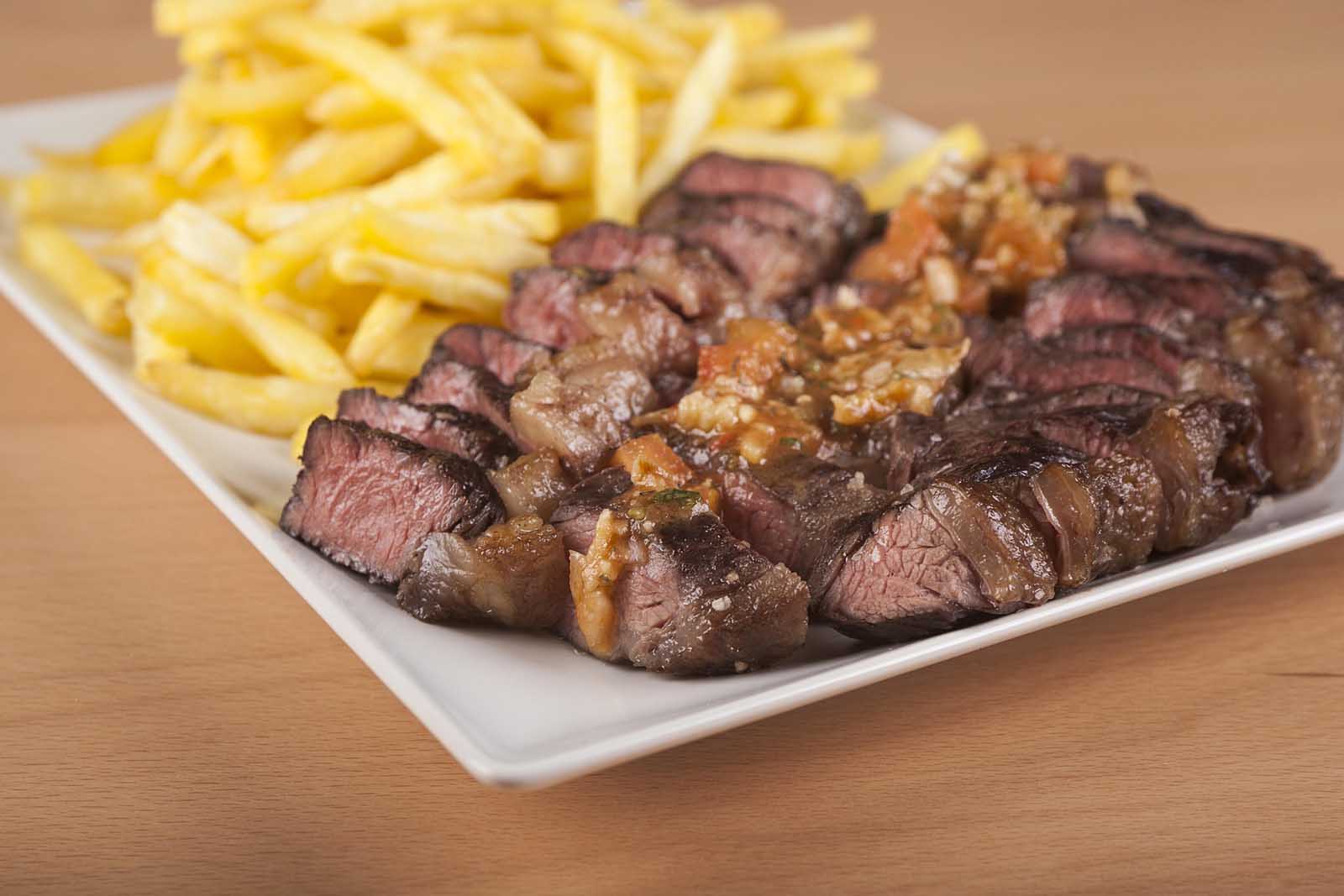
    Slices of juicy, grilled Picanha steak, served with french fries.  a popular Brazilian-style barbecue dish in Portugal.

    While originally a famous Brazilian cut of beef, Picanha has been wholeheartedly adopted by Portugal. This specific cut, the top sirloin cap, is known for its incredible tenderness and a thick layer of fat that bastes the meat as it grills over charcoal, making it unbelievably juicy and flavourful.

    Dave & Deb’s Take: If you see Picanha on the menu and you’re a steak lover, order it. It’s often served simply with fries and black beans. The quality of the beef in Portugal is fantastic, and this is one of the best ways to experience it.

    18. Feijoada (Bean Stew)

    A rich and hearty bowl of Feijoada, a traditional black bean and meat stew.

    Another dish with strong Brazilian ties, Feijoada is a rich and hearty stew of black beans and various cuts of pork and beef. While historically made with cheaper cuts, it’s now a beloved comfort food. It’s a slow-cooked, soulful dish that’s perfect for a big, satisfying meal.

    Dave & Deb’s Take: This is a true taste of rustic, hearty cuisine. It’s a heavy dish, so it’s best enjoyed on a cooler day. We found it’s a great meal to share, often served with rice and orange slices, which help cut through the richness of the stew.

    19. Caldeirada de Peixe (Fish Stew)

     traditional Portuguese food, Caldeirada de Peixe is a flavourful, layered fish and potato stew.

    This is the quintessential Portuguese fisherman’s stew. A Caldeirada is a beautiful, layered stew made with a variety of fresh fish and potatoes, all cooked together in a flavourful broth of tomatoes, bell peppers, and herbs. The beauty of the dish is that it traditionally uses whatever the fishermen caught that day.

    Dave & Deb’s Take: We had this in a small fishing village in the Algarve, and it was incredible. It’s similar to a French Bouillabaisse but heartier and more rustic. It’s a fantastic way to sample a wide variety of local fish all in one go.

    20. Ovas (Fish Roe)

    For the truly adventurous eater, Ovas is a Portuguese delicacy made from fish roe (eggs). The entire egg sack, typically from a grey mullet, is boiled and then served chilled, often sliced and dressed simply with olive oil, vinegar, and onions alongside boiled potatoes.

    Dave & Deb’s Take: We have to admit, this one was a challenge for us at first, but we were determined to try it. The texture is the most unique part—very smooth and silky. It’s a very traditional and historic dish, and if you’re looking to step outside your culinary comfort zone, this is the one to try.

    21. Serra da Estrela Cheese

    A wheel of soft, gooey Serra da Estrela cheese with the top cut off, ready to be scooped with bread.

    If you are a cheese lover, you have to try Queijo Serra da Estrela. This is Portugal’s most famous cheese, hailing from the Serra da Estrela mountains. It’s a soft, gooey sheep’s milk cheese that is so creamy you often eat it by scooping it out with a spoon. It has a strong, complex flavour that is absolutely unforgettable.

    Dave & Deb’s Take: We first tried this Portuguese cheese at a market in Lisbon, and it was a revelation. It’s served at room temperature, and the rind is cut off the top so you can dip bread right into the gooey center. It’s incredibly rich and flavourful. Paired with a glass of red wine, it’s a perfect appetizer.

    22. Pão de Deus (God’s Bread)

    Pão de Deus, a sweet Portuguese bread roll with a toasted coconut topping on the shelves at a Portuguese bakery in Lisbon

    This is a popular Portuguese bread roll, and its name literally translates to “God’s Bread.” It’s a soft, brioche-like bun with a delicious, sweet shredded coconut topping that gets toasted during baking. It’s a staple in Portuguese bakeries (pastelarias).

    Dave & Deb’s Take: This was our go-to breakfast on many mornings in Portugal. It’s not overly sweet, and the soft bread with the slightly crispy coconut topping is a perfect combination with a strong coffee. It’s a simple, delicious way to start your day like a local.

    23. Bola de Berlim

    a sugar-coated Bola de Berlim doughnut with a creamy filling, at a Michelin star restaurant in Lisbon

    These are the Portuguese version of a Berliner or a Bismark doughnut, and they are incredibly popular, especially on the beaches in the summer. They are fluffy, deep-fried doughnuts, rolled in sugar, and traditionally filled with a sweet egg yolk cream (creme de ovos).

    Dave & Deb’s Take: You’ll see vendors walking the beaches in the Algarve selling these from coolers, and you should absolutely buy one. They are the perfect beach snack. While the traditional egg cream is the classic, we also love the ones filled with chocolate.

    24. Cebolada

    Cebolada isn’t a standalone dish, but rather a flavorful onion-based stew or sauce that is a cornerstone of Portuguese home cooking. It’s made by slow-cooking onions with tomatoes and garlic until they are soft and sweet. It’s often served as a base for stewed or pan-fried fish and meat dishes.

    Dave & Deb’s Take: We had this served with a beautiful piece of grilled tuna, and it was fantastic. The sweetness of the slow-cooked onions and tomatoes is the perfect complement to the fresh fish. It’s a great example of how simple, high-quality ingredients are the heart of Portuguese cuisine.

    25. Linguica (Portuguese Smoked Sausage)

     grilled Linguica, a smoky and spicy traditional Portuguese sausage.

    Linguica is a flavourful, smoke-cured pork sausage seasoned with garlic and paprika. It’s a staple in the Portuguese diet and is incredibly versatile. It can be grilled, fried, or added to stews and rice dishes to add a deep, smoky flavour.

    Dave & Deb’s Take: This is spicier and more flavourful than a typical chorizo. We love it grilled over an open flame. You’ll often see it served as a simple appetizer, where it’s brought to the table in a flaming ceramic dish. It’s a bit of theatre and incredibly delicious.

    26. Port Wine

    You can’t go to Portugal without trying its most famous drink. Port is a sweet, fortified wine produced exclusively in the Douro Valley in northern Portugal. It’s typically served as a dessert wine and comes in several varieties, from rich, fruity ruby ports to complex, nutty tawny ports.

    Dave & Deb’s Take: We spent a few days exploring the Douro Valley, and it’s one of the most beautiful wine regions in the world. The best way to experience Port is to visit one of the Port lodges in Porto for a tasting. It’s a fantastic way to learn about the history and different styles of this iconic Portuguese drink.

    27. Vinho Verde (Green Wine)

    Deb enjoying a glass of Vinho Verde in the hills outside of Guimeres.

    Don’t let the name fool you; “green wine” isn’t actually green in colour. It’s a young wine (hence “green”) from the Minho region in the north, and it’s light, crisp, and often has a slight effervescence. It’s the perfect refreshing drink for a sunny afternoon.

    Dave & Deb’s Take: We drank Vinho Verde almost every day in Portugal. It’s incredibly affordable and pairs perfectly with fresh seafood. It’s light, easy to drink, and quintessentially Portuguese.

    28. Ginjinha (Cherry Liqueur)

    A bottlet of Ginjinha, a traditional Portuguese sour cherry liqueur, that is usually being served in a chocolate cup.

    Ginjinha (or Ginja) is a popular Portuguese liqueur made by infusing sour cherries (ginja berries) in a brandy called aguardente. It’s a sweet, strong liqueur that is a beloved local drink, especially in Lisbon.

    Dave & Deb’s Take: The best way to try this is from one of the tiny, historic Ginjinha bars in Lisbon. For about one Euro, you get a shot served in a small glass, often with a cherry in the bottom. You can also ask for it to be served in a small chocolate cup, which is a fun and delicious way to enjoy it.

    Planning Your Food Tour of Portugal

    Best Food Tours in Lisbon & Porto: A food tour is one of the best ways to get an introduction to Portuguese cuisine. We recommend taking a tour on your first day to get your bearings and discover some local gems.

    Tips for Dining in Portugal:

    The bread, olives, and other small plates the waiter brings at the start of the meal (the couvert) are not free. If you don’t want them, just politely say “no, thank you.”

    Lunch is typically the main meal of the day, and many restaurants offer a great value prato do dia (dish of the day).

    Dinner is eaten late in Portugal, usually after 8:00 PM.

    FAQ: Food in Portugal

    What is the national dish of Portugal?

    The national dish of Portugal is Bacalhau (dried and salted cod). It is said that there are more than 365 ways to cook it, one for every day of the year.

    What is a typical Portuguese breakfast?

    A typical Portuguese breakfast is light and simple, often consisting of fresh bread with butter, cheese, or jam, and a coffee (like an espresso or a galão – coffee with milk). The Pão de Deus is also a popular breakfast choice.

    Is Portuguese food spicy?

    Generally, traditional Portuguese food is not very spicy. The famous Piri-Piri sauce is the main exception, and it is usually served on the side so you can add as much heat as you like.

    So, Which Dish Will You Try First?

    Dave and deb dining at Majestic Cafe in Porto Portugal

    After spending two full months eating our way from the sunny coast of the Algarve to the historic hills of the north, it’s impossible for us to pick just one favourite Portuguese dish. What we truly fell in love with was the honesty of the food.

    Whether it was a simple bowl of Caldo Verde on a cool night in Porto or fresh grilled sardines at a festival in Lisbon, the focus was always on incredible, fresh ingredients prepared with care. But if we had to pick one perfect food memory, it would be sharing a steaming Cataplana de Marisco at a tiny seaside restaurant. The moment the waiter opened that copper pan at our table and the fragrant steam of seafood, wine, and herbs filled the air… that, to us, is the taste of Portugal.

    This country’s cuisine is a delicious adventure, and we hope this guide has inspired you to try as many of these traditional Portuguese dishes as you can.

    [ad_2]

    Source link

  • 21 Best Things to Do in Hamilton, Ontario (for 2025)

    21 Best Things to Do in Hamilton, Ontario (for 2025)

    [ad_1]

    For us, a trip to Hamilton is like coming home. Dave’s dad was born and raised in Hamilton, and he spent much of his childhood visiting family in the city. We’ve seen “The Hammer” transform from the industrial “Steeltown” we knew as kids into the thriving, creative city it is today.

    Now, with friends living in the area, we visit often and are always discovering something new. Hamilton has blossomed into one of Ontario’s best destinations, with a vibrant arts scene and an incredible natural playground of trails and waterfalls right at its doorstep. With more people moving to the area and others looking to escape the city of Toronto, we have narrowed down the top things to do while in Hamilton, Ontario.

    This guide is a mix of the classic spots we’ve loved for years and the new energy that makes Hamilton so exciting. We’re sharing our favourite things to do to help you plan an adventure in this surprisingly diverse city.

    Top 5 Hamilton Attractions at a Glance

    AttractionLocationBest ForDundurn CastleWest HamiltonHistory & ArchitectureRoyal Botanical GardensBurlington/Hamilton BorderNature & GardensWebster’s FallsDundas (Spencer Gorge)Waterfalls & SceneryWaterfront TrailHamilton HarbourWalking, Biking & FamiliesWarplane Heritage MuseumMount HopeAviation & Canadian History

    Historic Sites & Museums

    Hamilton has a rich industrial and military history. These national historic sites and museums offer a fascinating look into the city’s past and its role in shaping Canada.

    1. Dundurn Castle

    The incredible facade of Dundurn Castle. The number one tourist attraction in Hamilton, Ontario.

    A tour of this grand 1830s villa is one of the top attractions in Hamilton. As the former home of Sir Allan Napier MacNab, Premier of the United Canadas, this National Historic Site has been beautifully restored. Costumed interpreters guide you through the home, illustrating what life was like in the 19th century.

    Note on 2025 Pricing: Please verify current ticket prices on the official Hamilton Civic Museums website. Adult admission is typically around $16 CAD and children are $10 CAD.

    Dave & Deb’s Tip: Your admission includes the Hamilton Military Museum, which is also on the property. Give yourself extra time to walk the beautiful grounds and the kitchen garden, which are free to access and offer lovely views of the bay.

    Tickets cost $16 for adults and $10 for children, with children under 5 allowed in for free.

    2. Canadian Warplane Heritage Museum

    Exterior of the canadian warplane heritage museum with a Canadian fighter jet out front.

    ocated beside the Hamilton International Airport, this museum is a must-visit for aviation and history buffs. It features a collection of over 40 Canadian military aircraft flown since World War II. The highlight is the Avro Lancaster, one of only two airworthy Lancaster bombers left in the world.

    Admission to the Canadian Warplane Heritage Museum is around $18 per adult, with children under 5 able to visit for free. Flight simulation experiences are available at an extra cost. Check out the website for more details.

    Dave & Deb’s Tip: Even if you don’t book a flight simulation, check their schedule online. Seeing the Lancaster or other vintage planes take off for a flight is an unforgettable experience.

    3. HMCS Haida National Historic Site

    The HMCS Haida sitting in dock on the Hamilton Harbour

    Known as “Canada’s most fightingest ship,” the HMCS Haida is a floating museum on the Hamilton waterfront. As the world’s only surviving Tribal-class destroyer, this national historic site offers a chance to explore the decks and imagine life as a crew member of the Royal Canadian Navy during its service in WWII, the Korean War, and the Cold War.

    Note on 2025 Pricing: Admission is just $4.50 CAD per adult, with those under 17 years of age entering free.

    Dave & Deb’s Tip: Wear good shoes with a solid grip. You’ll be climbing steep, narrow ladders between the decks, which is all part of the authentic and immersive experience.

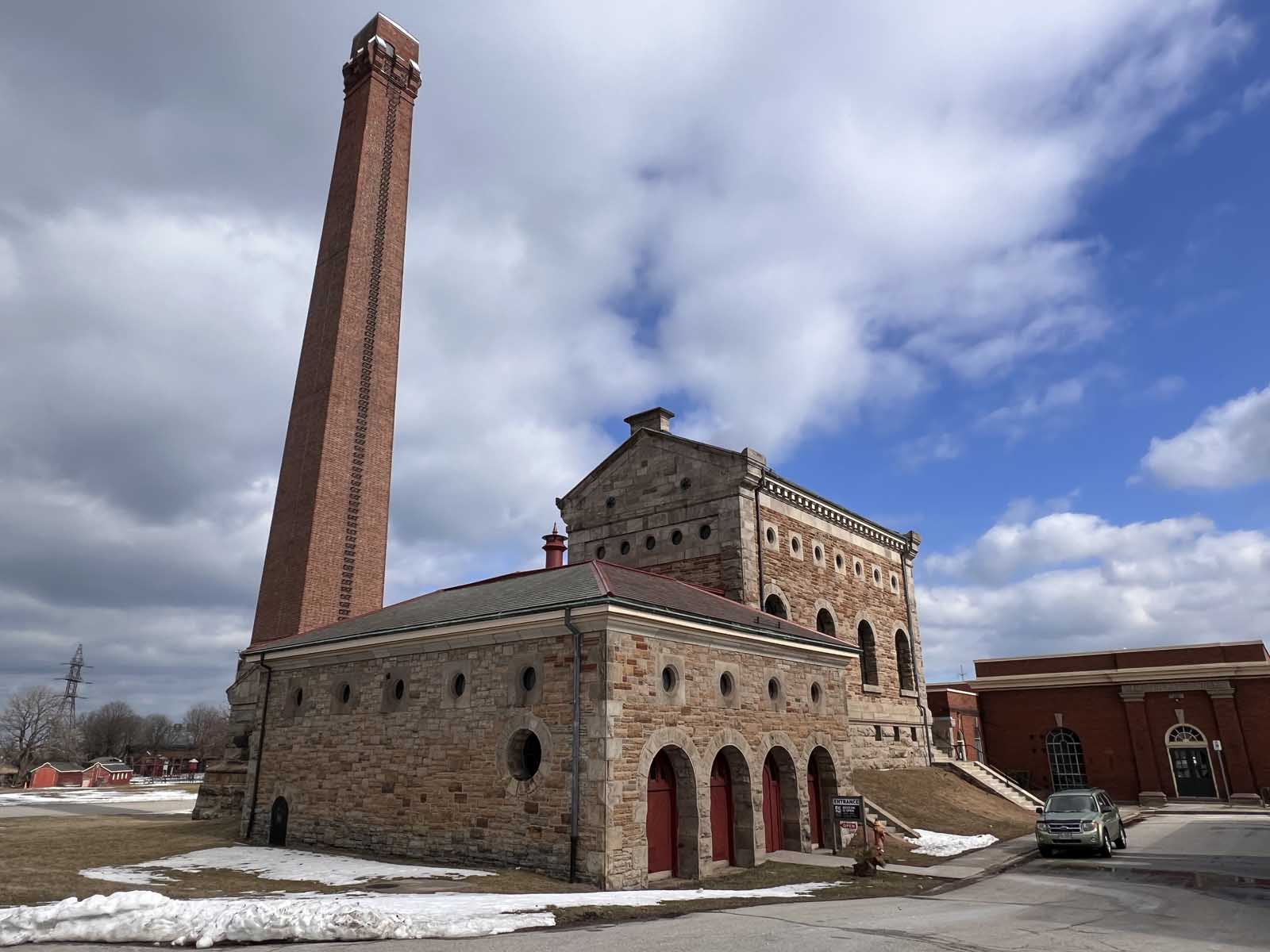
    4. Hamilton Museum of Steam & Technology 

    The historic exterior of the  Museum of Steam & Technology 

    Housed in the restored 1859 waterworks building, this national historic site is dedicated to the history of steam power in Canada. It features a collection of massive, working steam engines, pumps, and other machinery that once supplied water to the city.

    2025 Pricing: Admission is required. Please check the Hamilton Civic Museums website for current 2025 pricing (typically around $10 CAD for adults).

    Dave & Deb’s Tip: Try to visit during a live steam demonstration to see the impressive 70-ton steam engines in action. It’s an incredible display of 19th-century engineering power.

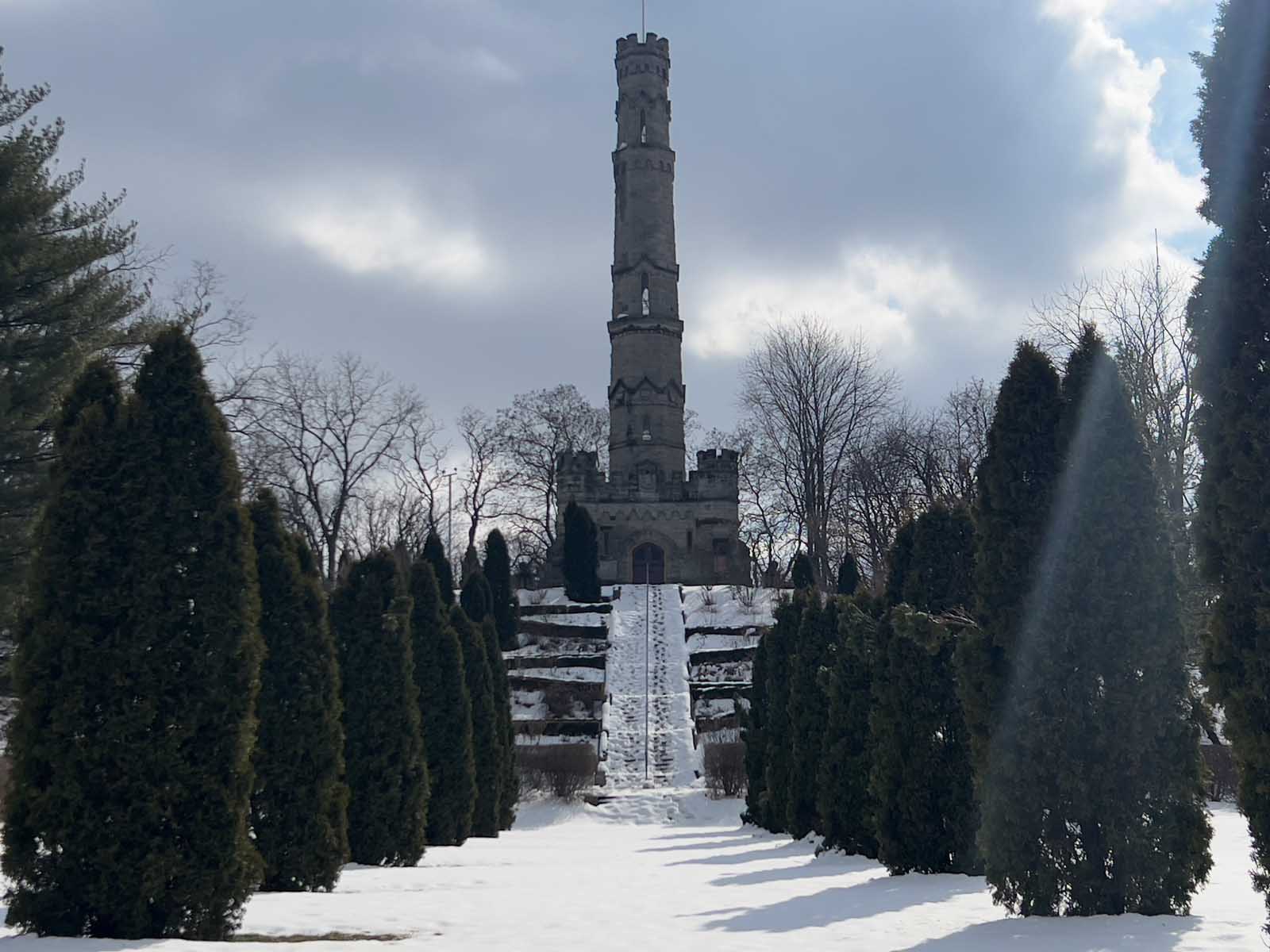
    5. Battle of Stoney Creek

    The battle of stoney creek monument in winter

    This National Historic Site preserves the location of the pivotal 1813 Battle of Stoney Creek. The grounds include the Battlefield House Museum (the original Gage Homestead, built around 1796) and the impressive Battlefield Monument, which stands high on a hill overlooking the park.

    Dave & Deb’s Tip: Be sure to climb to the top of the 100-foot Battlefield Monument. It offers a fantastic view and helps you understand the strategic importance of the location during the War of 1812.

    6. The Erland Lee Museum

    The entrance to The Federated Women's Institutes of Ontario at The Erland Lee Museum

    This 19th-century farmhouse in Stoney Creek holds huge historical significance as the birthplace of the Women’s Institutes, an organization that spread from here to over 70 countries. The museum has exhibits dedicated to the history of the organization and its role in women’s history.

    Dave & Deb’s Tip: This is a must-visit for anyone interested in Canadian history, particularly women’s history. The story of the Women’s Institute is a fascinating piece of Canadian heritage that started right here in this house.

    Outdoor Adventures & Waterfalls

    Hamilton’s unique location on the Niagara Escarpment, a UNESCO World Biosphere Reserve, gives it a stunning natural playground. Here’s where to get outside and explore the trails, gorges, and waterfalls that make “The Hammer” an outdoor destination.

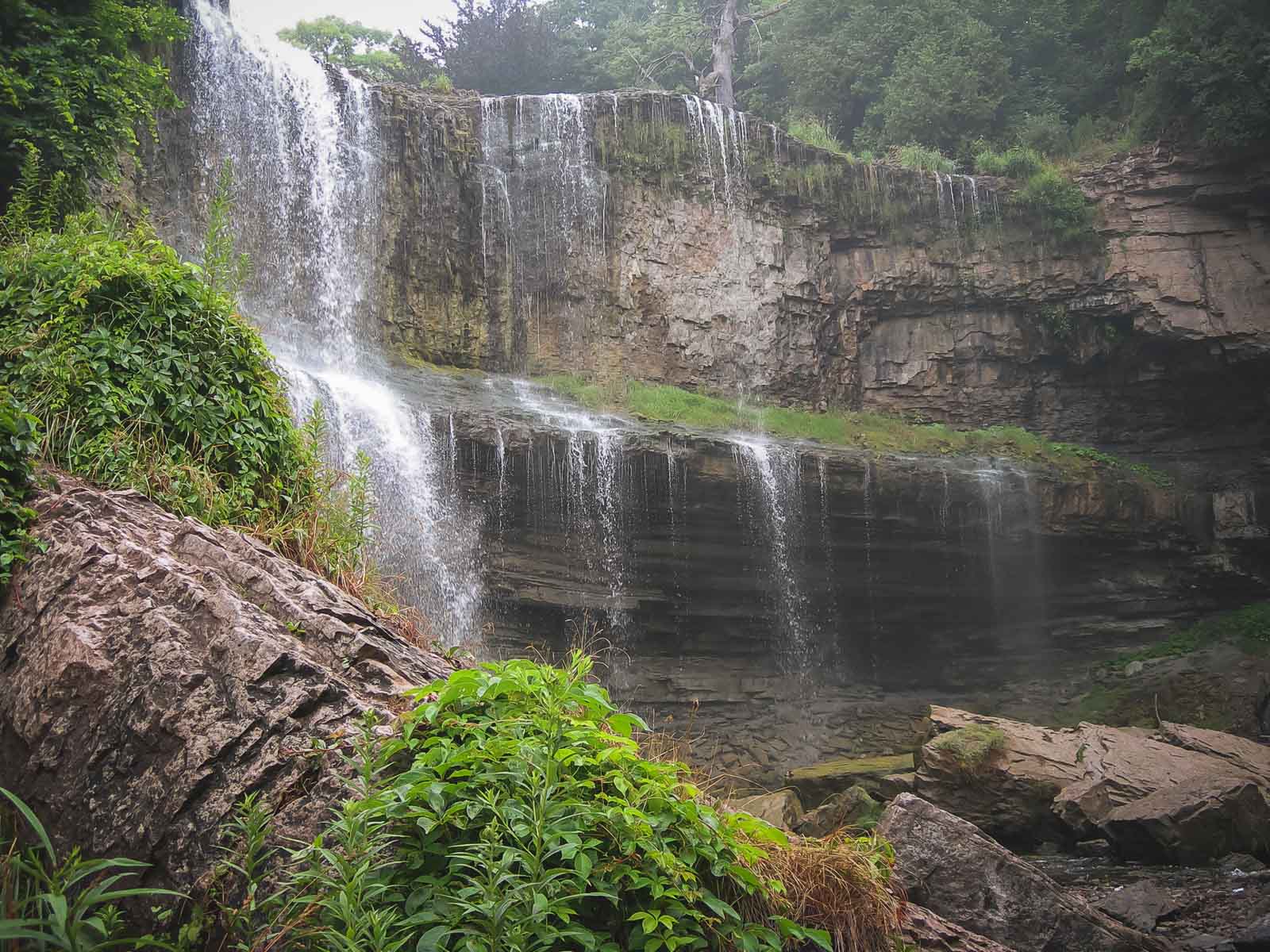
    7. Chase Waterfalls (Webster’s, Albion, Tews)

    The majestic Websters falls Hamilton, Ontario

    Hamilton is known as the “Waterfall Capital of the World,” with over 100 waterfalls located within the city limits. Chasing waterfalls is one of the top things to do here. Two of the most incredible cascades are Webster’s Falls, a classic plunge-style waterfall, and Albion Falls, a wide cascade that tumbles over shelves of rock. Tews Falls is actually the tallest in Hamilton, standing at 41 metres, just a few metres shorter than Niagara’s Horseshoe Falls.

    Important 2025 Note: Access rules, viewing platforms, and reservation systems for Hamilton’s waterfalls can change frequently. Always check the official Hamilton Conservation Authority website before your visit for the most up-to-date information on parking, fees, and trail access.

    Dave & Deb’s Tip: While Webster’s and Albion are famous, don’t miss some of the smaller falls. Tiffany Falls is a beautiful, delicate waterfall that’s just a short walk from the road, making it a great and easily accessible stop.

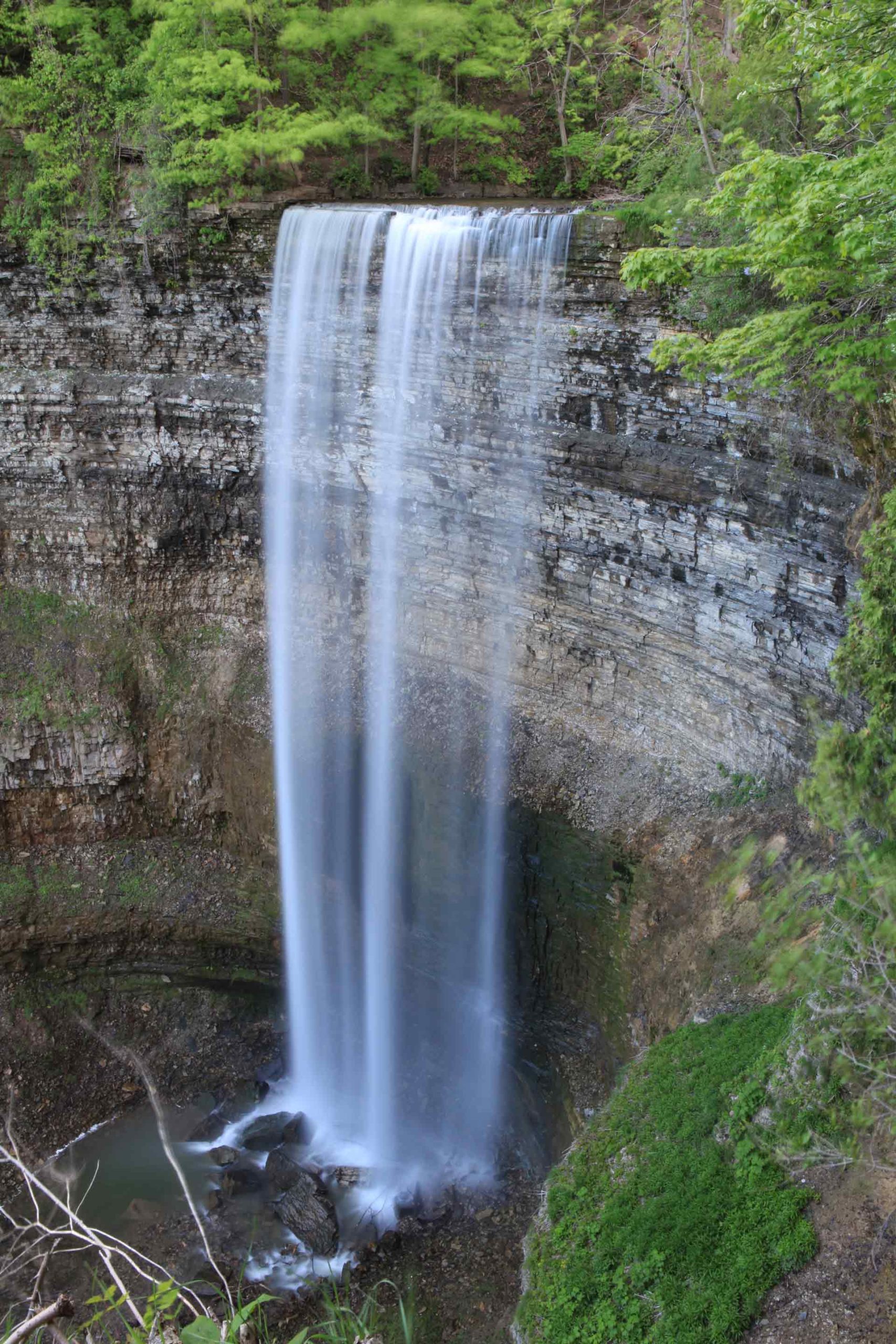
    8. Spencer Gorge Conservation Area

    The mighty Tews falls hamilton

    This is the star attraction for nature lovers in Hamilton. The conservation area is home to two of the city’s most famous waterfalls, Tews Falls and Webster’s Falls (though they often require separate reservations). The main draw for us, however, is the hike to Dundas Peak, which showcases the stunning beauty of the Dundas Valley.

    Dave & Deb’s Tip: The hike to the Dundas Peak viewpoint is a must-do, especially in the autumn. The view overlooking the Dundas Valley is one of the best in all of Southern Ontario. Go on a weekday to avoid the biggest crowds, as this spot is extremely popular.

    9. Royal Botanical Gardens (RBG)

    Royal botanical gardens entrance

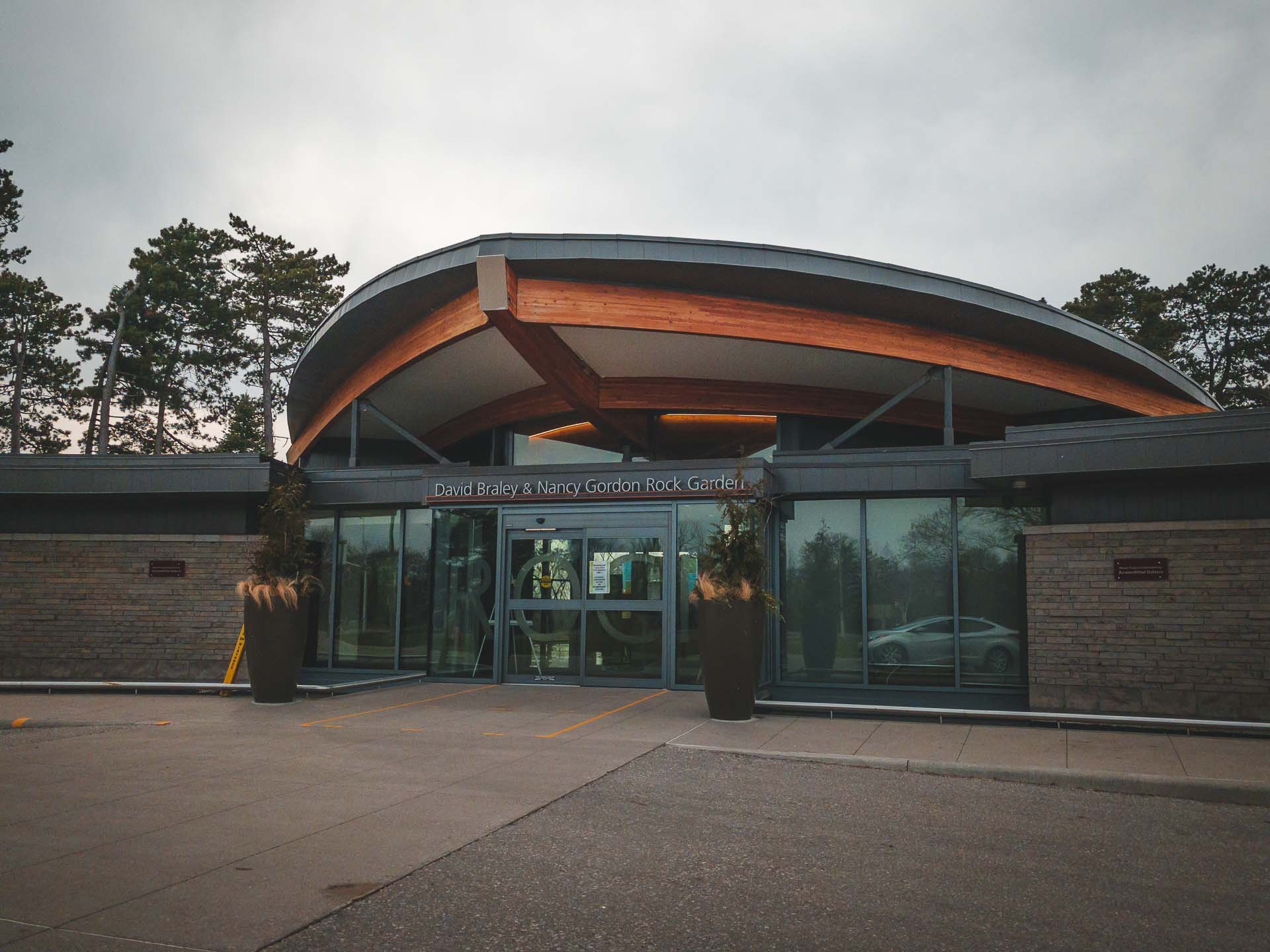
    Of all the attractions in Hamilton, a visit to Canada’s largest Botanical Garden is a must. A designated National Historic Site, the RBG is Canada’s largest botanical garden, spanning over 2,400 acres. Nestled into the slopes of the Niagara Escarpment, it features five distinct garden areas, including the beautiful Hendrie Park and the restored David Braley Rock Garden. It also boasts the world’s largest lilac collection and over 77 km of nature trails.

    Pricing: General admission tickets for entrance to the Royal Botanical Gardens cost $19.50 for adults, with children under 4 admitted for free. There are youth, senior, and family tickets available at a discounted price.

    Dave & Deb’s Tip: The RBG is massive, so don’t try to see it all in one day. If you only have time for one section, we recommend Hendrie Park. It has the most diverse collection of themed gardens and is a great introduction to what the RBG has to offer.

    10. Go for a Hike on the Bruce Trail & More

    Dave from The Planet D on the dundas valley hiking trail

    The Dundas Valley Conservation Area is a massive forested area with over 40 km of trails. It’s an outdoor lover’s dream and contains several major trail networks:

    The Bruce Trail: Canada’s longest and oldest footpath stretches from Niagara to Tobermory and passes right through the heart of the Dundas Valley.

    The Main Loop Trail: Starting from the Dundas Valley Trail Centre, this easy 3.4 km loop is a great introduction to the area, passing by ruins and an old orchard.

    The Hamilton to Brantford Rail Trail: This is an excellent, flat path for hiking and cycling along an old railway line.

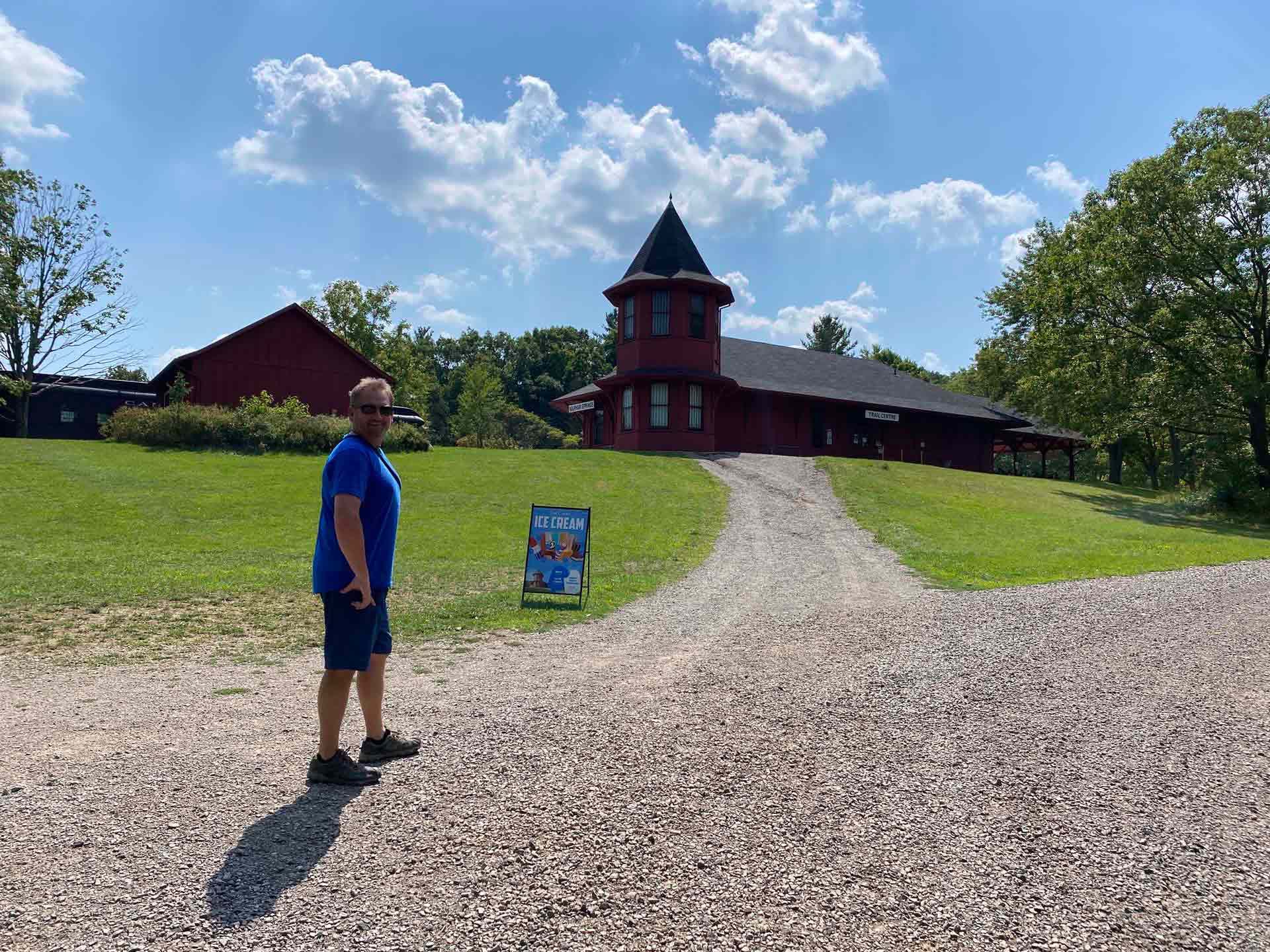
    Dave & Deb’s Tip: For a great taste of the area, start at the Dundas Valley Trail Centre. You can do the easy Main Loop Trail, hop on a section of the famous Bruce Trail, and see the replica train station all from one convenient starting point.

    Hamilton’s Waterfront & Parks

    Once an industrial harbour, Hamilton’s waterfront has been completely transformed into a beautiful space for recreation, connecting several parks and trails. It’s now a popular outdoor gathering place for families and friends.

    11. Explore Bayfront Park

    Scoops ice cream shop on the hamilton waterfront

    This large park covers 16 hectares along Hamilton Harbour and is packed with recreational activities. It features an extensive trail system for walking and cycling, a boat launch for paddling, and a large, popular playground for families with young children. Throughout the year, Bayfront Park hosts a variety of events, including concerts and community festivals.

    Dave & Deb’s Tip: Bayfront Park is the perfect spot for a family picnic. There’s tons of green space to run around, a great playground for the kids, and you can watch the boats in the harbour.

    12. Stroll the Waterfront Trail

    The ships mast entrance to the  waterfront trail in Hamilton

    The 12 km Waterfront Trail connects Pier 4 Park and Bayfront Park and is perfect for an afternoon stroll, run, or bike ride. Along the way, you can grab an ice cream cone at Scoops, rent bikes, or watch people fishing from the pier. The Harbour West Trolley also winds along the trail, offering a narrated tour of the area’s history.

    Dave & Deb’s Tip: We love renting bikes and cycling a portion of this trail. It’s flat, paved, and offers great views of the harbour. A stop for an ice cream cone at Scoops is a mandatory part of the experience!

    13. Take a Harbour Cruise

    Pier 4 Park in Hamilton

    For a different perspective, take a 50-minute narrated tour of the harbour with the Hamilton Waterfront Trust. The captain shares fascinating details about the history of the area, from its industrial past to its recent revitalization. Longer dinner cruises are also available on the Harbour Queen.

    Note for 2025: Be sure to check the cruise operator’s website for the current schedule and availability.

    Dave & Deb’s Tip: The sightseeing cruise is the best way to understand the scale of the harbour and its industrial heritage. The captain’s narration is surprisingly interesting and gives you a whole new perspective on “Steeltown.”

    14. Relax in Gage Park

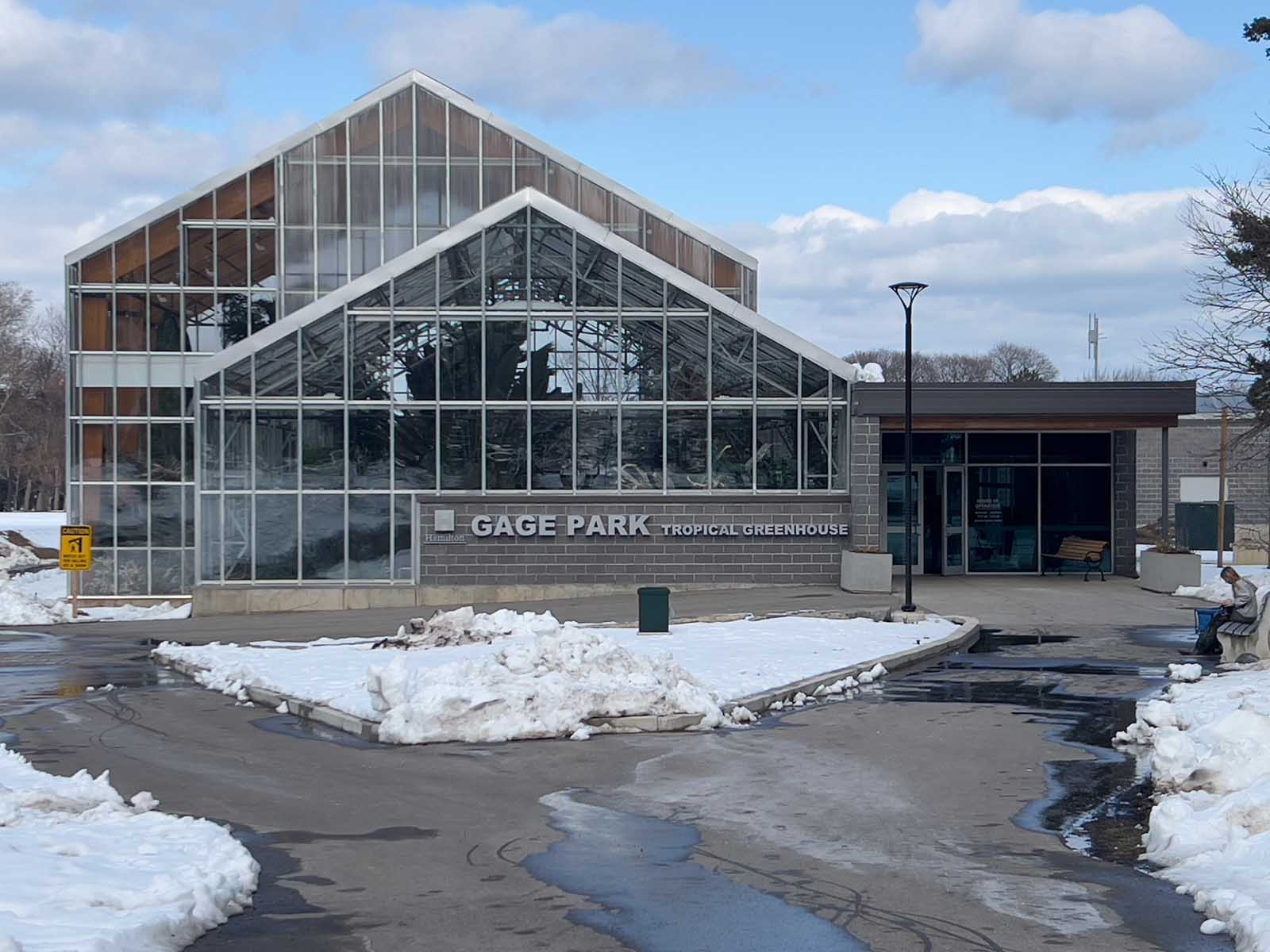
    The Gage Park tropical greenhouse in fall

    This huge city park in East Hamilton is a destination in itself. Its main features are the beautiful themed gardens and the impressive Tropical Greenhouse. The park also contains the Hamilton Children’s Museum, walking trails, sports fields, and a wading pool. In the winter, it transforms with a free public skating rink and winter lights festivals.

    Note for 2025: Please verify the status of the Hamilton Children’s Museum, as it has undergone recent renovations.

    Dave & Deb’s Tip: The Tropical Greenhouse is the star attraction here, especially on a cold winter day. Stepping inside from the snow into a lush, warm greenhouse feels like a mini-vacation to the tropics.

    15. Grab Fish and Chips at Hutch’s

    Pulling up for a classic Fish and Chip dinner at hutch's fish and chips hamilton

    You can’t talk about the Hamilton waterfront without mentioning Hutch’s. This classic, old-school eatery has been serving up fish and chips, ice cream, and burgers right on the beach for decades. It’s a true local institution. I used to come here all the time when I was a kid. WE lived just down the road in Burlington, and my Dad would take us there for a treat on Sundays.

    Dave & Deb’s Tip: Be prepared for a lineup on a sunny summer day—it’s always worth the wait. The fish and chips are a classic, but don’t forget to grab a milkshake. It’s a perfect taste of nostalgia.

    Culture, Sports & Entertainment

    Beyond the trails and museums, Hamilton has a vibrant cultural scene, from professional sports to live theatre.

    16. Art Gallery of Hamilton

    Exterior of The Hamilton art gallery in downtown Hamilton

    Founded in 1914, the Art Gallery of Hamilton is the oldest and largest art museum in Southern Ontario. Its permanent collection is recognized as one of the finest in Canada, featuring a mix of historical and contemporary Canadian art, including works by the Group of Seven, Emily Carr, and Tom Thomson.

    Note on 2025 Pricing: This gallery often has a nuanced pricing model (e.g., free for one level, paid for special exhibitions). Please verify the current admission structure on their official website.

    Dave & Deb’s Tip: The permanent collection of Canadian art is outstanding. Give yourself at least a couple of hours. The free access to the second level makes it a great, budget-friendly cultural stop on any visit

    17. Canadian Football Hall of Fame

    Iconic statue at the entrance to the Canadian football hall of fame and museum

    Located at Tim Hortons Field, home of the Hamilton Tiger-Cats, the Canadian Football Hall of Fame celebrates the history and heroes of the Canadian Football League (CFL). Through interactive displays and artifacts, it offers a deep dive into all aspects of Canadian football.

    Dave & Deb’s Tip: Even if you’re not a huge CFL fan, it’s worth a look if you’re already at Tim Hortons Field for a game. It offers a great look into a unique and important piece of Canadian sports culture, and it is free to enter.

    18. Catch a Hamilton Tiger-Cats Game

    The home of the Hamilton Tiger Cats  tim hortons stadium

    Hamilton is often called the “birthplace of Canadian football,” and the city’s passion for the game is infectious. To see it firsthand, grab tickets to see the Hamilton Tiger-Cats play at Tim Hortons Field. The CFL season typically runs from June to November.

    Dave & Deb’s Tip: The atmosphere at a Ticats game is electric. Hamilton fans are famously passionate. For a true local experience, grab some black and gold gear and join the “Oskee Wee Wee” chants.

    19. Hess Village

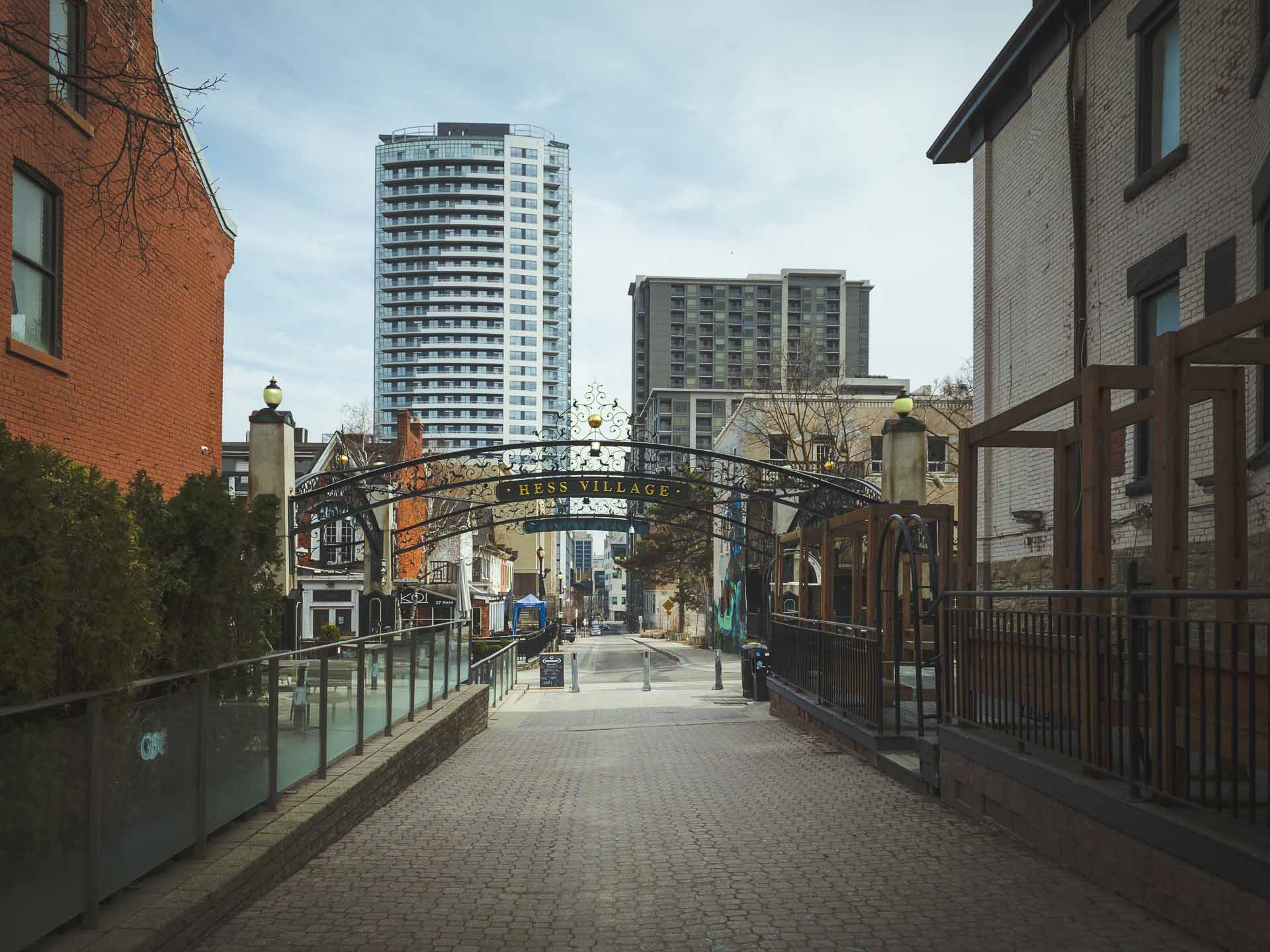
    The entrance to the nightlife mecca of hess village in downtown Hamilton, Ontario

    When the sun goes down, Hess Village is the heart of Hamilton’s nightlife. This cobblestone, pedestrian-only area is lined with historic buildings that house a dense concentration of restaurants, bars, and patios with live music. It’s a lively spot, especially on a warm summer evening.

    Dave & Deb’s Tip: Hess Village is great for a patio drink, but if you’re looking for a quieter dinner, explore the restaurants on nearby King William Street, which has become the city’s unofficial “Restaurant Row.”

    20. Theatre Aquarius

    things to do in hamilton theatre aquarius

    For a night of live theatre, Theatre Aquarius is the city’s premier professional theatre company. Located downtown in the Dofasco Centre for the Arts, it stages high-quality productions, from classic plays to contemporary musicals.

    Dave & Deb’s Tip: We’ve seen a few shows here, and the quality of the productions is always impressive. It’s a great way to experience top-level Canadian theatre without the Toronto prices.

    Food & Drink

    Hamilton’s food scene has exploded in recent years, but some classics never go out of style.

    21. Hamilton Farmers’ Market

    Established in 1837, the Hamilton Farmers’ Market is a year-round market and one of the oldest landmarks in the city. With more than fifty vendors, you can find everything from fresh local produce and meats to artisan cheeses and handmade goods. It’s located right downtown beside the central library.

    Dave & Deb’s Tip: Don’t just browse—plan to have lunch here. There are some fantastic food stalls inside offering everything from tacos and falafel to fresh pasta. It’s a great way to sample the local food scene all in one place.

    FAQ: Visiting Hamilton, Ontario

    What is Hamilton best known for?

    Hamilton is famous for its industrial heritage (it’s called “Steeltown” for a reason), its incredible number of waterfalls (over 100), and a rapidly growing arts and food scene.

    Is Hamilton worth a day trip from Toronto?

    Absolutely. It’s an easy drive from Toronto, and it offers a completely different vibe. It’s especially worth it for outdoor lovers who want to explore the waterfalls and hiking trails of the Niagara Escarpment.

    How do you get around Hamilton?

    While the downtown is walkable, a car is the best way to get around, especially for reaching the various conservation areas, waterfalls, and attractions that are spread out across the city.

    So, Where Will You Go First?

    Hamilton has successfully reinvented itself from a gritty industrial city into a vibrant destination with a surprising amount of natural beauty. From its historic castles and museums to the hundreds of waterfalls waiting to be explored, “The Hammer” offers a perfect blend of urban energy and outdoor adventure. We hope this guide has helped you discover all the amazing things to do in Hamilton.

    [ad_2]

    Source link

  • 14 Best Hikes in Jasper National Park – Alberta Canada

    14 Best Hikes in Jasper National Park – Alberta Canada

    [ad_1]

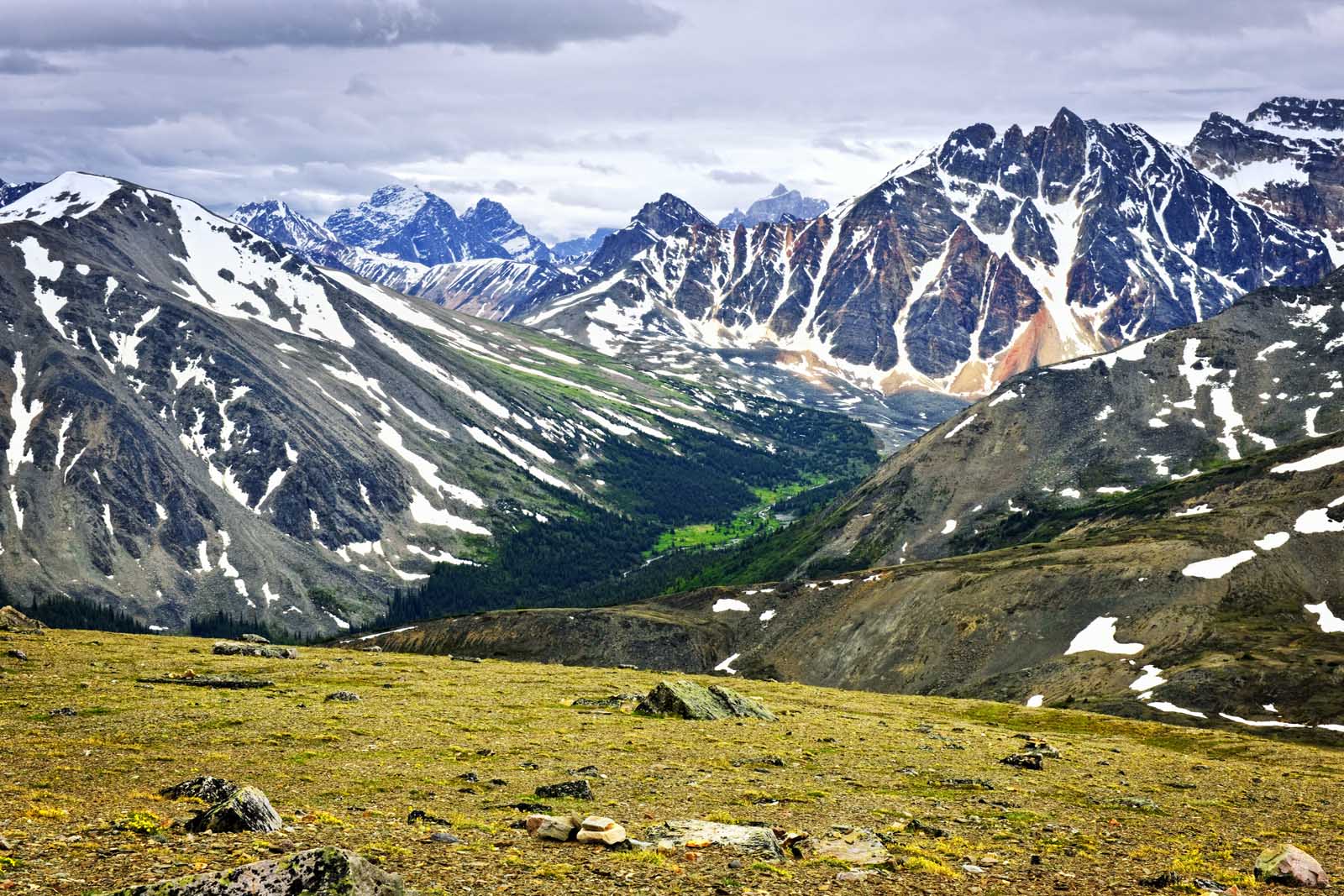
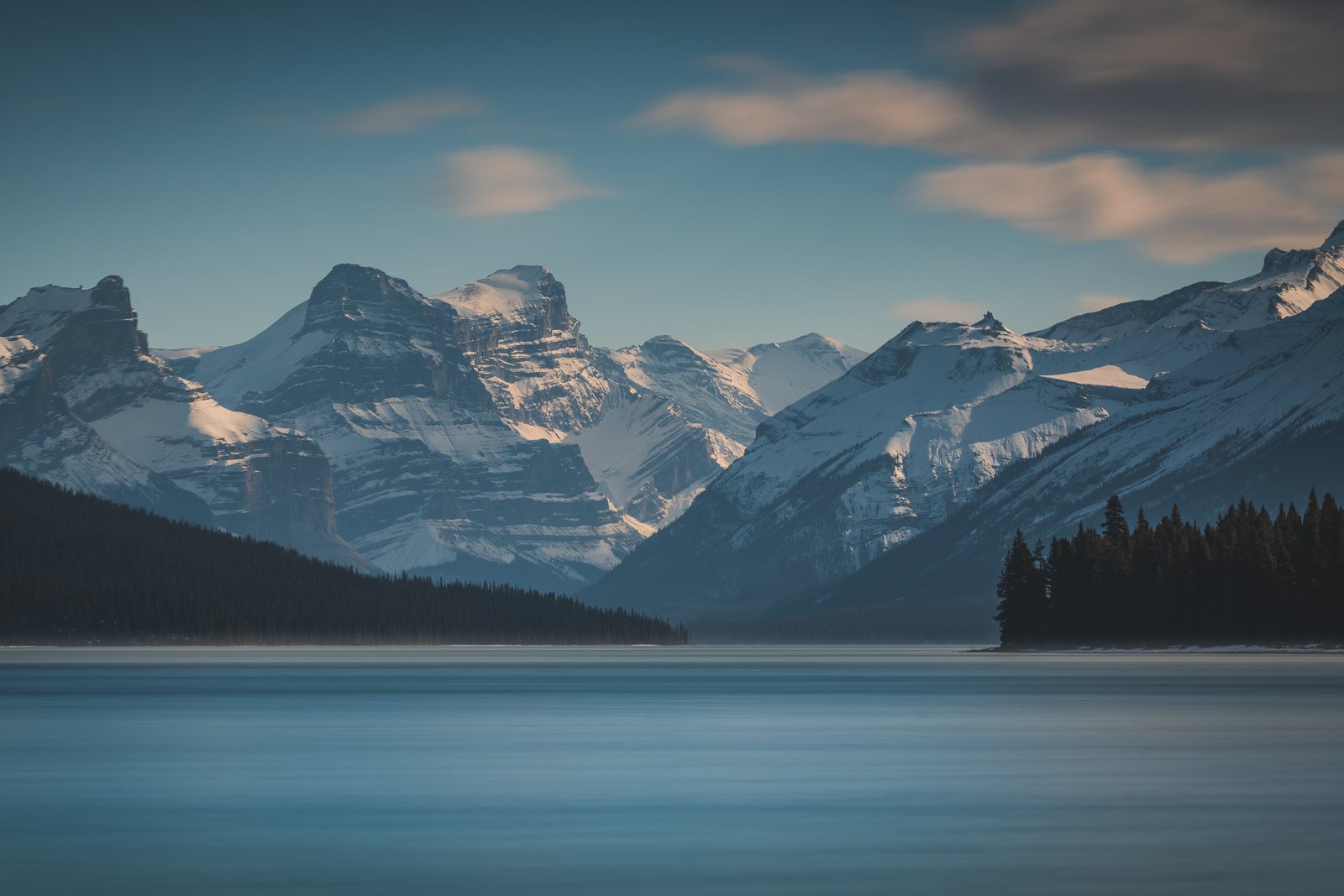
    Jasper National Park is the largest national park in the Canadian Rockies, spanning an incredible 11,000 square kilometres (4,200 sq miles). It boasts some of the most awe-inspiring hikes for every skill level. With its shimmering glacial lakes, massive glaciers, and abundant wildlife, Jasper is a hiker’s paradise.

    But you don’t have to venture deep into the backcountry to experience it. Many of the best trails and walking routes are just minutes from the town of Jasper, making it perfect for memorable day hikes. After many trips to this part of Alberta, we’ve learned that while Banff gets a lot of the attention, Jasper offers a wilder, more rugged beauty that we keep coming back to.

    This guide is designed to help you find the perfect trail for your trip. We’ve broken down our favourite hikes by difficulty and included all the practical details you need to hit the trail with confidence.

    Map of the Best Jasper Hikes

    Best Jasper Hikes at a Glance (Top 5 Picks)

    If you’re short on time, this quick guide will point you to the can’t-miss trails in the park.

    HikeDistance (Round Trip)DifficultyBest ForMaligne Canyon3.4 km loopEasyWaterfalls & GorgesValley of the Five Lakes4.7 km loopEasy / ModerateBeautiful Lakes & FamiliesEdith Cavell Meadows8.4 km loopModerateGlacier & Wildflower ViewsSulphur Skyline7.9 km loopModerate360-Degree Views & Hot SpringsBald Hills15 kmDifficultPanoramic Vistas

    Planning Your Jasper Hiking Trip

    Before you lace up your boots, here are a few essential tips for planning your adventure.

    Jasper National Park Pass Info

    To enter Jasper National Park, you must have a valid Park Pass. You can buy it at the park gates upon entry or online in advance.

    Daily Pass (2025 rates): $10.50 CAD per adult or $21.00 per vehicle/group.

    Discovery Pass (Annual): $72.25 CAD per adult or $145.25 for a family/group. This gives you unlimited access to all of Canada’s national parks for 12 months. If you plan to visit for more than a few days or see other parks like Banff, this is the best value.

    You can purchase your pass online from the Parks Canada website. Please verify all prices on the official site, as they can change.

    Getting to the Trailheads

    Jasper is best explored by car. The park is located approximately 4 hours (365 km / 226 miles) from Edmonton and about 3.5 – 4 hours (288 km / 179 miles) from Banff via the incredibly scenic Icefields Parkway.

    Check car rental rates here.

    Bear Safety & What to Pack

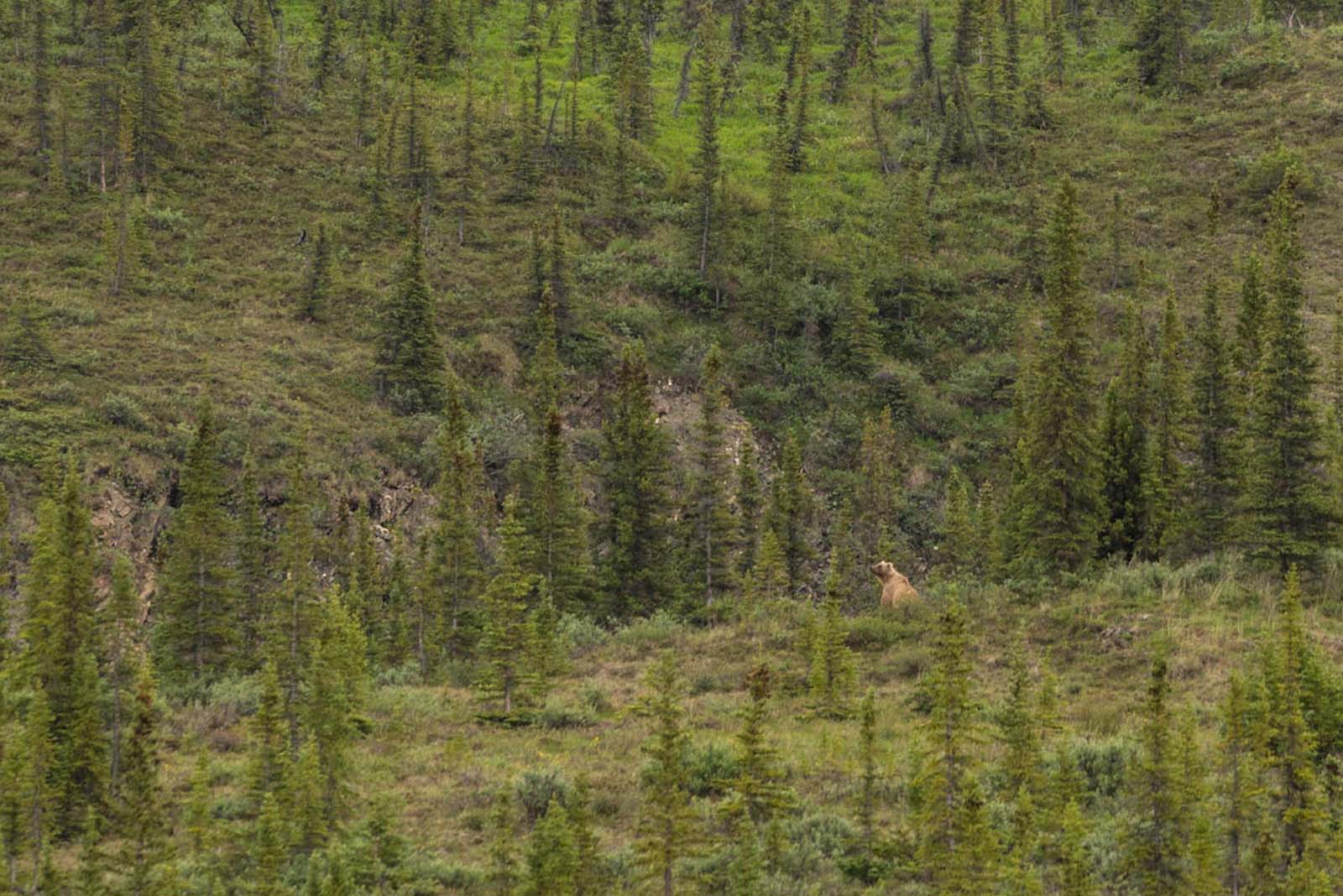
    Jasper is home to both grizzly and black bears. It is essential to be bear-aware on all trails.

    Carry Bear Spray: Know how to use it and keep it accessible on your hip, not in your pack.

    Make Noise: Talk, sing, or call out periodically to avoid surprising a bear.

    Pack in Layers: Mountain weather changes quickly. Bring a waterproof jacket, a warm mid-layer, and a hat, even on a sunny day.

    Bring Water and Snacks: There are no shops at the trailheads. Pack more than you think you’ll need.

    Where to Stay in Jasper

    We stayed at the Fairmont Jasper Park Lodge, which makes for a great luxury base. For other options, you can check out vacation rentals and hotels in the town of Jasper. There are also numerous front-country and backcountry campsites managed by Parks Canada, which should be booked well in advance.

    Easy & Accessible Jasper Hikes

    These trails are perfect for families, casual walkers, or for a day when you want maximum scenic reward with minimal effort. They showcase some of Jasper’s most iconic features without requiring a strenuous, all-day commitment.

    1. Maligne Canyon

    Length: 3.4 km (2.1 miles) loop

    Elevation Gain: 118 m (387 ft)

    Difficulty: Easy

    Approx. Time: 1.5 – 2 hours

    Trailhead: Maligne Canyon Trailhead

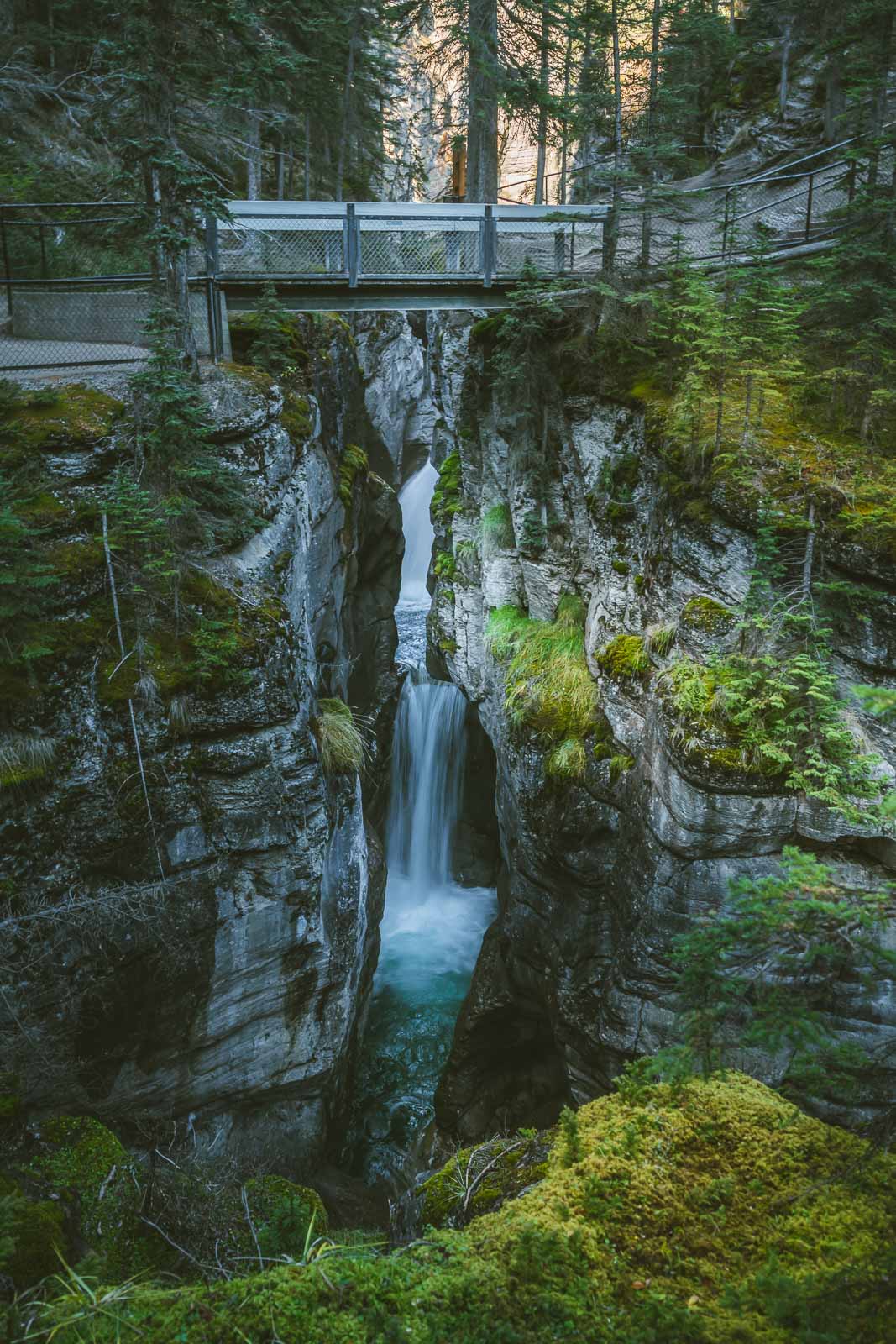
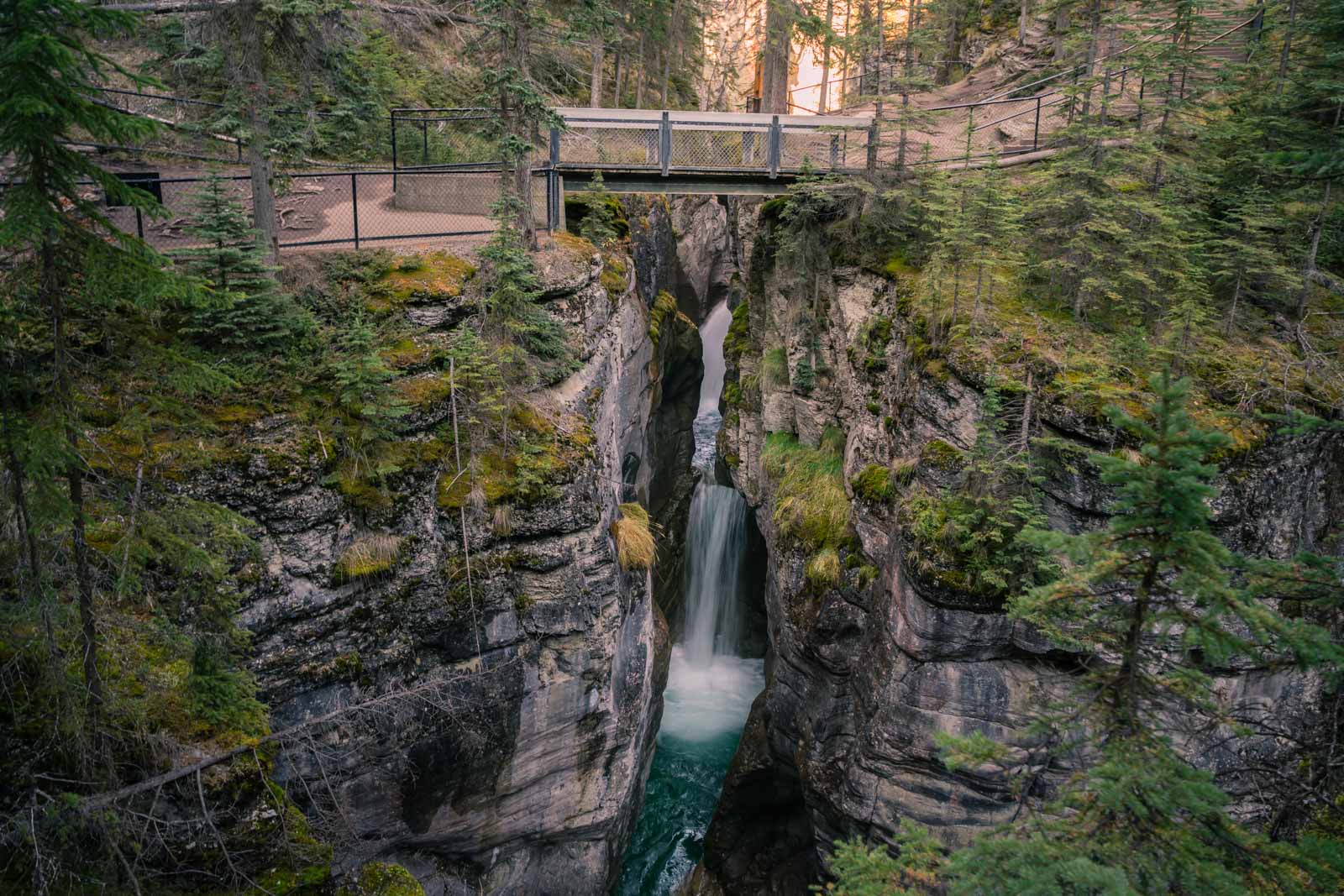
    Maligne Canyon is one of the most spectacular hikes in Jasper National Park. Located just 10 minutes from town, the trail is easily accessible. The well-maintained path crosses several bridges, offering incredible views down into the deep, narrow gorge carved by the Maligne River. You’ll see waterfalls and unique rock formations as you wind your way along the canyon rim.

    Dave & Deb’s Tip: The canyon is stunning in summer, but it’s a completely different world in winter. If you’re visiting then, a guided ice walk with cleats through the frozen canyon floor is one of the most unique and memorable experiences you can have in the Rockies.

    2. Valley of the Five Lakes

    Length: 4.7 km (2.9 miles) loop

    Elevation Gain: 162 m (531 ft)

    Difficulty: Easy to Moderate

    Approx. Time: 1.5 – 2 hours

    Trailhead: Valley of the Five Lakes Trailhead on the Icefields Parkway.

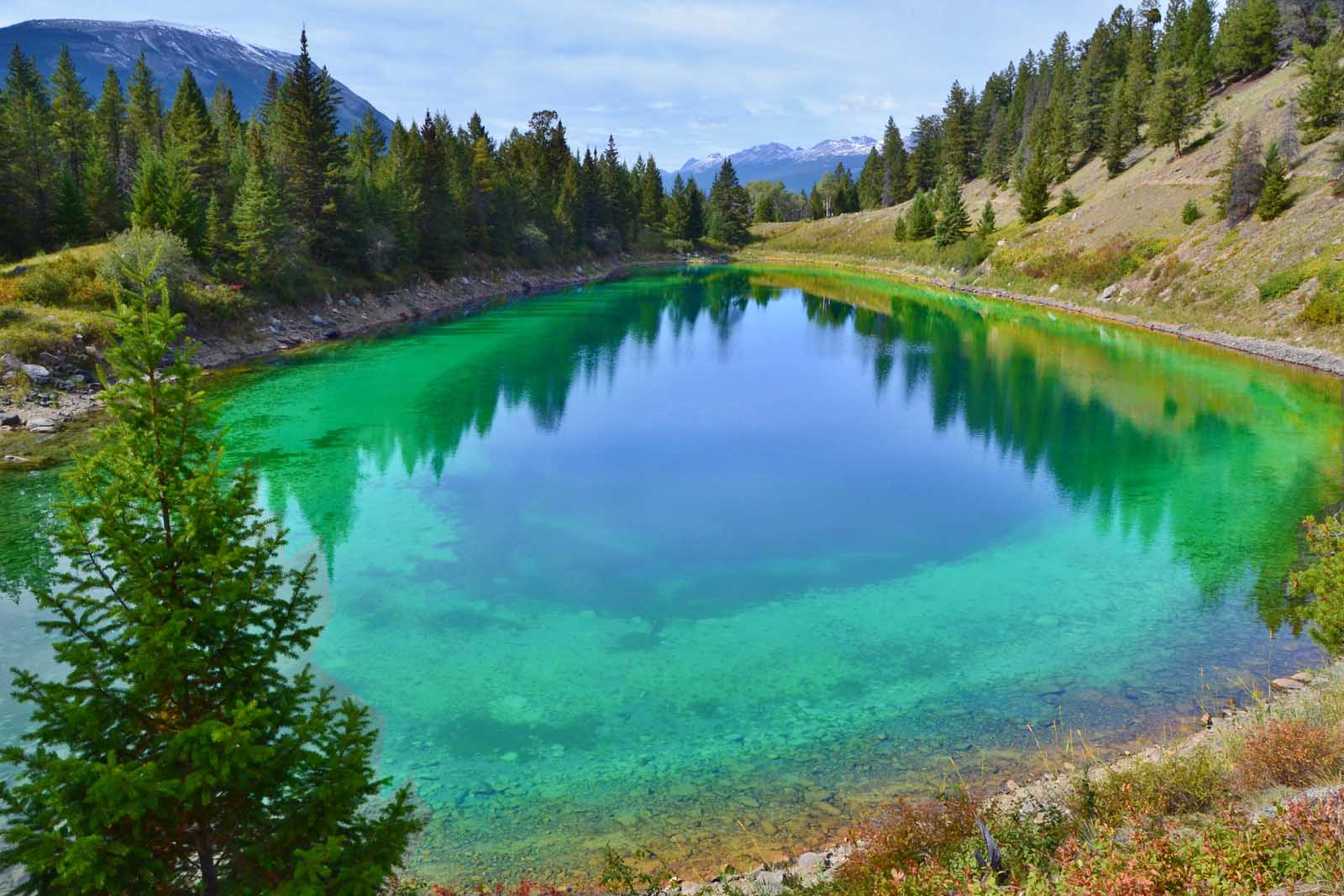
    This hike is a local favourite for good reason. The trail takes you through a lush forest before arriving at a series of five pristine lakes, each glowing with its own distinct shade of jade and blue. The trail has some gentle rolling hills but is a rewarding hike for the whole family.

    Dave & Deb’s Tip: The colour of the lakes is truly unbelievable on a sunny day. The Third Lake is the most vibrant and the best for photos. It’s also the most popular spot for a very chilly swim if you’re feeling brave!

    3. Athabasca Falls

    Length: 1.0 km (0.6 miles)

    Elevation Gain: 26 m (85 ft)

    Difficulty: Easy

    Approx. Time: 30 – 45 minutes

    Trailhead: Athabasca Falls Parking Lot on the Icefields Parkway.

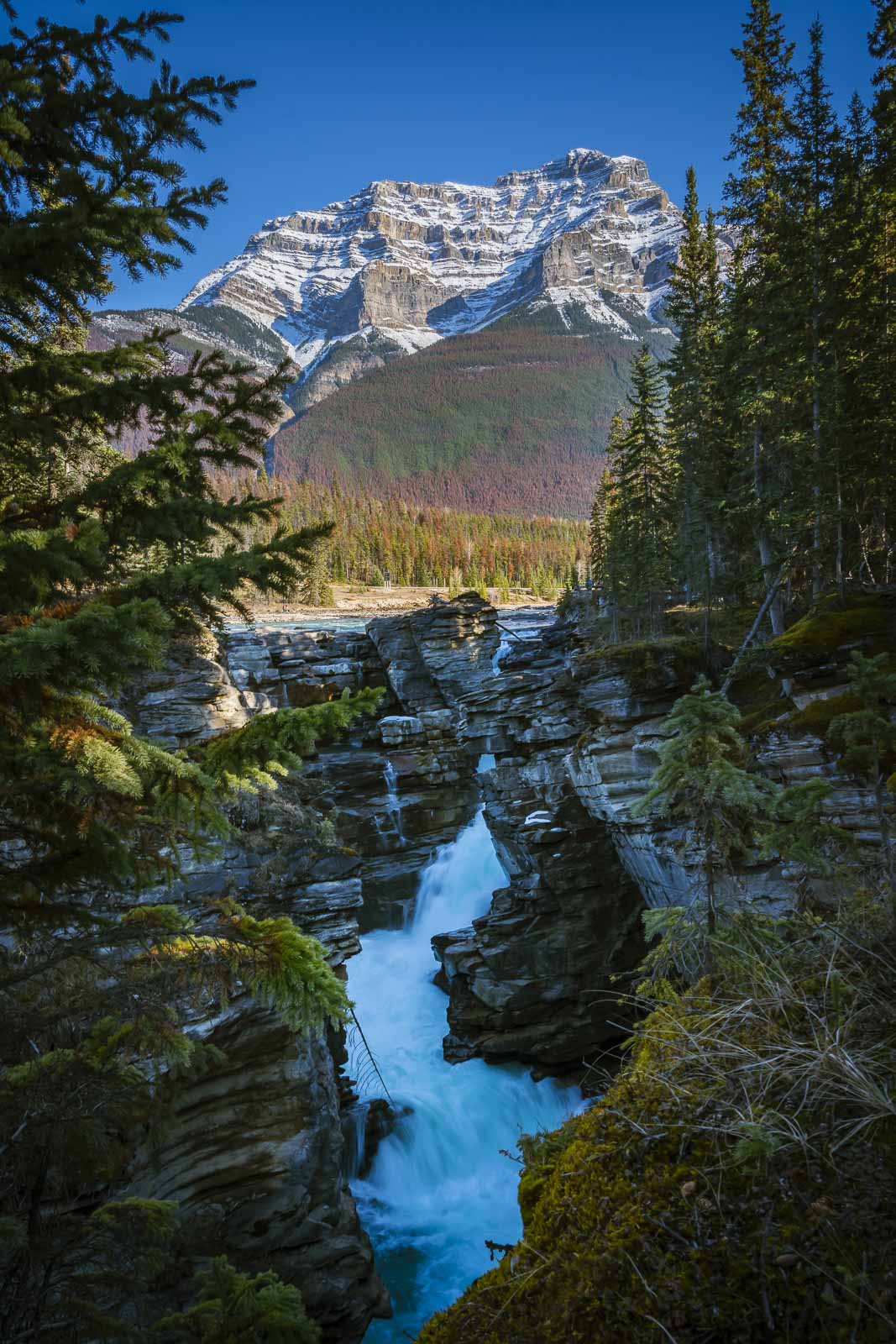
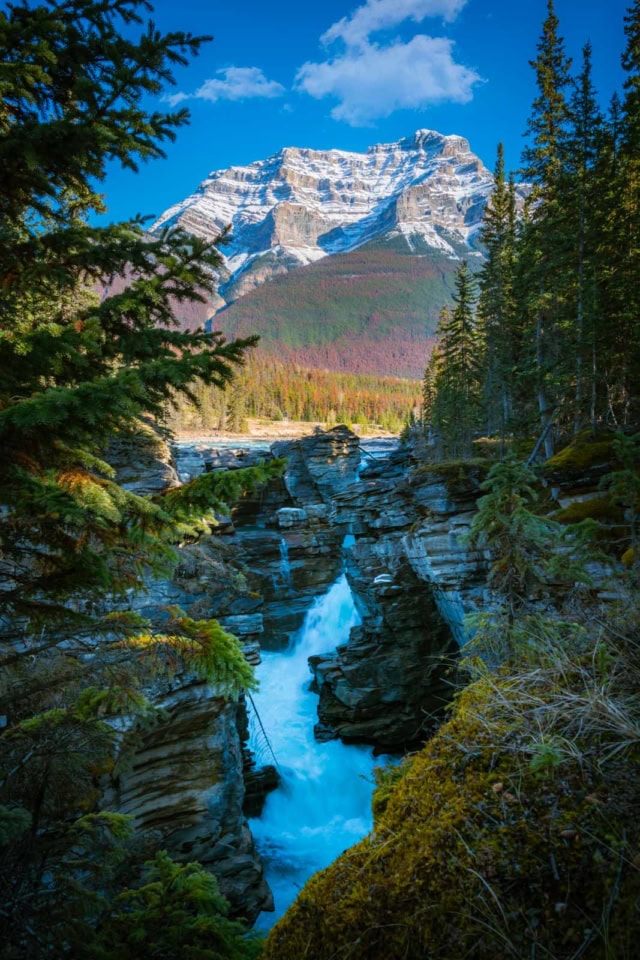
    While not a long hike, Athabasca Falls is one of the most powerful and picturesque waterfalls in the Canadian Rockies. The easy, paved pathways lead to various viewpoints overlooking the falls as they roar through a narrow gorge. It’s a busy trail, but well worth the stop for the incredible views of the falls and the Athabasca River.

    Dave & Deb’s Tip: The power of the water here is the main event. While the upper viewpoints are great, be sure to take the stairs down to the lower platform. You can feel the mist and hear the roar of the canyon, which really puts the force of the river into perspective.

    4. Toe of the Athabasca Glacier

    Length: 1.4 km (0.8 miles)

    Elevation Gain: 60 m (196 ft)

    Difficulty: Easy

    Approx. Time: 45 minutes – 1 hour

    Trailhead: Toe of the Athabasca Glacier Trailhead at the Columbia Icefield.

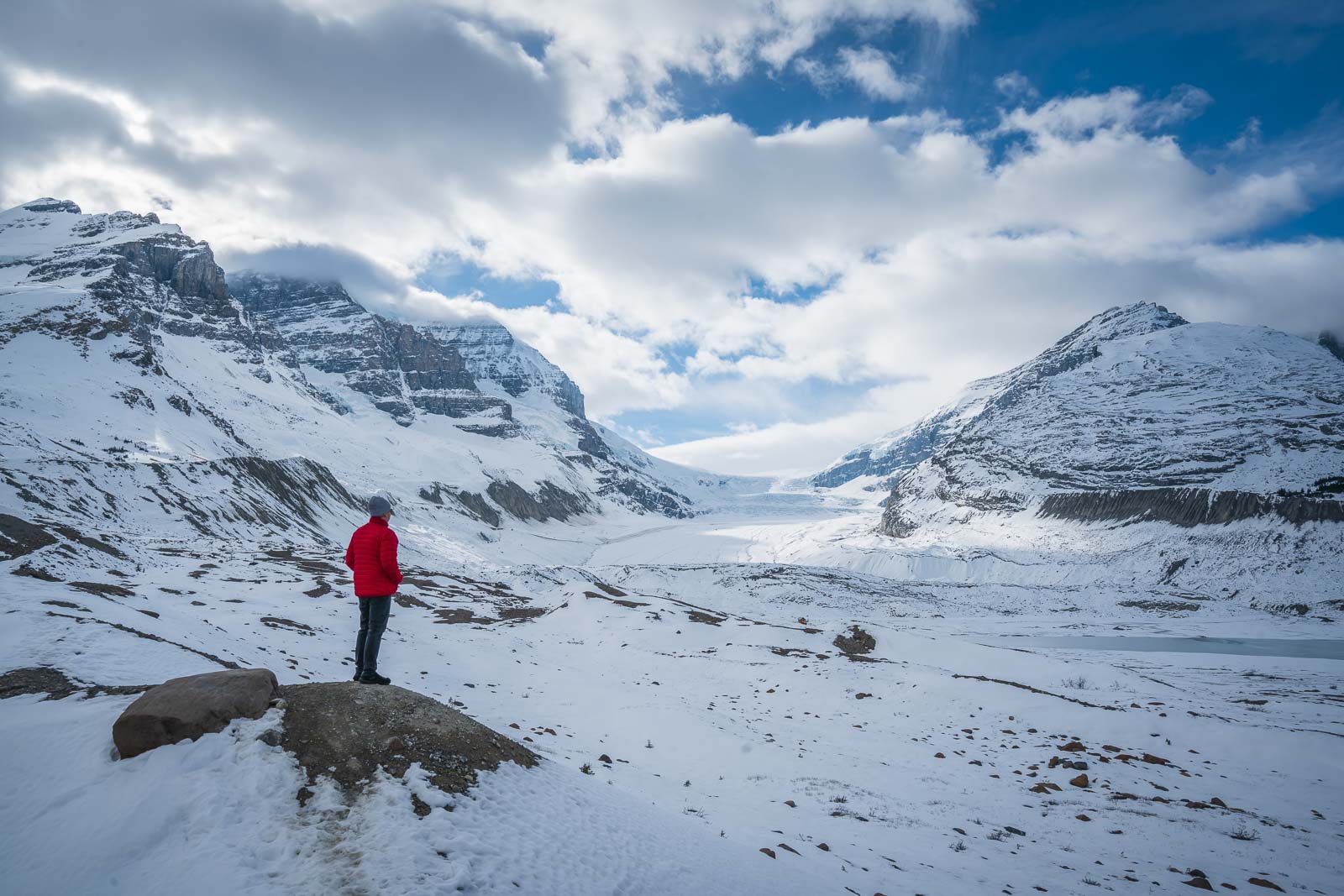
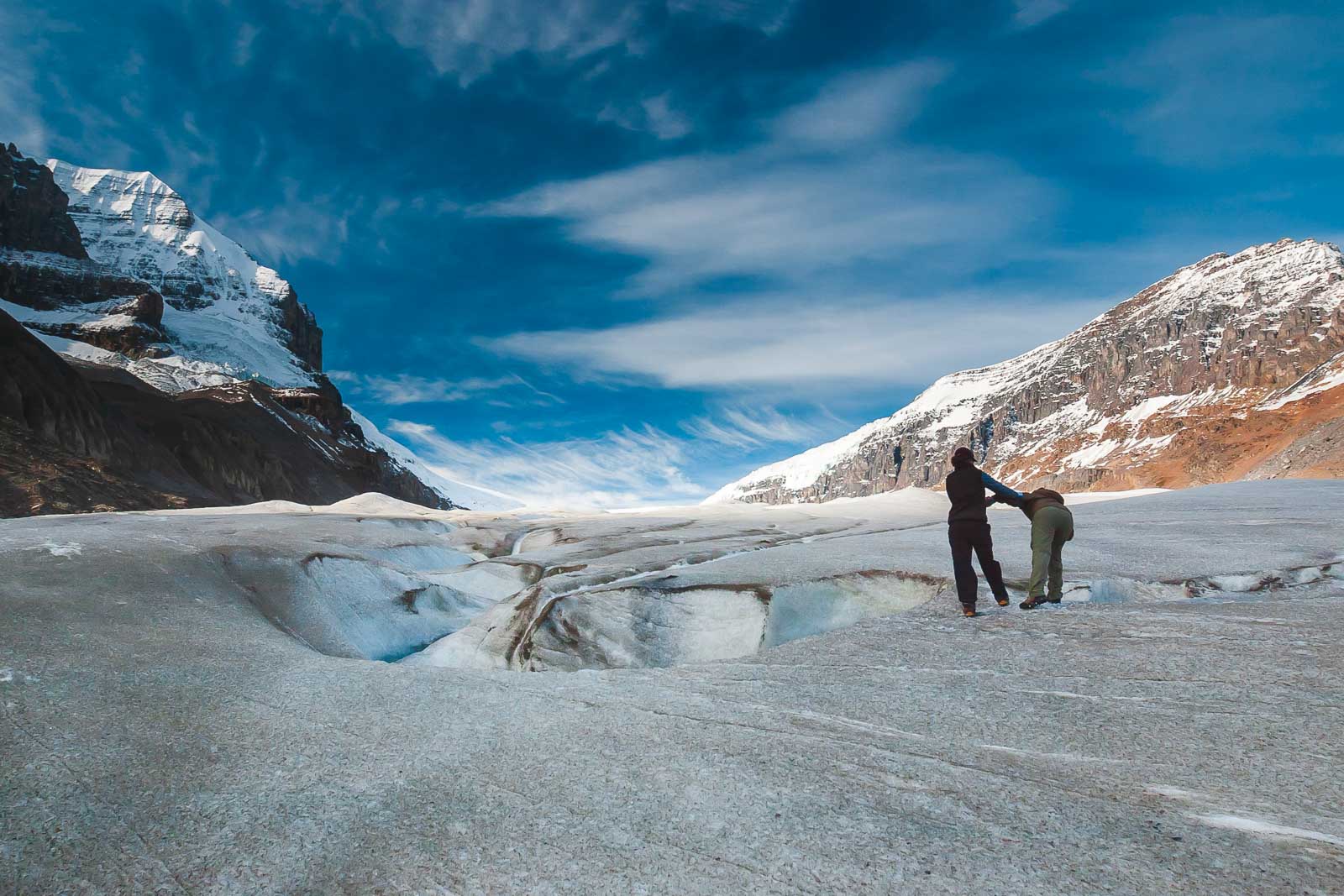
    This is a brilliant, family-friendly hike that offers a free alternative to the guided tours on the glacier. The trail leads you over the rocky moraine left behind by the retreating glacier. Along the route, signs mark the glacier’s location in different years, providing a sobering look at how much it has shrunk.

    Dave & Deb’s Tip: It is extremely important to stay behind the ropes and on the marked trail. The terrain near the glacier can be unstable and there are unobservable crevasses that are very dangerous. This hike is about witnessing the glacier’s scale from a safe distance.

    5. Jasper Discovery Trail

    Length: 8.5 km (5.2 miles) loop

    Elevation Gain: 264 m (866 ft)

    Difficulty: Easy

    Approx. Time: 2 – 3 hours

    Trailhead: Multiple access points from parking lots in the town of Jasper.

    If you want to explore close to town, the Jasper Discovery Trail is a great choice. This easy trail takes you on a stroll around the town’s perimeter, offering lovely views of the surrounding mountains and the Athabasca and Miette rivers. It’s easy to navigate; just follow the bear signs.

    Dave & Deb’s Tip: This is the perfect thing to do on your arrival day. It helps you get your bearings, stretch your legs after a long drive, and you can scout out some dinner spots in town along the way.

    6. Wapiti Trail

    Length: 4.8 km (3 miles) out & back

    Elevation Gain: 113 m (370 ft)

    Difficulty: Easy

    Approx. Time: 1 – 1.5 hours

    Trailhead: Wapiti Campground

    The Wapiti Trail is a lovely, gentle walk that follows the path between the Icefields Parkway and the Athabasca River. Starting from the Wapiti Campground, it heads northbound towards the town of Jasper. It’s a relatively flat and quiet trail, perfect for a morning stroll or for families looking to enjoy the riverside scenery without a major climb.

    Dave & Deb’s Tip: While it’s a great short hike on its own, you can also use this trail to walk all the way from the campground into town for dinner, which is a great way to earn your meal and enjoy the evening light on the mountains.

    7. Wabasso Lake Trail

    Length: 7.7 km (4.7 miles) out & back

    Elevation Gain: 276 m (905 ft)

    Difficulty: Easy

    Approx. Time: 2 – 2.5 hours

    Trailhead: Wabasso Lake Trailhead

    The Wabasso Lake Trail is a popular but peaceful hike that takes you through a dense forest to a secluded, marshy lake. The trail has some rolling terrain but isn’t overly strenuous, making it another great option for families. The real reward is reaching the quiet shores of Wabasso Lake and enjoying the solitude and mountain reflections before heading back.

    Dave & Deb’s Tip: This trail is known for being muddy in sections, especially after it rains, so waterproof hiking shoes are a good idea. It’s also a great spot for birdwatching if you take your time by the lake.

    Moderate Hikes in Jasper (5km – 10km)

    Ready for more of a challenge? These moderate trails involve more elevation gain but reward you with spectacular, high-country views that you have to work for.

    8. Edith Cavell Meadows

    Length: 8.4 km (5.2 miles) loop

    Elevation Gain: 582 m (1909 ft)

    Difficulty: Moderate

    Approx. Time: 3 – 4 hours

    Trailhead: End of Cavell Road

    The Edith Cavell Meadows hike is a beautiful and rewarding trail in Jasper National Park. It begins on a paved path along the Glacier Trail, leading to a stunning viewpoint of Angel Glacier and Cavell Pond. The trail then climbs steadily through a rocky moraine and subalpine forest before opening up into a beautiful meadow that is filled with wildflowers in July and August. You are treated to incredible glacier views for the entire journey.

    Dave & Deb’s Tip: The drive to the trailhead is an adventure in itself, with tight switchbacks. The real star here is Angel Glacier. You get great views from the lower lookout, but push on to the upper meadows. The sight of the glacier framed by wildflowers is absolutely worth the climb.

    9. Sulphur Skyline Trail

    Length: 7.9 km (4.8 miles) out & back

    Elevation Gain: 653 m (2142 ft)

    Difficulty: Moderate

    Approx. Time: 3.5 – 5 hours

    Trailhead: Miette Hot Springs parking lot

    The Sulphur Skyline Trail is one of Jasper’s signature hikes, known for its unrelenting uphill climb that pays off with some of the best panoramic views in the park. The trail starts at a steady incline and just keeps going. Once you break through the treeline, the path continues to a ridge offering a breathtaking 360-degree scene of the surrounding peaks and the Fiddle Valley below.

    Dave & Deb’s Tip: Don’t forget your swimsuit! The ultimate reward for this tough hike is a long soak in the Miette Hot Springs, located right at the trailhead. Trust us, your tired muscles will thank you. It’s the perfect end to a challenging day on the trail.

    10. Pyramid Lake Loop

    Length: 5.6 km (3.4 miles) loop

    Difficulty: Moderate

    Elevation Gain: 203 m (666 ft)

    Trailhead: Multiple access points near Pyramid Lake.

    The Pyramid Lake Loop is a great choice for an afternoon hike with beautiful views, located just a few minutes from the town of Jasper. The trail climbs through the forest to viewpoints overlooking the iconic Pyramid Mountain and Pyramid Lake. There are many different intersecting routes in the area, but most lead back to the main trail. It’s also a dog-friendly trail, as long as your canine companion is on a leash.

    Dave & Deb’s Tip: For the best photos of Pyramid Mountain reflected in the water, make sure you take the short walk over the bridge to Pyramid Island either before or after your hike. It’s one of the most photographed spots in Jasper for a reason.

    Difficult Hikes in Jasper (10km+)

    For experienced hikers looking for a serious challenge, these trails offer some of the most expansive and rewarding views in the entire park. Be prepared with sturdy hiking boots, plenty of water, and bear spray.

    11. Bald Hills

    Length: 15 km (9.3 miles) out & back

    Elevation Gain: 780 m (2559 ft)

    Difficulty: Difficult

    Approx. Time: 5 – 7 hours

    Trailhead: Maligne Lake parking area (furthest lot).

    For views high above the treeline, nowhere is better than the summit of the Bald Hills. The trail follows a wide fire road for most of the climb, with a steep shortcut option available for those who want it. As you gain elevation, the trees thin out and the views of Maligne Lake and the surrounding mountain ranges become increasingly spectacular. The final push to the summit ridge opens up to a stunning 360-degree panorama.

    Dave & Deb’s Tip: The final push to the true summit beyond the main viewpoint is a bit of a scramble, but it’s where you’ll leave 90% of the other hikers behind. The 360-degree panorama from the very top is one of the best in the Canadian Rockies.

    12. Opal Hills Loop

    First Grizzly Sighting

    Length: 8.0 km (5 miles) loop

    Elevation Gain: 517 m (1696 ft)

    Difficulty: Difficult

    Approx. Time: 3 – 5 hours

    Trailhead: Maligne Lake parking area (near the boat house).

    Don’t let the shorter distance fool you; the Opal Hills Loop is a steep and strenuous workout that takes you straight up. The trail climbs relentlessly through the forest before opening into a beautiful alpine meadow that is often filled with wildflowers. This hike is a great choice if you’re looking for a challenging climb with rewarding views and fewer crowds than the nearby Bald Hills trail.

    Dave & Deb’s Tip: This is a steep one, so hiking poles are your best friend, especially for the descent. The real reward is the alpine meadow at the top, which is a great place to spot marmots and pikas in the summer.

    13. Whistlers Mountain Summit

    Scenic view from Whistlers Mountain in Jasper National park, Canada

    Length: 12.7 km (7.9 miles) out & back

    Elevation Gain: 968 m (3175 ft)

    Difficulty: Difficult

    Approx. Time: 5 – 7 hours

    Trailhead: Upper station of the Jasper Skytram.

    While the Jasper Skytram whisks you most of the way up the mountain, the hike to the true summit is a challenging adventure at high elevation. From the upper tram station, the trail continues to climb across a rocky, exposed ridge. The path can be slippery with snow even in summer. The reward is an unparalleled view over the town of Jasper, the Athabasca Valley, and countless mountain ranges stretching to the horizon.

    Dave & Deb’s Tip: Don’t be fooled by the tram ride; this is a proper mountain hike. Be prepared for wind and cold temperatures at the top, even in August. The view from the summit makes you feel like you’re on top of the world.

    FAQ: Jasper National Park Hikes

    What is the best hike in Jasper?

    One of the best all-around hikes is the Valley of the Five Lakes for its stunning colours and accessibility. For a more challenging day with epic rewards, the Sulphur Skyline Trail is a signature Jasper experience, especially with a soak in the hot springs afterward. The “best” one really depends on your fitness level and what you want to see!

    What should I not miss in Jasper National Park?

    Beyond the hiking trails, you shouldn’t miss a drive on the Icefields Parkway, a boat tour on Maligne Lake to see Spirit Island, and the chance to see wildlife like elk, bears, and moose (from a safe distance, of course). The Jasper Skytram also offers incredible views without the long hike up.

    How many hiking trails are there in Jasper?

    There are over 1,000 km (600+ miles) of hiking trails in Jasper National Park, ranging from short, easy walks to multi-day backcountry treks. This guide covers 13 of our absolute favourites that offer the best experiences.

    So, Which Trail Will You Hike First?

    And those are our favourite hikes in Jasper National Park! There are dozens more to explore, but these 13 trails offer an incredible taste of what makes this corner of the Canadian Rockies so special. Whether you’re taking an easy stroll to a waterfall or tackling a challenging summit, the views are guaranteed to be worth it.

    Let us know in the comments which hike you’re adding to your list!

    [ad_2]

    Source link

  • 35 Best Things to Do in Toronto | A Local’s Guide

    35 Best Things to Do in Toronto | A Local’s Guide

    [ad_1]

    Finding the best things to do in Toronto can feel overwhelming, but after calling this city home for 25 years, we’ve got you covered. We remember when the CN Tower was the only giant in the sky, when a trip to the Islands felt like a journey to another world, and when Queen Street West was the edgy heart of the city. We’ve seen it all, and whether it’s your first visit or your tenth, this guide is designed to help you find the city’s true highlights.

    This isn’t just a tourist brochure. It’s our personal guide to the city we know inside and out. We’ve all had that travel moment where you arrive at a famous spot and think, “Is this it?” This guide is designed to avoid that feeling. We’re sharing the experiences that are genuinely worth your time, the iconic landmarks that live up to the hype, and the local favourites you might otherwise miss.

    A classic red TTC streetcar driving down a busy Queen Street West in Toronto, with shops and people lining the sidewalks.

    This is our advice for getting the most out of your visit, from two people who have spent a quarter of a century exploring every corner of Toronto. We’ll help you discover its diverse cuisines, vibrant art scene, and the unique energy that makes it one of the best cities on Earth.

    Top 5 Things to do in Toronto You Can’t Miss

    If you’re short on time or it’s your first visit, these are the five Toronto experiences that we believe are absolutely essential.

    CN Tower: For the iconic, sky-high view of the city and Lake Ontario.

    Royal Ontario Museum (ROM): Best for a deep dive into world culture, art, and natural history.

    Day Trip to the Toronto Islands: The best escape from the city buzz for incredible skyline views.

    Explore Kensington Market: For a taste of Toronto’s multicultural, bohemian heart.

    Catch a Blue Jays Game: For the quintessential Toronto sports experience on a summer afternoon.

    Toronto’s Iconic Must-Do Attractions

    These are the big ones. The landmarks that define the Toronto skyline and the institutions that anchor its cultural scene. For any first-time visitor, these are the places you don’t want to miss.

    Go Up the CN Tower (and maybe do the EdgeWalk)

    Dave and Deb's dad smiling and giving a thumbs-up in his orange jumpsuit while doing the CN Tower EdgeWalk high above Toronto.

    You can’t talk about Toronto without mentioning the CN Tower. We’ve been up countless times, and the view from the top on a clear day is spectacular. For the ultimate thrill-seekers, the EdgeWalk is genuinely terrifying and absolutely unforgettable.

    We even did the EdgeWalk with Deb’s dad for his 80th birthday! It’s the world’s highest full-circle, hands-free walk, and dangling over the city 356m (1,168 ft) up is a story you’ll be telling for years. Our biggest insider tip is to book your timed tickets online well in advance, as the lines can be massive.

    Dive Under the Sea at Ripley’s Aquarium of Canada

    Ripley's Aquarium of Canada at the foot of the CN Tower

    Located right at the base of the CN Tower, Ripley’s Aquarium is a world-class facility. The standout experience is the Dangerous Lagoon, a massive underwater tunnel with a moving sidewalk that lets you glide past sharks, sea turtles, and giant sawfish.

    To avoid the biggest crowds, try to go on a weekday morning or later in the evening for one of their special events. It’s a fantastic attraction, especially for families or for a rainy day.

    Explore the Royal Ontario Museum (ROM)

    The dramatic Michael Lee-Chin Crystal entrance of the Royal Ontario Museum (ROM) on a sunny day in Toronto.

    With its dramatic Michael Lee-Chin Crystal crashing into a heritage building, the ROM is impossible to miss. In fact, the Royal Ontario Museum is one of the largest museums in North America. We used to live just around the corner from the ROM and visited often, so it holds a special place in our hearts. We definitely consider it one Toronto museum you cannot miss. Inside, it’s a treasure trove of world culture and natural history, but our personal favourite has always been the dinosaur exhibit, it’s truly world-class.

    Insider tip: The museum can get very busy with school groups on weekday mornings. For a more relaxed visit, plan to go after 1 p.m.

    The stunning, glass facade designed by Frank Gehry outside the Art Gallery of Ontario (AGO)

    Even if you’re not a huge art buff, the AGO is worth visiting for its incredible architecture alone. The stunning, spiraling wooden staircase designed by Frank Gehry is a masterpiece. We love spending an afternoon wandering through the Thomson Collection of European art and, of course, the extensive collection of works by Canada’s iconic Group of Seven. It’s a beautiful, calming space in the heart of the city that is full of world-class art.

    Wander Through St. Lawrence Market

    Carousel Bakery inside the bustling St. Lawrence Market.

    National Geographic once named St. Lawrence Market the best food market in the world, and for good reason. It’s been a Toronto institution for over 200 years. The new North Building just opened in April 2025 and houses the Farmers’ and Antique Markets.

    Our go-to ritual: Head to Carousel Bakery for their world-famous Peameal Bacon on a Bun, it’s a true Toronto classic. The market is busiest on Saturdays when the farmers’ market is in full swing, so for a more casual browse, a weekday visit is your best bet.

    Discover History in the Distillery District

    Walking through the cobblestone streets of the Distillery District feels like stepping back in time. We have a long history here; back when we worked in the film industry, we used to film in this area long before it was transformed into the hub it is today.

    Now, it’s a beautifully preserved collection of Victorian industrial architecture that’s a go-to spot for art, culture, and fantastic food. It’s completely pedestrian-only, and we make a point of visiting the magical Christmas Market here every single year.

    Step into a Fairy Tale at Casa Loma

    A grand exterior view of the historic Casa Loma castle in Toronto, seen from its beautiful gardens.

    Toronto’s very own castle is a sight to behold. This grand Gothic Revival-style mansion is another spot where we have fond memories from our film days. Dave worked on the first X-Men movie, and they filmed a lot of scenes here at Casa Loma! It’s a fascinating glimpse into the city’s past, and we’ve always loved exploring the secret passages and the 800-foot tunnel that connects the castle to its impressive stables.

    Our tip: The included audio guide is absolutely worth it. It’s narrated by the fictional castle archivist, “Archie,” and brings the stories of the rooms and its former owner, Sir Henry Pellatt, to life.

    Exploring Toronto’s Urban Core

    While Toronto has countless charming neighbourhoods, the city’s downtown core has an energy all its own. These public squares are the beating heart of the city, hosting events, celebrations, and the daily hustle of Toronto life.

    People-Watch at Yonge-Dundas Square

    The bright, flashing billboards and vibrant energy of Yonge-Dundas Square in Toronto at night.

    Often called Canada’s Times Square, Yonge-Dundas Square is a dazzling intersection of flashing billboards, bustling crowds, and street performers. It’s sensory overload in the best possible way. It is also a big bonus that it is right across from the Eaton’s Center in downtown Toronto.

    Our personal take: While it’s not a place to find peace and quiet, it’s fantastic for feeling the city’s pulse. We love grabbing a coffee and just watching the incredible cross-section of humanity that passes through. In the summer, there are often free concerts and events, making it a great spot to check out, especially at night when all the lights are on.

    Skate at Nathan Phillips Square

    the iconic 3D TORONTO sign at Nathan Phillips Square, with City Hall in the background.

    Home to City Hall and the famous “TORONTO” sign, Nathan Phillips Square is a must-see. It’s a massive public space that truly reflects the city’s spirit. It makes for a great central meeting place for exploring downtown Toronto.

    Our insider tip: In the winter, the reflecting pool transforms into a magical outdoor ice skating rink, and renting a pair of skates here is a classic Toronto experience. In the summer, the square is a hub for major events, festivals, and farmers’ markets. It’s a great spot for that quintessential Toronto photo, day or night.

    The Best of Toronto’s Neighbourhoods & Culture

    Beyond the big-ticket attractions, Toronto is a city of distinct neighbourhoods, each with its own vibe, history, and culture. Getting lost in these areas is the best way to discover the real soul of the city.

    Get Lost in Kensington Market

    The Kensington Sign at the entrance of the vibrant Kensington Market neighbourhood in Toronto.

    A designated National Historic Site, Kensington Market is a vibrant, multicultural maze of independent shops and eclectic food stalls right in the heart of Chinatown. It’s gritty, colourful, and unapologetically unique. We used to live in this area, and our favourite way to experience it is to just wander around for a few hours without a map.

    Follow your nose to the smell of fresh churros, pop into a quirky vintage store, and just soak in the incredible energy. Don’t miss grabbing a few empanadas from one of the many Latin American food stalls.

    Explore the Art Scene on Queen Street West

    Once named one of the coolest neighbourhoods in the world, Queen Street West has long been the epicentre of Toronto’s art and music scenes. It’s also home to the famous Graffiti Alley, a must-see for its incredible, ever-changing street art.

    We love that this was the spot where Rick Mercer filmed his iconic “rants” for Canadian television. It’s the perfect place for a long walk, popping into unique Canadian designer shops and iconic music venues like the Horseshoe Tavern.

    Experience Little Italy on College Street

    Toronto has several “Little Italys,” but the one along College Street is the original. This used to be our old stomping grounds, and we spent countless nights exploring its restaurants and bars. In the summer, the patios are packed, and the neighbourhood buzzes with energy. It’s still one of our go-to spots for great food and late-night eats after a show.

    Wander Through the Posh Streets of Yorkville

    If Queen West is the cool, artistic heart of the city, Yorkville is its posh, sophisticated counterpart. This was the last neighbourhood we lived in, so we know it like the back of our hands. It’s fantastic for window shopping and celebrity spotting, especially during TIFF. If you are into cool museums, you will find the BATA Shoe Museum here as well.

    Our insider tip: For the full upscale Yorkville experience, grabbing a cocktail on the Sassafraz patio is perfect for people-watching. For a more casual and budget-friendly option, we love heading to the rooftop patio at Hemingway’s for a perfect afternoon pint or Eataly for a great selection of authentic Italian foods.

    New & Modern Toronto Attractions

    Even after living here for so long, we’re always amazed by how much Toronto continues to evolve. These newer spots have quickly become must-sees and showcase the city’s modern, forward-thinking side.

    Immerse Yourself in Little Canada

    entrance to the Toronto Attraction Little Canada

    One of the city’s newest and most charming attractions, Little Canada is a massive, highly detailed miniature world showcasing famous Canadian landmarks from coast to coast.

    Our personal take: We were genuinely blown away by the incredible detail and artistry here. Seeing a miniature, twinkling version of the Ottawa parliament buildings during their winter light show or a tiny Niagara Falls is surprisingly magical. It’s a fantastic and unique experience for all ages.

    Experience The Well

    The shops lining the interior of The Well in Toronto

    The Well is a massive new development that has completely transformed the area west of the financial district. It’s an open-air hub of shops, incredible restaurants, and a European-style food market.

    Our insider tip: This has quickly become one of our new favourite spots for a great dinner. The variety of food options is amazing, from high-end dining to casual eats. It’s a great place to spend an evening, especially when the weather is nice.

    Explore the Revitalized Waterfront

    Deb from The Planet D under the iconic pink umbrellas on the sand at Sugar Beach, on Toronto's revitalized waterfront.

    Toronto’s waterfront has seen huge changes, turning it from an industrial afterthought and movie studios into a beautiful public space. You can now walk or bike for kilometres along the water’s edge.

    Our favourite part is Sugar Beach, with its iconic pink umbrellas and soft sand, offering a unique urban beach experience right next to the Redpath Sugar Refinery.

    Toronto for Sports Fans

    If you’re a sports fan, Toronto is a fantastic city to visit. The passion here is infectious, especially when one of our teams is in a playoff run. The main sports complex, including the Rogers Centre and Scotiabank Arena, is conveniently located right downtown.

    Catch a Blue Jays Game at the Rogers Centre

    View of the Rogers Center where the Toronto Blue Jays play

    There’s nothing better than a sunny afternoon at the ballpark. This place holds a lot of memories for us. Deb used to work at the Rogers Centre, and I (Dave) was lucky enough to see the Blue Jays win the World Series here in 1993.Grabbing a hot dog and watching the Toronto Blue Jays play under the open dome (weather permitting) is a classic summer experience in the city.

    Our insider tip: Even if you’re not a huge baseball fan, the atmosphere is fantastic and it’s a great, relatively affordable way to spend a few hours. Look for the “Loonie Dogs” nights for extra value!

    See the Raptors or Maple Leafs at Scotiabank Arena

    Taking in a Toronto Maple Leafs hockey game at the Scotia Bank Arena

    Home to the NBA’s Raptors and the NHL’s Maple Leafs, Scotiabank Arena is the heart of the action for basketball and hockey. Tickets for the Leafs can be notoriously hard to get, but you can often find seats for a Raptors game.

    Our personal take: If you’re in town during a playoff run, head down to “Jurassic Park”—the outdoor square next to the arena where fans gather to watch the game on a massive screen. The energy is electric.

    Visit the Hockey Hall of Fame

    Famous statue at the entrace to the Hockey Hall of Fame.

    For any hockey fan, this is a must-do. The Hockey Hall of Fame is a fantastic tribute to the sport, filled with incredible memorabilia and interactive exhibits. Even as non-obsessive hockey fans, we’ve always been impressed. Our favourite part is seeing the original Stanley Cup up close in the Great Hall, it’s smaller than you’d think! It’s a well-done museum and a perfect way to spend a couple of hours downtown.

    Outdoor & Active Things to Do in Toronto

    One of the things we love most about Toronto is how easy it is to escape the concrete jungle and find a beautiful green space. From sprawling parks to stunning lakeside cliffs, the city has some incredible spots for an active day out.

    Take the Ferry to the Toronto Islands

    Beautif serens view of the arched bridge on the Toronto Islands.

    A short and scenic ferry ride from the downtown waterfront takes you to a completely different world. The Toronto Islands are a chain of car-free islands with beaches, parks, and incredible views of the city skyline. Perfect for a day trip for the whole family. It is also home to Centreville Amusement Park, the Gibraltar Point Lighthouse, and the ruins of the Hanlan’s Point Hotel.

    This spot is extra special for us because it’s where we had our first date! The ferry goes to three different spots; for beaches and a more relaxed vibe, head to Ward’s Island or Hanlan’s Point. Renting a bike is the absolute best way to explore all the little paths and bridges.

    Relax in High Park

    A beautiful canopy of blooming pink cherry blossom trees in Toronto's High Park during the spring.

    High Park is Toronto’s largest public park, and it’s a true urban oasis. We have a deep connection to this park, as we lived in the High Park neighbourhood for 10 years; it was the first place we called home when we moved to Toronto.

    We have so many memories of summer picnics here. While the park is famous for its stunning cherry blossoms in the spring (which are a must-see, despite the crowds), we also love visiting in the fall when the maple trees are in full colour.

    Insider Tip: After a walk in the park, head over to the nearby Roncesvalles Village, one of our favourite neighbourhoods for its Polish delis and indie coffee shops.

    Hike the Scarborough Bluffs

    walking path along the massive white cliffs of the Scarborough Bluffs rising above the blue water of Lake Ontario.

    It’s hard to believe this stunning landscape is within the city limits. The Scarborough Bluffs are a series of dramatic white cliffs that stretch for 15 km along the Lake Ontario shoreline. There are several parks and trails here, but for the most iconic view, head to Bluffer’s Park. From the beach, you can look up at the towering cliffs. It feels more like the Mediterranean than a major Canadian city.

    Planning Your Trip to Toronto

    Sunrise view of Toronto from our condo balcony

    Now that you’re excited about all the things to do, let’s get into the practical side of planning your visit. Here’s our insider advice on getting around, the best time to come, and where to stay.

    How to Get Around Toronto

    Public Transit (TTC): The best way to navigate Toronto is by using the TTC (Toronto Transit Commission), which includes the subway, streetcars, and buses. The subway is fast and efficient for covering long distances north-south and east-west. Our tip: You can tap on and off with your credit card or phone, or buy a PRESTO card for easy travel.

    From the Airport (UP Express): The UP (Union Pearson) Express train is, without a doubt, the best way to get from Pearson International Airport (YYZ) to Union Station in the heart of downtown. It’s clean, fast (only 25 minutes), and runs frequently. It’s far better than sitting in traffic in a taxi.

    Walking: Toronto’s downtown core and its best neighbourhoods are very walkable. Once you’re in an area like Yorkville or Kensington Market, your own two feet are the best way to explore.

    Best Time of Year to Visit Toronto

    Toronto is a true four-season city, but for a first-time visitor, some seasons are definitely better than others.

    Summer (June – August): This is when the city truly comes alive. Patios are full, festivals are happening every weekend, and the weather is warm. It’s the most popular time to visit, but also the most crowded and expensive.

    Fall (September – October): This is our personal favourite time in the city. The summer humidity is gone, the fall colours in the Don Valley and High Park are beautiful, and major events like the Toronto International Film Festival (TIFF) take place.

    Winter (December – March): Be prepared for the cold! However, the city can be magical in winter, with outdoor skating rinks at Nathan Phillips Square, the Distillery District Christmas Market, and fewer tourist crowds.

    Spring (April – May): Spring can be a bit unpredictable (we can get snow in April!), but late May is beautiful when the city’s parks, especially the cherry blossoms in High Park, burst into bloom.

    Where to Stay in Toronto

    Choosing the right neighbourhood is key to a great trip. WE actually have a whole article dedicated to it here. For a short visit, we recommend staying centrally to maximize your time.

    For First-Timers: Downtown Toronto or the Entertainment District puts you in walking distance of most major attractions.

    For a Posh Vibe: Yorkville is the spot for luxury hotels, high-end shopping, and fine dining.

    For a Local Feel: A neighbourhood like Queen Street West, Ossington or the West End offers a more local, less touristy experience.

    Frequently Asked Questions About Toronto

    We’ve covered a lot, but here are quick answers to a few more common questions we get from people planning a trip to the city.

    How many days do you need in Toronto?

    To get a real feel for the city and see the main highlights without rushing, we recommend at least three to four full days. This gives you enough time to explore a couple of different neighbourhoods, visit a major museum, and take in a game or a show.

    Is the CN Tower worth it?

    Yes, for a first-time visitor, we believe it is. While it’s a tourist hotspot, the views on a clear day are genuinely incredible and give you a perspective on the city’s scale that you can’t get anywhere else. Our advice is to book your tickets online in advance to skip the longest lines.

    What is the best way to get from Pearson Airport to Downtown?

    The UP Express train is the undisputed champion. It’s faster (only 25 minutes), more reliable, and often cheaper than a taxi or rideshare, taking you directly from the airport to Union Station in the heart of the city.

    Your Toronto Adventure Awaits

    Dave and Deb at the Eaton Center in Toronto at Christmas

    Toronto is a city that is constantly reinventing itself, and that’s what we love about it. It’s a mosaic of cultures, cuisines, and experiences, with a proud and welcoming spirit. We hope this guide, built from our 25 years of calling it home, helps you discover the corners of the city that you’ll fall in love with too.

    If you have any more questions, drop them in the comments below! We’re always happy to help.

    [ad_2]

    Source link

  • 17 Best Things to Do in Jasper, Alberta

    17 Best Things to Do in Jasper, Alberta

    [ad_1]

    I’ll never forget the first time we saw a grizzly bear in the wild. We were driving slowly down Maligne Lake Road in Jasper, windows down, with the scent of pine hanging in the cool mountain air. And then, there he was, a huge male grizzly, foraging for berries just metres from the road. We cut the engine and watched in absolute silence, completely in awe of his size and power.

    That’s the magic of Jasper National Park, one of the most beautiful of Canada’s national parks. It’s a place where moments like that feel possible around every corner. It’s wilder, bigger, and more rugged than its southern sister, Banff. After countless road trips through the Canadian Rocky Mountains, Jasper remains one of our absolute favourite places on Earth.

    The iconic Jasper National Park, with the Canadian Rocky Mountains in the background.

    Most guides will give you a simple list of popular spots. We want to share the experiences that have kept us coming back for years. This is our collection of stories, insider tips, and can’t-miss adventures, designed to help you get beyond the roadside pull-offs and into the real heart of the Rockies.

    Top 5 Can’t-Miss Jasper Experiences

    If you’re short on time, here are the five experiences in Jasper that we believe are absolutely essential for any first-time visitor.

    Maligne Canyon Icewalk: The single most unique winter adventure in the Rockies.

    Jasper SkyTram: For the most spectacular panoramic views of the surrounding ranges.

    Wildlife Spotting: For that iconic moment with a Canadian Rockies local.

    Maligne Lake Cruise to Spirit Island: For one of Canada’s most famous and breathtaking views.

    Athabasca Glacier Walk: A true bucket-list experience to walk on an ancient glacier.

    Best Things to Do in Jasper for Wildlife Lovers

    A large grizzly bear foraging for berries on the side of a road in Jasper National Park, Alberta.

    One of the main reasons we return to Jasper again and again is the incredible opportunity to see wildlife. It is, without a doubt, one of the best places in the Canadian Rockies for animal sightings. Remember that these are wild animals; always keep a safe and respectful distance, never feed them, and be aware of your surroundings. It’s not uncommon to spot wildlife like elk, deer, and even mountain goats.

    Go on a Wildlife Safari (or a Self-Drive Tour)

    An Elk on the side of the road in Jasper National Park

    While you can book an official wildlife tour, our favourite way to look for animals is to do our own self-drive safari. There’s a quiet thrill in heading out at dawn with a coffee in hand, driving slowly with the windows down, and scanning the trees for movement.

    The best times are always early in the morning or in the hours just before dusk when the animals are most active. For the best odds, we recommend a slow drive down Maligne Lake Road or the Icefields Parkway just south of town.

    Look for Bighorn Sheep at the Miette Hot Springs Road

    Bighorn Sheep on the Miette Hot Springs Road

    If you want an almost guaranteed sighting of Bighorn Sheep, take a drive out toward the Miette Hot Springs. Along the side of the road, you’ll often see them licking the mineral deposits right off the rocky cliffs. It’s a fascinating sight. Just be sure to pull your car over safely and completely off the road, as they can cause a bit of a traffic jam!

    Best Outdoor Adventures in Jasper

    Jasper is a massive outdoor playground, and the list of potential adventures is endless. But some experiences are so spectacular they should be at the top of everyone’s list. These are our personal favourites that we think are truly unforgettable.

    Hike Maligne Canyon (Summer) or Do the Icewalk (Winter)

    Walking the trail of the Maligne Canton hike in summer with waterfalls all around

    Maligne Canyon is a must-see, but the experience is completely different depending on the season. In summer, it’s a thrilling hike across a series of bridges, with the powerful turquoise river roaring deep below you.

    In winter, however, it transforms. We did the ice walk on our last winter trip, and it was one of the most incredible things we’ve ever done in the Rockies. You can book a guided tour or go on your own. You strap on ice cleats and walk right on the frozen floor of the canyon, surrounded by massive, glittering icefalls. It’s a super fun and otherworldly experience.

    Ride the Jasper SkyTram

    Deb from The Planet D on the Jasper SkyTram on Whistlers Mountain with a  stunning panoramic view of the Rocky Mountains in the background

    For the best possible view of the sheer scale of the surrounding mountains, you have to take a ride on the Jasper SkyTram. It climbs over 1,000 metres up Whistlers Mountain to a viewpoint that gives you a stunning 360-degree panorama of six different mountain ranges.

    Our best tip is to book a spot on the first tram of the day. You’ll get the best morning light for photos and avoid the biggest crowds that arrive mid-day.

    Take a Cruise to Spirit Island on Maligne Lake

    A view of Maligne Lake before heading out to Spirit Island.

    You’ve probably seen the photo a thousand times; it’s one of Canada’s most iconic images. So, is the cruise to see it in person worth it? In our opinion, yes. The boat cruise itself is beautiful, with guides pointing out glaciers and historical spots along the way.

    And seeing Spirit Island with your own eyes, framed by the turquoise water and massive peaks, is a moment that truly lives up to the hype.

    Walk on the Athabasca Glacier

    Deb From The Planet D hiking on the Athabasca Glacier on the Icefields Parkway.

    Part of the massive Columbia Icefield, the Athabasca Glacier is one of the most accessible glaciers in the world. You can book a tour that takes you out onto the ice in a massive Ice Explorer vehicle, allowing you to step out and walk on ice that is thousands of years old.

    It’s a humbling experience to stand on such a powerful river of ice. Even on a hot summer day, the wind coming off the glacier is frigid, so be sure to bring a jacket and wear sturdy, closed-toe shoes.

    Hike to Pyramid Lake and Gaze at Pyramid Mountain

    The iconic Pyramid Mountain reflected perfectly in the calm waters of Pyramid Lake, with the wooden bridge to Pyramid Island.

    Just a short drive from Jasper town, the Pyramid Lake area is one of our favourite spots for an easy, rewarding outing. The main attraction is the small wooden footbridge that leads to Pyramid Island, where you can get that perfect photo of the iconic, pyramid-shaped mountain reflected in the still water.

    We love coming here in the early morning before the tour buses arrive, when the lake is like glass and you can often spot elk or deer grazing near the shore.

    Feel the Power of Athabasca Falls

    The powerful turquoise water of the Athabasca River roaring through the narrow canyon at Athabasca Falls.

    While not the tallest waterfall in the Rockies, Athabasca Falls is one of the most powerful. The sheer volume of water from the Athabasca River that thunders through a narrow gorge is incredible to witness.

    There’s a network of safe, paved trails and viewpoints that let you get close to the action. Our tip is to follow the trail down to the lower canyon to see where the churning water opens up into the river valley, it’s a perspective most people miss.

    Explore Sunwapta Falls

    The picturesque Sunwapta Falls in Jasper National Park, with its iconic island of pine trees dividing the flow of water.

    Located further south on the Icefields Parkway, Sunwapta Falls is another must-see stop. We love this one because the viewpoint is just a short walk from the parking lot, making it super accessible.

    The classic view is of the upper falls with its small island of trees right in the middle, but be sure to take the short hike down to the lower falls for amazing views. It’s far less crowded and offers a beautiful walk along the river.

    See the Sights from a Motorcycle Sidecar

    Dave from The Planet D smiling and giving a thumbs-up from the sidecar of a motorcycle tour in Jasper National Park.

    For a thrilling and totally unique perspective on the park, you have to try a motorcycle tour. We did this on our last summer trip and it was an absolute blast. Bundled into the sidecar, you feel completely immersed in the landscape—the wind in your face, the rumble of the engine, and completely unobstructed, panoramic views.

    Our guide took us on a two-hour trip out to Maligne Canyon and Medicine Lake, sharing interesting facts along the way, and seeing those iconic sights from the open air was a completely different experience than seeing them from a car. It’s a fantastic way to feel the scale of the mountains and have a ton of fun doing it.

    Brave the Columbia Icefield Skywalk

    Looking at the Columbia Icefield Skywalk to the Sunwapta Valley, 280 metres below.

    Just a short drive from the Athabasca Glacier Discovery Centre is the Columbia Icefield Skywalk, and it’s not for the faint of heart. We’ve done a few of these glass-floor viewing platforms, and this one is truly spectacular. You walk out on a walkway that extends over the Sunwapta Valley, with nothing but reinforced glass between you and a 280-metre (918-foot) drop.

    The views of the glaciers and the valley below are breathtaking, and it gives you a real sense of the scale of the landscape. Our advice is to focus on the mountains on the horizon as you walk out, and don’t look down until you’re ready!

    Best Relaxing Experiences in Jasper

    Jasper isn’t just about adrenaline-pumping adventures. It’s also a place that invites you to slow down, breathe in the mountain air, and simply be present. These are some of our favourite ways to unwind after a long day of exploring.

    Stargaze in a Dark Sky Preserve

    The brilliant Milky Way galaxy visible in the dark night sky with northern lights over the mountains in Jasper, a designated Dark Sky Preserve.

    Did you know that Jasper is the world’s second-largest Dark Sky Preserve? This means the park has made a special commitment to limiting light pollution, and the results are breathtaking. On a clear night, just drive a few minutes out of town, pull over, and look up. We’ve spent hours just staring at the Milky Way splashed across the night sky, more brilliant than we’ve ever seen it anywhere else.

    Soak in the Miette Hot Springs

    The path that leads to Miette Hot Springs, surrounded by the peaks of the Rocky Mountains.

    Tucked away at the end of a scenic road, the Miette Hot Springs are the hottest mineral springs in the Canadian Rockies. Soaking in the warm, mineral-rich water while surrounded by towering peaks is the perfect remedy for sore hiking muscles. It’s about an hour’s drive from town, but the stunning journey is part of the adventure. We think it’s well worth the trip.

    Explore the Downtown Jasper

    The charming main street of Jasper town, with shops, restaurants, and mountains visible in the distance.

    The townsite of Jasper has a laid-back, unpretentious charm that we love… Our favourite post-hike ritual is to grab a pint and a bite at the Jasper Brewing Company, the first national park brewery to open in Canada. It’s the perfect place to relax and mingle with Jasper locals and fellow travellers. Don’t forget to check out the Two Brothers Totem Pole nearby, a beautiful piece of local art.

    Have a Drink at the Fairmont Jasper Park Lodge

    Sunset with Canoes for rent at The historic Fairmont Jasper Park Lodge situated on the shores of the stunning, turquoise Lac Beauvert.

    You don’t have to be a guest to experience the grandeur of the historic Fairmont Jasper Park Lodge. Set on the shores of the beautiful Lac Beauvert, this sprawling property of log cabins and lodges is an attraction in itself. We love to cap off a day of hiking by heading to the Emerald Lounge, grabbing a seat on the outdoor patio, and enjoying a cocktail with a world-class view of the lake and mountains. It’s a perfect way to experience a piece of iconic Canadiana.

    If you are staying at the lodge, we highly recommend taking a sunrise stroll around Lake Annette and Lake Edith. The views with the rising sun are spectacular.

    Take a Jasper Food Tour

    A beautifully plated dish paired with a glass of craft beer from a local restaurant on the Jasper Food Tour.

    One of our favourite ways to get to know a new place is through its food scene, and a Jasper Food Tour is the perfect way to do that. We joined one on our last visit and were so impressed. It’s a small-group walking tour that takes you to four local restaurants, pairing a signature dish with a craft beer or wine at each stop. It was a great way to sample different spots and chat with the restaurant owners and Jasper locals. We discovered a couple of new favourite dishes and it gave us a great feel for the friendly, down-to-earth food culture in Jasper town.

    Planning Your Trip to Jasper National Park

    Now that you have an idea of all the incredible things to do, let’s cover the practical details. Here’s what you need to know to plan your visit.

    How to Get to Jasper National Park

    The two closest major airports to Jasper are Edmonton International Airport (YEG) and Calgary International Airport (YYC).

    From Edmonton: This is the closest and most direct route, typically a 4-hour drive.

    From Calgary: The drive is longer, about 5 hours, but it takes you along the spectacular Icefields Parkway. If you have the time, we highly recommend this route as it’s one of the most scenic drives on the planet.

    Combining Jasper and Banff: Many people (including us) combine a trip to both national parks. We highly recommend starting in Banff National Park and Lake Louise, then driving the Icefields Parkway north to Jasper. The parkway is one of the most scenic drives on the planet and an iconic Canadian road trip in itself. Give yourself a full day to make the drive, as you’ll want to stop frequently for photos and viewpoints.

    Getting Around (Do You Need a Car?)

    In a word, yes. To make the most of your time and have the freedom to explore, a car is essential. While the town of Jasper itself is very walkable, most of the major attractions like Maligne Lake, the Athabasca Glacier, and the various trailheads are spread out across a vast national park.

    A vehicle allows you to pull over safely for wildlife, visit viewpoints on your own schedule, and truly experience the wildness of the park. You can check for the latest trail conditions and information at the Jasper Information Centre in town, or check out the Parks Canada website.

    Where to Stay in Jasper National Park

    Jasper doesn’t have a massive selection of hotels, so it’s important to book well in advance. For a first visit, staying in or near the main townsite is your most convenient option.

    For a Central Location: Look for hotels along Connaught Drive, the main street in town. This puts you in walking distance of all the restaurants and shops.

    For the Ultimate Splurge: The Fairmont Jasper Park Lodge is an iconic Canadian experience, set on a beautiful lake just outside of town.

    For a Rustic Feel: There are several cabin and lodge-style accommodations just outside the townsite that offer a quieter, more rustic mountain experience, which is great for the whole family.

    Best Time to Visit Jasper National Park

    There’s no bad time to visit Jasper, but the experience changes dramatically with the seasons.

    Summer (July – August): You’ll get the best weather, the longest days, and all attractions are guaranteed to be open. However, this is also peak season, so expect the biggest crowds and highest prices.

    Fall (September – October): This is our personal favourite time to visit. The crowds have thinned out, the aspen trees turn a brilliant gold, and the air is crisp and cool. Wildlife is also very active during this time.

    Winter (December – March): Jasper transforms into a magical winter wonderland. It’s the time for unique experiences like the Maligne Canyon Icewalk, snowshoeing, and skiing at Marmot Basin. It’s cold, but the snowy landscape is unforgettable.

    Spring (April – June): This is the shoulder season. You’ll find fewer crowds and better prices, but the weather can be unpredictable. Many lakes may still be frozen into early June, but it’s a great time to see bears and other wildlife emerging from hibernation.

    Frequently Asked Questions About Jasper

    Here are our quick answers to some of the most common questions we get about visiting Jasper.

    How many days do you need in Jasper?

    We recommend a minimum of three full days in Jasper. This gives you enough time to explore the main highlights like Maligne Lake and the Icefields Parkway without feeling rushed, and it allows for at least one big adventure like a major hike or the SkyTram.

    What is the best month to visit Jasper?

    For the best balance of good weather and fewer crowds, our personal favourite time to visit is September. The fall colours are spectacular, wildlife is very active, and the summer masses have gone home. However, July and August offer the warmest and most reliable weather for hiking and lake activities.

    Can you see the Northern Lights in Jasper?

    Yes, you can! Jasper is a massive Dark Sky Preserve, which makes it an incredible place for stargazing and, if you’re lucky, seeing the Aurora Borealis. Your best chance is during the fall and winter months on a clear, dark night. Head away from the lights of town for the best view.

    Your Jasper Adventure Awaits

    Dave and Deb from The Planet D enjoying the amazing views of the Canadian Rocky Mountains from a viewpoint in Jasper.

    Jasper National Park is the kind of place that stays with you. It’s a truly wild and humbling landscape that rewards the adventurous spirit. Whether you’re walking on a glacier, watching a grizzly from a safe distance, or just staring up at a sky full of stars, we hope this guide has helped you plan an unforgettable trip.

    If you have any more questions, drop them in the comments below!

    [ad_2]

    Source link

  • How to Choose Where to Stay in Vancouver (A Former Resident’s Guide)

    How to Choose Where to Stay in Vancouver (A Former Resident’s Guide)

    [ad_1]

    The first time we visited Vancouver, BC, we did what a lot of first-timers do. We found a great deal outside the core, close enough to the skyline to tease us, and booked it. We thought we were being clever.

    The reality was that we spent half our trip crossing bridges and waiting for buses, watching the West Coast mountains through a windshield instead of from the Seawall. By the time we reached the places we actually wanted to be, it was time to turn around.

    On our next visit, we stayed in a small place in the West End, a few blocks from Stanley Park. Mornings started with a lap along the Seawall and a coffee on Denman Street. Evenings ended with sandy feet at Kitsilano Beach, market snacks, and a slow walk home on quiet side streets. Everything clicked.

    Not long after, we actually moved to Vancouver. Living there gave us an insider’s perspective to the city. We learned which blocks feel lively late, which ones stay calm, how long it really takes to get from Canada Place cruise port to Kits, and why a hotel beside Waterfront Station can save your whole day. We also learned that a harbour view is lovely, but a smart base is better.

    Dave and Deb walking the Vancouver Seawall in Stanley Park

    This guide is our first-hand take on where to stay in Vancouver. It is not a list of every hotel. It is clear, experience-based advice to help you pick the right home base for your style, with honest pros and cons and hotel picks we would book again.

    The Best Areas to Stay in Vancouver at a Glance

    For a quick summary, here are our top neighbourhood picks for most visitors, based on our experience living in and exploring the city.

    Downtown: Best for first-timers and sightseeing.

    Yaletown: Best for a hip, upscale vibe and dining.

    Gastown: Best for history, boutiques, and nightlife.

    Kitsilano: Best for beaches and a laid-back feel.

    West End: Best for Stanley Park and a local neighbourhood vibe.

    Coal Harbour: Best for cruise departures and harbour views.

    If you choose well, you spend less time commuting across bridges and more time doing the good stuff: cycling the Seawall, grabbing market snacks on Granville Island, catching sunset over English Bay, and waking up excited to do it all again.

    The Best Neighbourhoods to Stay in Vancouver (Our First-Hand Experience)

    Downtown: Best for first-timers and sightseeing

    The iconic white sails of Canada Place on the waterfront in downtown Vancouver, with mountains in the background.

    The Vibe

    Downtown is Vancouver in fast-forward. Glass towers catch the light off the harbour, Robson Street hums from morning coffee to late-night ramen, and Canada Place anchors the waterfront with seaplanes and cruise ships rolling in. You are a short walk to Waterfront Station, the city’s main train station interchange, and an easy base for Stanley Park, Gastown, and the Seawall. For a first visit, Downtown is the obvious choice with a central location in the downtown core.

    Our Personal Take

    walking along the bustling, shop-lined Robson Street in downtown Vancouver.

    When we are on a tight filming schedule, we stay Downtown. We will shoot sunrise at the harbour, grab a croissant on Granville Street, and still be back at the hotel to change before a ride around the park. It is not the quietest choice, but the convenience is unbeatable and most sights are within walking distance.

    Pros & Cons

    Pros: Central and walkable, loads of Vancouver hotels to choose from, easiest for first-timers.Cons: Summer prices bite, city noise on main streets, free parking is rare in the downtown area.

    Hotel Recommendations in Downtown

    Fairmont Waterfront – Steps from Canada Place and Waterfront Station; waterfront views, modern amenities, and a great location.

    Pan Pacific Vancouver – On top of the cruise port with direct elevator access; the simplest embarkation morning.

    EXchange Hotel Vancouver – Heritage conversion in the old stock exchange; an easy walk to the waterfront and Gastown; comfortable rooms in a good location.

    Carmana Hotel & Suites – Big suites with full kitchens near Robson and Alberni; ideal if you want space and clean rooms in a central location.

    Hotel BLU – Sleek boutique option close to Granville Street’s entertainment district; handy for shows with modern amenities.

    Days Inn by Wyndham Vancouver Downtown – Solid budget pick near the harbour; basic but good location for walkers.

    Yaletown: Best for a trendy, upscale vibe

    The trendy brick and beam architecture of Yaletown, with people dining on outdoor patios along Mainland Street.

    The Vibe

    Yaletown blends brick and glass in a way that feels polished without losing its warehouse roots. Patios spill onto Hamilton and Mainland, the Seawall curves along False Creek, and David Lam Park is where locals bring a blanket at golden hour. The Canada Line stops right in the neighbourhood, so airport days are easy. You are within walking distance of the entertainment district and some of the city’s great food.

    Our Personal Take

    enjoying a walk along the Yaletown section of the Seawall, with False Creek and the city in the background at night.

    Our favourite evenings in Vancouver often end here. We share small plates, wander past twinkle lights along the water, then walk home with the sound of boat masts clicking in the breeze. In the morning we like an easy jog on the Seawall before the city wakes up.

    Pros & Cons

    Pros: Fantastic restaurants and bars, very walkable, quick train to and from YVR.Cons: Weekend rates climb, lively blocks can echo late.

    Hotel Recommendations in Yaletown

    OPUS Vancouver – Playful boutique right by Yaletown–Roundhouse Station; ideal for dinners and late walks home. WE have stayed here many times.

    Hilton Vancouver Downtown – Suite-style rooms; handy to Yaletown and the arenas; modern amenities and comfortable rooms.

    The Parker Hotel & Rooftop – Contemporary rooms and a sunset-ready rooftop near the Beach District; close to great food and the Seawall.

    Event tip: Here for a game or concert? JW Marriott Parq or the DOUGLAS put you beside BC Place and close to Rogers Arena in the entertainment district.

    Gastown: Best for history, food, and nightlife

    The historic Gastown Steam Clock on a cobblestone street in Vancouver's oldest neighbourhood.

    The Vibe

    Gastown is Vancouver’s past with a pulse. Cobblestone streets, brick facades, and the Steam Clock draw the cameras by day. At night the lights warm up, the cocktail bars fill, live music drifts from doorways, and you can feel that creative energy that keeps people here longer than they planned.

    Our Personal Take

    exploring the unique shops and Victorian architecture along Water Street in Gastown, Vancouver.

    We come for design shops and always stay for dinner. Our ritual is a slow lap down Water Street, a stop for something new at a bar we have been eyeing, then a late walk to the waterfront. When we stay nearby, we pick a spot closer to Waterfront Station for an easy ride anywhere.

    Pros & Cons

    Pros: Character buildings, destination dining, close to transit and the harbour.Cons: Weekends can be noisy, edges toward the Downtown Eastside feel intense late, so choose location carefully.

    Hotel Recommendations in or near Gastown

    Delta Vancouver Downtown Suites – All-suite; bridges the waterfront and Gastown; private bathroom in every suite and space to spread out.

    The St. Regis Hotel – Independent, central, and breakfast included; a great location for walkers and food lovers.

    Skwachàys Lodge – Indigenous-run boutique and artist residence between Gastown and Chinatown; a local feel with heart.

    Kitsilano: Best for beaches and a laid-back feel

    A wide, sunny view of Kitsilano Beach in Vancouver, with the downtown skyline visible across the water.

    The Vibe

    Kits is salt on your skin and market bags on your arm. Kitsilano Beach and the outdoor saltwater pool set the pace, West 4th brings yoga studios and independent shops, and sunsets melt across English Bay. Life is slower on this side of the water in the best way.

    Our Personal Take

    the bustling public market on Granville Island, near Kitsilano.

    When we want to exhale, we base in Kits. Morning swim, coffee in hand, a lazy stroll through the market on Granville Island, then a picnic dinner on the beach. Getting downtown is a quick bus ride or an Aquabus hop if you are feeling playful.

    Pros & Cons

    Pros: Beaches and family-friendly parks, good food and markets, restful nights.Cons: Fewer hotel options, you will cross a bridge or water to reach downtown sights.

    Hotel and Apartment Picks in Kits

    Granville Island Hotel – Waterfront boutique with the market on your doorstep; great location for food lovers.

    Alma Beach Suites – Kitchens and living rooms in a quiet residential pocket; ideal for longer stays and families who want a local feel and private bathroom.

    Good alternatives: Character B&Bs and short-term apartments are more common than big hotels here.

    West End: Best for park lovers and a neighbourhood feel

    sunset over English Bay in Vancouver's West End.

    The Vibe

    Where we actually lived within steps of the icons. The Seawall rings Stanley Park, English Bay curves with sand and volleyball nets, and Denman Street and Davie bring ramen, sushi, and late-night snacks. It is calm on side streets, lively on the main ones, and always close to water. Many stays here are pet friendly hotels, so your furry friend can join.

    Our Personal Take

    Walking around Stanley Park in the West End of Vancouver

    When we lived here, our mornings started with a Seawall lap and a Denman coffee. If friends ask where to stay on a first visit, we send them here. The balance of green space and city is spot on, and you still feel close to the city center (city centre) without the rush.

    Pros & Cons

    Pros: Walkable to beaches and Stanley Park, excellent value for the space you get, relaxed at night.Cons: No SkyTrain stations inside the neighbourhood, buses are frequent but slower, not many ultra-luxury choices.

    Hotel Recommendations in the West End

    Times Square Suites – All-suite near Stanley Park with kitchens and laundry; family-friendly and a great location for the park.

    Blue Horizon – Large corner rooms with step-out balconies on Robson; many with mountain views and comfortable rooms.

    The Sylvia Hotel – Ivy-clad heritage on English Bay; classic lounge and beach across the road; waterfront views at a fair room rate for the area.

    Coal Harbour: Best for views and cruise mornings

    The Marine Building from outside in Coal Harbour, Vancouver.

    The Vibe

    Harbour paths, seaplanes revving up, and North Shore mountain views that change with the light. The green roof of the convention centre draws your eye on walks, and the Seawall carries you straight into Stanley Park. Evenings are quiet, mornings are magic, and the waterfront views make coffee taste better.

    Our Personal Take

    When we filmed cruise departures, we moved here the night before to make the morning painless. On non-cruise trips we still love an early run along the water and a slow breakfast as the harbour wakes up.

    Pros & Cons

    Pros: Harbour views and calm nights, easy to Canada Place and Waterfront Station.Cons: Upscale dining over indie eats, summer rates reflect the view.

    Hotel Recommendations in Coal Harbour

    Fairmont Waterfront – Across from the terminal and the harbour paths; logistics made simple and a great location for walkers.

    Pan Pacific Vancouver – On top of Canada Place; elevators down to the ships; one of Vancouver’s top hotels for cruise days.

    EXchange Hotel – Design-forward rooms in a landmark building near the waterfront; modern amenities and a good location.

    A Note on North Vancouver

    North Vancouver is for people who plan their days around the mountains. Lonsdale Quay and the Shipyards district make a handy base for Capilano, Grouse Mountain, and the North Shore hiking trails, and the SeaBus turns the crossing into a small adventure. For a first trip focused on downtown museums and the Seawall, the extra crossing each day adds time. For hikers and repeat visitors, it is a joy and shows off how Vancouver can feel like two cities in one day.

    Parq District – Stadiums: Best for concerts and games

    The Rogers Arena in the Parq District of Vancouver

    The Vibe

    Modern towers wrap around BC Place and Rogers Arena. Before a show, the plaza fills with jerseys and pre-game buzz. After, it empties fast and sleeps quiet. You are still a short walk to Yaletown restaurants and the Seawall in the wider entertainment district.

    Our Personal Take

    BCE Place in Vancouver.

    When we come in just for a concert, we base here. We grab dinner in Yaletown, walk to the venue in ten minutes, and skip the post-show transit shuffle. Mornings start with a coffee by the water before the city wakes.

    Pros & Cons

    Pros: Walk to both arenas, central for events, easy access to dining and live music.Cons: Feels business-like between events, rates jump on big show nights.

    Hotel Recommendations in the Parq District

    Best Hotels near Canada Place for Cruise Departures

    Coal Harbour at dusk near the Cruise Terminal in Vancouver

    Pan Pacific Vancouver – On top of the cruise port; roll your bag to check-in.

    Fairmont Waterfront – Across the street with harbour rooms; easy embarkation morning and waterfront views.

    EXchange Hotel Vancouver – Stylish, a few blocks from the harbour and Gastown; central location for sightseeing.

    Where to Avoid Staying in Vancouver

    While most of Vancouver is safe and welcoming, some areas are less than ideal for a first-time visitor’s home base, either due to social challenges or simple inconvenience.

    The Downtown Eastside (DTES): This neighbourhood supports a vulnerable community facing significant challenges. The blocks around East Hastings Street can feel intense, especially at night. If you love Gastown’s historic vibe but want a calmer base, choose a hotel closer to Waterfront Station and avoid wandering east of Abbott Street late at night.

    Far-Flung Suburbs (e.g., Richmond, Burnaby): While these are great communities, staying this far from the downtown core isn’t ideal for a short trip. You’ll spend a significant amount of your valuable vacation time commuting on the SkyTrain or in traffic just to get to sights like Stanley Park and Granville Island.

    Near the Airport (YVR): Unless you have a very early morning flight to catch, there’s no reason to stay near the airport in Richmond. The Canada Line is so fast and efficient that you’re much better off staying in the city to maximize your time.

    How to Get Around Vancouver

    Our rental car at Stanley Park in Vancouver

    Vancouver’s core is compact and very easy to navigate without a car. Most of the neighbourhoods we recommend are walkable, and the transit system is excellent for connecting the dots.

    From the Airport (YVR): The best way into the city is the Canada Line SkyTrain. It’s luggage-friendly, frequent, and gets you to Waterfront Station in Downtown Vancouver in about 25 minutes.

    Use a DayPass: If you plan on a busy day of sightseeing between different neighbourhoods like Kitsilano, Gastown, and North Vancouver, a DayPass is a great value. It gives you unlimited travel on the SkyTrain, buses, and the SeaBus.

    Ride the SeaBus: This is a quick and scenic ferry that connects Waterfront Station in Downtown to Lonsdale Quay in North Vancouver. It’s a fun trip and the easiest way to get to the North Shore.

    Rent a Bike: Our favourite way to spend a morning is riding the Seawall loop around Stanley Park. Vancouver is a very bike-friendly city with dedicated lanes.

    Walking is Key: Once you’re in a neighbourhood like Downtown or the West End, walking is the best way to explore. Before you book your hotel, it’s always a good idea to drop a pin on Google Maps to confirm the walking distance to the nearest SkyTrain station and the Seawall.

    Final Tips for Booking Your Stay in Vancouver

    Book Ahead for Peak Season: July to September, especially during the cruise season, fills up fast. For the best choice and price near Canada Place, lock in your booking 3–6 months in advance. Keep an eye on the concert and sports schedules, as big events can also cause rates to spike.

    Check the Map: Downtown is compact, but a quick map check is essential. Confirm the walking time to the Seawall, Stanley Park, and the nearest SkyTrain station before you book to save yourself from unexpected detours.

    Read the Newest Reviews: A hotel’s overall score doesn’t tell the whole story. Skim the last 3–5 reviews for recent notes on noise, construction, or renovations. Vancouver changes quickly, and the latest feedback is the most valuable.

    Don’t Overpay for a View: A smart home base with easy access to transit and the Seawall will give you a better trip than a far-flung room with a view. You’ll see plenty of the beautiful harbour on your walks and bike rides.

    Stay Beside Canada Place if Cruising: Make your embarkation morning effortless. The Pan Pacific and Fairmont Waterfront are the top choices. If they’re full, pick another hotel within a 10-minute walk.

    Plan for Rain: Vancouver is beautiful but famously wet. Ask if your hotel has a covered entrance or a spot to hang wet jackets. If you plan to cycle, ask about bike storage. A little planning for the weather goes a long way.

    FAQ about places to stay in Vancouver

    Here are the answers to a few common questions we get about choosing a place to stay in the city.

    What is the best area to stay in Vancouver for a first-time visitor?

    Downtown or the West End. You will be close to the waterfront, Stanley Park, and transit, with lots of hotel choice and an obvious choice for a great location.

    How many days do you need in Vancouver?

    Downtown or the West End. You will be close to the waterfront, Stanley Park, and transit, with lots of hotel choice and an obvious choice for a great location.

    Is it easy to get around Vancouver without a car?

    Yes. SkyTrain, buses, and the SeaBus cover the core, and most sights are walkable once you are downtown.

    What is the safest area to stay in Vancouver?

    Most central neighbourhoods feel comfortable with normal city awareness. The West End, Coal Harbour, and Yaletown are relaxed at night. If you base near Gastown, pick a location close to Waterfront Station and avoid wandering along East Hastings late.

    Where should I stay before a cruise?

    Right by Canada Place. Pan Pacific sits on top of the terminal, and Fairmont Waterfront is across the street. Both offer waterfront views and a central location.

    Best area for concerts or hockey?

    The Parq District. JW Marriott Parq and the DOUGLAS are beside BC Place and close to Rogers Arena in the entertainment district. You can walk to both.

    Your Perfect Vancouver Vacation

    Dave and Deb walking along the Yaletown Seawall in Vancouver

    Pick a neighbourhood that matches your style and the trip slows down. If you want parks and Seawall mornings, base in the West End. For restaurants and late nights, go Yaletown or Gastown. Cruises and views call for Coal Harbour. Planning a show or game, stay at Parq. If you have questions, drop them in the comments and we will help you choose.

    [ad_2]

    Source link
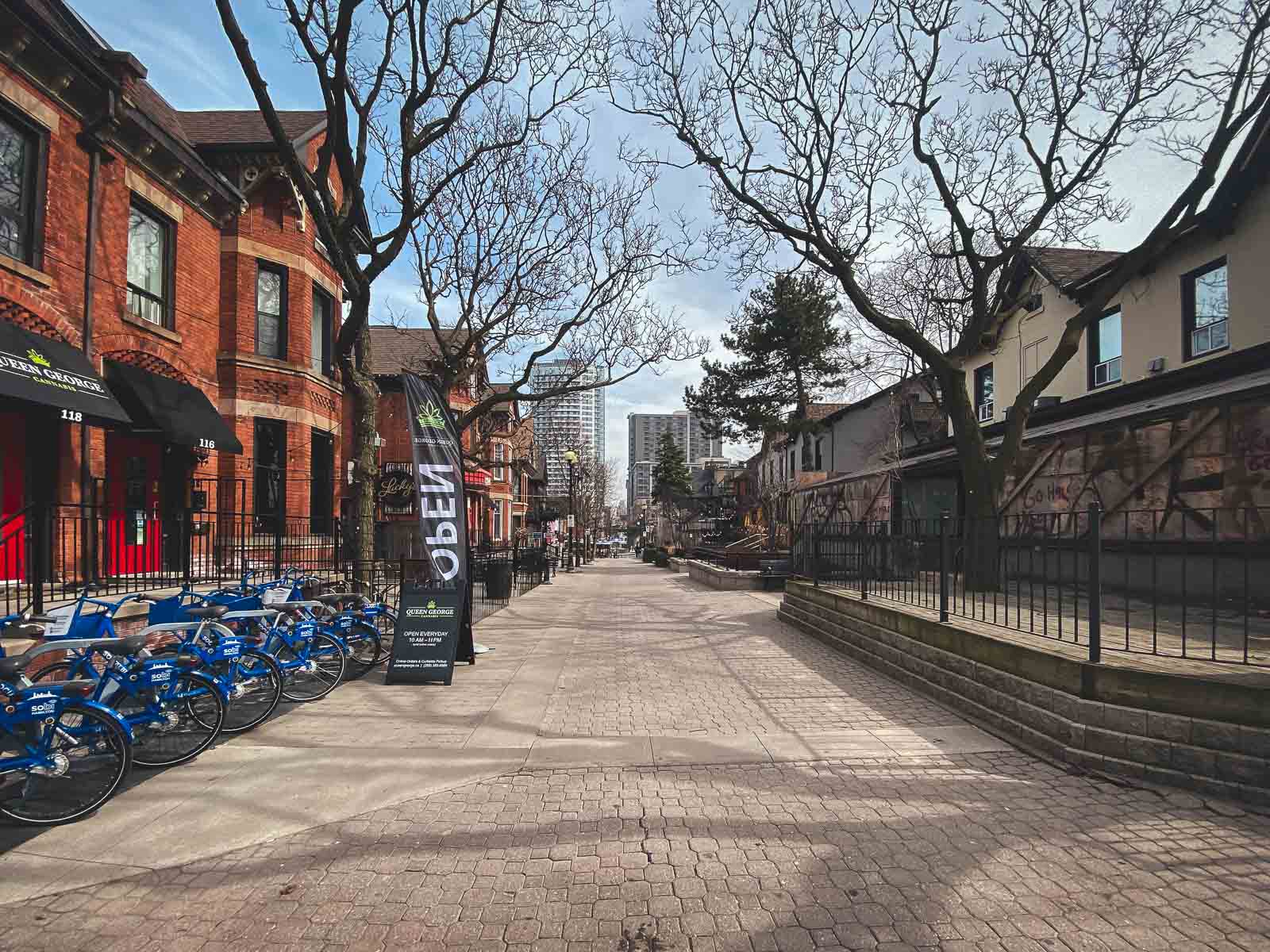
  • The 27 Best Things to Do in Nova Scotia You Can’t Miss

    The 27 Best Things to Do in Nova Scotia You Can’t Miss

    [ad_1]

    Editor’s Note: This guide was originally published in 2021 and has been completely updated for 2025 to ensure all information is accurate and current.

    After more than 20 years of travelling the world, you get pretty good at spotting the difference between tourism hype and an authentic experience. Nova Scotia is the real thing.

    We’ve road-tripped across Canada from coast to coast, exploring some of the best and most beautiful cities in Canada, and there’s a reason we keep coming back here. It’s a place that doesn’t need a filter. From the rugged, windswept coastline of the Cabot Trail to the lively pubs in Halifax pouring local beer. It feels lived-in, welcoming, and endlessly interesting.

    We created this guide because we know how frustrating it can be to show up somewhere and feel like you’re missing the best spots. We’ve been there. This guide is built from our own trips, highlighting the things we’d do again in a heartbeat.

    Here’s our honest, no-fluff guide to the best things to do in Nova Scotia to help you plan your own adventure.

    Dave and Deb of The Planet D at he iconic Peggy's Cove lighthouse at sunset, with waves crashing on the granite rocks in Nova Scotia.

    Quick List: Top 5 Things to Do in Nova Scotia

    If you’re short on time or just want the absolute can’t-miss highlights, here are the top experiences we recommend prioritizing for your trip. We’ve done them all, and they represent the best of what the province has to offer.

    Drive the Cabot Trail: One of the most scenic drives in the world, this is a must-do for its coastal views and rugged highlands.

    Explore Halifax’s Waterfront: The heart of the city is its bustling waterfront, packed with history, great food, and harbour views.

    Visit Peggy’s Cove: Home to one of the most iconic lighthouses in Canada, this picturesque fishing village is worth the visit.

    Wander the Lunenburg Waterfront: A UNESCO World Heritage Site, its colourful colonial buildings make it one of the prettiest towns in the country.

    Go Tidal Bore Rafting: For a real adventure, ride the incoming tide of the Bay of Fundy on a zodiac. It’s a unique thrill you won’t find anywhere else.

    Best Things to Do in Halifax

    Halifax is the vibrant heart of Nova Scotia, a city where maritime history meets a lively, modern energy. We always make it our first or last stop on any trip to the province because it sets the perfect tone. Here are a few of our favourite things to do in the city.

    Walk the Halifax Waterfront

    People strolling along the vibrant Halifax waterfront boardwalk on a sunny day.

    You can’t really say you’ve been to Halifax until you’ve spent time on its waterfront. It stretches for several kilometres and is the true pulse of the city.

    We love grabbing a coffee and just watching the tall ships and harbour ferries go by. You’ll find everything from museums and playgrounds to breweries and food stalls serving up fresh seafood. It’s the perfect place to get a feel for the city.

    Visit the Canadian Museum of Immigration at Pier 21

    This is a really moving experience. Pier 21 was the gateway to Canada for over a million immigrants, and this museum tells their stories with incredible care and detail.

    It gives you a profound sense of the hope and hardship that shaped so many Canadian families. We think it’s a must-visit to understand a vital piece of our national story.

    Explore the Halifax Public Gardens

    When the energy of the city gets to be a bit much, the Public Gardens are our go-to spot to unwind. These are some of the finest surviving Victorian gardens in North America.

    It’s a beautiful and peaceful place for a quiet stroll among the fountains, flower beds, and old, shady trees. It’s a perfect, low-key afternoon activity.

    Tour Alexander Keith’s Brewery

    Enjoying a beer at the Alexander Keith's Brewery in Halifax, Nova Scotia

    This is one of the most entertaining brewery tours we’ve ever taken. Forget a dry, technical explanation of brewing. Here, actors in 19th-century costumes guide you through the historic brewery with songs and stories. It’s a lively and fun way to spend an hour, and yes, you get to sample the famous beer.

    Enjoy the View from Citadel Hill National Historic Site

    Halifax Citadel National Historic Site in Halifax, Nova Scotia on a sunny day

    For the best panoramic view of Halifax, you have to make the walk up to Citadel Hill. This massive, star-shaped fort has been watching over the harbour for centuries.

    We recommend timing your visit to hear the firing of the noon gun, a tradition that happens every day. The view of the downtown core and the harbour from the ramparts is worth the climb alone.

    Things to Do on the Cabot Trail & Cape Breton Island

    Leaving the mainland for Cape Breton Island feels like entering a different part of the province. The landscape gets wilder, the cliffs get higher, and the Celtic music gets louder. This part of Nova Scotia is an adventure in itself, and it’s a bucket-list destination for a reason.

    Drive the famous Cabot Trail

    driving on a winding section of the scenic Cabot Trail highway, with ocean views in Cape Breton.

    People call this one of the world’s best drives, and for once, the hype is completely justified. The Cabot Trail is a 298 km highway that loops around Nova Scotia’s North Shore, hugging mountainsides and offering incredible views of the Gulf of St. Lawrence.

    Our best advice is to give it time. The biggest mistake you can make is trying to rush it in a single day. Take two or three days, pull over at every lookout, and explore the small villages along the way.

    Hike the Skyline Trail

    the wooden boardwalk of the Skyline Trail, looking out over the ocean in Cape Breton Highlands National Park.

    If you only do one hike in Cape Breton Highlands National Park, make it this one. The Skyline Trail is famous for its boardwalk that descends a steep headland, giving you a commanding view over the rugged coastline.

    It’s an iconic Canadian view for a reason, and it’s an especially popular spot for sunset. Keep your eyes peeled for moose; we’ve often spotted them grazing in the meadows near the start of the trail.

    Visit the Alexander Graham Bell National Historic Site

    We weren’t sure what to expect here, but this museum in the town of Baddeck is genuinely fascinating. Alexander Graham Bell was so much more than the guy who invented the telephone; he worked on everything from airplanes and hydrofoils to giant kites.

    The site is full of his real artifacts, inventions, and personal effects. It’s a great look into the life of a true genius and a perfect rainy-day activity.

    Explore the Fortress of Louisbourg National Historic Site

    This is not your average historic site. Louisbourg is a massive, living reconstruction of an 18th-century French fortified town. The scale of it is hard to comprehend until you are walking its streets. It is actually North America’s largest historic reconstruction project.

    You can easily spend a full day here interacting with costumed interpreters, watching blacksmiths at work, and even eating fresh-baked bread from the period bakery. It’s one of the most immersive historical experiences we’ve had in Canada.

    Go Whale Watching

    The waters off the coast of Cape Breton are a rich feeding ground for several species of whales. Taking a zodiac tour from a town like Chéticamp or Pleasant Bay gives you a fantastic chance of seeing them up close.

    There’s nothing quite like the moment a pod of pilot whales surfaces near your boat. It’s a powerful reminder of just how wild this corner of the country really is.

    Things to Do on the South Shore

    A view of Peggy's Cove Lighthouse on the South Shore of Nova Scotia

    Nova Scotia’s South Shore is picture-postcard territory. This is where you’ll find the quaint fishing villages, historic lighthouses, and colourful seaside homes the province is famous for. It’s a fantastic area for a scenic, relaxing drive.

    Explore Peggy’s Cove Lighthouse

    Peggy’s Cove is one of the most photographed places in Canada, and it lives up to the hype. The classic lighthouse perched on a mountain of massive granite boulders is a scene you won’t forget.

    Our best advice is to go early in the morning or later in the afternoon to avoid the peak tour bus crowds. And please, respect the warning signs and stay off the wet, black rocks. The waves here are unpredictable and dangerous.

    Wander the Streets of Lunenburg

    The colourful and historic waterfront buildings of the UNESCO World Heritage town of Lunenburg, Nova Scotia.

    Lunenburg is a personal favourite of ours. As a UNESCO World Heritage site, the entire old town is a protected historic area, and its unique colonial architecture is incredibly well-preserved.

    We love just wandering the hilly streets and admiring the colourful buildings. It’s also the home port of the famous Bluenose II schooner, so be sure to check if it’s in the harbour when you visit.

    Visit Mahone Bay and the Three Churches

    Just down the road from Lunenburg is the lovely town of Mahone Bay. It’s famous for one iconic view: the three historic churches that line up perfectly along the waterfront.

    While it makes for a beautiful photo, the town itself is worth exploring. It’s full of great little artisan shops and cafes and has a more relaxed feel than some of its more famous neighbours.

    Go Kayaking in Blue Rocks

    fishing shacks and rocky islands of Blue Rocks at sunrise.

    If you want to see what a real, working fishing village looks like, head to Blue Rocks. Located just a few minutes outside Lunenburg, this tiny community of fishing shacks, fishing boats, and stacked lobster traps feels a world away from the tourist track.

    The waters around the scattered islands are quite sheltered, making it one of our favourite spots for a guided sea kayaking tour.

    Hike at Kejimkujik National Park Seaside

    While the main part of Kejimkujik National Park is inland, the Seaside adjunct is a fantastic stop on the South Shore. The Harbour Rocks Trail is an easy 5.2 km hike that takes you to a beautiful coastline of turquoise water and white sand. We always see seals sunning themselves on the rocks here.

    Bay of Fundy & Annapolis Valley Experiences

    This part of Nova Scotia is all about dramatic natural forces. The Bay of Fundy is home to the highest tides on Earth, creating a landscape that changes completely twice a day. Just inland, the fertile Annapolis Valley offers a much gentler, but equally interesting, experience.

    Experience the World’s Highest Tides

    It’s hard to wrap your head around the scale of the tides here until you see the evidence. Twice a day, 160 billion tonnes of water flow in and out of the bay, causing the water level to rise as much as 16 metres (52 feet).

    The key is to visit a spot like Hall’s Harbour at low tide and then return six hours later for high tide. Seeing the fishing boats go from sitting on the muddy ocean floor to floating high above is the best way to appreciate this natural wonder.

    Go Tidal Bore Rafting

    A zodiac full of people tidal bore rafting on a large wave on the Shubenacadie River.

    This is one of the most unique adventures we’ve had in Canada. You head out on a zodiac on the Shubenacadie River while the water is low, and then you ride the incoming tidal bore, a wave created by the massive tide, as it rushes up the river.

    You will be crashing through huge, muddy waves and getting completely soaked. It’s an absolute thrill and something you won’t forget.

    Walk on the Ocean Floor at Burntcoat Head Park

    Dave from The Planet D walking on the ocean floor at low tide at Burntcoat Head Park, home of the world's highest tides.

    This is the very spot where the world’s highest tides were officially recorded. At low tide, the water recedes, allowing you to walk on the ocean floor for kilometres. You can explore the tide pools and see the “flowerpot” sea stacks up close.

    You absolutely must check the tide schedule before you go. The water comes in much faster than you’d think. You can even have a unique dining experience by eating on the ocean floor at Burntcoat Head Park. How fun is that?

    Go Wine Tasting in the Annapolis Valley

    Lush green vines at a winery in the Annapolis Valley, Nova Scotia's wine country.

    After the wild adventures on the bay, the Annapolis Valley offers a perfect change of pace. This is Nova Scotia’s wine country, producing excellent cool-climate wines.

    We recommend visiting a few vineyards like Lightfoot & Wolfville or Domaine de Grand Pré to sample Tidal Bay, the region’s signature crisp, white wine. It’s a great way to spend a relaxed afternoon.

    Visit Grand-Pré National Historic Site

    This powerful UNESCO World Heritage Site tells the story of the Acadian people and their deportation, known as the Grand Dérangement, in the 1750s. It’s a somber but incredibly important piece of Canadian history.

    The site itself is beautiful and peaceful, with a memorial church and gardens overlooking the original dykelands that the Acadians created.

    Unique Nova Scotia Food Experiences

    Deb from The Planet D digging into A fresh Nova Scotia lobster served with a side of chips.

    You can’t talk about Nova Scotia without talking about the food. The seafood here is some of the freshest in the world, but there are a few other local specialties you need to try to get a real taste of the place. These are a few of our non-negotiable food experiences.

    Eat a Lobster Roll

     fresh Nova Scotia lobster roll packed with meat, served with a side of chips.

    You will see lobster rolls on just about every menu, and for good reason. A proper Nova Scotia lobster roll isn’t complicated or fussy, it’s just a generous pile of fresh lobster meat, lightly dressed with mayo or melted butter, and served in a toasted, top-split bun.

    The best ones we’ve had often come from small, unassuming seafood shacks by the side of the road. Don’t overthink it; just order one whenever you get the chance.

    Try Digby Scallops

    The town of Digby is home to one of the world’s largest scallop fishing fleets, and the scallops from these waters are famous for being incredibly fresh, sweet, and tender.

    Whether you have them perfectly pan-seared or lightly fried, they are a true taste of the region. We always make a point to order them when we see them on a menu.

    Indulge in a Donair

    A close-up of a Halifax donair wrapped in foil, showing the meat and sweet donair sauce.

    This one might surprise you, but the donair is the official food of Halifax. It’s a unique take on the Turkish doner kebab, made with spiced ground beef that’s sliced from a vertical spit and served on a warm pita with tomatoes and onions.

    What makes it a Halifax original is the sauce: a sweet, garlicky concoction made from evaporated milk, vinegar, and sugar. It might sound a little strange, but it’s a local obsession and the ultimate late-night snack. You have to try it at least once.

    Practical Information for Planning Your Trip to Nova Scotia

    A view down the coastline in Cape Breton in Nova Scotia

    Okay, now that you have an idea of what you want to do, let’s cover the logistics. Here’s our straightforward advice on how to plan your visit to Nova Scotia.

    Best Time to Visit Nova Scotia

    The most popular time to visit is during the summer months of July and August. The weather is warm and sunny, and everything is open and in full swing. However, this is also the busiest and most expensive time.

    Our favourite time to visit is in September. The weather is still beautiful, the summer crowds have thinned out, and the fall colours begin to appear in the Cape Breton Highlands. Spring can be unpredictable and rainy, while winter is reserved for the truly hardy.

    Getting to Nova Scotia

    You have a few options for getting to the province, depending on where you’re coming from.

    By Air: The Halifax Stanfield International Airport (YHZ) is the main gateway to the province, with connections across Canada and internationally.

    By Car: If you’re driving, the main entry point is via the Trans-Canada Highway from neighbouring New Brunswick.

    By Ferry: Vehicle ferries operate from Prince Edward Island, Saint John, New Brunswick, and even Bar Harbor, Maine (USA), offering a scenic alternative.

    Getting Around

    We can’t stress this enough: you will need to rent a car to properly explore Nova Scotia. Outside of Halifax, public transportation is very limited. This province is made for road-tripping, and having your own vehicle gives you the freedom to explore on your own schedule.

    Where to Stay in Nova Scotia

    Accommodation can book up months in advance, especially for the peak summer season, so we recommend booking ahead. We have a whole guide dedicated to Where to Stay in Nova Scotia that is based on all our trips out East.

    In Halifax, you’ll find plenty of major hotels to choose from. In the smaller towns along the South Shore and the Cabot Trail, we love staying in the local inns, B&Bs, and rental cottages for a more personal experience.

    Nova Scotia FAQ

    We get a lot of questions about planning a trip to Nova Scotia. Here are the answers to a few of the most common ones.

    What is the number one attraction in Nova Scotia?

    It’s tough to pick just one, but the two most famous attractions are the Cabot Trail and Peggy’s Cove. The Cabot Trail in Cape Breton is considered one of the world’s most scenic drives, while the lighthouse at Peggy’s Cove is the iconic image of a maritime fishing village.

    How many days do you need in Nova Scotia?

    We recommend at least 7 to 10 days to get a good feel for the province. This gives you enough time to explore Halifax, drive the Cabot Trail without rushing, and see some of the South Shore. If you have two weeks, that’s even better.

    What is the best month to visit Nova Scotia?

    July and August have the warmest, most reliable weather, but they are also the busiest months. We think September is the best time to visit. The weather is still pleasant, the large summer crowds are gone, and the fall colours start to appear in the highlands.

    Can you drive around Nova Scotia in a day?

    No, and we wouldn’t recommend trying to. While it might look manageable on a map, Nova Scotia is a large province packed with things to see. Driving the Cabot Trail loop alone can take a full day. To properly experience it, you need to plan for a multi-day road trip.

    Fishing boats sit on the ocean floor at low tide in Hall's Harbour in Nova Scotia

    Nova Scotia is one of those destinations that truly delivers. It’s more than just a collection of pretty sights; it’s a province with a real sense of place and a warm, welcoming spirit. We’ve loved every trip we’ve taken there, from the rugged highlands of Cape Breton to the quiet shores of the Bay of Fundy.

    Whether you’re looking for a wild coastal road trip or a relaxing getaway in a historic town, you can find it here. We hope this guide has given you the confidence and ideas you need to start planning your own adventure.

    [ad_2]

    Source link

  • 26 Best National Parks to Visit in the US (Our Favourites After 15 Years of Travel)

    26 Best National Parks to Visit in the US (Our Favourites After 15 Years of Travel)

    [ad_1]

    After more than 15 years of exploring the globe and visiting over 120 countries, some of our most memorable adventures have been right here in North America. We’ve navigated the wilds of Alaska, hiked through Utah’s otherworldly canyons, and stood in awe of California’s giant forests. The United States is home to 63 national parks, and while we haven’t seen them all, we’ve explored a good chunk of them.

    This isn’t just another list. This is our curated guide to the best national parks to visit in the US, based on our firsthand experiences. We’re sharing the parks that truly impressed us, from the world-famous icons to the remote wilderness escapes. We’ve been there, and we’re here to help you plan an adventure you’ll remember for a lifetime.

    Dave and Deb of The Planet D visiting Grand Canyon National Park in the US

    Our Top Picks: The Best US National Parks at a Glance

    If you’re short on time, here are the parks that we believe offer the most incredible experiences.

    National ParkState(s)Best ForYellowstoneWY, MT, IDWildlife and Geothermal WondersZionUtahEpic Hikes and CanyoneeringYosemiteCaliforniaGranite Cliffs and WaterfallsGlacierMontanaAlpine Scenery and Road TripsGrand CanyonArizonaAwe-Inspiring Views and GeologyOlympicWashingtonDiverse Ecosystems, from Coast to RainforestDenaliAlaskaTrue Wilderness and North America’s Tallest Peak

    The Unmissable Icons: America’s Most Famous National Parks

    These are the parks that are famous for a reason. They are titans of the American landscape that have captured the imagination of travellers for generations. While they draw big crowds, their scale and grandeur make them essential stops on any tour of the US national parks.

    Yellowstone National Park, Wyoming

    The vibrant colours of the Grand Prismatic Spring in Yellowstone, one of the best national parks to visit in the US.

    Yellowstone National Park is the first national park in the United States, and when you visit, you understand why. It was also the world’s first National Park, and it feels like a landscape built to impress. With the planet’s largest concentration of geysers, bubbling mud pots, and an abundance of wildlife that roams freely, this park delivers a powerful dose of untamed nature. We’ve returned to Yellowstone several times, and the sight of a bison herd moving across the valley never gets old.

    Best For: Wildlife viewing and geothermal wonders.

    Our Top Tip: To escape the biggest crowds at Grand Prismatic Spring, take the short hike to the Grand Prismatic Overlook. You get a much better perspective of its incredible colours from above.

    When to Go: Spring and autumn offer fewer crowds and great wildlife spotting opportunities.

    The park’s main sights, like the Grand Prismatic Spring and the Upper Geyser Basin (home to Old Faithful), are conveniently located along the Grand Loop Road. But it’s worth pulling over in the Lamar and Hayden Valleys, where we’ve had our best luck spotting bison, elk, and even bears. For lodging, you can find several accommodation options within the park or in nearby towns like West Yellowstone and Gardiner.

    Grand Canyon National Park, Arizona

    Looking out from the South Rim over the vast and layered Grand Canyon at sunset.

    The Grand Canyon is one of those places that actually lives up to its legendary status. To be honest, we didn’t expect it to have such an impact, but the moment we stood on the South Rim and looked out, it took my breath away. It felt like we were staring at a massive, impossibly detailed photograph. The sheer scale is something you just can’t grasp until you’re there.

    Best For: Awe-inspiring views and understanding geological time.

    Our Top Tip: Stay for sunset. Find a spot along the Rim Trail away from the main viewpoints, and watch the canyon colours change. It’s an experience you won’t forget.

    When to Go: March to May and September to November offer pleasant weather for hiking without the intense summer heat.

    Most visitors stick to the South Rim, which has the visitor centre, the Rim Trail, and access to scenic drives like Hermit Road and Desert View Drive. For the more adventurous, there’s whitewater rafting on the Colorado River far below or hiking partway into the canyon. Just remember that hiking down is optional, but hiking back up is mandatory.

    Yosemite National Park, California

    The iconic granite faces of El Capitan and Half Dome as seen from Tunnel View in Yosemite National Park.

    For us, the dream of visiting Yosemite started in college with an Ansel Adams print. We bought a black and white photograph of Yosemite Valley and promised ourselves we would go there one day. When we finally made it, Dave spent hours recreating those iconic scenes with his own camera. The park is a photographer’s dream, but it’s also a paradise for hikers and climbers.

    Best For: Granite cliffs, giant waterfalls, and world-class photography.

    Our Top Tip: The view from Tunnel View is famous for a reason. Go in the late afternoon when the light hits El Capitan and Half Dome just right. It’s the classic scene for a reason.

    When to Go: Spring is fantastic for waterfall viewing when the snowmelt is at its peak. Autumn provides beautiful colour and fewer people.

    Yosemite Valley is the heart of the park, where you’ll find the towering faces of El Capitan and Half Dome. There are countless hiking trails, from easy walks to strenuous backcountry treks. While it’s known as a rock climbing mecca, you don’t have to be a climber to appreciate the raw power of this landscape.

    Zion National Park, Utah

    hiking the canyons of Zion National Park

    Zion is the crown jewel of Utah’s “Mighty Five” national parks, and it’s easy to see why it’s one of the most visited in the country. Its location near Las Vegas makes it a popular, though intense, day trip for those looking to escape the city. Unlike the Grand Canyon, which you view from the rim, Zion puts you right on the canyon floor, forcing you to look up at the massive sandstone cliffs towering on either side. It’s a completely different and more intimate experience.

    Best For: Unforgettable hikes and unique canyon views.

    Our Top Tip: The park’s free shuttle is mandatory for accessing the main canyon drive for most of the year. Use it. It’s efficient and lets you focus on the scenery instead of searching for parking.

    When to Go: Spring and autumn have the most comfortable temperatures for hiking. Summer can be extremely hot.

    Zion is a hiker’s park. From wading through the Virgin River on The Narrows hike to climbing the thrilling chain section of Angels Landing, there are trails here that have become legendary. For a less intense but equally rewarding experience, the Emerald Pools Trail is a great option. We have a full hiking guide to Zion National Park. Don’t miss the scenic drive along the Zion-Mount Carmel Highway, which offers incredible views as it climbs out of the canyon.

    For the Adventure-Seeker: Parks That Get Your Heart Pumping

    If your idea of travel involves lacing up your hiking boots and heading into the wild, these parks are for you. They offer a sense of scale, remoteness, and challenge that goes beyond a scenic viewpoint. This is where we’ve had some of our most demanding but rewarding experiences.

    Denali National Park, Alaska

    The snow-covered peak of Denali, the tallest mountain in North America, rising above the vast tundra.

    Denali is wild on a completely different level. Spanning six million acres, with only one road going into its interior, this park is Alaska at its most untamed. We’ve been lucky enough to visit three times, and each trip has been a powerful reminder of how big and untamed nature can be. Seeing the continent’s tallest mountain, Denali, appear from behind the clouds is a moment that stays with you.

    Best For: True wilderness, wildlife viewing, and mountaineering.

    Our Top Tip: Take a flightseeing tour. It’s the only way to truly appreciate the scale of the Alaska Range and get a close-up view of the mountain itself. It’s an investment, but worth every penny.

    When to Go: The park is most accessible from late May to early September.

    To preserve the wilderness, private vehicle access is restricted. You’ll explore the park via the bus system, which is an adventure in itself. We’ve spotted grizzly bears, moose, and Dall sheep right from the bus window. This is a place that demands respect, but the rewards for venturing here are immense.

    Glacier National Park, Montana

    Hidden Lake Trail in Glacier National Park lookout

    Glacier National Park is a hiker’s paradise, plain and simple. It shares a border with Waterton Lakes National Park in Alberta, Canada, forming the world’s first International Peace Park —a detail we love as Canadians. With over 700 miles of trails, it’s a place of high alpine meadows, active glaciers, and deep, cold lakes.

    Best For: Epic day hikes and dramatic road trips.

    Our Top Tip: Plan ahead for the Going-to-the-Sun Road. A vehicle reservation is now required to drive it during peak season, and it’s something you need to book well in advance.

    When to Go: July and August are the best months when the Going-to-the-Sun Road is fully open and the trails are mostly snow-free.

    The 50-mile drive along the Going-to-the-Sun Road is one of the great road trips in North America, carving its way across the Continental Divide. But the real magic of Glacier National Park happens when you leave the car behind. Hikes like the Highline Trail and Grinnell Glacier offer some of the most memorable alpine scenery we’ve experienced.

    Rocky Mountain National Park, Colorado

    driving the open road with Hallett Peak in the background at Rocky Mountain National Park.

    This is the quintessential Rocky Mountain experience. With peaks soaring over 14,000 feet, this is a park that takes you into the high alpine world of granite mountains and tundra landscapes. The Continental Divide runs straight through the park, and you can feel the elevation as you explore its scenic drives and hiking trails.

    Best For: High-altitude hiking and accessible mountain scenery.

    Our Top Tip: Give yourself a day to acclimatize to the altitude before tackling any strenuous hikes. Drink lots of water. The air is thin up here, and you’ll feel it.

    When to Go: June to September offers the best weather for exploring the park’s high country.

    Trail Ridge Road is the highest continuous paved road in North America and offers incredible views without having to leave your car. But to really experience the park, you’ll want to hike to one of its many alpine lakes. The trek to Emerald Lake is a popular one for good reason, passing several beautiful lakes along the way.

    Canyonlands National Park, Utah

    The morning sun glowing through the iconic Mesa Arch in Canyonlands National Park, Utah.

    If you want to experience Utah’s canyon country without the crowds of Zion or Arches, Canyonlands is your place. It’s the largest of Utah’s “Mighty Five” parks, and much of it is rugged backcountry. We found that exploring Canyonlands feels like a real expedition. It’s a landscape of immense canyons, mesas, and buttes carved by the Colorado and Green rivers.

    Best For: Backcountry exploring, 4×4 adventures, and solitude.

    Our Top Tip: If you only have one day, stick to the Island in the Sky district. It’s the most accessible part of the park and offers incredible, top-down views of the canyon systems, including the famous Mesa Arch.

    When to Go: Spring and autumn are ideal, with moderate temperatures for hiking and exploring.

    The park is divided into three districts, and they are not connected by roads, so you need to plan your visit carefully. Island in the Sky is the most popular, while The Needles requires more hiking, and The Maze is one of the most remote areas in the United States. We have a full guide to our favourite hikes in Canyonlands National Park. To really get into the heart of the park, you’ll need a high-clearance 4WD vehicle.

    Where Landscapes Tell a Story: Parks with Otherworldly Scenery

    Some landscapes are so unusual they stop you in your tracks. These parks are defined by their unique geology, from impossible rock arches to vast salt flats below sea level. They’re the kind of places that make you feel small and leave you wondering about the powerful forces that shaped them.

    Arches National Park, Utah

    The famous Delicate Arch standing against a sunset sky, one of Utah's most beautiful national parks.

    With over 2,000 documented natural stone arches, this park has a higher concentration of these formations than anywhere else in the world. The deep red rock against a brilliant blue sky is a photographer’s dream. Seeing Delicate Arch for the first time, perched on the edge of a sandstone bowl, is one of those travel moments that lives up to all the hype.

    Best For: Incredible geology and short, rewarding hikes.

    Our Top Tip: A timed entry reservation is required to enter the park during peak hours and seasons. Book this online well in advance, as they run out quickly.

    When to Go: Spring and autumn offer the most pleasant temperatures for exploring.

    Located just outside Moab, Arches is very accessible. You can see many of the formations from the park’s scenic drive, but the best experiences come from getting out of the car. Hikes like the one to Landscape Arch or the Windows Section are relatively easy and offer huge rewards.

    Badlands National Park, South Dakota

    The sharply eroded, colourful pinnacles and buttes of the landscape in Badlands National Park, South Dakota at sunrise

    We have to admit, the Badlands caught us by surprise. We were expecting a desolate, dry landscape, but what we found was a place filled with subtle colour and texture. The sharply eroded buttes and pinnacles create a layered landscape that changes dramatically with the light. It quickly became one of our favourite national parks.

    Best For: Unique landscapes, scenic drives, and fossil hunting.

    Our Top Tip: Get out of the car. The Badlands Loop Road is great, but the magic happens on short hikes like the Notch Trail or the Door Trail, which take you right into the heart of the formations.

    When to Go: Spring and autumn are best to avoid the summer heat and winter cold.

    The park is famous for its rich fossil beds; scientists have uncovered remains of ancient mammals like rhinos and horses here. Driving the scenic loop is the most popular activity, but taking the time to walk the trails and admire the views from the overlooks is what made us fall in love with this place. Like many of America’s national parks, Badlands offers endless hiking opportunities, from easy walks to multi-day treks.

    Death Valley National Park, California & Nevada

    The geometric salt flats of Badwater Basin, the lowest point in North America, at Death Valley National Park.

    Death Valley is a land of extremes. It’s the hottest, driest, and lowest place in North America. Visiting here feels like stepping onto a different planet. You have to respect the elements; in the summer, temperatures can be dangerously high, and we made sure to explore in the early morning, carry more water than we thought we’d need and chek the park website.

    Best For: Extreme environments, desert landscapes, and stargazing.

    Our Top Tip: Visit Zabriskie Point at sunrise. Watching the first light hit the golden-coloured, eroded badlands is an unforgettable experience and one of the park’s most iconic views.

    When to Go: Late autumn through spring (November to April) is the only comfortable and safe time to visit for most people.

    Despite its name, Death Valley is full of life and incredible sights. From the vast salt flats of Badwater Basin, at 282 feet below sea level, to the colourful hills of Artist’s Palette, the park’s landscapes are incredibly diverse. And at night, the stargazing is some of the best you’ll ever see.

    Bryce Canyon National Park, Utah

    housands of unique orange and pink hoodoo formations filling the main amphitheatre in Bryce Canyon National Park.

    When you first look out over the main amphitheatre at Bryce Canyon, you have to blink a few times to process what you’re seeing. It’s not really a canyon but a series of natural bowls filled with thousands of pink and orange rock spires called hoodoos. It feels like a fantasy world, unlike anywhere else we have ever been.

    Best For: Unique hoodoo formations and stargazing.

    Our Top Tip: Hike the Queen’s Garden and Navajo Loop trail. This combination takes you down from the rim and lets you walk among the hoodoos, which is a completely different perspective than just seeing them from above.

    When to Go: Spring and autumn are ideal. Seeing a light dusting of snow on the hoodoos in late spring is magical.

    Bryce is famous for having some of the darkest night skies in the country. The park’s high elevation and lack of light pollution make it a premier destination for astronomy. Attending a ranger-led stargazing program is a fantastic way to experience it.

    Joshua Tree National Park, California

    A quirky Joshua Tree silhouetted against a colourful blue sky in Joshua Tree National Park, California.

    Joshua Tree is where the Mojave and Colorado deserts meet, creating a surreal landscape dotted with quirky trees and massive rock piles. The park has a certain energy to it, a blend of desert wilderness and bohemian spirit that has attracted artists and climbers for decades. The trees themselves look like something out of a Dr. Seuss book, especially when silhouetted against a sunset.

    Best For: Bouldering, photography, and desert sunsets.

    Our Top Tip: Spend time in both the Mojave and Colorado desert sections of the park. The difference is clear—the western half is high desert with the famous Joshua Trees, while the eastern half is lower and filled with cholla cactus.

    When to Go: October to May is the best time to visit, as summer temperatures are dangerously high.

    This is a playground for rock climbers and boulderers, but there are also great hiking trails for all skill levels. A walk through the Cholla Cactus Garden at sunrise or sunset (be careful where you step!) is a memorable experience, as is scrambling around the giant boulders in the Jumbo Rocks area.

    Crater Lake National Park, Oregon

    The deep, impossibly blue water of Crater Lake with Wizard Island in the center, one of the top US national parks.

    The centrepiece of this park is its name, a lake that is almost impossibly blue. Crater Lake was formed when a volcano collapsed, and it’s now the deepest lake in the United States. Fed almost entirely by rain and snow, the water is incredibly clear. We were just blown away by the intensity of the blue; photos really don’t do it justice.

    Best For: Lake views and scenic drives.

    Our Top Tip: Take a boat tour. It’s the only way to get down to the lake’s surface and visit Wizard Island, the volcanic cone that rises from the water. You can even swim in the frigid water if you’re brave.

    When to Go: The park is most accessible from July to September when the roads and trails are clear of snow.

    The 33-mile Rim Drive circles the entire lake and offers dozens of pull-offs for different perspectives of the caldera. It’s the primary way to explore the park, and whether you drive the full loop or just hike a portion of it, the views are consistently impressive.

    Coastal Wonders & Remote Escapes: From Ocean to Island

    These parks are defined by their relationship with water. They represent some of the most dramatic coastlines, remote islands, and glacier-carved fjords in the country. Visiting them often requires a bit more planning, but the payoff is an experience far from the ordinary.

    Olympic National Park, Washington

    Moss-draped trees creating a lush green canopy in the Hoh Rainforest of Olympic National Park.

    Olympic is like visiting three parks in one. In a single day, you can go from the rugged, sea-stack-dotted Pacific coastline to a dense, temperate rainforest, and then up into the glaciated peaks of the Olympic Mountains. We loved our time hiking here; the trails through the moss-draped trees of the Hoh Rainforest are unlike anything else in the country.

    Best For: Diverse ecosystems and rainforest hikes.

    Our Top Tip: Pack rain gear, no matter the forecast. The western side of the park is one of the wettest places in the continental US, and the weather can change in an instant.

    When to Go: Summer (June to September) offers the driest and warmest weather for exploring all regions of the park.

    Because the park is so diverse, it’s best to focus on one or two areas per trip. Popular spots include the Hoh Rainforest, Rialto Beach for its tide pools and sea stacks, and Hurricane Ridge for its accessible mountain views and hiking trails.

    Washington is a powerhouse for national parks. While we love Olympic’s diversity, the state is also home to the iconic Mount Rainier National Park and the rugged, alpine wilderness of North Cascades National Park.

    Glacier Bay National Park, Alaska

    A large tidewater glacier calving a chunk of ice into the calm waters of Glacier Bay National Park, Alaska.

    Glacier Bay is a park on a massive scale, a protected area of 3.3 million acres that showcases raw, untamed wilderness. Seeing this landscape by ship is an experience everyone should have. We’ve cruised through its waters three times, and watching tidewater glaciers calve huge chunks of ice into the sea is a sound and sight you never forget.

    Best For: Glaciers, marine wildlife, and fjord scenery.

    Our Top Tip: If you can, choose a smaller cruise ship (like UnCruise, which we’ve taken). They can often get closer to wildlife and navigate narrower passages than the larger ships.

    When to Go: The cruise season runs from May to September.

    This is one of the few national parks in the world that is primarily accessed by water. As you cruise through the fjords, you’ll see an abundance of wildlife. We’ve spotted humpback whales, sea otters, bald eagles, and even grizzly bears walking along the shoreline, all from the deck of our ship.

    Acadia National Park, Maine

    Waves crashing against the rocky granite coastline of Acadia National Park in Maine during autumn.

    Located on the coast of Maine, Acadia is one of the few places in North America where the mountains meet the sea. We loved the combination of hiking up granite peaks and then exploring the rugged, rocky coastline just a short drive away. It’s the jewel of the North Atlantic Coast and a favourite among New Englanders.

    Best For: Coastal hikes and ocean views.

    Our Top Tip: Drive to the top of Cadillac Mountain to see the sunrise. During certain times of the year, it’s the very first place the sun touches the United States. You’ll need to book a vehicle reservation in advance.

    When to Go: Autumn is beautiful with its fall colours, but summer offers the warmest weather for enjoying the coast.

    The park offers over 120 miles of hiking trails, from easy coastal paths to more strenuous mountain climbs. You can also drive the scenic Park Loop Road, which provides access to key sites like Sand Beach and Thunder Hole.

    Dry Tortugas National Park, Florida

    An aerial view of the historic Fort Jefferson surrounded by clear turquoise water in Dry Tortugas National Park.

    Located 70 miles west of Key West, Dry Tortugas is perhaps the most isolated national park in the lower 48. Getting there is an adventure in itself, requiring a long ferry ride or a seaplane trip. The reward is a remote island dominated by the impressive Fort Jefferson, surrounded by clear turquoise water and coral reefs.

    Best For: Snorkeling, history, and a true sense of remoteness.

    Our Top Tip: Book your ferry or seaplane ticket months in advance. There are limited spots available each day, and they sell out very quickly, especially during peak season.

    When to Go: The best weather is from November to April. Summers can be hot, humid, and carry the risk of storms.

    The centrepiece of the park is Fort Jefferson, a massive 19th-century coastal fortress. You can spend your day exploring the fort, snorkeling in the clear waters right off the beach, or just enjoying the solitude. For a truly unique experience, you can even camp here overnight.

    Haleakala National Park, Hawaii

    watching the sunrise from above a sea of clouds at the summit of Haleakal? National Park in Maui.

    On the island of Maui, Haleakal?, or “House of the Sun,” offers two completely different worlds. The most famous experience is driving to the summit of the dormant volcano, over 10,000 feet up, to watch the sunrise from above the clouds. We’ve done it, and shivering in the pre-dawn cold is absolutely worth it when the sky ignites with colour.

    Best For: Sunrises and unique volcanic landscapes.

    Our Top Tip: You now need to make a reservation online to see the sunrise from the summit. These become available 60 days in advance and are mandatory for entry between 3:00 AM and 7:00 AM.

    When to Go: The weather at the summit is most stable during the summer months, but the park is a year-round destination.

    Beyond the summit, don’t miss the park’s coastal K?pahulu District. Here, you can hike the P?p?wai Trail through a dense bamboo forest to the base of the towering Waimoku Falls. It feels like a different world from the barren, Mars-like landscape of the summit crater.

    American Samoa National Park, American Samoa

    A view of the lush, tropical mountains meeting the clear blue ocean in the National Park of American Samoa.

    We have to include this one because we’ve been there, and it’s a testament to how far the US National Park system reaches. It’s the second least-visited park for a reason, it is incredibly remote. Located deep in the South Pacific, it’s the only US national park site south of the equator.

    Best For: A true off-the-grid experience, tropical rainforests, and Samoan culture.

    Our Top Tip: Visiting this park requires serious planning. It is not a casual trip. Most visitors, like us, arrive via a South Pacific cruise, but you can also fly into Pago Pago.

    When to Go: The dry season runs from May to September.

    The park is spread across three different islands and protects pristine tropical rainforests, coral reefs, and important cultural sites. Visiting here is less about checking off sights and more about immersing yourself in a remote and beautiful part of the world.

    Giants of the Forest & Mountain Sanctuaries

    These parks are home to some of the oldest living things on Earth and some of the most dramatic mountain ranges in the country. They inspire a sense of awe, reminding us of the immense power and patience of nature. They are places that feel both ancient and alive.

    Great Smoky Mountains National Park, NC & TN

    A hazy fog settling over the rolling, tree-covered Appalachian mountains in Great Smoky Mountains National Park.

    It might surprise you to learn that this is the most visited national park in the United States, seeing more people than the Grand Canyon or Yellowstone. For me, it was actually the first national park I ever visited. During my family’s annual snowbird pilgrimage from Canada down to Florida, we would often stop here. The hazy, “smoky” fog that hangs over the rolling Appalachian Mountains makes it a beautiful place to explore.

    Best For: Forest hikes, waterfalls, and Appalachian culture.

    Our Top Tip: To avoid the legendary traffic in Cades Cove, consider entering the park through less-used entrances like Townsend or Cosby for a quieter experience.

    When to Go: Autumn is a spectacular time to visit for the fall foliage, but spring also brings beautiful wildflower blooms.

    With its lush forests and an abundance of rivers and waterfalls, this park is a sanctuary for hikers. It’s a different kind of mountain experience compared to the jagged peaks out west, more intimate, green, and full of history.

    Sequoia & Kings Canyon National Parks, California

    Looking up at the General Sherman Tree in Sequoia National Park

    These two adjacent parks are a showcase of nature’s scale. In Sequoia National Park, you walk through groves of the largest trees on the planet. Standing next to the General Sherman Tree, the world’s largest by volume, is a truly humbling experience that makes you feel incredibly small. It’s impossible not to be moved by their ancient presence.

    Best For: Giant trees, deep canyons, and high Sierra hiking.

    Our Top Tip: Give yourself plenty of driving time. The roads within the parks, like the Kings Canyon Scenic Byway, are winding and slow, but the views are worth it.

    When to Go: Summer and early autumn provide the best access to all parts of the parks, including the high-elevation trails.

    Just next door, Kings Canyon offers a landscape that rivals Yosemite, with soaring granite cliffs and one of the deepest canyons in North America. Together, these parks offer both the giants of the forest floor and the grandeur of the High Sierra mountains.

    Redwood National Park, California

    Sunlight filtering through the canopy of the tallest trees on Earth in Redwood National and State Parks.

    While sequoias are the largest trees by volume, the coast redwoods are the tallest living things on Earth. Walking through these forests is a completely different experience. The trees soar hundreds of feet into the air, creating a high canopy that filters the light, giving the forest floor a quiet, almost reverent feeling.

    Best For: Old-growth forest walks and scenic coastal drives.

    Our Top Tip: For a more immersive experience, get off the main highway and take a drive on the Newton B. Drury Parkway or the Avenue of the Giants just south of the park.

    When to Go: Year-round, but be prepared for rain and fog, especially from autumn to spring.

    The park is a collection of federal and state parks that protect the remaining old-growth redwood forests. Hiking among these giants, some of which are over 2,000 years old, feels like stepping back in time. The combination of the massive trees and the nearby rugged coastline makes for a memorable visit.

    Grand Teton National Park, Wyoming

    The famous Moulton Barn on Mormon Row with the jagged Teton Range in the background at sunrise.

    Located just south of Yellowstone, Grand Teton is often combined with its more famous neighbour, but it absolutely stands on its own as a world-class destination. What we love about the Tetons is their dramatic presentation. There are no foothills; the jagged peaks of the Teton Range rise abruptly from the flat floor of the Jackson Hole valley, creating an unforgettable skyline.

    Best For: Mountain photography and wildlife viewing.

    Our Top Tip: For iconic photos of the mountains reflected in the Snake River, head to Schwabacher Landing at sunrise. For the famous barn shots, Mormon Row is the place to be.

    When to Go: Autumn is our favourite time, with golden foliage, active wildlife, and fewer crowds than in the summer.

    This park is a haven for wildlife photographers and animal lovers. It’s one of the best places to spot moose, and we’ve seen elk, bison, and pronghorn grazing in the sagebrush flats with the magnificent peaks as a backdrop

    Wilderness Off the Beaten Path

    These parks might not have the dramatic peaks or canyons of the others, but they offer a unique kind of immersion into wild, complex ecosystems. They require a different approach and reward visitors with a sense of solitude and discovery.

    Everglades National Park, Florida

    A jet boat along the Anhinga Trail in Everglades National Park, Florida.

    Covering 1.5 million acres of southern Florida, the Everglades is a vast and subtle wetland wilderness. It’s not a landscape of grand overlooks; it’s a place you have to explore slowly to appreciate. This protected area is a UNESCO World Heritage Site, and it’s the only place in the world where alligators and crocodiles coexist.

    Best For: Birdwatching, paddling, and unique wildlife.

    Our Top Tip: Visit during the dry season (December to April). Water levels are lower, and wildlife, especially alligators and wading birds, congregates around the remaining water sources, making them much easier to see.

    When to Go: The winter dry season is by far the most comfortable and best time for wildlife viewing.

    While airboat tours are popular on the park’s outskirts, we find the best way to experience the Everglades is by paddling a canoe or kayak through its mangrove tunnels and sawgrass prairies. The Anhinga Trail near the Royal Palm Visitor Center is also a fantastic place for an easy walk with almost guaranteed alligator sightings.

    Isle Royale National Park, Michigan

    A bull moose standing in a calm lake with the dense, remote forest of Isle Royale National Park behind it at sunrise

    Isle Royale is one of the least-visited national parks, and that’s its main draw. It’s a remote island cluster in the middle of Lake Superior, closer to Canada than to the US mainland. Dave and I have spent a lot of time exploring the shores of the Great Lakes, and we can tell you that getting out to its islands is a very special experience.

    Best For: Solitude, backpacking, and backcountry camping.

    Our Top Tip: You need to be self-sufficient here. Pack out everything you pack in. The island is a true wilderness with no roads, and you can only explore it on foot or by boat.

    When to Go: The park is only open from mid-April to October. Summer (June to September) is the best time to visit.

    Getting here requires a multi-hour ferry or a seaplane, and once you arrive, you’re on your own. The park is famous for its isolated populations of moose and wolves. For backpackers and paddlers looking to truly disconnect, Isle Royale offers a rare opportunity for solitude in a rugged, beautiful setting.

    Map of the Best US National Parks

    To help you visualize your next adventure, we’ve pinned all the parks on the map below.

    Map of all US National Parks

    FAQ: Your US National Park Questions Answered

    What is the #1 national park in the USA?

    f you’re asking about popularity, the most visited national park in America is Great Smoky Mountains National Park, which sees over 14 million visitors a year. However, the “best” park is completely subjective and depends on what you’re looking for, whether it’s the wildlife of Yellowstone or the hiking in Zion.

    Which state has the most national parks?

    California has the most national parks with a total of nine. They include some of the most famous names like Yosemite, Joshua Tree, and Death Valley, making it an incredible state for a national park road trip.

    What is the most beautiful US national park?

    That’s a tough one, as every park has its own unique qualities. We’re partial to the dramatic, jagged peaks of Grand Teton and the otherworldly hoodoos of Bryce Canyon. But the temperate rainforests of Olympic and the sheer scale of the Grand Canyon are hard to beat. The “most beautiful” is the one that connects with you the most.

    What is the least visited US National Park in the continental US?

    Excluding the remote parks in Alaska and American Samoa, Isle Royale National Park in Michigan is one of the least visited. Its remote location in Lake Superior means it requires a significant effort to get there, but it rewards visitors with true solitude.

    Is it worth buying a National Parks Pass?

    Absolutely. If you plan on visiting three or more parks within a year, the ‘America the Beautiful’ annual pass will save you money. It’s managed by the National Park Service and the funds help maintain these incredible landscapes for future generations.

    What is the largest national park in the USA?

    The largest national park is Wrangell-St. Elias National Park & Preserve in Alaska. At a colossal 13.2 million acres, it’s larger than the entire country of Switzerland.

    So, Where Will You Go First?

    Dave and Deb of The Planet D at Grand Prismatic Spring in Yellowstone National Park

    After years of travelling the world, we are continually drawn back to the incredible diversity of the US National Parks. From the deserts of the southwest to the glaciers of Alaska, these protected lands offer a lifetime of adventure.

    Whether you’re planning a week-long hiking trip or a cross-country road trip, we hope this guide has given you some inspiration for your next journey. The most important thing is to get out there and explore. Let us know in the comments which US national park is at the top of your list.

    Plan Your Next Trip to the USA With These Resources

    [ad_2]

    Source link
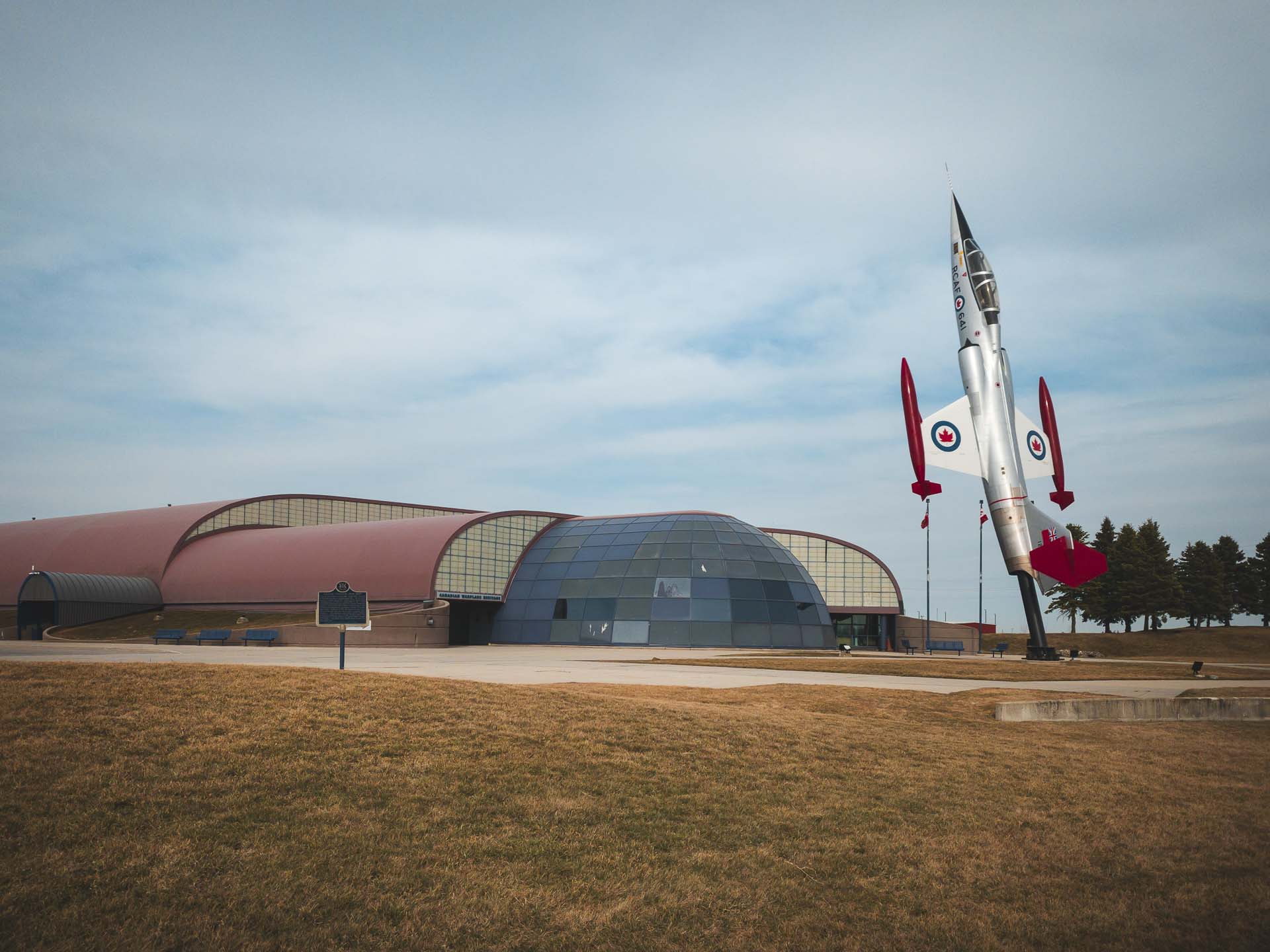
  • Best Hawaiian Island to Visit: An Honest Guide to Choosing The Perfect One

    Best Hawaiian Island to Visit: An Honest Guide to Choosing The Perfect One

    [ad_1]

    We’ll never forget our first time planning a trip to Hawaii. Staring at that cluster of all the Hawaiian islands in the middle of the Pacific, it’s easy to feel a bit lost. Should you go to the one with the active volcanoes, the one with the legendary surf breaks, or the one known for its deep green valleys?

    The truth is, each of Hawaii’s six main islands, Oahu, Maui, Kauai, the Big Island, Lanai, and Molokai, offers a completely different experience. Picking the right one is the first step to planning a trip you’ll talk about for years.

    After exploring the islands ourselves, we’ve learned what makes each one special. This guide is designed to cut through the fluff and answer the big question: “What is the best Hawaiian island to visit?”. We’re here to give you an honest breakdown to help you choose the perfect one for your kind of adventure.

    Dave and Deb of The Planet D smiling on a beach in Hawaii, ready for an adventure.

    Which Is The Best Island To Visit In Hawaii For You? A Quick Guide

    Every island has its own personality. Before we dive deep, here is a quick breakdown to point you in the right direction.

    Oahu is for you if you want a mix of city life, world-famous beaches, and important U.S. history. It’s home to Honolulu, Waikiki, and Pearl Harbor.

    Maui is for you if you’re looking for upscale resorts, a legendary road trip on the Road to Hana, and some of the best whale watching on the planet.

    Kauai is for you if you crave raw natural beauty. Think dramatic cliffs, powerful waterfalls, and some of the most challenging and rewarding hikes in the state.

    The Big Island (Hawaii) is for you if you’re seeking adventure. It’s the only place to see active volcanoes and offers an incredible diversity of landscapes, from black sand beaches to lush rainforests.

    Lanai is for you if you want a quiet, luxurious escape. With just a couple of high-end resorts, it’s the place to get away from it all in style.

    Molokai is for you if you want an authentic, off-the-grid experience. It’s the least developed island and offers a real glimpse into local Hawaiian life and culture.

    A Note on Responsible Travel in Hawaii

    Before you pack your bags, it’s important to know that visiting Hawaii has changed a bit in recent years, and we think it’s for the better. There’s a big focus on regenerative tourism, which is all about giving back to the local communities and helping to protect the incredible natural environments you’re coming to see.
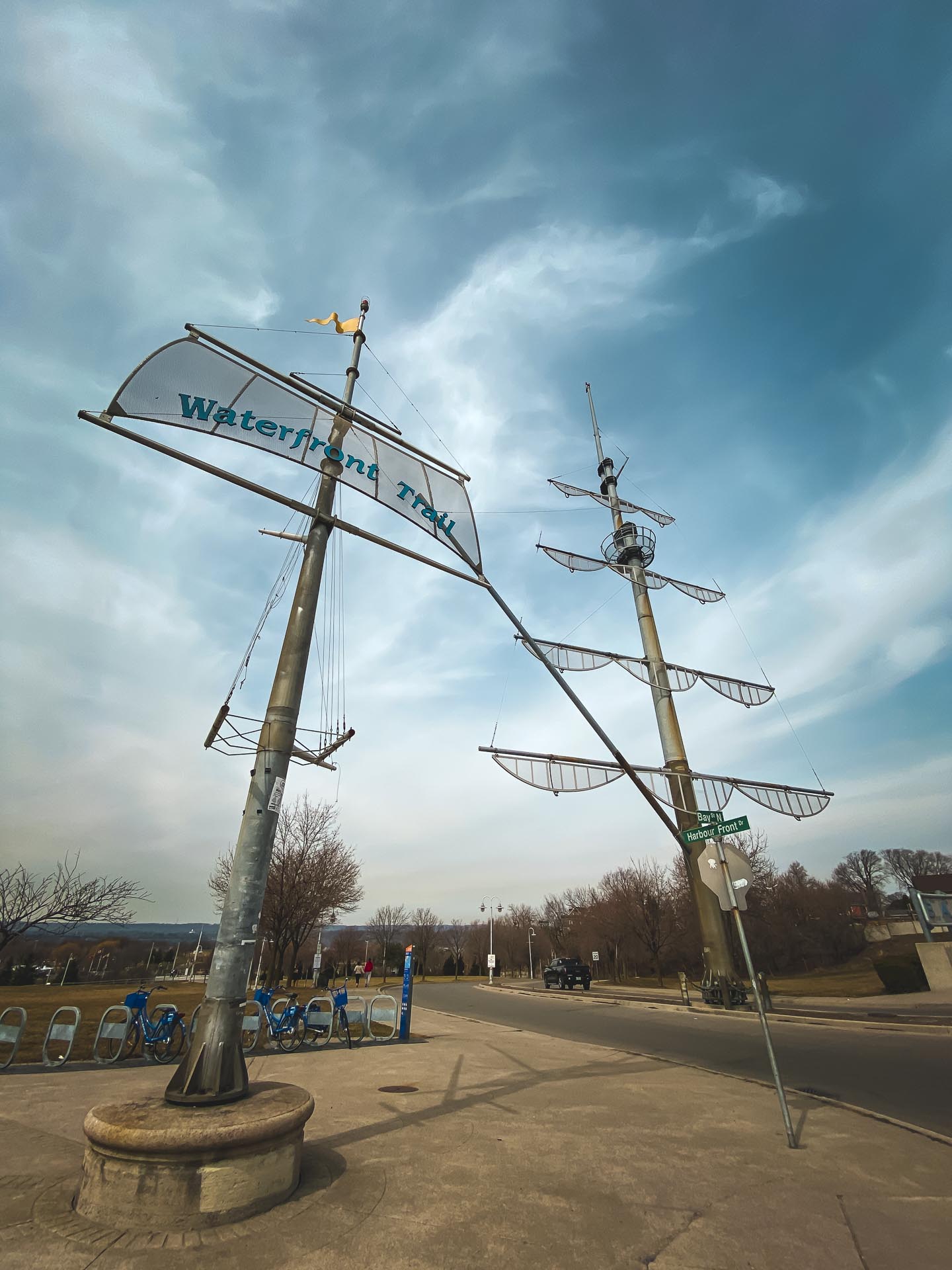
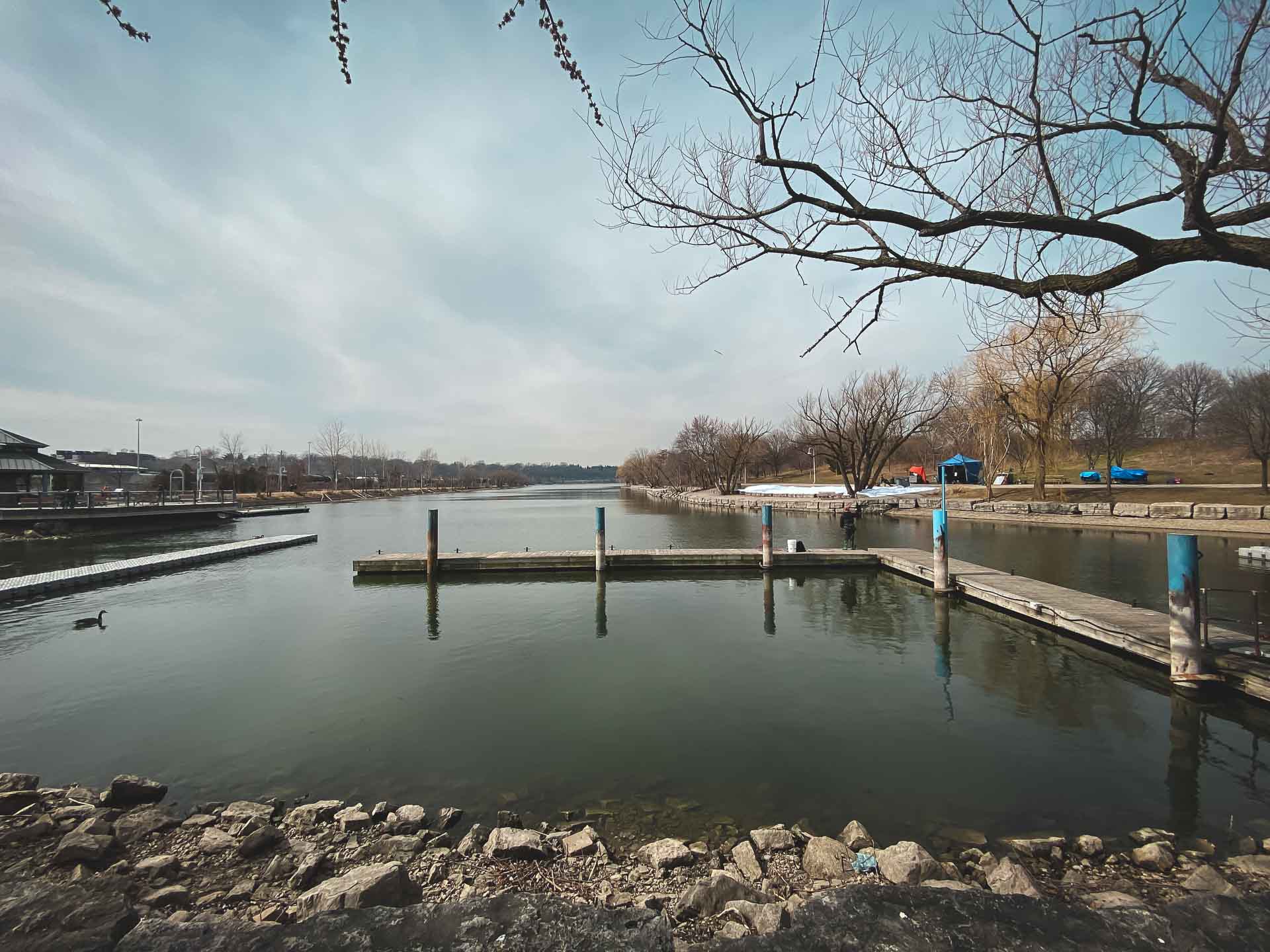
    For you, this just means a little more planning is needed. Many of the most popular attractions now require reservations to manage visitor numbers. For example, if you want to see the views from Diamond Head on Oahu or watch the sunrise at Haleakala National Park on Maui, you will need to book your time slot in advance.

    It’s a simple step that helps preserve these beautiful locations for future generations. We always recommend checking the official park or attraction websites before you go to see what’s required so you don’t miss out.

    Comparing the Main Hawaiian Islands

    Now we’ll get into the details of each of the Hawaiian Islands. We’ve broken down what we like about each one, who we think it’s for, and a couple of our favourite places to stay.
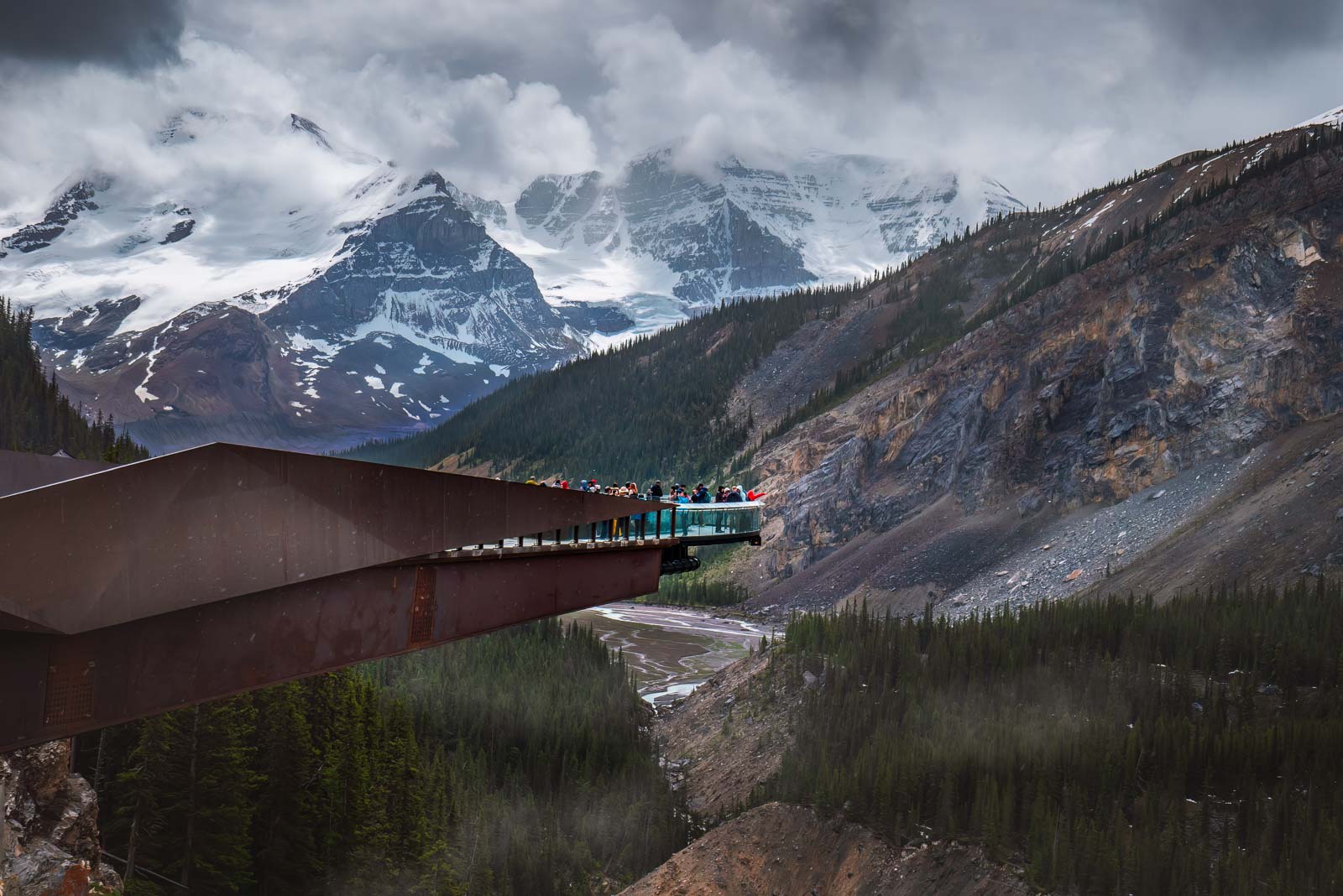
    Oahu: The Gathering Place

    A sunny day on Waikiki Beach in Oahu, with surfers in the turquoise water and the iconic Diamond Head crater in the background.

    Who This Island Is For

    Oahu is for you if you want a mix of bustling city energy, famous beaches, and easily accessible historical sites. It’s the most developed island and the hub of modern Hawaii. As the home of Honolulu, it also has the widest variety of restaurants and nightlife. While Hawaii can be an expensive destination, Oahu generally offers the broadest range of accommodations, including more budget-friendly options compared to other islands.

    Our Favourite Things to Do on Oahu

    A view of Diamond Head from our helicopter ride over Oahu

    Beyond the city, Oahu boasts an incredible number of hiking trails for all skill levels, from easy coastal walks to strenuous mountain ridges.

    Pay Respects at Pearl Harbor: A visit to the Pearl Harbor National Memorial is a moving and essential experience. It’s a powerful reminder of a pivotal moment in history, and we think it’s one of the most important sites to see in the entire state.
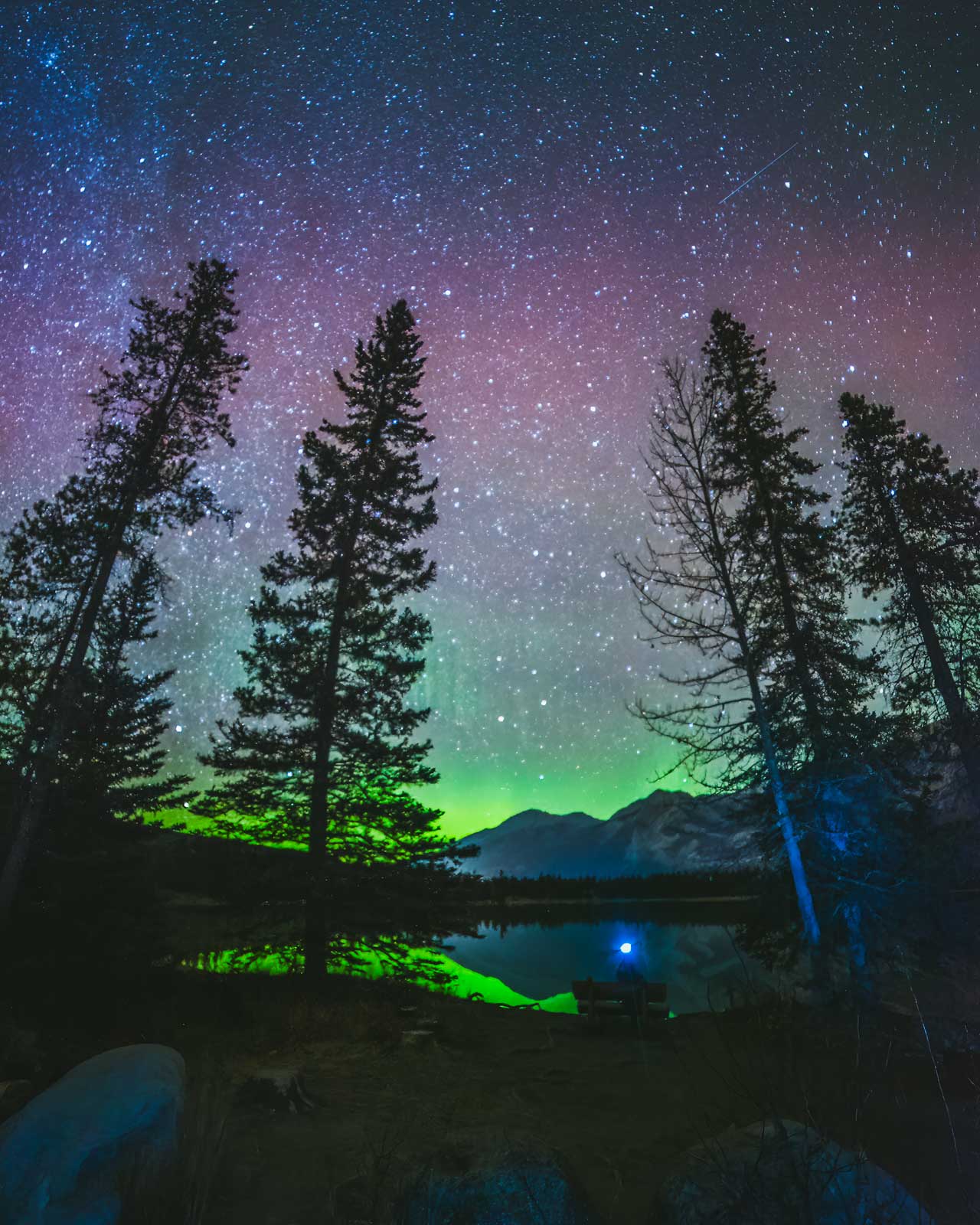
    Hike Diamond Head: This is one of the most iconic hikes in Hawaii for a reason. The trail takes you to the rim of a volcanic crater, delivering incredible panoramic views of Waikiki and the turquoise coast. Just remember to book your spot in advance.
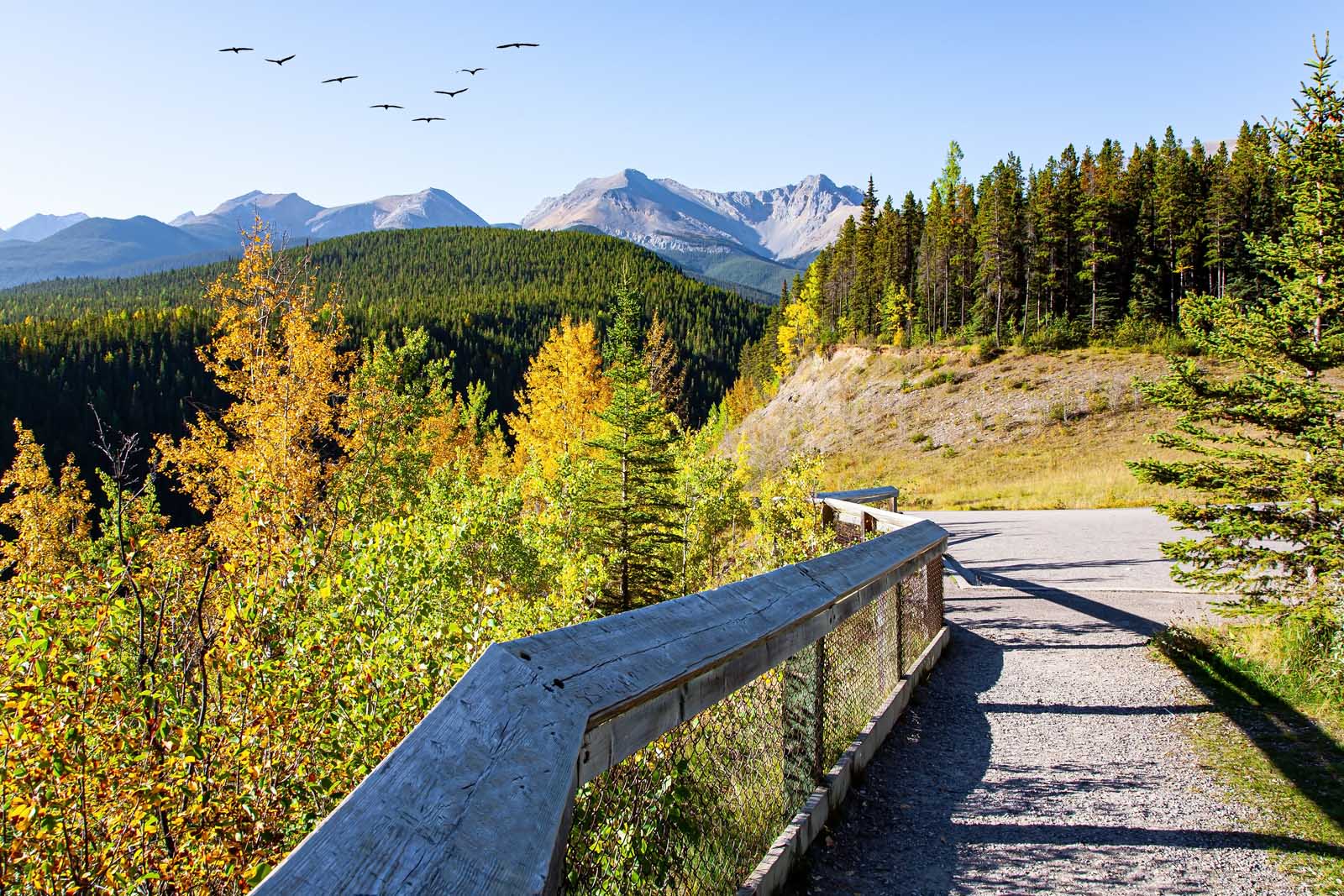
    Explore the North Shore: Escape the energy of Honolulu and drive up to the legendary North Shore. In the winter, you can watch professional surfers tackle some of the biggest waves in the world. In the summer, the water is calmer, and the vibe is pure, laid-back surf town.

    Experience Waikiki Beach: Yes, it’s busy, but Waikiki is a spectacle you have to see at least once. It’s a great place for a first-time surf lesson, to see the historic Duke Kahanamoku statue, and to just soak in the scene.

    Where We Recommend Staying

    For Luxury: Halepuna Waikiki by Halekulani This hotel feels like a calm oasis just steps from the action of Waikiki. We liked the clean, modern design and the infinity pool is a great place to relax. It’s a high-end choice that delivers on service and style.

    For a Social Scene: Polynesian Hostel Beach Club If you are on a budget or travelling solo, this is a solid choice. It’s not fancy, but the location is fantastic, just a few minutes’ walk from the beach. It’s a good place to meet other travellers.

    Maui: The Valley Isle

    Snorkelling with Sea Turtles in the blue ocean water off the coast of Maui, Hawaii

    Who This Island Is For

    Maui is for you if you’re looking for a mix of luxury, epic road trips, and unbelievable wildlife encounters. It has been voted the ‘best island’ by readers of Condé Nast Traveler for over 20 years, and it has a well-deserved reputation for world-class resorts and romantic getaways. While it has a well-deserved reputation for romance and world-class resorts, Maui is also fantastic for families, with plenty of activities to keep both kids and adults entertained.

    Our Favourite Things to Do on Maui

    Beautiful waterfall at the end of the Road To Hana in Maui

    Drive the Road to Hana: This is one of the best road trips in the world, full stop. The highway twists along the island’s north coast, taking you past countless waterfalls, through dense bamboo forests, and around hairpin turns with breathtaking ocean views. Plan for a full day and switch drivers often. Our full guide to The Road To Hana is here to help.

    Watch the Sunrise at Haleakala: Driving to the summit of the dormant Haleakala volcano to watch the sunrise from 10,023 feet is an unforgettable experience. You are literally above the clouds. Reservations are required well in advance, but it is absolutely worth the early start.

    Go Whale Watching: From December to May, more than 10,000 humpback whales migrate to Maui’s warm waters. Taking a boat tour to see them is a must. We found the best time to go is between January and March when sightings are practically guaranteed. Seeing a massive humpback breach the water is something you will never forget.

    Where We Recommend Staying

    For Luxury: Four Seasons Resort Maui at Wailea If you are looking to splurge, this is one of the best resorts on the island. Located in the upscale Wailea area, the service is top-notch, and the beachfront location with its three swimming pools is hard to beat.

    For a Laid-Back Vibe: Paia Inn For something more boutique and less of a mega-resort, we enjoyed the town of Paia on the north shore. Paia Inn is a chic hotel right in the heart of this cool little surf town, making it a great base for exploring the Road to Hana.

    We have a full accommodation guide for the island of Maui to help you plan your trip.

    Kauai: The Garden Isle

    A panoramic view of Waimea Canyon on Kauai, Hawaii, also known as the Grand Canyon of the Pacific

    Who This Island Is For

    Kauai is for the adventurers and nature lovers. This island is all about raw, dramatic beauty, and it’s noticeably less developed than Oahu or Maui. If your idea of a perfect day involves a challenging hike, discovering a secluded beach, or just marvelling at unbelievable scenery, Kauai is for you.

    Our Favourite Things to Do on Kauai

    Na Pali Coast view of Kauai, Hawaii from our helicopter tour

    Hike the Kalalau Trail: This is one of the most famous and difficult hikes in the United States, tracing the cliffs of the legendary Na Pali Coast. You need a permit and plenty of experience, as the 11-mile trail is demanding. But for those who are prepared, the views are some of the best we’ve ever seen.

    Explore Waimea Canyon: Known as the “Grand Canyon of the Pacific,” this massive canyon is a spectacle of red and green canyon walls. You can drive up to several lookouts for fantastic views or, if you’re up for it, take one of the hiking trails down into the canyon itself.

    Take a Helicopter Tour: So much of Kauai’s interior is inaccessible by road or trail. A helicopter tour is a big splurge, but it’s the only way to truly appreciate the scale of the island. You’ll fly over the Na Pali Coast, deep into the crater of Mount Waialeale, and past countless waterfalls you can’t see any other way.

    Where We Recommend Staying

    For Luxury on the South Shore: Koloa Landing Resort at Po’ipu Located on the sunnier south side of the island, this resort is a great upscale base. The pools here are fantastic, and it’s well-positioned for exploring Waimea Canyon and the beaches of Po’ipu.

    For a North Shore Base: Hanalei Bay Resort If you want to be closer to the lush landscapes of the north, this resort offers incredible views of Hanalei Bay and the mountains. It feels a bit more old-school Hawaii and is the perfect starting point for adventures along the Na Pali Coast.

    If you want more in-depth information about hotels on Kauai, check out our accommodation guide for the island.

    Big Island of Hawaii: The Adventure Isle

    The active lava lake in the Kilauea caldera at Hawaii Volcanoes National Park.

    Who This Island Is For

    Of all the islands, The Big Island is for the true adventurer who wants to see nature at its most raw and powerful. It’s twice the size of all the other islands combined, and you can find 10 of the world’s 14 climate zones here. If you want a trip that’s less about lying on a beach and more about hiking, exploring, and being amazed, this is your island.

    Our Favourite Things to Do on the Big Island

    Hawaiian green turtles relaxing at Punaluu Black Sand Beach on the Big Island of Hawaii.

    Explore Hawaii Volcanoes National Park: This is the number one reason to visit the Big Island. It’s the only Hawaiian island where you have the chance to see active, flowing lava, making it a truly unique destination. We’ll never forget standing at the Kilauea caldera at night, watching the red glow of the lava lake pulse against the dark sky.

    Snorkel with Manta Rays at Night: This sounds a little intimidating, but trust us, it’s one of the most magical wildlife encounters we’ve ever had. You hold onto a lighted raft while these gentle giants, with wingspans up to 15 feet, glide and somersault right below you.

    Explore the Coloured Sand Beaches: The Big Island is famous for its unique beaches. The jet-black sand at Punalu’u, created by volcanic activity, is incredible to see. It is also home to Papak?lea, one of the few rare green sand beaches in the world. We loved seeing the massive honu (Hawaiian Green Sea Turtles) that often rest on the warm black sand at Punalu’u.

    Where We Recommend Staying

    For Volcano Access (East Side): Volcano Inn To make the most of the national park, we recommend staying nearby for a night or two. We loved the Volcano Inn; it’s a cozy spot tucked into the rainforest, just minutes from the park entrance. This makes it super easy to drive back to the caldera after dark to see the lava glow.

    For Beaches and Resorts (West Side): The Westin Hapuna Beach Resort The sunny Kona-Kohala coast is the island’s resort hub. This hotel is situated on Hapuna Beach, which is one of the most beautiful white-sand beaches in all of Hawaii. It’s a great place to relax after a few days of volcanic adventure.

    Lanai: The Pineapple Isle

    The red rock landscape of Keahiakawelo (Garden of the Gods) on Lanai, Hawaii

    Who This Island Is For

    Lanai is for the traveller who truly wants to get away from it all and doesn’t mind paying for the privilege. The island is almost entirely privately owned and has a quiet, exclusive feel. If your goal is to unplug at a five-star resort, play a world-class round of golf, and feel like you have an entire island to yourself, Lanai is the spot.

    Our Favourite Things to Do on Lanai

    Our 4x4 Jeep driving around the island of Lanai, Hawaii

    Rent a 4×4 and Explore: This was our favourite thing to do on the island. Once you leave the manicured resorts, Lanai is rugged and wild. We rented a Jeep and spent a day driving the unpaved roads to places like Keahiakawelo (Garden of the Gods), a bizarre and beautiful landscape of red rock formations. It really felt like an adventure on another planet.

    Relax at Hulopoe Bay: This protected marine reserve is the island’s best spot for swimming and snorkeling. The beach is a perfect crescent of white sand. We spent a whole afternoon here and were treated to a huge pod of spinner dolphins putting on a show just offshore. It’s also a great place to spot honu (turtles).

    Hike the Koloiki Ridge Trail: For a great view without a grueling climb, this trail is a fantastic choice. It starts near the Four Seasons and leads you through forests of ironwood and pine trees, ending with a rewarding viewpoint over the neighbouring islands of Maui and Molokai.

    Where We Recommend Staying

    For Ultimate Luxury: Four Seasons Resort Lanai This is the reason most people come to Lanai. Perched on a cliff above Hulopoe Bay, it’s the definition of a five-star escape. The service, the pools, and the views are all flawless. If you are looking for a true luxury splurge, this is it.

    For Historic Charm: Hotel Lanai For a taste of a different Lanai, this charming and historic hotel in the heart of Lanai City is your best bet. It’s much more low-key and affordable than the resort, offering a quiet, boutique experience that feels connected to the island’s plantation history.

    Molokai: The Friendly Isle

    The empty stretch of golden sand at Kepuhi Beach on the island of Molokai, Hawaii

    Who This Island Is For

    Molokai is for the traveller, not the tourist. It is best known for its quiet, authentic vacation experience, receiving just a fraction of the visitors that the other islands do. If you are looking to disconnect and experience a slower, more intentional way of life away from any resort scene, this is your place. There are no traffic lights here, no big-name hotels, and no crowds.

    Our Favourite Things to Do on Molokai

    The rugged coastline of Molokai from our Jeep tour around the island

    Visit Kalaupapa National Historical Park: This is one of the most moving and profound places in Hawaii. Located on a remote peninsula, this was once a place of forced isolation for people suffering from Hansen’s disease (leprosy). A visit here is a powerful history lesson, and the landscape is hauntingly beautiful. You must book a tour with a certified guide to visit, which we highly recommend.

    Walk Papohaku Beach: This is one of Hawaii’s longest white-sand beaches, and you will likely have it all to yourself. We walked for nearly an hour and saw only a handful of other people. At three miles long, it feels like your own private paradise. On a clear day, you can see Oahu in the distance.

    Hike Through Halawa Valley: We took a guided hike into this lush, sacred valley, which is one of the earliest known settlements in Hawaii. Our local guide shared stories of his ancestors as we walked to the stunning Mo’oula Falls. It was a deeply meaningful experience that gave us a much greater appreciation for the island’s history and connection to the land.

    Where We Recommend Staying

    The Main Option: Hotel Molokai This is the island’s best-known place to stay. It’s not a luxury resort, but a charming, rustic hotel with Polynesian-style bungalows. It has a real old-school Hawaii vibe and serves as a great, comfortable base for exploring.

    For Self-Catering: Castle Molokai Shores Since there are limited dining options on the island, having a kitchen can be a huge plus. These oceanfront condo-style apartments are perfect for families or anyone who wants the flexibility to cook their own meals.

    For our breakdown of where we recommend staying, check out our accommodation guide.

    Frequently Asked Questions about Visiting Hawaii

    So, what is the best Hawaiian island to visit overall?

    While every island offers something special, the “best” one truly depends on your travel style. The purpose of our guide is to help you match your personal preferences—be it adventure, relaxation, or city life—with the island that delivers that experience best.

    What is the best Hawaiian island to visit for the first time?

    For most first-time visitors, Oahu is a great choice. It’s easy to fly into and offers a huge variety of activities. If you’re more of an adventurer, the Big Island is another fantastic option as it gives you a taste of everything: volcanoes, beautiful beaches, and lush rainforests.

    How do I choose an island to visit in Hawaii?

    Start by identifying your top priority. Are you looking for epic hikes (Kauai), nightlife and history (Oahu), luxury resorts (Maui), or volcanic adventure (Big Island)? Use our “Quick Guide” at the top of this article to match your travel style to an island’s personality.

    Which Hawaiian island is the most beautiful?

    Most people would give the title to Kauai. Its nickname is “the Garden Isle” for a reason. The dramatic, green-velvet cliffs of the Na Pali Coast and the sheer scale of Waimea Canyon are truly unforgettable.

    Which is better, Oahu or Maui?

    Choose Oahu if you want more action, nightlife, restaurant choices, and historical sites. Choose Maui if you’re looking for a more laid-back, upscale, and romantic vibe with world-class resorts and incredible nature experiences.

    Which is better, Kauai or Oahu?

    This choice comes down to nature versus city. Choose Kauai if you want to be immersed in raw, natural landscapes and spend your days hiking and exploring. Choose Oahu if you want the amenities of a major city, famous surf culture, and a wider variety of dining and entertainment.

    So, Which Island Will You Choose?

    Sunset at the Grand Wailea in Maui, Hawaii

    Choosing the right Hawaiian island is the first and most important step in planning your trip. There really is no single “best” one, only the island that’s best for you. Whether you’re looking for the city buzz of Oahu, the romance of Maui, the raw beauty of Kauai, or the volcanic adventure of the Big Island, Hawaii has an island that will feel like it was made for you.

    We hope this guide has helped you find your perfect match.

    [ad_2]

    Source link