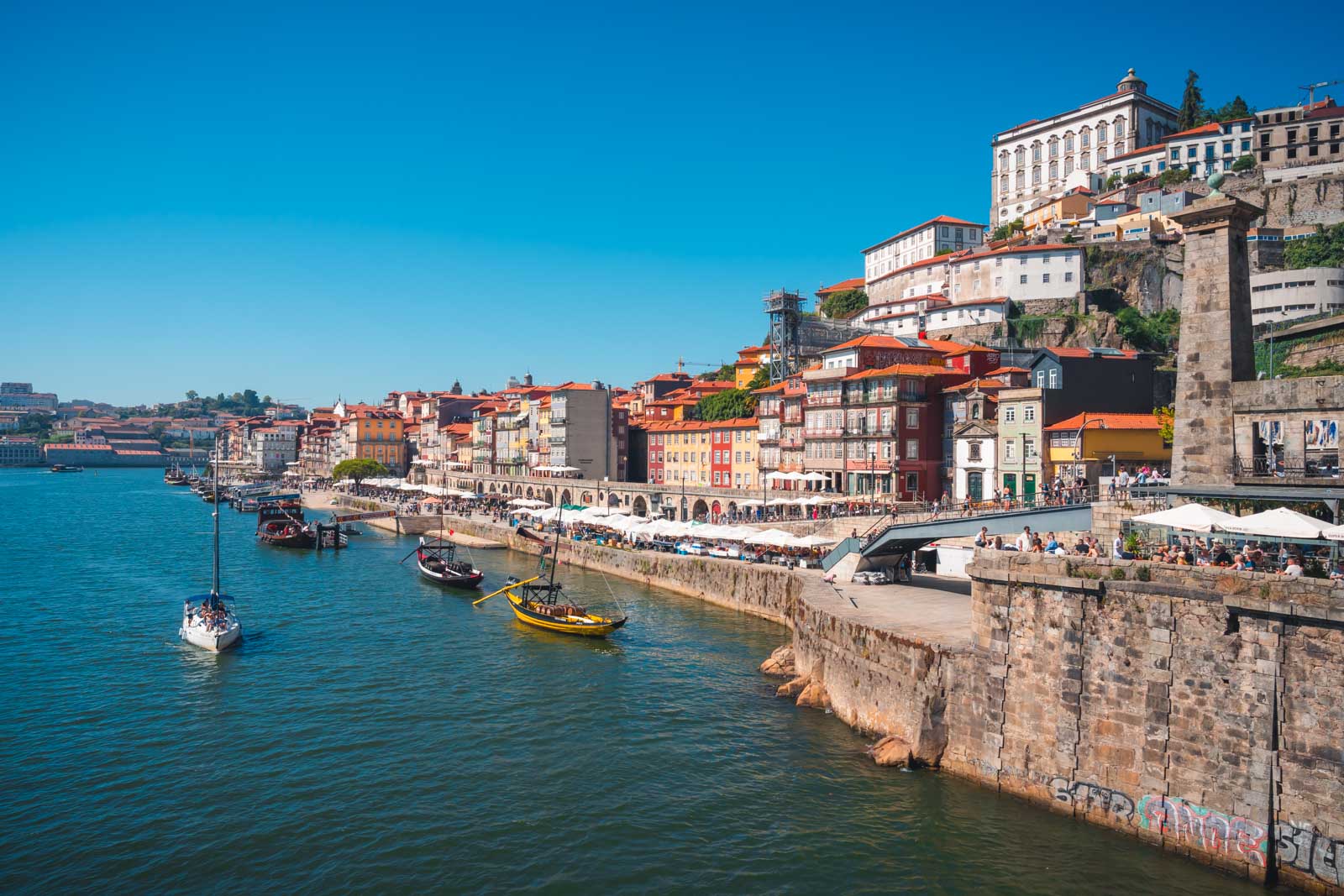
Category: Travel Guides

  • Where to Stay in Edinburgh: Our Favourite Places And Neighbourhoods (2024)

    Where to Stay in Edinburgh: Our Favourite Places And Neighbourhoods (2024)

    [ad_1]

    Edinburgh, the hilly capital of Scotland, attracts many visitors for its old buildings and fantastic landmarks. With winding cobblestone streets and no less than four exquisite national art galleries, it’s a place we have enjoyed on several occasions. 

    The Scottish capital is a compact city, so you’ll be able to do a lot of exploring on foot regardless of where exactly you stay. But we wanted to offer input on our favorite areas of the town and the best hotels in them to make it easier for you to find a place to stay that fits into your Edinburgh itinerary perfectly. 

    Edinburgh castle in the Old Town Edinburgh

    Each Edinburgh neighborhood offers something unique, from the historic Old Town to the trendy West End. Whether it’s buildings that are more than a thousand years old or lush walking paths along the river, there’s no doubt in my mind you’ll enjoy your trip no matter which hotel you book. 

    Where To Stay In Edinburgh 

    Edinburgh is a charming city with a ton of historic attractions. It’s also very walkable, so you don’t have to stay in the city center to be able to discover all of its best landmarks and attractions on foot. And if you don’t mind jumping on the tramway or the bus, you could save quite a bit of money by booking accommodation in a quieter area. 

    That’s not to say that the city center is a bad place to stay; both New Town and Old Town are some of my favorite options for first-time visitors because of the gorgeous old architecture and endless interesting sights. However, both areas are pricey and not a good option for travelers on a tighter budget. 

    Don’t Have Time To Read The Full Article? 

    Where We Stayed 

    We stayed at Cheval The Edinburgh Grand mainly because I prefer apartments to hotels for longer stays. It offered everything we needed during our stay, and I particularly enjoyed the view of St. Andrew Square. And the comfy beds! Don’t hesitate to book The Edinburgh Grand if you want a more homely place to stay with an excellent location in the city center.  

    Edinburgh Old Town: Our Recommendation 
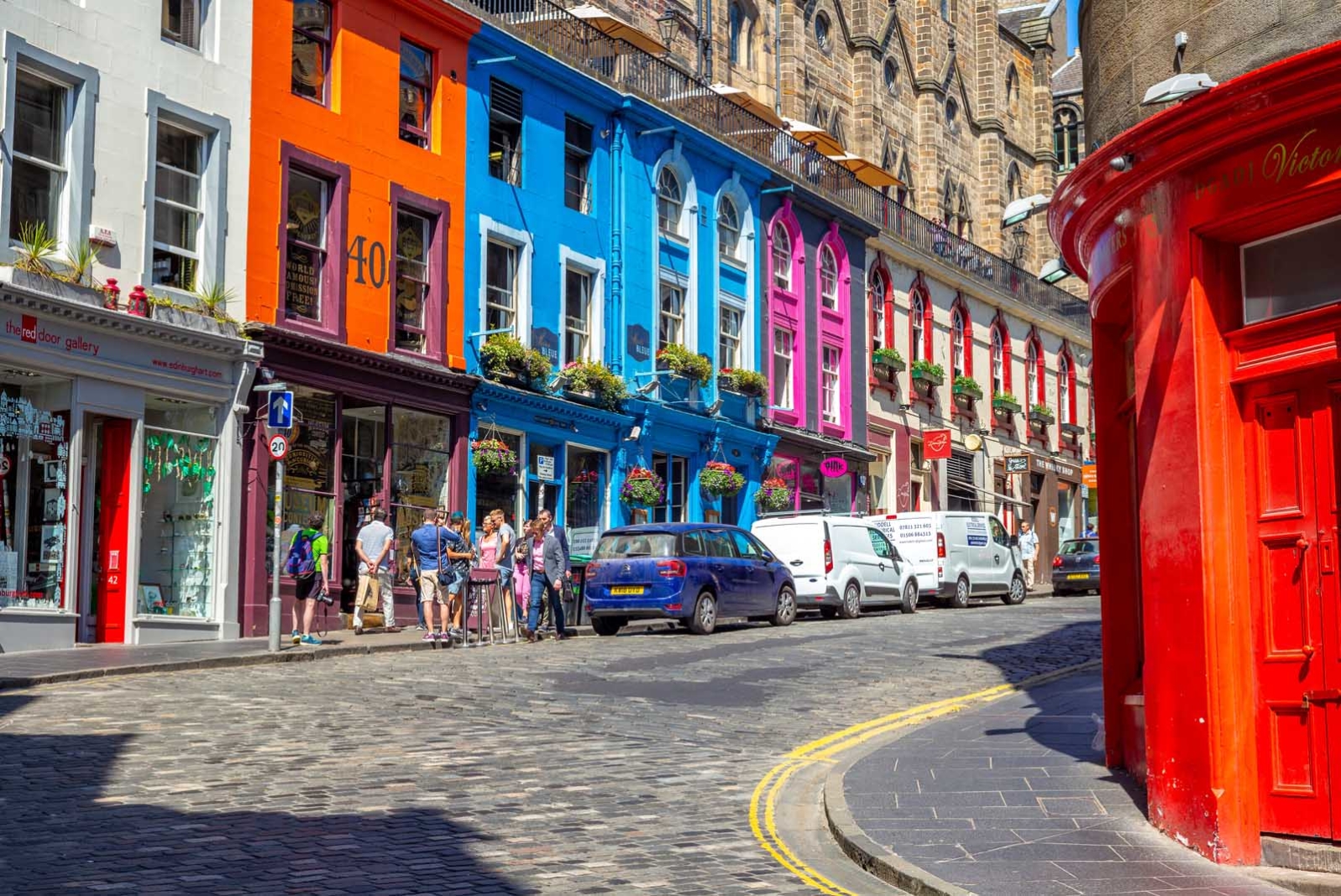
    victoria street in old town Edinburgh old town neighbourhood

    Edinburgh Old Town is the historic heart of this Scottish city and the best one for a stay for most travelers. Stay in the Old Town and you’ll be within walking distance of the best city attractions, shops, restaurants, and museums. 

    Just keep in mind that such an important part of Edinburgh is generally pricey, especially for hotel stays. If you’re looking for mid-range and luxury hotels, you’ll have plenty of options in Edinburgh Old Town. But if you’re trying to explore Scotland on a budget, you might want to look for something less central.  

    Where to stay in Edinburgh Old Town Royal Mile

    Pros and Cons of Staying in Edinburgh Old Town 

    Pros

    Easy walking access to popular landmarks
    The historic center of Edinburgh is gorgeous
    Great bars and restaurants
    Lots of things to do 

    Cons

    The busiest part of the city 
    Hotels are expensive 
    Lots of tourist traps 

    Highlights of Staying in Edinburgh Old Town 

    Edinburgh Old Town is the undisputed center of the city, with the most interesting landmarks and tourist attractions. From historic castles to fantastic museums, it has all the best attractions that will make you fall in love with the Scottish city. 

    Edinburgh Castle is by and large the most iconic landmark in the city. The hilltop castle dates back to the 11th century, and it’s known for housing the Crown Jewels. It’s also home to the National War Museum of Scotland and without a doubt my favorite historic attraction to visit in the city. 
    Walk the Royal Mile from Holyrood Palace to Edinburgh Castle and see all the fancy shops and restaurants that line either side. This is the busiest street in the city and a place you can hardly miss when leisurely strolling around Edinburgh’s Old Town. 

    The National Museum of Scotland is by far the best attraction in Edinburgh for history buffs and museum-goers. The vast museum offers a natural history exhibit, as well as a collection of relics that recount the story of Scottish industrial history. 
    Princes Street Gardens is a sprawling public park just below the Edinburgh Castle. Visit it before or after you tour the compound; it doesn’t matter as long as you get to walk through the park and see all the pretty monuments and gorgeous landscaping. 
    Cockburn Street is said to have been the inspiration for Diagon Alley in Harry Potter, and of course, I’ve put it on this list. It’s lined with beautiful shops and nice pubs, so there’s plenty of things to do here other than admire the buildings. 

    Best Places To Stay In Edinburgh Old Town 
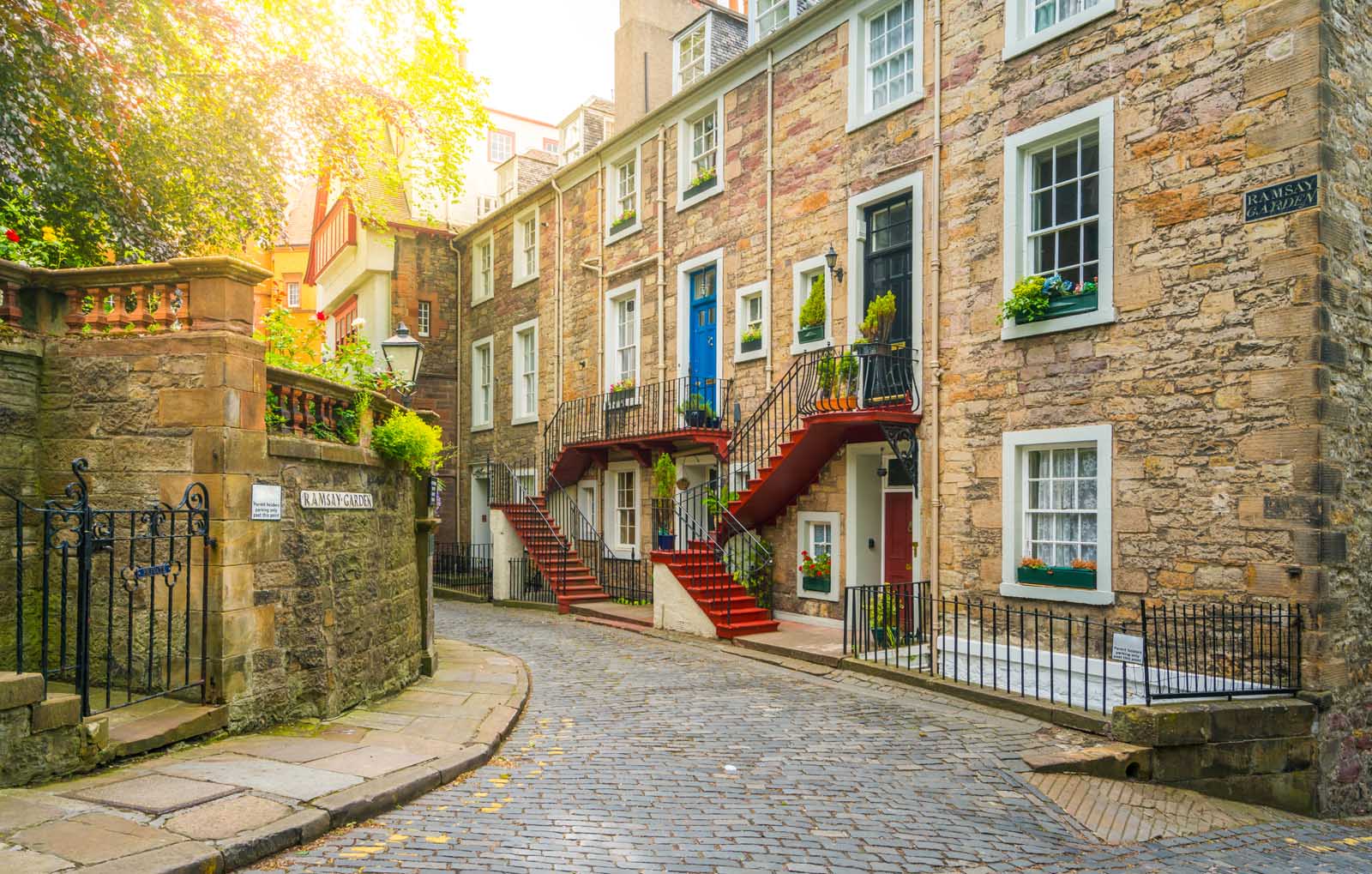
    Street view of old town area of Edinburgh

    The center of Edinburgh offers a wide variety of accommodation options for every budget. Stay in historic buildings and sip cocktails on rooftop terraces, while enjoying uninterrupted views of the city’s skyline. 

    The Witchery by the Castle

    The Witchery by the Castle is a unique stay in the heart of Edinburgh. With nine lavishly decorated suites, this boutique hotel offers an experience unlike any other. Sleep in four-poster beds in suites that are thoroughly adorned with period decorations, ranging from guard uniforms to painted ceilings. 

    Each of the nine suites is thematically decorated, and my favorites are the guardroom and the library. The elegant suites range in size from 40 m² to 72 m²; the bigger suites feature a separate sitting room or even a dining hall. Breakfast is included in the nightly stay, and guests can choose whether they prefer to have it in the room or at the hotel restaurant.  

    The Witchery even has a sister hotel outside Edinburgh’s city center, Prestonfield House. Consider it for a luxury stay with a great location in a more serene part of the city. 

    Market Street Hotel 

    Choose the fantastic Market Street Hotel if you’re looking for the perfect location in Edinburgh Old Town. It’s situated on Market Street, just across the street from the Waverley Station and mere steps away from the historic Cockburn Street. 

    The modern rooms are a bit on the smaller side, but they’re all nicely decorated. Each room features a small seating area, a TV, an ensuite bathroom, and a coffee/tea-making station. Rooms with wheelchair-accessible bathrooms are also available at this hotel. 

    One of the best things about Market Street Hotel is the rooftop lounge, where you can enjoy breakfast and some of the best panoramic views of Edinburgh’s skyline. However, it’s also important to note that this hotel lacks a fitness center and a spa, so it might not be a good fit for everyone. 

    CoDE Pod Hostel

    The CoDE Pod Hostel is one of the best affordable options in the historic center of Edinburgh. The nightly rate starts at a little over $65, which is a little pricey for a hostel but worth it for the location. Also, this isn’t your classic hostel; all the dorm rooms feature pods instead of bunk beds for privacy. 

    Each dorm has its own shared bathroom, which is absolutely spotless. The decor throughout the hostel is modern and sleek, and honestly, it’s one of the better-looking accommodation options in Edinburgh. Double rooms with ensuite bathrooms are also available here, and they start at around $120 per person for a night, which is one of the better deals for a stay in Edinburgh Old Town. 

    The hostel’s shared spaces include a kitchen and a dining/lounge area with a TV. Overall, this is one of the better hostels in Edinburgh, and it’s especially popular with solo travelers. 

    Where to stay in Edinburgh Old Town Royal Mile

    Edinburgh New Town is the second-best option for first-time visitors in the city. It’s super close to the Old Town and offers equally as many interesting attractions. It’s just that it’s a bit younger than the Old Town – by no less than several hundred years. 

    The New Town features somewhat cheaper accommodation options, but there are just as many high-end hotels as in the Old Town. It’s also home to several famous streets that are lined with shops, bars, and excellent restaurants. For nightlife, shopping, and culture, the New Town is the best part of the city. 

    Scott monument in new town area edinburgh

    Pros and Cons of Staying in Edinburgh New Town 

    Pros

    Walking distance to Old Town landmarks
    Great for shopping and nightlife
    Plenty of museums and tourist attractions 

    Cons

    As pricey as the Old Town 
    Busy and noisy 
    Very few hotels for budget travelers

    Highlights of Staying in Edinburgh New Town

    The New Town is hundreds of years younger than the Old Town, but that doesn’t mean it’s not filled with interesting landmarks and sights. Plenty of popular tourist attractions are here, including fabulous art galleries and Edinburgh’s best shopping streets. 

    The Scott Monument is a captivating landmark that towers over Princess Street. The Victorian monument was erected in honor of Sir Walter Scott, Edinburgh’s most renowned writer. Don’t just stand at the base of the spire-like landmark; climb the 287 steps it takes to get to the top to experience a fantastic panoramic vista of Edinburgh’s skyline. 
    Walk down George Street and you’ll get to see the impressive Victorian architecture Edinburgh is known for around the world.  
    Rose Street is New Town’s car-free avenue. It’s lined with pubs on either side, and it’s the hotspot for nightlife in Edinburgh. 
    For the best shopping in this Scottish city, you’ll want to head to Princess Street. It’s almost an endless stream of shops in every price range and the place to be if you want to buy anything from books to shoes. 

    Best Places To Stay In Edinburgh New Town 

    Best places to stay in new town edinburgh

    The New Town is an excellent part of Edinburgh, both for first-time and returning visitors. It offers hotels for every budget, although I must say that mid-range and luxury travelers are more likely to find something up their alley. Accommodation in the New Town isn’t cheap, but there are a few options budget travelers should consider. 

    The Balmoral Hotel 

    With a history of more than a hundred years, The Balmoral Hotel is one of the best five-star hotels in Edinburgh’s New Town. It is situated right next to Waverley Train Station and just a short walk from the city’s best shopping streets. 

    The hotel offers cozy double rooms with elegant furnishings. Every room features an Italian marble bathroom, as well as a seating area and a desk. The Balmoral Hotel offers two restaurants, a pool, and a gym, so it’s got all the amenities you’d expect from a luxury hotel. 

    There’s also a spa and wellness center at this grand hotel, and it includes a Turkish steam room, among other facilities. The cherry on top is the fabulous historic hotel building, which even has its own clock tower. As you’d expect from the name, the Balmoral is one of the best and most prestigious hotels Edinburgh has to offer.  

    ibis Styles Edinburgh

    Situated on St. Andrew’s Square, ibis Styles is a nice three-star hotel with a central location. The nightly rate is somewhat high for an Ibis hotel, but it’s still usually under $300 for two people, which is a good deal considering the location. And if you travel in the off-season and shop around for deals, you can book a night here for under $200. 

    The rooms are a little small, but include a desk, a private bathroom, and charming Scottish decorations. The beds are comfortable and roomy, which is essential for a good night’s sleep. Also, every hotel room features a flat-screen TV, and breakfast is included in the nightly rate. 

    The ibis hotel features a bar and a restaurant, but unfortunately no spa or fitness center. Overall, it’s a good option for travelers who want accommodation with an excellent location that won’t break the bank but don’t want to stay in hostels or private apartments. 

    Princes Street Hostel

    Princess Street Hostel is a nice option for budget travelers. It’s close to Waverley Station, Royal Mile, and many other popular Edinburgh attractions. The nightly rate for solo travelers starts at just $35 for a bed in a dorm room, which is a really good deal for such a central location in Edinburgh. 

    Private double rooms are also available at the hostel, although they don’t include an ensuite bathroom. Every dormitory has a shared bathroom with a shower, and large groups of travelers can rent entire dormitories and large rooms. 

    All guests staying at the Princess Street Hostel get access to free WiFi and can make use of the shared lounge. There’s also a spacious and well-equipped kitchen, as well as a roomy dining area where you can mingle with other guests if you want. 

    West End: Best For Budget Travelers
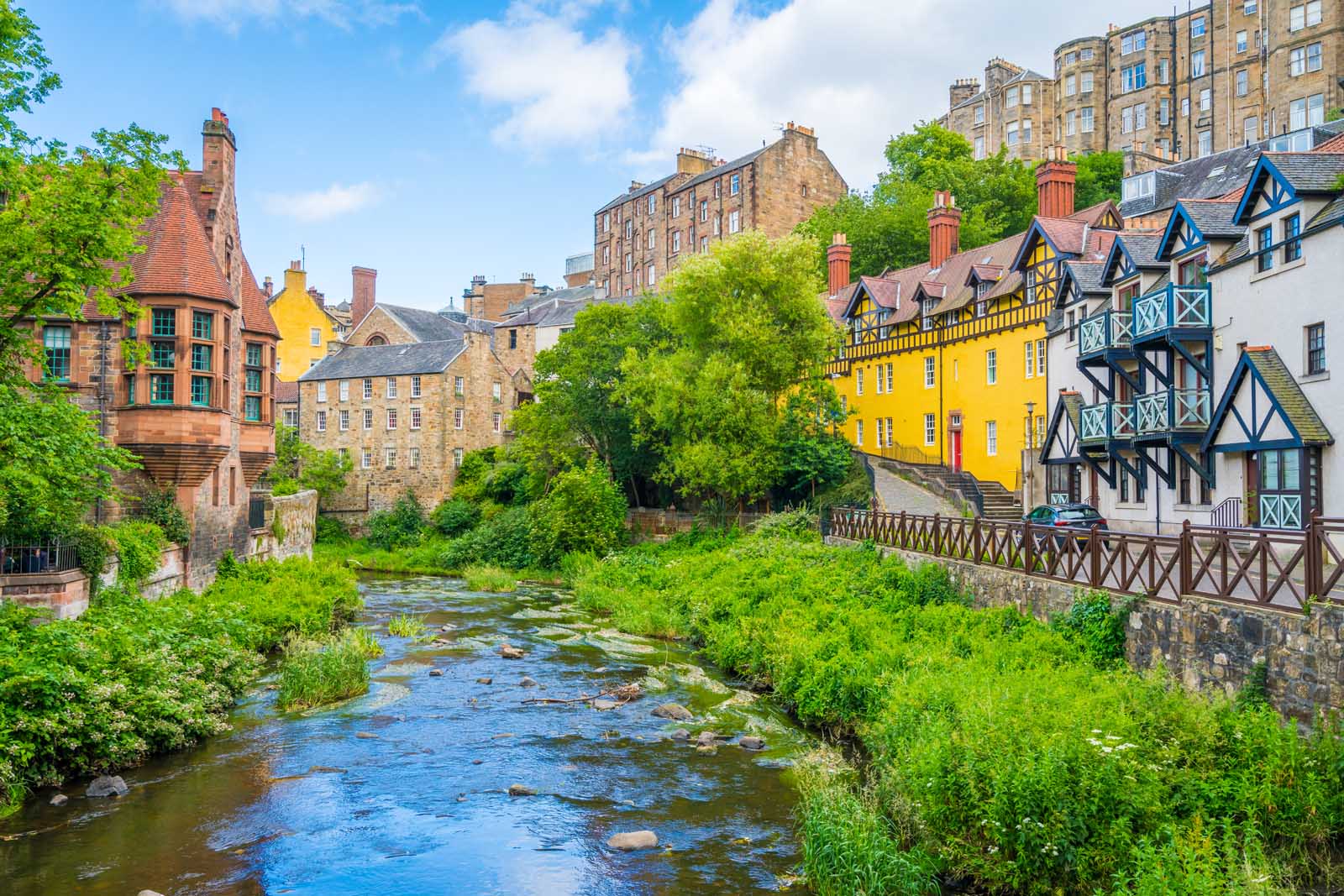
    where to stay in Edinburgh west end

    West End is a trendy Edinburgh neighborhood known for elegant mansions, cobbled streets, and indie boutiques. It’s the best neighborhood in Edinburgh for travelers on a tighter budget because the hotels are significantly more affordable than those in the Old Town and New Town.

    On top of that, the West End has plenty of its own attractions and offers easy walking access to popular landmarks in the historic city center. Book a hotel near the border with Edinburgh city center, and you’ll get an excellent rate but be no more than a 15-minute walk from the historic landmarks. 
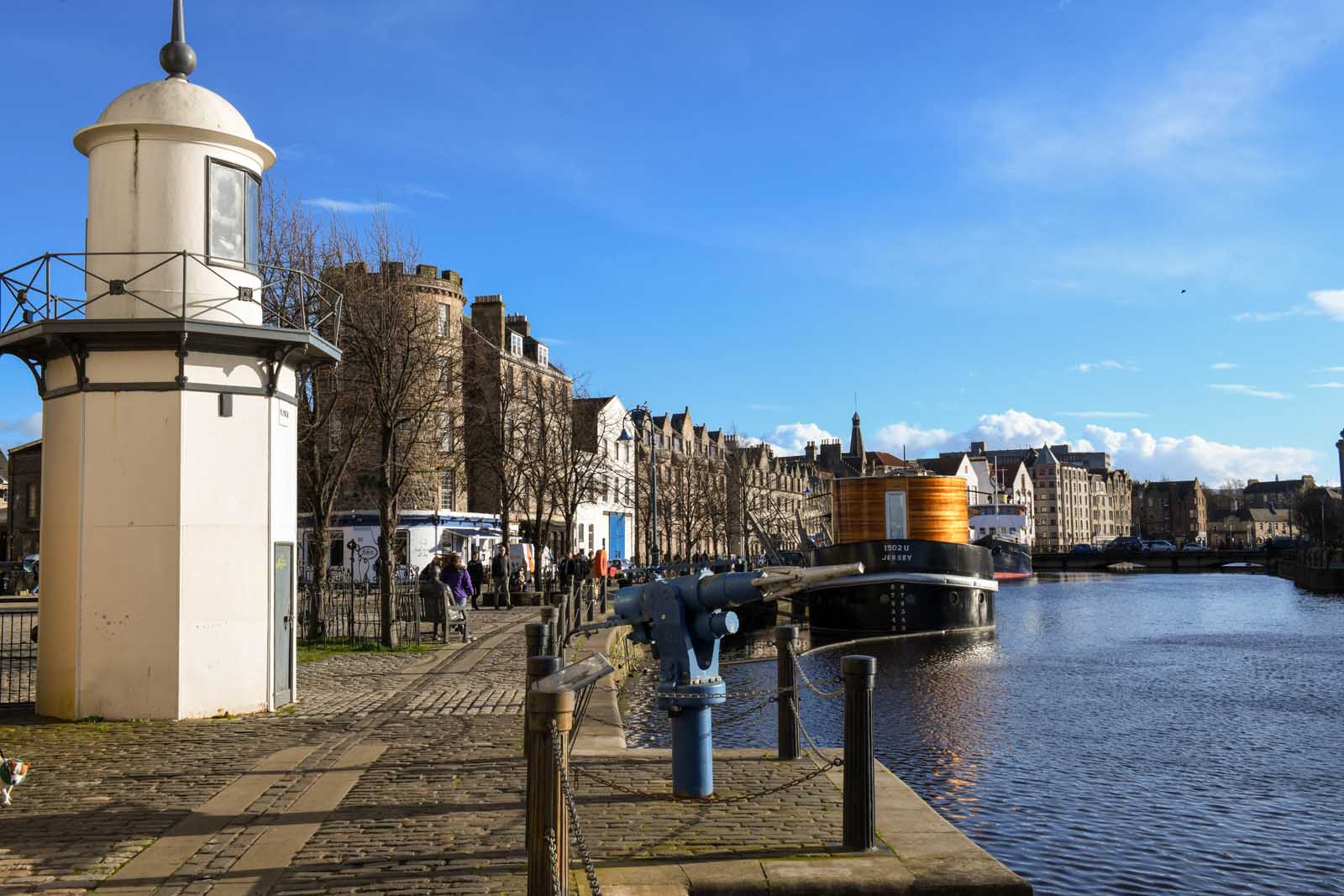
    Leith walk in west end area of Edinburgh

    Pros And Cons of Staying in West End

    Pros

    Cheaper hotels and restaurants
    Not as busy as the city center 
    Walking distance to the city center 

    Cons

    Few landmarks 
    Not as many hotel options 

    Highlights of Staying in West End 

    Edinburgh’s West End is a quaint residential neighborhood with rows of townhouses and excellent pubs. It’s got quite a few attractions of its own, and there are reasons to come here, even if you book a hotel smack dab in the middle of the Old Town. 

    Dean Village is a pleasant part of Edinburgh’s West End, known for 19th-century homes, museums, and cobbled streets. Come here to get lost in the natural beauty of the city and enjoy the view of old buildings surrounded by lush greenery. 
    There are four National Galleries of Scotland in Edinburgh, and two are in the West End. Both boast stunning collections of modern art, so don’t miss out if you’re an art lover. 
    Stroll along the Water of Leith Walkway. The walking path follows the river for 12 miles, offering picturesque views of cascades, trees, and Edinburgh’s signature buildings.  

    Best Places To Stay in West End 

    Where to stay in edinburgh west end neighbourhood

    West End is a great area to stay in because you can pay a lot less for hotels that are equal in quality to those in the city center. And it’s a charming neighborhood within walking distance of all the popular attractions,

    Waldorf Astoria Edinburgh

    Waldorf Astoria Edinburgh is a fantastic five-star hotel just 10 minutes from Edinburgh Castle. It’s set on the border of West End with New Town and Old Town, so if you choose this luxury hotel, you’ll still be within walking distance of popular tourist attractions. 

    This hotel offers an indoor swimming pool, a fitness center, and three restaurants. The rooms are medium-sized and elegantly decorated, with subtle Scottish accents. Every hotel room at the Waldorf Astoria features a flat-screen TV, an ensuite bathroom, a seating area, and a Nespresso coffee machine. 

    But if you’re going to stay at this hotel, I urge you to book a room with a view of Edinburgh Castle. It’s marvelous to wake up to views of such an iconic landmark, and it will make your stay in the city a lot more immersive.

    The Bonham 

    The Bonham is a boutique hotel in West End set inside a Victorian townhouse, just a ten-minute walk from Princess Street. It’s a five-star hotel with a surprisingly affordable nightly rate that’s lower than that of mid-range hotels in the Old Town. So, choose this hotel if you want fantastic service and an elegant room with a lovely city view. 

    The guest rooms aren’t too big, but they’re very nice and comfortable. The beds are large, the ensuite bathrooms are pristine, and there’s a seating area even in the smallest rooms. Every guest room also comes with a TV and coffee machine. Bigger rooms and suites are also available at The Bonham. 

    The hotel also boasts a bar and a restaurant, but it’s lacking in extra amenities. There’s no gym, spa center, or pool, so keep that in mind when deciding on a hotel in Edinburgh’s West End. 

    Destiny Scotland Distillers House 

    West End is a great neighborhood for apartment stays, and Destiny Scotland offers a variety of options at an affordable price. Starting at just under $200 per night, you can get a studio apartment with a spacious bathroom, a kitchen, and separate bedrooms and living spaces. 

    That comes out to around $100 per person, which is cheaper than a hostel in the Old Town. You could choose to stay at a hostel in the West End, and it would be super cheap (around $30 per night), but I wanted to give you the option of accommodation that’s affordable, elegant, and doesn’t include sharing a bathroom with strangers. 

    The apartment is just a 10-minute walk from Princess Street, so very close to New Town. Tramway and bus stops are also just a couple of minutes from the building, so you can be in the heart of Edinburgh in no time. 

    Where To Stay In Edinburgh FAQs

    Which part of Edinburgh is best to stay? 

    The Old Town is the best part of Edinburgh for a hotel stay, both for first-time and returning visitors. The historic town area is more than a thousand years old and offers the most interesting landmarks and tourist attractions. 

    Is it better to stay in Old or New Town in Edinburgh? 

    Old Town is generally better for tourists in Edinburgh, especially for those interested in historic landmarks. New Town is also an excellent place to stay, especially for shopping and art gallery tours. 

    The Old Town is the most popular area of Edinburgh. The city’s historic center is home to all the best landmarks and attractions, from popular museums to iconic sights like Cockburn Street. 

    What is the most walkable area of Edinburgh?

    Old Town, New Town, and even West End are all very walkable areas of Edinburgh. All the top attractions in the city center are easy to access on foot because Edinburgh is one of Scotland’s most walkable cities. 

    Where Not To Stay In Edinburgh 

    There are a few areas you should avoid in Edinburgh, but not necessarily because they’re unsafe or anything like that. It’s simply because they’re quite far from the city center and offer very few things to do, so they’re generally bad for tourists. While these areas might offer cheaper accommodation, it’s unlikely you’ll save too much money because you’ll have to pay for public transport, maybe even taxis, and spend way too much time riding around. 

    The areas that I don’t recommend for travelers in Edinburgh are Canonmills, Stockbridge, Marchmont, and Northfield. And it’s only because they’re nowhere near the city center and you’d just waste precious time on the bus when you could instead be strolling down George Street. 

    In terms of general safety and crime rates, Edinburgh is a very safe town for tourists. Pickpockets are the one thing you should be on the lookout for, but the same can be said of any major city in Europe. And it’s usually much worse in the capitals on the mainland, many of which I’ve traveled to without experiencing any problems.

    National portrait gallery in Edinburgh

    Edinburgh is a vivacious city, which effortlessly blends and celebrates its colorful history with modern forward-facing innovation. It continues to inspire artists of all kinds, as well as being an economic heavyweight. Locals are friendly and happy to give directions or tips on their favorite places to eat/drink/party/visit – Edinburgers like to talk!

    Whether you’re visiting at the height of summer, in shoulder season with the pretty foliage of spring and autumn, or braving the winter for Christmas markets and Hogmanay, you are sure to have a grand old time.

    Plan Your Trip to Edinburgh With Our Recommendations

    [ad_2]

    Source link
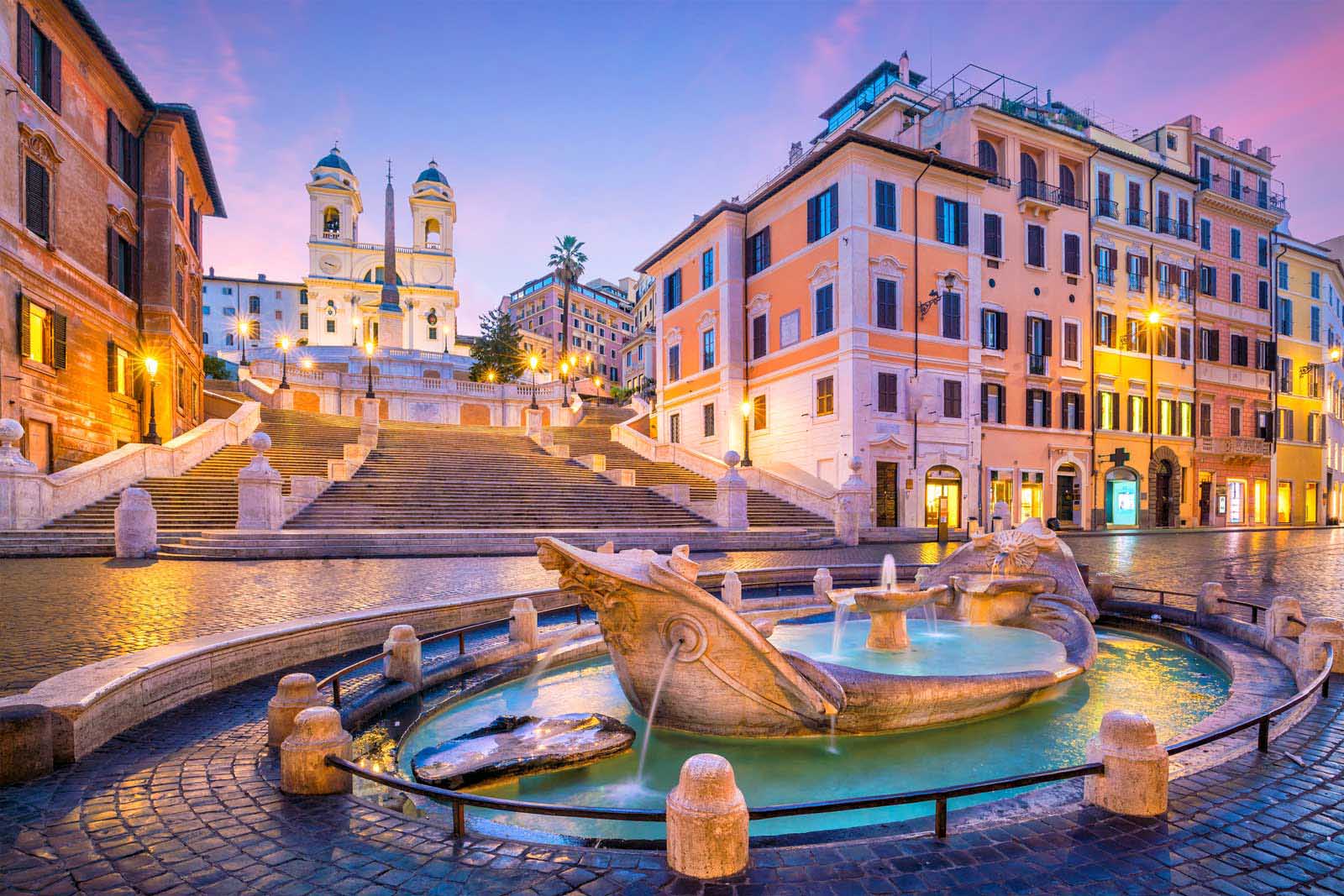
  • Where to Stay in Rome: Our Favourite Places And Neighbourhoods (2024)

    Where to Stay in Rome: Our Favourite Places And Neighbourhoods (2024)

    [ad_1]

    So you’ve finally bit the bullet and are planning that trip to Rome? That’s fantastic, and I’m sure you’ll love the city every bit as much as I did. And if you need help figuring out where to stay in Rome, you’re in the right place because I’ve got hotel recommendations in all the best neighborhoods! 

    From the best boutique hotels in Trastevere to the top luxury hotels in the Eternal City, this guide offers something to every type of traveler. I’ve got a place in mind whether you want to stay around the corner from the Trevi fountain or far from the noise and crowds of Rome’s historic center. 

    The Roman Forum in Rome Italy

    You should listen to me because I practically became an expert on Rome after visiting at least 6 times over the years. I learned how to avoid most tourist traps, see (almost) all the sights that interested me, how to find accommodations appropriate for my budget and travel preferences. Combine that with the amount of times Dave and Deb have visited and you will see why we know the best places to stay in Rome.

    Where To Stay In Rome

    Keep two things in mind when booking a hotel in Rome – the location of the accommodation in relation to public transport and the density of tourist crowds in the area. The city is massive and it’s not realistic to walk everywhere all the time, especially if you’re in town for a while. Buses are the slowest mode of public transport, but the main one for getting around Centro Storico. 

    Trams and metro are faster, with the latter being the quickest option for traveling from, say, the Colosseum to the Spanish Steps, but they don’t cover the city as extensively. As for the crowds, let’s just say that if you don’t like being in a sea of people, you will not enjoy exploring Rome’s historic center. Book a hotel farther from the tourist areas to experience a more quiet and peaceful vibe in this mega-popular metropolis. 

    Don’t Have Time To Read The Full Article? 

    Where We Stayed in Rome

    Dave and Seb stayed at Hotel Nazionale in Centro Storico for the first time and recommend it to other travelers who prefer a centrally located hotel. All the top sights are within walking distance, and you’ll enjoy spacious rooms with comfy beds. 

    I stayed at Morgagni House, and I recommend it to travelers on a tight budget who want to get the best value for money. If you don’t mind riding the metro, you’re only 15 minutes away from the heart of Rome. 

    Trastevere: Our Recommendation 

    Trastevere neighbourhood in Rome

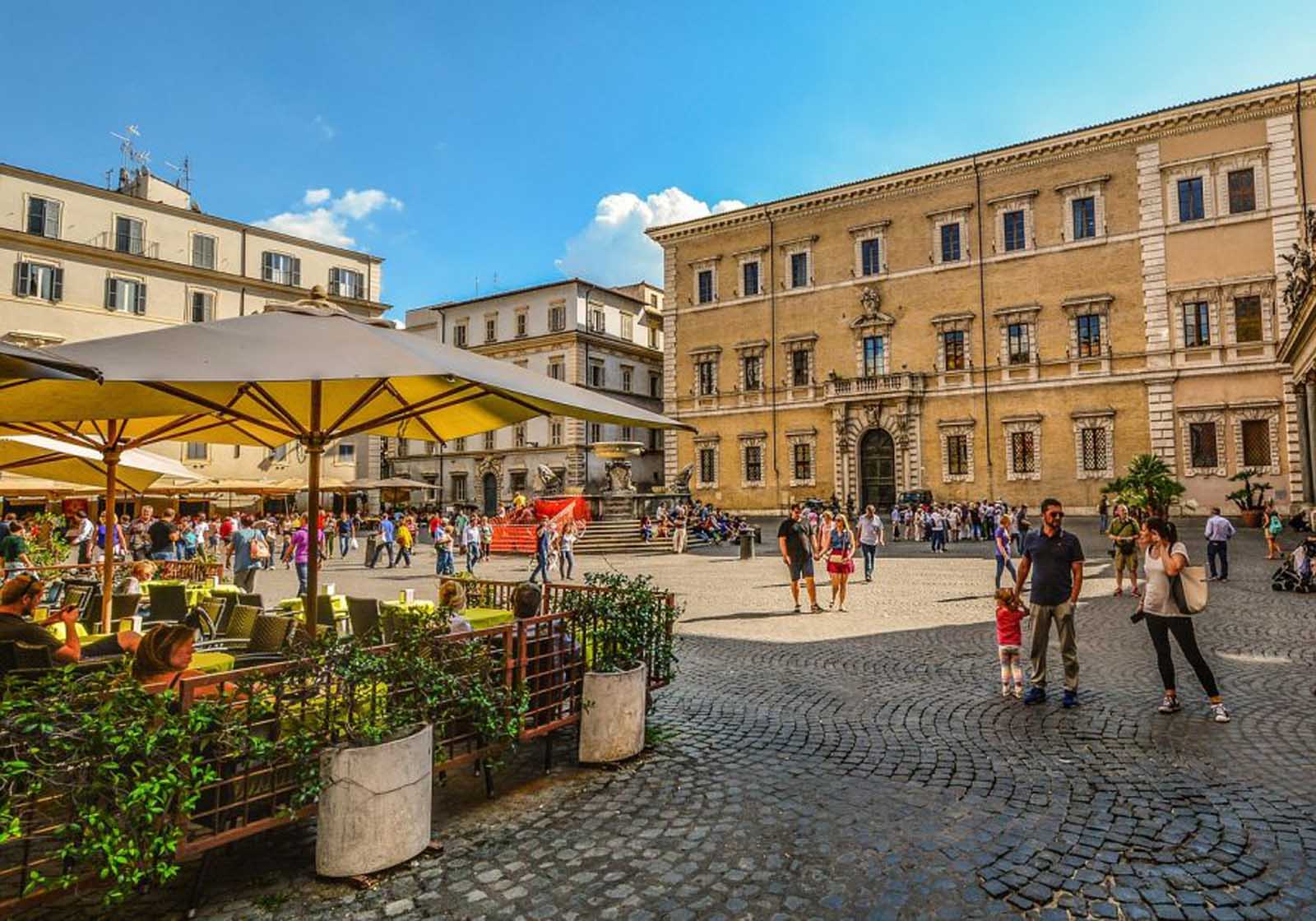
    Trastevere is a trendy neighborhood separated from Ancient Rome by the River Tiber. Anyone can stay here and enjoy it; most of the popular attractions in the historic center are within walking distance, but the crowds are nowhere near as bad as in Centro Storico. 

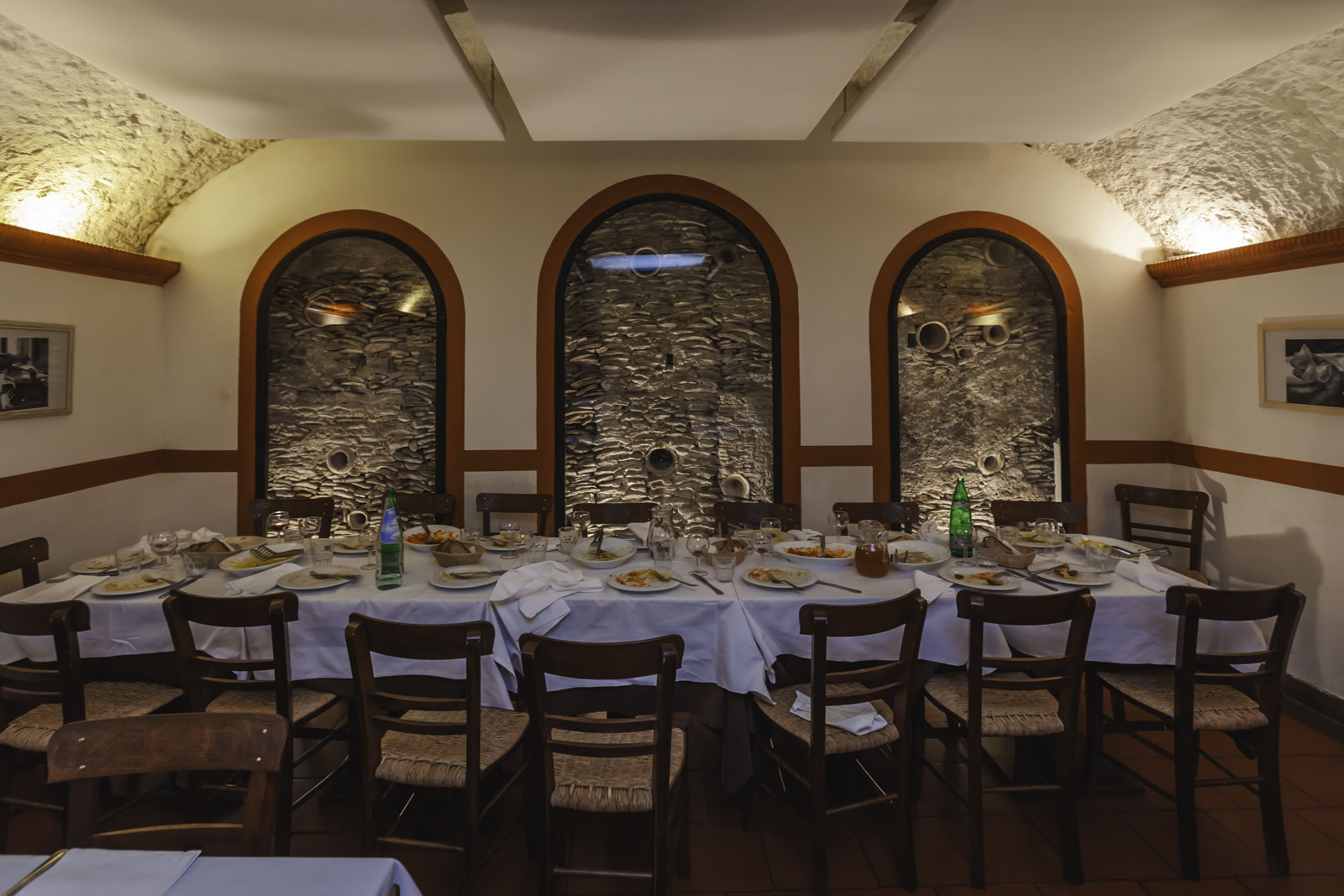
    Also, the hotels in Trastevere are cheaper than those on the right bank of the River Tiber, with plenty of options in every price range. The same can be said for restaurants and bars; from fancy rooftop lounges to cheap local bars, Trastevere is one of Rome’s best areas for nightlife and Italian cuisine. 

    The area is walkable and offers plenty of interesting sights every few steps. Go for a 15-minute walk from your hotel, and you’ll stumble upon a fantastic church but also a quaint cobblestone alley decorated with plants and statues. 

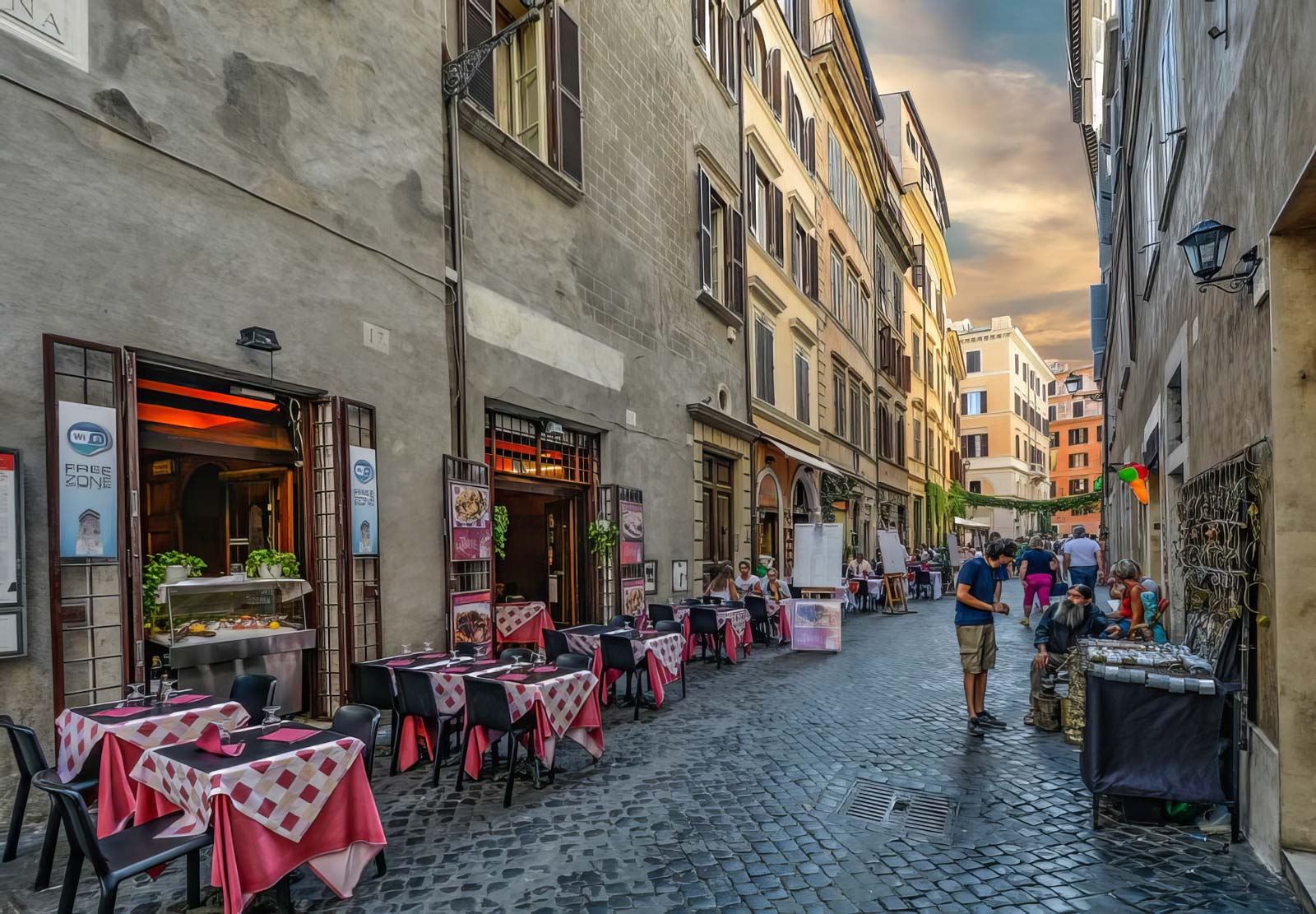
    restaurant in Trastevere Rome for dinner

    Pros and Cons of Staying in Trastevere

    Pros

    Fewer crowds than in the historic center 
    Cheaper hotels and restaurants 
    Good nightlife 

    Cons

    Not a super central neighborhood 
    No metro stations 
    Fewer historic landmarks 

    Highlights of Staying in Trastevere 

    Trastevere doesn’t offer as many famous landmarks as Rome’s historic center, but it does have several spectacular basilicas with exquisite interiors.  

    Janiculum Hill is home to a panoramic terrace that offers a fantastic view of Rome. It’s well worth the uphill climb, especially if you stop by the Botanical Garden of Rome on the way up. 
    The Basilica of Saint Cecilia is situated in the western part of Trastevere, near the river. You can enter the church for free, and you should absolutely do it because the painted ceiling is one of the best things I’ve seen in my life. 
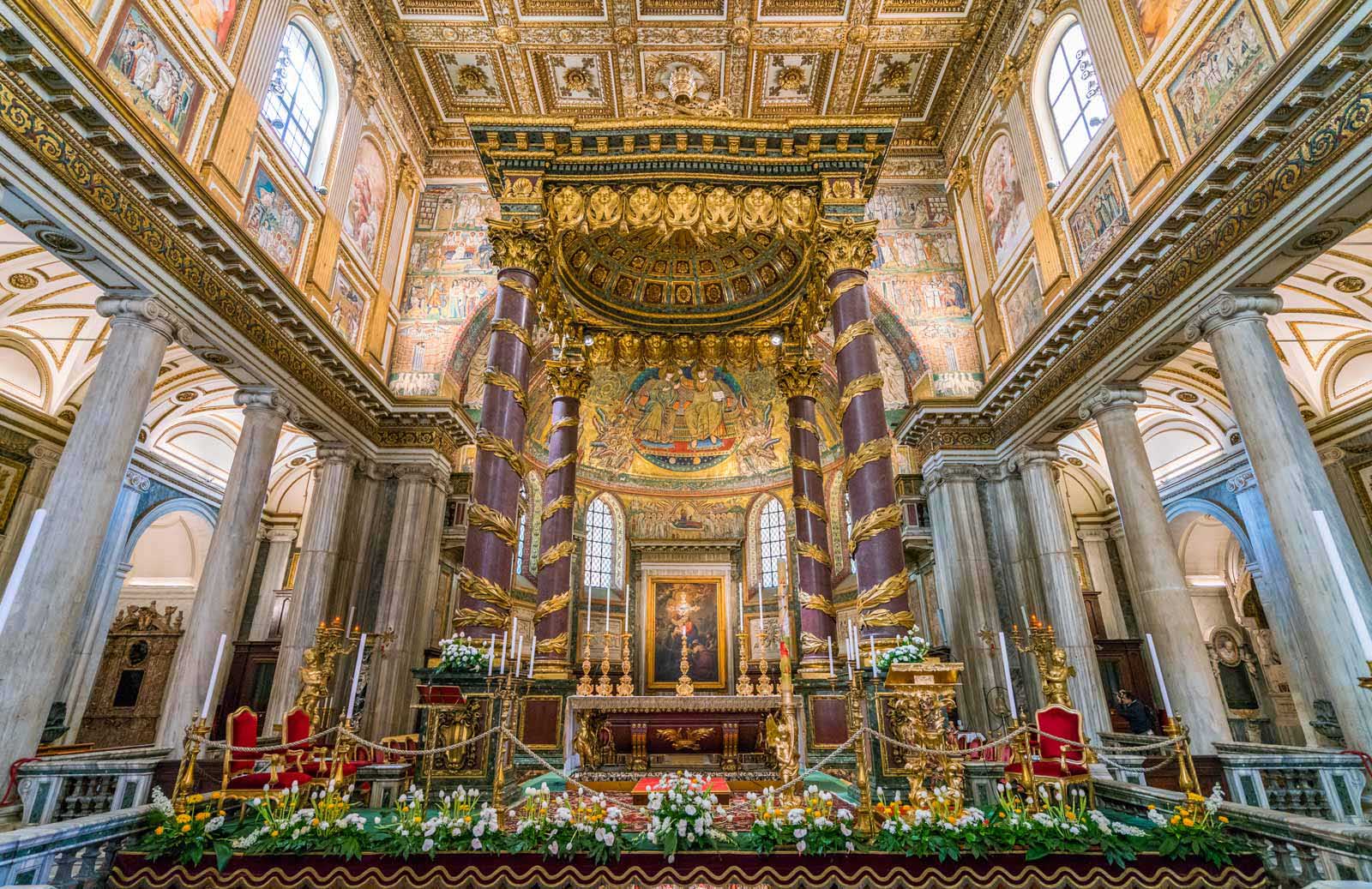
    Basilica of Santa Maria is a grand church on Piazza Santa Maria that is famous for its opulent gold interior. Featuring 22 Roman columns and mosaics that date back to the 12th century, this fantastic church leaves no visitor indifferent. 

    Best Places to Stay in Trastevere 

    where to stay in rome trastevere santa maria

    In Trastevere, it’s best to stay either in the north or in the southeast of the neighborhood – as long as you’re within walking distance of a bridge over the Tiber River, you’re good. Hotels in the north are closer to Prati and the Vatican, while those in the southeast are closer to the Colosseum and Roman Forum. 

    Villa Agrippina Gran Meliá

    Villa Agrippina Gran Meliá is Trastevere’s only five-star hotel and the best option in the neighborhood for luxury travelers. It’s a ten-minute walk from The Vatican and Castel Sant Angelo and just 15 minutes from Piazza Navona in historic Rome. 

    The hotel offers spacious rooms with modern ensuite bathrooms and decorations in the form of stunning Roman art. My favorite part of this charming hotel is the garden, which features an outdoor swimming pool. The pool might not be special on its own, but coupled with the fabulous views of Castel Sant Angelo and Vatican City, it’s easily the best thing about the hotel. 

    This excellent hotel boasts three restaurants and two bars, some of which observe seasonal working hours. Enjoy refreshing cocktails by the pool in the summer, but head into the library for some warm tea if you come to Rome in the winter. 

    Loly Boutique Hotel 

    Loly Boutique Hotel is a chic four-star hotel with a nice rooftop terrace bar. It offers beautiful modern rooms with ensuite bathrooms, TVs, and desks. Every room also has either a private patio or a balcony, which is a nice touch. 

    In terms of room amenities, all guests will have access to free WiFi, a kettle in the room, and a fridge. As far as other facilities go, Loly Boutique Hotel prides itself on offering a fantastic restaurant and bar on-site. 

    The only thing that I’m not entirely happy about is the hotel location. It is great for exploring Trastevere but slightly less convenient for getting to other areas of Rome as it’s not close to the metro. The boutique hotel is near tram and bus stops; the tram can quickly get you to within a block of Largo di Torre Argentina, which is a good starting point for exploration of the historic center. 

    Bloom Hotel Rome

    Bloom Hotel Rome is a three-star hotel with a surprisingly nice interior. If you’re planning to go to Rome in the off-season, this might just be the best hotel for you because the average nightly rate in the fall is around $120 for two travelers. 

    That’s a good deal considering that all the rooms are spacious and include a private bathroom, TV, and a desk. Also, it’s not just because the rooms are well-equipped; they’re all beautifully decorated with colorful wallpaper and sleek modern furniture. You can get a private bathroom and a TV in a cheaper 2-star hotel, but they’ll usually look like something out of a previous century. 

    The location of this budget hotel is great as it’s within walking distance of the Vatican and very close to public transport stations that can take you into the heart of Ancient Rome in 10-15 minutes. 

    Centro Storico: Best For Sightseeing 

    Trevi Fountain in Centro-Storico neighbourhood Rome

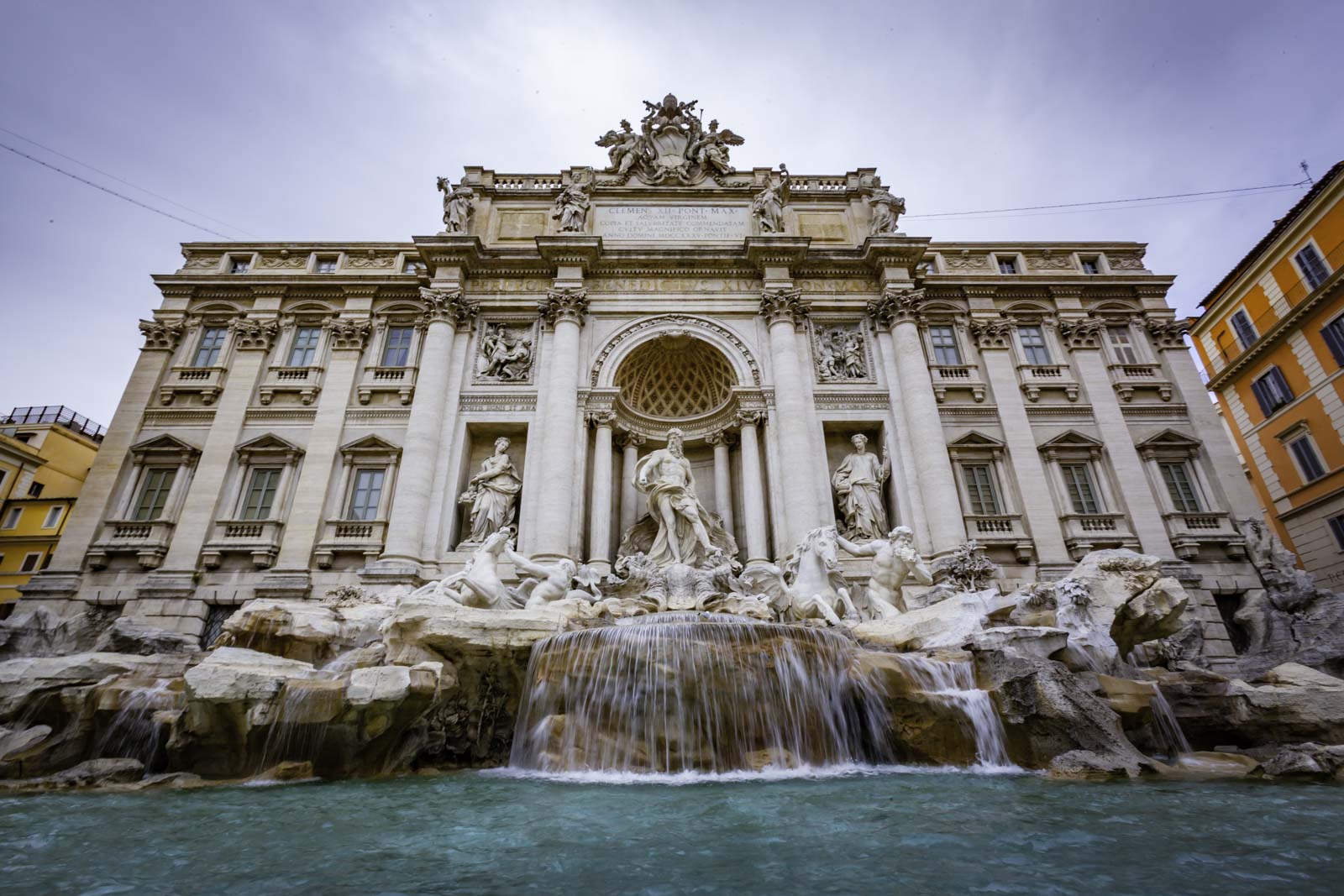
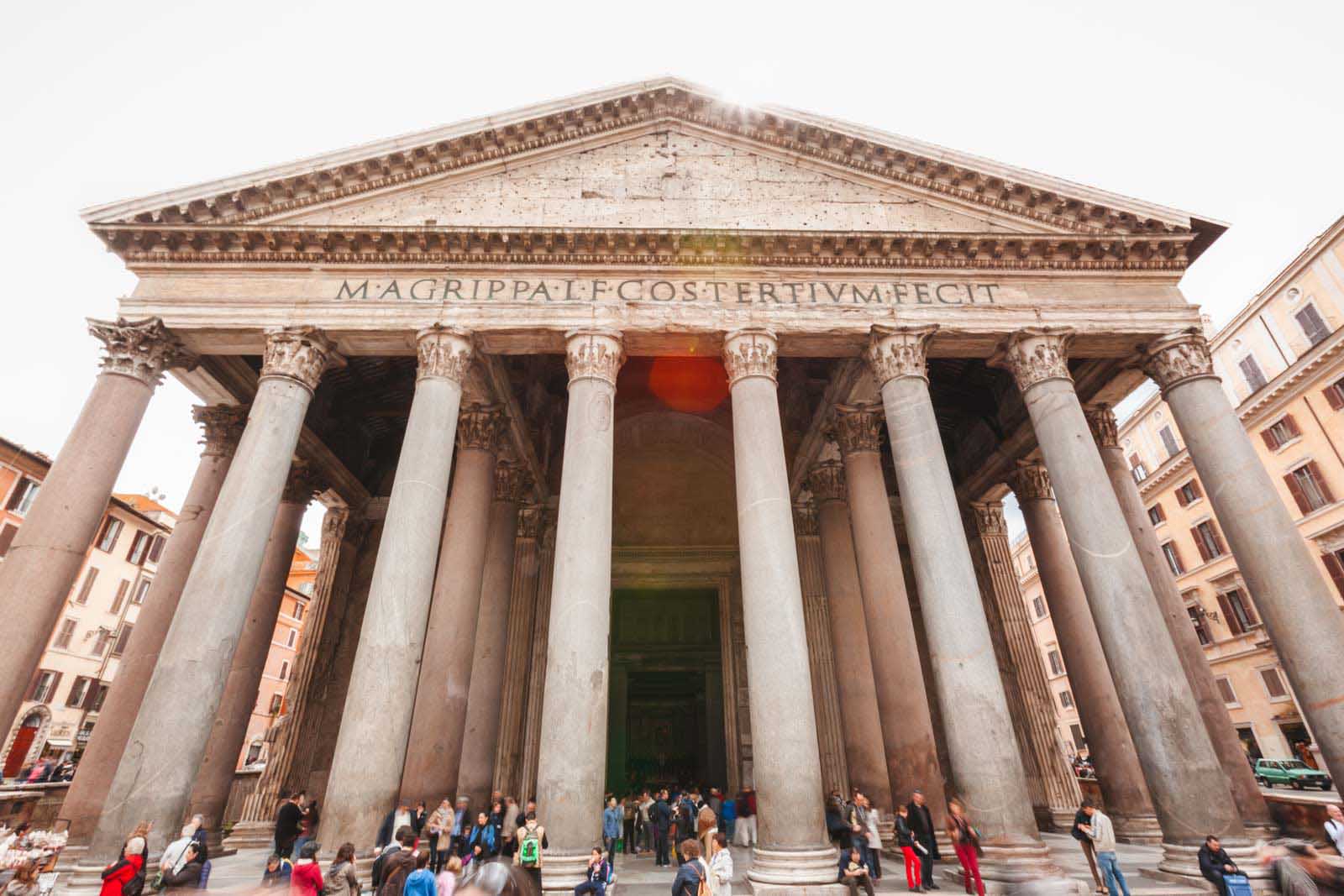
    Centro Storico is Rome’s historic center and the home of most of the sights anyone who comes to the Eternal City wants to see. It’s where you’ll find the Trevi Fountain, Piazza Navona, Campo de Fiori, the Pantheon, Piazza del Popolo, and almost everything else Rome is famous for around the world. 

    The historic center is where Dave and Deb stayed and is also home to some amazing fine-dining restaurants and shops, ranging from indie boutiques to popular chain stores. Unfortunately, it’s also the most crowded part of Rome, and that’s the main reason why someone wouldn’t want to book a hotel here. 

    Accommodation in Centro Storico sells out fast. Unless you’re planning the trip many months ahead, you might struggle to find a room in one of the area’s best hotels. 

    the Pantheon in Centro Storico Rome

    Pros and Cons of Staying in Centro Storico 

    Pros 

    Home to many of Rome’s major attractions
    Countless options for restaurants 
    Plenty of hotels to choose from 

    Cons

    Extremely crowded 
    Expensive hotels 
    Lots of tourist traps 

    Highlights of Staying in Centro Storico 

    Centro Storico is packed with historic sights and interesting things to do. The ones below are just some of the best, but they’re certainly not the only noteworthy sights! 

    Campo de’ Fiori is an open-air market on the namesake square. It’s a bit of a tourist trap, but the prices aren’t outrageous, and they’ve got some really interesting souvenirs. Just watch your belongings, as the market is often packed with people and it’s frequented by pickpockets. 
    Trevi Fountain is the highlight of any visit to Rome. Nicola Salvi’s rococo fountain draws tourists from all over the world and is jam-packed throughout the day. But it’s every bit as stunning in person as it is in photos.  
    The Spanish Steps on Piazza di Spagna are another iconic Rome sight that’s busy pretty much all the time. The place is worth visiting despite the crowds; many people hang out on the square, but I recommend you go all the way up for a fabulous view of Rome’s rooftops.  
    Piazza del Popolo is a sprawling city square known for the Flaminio Obelisk and tall city gates. The best way to experience it is to come by metro to Flaminio station, and as you exit you need to pass through the massive gate, over the square, and through Via del Corso into the city center. 

    Best Places To Stay In Centro Storico 

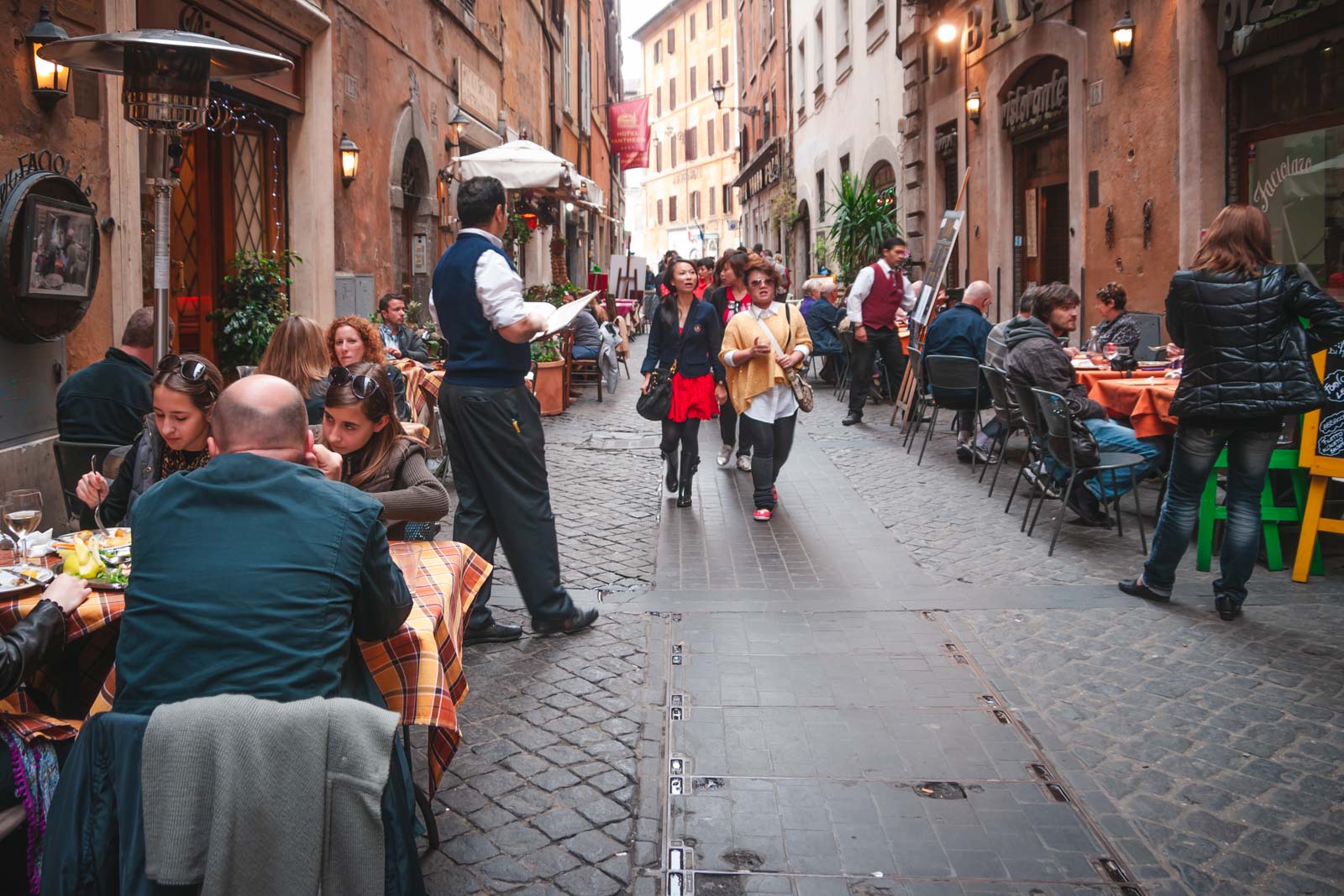
    Walking streets in Centro Storico in rome

    One good thing about Centro Storico is that, no matter where you stay, you will be within walking distance of an ancient Roman landmark. The heart of the Eternal City features countless interesting attractions, making it one of the best areas for tourists who want to stay in the part of Rome steeped in history. 

    Harry’s Bar Trevi Hotel & Restaurant

    If you’re going to stay at a five-star hotel in the heart of Rome, then it might as well be one just around the corner from the Trevi Fountain. Harry’s Bar Trevi Hotel & Restaurant is a luxury hotel in the same building as Vicus Caprarius, an archeological site that offers a peek into the water system underneath the Trevi Fountain. 

    The hotel offers large modern rooms with luxury furniture, an ensuite bathroom, a desk, and an extra seating area. All the rooms feature full-length mirrors, and the bathrooms are spacious and spotless. 

    The fantastic rooftop terrace has to be my favorite feature of this high-end hotel. Only a few hotels in Rome can boast that they offer a view of the Trevi Fountain from their rooftop, and this is one of them!  

    Hotel Nazionale 

    Deb and Dave stayed at Hotel Nazionale on their last trip to Rome, and they enjoyed it enough that they want to recommend it to other travelers. The four-star hotel offers spacious rooms with classic furnishings. Every guest room has a private bathroom, a desk, a flat-screen TV, and a small seating area. 

    The hotel location is amazing because it’s smack dab in the middle of Centro Storico, and you’ll always be close by if you’re just sightseeing. I must have walked past the hotel building at least twice a day, every day I was in Rome, which just goes to show how centrally situated it is. 

    Breakfast is included in the nightly rate, and it’s a fabulous buffet with many savory and sweet options. The hotel also has a bar, but it lacks a proper restaurant. The good news is that at least two dozen excellent restaurants serve delicious Italian cuisine just five minutes from the lobby. 

    Hotel Locanda

    Hotel Locanda is one of the best affordable accommodation options in the heart of Rome. Situated just a couple of minutes from Piazza del Popolo and Flaminio metro station. The nightly rate at this hotel varies quite a bit depending on the season, but the average is around $140.

    The rooms are a bit basic but offer everything you might need during your stay. Each guest room includes an ensuite bathroom, TV, desk, and an AC unit, and some even offer a private balcony. The hotel also offers triple and quadruple rooms, but these aren’t available with a balcony option. 

    Stay here if you want easy walking access to Rome’s best attractions for an affordable price. Just bear in mind that this is a busy and often noisy area of the city, so it’s not exactly a quiet hotel.

    Monti: Best For Nightlife & Ancient Ruins 

    best place to stay in rome near Monti

    Monti is a large neighborhood that partly belongs to Centro Storico but extends beyond the limits of Old Rome. It’s the part of the city where you’ll find the Colosseum, the Roman Forum, and several other iconic sights.  

    The great thing about Monti is that it’s far enough from central Rome that the crowds are significantly smaller but close enough that you can walk to most attractions. And if you don’t feel like walking, there’s public transport to take you virtually anywhere else in the city. 

    In addition to the countless ancient ruins, Monti is known for traditional trattorias, lively pubs, and boutique shops. It’s a good place to stay for almost anyone, whether you want to experience the nightlife in Rome or just focus on the historic landmarks. 

    Monti Neighbourhood in Rome

    Pros and Cons of Staying in Monti 

    Pros

    Home to some of Rome’s best sights
    Excellent nightlife and shopping
    Great food scene 

    Cons

    Hotels are pricey 
    Often crowded with tourists
    Lots of tourist traps 

    Highlights of Staying in Monti 

    Monti is home to several ancient landmarks that were once at the center of the Roman Empire. If you’re fascinated by Italy’s rich history, I don’t doubt this will be your favorite part of the city. 

    The Colosseum is every bit as amazing as you’re expecting and it’s well worth the hassle to get the tickets. You can buy the tickets only online, and they’re often sold weeks in advance, so try to purchase them as soon as you start planning your trip to Rome!
    The Roman Forum is included with the Colosseum ticket and it’s probably the best thing you’ll see in all of Rome. Get the pricier tickets so you can go inside all the different museums at the Roman Forum and discover fantastic artworks, interactive exhibits, and a plethora of other mesmerizing sights. 
    Altare della Patria is a grandiose monument with statues, terraced steps, a museum, and marvelous city views, built to honor Italy’s first king, Victor Emmanuel II. I’m struggling to convey just how extraordinary this landmark is, and you really need to stand before it to grasp its magnitude and importance.  
    Fori Imperiali is a series of smaller forums that once formed the center of the Roman Empire. They’re absolutely worth checking out, as you can walk around the area for free. But they can’t quite compare to the Roman Forum. 

    Best Places To Stay in Monti 

    The Colosseum in Monti area of Rome

    Wherever you stay in Monti, you’ll be close to public transport stations and just around the block from an ancient landmark or building. The area has great accommodation options in every price range, including some of Rome’s best boutique hotels. 

    The Fifteen Keys Hotel

    The Fifteen Keys Hotel is a fantastic four-star hotel just a 15-minute walk from the Colosseum. Set close to the Cavour metro station, it boasts an excellent location that offers easy access to popular attractions all over the city. 

    The guest rooms are extra spacious and equipped with comfortable double beds. Every room has an ensuite bathroom, desk, TV, and an electric kettle so you can make tea or coffee in the room. Deluxe rooms and suites also have a private balcony. 

    Breakfast is included in the nightly rate of every room, and that’s always a bonus. The Fifteen Keys Hotel also offers bicycle rental and yoga classes, but there’s no wellness center or gym on the premises. 

    Nerva Boutique Hotel 

    Consider this excellent boutique hotel for a unique stay in one of Rome’s best areas. Nerva Boutique Hotel offers just 20 rooms, and it is situated in a stunning historic area of Rome. 

    The hotel is just around the corner from Foro di Augusto and just a short walk from the Altar of the Fatherland and the Roman Forum. The Colosseum is also just down the road, so the location is perfect for an in-depth tour of Rome’s historic sights. 

    The rooms are modern and cozy, with colorful touches and spotless ensuite bathrooms. Every guest will have access to a TV and free WiFi in the room, but not everyone will get a desk. The hotel has a restaurant on the premises, with delicious local cuisine. 

    New Generation Hostel Rome Center

    New Generation Hostel Rome Center is a good option if you’re looking for a budget stay in the historic area. Guests can choose between double rooms with private bathrooms and classic dormitory accommodation in this hostel just 10 minutes from the Colosseum. 

    Cavour metro station is just a couple of minutes from the hotel, which provides easy access to other attractions in the Eternal City. The location is excellent, and there’s even a historic city tower in the building across the road from the hostel. 

    All guests staying here get free breakfast and WiFi, which is great value for money, considering that the nightly rate starts at around $55.The hostel also offers a garden, kitchen facilities, and a dining area where you can mingle with other guests. 

    Prati: Best For Access To Vatican City 

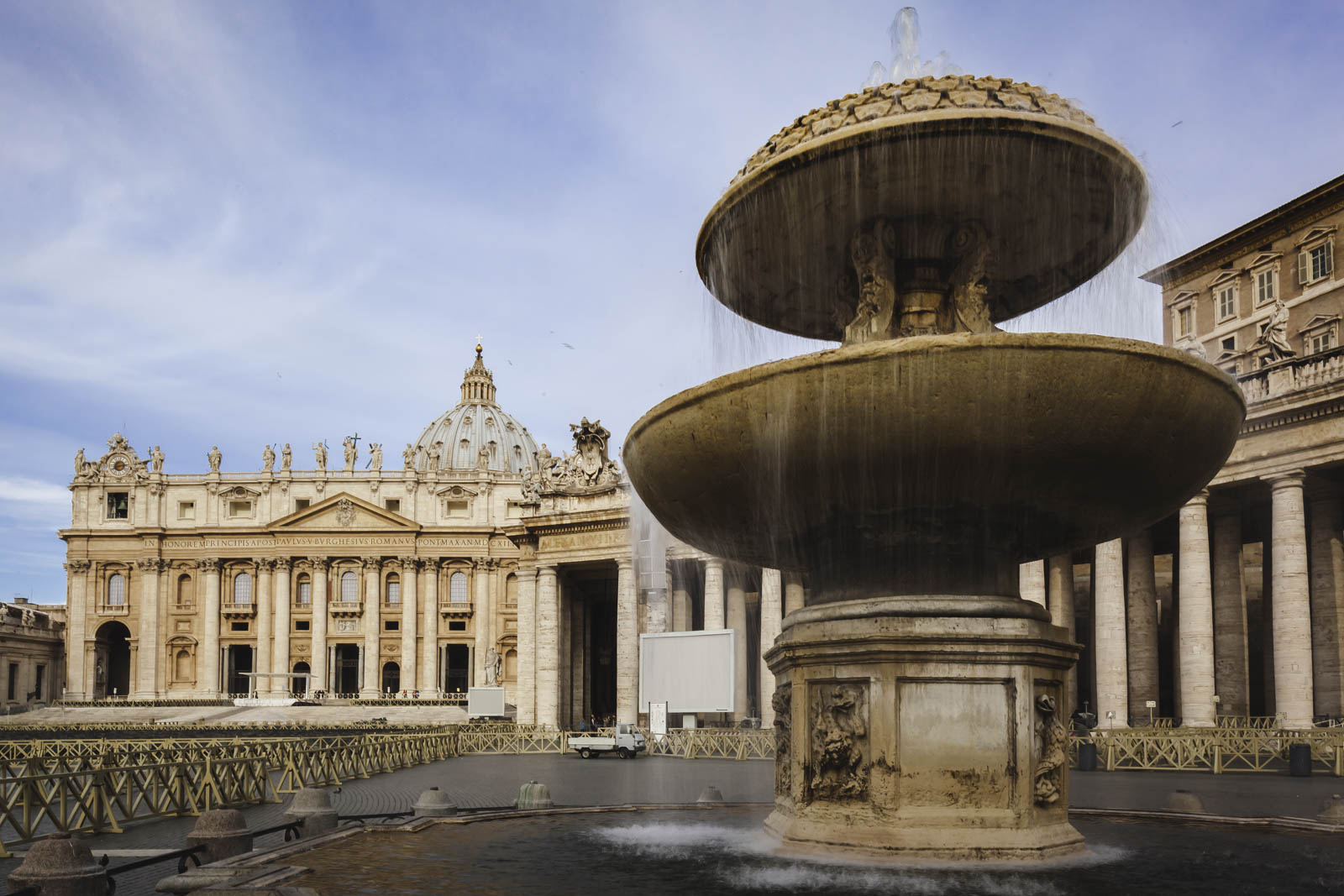
    Prati Neighbourhood vatican rome

    Prati is a neighborhood where I considered staying the last time I was in Rome, but ultimately decided on something else. It’s right next to Vatican City, so it’s ideal for all travelers who want to visit St. Peter’s Basilica and the Vatican Museums. 

    On the other hand, Prati also offers a metro connection to other areas of Rome and it’s within walking distance of Centro Storico. You can easily walk from Castel Sant Angelo to Piazza Navona, and enjoy some marvelous views along the way. 

    Additionally, Prati is known for some excellent (and affordable) eateries, particularly Pastasciutta. Just walk past this tiny restaurant, and you’ll spot a bunch of people either standing around or sitting on the sidewalk devouring their pasta. 

    St Peter's Bascilica Rome in the Prati area

    Pros and Cons of Staying in Prati 

    Pros

    Close to Vatican City 
    Walking distance to popular landmarks
    Great food scene

    Cons 

    The location is not super central 
    Limited nightlife options 
    Somewhat higher prices 

    Highlights of Staying in Prati 

    Prati is an affluent neighborhood and one of the safest areas in Rome. It’s not quite as packed with attractions as Centro Storico, but it is home to several important landmarks. 

    The Vatican Museums are as amazing (and crowded) as they’re rumored to be. Take a day to tour this magnificent building, see the Sistine Chapel, and marvel at the Vatican Gallery of Maps. 
    St. Peter’s Basilica is the second most iconic landmark you can easily access from Prati. While I didn’t get a chance to go inside the Basilica due to a massive queue, I did stand at the square in front of it and was taken aback by the size and grandeur of the entire place. 
    Castel Sant’Angelo is a wonderful historic landmark and probably the least crowded attraction I visited in Rome. We walked around the grounds and enjoyed the view of the circular castle. Go inside the building to see the Renaissance apartments and an amazing collection of statues.  

    Best Places To Stay In Prati 

    Staying on the Prati Neighbourhood of Rome

    Prati is a relatively small and walkable neighborhood with loads of hotels in every price range. Travelers on a tighter budget might struggle to find suitable accommodation, but mid-range and luxury travelers will be spoiled for choice in this affluent Rome area. 

    The First Musica

    The First Musica is an outstanding five-star hotel on the bank of the Tiber River. The location is fantastic because it’s just a short walk from Castel Sant Angelo on one side and the historic center on the other. 

    The luxury hotel offers spacious rooms with modern furnishings and floor-to-ceiling windows. The best rooms offer a view of the river, but the city views from rooms on the other side of the hotel aren’t too shabby either. Every room has a private bathroom, flat-screen TV, and a coffee machine with an excellent choice of coffee capsules. 

    Other hotel facilities include a bar and two restaurants, as well as select wellness services. Guests can book massages and beauty treatments for an extra cost, but there’s no proper spa center or fitness center on the hotel premises. 

    Apollo Boutique Hotel

    Consider Apollo Boutique Hotel even if you’re not specifically interested in the Prati area but are just looking for the best hotels in the city. It’s down the road from the Lepanto metro station and just a short walk from Piazza del Popolo, so the location is superb. 

    This hotel offers large rooms with comfortable beds and modern furnishings. Colorful accents are included in the decor of every room, giving them that little extra charm. 

    Every guest room features an ensuite bathroom, seating area, TV, and a desk. The hotel also offers free WiFi and breakfast, plus it has a garden that all guests are welcome to frequent. And it even has a bar on-site. 

    Eccelso Hotel

    Eccelso Hotel is an affordable option close to the entrance into Vatican City, so it is great for travelers who want to focus more on this part of Rome. The Ottaviano metro station is just a few minutes from the hotel, allowing you to reach the Spanish Steps in 10-15 minutes. 

    The rooms are surprisingly nice and spacious, considering that the nightly rate starts at roughly $90. Every guest room includes a private bathroom with free toiletries, a desk, a kettle, and a flat-screen TV. 

    Most rooms also have an additional seating area and sizeable closet space. The hotel offers a breakfast service that includes coffee and some pastries, but it’s worth noting that there’s no restaurant or coffee house on-site. 

    Nomentano: Best For Budget Travelers 

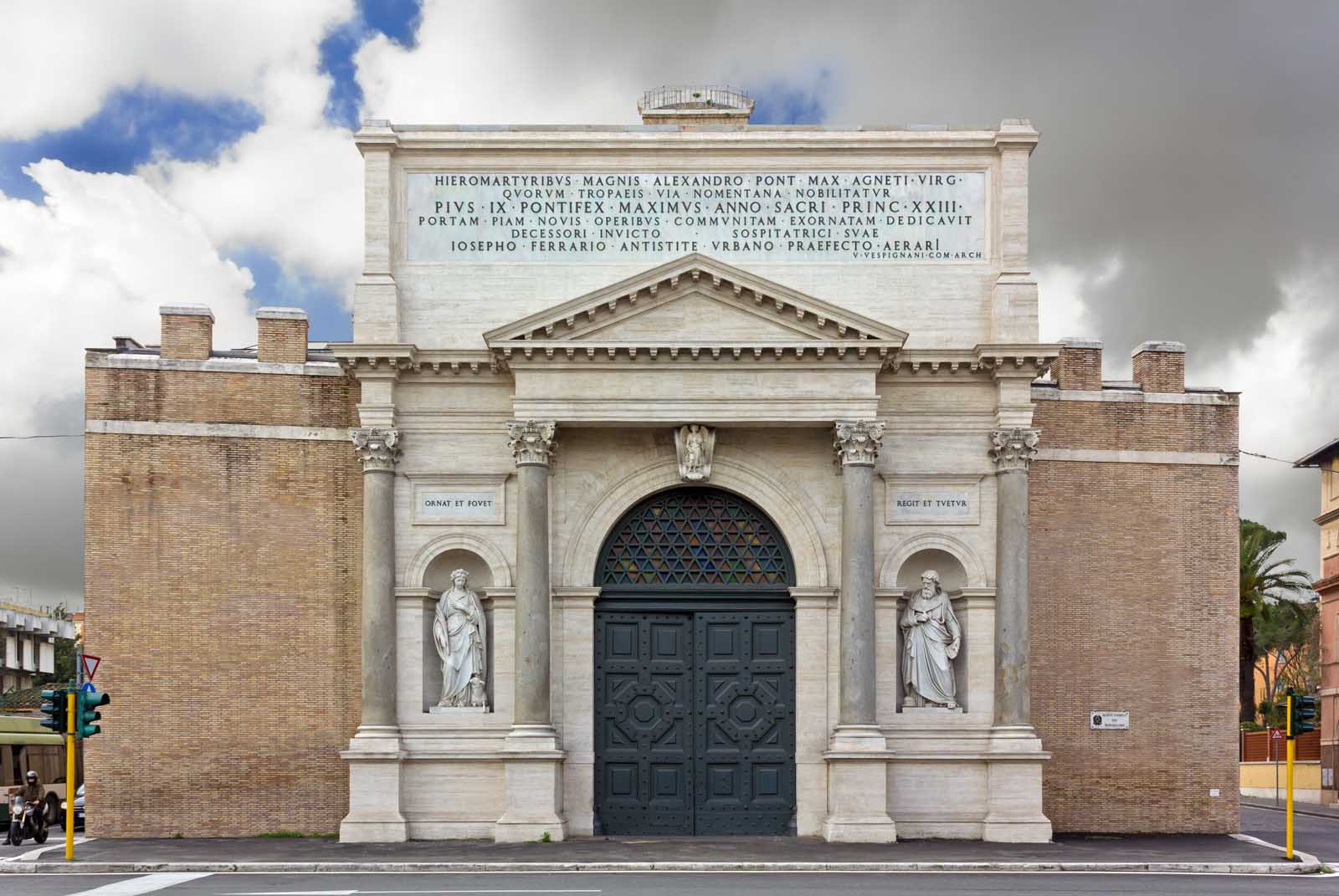
    Porta Pia in the Nomentano Neighbourhood

    Nomentano is a neighborhood northeast of the historic center, and it’s one of the best areas of Rome for budget travelers. Most hotels here are a 40-45 minute walk from the heart of the city, and they’re generally significantly cheaper than accommodation options with a more central location. 

    Is it the most exciting part of Rome you could stay in? No. But is it quiet, local, and cheaper than other areas? Absolutely, and that’s why I’m recommending it to budget travelers. Also, the neighborhood is connected with the metro to the city center, and it takes only 10 minutes to get to the Spanish Steps in the heart of Rome.

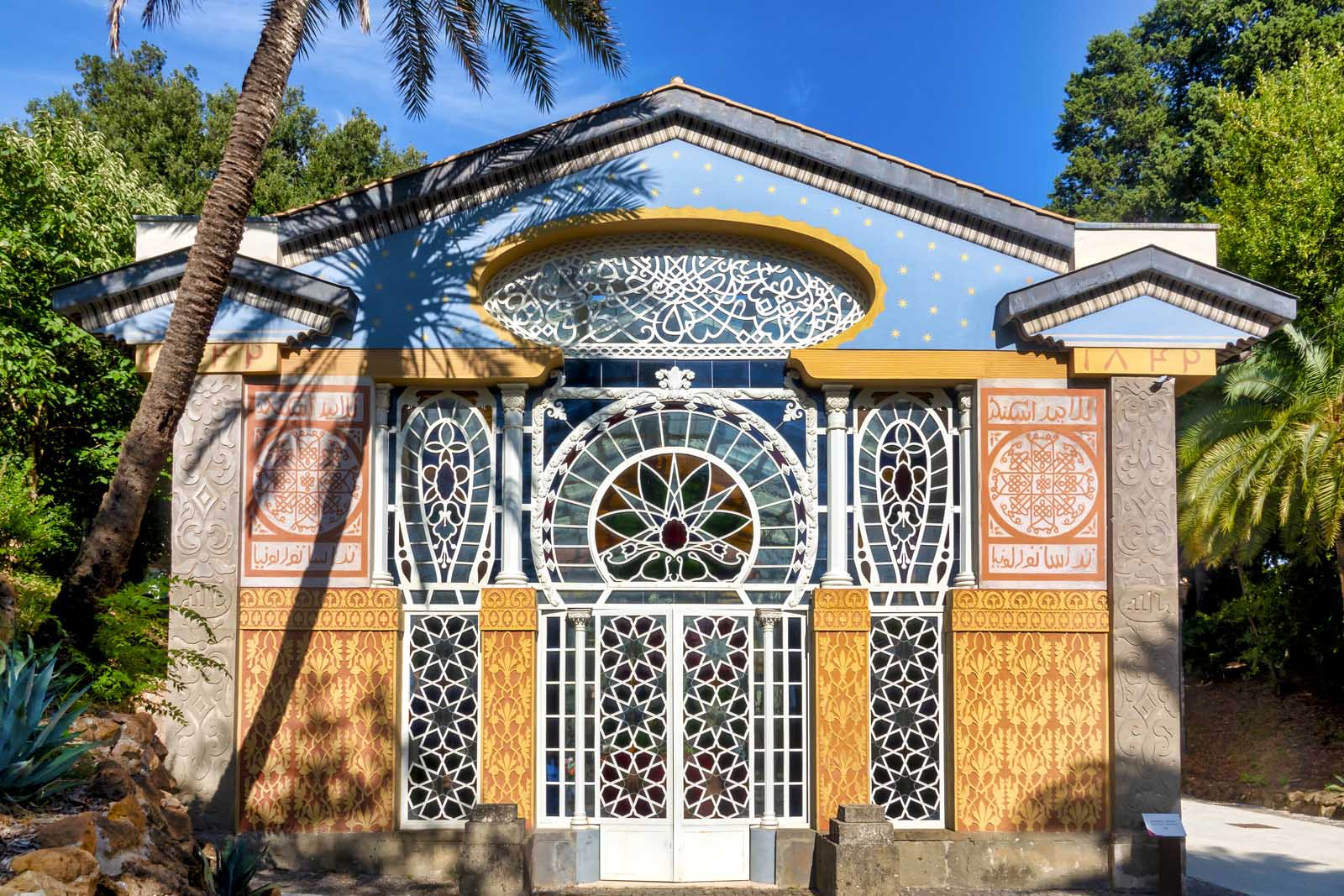
    Villa Torlonia in Nomentano Neighbourhood Rome

    Pros And Cons of Nomentano

    Pros

    Public transport connection to the city center
    Cheap restaurants and hotels
    Fewer tourists in the area 

    Cons

    Not centrally located 
    Fewer landmarks and attractions 
    The area around the hospital can be noisy

    Highlights of Staying in Nomentano

    Nomentano has fewer landmarks and historic attractions than Centro Storico and Monti, but that’s not to say that it’s entirely devoid of interesting sights. You’ll notice just a few minutes after arriving in this magical city that historic landmarks are to be found everywhere in Rome.

    Villa Torlonia is Nomentano’s largest green space. The sprawling public park features fountains, statues, museums, and the gorgeous Casina delle Civette, a building that resembles something out of a fairytale. 
    Piazza Bologna is the central square in this neighborhood. It’s best known for the Palazzo delle Poste building, which serves as Rome’s best example of rationalist architecture. The square is lined with cafes and restaurants, and it’s the most vibrant area of this district.  
    Head into central Rome on foot from Nomentano, and you’ll have to pass through Porta Pia. The towering city gate boasts a neoclassical facade designed by Michelangelo in the 16th century.

    Best Places To Stay In Nomentano 

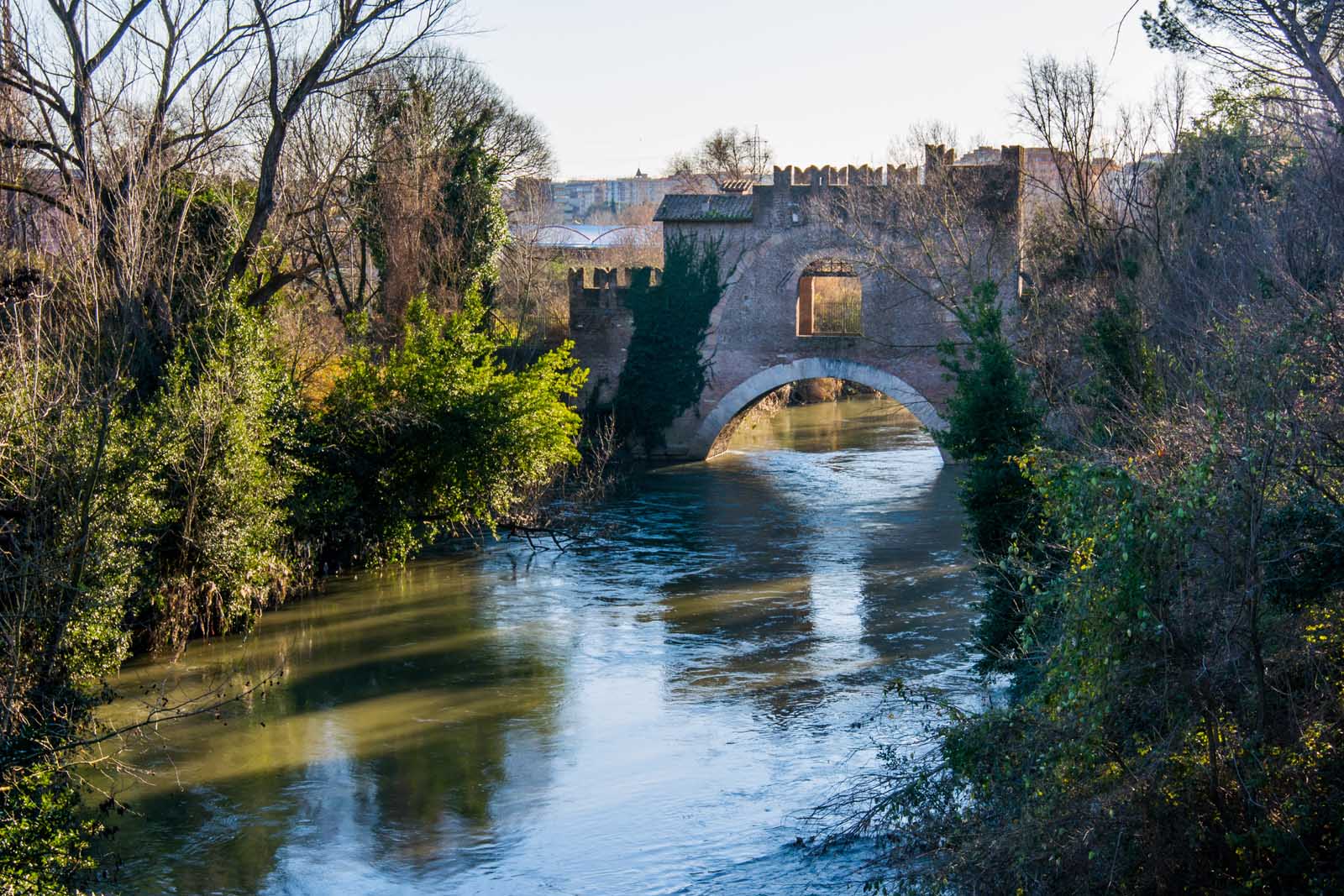
    Ponte Nomentano area in Rome

    Because Nomentano is so far away from the historic center, it’s important to look for a hotel close to a metro station. Ours was right in front of it, and it rarely took more than 10 minutes to be on the train and on our way 

    Hotel La Ville Rome

    Nomentano is lacking in five-star hotels because it’s a residential neighborhood, so I’m suggesting this fabulous four-star hotel as the best high-end option. Situated just a short walk from Villa Torlonia and Bologna Square, the hotel offers easy walking access to the top sights in the area. 

    It’s also near the metro, so you can easily travel into the city center. It offers medium-sized rooms with modern furniture. The beds are wide and cozy, while the private bathrooms feature a nice (and spotless) marble interior. Every room includes a TV, desk, a small seating area, and some nice colorful accents. 

    Breakfast is included in the nightly rate for all guests, which is usually around $250. There’s also a restaurant in the hotel, as well as a bunch of local eateries just 5-10 minutes from the building. 

    Mercure Roma Piazza Bologna

    Mercure Roma Piazza Bologna is a three-star hotel situated on the neighborhood’s main square. The location is fantastic because you’re just a couple of minutes from the metro station. At the same time, dozens of vibrant cafes, bars, and restaurants are available in the immediate vicinity of the hotel, and they’re usually much cheaper than those in the historic center. 

    The guest rooms feature double or twin beds, ensuite bathrooms, and flat-screen TVs. Everyone staying at the Mercure Hotel gets access to free WiFi and a coffee/tea maker in the room. 

    The hotel offers a bar and a fitness center but no restaurant. However, I don’t think that’s necessarily a downside since there are so many places to eat in the surroundings that most people wouldn’t want to eat at the hotel restaurant anyway. 

    Morgagni House  

    Morgagni House is a guesthouse with private rooms I stayed in on my last trip to Rome. I went with a friend, and we paid a total of $345 for five nights, which came out to roughly $35 per night per person. That’s for a private room with an ensuite bathroom and free breakfast. It is a bit more expensive in the high season, but still a great deal considering what you get for the money. 

    The guesthouse has just five or six rooms, and we very rarely encountered other guests during our stay. The breakfast bar is in front of the bedrooms and features a coffee/tea machine, microwave, cereal, and other snacks. We were given croissants every morning (sometimes fresh, sometimes pre-packaged), butter, jam, and Nutella for our breakfast. It wasn’t the best breakfast I’ve ever had at the hotel, but it did keep us afloat for a couple of hours until it was time for lunch.

    The room was nice; it was nothing special, but it had a desk, minifridge, TV, and a table with two chairs where we ate breakfast every morning. The bathroom was quite spacious, and the entire room was generally clean, apart from some dust from the way behind the radiators. 

    I really liked the location of this guesthouse; it was just a couple of minutes from the Policlinico metro station, which allowed us to travel into the heart of Rome in just 10-15 minutes. Bus and tram stops were also available within minutes of the building. 

    Aventino-Testaccio: Best For Returning Visitors

    I’ve realized that Aventino-Testaccio is possibly the best place to stay in Rome if it’s your second or third time in the city. The area stretches from Circus Maximus to the Roma Ostiense station, encompassing historic landmarks, bustling markets, and affordable local eateries. 

    Stay here, and you’ll be within walking distance of fantastic sights, some of which I came to see all the way from Nomentano. Trastevere will be just across the river, while the Piramide metro station offers easy access to northern Rome. Switch trains at Termini, and you can be at the heart of Centro Storico in no time. 

    Aventino-Testaccio is conveniently located, but at the same time, it’s far from the busiest parts of the city, so you don’t have to deal with the crowds of historic Rome. And hotels here are generally more affordable, so you can save quite a bit of money. 

    Giardino degli Aranci in Testaccio Neighbourhood in Rome

    Pros and Cons of Staying in Aventino-Testaccio 

    Pros

    Affordable hotels
    Home to unique landmarks and sights 
    Great local restaurants and cafes

    Cons

    Quite far from Centro Storico 
    Not as many luxury hotels
    Fewer locals speak English

    Highlights of Staying in Aventino-Testaccio 

    We’re still in Rome, so expect a bunch of ancient landmarks and historic ruins, even in a suburban area like this one. Some of the best places I visited during my entire stay in the Italian capital were in Aventino-Testaccio, so I don’t doubt you’ll enjoy yourself if you stay here. 

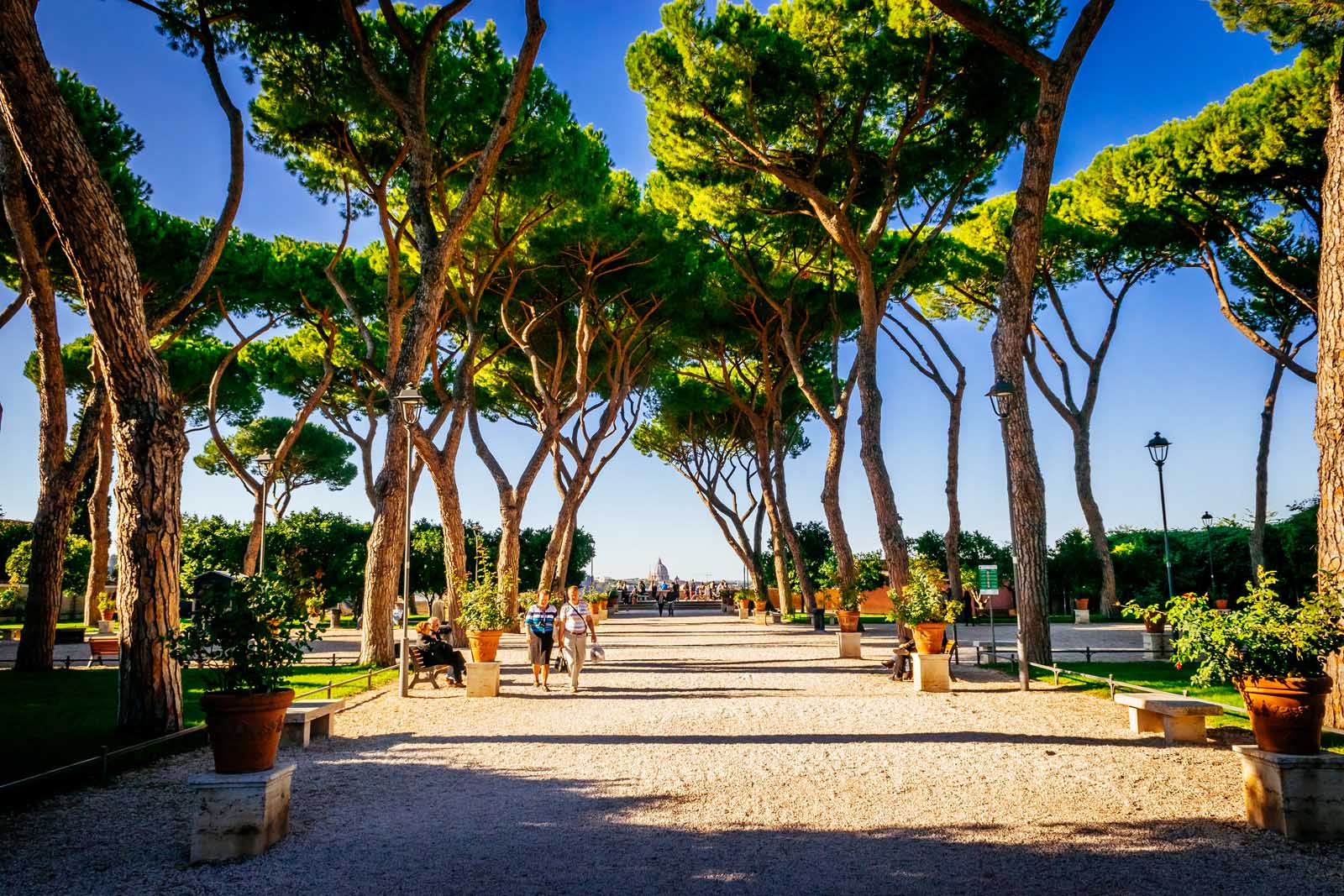
    Giardino degli Aranci was one of the best places I visited in Rome. It’s a bit of an uphill walk to this fantastic garden, but it’s all worth it for the fantastic view of the city’s rooftops. There are usually locals playing live music here, and the vibe is very relaxed and fun. 
    Testaccio is well known for its food scene, and the Testaccio market embodies this best. Boasting more than a hundred different food stalls, this is the place to come in Rome for cheap snacks on the go. And you’ll get better prices than at Campo de’ Fiori. 
    Baths of Caracalla is one of the places I didn’t get to see because I got very sick on my third day in Rome. Prioritize it so you don’t miss out; the archeological site boasts ruins of thermal baths, and it is glorious. The best thing about it, though, is that the crowds are nowhere near as bad as in Centro Storico. 
    Circus Maximus is essentially just a vast field. It is a bit of an underwhelming sight, but I still think the history makes it a magical place. Stand there and imagine how, thousands of years ago, chariot races took place at the exact spot where you are! 

    Best Places To Stay in Aventino-Testaccio

    Baths of Caracalla Aventino-Testaccio area in Rome

    Aventino-Testaccio is a walkable area with lots of interesting sights, but it’s best to base yourself in the eastern part of the neighborhood, close to the metro line. That way, you can still reach all the landmarks here on foot and be a 15-minute metro ride from the heart of Rome. 

    Hotel The Corner Roma

    There are no five-star hotels in Aventino-Testaccio, so a fabulous four-star hotel is the best option for a luxury stay. The spacious guest rooms boast soundproof walls and elegant furniture, while the large and comfy double beds promise a good night’s sleep. 

    The hotel is just a five-minute walk from the Circo Massimo metro station. And if that’s too far, both the tram and bus stop right in front of the hotel building. The location is excellent for sightseeing in Testaccio, but also for easy access to the more tourist areas of Rome. 

    All the guest rooms have TVs, desks, and coffee makers. There’s a private bathroom in every room, although I must note that it’s not always separated from the rest of the room with a wall. But there are ways to ensure total privacy in the bathroom, which is what matters. 

    San Anselmo

    The four-star San Anselmo hotel is an excellent option if you’re looking for a unique stay in Rome. It’s in a villa, in a lush and more suburban part of this neighborhood, where you can enjoy the peace and quiet that are almost unimaginable in the historic center. 

    What’s most interesting about this hotel is that it is set in a 19th-century villa with a private garden. The villa boasts guest rooms with elegant and classic furnishings. A private bathroom is available in every room, as well as a TV and a minibar. 

    Breakfast is included in the nightly rate, which is around $180 in the off-season. Also, there’s a lovely terrace in the garden where guests can hang out and enjoy breakfast when the weather is nice. 

    Circus Maximus B&B

    Circus Maximus B&B is an affordable bed and breakfast with a fantastic location in Aventino-Testaccio. It’s just a few minutes away from the metro station, and in total a 15-minute walk from the Colosseum, so you can easily explore the best sights in this part of Rome on foot. 

    The average nightly rate is around $150, which includes breakfast consisting of sweet, pre-packed foods like croissants and spreads. Every guest room has a private bathroom, flat-screen TV, and a desk area. Guests also use the free WiFi, and the B&B even offers luggage storage and daily housekeeping. 

    The building has a lift, which is convenient if you’re coming to Rome with lots of luggage. At least five different places to eat are located immediately next to the B&B, with dozens of more options if you’re willing to walk just 10 minutes from the building.

    Where To Stay In Rome FAQ’s

    Which part of Rome is best to stay in? 

    Trastevere is overall the best part of Rome to stay in, offering good value for money and easy access to the city center. Testaccio is also worth considering, especially if you’re returning to Rome. 

    What is the best area for first-timers in Rome? 

    Trastevere is our top pick for first-timers in Rome. Centro Storico and Monti are also good if you don’t mind the crowds. 

    Where to avoid staying in Rome?

    Avoid staying in the area surrounding Roma Termini station. It is the seediest part of the city known for criminal activity.  

    What is the safest district to stay in Rome?

    Prati is generally the safest district to stay in Rome. Testaccio is also pretty safe as it is mostly residential and suburban. 

    Where Not To Stay In Rome

    I don’t recommend staying in the area near Rome Termini. It might seem like a good place to stay because it’s got great public transport connections and a plethora of cheap hotels, but it’s the shadiest part of the city. We saw quite a few homeless people sleeping on the street near the station, and people I’d be afraid to encounter if I were walking alone at night. 

    Am I being judgemental when I say that? Perhaps, but we were two young women in a foreign country and had to take all the necessary precautions to ensure our safety. Not staying near Roma Termini was one of those, and I wouldn’t have it any other way. 

    Plan Your Trip To Rome With Our Recommendations

    [ad_2]

    Source link
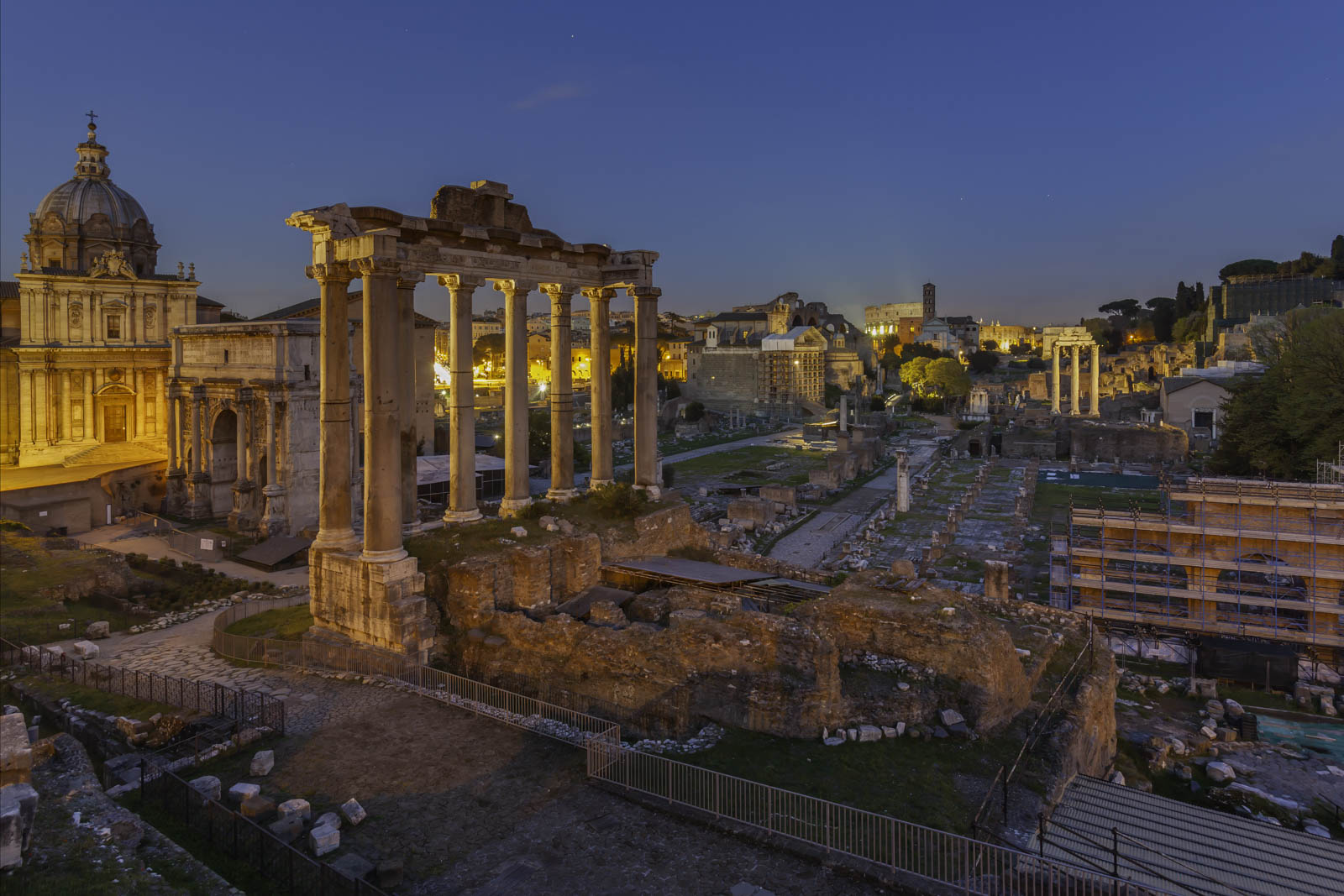
  • Is Belize Safe To Visit In 2024? Your Guide To Belize Travel Safety

    Is Belize Safe To Visit In 2024? Your Guide To Belize Travel Safety

    [ad_1]

    Belize is gorgeous. We should know; we just returned from a two-week trip. The mainland is covered in a dense, tropical jungle, while offshore, it has the Belize Barrier Reef—an acclaimed spot to scuba dive and snorkel. As if that wasn’t enough, you’ve also got the history of Mayan ruins to experience at sites like Altun Ha. Basically, we totally understand why you want to visit. Belize is in a league of its own.

    Unfortunately, you will need to take some extra safety precautions, though. Staying safe in Belize requires you to go beyond the usual “check general travel advice and book basic travel insurance.” The country has quite a few instances of crime, gang violence, and drugs, which can leak into tourist areas.

    In this guide, we’ll prepare you for staying safe in Belize. We just returned from a visit to Cay Caulker, Ambergris Cay, and San Ignacio and felt really safe. If you take the right precautions you can enjoy this country worry-free like we did. So, don’t rule out scuba diving and sightseeing Mayan ruins just yet; here’s what you need to know.

    Is Belize Safe? A Quick Summary

    We know that not everybody has the luxury of time. If you’re in a rush, check out these main bullet points for a quick overview of safety in Belize.

     Belize experiences a notably high crime rate for violent crime, including homicide, sexual assault, and armed robbery.
     Belize has a lot of gang violence, which occasionally results in shootings in public places.
    The border areas, Caracol, and Belize City (particularly the inner-city region of Southside Belize City) all experience a high crime density.
    Belize has a lot of natural disasters like hurricanes, so visitors should take caution when traveling during hurricane season.
    Road standards in Belize are considered poor by international standards.
    There have been incidents with water activities resulting from poor safety procedures and measures.

    Travel Advisories: Officially Speaking, Is Belize Safe?

    Belize Travel Safety Travel advisories

    Officially speaking, Belize is possible to visit and not barred as a “red list country” or “do not travel” area by the USA , Canada or the UK. Instead, it’s widely advised to take increased caution if you visit Belize.

    The US Travel Advisories for Belize suggest that you exercise increased caution throughout the country, escalating its concerns specifically for Belize City. It advises that you “reconsider travel”, marking the city as a Level 3 zone despite the rest of Belize securing a milder Level 2 warning.

    The US advisory acknowledges that gang violence in Belize City tends to occur below the Haulover Creek River and rarely crosses into tourist areas. However, as a whole, it advises that risks are high, especially given the historical crime in the city.

    The advisory emphasizes that violent crimes like sexual assault and armed robbery can – and do – occur in daylight, even in public areas. It’s wise to take extreme safety precautions when traveling throughout Belize.

    The Canada Travel Advisories for Belize are quite similar to the US advisories. Belize in general has an Exercise a high degree of caution warning due to high levels of violent crime throughout the country. There is also a warning to Avoid non-essential travel to Southside Belize City, south of the Haulover Creek River, due to gang and drug-related violence, including murders and shootings.

    Tourists should not even venture to this part of Belize city. Gang warfare is really prevalent here, and it is easy to be caught in the crossfire.

    The UK travel advisories for Belize echo an almost identical sentiment. They advise that Belize has “one of the highest murder rates in the world” and hint at inadequate policing, saying that “police capacity is limited and many crimes remain unsolved.” Like the US and Canada advisory, they particularly emphasize the dangerous nature of travel around Belize City, especially the Southside.

    The UK advisory also warns of muggings across Belize, including San Pedro, Caye Caulker, Placencia, and San Ignacio. It highlights the increasing risk of sexual assault and rape, too, warning against solo travel and venturing down quiet streets.

    Violent Crime in Belize

    As you now know, Belize has a pretty nasty mix of crime scattered throughout the country, particularly in Belize City, which is prone to gang-related violence. It has an overall crime index of 53.15, notably higher than the US at 49.34 and the UK at 47.61. Most concerning is the fact that this crime rating has increased over the past three years. Crime in Belize is common, and unfortunately, it seems like it’s going to stay.

    The most common crimes in Belize are:

    Dealing of drugs
    Theft from property, which includes hotels and tourist accommodation
    Sexual assault
    Murder and grievous bodily harm
    Verbal or physical abuse
    Muggings and armed robbery

    Moreover, there are concerns over policing, too:

    Corruption and bribery
    Lack of inefficiency of police response

    We’ll discuss police effectiveness in a second, but many crimes go unsolved. Corruption may be involved in your police interactions, although you can still call 911 for assistance from local authorities in an emergency.

    Belize City experiences a disproportionate amount of gang-related violence and crime, so visitors should exercise a high degree of caution. While gang members typically operate out of tourist areas, affected areas are close enough to the city center that unsuspecting tourists may wander into trouble, or conflict may spill over.

    The rest of Belize still requires you to exercise caution, with high levels of robbery and opportunistic crime, some of which are violent.

    Police in Belize

    Onto the police in Belize, as promised. Well, you already know that the general consensus with the Belizean police is that they’re often underfunded and lack the capacity to actually punish or react to many criminal cases.

    Local authorities and outlets are overrun. Your best method of protection from petty crime is excellent travel insurance.

    On a slightly different note, you should make sure that you are sticking to the right side of local laws, like holding an IDP if you rent a car and avoiding any illegal drugs.

    Natural Disasters in Belize

    Natural Disaster Safety in Belize

    Belize has a bad rep when it comes to natural disaster risk. The country has a coastline that opens onto the Caribbean Sea, so you should exercise caution during hurricane season, between June and November, particularly from August to October.

    These months are fraught with hurricanes and severe storms. As a knock-on effect, Belize often experiences flooding and sea level rises. There is the threat of tsunamis, but there has never been one in recent history, just some warnings a few years back.

    We recommend trying not to travel during these months or at least subscribe to weather warning alerts. On average, the country experiences seven hurricanes a year, so it pays to avoid the season entirely.

    How To Stay Safe in Belize in Case of Natural Disaster

    If you decide to visit Belize during this high-risk period, we’d suggest visiting pre-armed with a list of ways to stay safe in case of natural disasters. Here are a few tips you can use to keep safe in the face of disasters like flooding and hurricanes:

    1. Have an Evacuation and Shelter In Place Plan

    It’s wise to have a plan to evacuate (this could be travel insurance to get compensation if you have to book an early flight home or a “go-bag” to evacuate to a different region in Belize). You should also have a shelter plan, checking ahead of time with your accommodation to see what support they offer.

    2. Know The Area

    Do some basic research on the area you’re staying in beforehand. You should know where the closest police stations, hospitals, and practical places like the highest ground (in case of flash floods) are. Knowing this layout will help you in case of emergency when every minute matters.

    3. Subscribe to Alerts

    Subscribe to alerts from the US Embassy in Belize, local media, and disaster-related alerts from companies like the National Hurricane Center Atmospheric and Oceanic Administration.

    Weather in Belize

    Weather in Belize

    Of course, the best way to understand the risk of seasonal natural disasters is to understand the weather in Belize. Knowing the country’s weather breakdown by season can really help lower the risks of travel.

    Overall, you should know that Belize has a subtropical climate, mostly split into a dry and rainy season. The rainy season lasts from June until November, coinciding with its hurricane-prone season. The dry season runs from February until May. Temperatures sit between 70 and 90 degrees Fahrenheit all year round.

    We’ll take a closer look, though.

    Spring: March to May

    March to May in Belize is mostly dry, with temperatures between 75 and 90 degrees Fahrenheit. May is the warmest choice, while late March to early April is the busiest time with all the spring break crowds.

    Summer: June to September

    This is Belize’s official wet season. Despite temperatures sitting at their highest between 80 and 90 degrees Fahrenheit, coastal areas may notice a drop with all the winds. This is when Belize has its highest risks of hurricanes and floods. We’d recommend giving it a swerve.

    Fall: October to November

    Fall is still a little iffy, with frequent rain despite the drop in the risk of hurricanes. Temperatures hover at around 75 to 85 degrees Fahrenheit, but you should still expect a slight chill in the blustery coastal regions. Only a few tourists bother visiting at this time of year, as the rain can cause flooding and, in general, doesn’t make for a pleasant stay.

    Winter: December to February

    Winter marks the beginning of the dry season—hooray! December is always a slow start, with the rain dragging its feet a little before disappearing. However, January and February are notoriously dry and are the months when tourism picks up again.

    Temperatures are mild, between 70 and 80 degrees Fahrenheit, but the slightly cool, drier weather is ideal for sightseeing. A win is a win, right?

    5 Tips For Staying Safe in Belize

    Tips for staying safe in Belize

    As mentioned, travel insurance alone won’t cut it when visiting Belize. A great way to stay safe is to tick all the basics (travel insurance will be more helpful than ringing 911 if a camera gets swiped). However, as a general rule, you must build on the basics with more specialized strategies to stay safe in Belize.

    1. A Spare Wallet is Your Best Friend

    When visiting Belize, carrying a spare wallet with old (or lesser-used) cards and loose cash is a great idea. This is mostly for if you are traveling in the larger cities. Mugging can get everyone. There’s no guarantee you won’t fall foul of this unlucky crime, so why not be prepared?

    You should never resist a mugger. So, instead, offer an alternative that doesn’t really impact you.

    2. Don’t Scrimp on Transportation

    There are so many countries where you can cut costs by taking public transport. Belize isn’t one of them. Skip low-cost transportation and always choose the more secure options. We opted for private transfers which were safer and faster. This is non-negotiable in Belize, especially when it comes to things like night buses.

    3. Leave Your Luxury Fashion Sense At Home

    Flashy jewelry and even particularly eye-catching outfits might look amazing, but we’d advise leaving them at home. You want to avoid drawing attention to yourself with anything designer or expensive-looking. Instead, dress down and make your goal to blend, not catch eyes.

    4. If In Doubt, Skip Belize City

    Belize City is by far the riskiest place in the country. If you are unsure whether you feel confident taking active safety measures, just skip it. There are easier places to stay safe in Belize, like Caye Caulker. It’s easy enough to cut it out of your itinerary.

    5. Do Your Season Research

    Finally, do your season research. As you learned in the section above, Belize’s climate changes on a monthly basis despite its overall dry versus wet season. It’s best to avoid the peak hurricane risk months.

    You should also keep in mind that rainier and off-season months attract fewer tourists. This means fewer crowds and more isolated tourist areas, which can actually put you at more risk of opportunistic crime. It’s a bit of a catch-22 when heavy crowds tempt pickpocketing. Still, in general, peak months are better to avoid being isolated for more violent crimes.

    Belize Emergency Numbers

    Police (Countrywide): 90/911
    Fire and ambulance (Belize City only): 90
    Police (Belpoman): 822-2222

    Is Belize Safe for Families?

    Is Belize safe for families

    We’d say that areas like Caye Caulker and Ambergris Cay are safe for families with travel-savvy parents. If you are an experienced traveler and are spending the money to stay in extra-secure, beautifully-located accommodations with reputable tours and transfers, Belize is safe for families. Just keep in mind that it may be a better holiday to take with older children who you can explain basic safety precautions to.

    For families without that pre-existing travel experience, we recommend choosing a different place to visit. Save Belize for a little later after you’ve had a few practice runs.

    Tips:

    Take accommodation seriously when traveling as a family, and refrain from scrimping on security or location. 
    Choose your destination in Belize carefully, selecting traditionally “safe” areas like Caye Caulker.

    Is Belize Safe for Solo Travelers?

    Belize Safety Tips for Solo Travelers

    Belize is a bit of a challenge for those visiting solo, but equally very rewarding. If you’ve had plenty of solo travel experience, you’ll find it manageable, and there’s a great hostel scene for making new friends. Experienced solo travelers are often even more conscious of safety precautions than those in a group, so Belize can actually be better suited to solo travel in that sense.

    Still, as a general rule, Belize is best experienced in a group to limit the risk of muggings and more sinister crimes like sexual assault. You can book things like group tours and guided day trips to help you stay safe while traveling to Belize alone. If visiting solo, avoid non-essential travel at night, take care in rural areas, and don’t indulge in excessive alcohol consumption.

    Tips:

    Take group tours where possible and avoid walking alone at night.
    Choose well-located hotels or hostels.

    Is Belize Safe to Take Public Transportation?

    Public transportation safety in Belize

    Public transportation is relatively safe in Belize, but be prepared for an intense experience. So-called chicken buses are brightly painted public buses operating in suburban and urban areas. They are typically packed but a cheap way to get around. Be a little mindful of pickpocketing, altercations, and bag snatching, but otherwise, this method of public transportation is safe.

    At night, throw all that out the window. You should avoid public transportation at night at all costs, as it creates a much higher risk for violent crime. Get a registered taxi instead, or avoid unnecessary night travel.

    The safest way to get around Belize is by registered taxis, which you can recognize from green license plates. Uber doesn’t exist here, so green license plates will undoubtedly become your next best friend. You definitely want a registered taxi driver, as it offers an extra security layer. It is a good idea to check out the Government Of Canada’s recommendation on public transport.

    You can also rent a car and drive around Belize in private vehicles relatively easily. However, you should exercise a high degree of caution at night, ideally avoiding all nonessential travel after dark. You should also be prepared for regular police checkpoints, where you must display a form of ID and your International Driving Permit. Be mindful of only ever using official border crossings and be aware of the risk of armed robberies at places like traffic lights in urban areas or opportunistic crime on remote roads.

    Are Medical Facilities Safe in Belize?

    Medical safety in Belize

    Medical facilities in Belize are mixed. There are two types of facilities: public and private hospitals. Private hospitals are generally a better option as they’re better funded, so they have better medical supplies and more to invest in adequately trained professionals. However, access to either can be seriously limited, especially if you’re staying in rural areas.

    We’d suggest checking where your nearest hospitals are before visiting. Ensure you are up-to-date with all your vaccinations and routine health checks before departure. And make sure you have good travel insurance if it becomes a better idea to fly home. This is particularly the case if the hospital doesn’t have a specific, niche type of medication or treatment available on immediate demand. Belize’s best hospitals are great for minor injuries, but if you have a more serious problem, it may be advisable to seek treatment elsewhere.

    Is Belize Safe? Top FAQs

    We’ll leave that question up to you—do you feel confident using all the information above to plan a safe trip? Belize receives nearly a million visitors each year, the vast majority of whom travel the country with no issues. It is all about choosing destinations where you feel comfortable taking responsibility for your safety, and we all know some countries make this more challenging than others. Belize is challenging but not impossible. We love it.

    Here are a few common FAQs to help clear the question of “should you, shouldn’t you” up.

    Is Mexico or Belize safer?

    Mexico and Belize are roughly on a par. Mexico has some Level 4 areas (marked as “do not travel”) but has a clearer area for safe tourism in Cancun and along the Mayan Riviera coastline. Belize has only one Level 3 area (“marked as reconsider travel”) but less clearly marked areas for safe tourism. It depends on where you plan to travel.

    Is Belize or Costa Rica safer?

    Costa Rica is marginally safer, as it is only marked as Level 2 by the US Travel Advisory. In contrast, Belize City is marked as a Level 3. However, both Belize and Costa Rica are flagged for violent crimes, including sexual assault. It’s best to approach both countries with increased caution.

    When not to go to Belize?

    August and October are the worst times to go to Belize. These are the months when you can experience the most storms and hurricanes, which can be dangerous. It is smack in the middle of hurricane season.

    What is the safest part of Belize?

    Caye Caulker and San Pedro are the darlings of Belize, two areas known for being comparatively “safe” across the country.

    So, Is Belize Safe To Travel In?

    Belize Travel Safety

    No, Belize isn’t a traditionally safe place to visit. However, there are levels to the risks you take; are you planning a trip to Southside Belize City or Caye Caulker? Are you visiting on a tour? Or are you going solo? How much travel experience do you have? What are the current updates, and what time of year are you going?

    For those willing to take water-tight safety precautions, Belize vastly rewards your extra efforts. There’s no denying the country is beautiful. We have a perfect one-week itinerary here if you’d like some inspiration.

    Stay safe and enjoy. The best safety precaution is knowledge, and we hope you have a fantastic time.

    More Belize Resources For Planning Your Trip

    [ad_2]

    Source link

  • Is Paris Expensive to Visit? Trip Costs And Budgets

    Is Paris Expensive to Visit? Trip Costs And Budgets

    [ad_1]

    Everybody loves Paris, including us. The French capital has a cultural symbol and status that not many other cities can even hold a candle to. It oozes class, cuisine, and art. And with a slightly gritty chip on its shoulder, it has a real personality that challenges and stimulates millions of visitors a year.

    Whether you take a day trip to Paris or stay for a week, you’ll take astounding views of landmarks like the Eiffel Tower and Arc de Triomphe. You’ll sample delicious cuisine and peer through the bars at the only vineyard in Paris, or check out the eerie Catacombs before sightseeing the Louvre Museum after hours. There’s so much to do and see. With that in mind, it’s no wonder you are wondering about the cost of your trip to Paris. Is Paris expensive to visit?

    Costs of visiting Paris

    In this guide, we’ll answer exactly that. How much you spend on your Paris vacation depends on whether your travel budget is low, mid-range, or luxury. To help you arrive prepared, we’ll give you a budget for each category. After 5 trips to Paris, I think we know what we are talking about.

    Accommodation Costs in Paris

    Is Paris expensive for accommodations

    There’s no denying it; accommodation in Paris can get a little steep. And if you aren’t just taking a day trip to Paris, there’s no avoiding this major cost.

    The thing is that there’s just so much novelty to be had in Paris. With landmarks like the Eiffel Tower, there’s no wonder that you have hotel rooms at $1,000s of dollars a night. But with that said, if you book far enough in advance, the French city does come into its own in the mid-range department.

    The average hotel room price in Paris is around $130 a night, which is reasonable compared to the rest of Western Europe. The issue is more in Paris’ popularity; it’s a victim of its own success in the sense that modestly priced rooms sell out quickly. It is such an iconic city that it tempts people towards more expensive accommodation in the name of “landmark views.” You can see how it built up a reputation as being costly.

    It’s also worth noting that hotel prices vary depending on your desired location. If you want to stay in the city center, your total accommodation cost will inevitably be higher. However, you’ll save hundreds if you’re happy to stay on the outskirts and take a “day trip” 20 minutes or so by Metro into the city center. The 14th Arrondissement, 10th Arrondissement, and 13th Arrondissement are all outskirt neighborhoods that offer more moderately priced accommodation.

    Budget Accommodation

    Budget accommodations in Paris

    The one frustrating aspect of budget travel is trying to cut costs on accommodation. There are many mid-range affordable places to stay, but—and we hate to be the bearers of bad news—there is nowhere near the amount of true budget accommodation in the city center. Accommodation is almost guaranteed to be the biggest factor in your trip to Paris.

    With that said, if you’re willing to try hostels in Arrondissements further out, you could have a winner. You swap a traditional hotel room for a dormitory setup and get access to communal areas like a kitchen, reducing your spending on food since you can store and use groceries. Check out some of the following options:

    Mid-Range Accommodation

    Mid-range hotels are dotted all over Paris. However, these are the most popular choices, providing comfort and central locations for more modest rates. Because of this, you need to be tactical in your planning process. You want to bag the perfect accommodation, and so does everyone else. So make sure you book ahead when choosing a mid-range budget for your Paris vacation.

    Here are a few examples of mid-range hotel costs in Paris:

    Luxury Accommodation

    Central Paris is full of luxury accommodations, many of which overlook iconic places like the Eiffel Tower or the Seine River. The expensive city center is well worth splurging on if you want to be within walking distance of major attractions when you visit Paris. And you get access to better views, facilities, and a more upscale experience overall.

    Don’t get us wrong; luxury accommodation doesn’t come cheap in Paris. But it is definitely worth it for those with some wiggle room in their budget:

    What About Getting There? Flying To Paris Cost

    Cost of flights to Paris

    Of course, your largest budget factor will be actually getting to Paris. Depending on where you’re flying from, it could cost anywhere from $40 to $1,000, so we’ll give you a few different examples in a second. Knowing the general airfares is handy when calculating your trip to Paris cost.

    You need to know that the main airport in Paris is CDG Airport (Charles de Gaulle Airport), which is a short ride on public transport from the city center. It is a large airport with direct flights all over the world. While flight prices rise in peak travel season, you can expect reliable services with some of the most competitive rates in Europe.

    Here are a few of the most common round-trip fares from around the world, presuming you book in advance:

    New York to Paris: $400-600
    Los Angeles to Paris: $500-700
    London to Paris: $100-200
    Rome to Paris: $100-150
    Dubai to Paris: $400-600
    Sydney to Paris: $800-1,000

    As you can see, flying within Europe is the cheapest option. Flying from the US costs around $400-700, depending on whether you fly from the east or west coast. The Middle East, like Dubai, has similar fares, while Oceania is by far the most expensive place to fly from, at around $1,000 for return flights.

    As a quick note, though, for those traveling within Europe, hit pause for a second. Did you know that Paris has some pretty strict rules on taking short-haul flights when you have overland alternatives? Research train routes before booking short flights within mainland Europe.

    Transportation Costs in Paris Once You Arrive

    Cost of transportation in Paris

    Transportation costs in Paris aren’t going to break the bank unless you take a private taxi everywhere (which, by the way, isn’t even efficient because Parisian traffic sucks). The most effective way to get around is on foot or by Metro. The Metro offers tickets at just a few euros for a single trip, so you can get around using public transportation for barely any money. Metro stations, including Charles De Gaulle Airport connections, are all over the city.

    Paris has straggling suburbs, but its main tourist area is super compact. You are never more than a 20-minute Metro ride from other attractions, and really, you can walk everywhere if you stay centrally.

    If you’re planning a day trip, like heading to the Palace of Versailles, you may use other forms of public transportation. Paris has a great bus and train network connecting it to other cities and attractions. Car rentals are also possible, but not for the faint of heart, as Paris is notoriously chaotic for driving. If you don’t believe us, just Google a picture of the Arc de Triomphe roundabout.

    In this section, we’ll break down the costs per transport type, giving you a final summary of a suggested transportation budget for each travel style.

    Metro

    Is the Paris Metro Expensive

    The Metro is the best way to get around Paris, costing only 2.10 euros for a single ticket. There are Metro stations all around the city, and it’s a realistic way to complete your ideal Paris itinerary. With more than 380 stations, you’ve got so many options. The Metro stays open until just before 1 a.m. from Sunday to Thursday and 2 a.m. on Fridays and Saturdays.

    Getting tickets is super simple; ticket machines at every station take cards or cash. Alternatively, you can book multi-day tickets for unlimited travel. These machines and Metro carts are always crowded in tourist areas. Still, the effect of safety in numbers is great for deterring crime. Just be wary of your pockets, especially during peak hours.

    The Metro is an excellent form of public transportation that can be used to save money.

    Train

    People walking in the platforms of the Gare du Nord station in Paris

    Gare du Nord is Paris’s rail hub. While trains are not used to get around the city itself, they can be used to make the most of public transport to other nearby big cities. From Paris, you can catch the train to Lilles, London, and even cities like Rome. You can also take day trips to places around North France.

    All tickets are available to buy at Gare du Nord’s machines, and it’s a great way to avoid car rentals (more information below). It’s a sustainable and cost-effective way to utilize public transportation for a perfect trip to Paris, including day trips.

    Car Rental

    Okay, a word on car rentals. For most of you, renting a car is an absolutely awful idea. Why? Because traffic is appalling in Paris, the roads are stressful, and public transportation is faster and cheaper.

    Now, we realize that sounds strongly worded. So, what’s the exemption to the rule? A rental car could be helpful if you’re a very confident driver, used to tackling European cities, and are planning multiple-day trip adventures. Or if you’re planning on road-tripping through Europe after visiting Paris. If that doesn’t apply to you, hop straight on to find out what to budget for Paris trains and Metro services.

    Budget Travel Style: $5-10

    We’d allocate a total cost of $5-10 a day to public transportation a day if you’re experiencing Paris on a budget. This will allow you to factor in staying in further-away neighborhoods.

    Mid-Range Travel Style: $5

    Ironically, we’d actually factor in $5 to travel to Paris via public transportation when traveling mid-range style. You are more likely to be staying central, meaning you can walk easily to major attractions.

    Luxury Travel Style: $5-20

    Factor in less than $5 to get around with a luxury travel style in Paris since you’ll be walking most places with a central hotel location. As a slight twist, though, we’d suggest allowing a few Ubers or taxis here and there ($20-30 per spend). You might want that extra luxury if heading back from dinner late or it gets rainy.

    Food Prices in Paris

    Cost of food in Paris

    It makes sense that you’ll have a large food budget when visiting Paris. It is a hub of world-renowned cuisine (we love French food) and is literally known for this. Whether you’re getting brave with snails or biting down on colorful macaroons, you’ll love the food in Paris. So how much food and drink should be allocated from your main budget?

    In short, it is person-dependent, so we’re tackling this from a three-travel type angle. Even if you just take a day trip to Paris, sampling the delicious cuisine will be a priority. It’s safe to say that there are a few places to try lovely food. In this section, we’ll give you the rundown on budgeting for food in this beautiful city.

    Budget Food: Less than $20 a day

    For the sake of this section, we’ll assume that you are staying somewhere with self-catered accommodation. This means you’ll be relying primarily on groceries and home cooking. That should allow you to stick to a budget of $20 daily, with a little flexibility here and there.

    Mid-Range Food: Around $45 a day

    When calculating a mid-range trip to Paris cost, food should be around $45. This assumes that you have breakfast included at your hotel and will be eating out for a casual lunch and dinner for approximately $20 per sit-down meal.

    Luxury Food: Upwards of $100 a day

    A luxury food budget gets its additional cost from the class of restaurant, incorporating a fine dining-type for dinner. This could include a prix fixe menu or just a la carte. $100 will be sufficient if you have breakfast included in your hotel reservation. You can then go for a casual lunch for around $20 and a fancy dinner for about $80.

    Cost of Activities in Paris

    Cost of activities for a trip to Paris

    If you’re planning a trip to Paris, chances are you’ve already got a list of the iconic landmarks and exciting museums you want to see. The Mona Lisa, Notre Dame Cathedral, Seine River, Louvre Pyramid, and Eiffel Tower are all located in central Paris. So it’s no surprise that visitors allocate a large budget for sightseeing.

    There are Paris-based activities to suit all budgets, and there are just so many museums. For those on a budget, you can enjoy free activities, including hidden gems like beautiful parks, or just sightseeing Gothic architecture from landmark exteriors rather than paying to go inside. Those on a mid-range budget can factor in things like a Seine River cruise when they visit Paris. While those on a luxury budget have things like cabaret performances, elaborate tasting experiences, and skip-the-line museum tickets.

    When it comes to cost, even a standard three-day Paris itinerary it varies massively depending on the individual. That’s why we’re going to split things into our favorite three sections: budget, mid-range, and luxury.

    Budget Activities: Free

    You could easily lower your trip to Paris cost by picking free activities and admiring landmarks from the ground. If you are happy to explore on foot rather than by sightseeing cruise and sacrifice things like climbing the Eiffel Tower to admire it from Place du Trocadero, you could even budget nothing per day. It could be totally free.

    Here are a few great activities:

    Walking Tuileries and getting free entry into the Louvre Museum on the first Sunday of the month.
    Admiring the Eiffel Tower from Place du Trocadero.
    Visiting Petit Palais and other city museums

    Mid-Range Activities: $50 a Day

    Whether you visit Paris on a day trip or stay for a week, chances are you have a list of some non-negotiable attractions. For instance, visiting Versailles, seeing the Mona Lisa and the Venus de Milo at the Louvre, scaling the Eiffel Tower, or taking a sightseeing cruise.

    All of these entrance fees cost around $25-40, so it would be feasible to budget around $50 a day for sightseeing on a mid-range budget. This allows you to incorporate a few free things to do and paid attractions and activities, too.

    Luxury Activities: $150 a Day

    As you can probably guess, Paris has some crazily luxurious activities. You could book a champagne cruise, a Moulin Rouge show, and skip-the-line queues to the main museums. This is about going above and beyond the standard sights and investing in indulgent experiences.

    Each of these more indulgent experiences costs a minimum of around $100. So, if you want one a day, we’d suggest budgeting around $150 to $200. This will allow for one extra-luxurious activity and a couple of mid-range activities.

    Total Cost: What To Budget for a Weekend in Paris

    Budget for a weekend in Paris

    You’ve sat tight and figured out which budget section works for you in each category. You know which budget you need for accommodation, food, activities, and transport. The real question now is, how does each budget type add up? What’s the overall cost of a weekend in Paris for someone on a tight budget, a mid-range budget, or a luxury budget?

    We’ve got a final summary of what to budget for a weekend in Paris.

    Paris Weekend Budget

    Budget: Weekend in Paris

    Not including flights, we’d budget around $65-80 daily for a budget weekend in Paris. The breakdown of this trip to Paris cost is as follows:

    Hostel accommodation for $35 a day
    Public transportation for $10 a day
    Food (cooked from groceries in a shared kitchen) for $20 a day
    An optional $15 a day on activities

    Mid-Range: Weekend in Paris

    Not including flights, we’d budget around $320-50 daily for a mid-range weekend in Paris. The breakdown of this trip to Paris cost is as follows:

    Hotel accommodation for $220 a day
    Public transportation for $5 a day
    Food for $45 a day (breakfast included at hotel and sit-down casual lunch and dinner)
    $50 a day on activities, like river cruises and climbing the Eiffel Tower

    Luxury: Weekend in Paris

    Not including flights, we’d budget around $800 a day for a luxurious weekend in Paris. Here’s our breakdown of this trip to Paris cost:

    Hotel accommodation for $500 a day
    Public transport or taxi for $5-20 a day
    Food for $100 a day (breakfast included at the hotel, a casual lunch, and a fancy dinner)
    $150-200 for activities, including luxury experiences like the Moulin Rouge

    Top 5 Ways To Save Money in Paris

    Money saving tips for Paris

    Of course, just because these are the average costs of a trip to Paris doesn’t mean you have to accept them as the given. There’s so much you can do to reduce your trip’s cost. It just depends on how much research you want to do beforehand.

    For those of you who are in a rush and need quick, efficient information, we’ve got you covered. We’ve whittled down all of our favorite money-saving tips to just five ways to save money in Paris. You’ll notice some serious reductions in costs just from these handful of important ideas. Here are some rough ideas for you.

    1. Eat Outside and Dodge the Sitting Fees

    Did you know that Paris restaurants often charge a surplus for sitting down inside? It is like the coperto system in Italy. However, instead of having an entire name and category for it, you’ll just notice a sneaky cover charge or service fee added to your bill.

    The best way to avoid this is to sit outside or stand at bars for alcoholic drinks and coffee. Check the menu for any mention of sitting fees or service charges, and even better, find takeaway lunches and drinks.

    2. Remember City Museums Are Free

    Money saving tips for Paris Museums

    Another exciting fact about saving money in Paris is that the city museums are free. A great way to reduce your trip to Paris cost is with free attractions and activities. And while these city museums are less well known than some of the big superstars in Paris (think the Louvre), they are fascinating and come with fewer crowds, so it’s a win.

    Petit Palais
    Maison de Balzac
    Musée Carnavalet
    Museum of Modern Art
    Victor Hugo Mansion

    If you want to visit famous museums like the Louvre, just visit outside of hours or on their designated “free days.” Musee d’Orsay and the Louvre both run discounted after-hours openings. You can also visit both for free on the first Sunday of each month.

    By the way, are you an EU citizen under 26 years old? If so, you’ve got free access to tons of museums anyway. Just check them out here.

    Paris museums are fantastic value for money once you do some research. The reason most people find them so expensive is because they don’t realize how to get the good deals.

    3. Create Your Own Walking Tour

    Paris Walking Tour

    Everyone knows that exploring cities on foot is cheaper. One fantastic way to reduce the cost of your trip to Paris is by creating your own walking tour. With some research beforehand, you can create a loop around the best iconic landmarks in Paris. For instance, you could walk from Notre Dame Cathedral to the Louvre Pyramid, through the Garden of Tuileries, to the terrace overlooking the Tour Eiffel.

    You can pick your own route, depending on your fitness level and interests. Do some research or screenshot some information about each stop beforehand so that you can read the information as you stand in front of it. It’s a fun way to be independent and stick to a budget in Paris while still learning. It’s also a compact city, so you won’t struggle.

    4. Be Tactical With Accommodation

    Accommodation is one place where you can save serious money. We recommend that you get tactical with your accommodation, such as choosing a self-catered option or a walkable location.

    A good tactic is to go for a hotel that includes breakfast. If you can wangle breakfast included, then you’ll be able to approach your days with more flexibility. It’s always harder to save money when the first thing on your mind is, “Where on Earth shall we get breakfast.” This way, you can grab a quick takeaway lunch while sightseeing – giving you more time to find the best deal, not the closest solution. A hungry stomach can really blind you to budget (don’t worry, it happens to the best of us).

    5. Buy a Paris Pass

    Using the Paris Pass in Paris France

    A Paris Pass is a super savvy way to save money while visiting. This digital pass is downloaded onto your mobile, and you can use it to access over 85 attractions for free across Paris, including the Louvre. There are even cheese and wine tasting experiences included. Two-day passes start at around $150 per person, so see how much you’d be spending and weigh up whether it’s a good option for you.

    If you aren’t under 26 years old and an EU citizen, it’s a good choice. However, you don’t get free museum entry, and that can quickly rack up. A Paris Pass is an excellent option for those who don’t fit that category.

    Do you feel even more inspired to save money in Paris? Not to worry, we’ve got an entire guide on ways that we save money while visiting Paris. It’s kind of “our thing”, so head over there for some extra tips and tricks.

    *Planning for the Paris Olympics*

    Cost of a trip to Paris during the 2024 Olympics

    The Paris Olympics are ever-looming. The Olympics are running from the 26th of July 2024 to the 11th of August 2024, with millions of tickets on sale. The whole city will be on manic action for the duration of the sporting celebrations and festivities, with many of the major landmarks closed or booked out.

    If you plan to visit the Olympics, you must be savvy. There could still be time to book hotels, tickets, and attractions, but you’ll need to be quick.

    Paris sells out at the best of times, so if you travel during the Paris Olympics, you’ll face fierce competition for literally everything.

    Our advice? Don’t travel during the Paris Olympics if you want a normal Paris experience and aren’t interested in sports. The pay-off just isn’t worth it, and you’ll spend so much more money than you usually would. You don’t want to be forced into more expensive hotels just out of necessity, and you certainly don’t want to miss out on sightseeing.

    Either book in advance and stay extra savvy. Or pick alternative dates to travel, as a trip to Paris cost will easily triple during this period.

    Visiting Paris Cost: FAQs

    A man taking a trip to Paris.

    Are you feeling more informed about your trip to Paris cost? If you’re anything like us, knowing what you can expect for your money is handy guidance.

    How much does a meal cost in Paris?

    A sit-down meal at an inexpensive restaurant costs around $20 per person in Paris. However, you can keep this under $10 if you stick to water, takeaway paninis, etc. On the flip side, a fancy three-course meal for two people will cost a minimum of around $80, so prepare a hefty budget if you like fine dining.

    Is Paris more expensive than New York?

    Paris is slightly cheaper than New York, which has more expensive accommodation and tipping demands.

    Is Paris expensive to eat and drink?

    Paris can be expensive to eat and drink if you choose tourist trap spots and sit-down meals for breakfast, lunch, and dinner. If you’re savvy, bagging includes breakfast at your hotel and grocery lunches, so you won’t find Paris as expensive for food and drink.

    Is Paris more expensive than London?

    Paris is on a par with London. It has similarly expensive accommodation, with a few options to cut prices by staying outside the main touristy areas. The same goes for food and drink. Both cities offer a balance of free and paid activities as well.

    So, Is Paris Expensive?

    Based on our experience, Paris can be an expensive city, especially when compared to other European cities. And why shouldn’t it be? You’re visiting one of the most beautiful and intense cultural environments in the world, so you should be able to quickly rack up a huge budget. Whether you book round-trip flights to Paris from the US in peak season or splurge on front-row Crazy Horse tickets or a luxury room overlooking a landmark, Paris can get expensive.

    A river cruise past the Eiffel Tower.

    However, where people go wrong is thinking that there’s no flexibility. Just as Paris is an easy place to spend money, it’s also an easy place to save money.

    Knowing what to expect from each budget category (budget, mid-range, and luxury) is half the battle. A little research goes a long way to calculating a trip to Paris cost that works for you. And with our tips and tricks to save money, you can make your dollars go a long way. We hope you have an amazing time visiting Paris – whatever your budget.

    Plan Your Trip To Paris With Our Resources

    [ad_2]

    Source link
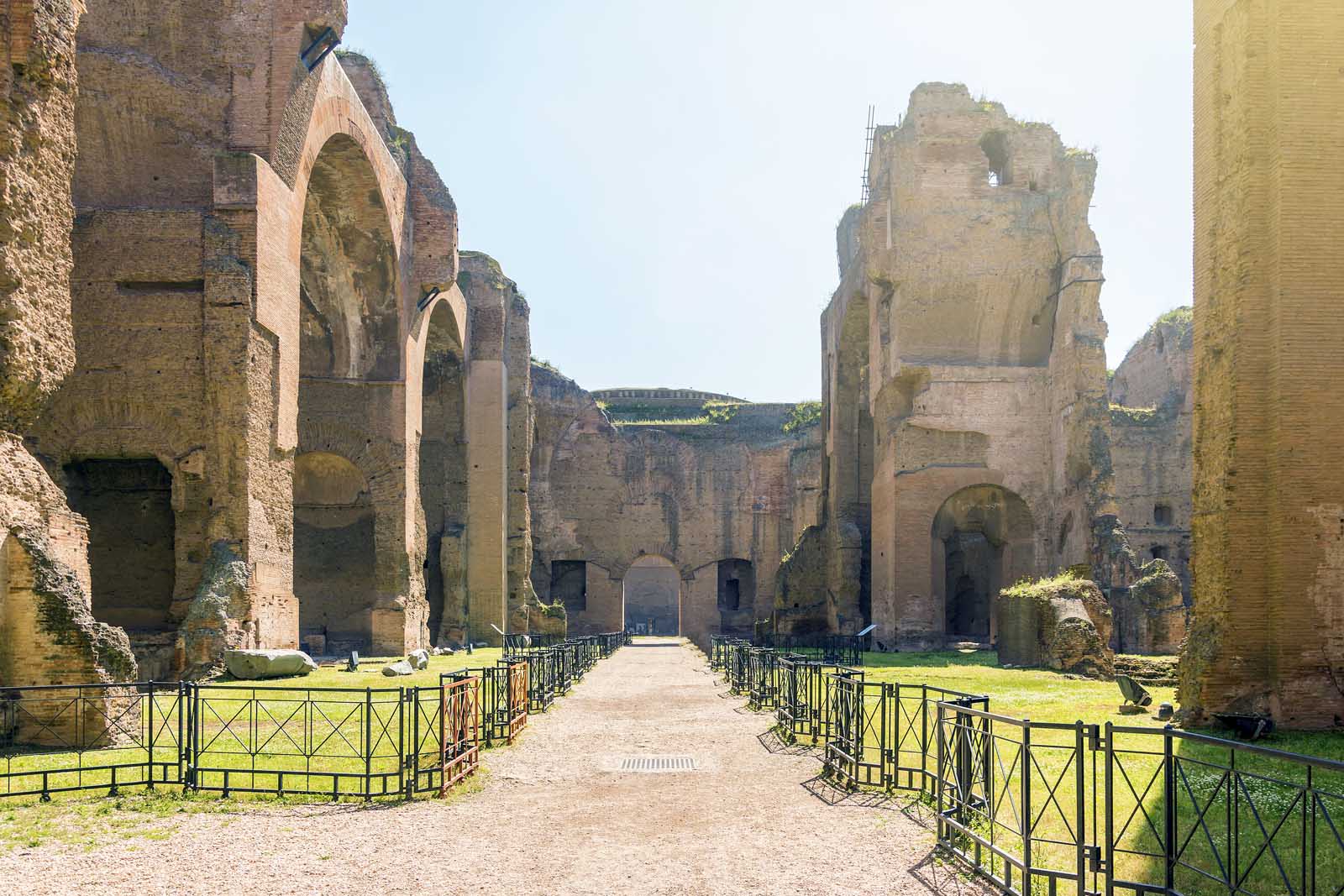
  • 19 Best Things To Do in Winnipeg, Manitoba

    19 Best Things To Do in Winnipeg, Manitoba

    [ad_1]

    Winnipeg is a surprising city that often gets a bad rap from Canadians. That is because most people who call Winnipeg “Winterpeg” have never been there. The capital of Manitoba has a lot going on, from a hot food scene to plenty of outdoor activities and a history that will blow your mind. That’s just the beginning. Time named Winnipeg one of the world’s greatest places in 2021, so you know there is more to Winnipeg than just being a fly-over destination. So, let’s dive straight into all the best things to do in Winnipeg!

    Best of Winnipeg Quick Guide 

    things to do in winnipeg manitoba

    Must See: The Forks, Assiniboine Park, The Leaf, St. Boniface, Canadian Museum for Human Rights, The Manitoba Museum 
    Where To Stay: Radisson Hotel Winnipeg Downtown, Fort Garry Hotel, The Inn at the Forks
    Fun To Do: Folklorama Festival, Assiniboine Park Zoo, Nestwaya River Trail, Winnipeg River Walk 
    Must Try Foods: Smoked goldeye, Winnipeg rye bread, Imperial cookies, Schmoo torte

    Best Things To Do In Winnipeg

    The best Winnipeg attractions range from botanical gardens to fantastic art galleries. The city is particularly known for excellent seasonal festivals; you might even want to plan your entire trip around one. Come to Winnipeg, and you’ll get to tour historic buildings, learn about indigenous culture, and possibly even skate on a frozen river.

    1. Be Moved at The Canadian Museum for Human Rights

    things to do in winnipeg canadian museum of human rights

    The Canadian Museum for Human Rights is the only museum of its kind in the country and one of the most popular Winnipeg attractions. The building is a modernist work of art, while the exhibit inside is thought-provoking and educational.

    The museum aims to raise awareness of various human rights issues plaguing Canada and the world. With several core and temporary exhibits, the museum aims to shed light on the rights of humans around the world and how important it is to protect them. 

    things to do in winnipeg canadian charter of rights

    The treatment of indigenous people in all corners of the world is a dominant theme in the museum exhibit. It’s explored in detail in exhibits “Canadian Journeys” and “Indigenous Perspectives Gallery” and is also addressed in part in most other collections. The museum’s temporary exhibits have been varied, covering everything from depicting human rights in Star Trek to Nelson Mandela’s fight against apartheid. 

    Other interesting exhibits include one dedicated to Viola Desmond, the first black woman on our Canadian $10 bill. The Canadian Museum for Human Rights also showcases human rights abuses and victories worldwide.

    Practical Information 

    The Canadian Museum For Human Rights is open from 10 AM to 5 PM. Adult tickets are $18, and Sunday admission is free.

    things to do in winnipeg art gallery

    Add the Winnipeg Art Gallery to your itinerary if you want to explore the art scene of this lovely city. With an extensive collection of over 28,000 pieces, it’s a top location for art lovers in Winnipeg. 

    The museum focuses mainly on contemporary and Inuit art, but its exhibits also include European and Canadian art through the ages and other interesting collections. Also, it’s not just paintings hanging on the walls; the WAG’s collection showcases sculptures, textiles, ceramic objects, and many other pieces of decorative art.   

    Practical Information

    The Winnipeg Art Gallery is open from 9 AM to 5 PM every day except Monday. Admission is $18 for adults. 

    3. Visit Assiniboine Park and Zoo

    things to do in winnipeg assinaboine park and zoo

    If you’re our regular reader, you’ll know that we don’t recommend zoos and animal parks unless we’re entirely certain that the animals there are treated fairly. We have been to the Assiniboine Park and Zoo several times, and we’ve seen that most animals here are rescued and rehabilitated.

    Polar Bears are usually orphaned cubs rescued in the wild and who would have never survived. Once a Polar Bear has been in captivity, it cannot return to the wild as it wouldn’t survive. However, looking at their habitat, they don’t seem to mind at all.

    things to do in winnipeg underwater tunnel

    The enclosures are very spacious, closely mimicking their natural habitats. This is a blessing for the animals but a bit of a curse for the visitors because it can sometimes be difficult to spot them, especially if they’re sleeping. But hey, as long as they’re all treated right, we’re absolutely not complaining. 

    A highlight of the zoo is definitely the underwater display. We had the privilege of watching a polar bear swim above a glass walkway. It was truly having the time of its life! Plus, a cute little harbor seal stopped by to say hello to us. These seals are curious creatures and will come right up to the glass to have a look.

    things to do in winnipeg polar bears playing

    The Zoo is open year-round, but I will say that it’s much more enjoyable in the winter. The crowds are smaller so you can get around more easily, plus most of the animal rescues living at the Assiniboine Zoo are arctic animals (polar bears, arctic foxes, snowy owls, etc.) who are the happiest in the cold weather.

    Practical Information 

    The Assiniboine Zoo is open from 9 AM to 5 PM. The admission fee is $24.70 if you buy the tickets at the gate but $22.45 if you buy them online a couple of days in advance. 

    the forks

    Winnipeg is an interesting destination for its history, and the Forks National Historic Site is definitely one of the top attractions in Winnipeg for every visitor. The Forks National Historic Site has been a meeting place for 6,000 years. Located where the Red and Assiniboine Rivers converge, it was a place where indigenous people met to trade. This tradition continued through the fur trade, where aboriginal peoples met with European fur traders.

    Just wandering around the market building is a nice way to spend an afternoon. With plenty of exposed brick and an extensive skylight that lets in a lot of natural light, it’s one of Winnipeg’s most charming buildings. Not to mention the endless shopping opportunities and all the delicious food options. 

    Practical Information 

    The Forks Market is open from 7 AM to 10 PM, although individual shops observe different operating times. 

    5. Tour Winnipeg With A Local 

    things to do in winnipeg local tours

    Let a local drive you around Winnipeg for a few hours, and you’ll see all of the city’s top tourist locations and learn about their history. This is a great option for travelers who are in town for a very short time and want to see all the different areas of Winnipeg. 

    A driving tour is a great option because you can move around the city quickly and reach areas that would otherwise remain unexplored. Plus, you’ll pass next to Winnipeg’s most famous attractions, making it easier to get around the city on foot later when you want to investigate them properly. 

    Practical Information 

    A private tour of Winnipeg by car takes around two hours and costs roughly $50 per person. 

    6. Relax At Thermëa by Nordik Spa-Nature

    Thermëa by Nordik Spa-Nature is a spa and health club in Crescent Drive Park on the bank of the Red River. If you’re in Winnipeg in the winter, this is by far one of the best places to visit in town to warm up. Unwind in the toasty thermal baths and get a relaxing massage that will have you dozing off on the table. 

    The health club is also known for its delicious food, which really hits the spots after a day full of pampering. I’d recommend checking out the restaurant even if you’re not going to soak in the pools, as it’s one of the city’s best. It’s an easy taxi ride from downtown. You can easily spend an entire afternoon here.

    Practical Information 

    The Thermëa by Nordik Spa-Nature is open from 8:30 AM to 10 PM. It’s $86 for adults to relax in the thermal pools and massages are charged extra.  

    7. Ice Skating the Nestaweya River Trail

    The Nestaweya River Trail is one of Winnipeg’s most popular winter attractions. Every winter, the local authorities create an ice-skating trail on the Red River, which anyone can access for free. It’s one of the best things to do in the city in cold weather, and countless locals and tourists put on their skates and glide across the frozen river for fun. 

    However, I can’t guarantee that you’ll be able to do it the next time you’re in Winnipeg. In the winter of 2024, the Nestewaya River Trail was open for only nine days total in two short stints. The mild winter and high precipitation made it extremely challenging to manage the trail and guarantee everyone’s safety. 

    Practical Information 

    The Nestaweya River Trail is accessible only in the winter, free of charge. 

    8. Walking Tour of St. Boniface

    St. Boniface is home to the largest French-speaking community in Western Canada. The city district features many interesting landmarks and is the perfect location for an easy-going walking tour in Winnipeg. Also, there are quite a few bakeries throughout St. Boniface, and you’ll never be far from a delicious croissant. 

    First, cross the Esplanade Riel Footbridge from Downtown Winnipeg to St.Boniface. Then, you’re just steps away from Saint Boniface Cathedral, the district’s most important landmark. Also, see Whittier Park, Fort Gibraltar, and Université de Saint-Boniface, the area’s best historic sights. 

    If you have enough time in Winnipeg, the Royal Canadian Mint and Le Musée de Saint-Boniface Museum are also worth touring. 

    Practical Information 

    St. Boniface is a francophone district in Winnipeg, accessible on foot from the central city area. 

    9. Attend Festival du Voyageur 

    winter festival winnipeg

    Winnipeg is famous for its festivals, so I had to include Festival du Voyageur, even if it is a seasonal attraction. It usually takes place in February and lasts for 10 days, attracting more than 75,000 visitors annually. This is the largest winter festival in Western Canada, and it has a history of more than 50 years.

    Festival du Voyageur is known for music performances, giant snow sculptures, handmade crafts, and much more. The event is both fun and educational, aiming to promote the various francophone and indigenous artists.

    The main location for the festival is Whittier Park, which is within walking distance of Downtown Winnipeg. 

    Practical Information 

    Festival du Voyageur usually takes place in the middle of February. The admission fee varies from $5-$40 per day, depending on when you arrive at the festival location. 

    10. Winnipeg Over The Years at The Manitoba Museum

    Winnipeg, Manitoba Canada – sep 2022: The Manitoba Museum. High quality photo

    The Manitoba Museum is a natural history museum with a collection of 2.9 million artifacts. It has three distinct areas, and visitors can choose to visit as many as they like. Individual tickets are available for each part of the museum. 

    They are the Science Gallery, the Planetarium, and the Museum Galleries. If you are short on time, prioritize the Museum Galleries as it is the most elaborate area of the museum with a detailed exhibit on Winnipeg through the ages. 

    Practical Information 

    The Manitoba Museum is open from 10 AM to 5 PM daily, except on Mondays. The combined ticket for all museum attractions is $24.15. 

    11. History Tours at Dalnavert Museum

    The Dalnavert Museum is set inside a Victorian-Edwardian mansion. With period furniture and costumed tour guides, visiting this museum is like traveling back in time.Visit the museum for beautiful architecture, but also to see a surprisingly accurate depiction of life in the 19th century. And pay attention to all the details, whether it’s the mesmerizing stained glass windows or the elaborate kitchen stove. 

    Practical Information 

    The Dalnavert Museum is open from Wednesday to Sunday, from 10 AM to 4 PM. Tours are just $10 per person, and it’s recommended to book your spot in advance. 

    12. Admire The Diversity at The Folklorama Festival 

    I included a winter festival in Winnipeg, so it’s only fair that I also include an alternative in the summer for all the travelers who prefer to visit the city when it’s warm. The Folklorama Festival is the biggest event of its kind in Winnipeg, attracting hundreds of thousands of visitors. 

    It takes place in August and lasts for two weeks. The festival aims to celebrate all the different cultures that call Winnipeg their home. Every distinct culture gets its own pavilion at the festival, and there are usually around 40 different pavilions on the grounds. 

    Each pavilion celebrates its culture with traditional music, dances, and, of course, food. Some will offer extra services, such as henna tattoos or various workshops. 

    Practical Information 

    The Folklorama Festival is held every August. Tickets are $7.5 per pavilion, and discounts are offered when you buy combo tickets for multiple pavilions. 

    13. Winnipeg River Walk 

    best things to do in winnipeg river walk

    The Winnipeg River Walk is a waterfront walking trail extending from the Manitoba Legislative Building to the Red and Assiniboine Rivers junction at the Forks Historic Site. It’s the perfect place for a casual stroll in Winnipeg, largely due to the nice views. 

    Doing the River Walk in one direction shouldn’t take more than 25-30 minutes. On either end, you get to see prominent buildings with sculptures and landscaped grounds. There’s hardly a better way to end a day full of exploration and sightseeing in Winnipeg! 

    Thanks to Kendrick’s Outdoor Adventures in The Forks, you can explore the city year-round. They offer fat bikes for winter cycling, e-bikes, e-scooter rentals, and snowshoes (in the winter!)

    Practical Information 

    The Winnipeg River Walk extends for roughly 2.5 kilometers in one direction. 

    14. The Manitoba Legislative Building

    Hermetic Code Things to do in Winnipeg

    The Manitoba Legislative Building was one of the best things we did in Winnipeg. It is also one of the most interesting tours we’ve taken in our lives! We met Frank Albo (Canada’s answer to Dan Brown) on the steps of the Winnipeg Legislative Building and he took us on a walkthrough of Winnipeg’s very own Da Vinci Code.

    We were then taken on a wild tour of secret societies and scandals as we walked through the halls of the historic building. It is so intriguing that Albo met with Prince Charles in the royal room when he visited.

    This is definitely one of the most interesting things to do in Winnipeg. Book your Signature Experience Tour here. 

    15. Exchange District

    Exchange District things to do in Winnipeg

    Take a stroll through time at the Winnipeg Exchange District’s heritage buildings dating from 1880 to 1920. What was once a derelict part of the city has now become a vibrant neighbourhood filled with coffee shops, boutiques, art galleries, and restaurants. It’s worth spending an afternoon or evening exploring the stylish area.

    The Exchange District is located in the heart of downtown Winnipeg and is considered the arts and cultural district of Winnipeg. Historic walking tours are offered in the Exchange District as well. Book one that suits your desires here.

    16. Johnson Terminal

    Things to do in Winnipeg Johnson Terminal

    Johnson Terminal is located next door to the Forks and is another historic spot filled with shops and dining. It was a former warehouse for CN Railway, but it has since been restored to help create the modern yet historic feel of The Forks area. Remains of the railway are on display throughout.

    One of our favorite places to eat in the Terminal is the Old Spaghetti Factory. Sure, it’s cheesy and a bit of a Canadian chain, but it is filled with nostalgia.

    17. Qaumajuq

    Things to do in Winnipeg Aboriginal Art

    When looking for places to visit in Winnipeg to learn about Indigenous culture, the Quamujuq Gallery is a great place to start. Quamujuq houses the world’s largest collection of Inuit art dedicated to Inuit artists and craftsmanship.

    Qaumajuq means “it is bright, it is lit” in Inuktitut. The design was inspired by the landscape of Northern Canada, and its interior features 14,000 pieces of Inuit art. It is fitting as the gallery sits on the original land of the Anishinaabe, Ininiwak, Anishininiwak, Dakota, and Dene peoples. It was also the homeland of the Métis Nation. An entire wing is dedicated to Inuit Art, which WAG has 10,730 works. You’ll also see contemporary art, decorative art, and other Canadian artists on display.

    18. Stroll Around The Leo Mol Sculpture Garden

    things to do in winnipeg sculpture garden

    Leo Mol Sculpture Garden is a small garden situated within Assiniboine Park. Featuring beautiful landscaping and works of art, the garden is a lovely place that offers many a pretty sight. 

    All the bronze sculptures here were created by Dr. Leo Mol, a Ukrainian-born artist who spent most of his life in Winnipeg. Paved walking paths lead through the garden, allowing visitors to discover all the different statues.

    The landscaping is pretty much perfect. Come here in spring or summer to experience the place in full glory and see all the wonderful flowers in full bloom. 

    Practical Information 

    The Sculpture Garden is open from 9 AM to 9:30 PM. Entrance to the area is free of charge. 

    19. Hiking At The Assiniboine Forest

    View of Assiniboine Forest on a beautiful autumn day in Winnipeg, Manitoba, Canada

    Assiniboine Forest is the southern area of the massive namesake park. Spanning an area of more than 285 hectares, the place is a Mecca for all hikers in Winnipeg. You can be at this Aspen forest in just 15 minutes from downtown exploring the hiking trails and snapping photos of free-roaming deer. 

    Roughly 18 kilometers of signposted trails are available in the forest. In the warmer months, they’re ideal for hikers and cyclists, while in the winter, they’re perfect for cross-country skiing. Come here to discover a proper urban jungle separating two of Winnipeg’s communities and marvel at the untouched flora and fauna. 

    One thing I will say is that the forest trails can be underwhelming for very experienced hikers, as they’re all generally easy, and there’s very little elevation change. 

    Practical Information 

    Assiniboine Forest is open from 8:30AM to 4:30PM on workdays with free admission. The forest is closed on the weekends. 

    FAQ For Best Things To Do In Winnipeg

    Top things to do in Winnipeg

    What Is Winnipeg Best Known For? 

    Winnipeg is best known for its many festivals. The city is also a transportation hub and is often called the Gateway to The West. 

    Is Winnipeg Good For Tourists?

    Yes, Winnipeg is a good city for tourists. With excellent museums, historic landmarks, and fantastic festivals, it’s super easy to have fun in this city. 

    How Do You Spend a Day In Winnipeg?

    A day in Winnipeg should include a visit to the Canadian Museum for Human Rights, a trip to The Forks, and a thorough exploration of Assiniboine Park. With several botanical gardens, exhibits, and a massive zoo, Assiniboine Park takes up the most time.  

    Winnipeg is popular for its thriving cultural scene. The city is known for its many art museums and galleries, as well as music and dance festivals. 

    Tips And Information For Visiting Winnipeg

    things to do in winnipeg practical tips

    Best Time To Visit 

    Summer is the best time to visit Winnipeg, especially if you’re not used to Canadian cold weather. Come here between June and August, and you’ll enjoy warm weather, flowers in bloom, and long sunny days. The city is also popular during spring break, and April to May are also good times to visit, but it will be a bit colder. 

    There are many reasons to come to Canada in the winter, and we highly recommend it if you can handle the cold and snow. There will be fewer crowds around, you can get better hotel deals, and you’ll get to enjoy some truly local experiences. 

    Getting There

    calm air churchill manitoba

    Winnipeg Richardson International Airport services the Manitoba region, and it’s just a 15-minute drive from the city centre. But it’s a small airport with very few international connections, so chances are you’ll need to catch a flight there from one of the bigger airports in Canada. 

    The airports in Toronto and Vancouver are the busiest country, and both offer connections to the Winnipeg airport. Neither of the two bigger airports is within driving distance of Winnipeg, so flying to the city is by far the best way of getting there.  

    Getting Around 

    Buses and Uber are your best bet for getting around Winnipeg. Much of the downtown area is walkable, and many attractions are close to one another, so you can explore quite a bit of the city on foot. But you’ll need to rely on public transport to get to the more remote areas, especially Assiniboine Park. 

    You can book a private driver from the airport to pick you up upon arrival with a name card and take you directly to your hotel. Book here.

    That being said, if you want to travel around Manitoba, you really need a car. Compare these car rental prices to find the one right for you.

    How Much Time Do You Need

    Two days are just enough time to explore all of the best attractions in Winnipeg. It’s not a huge city and there aren’t too many tourist attractions, so a weekend should give you plenty of time to explore all the best sights. 

    Where To Stay In Winnipeg

    things to do in winnipeg where to stay

    It’s best to base yourself in the city center, especially if you’re in town for just a couple of days. That way you can walk to most of the city’s best attractions and you’ll only need to take an Uber or a bus to get to Assiniboine Park. Here are some of the best hotels in Winnipeg for all budgets:

    Radisson Hotel Winnipeg Downtown is one of the more affordable hotels with a central location in Winnipeg. 
    The Fort Garry Hotel is set in a spectacular building just 10 minutes from The Forks. The Fort Garry Hotel With affordable nightly rates and an excellent location, it is one of the best options in Winnipeg for a short stay. 
    Inn at the Forks – We stayed at the Inn at the Forks, and I think it is the best location in the city. Located within walking distance from the Museum for Human Rights, the Forks, and Johnson Terminal, you are only steps away from great eats, nightlife, and culture. There is a spa and dining and the rooms are modern and chic. The Inn at the Forks
    Delta Winnipeg Hotel—We have also stayed at the Delta Winnipeg Hotel in the past, and it is another great choice. It has two pools, a skywalk, a pub, and dining. It’s often used for conferences and is easy to walk indoors to the adjoining convention centers. It is located downtown near restaurants and coffee shops.
    Fairmont Winnipeg – We stayed at the Fairmont when on a media tour a few years ago, and you can never go wrong with a Fairmont Hotel. The Fairmont is centrally located close to the river. There is a swimming pool, health club, and two restaurants.
    The Grand Winnipeg Hotel is located directly across the street from departures/arrivals at the Winnipeg Airport, and the Four Points by Sheraton is just a bit farther away. There is a walkway through the Grand to the Sheraton. What we love is that you can take your trolleys from the airport right into your rooms. There are restaurants and bars right on the premises of both.

    Where to Eat in Winnipeg

    Where to Eat in Winnipeg

    Passero & Corto – We ate at Passero and Corto inside the Forks Market. It’s the only eat in restaurant at the Forks and the Italian cuisine was to die for. Ask your server to help with food and wine pairings and be sure to share some plates to taste all the menu truly has to offer.

    Clementine Cafe – Known as the best brunch in the city! Located in Winnipeg’s Exchange District

    ERA Bistro – Great option for lunch located inside the Museum for Human Rights. Staying true to the essence of the museum, the restaurant uses locally sourced, sustainable ingredients, that are organic and free-trade.

    Read More:

    [ad_2]

    Source link
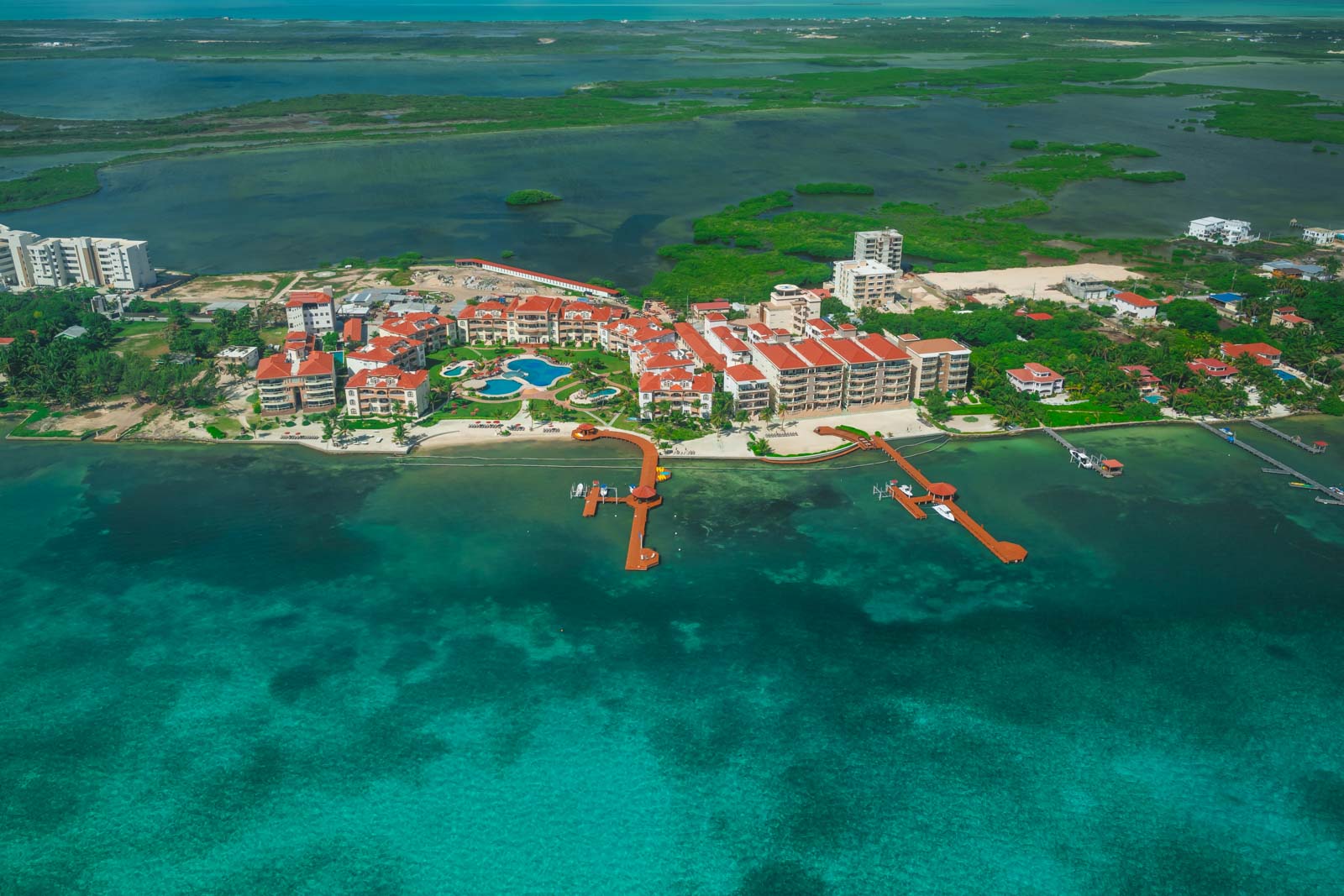
  • Where to Stay In And Around Zion National Park: Our Favourite Places

    Where to Stay In And Around Zion National Park: Our Favourite Places

    [ad_1]

    Zion National Park spans over 146,000 acres of pure beauty. You’ve got the teetering climb up Angel’s Landing, the Narrows and its novelty hike through the river, and so many viewpoints that you’ll struggle to decide which to visit first. The hikes just astound you in Zion National Park. But with so much to do, it is no wonder we always get questions about where to stay in Zion National Park and what the best Zion National Park lodging is. After countless visits to this park (Which is one of our favorites in the USA), we put together this deep dive into the area to help you decide.

    Best Places to Stay in Zion National Park

    Best Places to stay in Zion

    You have a few different options for finding places to stay in Zion National Park. There are limited choices if you’d like to stay inside the park itself (think one hotel and lots of campgrounds), or you can stay in one of the nearby towns, just a short drive or walk to the park entrances. These towns have much more choice in terms of hotels, and you’ll just need to drive into the park each morning to enjoy its popular trails. Zion National Park lodging is pretty varied.

    In this guide, we’ll weigh everything up for you to choose the best Zion National Park lodging for your trip. Whether you want a hot tub, fitness center, or private deck overlooking amazing views, we’ve got you covered. Here’s where to stay in Zion National Park.

    1. Zion National Park Lodging (Inside The Park)

    Where we stayed inside Zion National Park

    So, let’s start with the most obvious option first. For many, staying in the park itself makes sense if you’re visiting Zion National Park. Waking up overlooking red-tinged sandstone views just sounds magical, doesn’t it?

    Staying inside the park is possible, but you must be organized or very flexible. There’s only one hotel option with the park – Zion Lodge. We’ll discuss this hotel more in a second. Still, you must understand that if you want a hotel experience inside Zion National Park, check availability and book in advance. Obviously, with just one hotel option, rooms go fast, especially in peak months like summer.

    Otherwise, there are many campgrounds to choose from, so pack your tent or start up your campervan: South, Watchman, and Lava Point Campground are all great options. And camping inside Zion National Park is great fun.

    Luxury: Zion National Park Lodge

    Zion National Park Lodge

    Zion National Park Lodge is the only hotel actually set within Zion National Park. The historic lodge dates back to 1924 and offers rustic cabins with a ridiculously convenient location. While it might not be the most extravagant luxurious accommodation choice, it definitely qualifies as the most luxurious place to stay in Zion National Park, given that it’s the only place you can bag an actual hotel room. There’s also a quiet, imposing beauty to the property, with a dark wooden exterior lit up against its sandstone cliff backdrop.

    Zion National Park Lodge is open year-round and has fantastic views. It’s easily one of the best hotels in the region, and its excellent location sets it apart. There’s an on-site restaurant, free parking, and comforts like free Wi-Fi and TVs in each cabin, room, or suite. If you want comfort inside Zion National Park, you’ll have to check availability at Zion National Park Lodge, which provides easy access to the park’s attractions.

    Mid Range: Under Canvas Zion

    Okay, we’ll be completely honest: Under Canvas, Zion technically straddles the Zion National Park border on its north-western Kolob Terrace region. However, since the only other options inside the park are campgrounds, we decided to highlight one of the few potential glamping sites. You’ll be right on the Zion border and get a more remote experience with the comfort of deluxe glamping tents.

    Guests can enjoy a fire pit, horseback riding tours, hot air ballooning, and on-site yoga sessions. The tents feature huge beds; some have stargazer elements, with transparent sections to admire the night sky. Under Canvas Zion might be a rather cheeky addition to the ‘inside Zion’ section, but the promise of gorgeous glamping sites on the national park border should be a strong enough selling point for you. Definitely check availability for its glamping tents.

    Budget Hotel: South Campground

    South Campground is where to stay in Zion National Park if you are a hardy camper and happy to ‘rough it’ to stick to a budget. It is further into the park than its neighbor, Watchman Campground. The campground is basic but has water access, showers, a laundry room, and toilets. There’s even a playground for families.

    You can bring a tent or an RV. It is an easy walk into Springdale for town amenities or a stroll to the shuttle for Zion’s main trails and attractions. You are literally minutes away from the Zion Canyon Visitor Center and Pa’rus Trail. You can also walk to the Zion Human History Museum in as little as 20 minutes. Considering you are camping inside Zion National Park, you still have easy access to more formal attractions and town amenities. It’s a nice balance that makes South Campground worth considering if you’re traveling to Zion on a budget.

    Why you should stay inside Zion National Park

    Pros Of Staying inside Zion National Park

    It is an excellent location to access all the trails, which gives you a head start if you want to access trails early in the morning to beat the crowds.
    You don’t have as much driving time as you can use the free shuttles and walk around the park. Many attractions are just minutes away from the accommodation in Zion National Park.
    You get gorgeous views galore and experience Zion when most people go home.

    Cons Of Staying inside Zion National Park

    You do miss out on amenities like restaurants, with limited choices for dining inside the park. If you want a restaurant meal, you’ll have to head to Springdale, just outside the south Zion National Park Entrance or stay at Zion Lodge so you can dine at the on site restaurant.
    There is little diversity in terms of hotel options and pricing. If you look at hotels outside Zion National Park, you’ll find better value for money.
    You’ll only see Zion rather than get to explore other areas as well.

    2. Springdale

    Where to stay in Zion  Springdale

    Springdale is the trusty second-in-command for staying near Zion National Park; most visitors choose this as their base. If you missed the boat and found Zion National Park Lodge to be booked out or just fancy more hotel options, Springdale is your best shout. The town is literally steps away from the south entrance of Zion National Park, meaning you could still walk to any of its main attractions if you really wanted to – just with the added bonus of more hotel choices and better amenities. Springdale is a great location if you want proximity to Zion’s attractions but a more urban experience than you get from in-park lodging. It is where you can stay in Zion National Park for utter convenience.

    La Quinta Resort in Springdale near Zion National Park

    Zion’s south entrance is served by a mandatory Zion Canyon Shuttle for much of the year. This shuttle runs through Springdale itself, meaning you don’t even need to spend extra driving time. When staying in Springdale, you’ll be a short walk from your nearest pick-up point.

    Aside from being really convenient, Springdale is also a gorgeous town. The small handful of houses, restaurants, and hotels sit against a backdrop of sandstone cliffs, and the Virgin River snakes through the town. Thanks to the scenery, it feels like you are already in the park, and you won’t miss out on any of that ‘wow factor’.

    Luxury: Cliffrose Springdale, Curio Collection

    Cliffrose Springdale is a beautiful 4-star hotel on the riverfront in central Springdale. Upscale and immensely sophisticated, we greatly admire how Cliffrose Springdale balances modern and traditional design. Its stunning architecture uses wood and sandstone to seamlessly blend into the environment while showcasing large, modern windows for abundant natural lighting. Inside, each room offers a private deck or balcony with plush bedding and contemporary decor.

    However, the real reason we added this luxury hotel to this guide is its hot tub, fire pits, and seasonal outdoor pool. It has a real outdoor ambiance where guests can relax with different activities after a busy day in Zion National Park. Imagine soaking in a hot tub at your lodging after a long day in Zion.

    Furthermore, Cliffrose Springdale is a designated stop on the Springdale shuttle to the park, so reaching the main Zion trails is easy.

    Mid Range: Red Rock Inn Cottages

    Red Rock Inn Cottages has comfortable rooms and an unpretentious vibe. Guests get homely rooms with flat-screen TVs, minifridges, and coffee-making machines. Each room has views of Zion Canyon or the property’s serene garden areas. And if you do want to upgrade your experience, you can splurge on a special room with a private hot tub. Red Rock Inn Cottages are the perfect Zion National Park lodging for anyone wanting a comfortable stay.

    Guests get a complimentary breakfast and parking. In summary, Red Rock Inn Cottages is just a beautiful property to use as a base, putting lots of effort into its interior design and making it visually appealing. This lodging is where you can stay in Zion National Park to kick back in a hot tub and embrace homely comforts. Check availability in advance as this is a popular accommodation choice and is open year-round.

    Budget: Zion Canyon Cabins

    Zion Canyon Cabins are adorable log cabins situated centrally in Springdale. These cabins are ideal for nature lovers or those who like a more rustic aesthetic. Even better, they are some of the most budget-friendly accommodations in Springdale—which, remember, tends to hike accommodation prices up given its incredible location and access to Zion National Park.

    Zion Canyon Cabins have a seasonal outdoor pool and communal fire pits. The communal fire pits are great for meeting new people, and there’s an outdoor grill and BBQ area for cooking. It might seem a little pricey, but it’s worth reiterating that Springdale accommodation prices are higher than in other areas. There’s just a premium price tag because of its convenient location. Still, comparably, Zion Canyon Cabins are your best option for snagging the most competitive price.

    Where to stay in Springdale Utah near Zion

    Pros Of Staying in Springdale

    You can easily catch the shuttle, drive, or walk into Zion National Park. Springdale is really convenient, and it is located next to Zion’s south entrance.
    Springdale has many amenities, including many hotel options and restaurants, so you can budget better with more choices.
    Springdale is widely recognized for its beauty and is a genuinely pretty little town and place to stay. You’ll enjoy a backdrop of sandstone cliffs and the nearby Virgin River; you don’t miss out on natural beauty by staying in Springdale.

    Cons Of Staying in Springdale

    Springdale is the top choice amongst those wanting to stay outside Zion National Park, so it gets busy. Remember to check availability and book in advance. Also, be prepared for crowds in peak seasons.
    Springdale needs more attractions (if we are being picky). It is beautiful, but otherwise, it is a launchpad to see Zion National Park rather than a tourist destination in its own right.
    Prices can be slightly hiked up for tourists because Springdale is such a ‘through-town’.

    3. Mt Carmel Junction

    Mount Carmel Junction, Utah

    Cast your eyes to the other side of Zion National Park; Mt. Carmel Junction is a short 15-minute drive from the eastern Zion National Park Entrance. Unlike staying in Springdale, you’ll need to drive your way into the park. It isn’t close enough to be within walking distance, but you’ll be driving to Zion National Park on the Mt. Carmel Highway Scenic Drive. The ‘commute’ into the national park is one of the most scenic drives in the region, and it’s still pretty easy access.

    Mt. Carmel Junction is tiny and a really sweet place to stay. If you want somewhere slightly less popular (read: busy) than Springdale, this is where to stay in Zion National Park. It has several restaurants, gift shops, and an all-necessary fuel station. Accommodation is limited, but you have many hotels and RV parks to choose from. If you want to feel a little in the sticks, Mt. Carmel Junction is ideal. It has decent amenities but is much less touristy.

    Mt. Carmel Junction is also a great place to explore places apart from Zion National Park. You’re just a short drive from the Belly of the Dragon Trail, which starts by walking through a vast tunnel and Elkhart Cliffs Slot Canyon. You are just a 20-minute drive from Coral Pink Sand Dunes State Park, too. It’s a great location to get more out of your trip and detour from the standard tourist trail. The nearby hiking trails are much quieter than the major trails in Zion, so it’s a nice balance for your itinerary.

    Mount Carmel Junction near Zion National Park

    Luxury: Zion Mountain Ranch

    Zion Mountain Ranch is the most luxurious accommodation option in Mt. Carmel Junction. The historic ranch has a mixture of wooden cottages and luxurious suites—all adorned in luxurious, traditional old Western style. And even better, there’s a herd of bison on an on-site reserve, which is amazing for animal lovers and those wanting to spot wildlife when visiting Zion.

    There’s parking and an on-site restaurant that serves breakfast, lunch, and evening meals. Zion Mountain Ranch is secluded and a great place to embrace the more rural, authentic atmosphere of Mt. Carmel Junction. Definitely check availability for its stunning suites.

    Mid Range: Best Western East Zion Thunderbird Lodge

    Best Western East Zion Thunderbird Lodge is a little more modern, offering fantastic mid-range accommodation in central Mt. Carmel Junction. Guests get access to queen and king rooms, with the option to upgrade to suites. The room decor is light and boutique-style, providing a peaceful space to retreat to after all your sightseeing and hiking in Zion National Park. There are complimentary toiletries in each, as well as in-room entertainment.

    You can find a large outdoor pool on-site, 24-hour reception, and laundry facilities. The latter is a nice touch, considering you’ll get so mucky in Zion National Park. Of course, there’s free WiFi and parking, and overall, it is a reasonably priced and comfortable experience in Mt. Carmel Junction.

    Budget: Mt. Carmel Motel & RV Park

    Located just north of Mt. Carmel Junction’s center is Mt. Carmel Motel & RV Park, the region’s best budget-friendly accommodation. Mt. Carmel Motel & RV Park is undoubtedly the most competitively priced place to stay in the area, with basic but comfortable rooms and a handy location to head into Zion National Park. The motel is modest and down-to-earth but in a tasteful way.

    The motel has only six rooms, so you are guaranteed a more lowkey atmosphere. Each room has a mini fridge, microwave, and coffee machines. Of course, this is great for keeping your eating bills low, and you can upgrade to a cabin option that features its own private kitchen for a self-catered stay, too. If you want a budget stay in the Mt. Carmel area, this motel is for you.

    Pros Of Staying in Mt. Carmel Junction

    Mt. Carmel Junction offers a more authentic and less touristy experience. It is more relaxed than other places like Springdale.
    You have loads of different places to sightsee nearby, including slot canyons and trails that take you through tunnels. All of these trails are much quieter than those in Zion National Park, giving you more balance for your itinerary.
    The driving route to Zion National Park takes you on a scenic highway and only takes 15 minutes.

    Cons Of Staying in Mt. Carmel Junction

    You aren’t within walking distance of the park, so you must be happy driving.
    There are limited amenities in Mt. Carmel Junction, so it isn’t suited to anyone wanting many bars and restaurants.
    Similarly, you are limited in terms of hotel options. You should book accommodation in advance to avoid it selling out.

    4. Hurricane

    Where to stay in Zion National Park Hurricane

    Hurricane is the furthest option when researching where to stay in Zion National Park, approximately 30 minutes from Zion’s south entrance. So, why bother with the drive? Well, Hurricane is the closest city to the national park, meaning tons of amenities for your visit and lots of entertainment. If you’re more of a city lover, Hurricane is the most entertaining place to stay near Zion National Park.

    Hurricane has the Hurricane Valley Heritage Park Museum and Pioneer Corner Museum for tourists. You can also visit Quail Creek State Park, Sand Hollow State Park, and Red Cliffs National Conservation Area. It’s a great base to explore many different attractions around Utah. It also has more residential attractions, like a cinema, golf courses, splash pad, coffee shops, and many parks. It’s where to stay in Zion National Park if you want a busier city experience while away from Zion’s hiking trails. You have everything you need on your doorstep.

    Hurricane is our top recommendation for anyone who wants endless entertainment choices and many hotel options. If you book a stay in Hurricane, you’ll have a much more packed itinerary.

    Luxury: The Dwellings

    The Dwellings is boutique accommodation just north of Hurricane’s center. It’s out of the hustle and bustle and offers tastefully decorated deluxe studios, complete with private terraces. If you want a luxury base in Hurricane, The Dwellings is a fabulous choice. Each studio features a kitchenette and hot drinking-making facilities. Guests have a self-contained living space, with bedrooms and adjoining seating areas, plus ample access to outdoor space.

    Spending long days in Zion, it’s nice to know you have somewhere peaceful to retreat to and rejuvenate. For extra peace of mind, there’s parking on-site and family rooms for those who’d like them. The hotel was only built in 2020, so the decor is trendy and tasteful too.

    Mid Range: Wingate by Wyndham Hurricane

    Wingate by Wyndham Hurricane is located in the heart of Hurricane and is the place to stay if you want a mid-range property in the heart of the city’s action. As a chain hotel, this property is more like a traditional hotel experience, with a grand lobby and guest room layout. The 3-star hotel has a 24-hour reception desk and a spacious car park. It is a great base in Hurricane and ticks all the necessary boxes for a very reasonable price.

    Each room has an ensuite with complimentary toiletries, and you get a fridge that comes in handy for storing grocery-bought food and saving money on eating out. Wingate by Wyndham Hurricane has an onsite outdoor swimming pool, fitness center, and business center. Overall, it is a welcoming and reliable base when staying in Hurricane.

    Budget: Hurricane Hideaway Lodging

    Hurricane Hideaway Lodging has hotel rooms that are about as central as you can get in Hurricane. You’ll have doorstep access to the city’s entertainment and amenities like restaurants, perfect for getting the most out of your experience. It is only a few minutes on foot from the Hurricane Valley Heritage Park Museum and a tasty Peruvian restaurant, Peruvian Flavors. You are a block away from Hurricane’s shop-lined Route 9. For a budget-friendly rate, great location, and comfortable rooms, you can’t top this hotel.

    Each room comes with coffee machines, minifridges, and microwaves. Anyone passionate about budget travel knows the magic of this magic combination. You’ll be able to squirrel away leftover food safely and make the most of grocery shopping. You also get a private bathroom, WiFi, TV, and access to communal outdoor seating. It is a great deal if you want to experience Zion National Park on the cheap.

    Hurricane is one of the best places to stay near Zion National Park

    Pros Of Staying in Hurricane

    You get a city atmosphere with many more activities and entertainment. This is ideal for staying entertained in the evenings when you likely aren’t spending time in Zion National Park anyway.
    Hurricane has many more hotel options, so you can find better deals and rates.
    There’s a lot to explore nearby, including museums in the city center and state parks around its outskirts.
    You are only a 30-minute drive from the national park, which is still very convenient.

    Cons Of Staying in Hurricane

    You aren’t within walking distance of the national park, and the drive isn’t gorgeous, like Mt. Carmel Junction’s scenic highway. You’ll need to be happy driving at least an hour return each day.
    Hurricane is a city rather than a scenic town, so you will get a different scenery and views than you would staying in Springdale.
    Hurricane is busy. Get ready for crowds.

    FAQ’s About The Best Areas to Stay in Zion

    Best areas to stay near Zion National Park

    You now know exactly where to stay in Zion National Park. Are you choosing to stay near the quiet eastern entrance? Or beautiful Springdale or the citified Hurricane? Choosing a location is as crucial as deciding on your lodging. Though, of course, weighing up between a hot tub or pool is pretty exciting.

    Before you go, though, let’s look at some of the most commonly asked FAQs. Here’s some quickfire information that could help you narrow down your choices.

    Where do people stay when visiting Zion National Park?

    Most people stay in Springdale, as it’s the closest town outside the national park and has the most hotel and amenities options.

    Is it better to stay inside or outside Zion National Park?

    It depends on what you enjoy doing. Overall, we’d recommend staying just outside of Zion National Park. You won’t notice much of a difference if you stay in Springdale.

    Is it better to stay in Zion or Bryce Canyon?

    Both offer similar accommodation choices, with one central hotel in each park and a cluster of hotels near the park entrances. However, Bryce Canyon is generally a little quieter, as Zion National Park is the most popular of the two.

    How many days do you need in Zion National Park?

    You need at least three days in Zion National Park. We suggest more than three days if you want to hike a few significant trails (think the Narrows and Angels Landing). You’ll need some downtime in between, and you don’t want to tire yourself out on major trails only to miss the shorter routes and experiences.

    Where not to stay in Zion National Park

    Where not to stay stay in Zion National Park St George

    When staying in and around Zion National Park, we recommend staying within a 30-minute drive. You want to maximize your time in the park, and by staying further away, you’ll lose a considerable chunk of your day to driving. This is worse for your energy levels and itinerary and means other people are more likely to beat you to those precious few car parking spots. Make your life easier by staying close to the park and its entrances. Similarly, while vacation rentals and Airbnbs are great, having a more formal lodging site is great for added luxuries at the end of a long day.

    These are a few of the places near Zion National Park that we’d suggest avoiding:

    1. Hildale

    Where not to stay in Zion National Park Hildale

    Hildale is a town bordered by Colorado City on the Arizona border. It has some pretty gorgeous glamping sites and a history closely interlinked with Warren Jeff’s cult—which is interesting for anyone interested in darker US history.

    However, more suitable options exist for those looking to stay near Zion. We recommend avoiding this spot as it takes over an hour to reach the national park by car. Travel time will take up a considerable portion of your day and tire you out before you even arrive.

    If you’re looking for glamping, check out Under Canvas Zion instead. It’s located in the Kolob Terrace region, just a 35-minute drive from the park.

    2. St. George

    St. George is the first port of call when you enter Utah from Nevada, and if you’re driving from Las Vegas, you’ll pass straight through this southwestern city. It’s a cool place, with petroglyphs, dinosaur remains, and doorstep access to Red Cliffs National Conservation Area. An excellent place to stop on a road trip? Absolutely. But we wouldn’t recommend staying here if you want to visit Zion National Park.

    St. George is just a little bit too far from the park entrance, taking around an hour one way by car. You’ll probably drive through Hurricane, too, which means you often catch city traffic at peak hours.

    Instead, stay in Hurricane itself for half your daily journey time and then take a day trip to St. George to see all it has to offer on non-Zion day.

    3. Kanab

    Kanab is difficult to rule out because it is a quirky border town. However, it is a bit too far to justify choosing it for accommodation when visiting Zion National Park. It takes roughly an hour to reach the park from Kanab.

    We will say, though, to stay in Mt. Carmel Junction and then make a day trip to Kanab. Kanab has Little Hollywood Land and dozens of nearby trails, including Moqui Cave Natural History Museum and a couple of slot canyons.

    Why we love Zion National Park

    Why we love zion canyon inn in utah

    To be honest, who doesn’t love Zion National Park? The park is overflowing with character and good looks. You can admire the sandstone canyon walks and narrow ridges or walk through rivers. It’s the sort of national park that challenges preconceptions. It’s no wonder it’s considered one of the best national parks in the USA.

    Zion National Park is an easy passion point for us as we love our hiking trails and US national parks. There’s so much to see. Check out some of the attractions around Zion National Park, too; don’t just pigeonhole yourself into walking the major trails. Visit the lesser-visited slot canyons and state parks dotted around its edge.

    Its surrounding area is just part of Zion National Park’s beauty and allure; deciding where to stay in Zion National Park is a great decision. Whether you pick a spot near a Zion National Park entrance, stay inside the park itself, or pick a more distant base—like the exciting city of Hurricane—we hope you have a wonderful time.

    Plan Your Next Trip to Zion With These Resources

    [ad_2]

    Source link
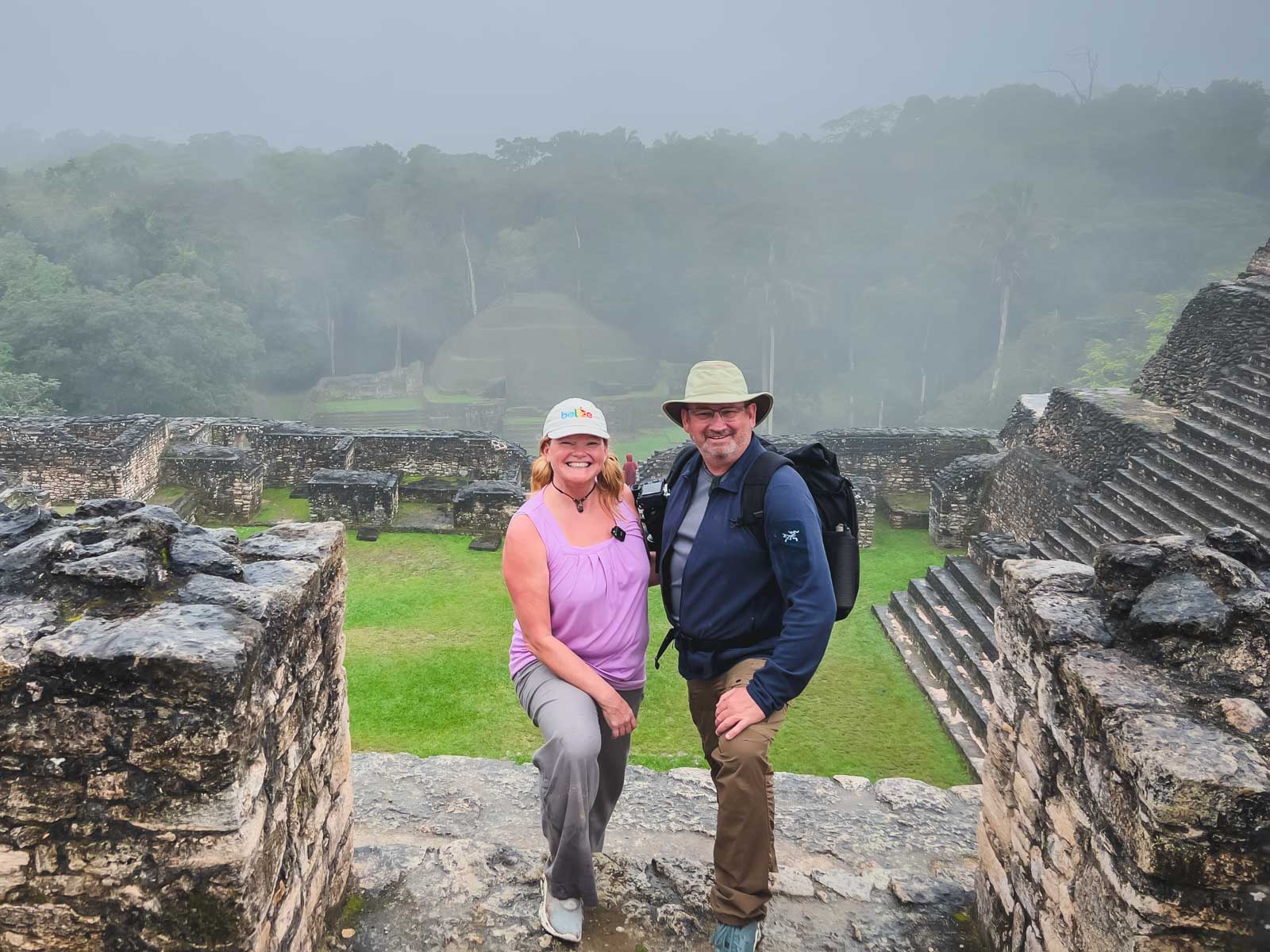
  • Your Essential Guide: How to Rent a Car in Spain with Confidence

    Your Essential Guide: How to Rent a Car in Spain with Confidence

    [ad_1]

    Need to navigate the vibrant Spanish landscape at your leisure? Renting a car is the key. Our guide delivers straightforward steps on how to rent a car in Spain, from must-know legal requirements to picking the right model for your trip. We’ll arm you with practical tips to ensure a hassle-free rental experience so you can hit the road and enjoy Spain’s iconic destinations in no time.

    We have used rental cars in Spain for years and have driven through this country from Barcelona and San Sebastian in the north to the border of Gibraltar in the South. We have made mistakes in the past and have even received a $500 bill from the rental company after returning home. On our most recent trip to Spain, we rented a car and made sure not to make the same mistakes twice. This is all the information and guidelines that we use to rent a car in Spain.

    Setting the Wheels in Motion: Starting Your Car Rental Journey in Spain

    Renting a car in spain

    Renting a car in Spain is like unlocking the door to a treasure chest of experiences. It gives you the freedom to venture into hidden gems that are off the beaten path, and it’s a fantastic way to immerse yourself in the local culture. Plus, there’s the added comfort and safety of having your own space. Picture yourself driving through Spain’s diverse landscapes, from the rolling hills dotted with historic sites to the breathtaking views of World Heritage Sites—it’s an opportunity for discovery that’s hard to pass up.

    Exploring Northern Spain, especially the historic Camino de Santiago routes, by rental car adds a unique adventure to your journey.

    Choosing the Perfect Rental Car

    choosing the perfect rental car in spain

    Selecting the right type of vehicle for your planned itinerary is crucial, especially for efficiently navigating busy cities or mountainous regions of Spain. So, what size car should you rent? Obviously, small cars will be cheaper and use less gas. Petrol prices in Europe are more expensive than in the States and, yes, even Canada. We rent small cars not only for gas savings but also for ease of parking and going through narrow roads.

    If you don’t drive stick, make sure to book months in advance as they sell out quickly. The most affordable option in Spain is to rent a standard transmission. Plus, it’s way more fun.

    Before you lock in that rental, take a moment to glance over the rental terms. Keep an eye out for how they handle mileage, what their fuel policy is, if there are any age limits that might affect you, and what they’ll charge for adding another driver. Additionally, consider the requirements and tips for car rentals, such as age restrictions, necessary documents like a valid driver’s license and possibly an International Driving Permit, advance reservations, options for one-way rentals, international travel policies, and additional fees for drivers under 25 years old.

    Understanding Car Rental Deals

    Understanding car rental deals

    To increase the likelihood of getting a good deal and guarantee the availability of the car you actually want, you should make sure to book well in advance of your trip. Of course, this is what we suggest with everything related to travel these days. The further in advance you book, the better the deals are usually. With fierce competition among car rental companies in Spain, you’re likely to find good deals regardless.

    Websites like RentalCars.com and Booking.com are great platforms to compare prices and find the best car rental deals among the best car rental companies. Remember, the early bird catches the worm – or, in this case, the best car rental deals from your chosen rental car company!

    Navigating the Requirements: Eligibility and Documentation

    eligibility requirements when renting a car in spain

    Before you head out on the Spanish roads, it’s crucial to understand the eligibility requirements for renting a car in Spain. Here are the key requirements:

    Minimum age: Typically 21, but some companies set higher age limits of 23 or over.
    Documents needed: Valid driver’s license, passport, and credit card are required in the name of the primary driver.
    Additional proof of address: Some car rental companies might ask for additional proof of address besides the driving license, identity card, or passport.

    For non-EU citizens, including those from the US and Canada, an International Driver’s Permit (IDP) is necessary alongside their valid driver’s license when renting a car in Spain. We put this in here, but we have never needed an IDP in Spain (or they have never checked). Just make sure to confirm with the rental company before you get there.

    The Age Factor: Minimum Age and Additional Fees

    While the legal driving age in Spain is 18, the minimum age requirement for renting a car in Spain is 21 years. But don’t celebrate just yet if you’re under 25! Drivers under 25 years old are subject to an additional young driver surcharge when renting a car. This fee can significantly increase the overall cost of the car rental.

    So, if you’re a young driver eager to hit the Spanish roads, be prepared for this extra cost.

    Insurance Considerations

    Choosing insurance when renting a car in Spain

    Insurance coverage is a crucial aspect of renting a car and a mandatory one. This is obviously one of the more confusing things to navigate when renting a car, as some things change depending on who you are using for your insurance, what car rental company you are using, and if you are using your Credit Card for insurance. We actually have a great video that goes over all of these to make it easier to understand the details.

    How to rent a car in spain video

    Should I use my Credit Card For insurance?

    This is obviously a personal choice, but before you decide to use it because it is “included with your credit card,” make sure to do some research first. All credit cards are different, and you will want to call your credit card company to see what they cover. You don’t want to get stuck later on, finding out you didn’t meet the eligibility criteria.

    CDW or Collision Damage is usually covered, but not liability. Luckily, if you rent a car in Spain, liability insurance is mandatory, and this is included in the rental cost.

    We use American Express Platinum, which has excellent coverage. However, it is important to note that when you book the rental, it has to be in the name of the cardholder, and that person has to be the primary driver. If it is not, then you may not be covered.

    Should I use the Car Rental Company insurance?

    Car rental company insurance in spain

    If it’s not too expensive, we like to purchase the full coverage from the rental company; however, during our last visit to Spain, they charged €25 Euro a day, which ended up being more than the cost of our rental. So we decided against it and used a third party. We recommend checking out sites like rentalcars.com or booking.com for better insurance deals.

    You can also buy your insurance at the counter when you pick up the car – But watch out! When you get to the rental counter, they are very pushy and will try to tell you the one you purchased doesn’t work or that your credit card won’t work, which, in our experience, is false; they do. This is where they make their money and this is where you need to have done your research beforehand so you can feel confident turning them down.

    When you rent a car in Spain, if you use the rental company’s insurance, know that it usually does not include crossing borders. That being said, you can usually take it into Portugal, France, or Gibraltar, but if you plan on this, make sure to double-check with them that you will be covered. Some smaller companies charge extra for this. It is usually in the agreement. 

    If you do have damage and have outside insurance, make sure to gather all the paperwork that you need. It will be impossible to get your money back from your insurance company if you don’t have any proof or reference. Get it all down in writing.

    Lastly, the repositioning fee can be astronomical if you don’t return the car to the same country.

    Picking Up Your Ride: Collection and Inspection Protocols

    Inspection car rental in spain

    When you’re ready to hit the road, there are a few things to keep in mind. To protect yourself from any false damage claims, we highly recommend taking a video of your car’s condition during the initial walk-around. Unlike some places, there is no formal check-out inspection when you return the car.

    Rental cars sometimes are not in great condition, and they might even try to pin damage on you, so having your own backup video and photos is the perfect proof. These are time-stamped. 

    It is not like North America, where they walk around the car with you, and you go over the damage to confirm everything before you leave. In Spain, they give you the keys to your car, have a list of damages, and expect you to sign off on that sight unseen. 

    Usually, if we find any additional damage, we will go back in and tell them to add it to the paperwork, especially if it is a major scratch or dent.

    Airport Locations vs. Urban Areas: Where to Collect

    Whether you’re collecting your rental car from an airport location or an urban rental spot can make a significant difference. Renting a car at an airport in Spain offers the following advantages:

    A more straightforward and cost-effective process
    A diverse array of vehicles
    Favorable rates
    Greater vehicle availability through advanced booking

    Plus, the convenience of picking up a rental car right after landing is an added benefit. Major airports like Barcelona El Prat Airport and Madrid Barajas Airport are popular for their convenience and competitive rates.

    On the Road: Understanding Spanish Driving Laws and Etiquette

    understanding Spanish driving laws

    Once you’re behind the wheel, it’s critical to understand Spanish driving laws and etiquette to ensure a safe and enjoyable journey. From mandatory safety belts for all vehicle occupants to the prohibition of using mobile phones without a hands-free device, Spain takes road safety seriously. Some important driving laws and etiquette in Spain include:

    Overtaking must be done on the left side of the other vehicle
    Wearing helmets is obligatory for riders of motorbikes, mopeds, and bicycles
    Spain enforces strict blood alcohol level limits to prevent drinking and driving offenses
    Be mindful of where and when you use your horn to avoid fines

    Speed Limit Savvy: Staying Within the Law

    Speed limits in Spain

    In Spain, speed limits vary based on the type and location of the road. On dual carriageways and motorways, the maximum speed limit is set at 120 km/h. The speed limit typically decreases to 90 km/h on roads not classified as dual carriageways or motorways.

    Within built-up areas, such as towns or cities, the speed limit is further reduced to a standard 30 km/h. Luckily, all rental cars in Spain display the posted speed limit on their speedometer, so you can keep an eye on how fast you are going. Trust me, it is easy to get a ticket as the speed limits change often, and there is a lot of photo radar.

    Mountain and coastal roads can be very narrow and full of curves, so if you plan to drive a lot, make sure you are comfortable with different road conditions. We have driven from England to Mongolia and everywhere in between and feel comfortable driving narrow roads, but our comfort level is much higher than others.

    Toll Roads and Tunnels: Planning Your Route

    Planning your route is a key part of a great road trip in Spain, and that includes understanding the concept of toll roads and tunnels. In Spain, as we said above, there are two main types of motorways: autovias, which are generally untolled, and autopistas, which require the payment of tolls. Toll payments can range from as little as €5 to up to €30, depending on the journey.

    You can make toll payments using cash or credit card, and for added convenience, drivers can use the electronic toll collection system Via-T. They actually make it quite easy.

    Fueling Your Journey: Gas Stations and Fuel Types

    Filling up your rental car in spain tips

    As you travel through Spain, you’ll need to keep an eye on your fuel gauge. In Spain, you have the option to fuel your rental car with diesel (labeled as ‘diesel’) or with unleaded petrol (labeled as ‘gasolina’), available in three types: E5, E10, or E85. Gas stations in Spain may be unattended during Sundays, holidays, lunchtime siestas, or late at night. It is important to take this into consideration when planning your trip.

    The average price of gas in Spain is around 1.90 EUR per liter, and when returning a rental car, ensure the tank is full to avoid additional charges.

    Most Gas Stations: A Guide to Refueling

    While on the road, knowing how to refuel at self-service gas stations is crucial. At these stations, customers are expected to manage refueling their vehicles on their own. During the daytime, you can refuel at self-service stations and pay afterwards, but you may need to pre-pay or leave a credit card with the cashier before filling up.

    At night, it’s often required to pay before using the services at a gas station. Most gas stations in Spain accept either cash or credit cards for payment. To ensure a smooth return of your rental vehicle, plan in advance by locating gas stations near your drop-off location and keeping the final gas receipt as proof of refueling.

    Diesel or Petrol: Making the Right Choice

    When it comes to choosing between diesel and petrol, diesel vehicles are often seen as a cost-effective option due to lower fuel prices and better fuel economy of diesel engines. Rental car companies in Spain may offer a limited selection of diesel cars to cater to budget-conscious customers.

    So, if you’re planning a long road trip through Spain, a diesel car might be the right vehicle for you.

    Parking Smarts: Where to Leave Your Car in Spain

    how to rent a car in spain parking tips

    Navigating the parking rules in Spain can be a bit tricky. Here are some tips to help you.

    Parking on the streets of Spain is often subject to local payment and regulations, which can vary based on location, time of day, day of the week, and whether the date is odd or even. In larger cities, drivers can use underground parking lots, which are easy to find using Google Maps.

    Parking tips for driving in smaller towns and villages:

    Park on the edge of town to avoid maneuvering through narrow, one-way streets in the centers.
    If your rental car is towed, a sticker indicating the location of the car will usually be left.
    Drivers are responsible for paying the fine and towing charges at the designated locations.

    Urban Parking Tactics: Avoiding Fines and Theft

    In urban areas and major cities, where parking spaces are in high demand, you might want to park outside of the city center and take public transport. As always it’s important to follow certain tactics to avoid fines and vehicle break-ins. Keep any electronic devices, chargers, and other valuables out of sight and you even may want to remove any rental stickers to deter potential thieves.

    Exploring Historic Centers: Parking Considerations

    When visiting historic town centers in Spain, parking can be quite challenging due to narrow streets and restricted access, primarily for residents or permit holders. In these cases, you should definitely park outside the town or city center and consider using public transportation to reach historical areas.

    Enhancing Your Experience: Extras and Add-Ons

    To enhance your car rental experience, you might want to consider adding extras and add-ons to your package. Some car rental companies in Spain offer the option to add an additional driver to the rental agreement, but you should note that this usually will incur a daily fee with a cap on the maximum charge.

    You can also rent GPS systems, which are especially useful for navigating unfamiliar areas. These days, though, we just have an e-sim on our phone and use data with Google Maps, which hasn’t let us down yet. Car rental companies can provide child safety seats for those traveling with children for an additional fee.

    Concluding Your Rental: Return Procedures and Final Price Considerations

    car rental in spain return tips

    As your journey comes to an end, it’s time to return your rental car. This can often be the most stressful time of the whole vacation. To avoid the additional cost of an extra rental day, ensure to return the rental car punctually as there is typically only a 30-minute grace period provided.

    Upon the rental car’s return, make sure to do your own inspection. Depending on the rental agency or even the time you return it, they may not go over anything with you. If possible, try to inspect with an attendant to verify that no new damages have occurred; taking photos can serve as evidence of the vehicle’s condition. The final rental price will be determined upon return, comprising the initial rental rate plus any additional fees for insurance, fuel, road taxes, tolls, and parking.

    Most of the time, if you are renting at an airport, they go over everything, present you with the bill and you pay right on the spot.

    Returning to the Right Spot: Airport Locations and City Returns

    After your Spanish adventure, you’ll need to return your rental car to the specified location, whether at an airport or city center. Rental car suppliers typically offer pickup and drop-off services at both airport desks and several city center locations for added convenience. Make sure to return your rental car to the location specified in your rental agreement, which may include various airport or city center locations in Spain.

    The option to rent a car and pick up and drop off rental cars at different car rental locations can be convenient and cost-effective for travelers, especially when using a reliable car rental company. Just make sure you know if there is an additional cost added before you drive off of the lot.

    No Surprises: Understanding Additional Fees

    To avoid any unpleasant surprises, it’s essential to understand potential additional fees. We usually get the full coverage, so we have a worry-free rental. But you should always request a copy of the final condition report when returning the vehicle and retain this documentation until credit card charges can be verified. This is a good thing to do as it can really help if you need to dispute any unexpected fees or charges.

    Renting a cr in spain marbella

    Renting a car in Spain offers a unique opportunity to explore the country’s diverse landscapes and cultures at your own pace. From selecting the perfect rental car to understanding local driving laws, parking smartly, and managing fuel needs, every step of the journey offers its own set of adventures. With careful planning, awareness of potential additional fees, and a spirit of exploration, your Spanish road trip can be an unforgettable experience. So, pack your bags, book your car, and hit the Spanish roads!

    Frequently Asked Questions

    Crossing border into Gibralter with a rental car in Spain

    What are the age requirements for renting a car in Spain?

    You need to be at least 21 years old to rent a car in Spain, though some companies may require you to be 23 or older. Drivers under 25 may also face an extra surcharge.

    What is the speed limit on Spanish roads?

    The speed limit on Spanish roads varies by road classification. Dual carriageways and motorways have a maximum speed limit of 120 km/h, while on other roads it’s typically 90 km/h, and in built-up areas, it’s 30 km/h. So, be sure to keep an eye out for the specific limits based on the type of road you’re on.

    Should I choose a diesel or petrol car for my road trip in Spain?

    It’s important to consider your travel plans and budget when choosing between diesel and petrol cars for your road trip in Spain. Diesel vehicles are often seen as cost-effective due to lower fuel prices and better fuel economy, but weigh the options based on your specific needs.

    Where should I park my rental car in Spanish cities?

    You should park your rental car outside the center of Spanish cities and use public transport to avoid fines and theft. It’s safer and more convenient.

    What should I do if my rental car is towed?

    If your rental car is towed, look for a sticker with the car’s location and then go to the designated locations to pay the fine and towing charges.

    Plan Your Next Trip to Spain With These Tips

    [ad_2]

    Source link
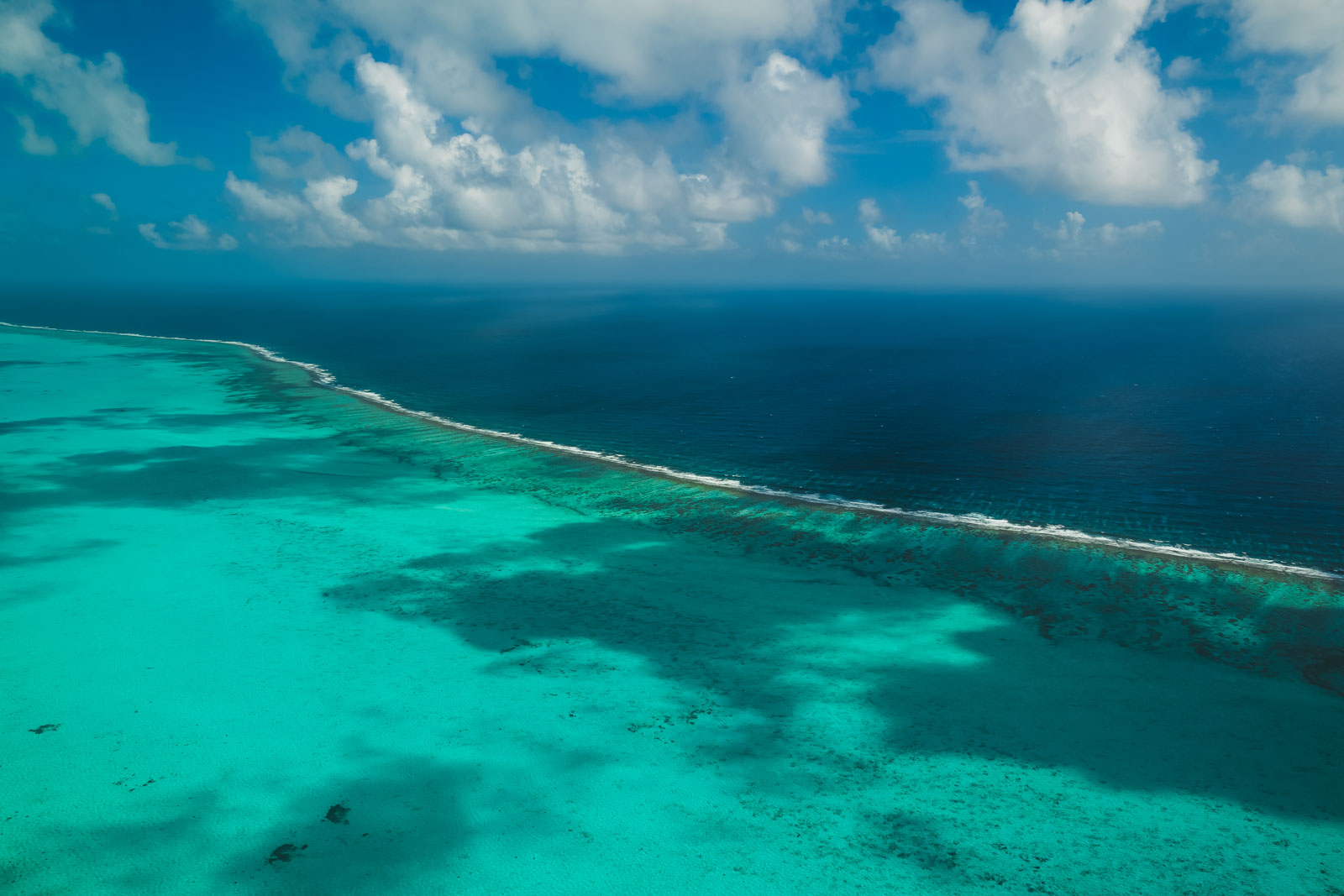
  • Is Japan Expensive To Visit? Money Saving Tips For Your Next Trip

    Is Japan Expensive To Visit? Money Saving Tips For Your Next Trip

    [ad_1]

    Try to find out whether Japan is an expensive country to visit, and you’ll quickly find yourself in a rabbit hole without a definitive answer. There is a lot of conflicting information online about the travel costs in Japan; some swear it’s the priciest country they’ve been to, while others are raving about fantastic $5 meals. 

    So, is Japan really as expensive as some people say? It’s both a yes and a no. Some things in the country, like transportation, are very expensive, and others are not. The balance is there, and a trip to Japan is possible on any budget.

    We have visited Japan several times and have based this article on our experiences. Here’s what you need to know when budgeting for a trip to Japan! 

    Is It Expensive To Visit Japan? 

    Is Japan expensive costs and budget

    Yes, Dave and Deb have visited Japan a few times, but for me, Japan is a country I’ve dreamed of visiting for years. I’ve planned my perfect itinerary to a T, and I’m just waiting for the right moment in life to take off and spend two weeks in this magnificent country. As I was planning the trip, I realized that Japan isn’t really an expensive country. Sure, it costs a lot of money to get there, especially if you’re from Europe, and the cost of getting around Japan isn’t negligible, but that’s the most expensive thing about it. 

    Accommodation is available in every price range, and you can spend as little as $16 for a bed in a hostel or splurge $650 for a night in a five-star hotel. Eating out in Japan can be super cheap or wildly expensive, depending on whether you’re munching ramen on the go or splurging for Kobe beef. The country can cater to anyone, and no matter your travel style and personal preferences, you can have a good time there. 

    The exchange rate is approximately 152 Yen to $1, so don’t be scared to see many zeros on price tags in Japan.  

    Cost of Accommodation 

    Accommodation costs in japan

    Accommodation in Japan is surprisingly affordable and there are hotels for everyone. Beds range from $16 per night in cheap hostels, up to $4,000 for a room in the best luxury hotels, with a myriad of options in between. 

    Budget travelers will have plenty of options in Japan, but I have to mention capsule hotels as one of the best options for a cheap stay. The capsule hotel is a Japanese invention and a great alternative to hostel dormitories. Nine Hours Hamamatsucho is a good option for a Tokyo stay. 

    Travelers with a mid-range budget will be spoiled for choice in Japan. Stay in three-star and four-star hotels in big cities or quaint ryokans in smaller towns, like the Ryokan Inakatei in Kyoto. Most mid-range hotels in Japan include breakfast in the nightly rate and offer private rooms with ensuite bathrooms. 

    Luxury accommodations in Japan are abundant, ranging from high-end chain hotels, like the Ritz Carlton in Osaka, to fantastic luxury ryokans with private onsens. If you want to be pampered during your trip to Japan, you will have plenty of options for luxury stays. 

    Keep in mind that you can get much better value for money if you stay outside the city center. A small hotel in Tokyo’s Shibuya can cost as much as a mid-range hotel in Itabashi. Stay outside the city center to get more bang for your buck, especially if you’ve decided to get the JR Pass for unlimited travel on local transportation. 

    Cost of hotels in Japan

    Budget: 

    Hostels and capsule hotels are abundant in Japan, especially in the bigger cities. The nightly rate ranges from $16 to $50 per night per person for dorm-like rooms, while double rooms with private bathrooms have a nightly rate of $50 to $100. That’s a budget of just $100-300 for a week (6 nights), usually including breakfast. 

    Mid-Range: 

    Mid-range options will run you about $50-100 per night per person. Double rooms in four-star hotels in the center of Tokyo go for $120-200 per night, and many of them are business hotels with nice facilities. In Kyoto, you can book one room for two at a five-star hotel for $150-200, and the prices drop even more if you look at accommodations outside the tourist hotspots. That’s a budget of just $300-600, usually on the lower end, for a week trip. 

    Luxury:

    Luxury hotels start at roughly $150 per person for a nightly stay in the cheaper cities. In Tokyo, five-star hotels are pricier, with double rooms starting at $350 per night. That’s the lower end for five-star hotels in the capital, and there are plenty of hotels where you can spend more than $1,000 for just one night. 

    Cost of Transportation

    Cost of Transportation in Japan

    Japan is such a fascinating country that it’s an absolute shame to travel there and stay in only one place. You should visit at least two or three cities when you’re there, and the more destinations you can squeeze into your itinerary, the better. 

    I reckon everyone knows that trains are the best way of getting around Japan. The high-speed bullet trains that reach speeds of more than 300 km/h have become world famous, and are excellent for quickly traveling from one city to another. The only downside is the cost, as they are very expensive. 

    I was actually surprised at the cost of high-speed trains in Japan, especially since the inner-city trains and buses are relatively inexpensive. It’s even possible you’ll spend more on transportation than you would on accommodation, which is insane to me. But it would be absolutely worth it because you’d get to discover a good chunk of this fabulous country. 

    Taking the Bullet train in Japan

    The best way to save money on train travel in Japan is to get the Japan Rail Pass. The starting cost of the pass for adults is: 

    7 days for $341
    14 days for $554 
    21 days for $692 

    A children’s pass is cheaper, but there’s also a first-class pass that’s even more expensive. The JR Pass includes local trains, express trains, some bus lines, and shinkansen, and even partially covers the Nozomi and Mizuho lines. It’s a lot of money, and I wasn’t joking when I said that it could be more expensive than accommodation; two weeks in a hostel or a capsule hotel can be booked for as little as $300, which is nearly half of the cost of the two-week pass. 

    The ride from Tokyo to Kyoto is roughly two and a half hours by regular Shinkansen (not the Nozomi line) and costs around $88 one way. That’s almost $180 just on transportation for a day trip. If you also want to visit Nara, Hiroshima, Kobe, Osaka, and Nagoya, you can see just how much the pass is worth getting. 

    Cost of Food

    Cost of food in Japan

    Eating out is generally very cheap in Japan, and you can get by with a $25 budget per day, even if you eat out every single day. There are plenty of street food stalls and family-owned hole-in-the-wall restaurants where you can get a surprisingly good meal for as little as $5, which is mindblowing to me. 

    On the other end of the spectrum, there are just as many fine-dining establishments where you can splurge for delicious sushi or indulge in Kobe beef. Whether you’re able to spend $15 or $150 per day on food in Japan, you won’t be hungry during your trip. 

    One important thing to note is that grocery shopping and preparing meals at the accommodation are not really cheap in Japan. The cuisine in Japan is very different from that in Europe and the United States and uses a lot of ingredients that aren’t common elsewhere. If you don’t know how to cook these foods, you’ll be forced to buy imported foods, which are generally quite pricey. So, grocery shopping can sometimes be more expensive than eating out – it’s counterintuitive, I know, but I’d just run with it and eat noodles three times a day. 

    Kobe beef in Japan

    You can eat out every day in Japan, three times a day, with a low budget of $150 per week. I would say that it would be much easier to find cheap but good restaurants in bigger cities like Tokyo because they offer a wider variety of such establishments. 

    One thing I will note is that it’s best to avoid restaurants that have huge signs in English to attract visitors. These are usually tourist traps that are twice as expensive as the really good local restaurants, but the food won’t be anywhere near as good. 

    For a mid-range budget, expect to spend up to $20 per meal, not including breakfast, which is cheaper. So, roughly $50 per day for a weekly budget of $350, but keep in mind that you’d likely pay less than $20 for most meals. 

    Even the high-end restaurants are not that expensive compared to those in the US, as you can eat some of the most decadent food for under $100. You can eat a hearty Galbi Gukbap at one of the best-rated restaurants in Tokyo for just $10. Kobe beef is really the most expensive thing to eat in Japan, and unless you’re having it for breakfast, lunch, and dinner, you can splurge on fancier eateries with a budget of $500 per week. 

    Is it worth it to splurge on Kobe beef? You might be wondering. I think it is, and I’m absolutely planning to do it when I get the chance. If you like eating steak, there’s nothing like it; it’s a delicacy, and even if you are able to eat it elsewhere in the world, it will never taste as good as it does in Kobe, Japan. 

    Cost of Activities

    Cost of activities in Japan

    Things to do in Japan are abundant and surprisingly affordable. Just walking around the cities is a wonderful experience and a fun thing to do for free. A guided tour of Tokyo will cost you $60-120, but it’s important to note that you can explore the city on your own if you want. Sit at a cafe and watch people at the Shibuya crossing, visit all the famous Shinto shrines and Buddhist temples, and check out all the quirky shops in Harajuku – none of those things cost a dime. 

    Even just walking around the train stations in Tokyo will be a new experience that can easily kill an afternoon. They’re enormous, for one, and it will take a while to figure out where you need to go if you want to catch a train. But with countless restaurants and a different convenience store every couple of steps, it’s like exploring a tiny city within a much bigger one. 

    visiting Tokyo Skytree in Japan

    You can climb Mount Fuji for less than $15, and spend an entire day at Disneyland Tokyo or Universal Studios in Osaka for $65 at most. Then head to a train station and board a bullet train to visit Nara to watch the deer roam around the vast public park full of cherry blossom trees. 

    Head to Hiroshima to visit the Peace Memorial Park and Museum – the park is free to visit, and the entrance fee for the museum is 200 Yen, which is about $1.3. Even the fantastic Nijo Castle costs less than $10 to tour, while the historic Osaka Castle is just $4. You can even tour the massive Toyota museum in Nagoya for just under $7, and you’ll get to see everything from old-timer cars to robots. 

    For budget travelers, anywhere from $20-40 per day is enough for activities, not including shopping. With so many free things to do throughout Japan, you can do one or two cheap paid activities per day, and stick to free ones for the rest. 

    Allocated a budget of $40-80, and you’ll be able to do pretty much whatever you want in Japan, plus have some leftover cash for shopping. And if you can spend $80+ per day, it’s plenty of money for sightseeing, tours, and shopping. 

    A Budget for 1 Week in Japan 

    One week in Japan budget

    A general budget for one week in Japan is about $2,000, so around $285 per day for flights, accommodation, transportation, and activities. I’ll break it down for you, but I want to note that that’s what a mid-range budget for a week in Japan would be for one person. Also, keep in mind that, if you’re traveling with someone else, you’ll spend less money on accommodation as it’s cheaper to split the cost of a double room. 

    $700-1000 for return flights
    $300-600 for mid-range hotels (six nights with breakfast) 
    $250 for food ($35 per day)
    $341 for the JRl Pass

    On the lower end, that’s just under $1,600, leaving $400 for a week’s worth of fun in Japan. With a budget of roughly $60 per day, you can explore loads – do a couple of cheap attractions in one day, and you’ll have plenty left over the next day for something more expensive like Universal Studios or Disneyland. 

    On the higher end, that’s around $2,200 without activities, so around $2,500 for a week trip. And that’s if you splurge on good food every day, and stay at a four-star or even five-star hotel in central Tokyo every night. 

    It’s possible to do Japan in a week for about $1,500. Find a cheap ho(s)tel for about $150 and cut the budget for food to $150, leaving another $150 for activities. You can explore a lot with that amount of money, but you likely won’t be able to visit the most expensive tourist attractions. 

    Also, you can save some money on flights if you look for deals and travel in the off-season; I’ve seen return flights from London and San Francisco for roughly $600, so it all depends on where you’re traveling from. 

    A Budget for 2 Weeks in Japan 

    two weeks in japan budget

    Two weeks in Japan is my dream scenario, and I’ve figured out that it can easily be done for $3,000. That’s roughly $200 per day, including flights, transportation, accommodation, food, activities, and some light shopping! 

    A Detailed Breakdown: 

    $554 for the train pass
    Around $450 for budget hotels in big cities and mid-range hotels in smaller towns (this three-star Tokyo hotel is really cheap)
    Roughly $750 for a round-trip flight from Rome to Tokyo 
    $350 for food, which is a budget of $25 per day (breakfast is included in the hotel stay)

    That leaves $900 for shopping and sightseeing activities, which is $65 daily. That’s plenty of money to have heaps of fun in Japan; it’s the exact amount you need for the most expensive ticket to Disneyland Tokyo, which will keep you busy the entire day. Or enough money to spend an afternoon in an onsen, explore a museum, and buy a few souvenirs. 

    That’s my take on a budget version of two weeks in Japan. If you can find cheaper flights and you don’t mind staying in hostels with shared bathrooms, you can save about $150 on accommodation and cut the entertainment budget in half. Overall, it is possible to do two weeks in Japan for roughly $2,500, but you’d have to watch every cent you spend. 

    Anywhere from $3,000 to 5,000 per person is a mid-range budget with better hotels and meals at fancier restaurants, while a budget over $5,000 for two weeks ($350+ per day) per person is enough for a luxury trip to Japan. Of course, you could book a hotel that’s $1,000 per night and easily spend more than $15,000 on the entire trip, but it’s worth noting that you can experience some luxury in Japan for a lot less. 

    Is Japan Expensive? FAQs

    how much is a trip to japan

    Is Japan An Expensive Country To Visit? 

    Japan has a reputation for being expensive to visit. But, in truth, the short answer is no; Japan is not really an expensive country to visit. It’s expensive to get there, and local transportation is pricey, but everything else is very affordable. 

    How Much Would A Meal Cost In Japan? 

    The average cost for a meal in Japan is $10-15. You can find cheap street food for as low as $5 as easily as you can spend $200+ for a premium cut of Kobe beef.

    Is Japan Expensive To Americans? 

    The cost of living in Japan is significantly lower than in the US, so It is generally not expensive for Americans. Eating out and activities are also significantly cheaper in Japan.

    Is Food Cheaper in Japan Than the USA?

    Yes, food is cheaper in Japan than in the US. There are some exceptions, but it is generally much more affordable to eat out in Japan than in the United States. 

    Plan Your Next Trip To Japan with These Helpful Articles

    [ad_2]

    Source link
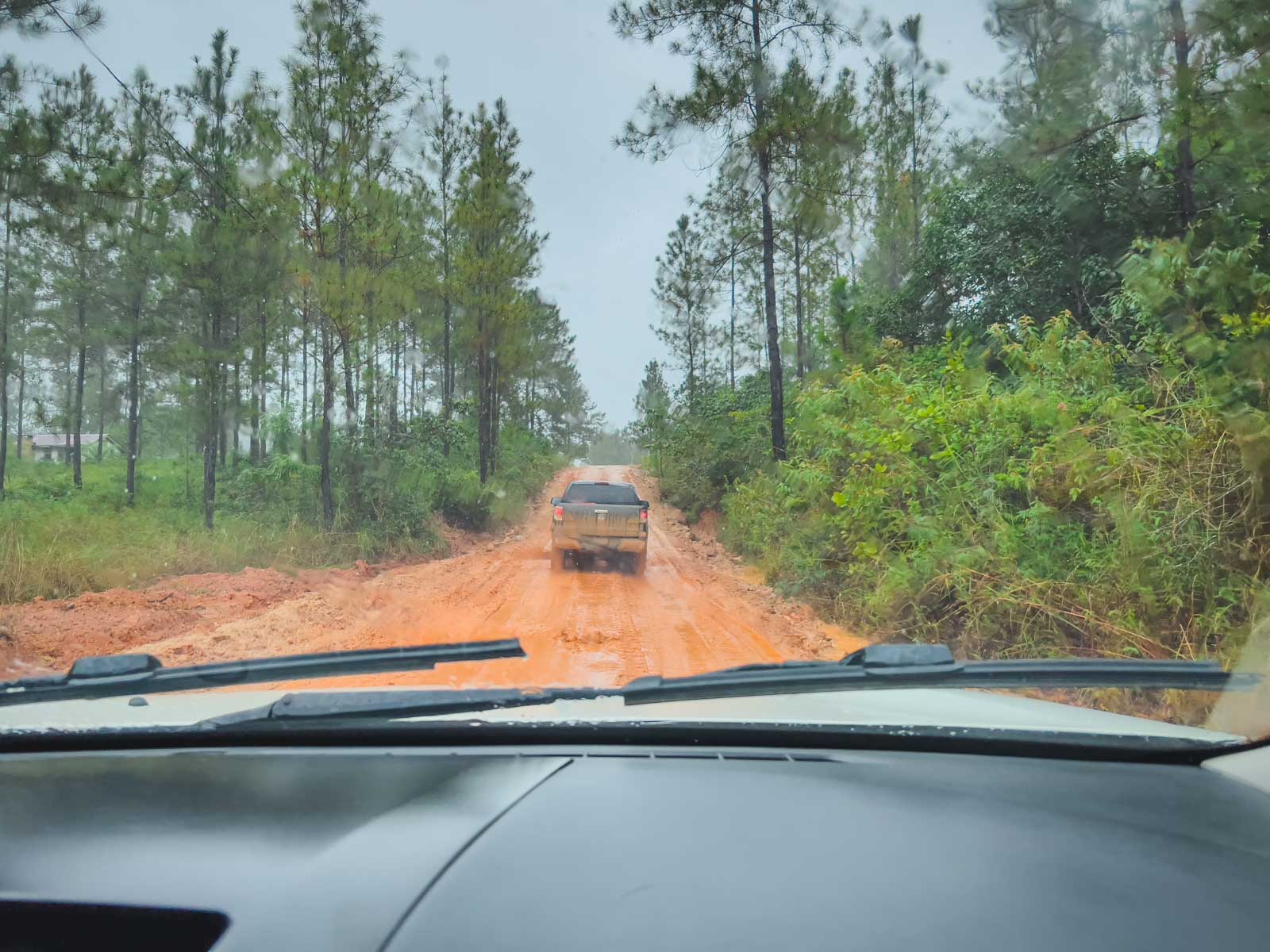
  • Ultimate Guide to Planning Your Sintra Day Trip from Lisbon: Tips & Itinerary

    Ultimate Guide to Planning Your Sintra Day Trip from Lisbon: Tips & Itinerary

    [ad_1]

    Planning a Sintra day trip from Lisbon? Get ready to be captivated by the splendor of Pena Palace, the mysteries of Quinta da Regaleira, and the timeless beauty of the Moorish Castle. This Sintra guide cuts to the chase, offering you streamlined travel advice, insider secrets, and a snapshot of the enchanting experiences in this popular tourist destination. Discover Sintra’s most cherished sites, as well as savvy tips to navigate the town, all within an easy day’s journey from Portugal’s capital.

    Ultimate Day Trip to Sintra

    Sintra is a perfect day trip from Lisbon with its historic palaces and beautiful scenery; get an early start to avoid crowds, especially at Pena Palace and Quinta da Regaleira. It’s easy to reach Sintra efficiently by train. Located just 30 minutes from Lisbon, Sintra was a playground for Portuguese nobility and wealthy families who built beautiful houses and vast gardens.

    The 434 bus, Uber, or tuk-tuks are good for getting around Sintra. To save time and money, purchase tickets ahead of time online for attractions like Pena Palace and Quinta da Regaleira, and consider visiting during the quieter spring or autumn seasons.

    Is a Day Trip to Sintra from Lisbon Possible?

    Day Trip to Sintra From Lisbon

    Sintra, with its unique blend of history and beauty, is indeed a possible day trip destination from Lisbon. Ancient castles, royal palaces, and grand estates densely packed into an explorable landscape make Sintra a captivating place. The rich tapestry of Sintra’s culture makes it a captivating place to spend an entire day (if not more). With its unique architectural styles and palatial retreats ornamenting the hillside, Sintra served as a summer sanctuary for Portuguese royalty.

    A day trip to Sintra typically starts with a visit to the Pena Palace, situated at the top of the hill. This allows visitors to explore other attractions while walking downhill towards the town. An early start is recommended to get the most out of a day trip to Sintra from Lisbon.

    Journey From Lisbon: Reaching Sintra by Train

    Reaching Sintra by train from Lisbon

    Starting your Sintra day trip is as easy as hopping on a train. The journey from Lisbon’s Rossio Train Station to Sintra is a mere 40 to 45 minutes (Oriente Train Station is a bit longer), making the trip not only convenient but also fairly quick. Trains to Sintra depart roughly every 20 minutes, starting around 8 am, with the last train returning around midnight. This means you have plenty of flexibility when planning your day trip to Sintra from Lisbon.

    It’s easy to travel to Sintra from Lisbon. The Sintra train station is the last stop on the line, and it stops close to the historic center.

    The return train ticket from Lisbon to Sintra costs €4.60. To save time and avoid long lines at the ticket machine, consider using a reloadable Via Viagen card or booking it through Omio, which is what we did. Either way, it’s simple and efficient to manage your transportation during your visit.

    As for the best time to start your journey, we recommend catching an early train. Not only does this give you ample time to explore Sintra, but it also helps you beat the crowds at popular attractions. So, why not grab that cup of coffee and catch the 8 a.m. train to Sintra? Your adventure awaits!

    One Day Sintra Itinerary

    One day Sintra itinerary

    When planning a trip to Sintra from Lisbon, you must start early. We suggest either starting at Pena Palace or Quinta da Regaleira. Most visitors start at Pena Palace as it is the most popular. If you decide to do Pena Palace in the afternoon, you can reverse this itinerary and start at Quinta da Regaleira which is closer to Sintra Station.

    Ascend to Romanticism: Visiting Pena Palace

    Visiting pena Palace in sintra Portugal

    Weekdays, especially in the early mornings or late afternoons, offer the best visitor experience for Palácio da Pena. So, as we said above, you should either book your timed ticket for opening or late afternoon near closing time. If you decide to go in the morning, directly from the train station, you should be ok to book your timed entry ticket for the first entry.

    We suggest getting an Uber, taxi, or Tuk Tuk from the train station to get there quickly. You can catch the Sintra bus 454 at 8:50 a.m. and get to Pena Palace in 20 minutes. You can catch the bus right at the train station, but you should be prepared for long lines, especially during the high season.

    But be aware that even if you get on the first bus at 8:50 a.m. and get there by 9:10, you still have another 15 to 20 minutes to walk to the palace entrance. You can grab one of the shuttle buses (€3), but if you are cutting it close, it may take you longer than walking after you wait in line to get on one.

    Nowadays, like most popular places in the world, you have to visit via a timed entry. You can do this through the official website, where they give you a  15% discount if you purchase at least 3 days in advance, or you can do what we did and book it through Get Your Guide. We highly recommend pre-booking a date and time as far in advance as you can if you are looking to get in on the first or last entry of the day. This is especially necessary if you want to visit the inside of the palace. There are basically 2 ticket options available: the combined palace and park ticket or just park access. If you are not interested in going into the palace, you can opt for just the Pena Park ticket, but I think you would be missing out.

    The Pena National Palace is open from 9:30 a.m. to 6:30 p.m. every day, with the last entry typically at 5:45 p.m.

    Inside Pena Palace

    Pena Palace Sintra Video

    Regardless of whether you enjoy history and architecture, I think if you visit Pena Palace, you might as well go inside. You can expect to see different lavishly decorated rooms and cloisters adorned with traditional Portuguese azulejos, which are those blue Portuguese tiles you see everywhere in Portugal. The real highlight for us was walking the castle walls, admiring the views, and imagining what it must have been like to live here.

    The Palácio Nacional da Pena is like stepping into a world of opulence and grandeur, where each detail invites you to immerse yourself in its beauty.

    The Park of Pena

    The Park of Pena in Sintra

    The enchantment of Pena Palace extends to its surrounding park, Parque de Pena. This park features a diverse array of plant species, contributing to Sintra’s romantic and exotic atmosphere. One of the most popular walks in Parque de Pena is the trail leading to Cruz Alta, a destination worth exploring.

    From the Cruz Alta viewpoint, you can enjoy prime views of the palace, while a nearby unnamed peak provides a tranquil spot with uninterrupted views. So, why not take a leisurely stroll and let the beauty of nature captivate your senses?

    The Moorish Influence: Discovering the Castle Walls

    Moorish Castle in sintra

    The next stop is the Moorish Castle. Also known as Castelo dos Mouros, it is a gem that takes you back to the 8th and 9th centuries. Originally constructed by the Moors, it served as a fortified stronghold overlooking the Sintra region. A pivotal point in its history was when it came under Christian rule following the conquest of Lisbon and Santarém by Afonso Henriques, the first King of Portugal, in 1147.

    Today, visitors to the Castelo do Mouros can walk along its castle walls and discover historical food storage methods, evidenced by silos carved into the castle’s rocks intended for preserving cereals. The Historical Interpretation Centre of the Moorish Castle provides visitors with a rich and interactive learning experience about the early occupants of the site. Despite its historical significance and panoramic views over Sintra, the Moorish Castle often experiences fewer visitors due to its exclusion from most guided tour itineraries.

    So, if you’re looking for a quieter yet equally fascinating experience, the Moorish Castle is a must-visit. The strategic castle walls, historic charm, and breathtaking views are sure to make your day trip to Sintra an unforgettable one.

    Sintra’s Royal Legacy: Unveiling the National Palace

    Sintra National palace

    Stepping into the Palacio Nacional de Sintra is like stepping into a time machine, transporting you back to Portugal’s royal past. This palace has served as a royal residence since the 15th century and is recognized for its mix of Gothic, Manueline, Moorish, and Mudéjar architectural styles. The National Palace of Sintra is an icon of the town, easily recognizable by its large chimneys and striking white Gothic-style exterior.

    Among the oldest parts of the palace is the chapel, dating back to the reign of King Dinis I in the 14th century. This chapel is adorned with intricate Moorish latticework, a testament to the palace’s rich Portuguese history. And then there’s the Coats-of-Arms Room, a significant addition by King Manuel I during the Age of Discoveries. The palace’s interior features elaborate tilework, painted ceilings, and rooms like the Swan Room, Magpie Room, Arab Room, and the Coat of Arms room.

    The National Palace is open daily from 9:30 a.m. to 6:30 p.m., with the last admission at 6:00 p.m. Adult tickets are priced at €13 and you can even get a discount with your Lisboa Card.

    Quinta da Regaleira: A Mystical Journey

    Quinta Da Regaleira video

    Quinta da Regaleira was our favorite place in Sintra. A grand house stands at the center of these sprawling gardens with fountains, towers, and even a chapel. Stepping into Quinta da Regaleira is like stepping into a different world, one filled with mysticism and intrigue. It was built in the early 20th century by António Augusto Carvalho Monteiro. Monteiro was a collector of art and rare objects, and he used the Quinta da Regaleira as a showcase for his collection.

    The attractions at Quinta da Regaleira include:

    Quinta da Regaleira Initiation Well sintra

    There’s so much to discover at Quinta da Regaleira. The main attraction, though, is the Initiation Well. This Gothic spiral staircase looks like an inverted tower descending deep into the earth. The inverted tower was used as an initiation to the Free Masons, symbolizing a journey of rebirth and filled with Masonic symbolism.

    We were first in the gate and went directly to the Initiation well to get some photos and enjoy the well with little to no people. After that, there was a steady stream of people walking down the staircase, and guides rushed you along with barely enough time to grab a photo.

    If you do want to visit here first, you can reverse this itinerary and head directly to Quinta da Regaleira from the train station in the morning and leave Pena Palace at the end of the day. We recommend this. Quinta da Regaleira is close to the train station and about a 15-minute walk from the city center.

    This is another place where you will have to book your ticket in advance. Although there is no timed entry, you can get a skip-to-the-front-of-the-line ticket, which also includes a free audio tour. We highly suggest doing this as it allowed us to go right to the front of the line on our visit. One tip: there are usually 2 lines to get in, one for ticket holders and one for buying tickets on the day. Make sure you are in the right line.

    Strolling Through Sintra Town: A Blend of History and Culture

    Sintra Town in Portugal

    After exploring the palaces and mystical gardens, it’s time to stroll through the charming streets of Sintra town. The historic town center of Sintra is a beautiful example of Romantic architecture and it is fun to walk the narrow streets and staircases. It is easy to see why The Portuguese Royal Family cherished Sintra as their preferred holiday retreat.

    Make sure you stop into some of the local restaurants and cafes that we recommend below, Sintra is a great place to sample some great Portuguese food.

    Hidden Gems and Lesser-Known Sights

    While Sintra’s main attractions, including its UNESCO World Heritage Site status, are amazing unto themselves, the town also has several hidden gems worth exploring. You may not be able to see all of these on just a day trip, but if you have a few days, you may want to check out some of these lesser known sites.

    Monserrate Palace

    Monserrate Palace in Sintra

    One such gem is Monserrate Palace, built in 1863, the palace is a blend of architectural styles, including Gothic, Moorish, and Indian, and its really is a sight you won’t forget. It was also once the home of Sir Francis Cook, a wealthy British businessman who was the first Visconde de Monserrat and is now a UNESCO World Heritage Site.

    Inside the Palace the grand halls and huge rooms are filled with ornate furnishings and the detail is just amazing. Truthfully, the real attraction of the Monserrate Palace is the gardens. These sprawling grounds are a home to some 3000 different species of exotic plants and flowers. Make sure to give yourself ample time to walk through the gardens, they really are some of the most beautiful we have seen in our travels.

    Cabo da Roca

    And let’s not forget about the stunning sunset experience at Cabo da Roca, Europe’s most westerly point, and the free-access Vila Sassetti Mansion and Gardens with their hiking trails leading to rock climbing areas. So, while you’re exploring Sintra, don’t forget to venture off the beaten path and discover these hidden treasures that add to the town’s charm and allure.

    Maximizing Your Time: Structuring Your Sintra Day Trip

    Planning a day trip to Sintra from Lisbon can feel overwhelming, with so many things to cover. But, with some planning, you can easily maximize your time and experience the best of what Sintra has to offer. If you start early, ideally catching the 8 a.m. train from Lisbon, you will not only have a head start on the crowds but also get to see these amazing sites without a lot of people. Something that doesn’t happen often these days.

    After exploring Pena Palace and its parklands, you can either continue on to the Castelo dos Mouros or return to Sintra town for a lunch break at one of the local establishments.

    After lunch, you can visit the Palácio Nacional de Sintra and the Initiation Well at Quinta da Regaleira.

    Finish up your day trip with dinner in the city center or near the Sintra train station before catching one of the frequent return trains to Lisbon, which run roughly every thirty minutes until midnight.

    Navigating Sintra: Transportation Tips and Tricks

    Getting around Sintra is fairly easy, thanks to a variety of transportation options. One of the most affordable options is the 24-hour hop-on, hop-off ticket priced at €12.50, which can be used for tourist buses 434 and 435. The 434 tourist bus operates on a loop in one direction, just like public transport. Just be aware that it can become quite busy during peak times.

    If ou are looking for a more flexible option then maybe a tuk-tuk private tour or hiring an Uber is more suited for you. Tuk-tuk tours can be arranged in advance or on the spot in Sintra, allowing visitors to travel flexibly between sights. However, securing an Uber pickup from elevated locations like Pena Palace can be tricky. We had drivers cancel our ride as we were waiting. If you’re considering taxi or tuk-tuk services, remember to negotiate the fare before the journey to avoid being overcharged.

    While driving in Sintra is an option, we don’t really recommend it. The roads are extremely narrow, and parking is at a premium. We suggest leaving the car behind and walking.

    That being said we don’t advise walking up to Pena Palace as it is farther than it looks on paper, and it is a steep incline. However, many people opted to walk down back to the city center when leaving Pena Palace. So, depending on your preferences, you can choose the best mode of transport that suits your travel style.

    Culinary Delights: Where to Eat During Your Sintra Day Trip

    Piriquita Bakery in Sintra Portugal

    As we mentioned above, a day trip to Sintra wouldn’t be complete without indulging in its culinary delights. From traditional Portuguese restaurants to famous local pastry shops, Sintra offers a variety of dining options to satisfy your taste buds. Quinta da Regaleira’s outdoor patio is a great spot to grab food and drinks. For pastry lovers, the Piriquita Bakery, dating back to 1862, is an absolute must-visit. Recommended by a tuk-tuk driver, this family-run bakery is now in its sixth generation and continues to delight visitors with its mouth-watering pastries.

    For a delightful dinner experience, consider visiting places like Saudade, Incomum by Luis Santos, and Restaurante Metamorphosis near the Sintra train station. Whether you’re craving traditional Portuguese cuisine or looking to try something new, Sintra’s culinary scene is sure to tantalize your taste buds.

    Planning Ahead: Ticket Purchases and Tour Options

    Tickets and Tour options for your day trip to Sintra from Lisbon

    When planning your Sintra day trip, the number 1 tip we can give you is to purchase your tickets in advance. This can save you time and just make it a more enjoyable experience.

    When it comes to exploring Sintra, you have the option to tour the town independently or choose from private group tours and day tours that include other destinations like Cabo da Roca and Cascais. Guided Sintra tours often save hassle as guides explain the background of the palaces, and private vehicle tours grant access to areas regular vehicles can’t, thus avoiding crowded public transportation.

    So, whether you’re an independent explorer or prefer a guided experience, there’s a tour option to suit your needs. Just remember to plan ahead, pre-book your tickets, and consider your tour options to make the most of your Sintra day trip.

    When to Visit: Timing Your Trip for the Best Experience

    Best time to visit Sintra From Lisbon

    When planning your Sintra day trip, timing is key. The recommended seasons for visiting Sintra are spring and autumn, when the weather is pleasantly warm and the natural surroundings are particularly lush. During these periods, Sintra sees fewer visitors, making it an ideal time to explore the town at a relaxed pace. The weather is still mild during these seasons, making it ideal for exploring all of the attractions mentioned above.

    If you have more time available, consider spreading your Sintra trip over two days for a complete and relaxed exploration. The best days to visit Sintra to minimize crowding are Tuesdays, Wednesdays, or Thursdays. Keep in mind that due to its elevation and proximity to the Atlantic, Sintra is generally cooler than Lisbon, especially during the summer.

    So, whether you’re planning a short day trip or an extended stay, timing your visit right can significantly enhance your Sintra experience. From avoiding crowds to enjoying the best of Sintra’s weather, your perfect Sintra day trip is just a well-timed plan away.

    Accommodations in Sintra: Extend Your Stay

    Accommodation options in sintra

    For those who want to extend their Sintra experience, as we did, the town offers a range of accommodations to suit every budget and travel style. From budget hostels like Casa Azul Hostel to luxurious hotels such as Vila Gale Sintra, there’s something for everyone.

    If you’re looking for a place to stay in Sintra, here are some options:

    Whether you prefer the cozy ambiance of a budget hostel, the modern sophistication of a city hotel, or the luxurious comfort of a resort, you’ll find a place to call home in Sintra. So why not extend your stay and explore Sintra at your own pace?

    Sintra promises an unforgettable day trip from Lisbon. Whether you hire a tour guide, book private tours or travel independently, Sintra will captivate and delight. So why wait? Start planning your perfect Sintra day trip today and immerse yourself in the magic of this UNESCO World Heritage site.

    Frequently Asked Questions

    Before we go, let’s round up some of the key questions people have when planning a trip to Sintra.

    Is a day trip enough to explore Sintra?

    Yes, a day trip is enough to explore Sintra if you start early to avoid crowds and make the most of your time.

    How do I get to Sintra from Lisbon?

    The easiest way to get to Sintra from Lisbon is by taking a train from Rossio Station, which departs every 20 minutes and takes around 40 to 45 minutes. Enjoy your trip!

    What are the key attractions in Sintra?

    Sintra’s key attractions include the Pena Palace, Moorish Castle, Sintra National Palace, Quinta da Regaleira, Monserrate Palace, and Quinta da Penha Verde. Don’t miss out on these must-see spots when visiting!

    When is the best time to visit Sintra?

    The best time to visit Sintra is during the spring and autumn seasons when the weather is pleasant and the town is less crowded. Try visiting on a Tuesday, Wednesday, or Thursday for a more relaxed experience.

    What are the dining options in Sintra?

    In Sintra, you have plenty of dining options to choose from. Enjoy a quick bite at Quinta da Regaleira’s outdoor patio or indulge in pastries at Piriquita Bakery. For dinner, consider trying Saudade, Incomum by Luis Santos, or Restaurante Metamorphosis for a satisfying meal. During the high season, be sure to make a reservation. Enjoy your meal!

    Plan Your Trip To Portugal With These Resources

    [ad_2]

    Source link
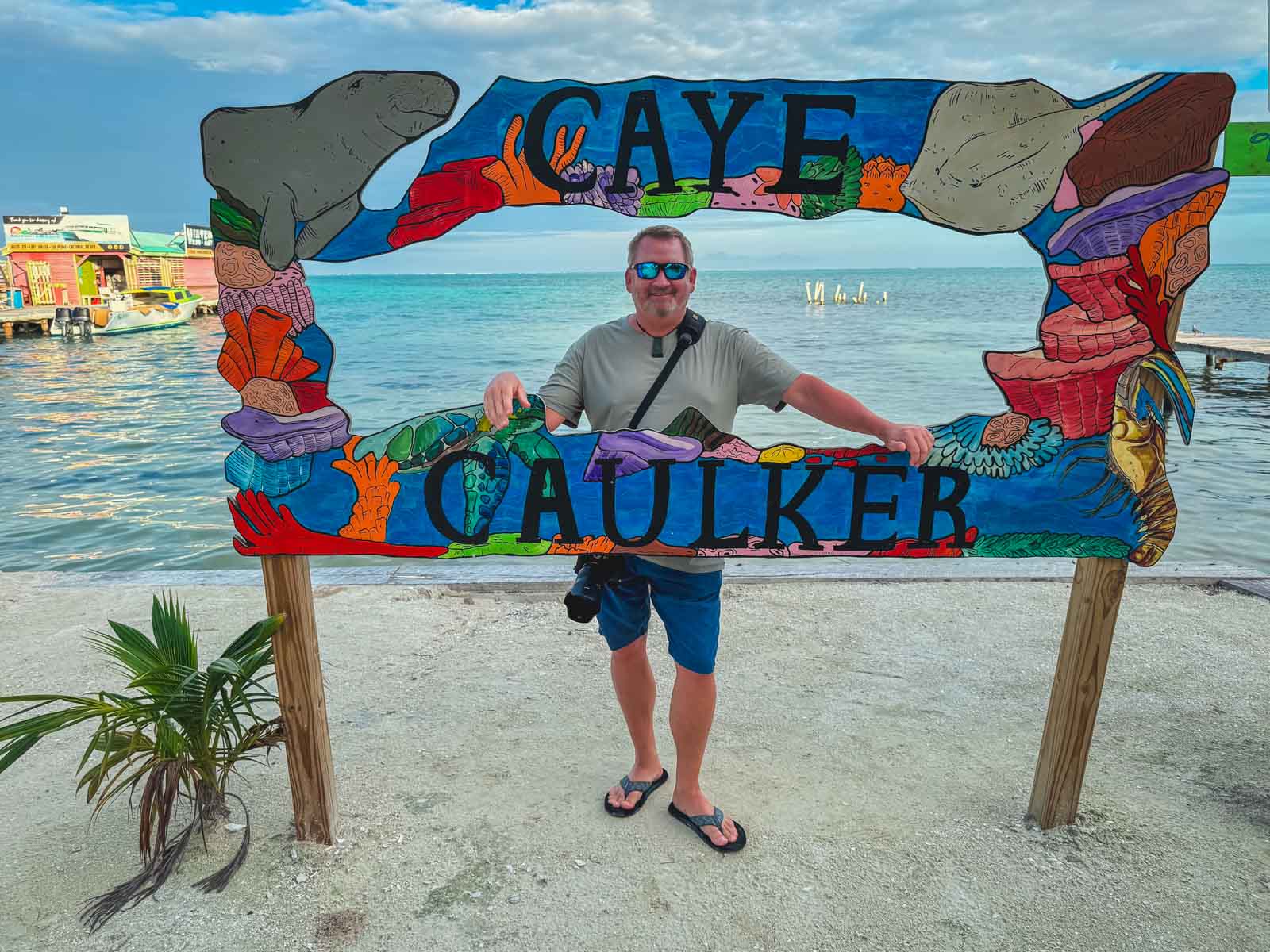
  • Is Portugal Expensive To Visit? Travel Costs And Budgets

    Is Portugal Expensive To Visit? Travel Costs And Budgets

    [ad_1]

    We’ll start with the good news: Portugal is a small country and one of the most affordable countries in Western Europe. We have just returned from our 3rd time in Portugal and have a good idea what the costs of visiting this country are right now. It’s a captivating country of cliff-laden coastlines, with sea caves like Benagil and picturesque village scenery less than an hour inland. And that’s all before even thinking about its hearty cuisine, which is full of delicious pastries and seafood dishes.

    As a whole, Portugal is not expensive to visit, especially when compared to other European countries. But if you want to save money even further, there are definite ways to do so. Whether you choose to stay in major cities or a remote village near the Algarve, this guide will show you what to expect to pay when visiting Portugal. Most importantly, it will help you stretch your precious dollars further to have an even more incredible experience for less money.

    Is It Expensive to Visit Portugal?

    Portugal Costs

    As we’ve just said, Portugal is not one of the stereotypical expensive countries in Europe. Sure, you get the usual peak season rates, especially in tourist hotspots. But, overall, Portugal is great for those on a budget. It has such a laidback travel style that it naturally encourages lower prices. You have stunning landscapes and stunning beaches; chances are you’ll be lapping up nature for nothing more than public transportation costs at most.

    Don’t just take our word for it, though. How much it costs for you to visit Portugal depends on your personal preferences. Here are the different categories and their costs per travel style that you should budget for.

    Cost of Accommodation

    A hotel in Northern Portugal

    Portugal has a great selection of accommodations and a solid tourist infrastructure. The main thing to note is that it has areas of condensed tourism, which mostly sit along its coastline, while inland areas, especially around the Spanish border, are nearly empty of mainstream visitors.

    Larger cities like Lisbon and Porto offer wider choices in accommodation types, with many mid-range properties and even hostels. More remote areas have more B&Bs and vacation rentals. Costs vary depending on location, with demand being the factor that most spikes prices.

    Keep in mind that for remote areas and vacation rentals, you’ll likely require car rentals at an extra cost. Accommodation location might seem like something you can skimp on to save money, but in reality, it often shifts the cost elsewhere – either to public transportation or car rental. So make sure you incorporate those additional expenses into your accommodation choice when picking where to stay in Portugal. Private properties in the countryside tend to be isolated, and with European bushfires, it’s wise to have a solid method of independent transport. However, we’ll cover that cost more in our “transportation in Portugal” section.

    Turim Hotel in Lisbon Portugal

    Another thing to remember is that peak seasons get busy, I mean really busy, and accommodation sells out quickly on the main tourist routes. You should always aim to book in advance, especially for summer travel dates or to super popular destinations like Porto, Faro, Albufeira, or Lisbon. The last thing you want is to get lumped with more expensive accommodation because you took your sweet time booking. The best deals go fast – be that because of location, accommodation quality, or value for money.

    Accommodation is your largest travel expense when visiting Portugal, so it quite literally pays to do your research. We’ll review the leading accommodation types and give you an idea of what you can get for your buck.

    Accommodation Types

    Faro, one of the main Portuguese cities

    Now that you understand all about tourism and accommodation in Portugal, we’ve got a more practical, numbers-based breakdown of where to stay. We know that budget shapes where you choose to stay when traveling. Here’s what you can expect for each budget level when visiting Portugal.

    Budget: $40 a Night

    Portugal has two levels of low-cost accommodation: hostels and budget hotels. We’ll tackle each of these separately, but as a general rule, you can expect to pay around $50-60 per night for hotels. While if you’re on a really tight budget, you can wangle hostel stays for around $20-30. Call it a happy average of around $40 per night.

    Hostel stays typically involve dormitory rooms and shared facilities like kitchens. This is great for meeting new people and saving money on eating out. If you’re a bit of an introvert, you can still reserve private rooms at many hostels in Portugal; just expect to pay higher prices, like you’d spend on a cheap hotel room.

    Here are a few examples of hostels with dorm room prices:

    Budget hotels are better for those who want their own space and don’t mind eating out. You get comfortable but basic rooms and save money for more exciting things, like sightseeing.

    Here are a few examples of budget hotels:

    Mid Range: $100 a Night

    Portugal is overflowing with mid-range hotels, especially in popular tourist destinations. If you compare mid-range prices with more budget options, you’ll find a rough estimate of around double the price. As a general rule, for mid-range prices, you get more centrally located accommodation with more tastefully decorated rooms and comfortable amenities. Think coffee machines and trendy furnishings rather than plain bed and bedside table designs.
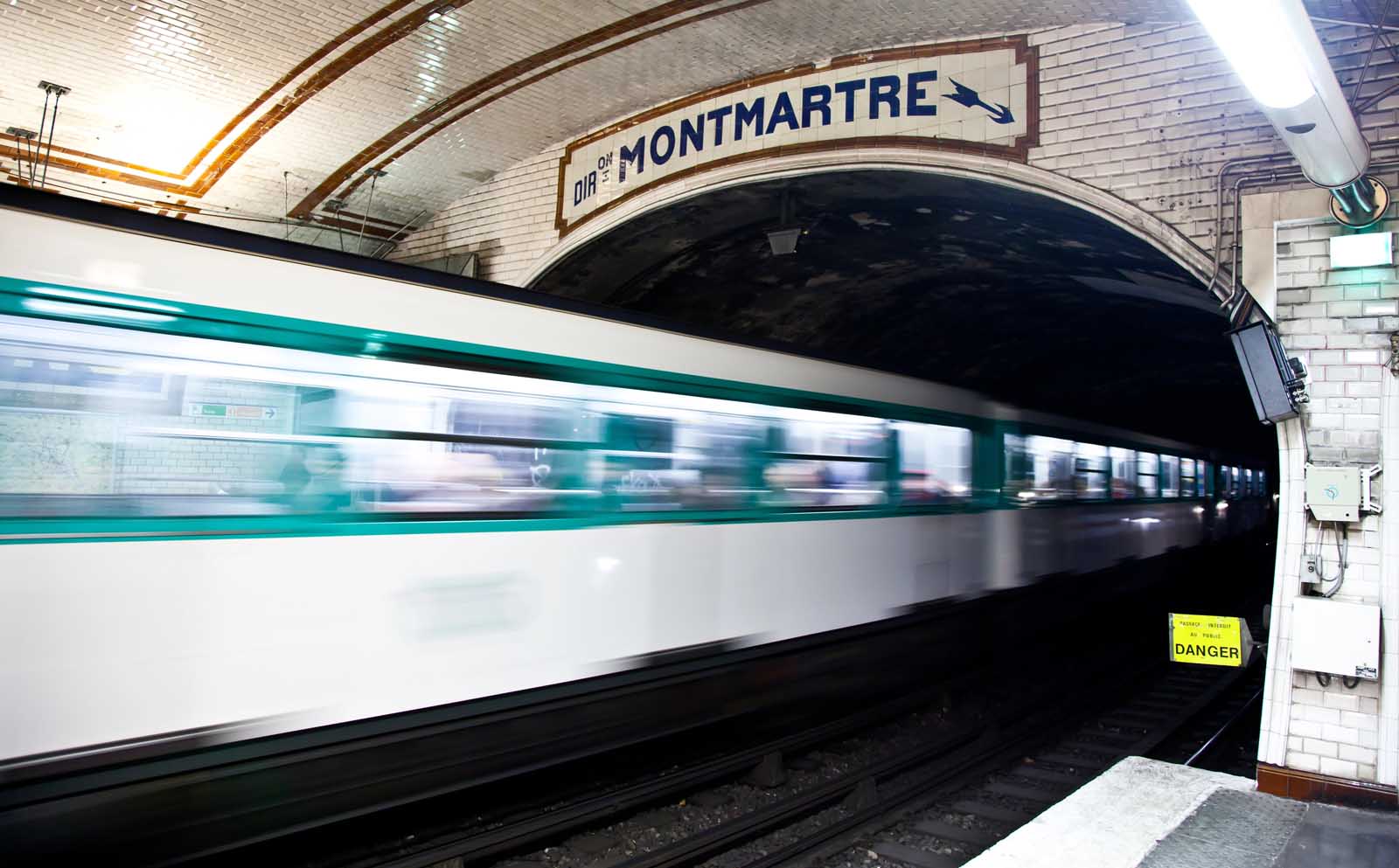
    Here are a few examples of mid-range properties across Portugal:

    Luxury: $300 a Night

    The sky’s the limit here, but start with rough estimates of around $180 to $400 per night, as you can often snag a great deal if you travel on off-season dates. Call it a happy average of $300 per night. If you’re happy to pay more money, though, luxury hotels can quickly rise to above $400 and even $500 a night—especially if you’re traveling in Porto or Lisbon.

    As a general rule, though, you can get the ball steadily rolling for luxury accommodation once you pay over $180 a night. Here are a few examples:

    Cost of Transportation in Portugal

    Taking the train in Portugal

    If you take a city break to Portugal, we won’t lie; no public transport is necessary. If you stay central, you’ll be within walking distance of all the major sights. This is great in peak season, as it means you don’t have to pay anything or put up with all the queues and cramped seating areas. Portuguese cities are really easily accessible.

    Even if you stay in the city outskirts, you’ll at most take one of the local buses, Metro, or train services—all of which cost around 2 dollars per one-way trip. So, overall, if you choose a city break, budget around a few dollars a day for transportation in Portugal.

    Those staying for a week or more in Portugal, instead of a short city break, should consider public transport. How you should get across Portugal varies depending on your itinerary. For instance, many people visiting Portugal split a week between Lisbon and Porto. In this case, you can buy a train ticket to travel between the two. Train tickets from Lisbon to Porto cost less than $20 when booked in advance – a huge win. If you’re slowly traveling Portugal by train or bus, budget between $10-15 a day on average.

    Whether or not tourists need a rental car varies depending on their Portugal itinerary. Are you planning on lots of day trips to remote areas where there are limited buses and trains? Or are you staying in a remote villa outside of major cities like Lisbon and Porto? If you answer yes to either of those, add a budget for car rentals to your total cost. If you rent a car, make sure you have good travel insurance.

    If you are planning a short city break, Budget $2 to $4 a day at most.

    If you are planning a holiday with day trips to remote areas/staying in remote accommodation: Budget $11 a day for average car rental prices.

    If you plan a longer, multi-destination holiday, Budget around $15 a day on buses and trains.

    What About Getting To Portugal To Begin With?

    Another thing to consider is how you’ll get to Portugal. Round-trip flights are the most popular way. Flight prices obviously vary depending on your departure point, but round-trip flights from Europe are much cheaper than from places like the USA or Canada.

    Luckily, Portugal has some major international airports with regular charters. The main three are Lisbon Airport, Faro Airport, and Porto Airport, with flights in peak seasons and beyond. Flight costs vary very little between these—it all depends on whether you want to visit the north, middle, or south of Portugal.

    As an example, here’s what you should budget for round-trip flights to Porto, depending on your departure city:

    New York City to Porto: $500-800 for a return trip.
    Los Angeles to Porto: $800-1,000 for a return trip.
    London to Porto: $100-150 for a round-trip ticket.
    Rome to Porto: $80-120 for a round trip.
    Dubai to Porto: $600-800 for a return ticket.
    Sydney to Porto: $1,500-700 for a round trip.

    Cost of Food in Portugal

    Cost of Food in Portugal

    You won’t break the bank with food in Portugal. The country has millions of local eateries that serve tasty homemade goods for a fraction of the price you can expect elsewhere in Europe—the average meal costs just $10 in Portugal, including a drink and a hearty main dish. A cappuccino costs less than $2, while if you head to the supermarket, you’ll find 1kg of chicken for under $7.50 and a pint of milk for around $1.
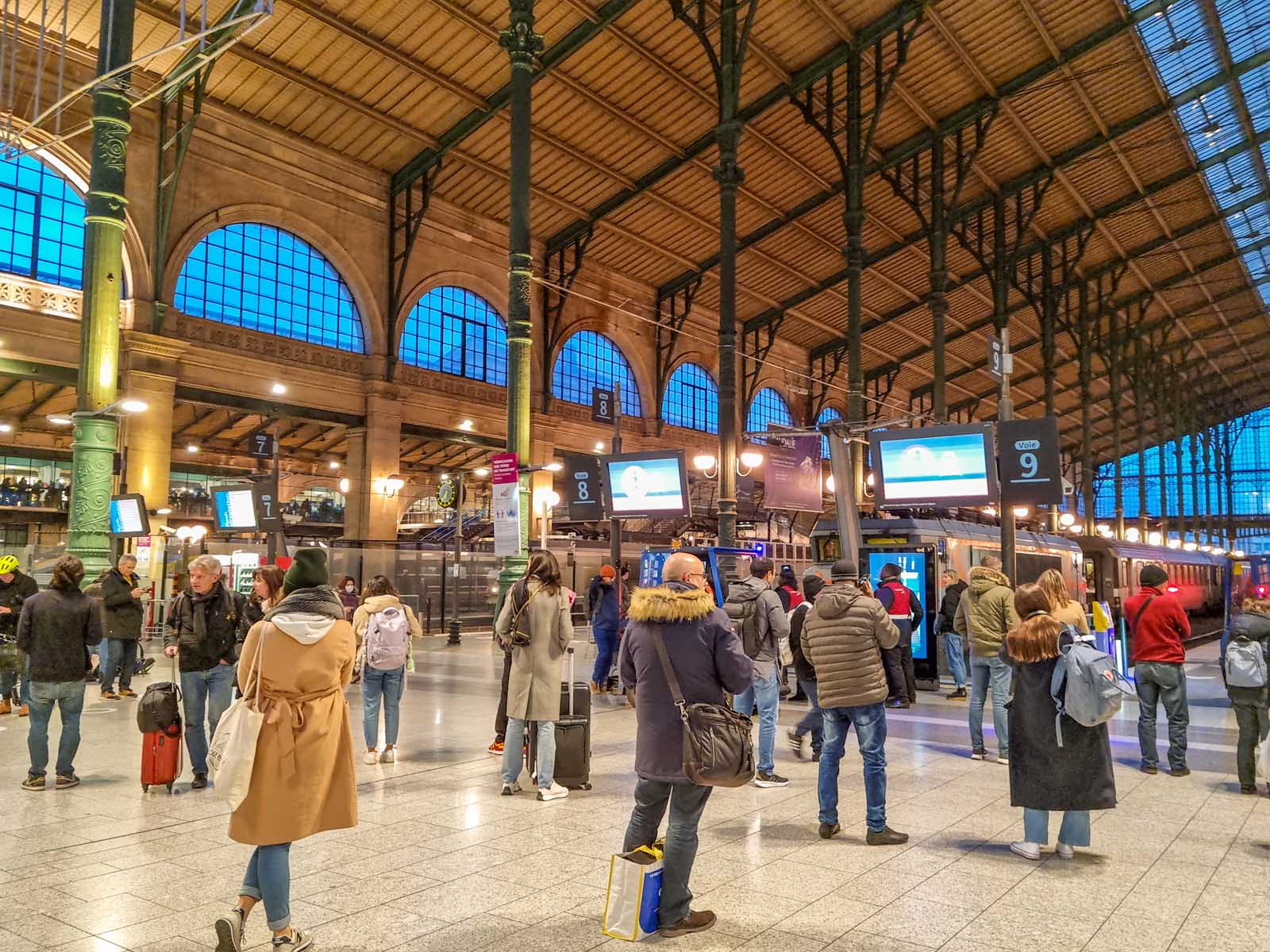
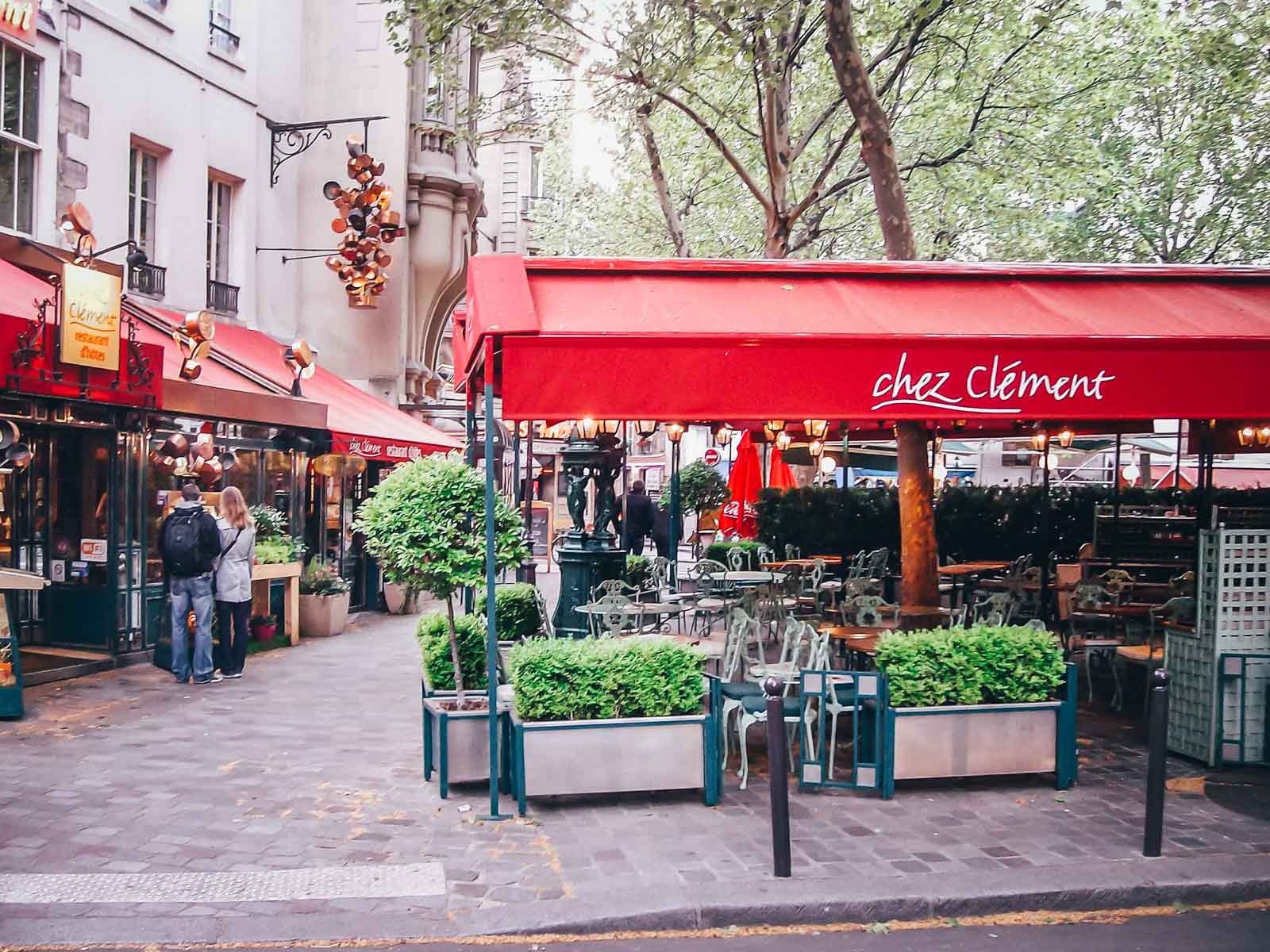
    Of course, while your food budget will inevitably vary widely depending on your tastes and travel style, you should know that Portugal has a baseline budget-friendliness. You’ll spend less than you would in most of Europe to stick within your budget level of choice. Whether you choose fine dining every day or stick to grocery shopping and cooking for yourself at self-catered accommodation, Portugal is comparably cheap for its region when it comes to food.

    So, what can you actually expect from food in Portugal? Major cities have plenty of fast-food restaurants and supermarkets. Smaller towns have more cafes and independent grocery stores. If you want to save cash on your travel costs in Portugal, the best way is grocery shopping and sticking to more casual cafes and restaurants. You don’t need the fine dining experiences anyway; homemade dishes at casual eateries are to die for.

    We’ve got an entire guide on traditional food in Portugal, but here are a few of our favorites that you should try when visiting.

    Pastel de Nata: A soft egg custard tart is popular in bakeries and coffee shops across Portugal. It’s served for breakfast and as a midday snack.
     Piri Piri Chicken: Nandos launched this dish, which consists of chicken in a spicy sauce, to international fame. It’s available all over the country.
    Bacalhau: Bacalhau is a salted and dried cod dish with a slightly acquired taste. Portugal is famed for its fishing history, and bacalhau can be found all over the coastline.
    Arroz de Marisco: This is a really stereotypical Portuguese seafood dish. It’s not unlike paella, and it’s a tomato-based rice dish stocked with mussels, clams, prawns, and an overall punchy flavor.

    Budget Food: $15 Per Day

    If you are on a real budget, you’ll be cooking meals at your accommodation and predominantly relying on groceries. In this case, you can easily get by on $15 a day.

    Mid-Range Food: $40 Per Day

    A mid-range budget for food in Portugal should account for a takeaway lunch (think a panini or sandwich) and a sit-down dinner. Breakfast should either be a grocery snack, included in your hotel, or cooked at home.

    Luxury Food: $100 Per Day

    Luxury food budgets account for three meals out a day. In Portugal, a meal with three courses for one costs around $30 and includes a nice glass of wine. If you budget for lunch and dinner out, this totals up to $60, with an extra $20 for breakfast and $20 spare for ad hoc drinks like coffee. You won’t be counting pennies or trying to compare prices on rivaling menus; it is food tasting without mental tracking.

    Cost of Activities

    Cost of Activities in Portugal

    Activities in Portugal cost as much as you want them to cost. That might seem a bizarre statement, but hear us out. Most of its tourist areas are located along the coastline, with their main attractions being beaches with free entry to swim and sunbathe to your heart’s content. With its sunny climate, Portugal is a fantastic place to spend time outdoors in nature, totally for free. You could have a full day on the beach for free or spend around $10 for a lounger and drink.

    Even in the main cities, Portugal has plenty of free attractions. Lisbon has seven free museums, for instance, without considering all the architecture, like cathedrals and dramatic bridges.

    Before we get started on an activity budget, take into account some of these free things to do for each of its most famed destinations:

    Faro

    Walk the Old Town

    Hit the beach at Praia do Faro
    Faro Cathedral

    Porto

    Porto Cathedral
    Ponte de Dom Luis
    Mercado Bom Sucesso

    Lisbon

    Gulbenkian Museum
    Church of Sao Roque
    Walking its markets

    Besides its free attractions, Portugal also has plenty of paid things to do. You can budget around $20 in entrance fees for things like aquariums, football stadium tours, castles, and palaces. Experience-based half-day tours should cost around $40, while more luxurious full-day tours to historical sites or areas of local culture can cost up to $100.

    Here are a few examples of what you can expect to pay for paid activities:

    Benagil Cave Tour in Algarve Portugal

    Budget: $0 to $10 a Day

    You can easily get around without spending more than $10 a day for those on a real budget. You’ll be sticking to free attractions, like museums with free entrance and plenty of beaches and hiking trails. This is the most cost-effective way of sightseeing, and it gives you a chance to try to find some hidden gems that Portugal offers instead of running to the usual sights. It’s like a chance to get a bit more creative.

    Mid-Range: $50 a Day

    If you want a mix of free and paid activities, a mid-range budget is for you. You should allow between $20 and $80 per day, with an average of $50 a day to spend on activities in Portugal.

    Obviously, the activities themselves vary depending on where you are visiting. Still, as a general rule, you can factor in regular standard admissions for things like palaces and castles. You should then allow for one more expensive tour (like Sintra from Lisbon for $80) and spend the rest of your time on free activities.

    Luxury: $150 a Day

    A luxury budget will allow you to spend between $100 and $200 a day on sightseeing. Having a larger budget for attractions basically gives you a ticket for smoother experiences. You can book private experiences, more comfortable transfers, and splash on typical luxuries like wine tastings and gourmet food tastings.

    This budget can factor in guided tours; a full-day tour booked privately often tots up to around the $200 mark (like this private Sintra tour). You can also enjoy skip-the-line tickets, perfect when traveling in peak season.

    A Budget For a Week in Portugal

    One week in Portugal Budget

    Now you have a general gist of all the different categories when budgeting to visit Portugal, let’s summarize. Most people visit Portugal for around a week, so we’ll tot up everything for you and give you a rough estimate of what you’ll need for your stay.

    For the sake of this section, we’ll assume that you’ve already factored in extra costs like travel insurance. We’ll also assume that you are flying economy from the US at a $650 return flight (smack bang in the middle of average prices from NYC).

    1. Accommodation

    Accommodation in Portugal is at its steepest in popular tourist destinations like the cities of Faro, Lisbon, and Porto. Here, you’ll find highly sought-after hotels that hike up their prices in the peak season or just sell out completely, leaving you with much fewer options.

    You have a mix of hostels, mid-range, and luxury hotels, though. That variety is nice as it gives you so many experience options. In more rural areas, you have choices of B&Bs and vacation rentals. Here’s what we’d budget for a week at each budget level.

    Budget: $280
    Mid-range: $700
    Luxury: $2,100

    2. Transport

    Since you haven’t told us your specific itinerary, we’ll provide you with a template transport itinerary. We’ll allocate you $15 daily (enough for long-distance trains, taxis, a rental car or many metro rides). And as we mentioned before, we’ll operate on the basis that you’re flying economy from NYC at a rate of $650.

    If this isn’t you, feel free to eliminate this section or add up your own total to the end budget.

    Not including flights: Budget $15 per day at a maximum for transport in Portugal.
    Including flights: Budget $775 for return flights from NYC and transport for a week in Portugal.

    3. Food

    Food is a big one; aside from flights and accommodation, it is your biggest expense. Everyone knows Portuguese food is good, so let’s get into budgeting for it.

    Budget: $105
    Mid-range: $280
    Luxury: $700

    4. Activities

    Activities are a huge part of why you’re even visiting, so don’t compromise if you can help it. Have a list of non-negotiable attractions and activities you want to experience when visiting Portugal.

    Budget: $70
    Mid-range: $350
    Luxury: $1,050

    So, What Should You Budget For a Week in Portugal?

    Porto at night Portugal

    For those on a low budget, you should easily be able to spend a week in Portugal for under $1,200 with flights. A mid-range budget should be around $2,100, including flight prices. If you’re on a luxury budget, we’d suggest allowing just around $4,600 for a week in Portugal, including flights.

    A Budget For Two Weeks in Portugal

    Sunny beach in Portugal

    What about if you want to stay even longer? We know how beautiful Portugal is, and if you want to travel across the country or even just soak up the sun longer in a villa, two weeks is perfect. To reiterate, we assume you’ve already factored in extra costs like travel insurance. We’re also putting in a “placeholder flight” as an example, with you flying economy from NYC, US, at $650 return.

    Here’s what two weeks in Portugal will cost you:

    1. Accommodation

    Accommodation will obviously jump up from spending two weeks, not one, in Portugal. You might be staying in different locations and properties during this time, or you could get really cozy in one home away from home. Either way, here’s what to expect.

    Budget: $560
    Mid-range: $1,400
    Luxury: $4,200

    2. Transport

    In two weeks, you’ll be much more likely to book car rentals, so make sure that your travel insurance is sorted. If not, you’ll most definitely be using lots of transport. Our $15 estimate should still cover you unless you have young driver premiums or something like that.

    Not including flights: Budget $210 for two weeks, allowing for $15 per day on transport.
    Including flights: Budget $860 for return flights from NYC and transport for two weeks in Portugal.

    3. Food

    Portuguese food honestly transforms your trip in its own right – it’s just so delicious. You’ll have everything from Portuguese tarts to spicy chicken and more seafood than you’ve ever seen in your dreams. In two weeks, you can rack up quite the food bill; let’s see what you will be spending per budget level.

    Budget: $210
    Mid-range: $560
    Luxury: $1,400

    4. Activities

    Last but not least, we have activities: arguably the whole point of even traveling to Portugal. You’ve got so much that you can experience in two weeks. You can take many more day trips and experience more of Portugal’s wider regions, potentially even switching between different bases in a multi-destination trip.

    Regardless of your itinerary, here’s what you can expect to pay for your activities in two weeks:

    Budget: $140
    Mid-range: $700
    Luxury: $2,100

    $2,100 is perfect for a luxury budget of $150 a day for sightseeing. This is enough for multiple private day trips, like spending $300-400 on a private tour of Sintra, and plenty of luxury experiences like wine tastings as well. You’ll get to all the main historical sites and attractions with smoother sailing, like skip-the-line tickets and private guides.

    So, What Should You Budget For Two Weeks in Portugal?

    Budget for two weeks in Portugal

    For those on a low budget, $1,770 is enough for two weeks in Portugal with flights. A mid-range budget is around $3,520, including flights. For those with a luxury budget, allow $8,560 for two weeks in Portugal, including flights.

    Budgeting For Portugal: FAQs

    Beach in Lagos Portugal

    Budgeting for Portugal is super easy. There are several factors to consider when trying to save cash, including whether you’re staying in major cities, taking day trips to see local culture, or sticking to beaches and cuisine tasting. Hopefully, you now know what category you fall into and how much you should budget.

    In this section, we’ll cover the most common FAQs. Here’s what people ask when visiting Portugal.

    How much does a meal cost in Portugal?

    Budget around $10 a meal at an inexpensive restaurant, including a main meal and drink. If a date night is more up your street, budget around $40 for a three course meal for two people at mid range restaurants.

    Is Portugal expensive for Americans?

    Not at all. Portugal is so much cheaper than America on average. It is around 50% cheaper to spend time in Portugal than in America, so Americans will find the country a nice break from those higher rates. Accommodation and food are cheaper, and there is less of a tipping culture (10% is optional and appreciated at formal restaurants).

    Can you live in Portugal on $3000 a month?

    You can easily live in Portugal for $3,000 a month. The average total cost for a family of four living in Portugal is $2,500 a month. For a single person, that’s just over $700.

    Is Spain or Portugal cheaper?

    As long as you don’t choose Lisbon and Porto, Portugal is massively cheaper than Spain. Porto and Lisbon are on a par with Spain’s most expensive cities—it’s just the way with European city break destinations, as everything gets hiked up with the demand from short-haul travelers.

    What To Budget While Visiting Portugal

    Porto, one of the major cities in Northern Portugal

    Travel expenses for a week in Portugal cost $1,200 on a tight budget, $2,100 on a mid-range budget, and $4,600 on a luxury budget, all including $650 return flights. There’s a lot of variation, and your budget to visit Portugal varies massively depending on your travel style and preferences. With that said, there’s the tourism infrastructure to cater to all budget levels—a huge bonus of visiting Portugal.

    Looking for more inspiration ahead of your trip? Check out these 30 best things to do in Portugal, handpicked by yours truly. There’s so much to see across the entire country. And who knows, maybe you’ll have some extra cash to extend your stay now that you’ve figured out how to budget for Portugal. You could add on a trip to other Western European countries nearby, like Spain, France, or Germany.

    Whatever your plans and budget type, have a fantastic stay in Portugal. You’ll love it.

    Plan Your Next Trip To Portugal Here

    [ad_2]

    Source link