Category: Travel Guides

  • 26 Best Things to Do in Texas We Recommend in 2024

    26 Best Things to Do in Texas We Recommend in 2024

    [ad_1]

    So you’re planning a trip to Texas, the second-largest state in the United States. That sounds like a lovely idea, and I’m thrilled for the opportunity to help with your itinerary preparation! The Lone Star State is massive, and planning a trip can be overwhelming if you’re not acquainted with its top attractions. 

    Texas is known for cowboy culture, tasty Tex-Mex food, space exploration, and varied landscapes. Traverse through the deserts in the west or stroll down the beaches in the east. Tour museums to learn about the state’s rich and tumultuous history, and head to national and state parks to climb mountains and swim in natural pools. 

    Top Thing To Do In Texas our recommendations

    Maybe you’re more about fun and exciting things to do, and that’s okay. There’s absolutely no shortage of thrilling activities in Texas, whether that’s riding the longest zipline in the state or free-falling from 16 stories at Six Flags. 

    Whatever it is you enjoy the most, I’m certain that at least a few of these awesome things to do in Texas will end up on your itinerary! 

    Best Things To Do In Texas

    Best Things To Do In Texas NASA

    The best things to do in Texas range from historic landmarks like the Alamo to the NASA Space Center in Houston, and there are at least two dozen activities in between. The southern state can appeal to anyone, which is just one of many reasons why 250+ million people visit it every single year. 

    I’ve included a good mix of city attractions and natural landmarks, so there’s something for everyone. Whether you want to visit museums and explore historic monuments or spend your time in Texas wandering around its national parks and marveling at the diverse landscapes, I’ve got you covered! 

    Best of Texas Quick Guide

    Must-See: The Alamo, NASA Space Center Houston, Texas Capitol, Dealey Plaza, San Antonio Missions National Historical Park, Dallas Historic Fair Park,   
    Where To Stay: Magnolia Hotel Downtown Dallas, Hyatt Place Austin Downtown, La Colombe d’Or Hotel (Houston) 
    Fun To Do: USS Lexington, San Antonio River Walk, The Reunion Tower, Lake Travis Zipline, Six Flags Over Texas 
    Day Trips: South Padre Island, Guadalupe Mountains National Park, Big Bend National Park, Palo Duro Canyon State Park
    Must-Try Foods: Puffy tacos, Chili, Nachos, Barbecue, Steak

    1. History Lesson at The Alamo

    Best things to do in Texas Alamo

    The Alamo is a historic landmark in San Antonio and one of the state’s most important attractions. It’s a symbol of the Texas Revolution and is famous worldwide for the Battle of the Alamo. The former mission church now operates as a museum with artifacts from the revolution era. 

    Because this is one of the most popular landmarks in the entire state, it tends to be crowded all the time. I recommend booking a guided tour because the guides will tell you many stories about the Alamo’s history, plus you’ll get to skip all the lines. 

    Bonus points if you can find an evening tour because the Alamo is rumored to be one of San Antonio’s best spots for ghost tours! 

    Practical Information: The Alamo Exhibit’s admission fee is $14, but a more comprehensive tour of the entire complex costs $45. 

    2. Camp at Guadalupe Mountains National Park

    Best things to do in Texas Guadalupe Mountains National Park

    Guadalupe Mountains National Park in West Texas is one of the best destinations for hikers and mountaineers in the state. It’s home to Guadalupe Peak, the highest summit in Texas, rising to an altitude of 8,751 feet. Pretty impressive for a desert! 

    Other interesting attractions at the national park include the ruins of a stagecoach station, a stone cabin from the 1930s, and the restored Frijole Ranch, with a small exhibit on local history. All the notable sights are accessible by hiking trails, making this park a must-visit if you enjoy embarking on outdoor adventures. 

    Camping is another popular activity in the national park. If you’re road-tripping through Texas in a campervan or an RV, consider staying here for a few nights. 

    Practical Information: The visitor’s center at the Guadalupe Mountains National Park is open from 8 AM to 4:30 PM. The standard entrance fee is $10.  

    3. Explore Natural Bridge Caverns 
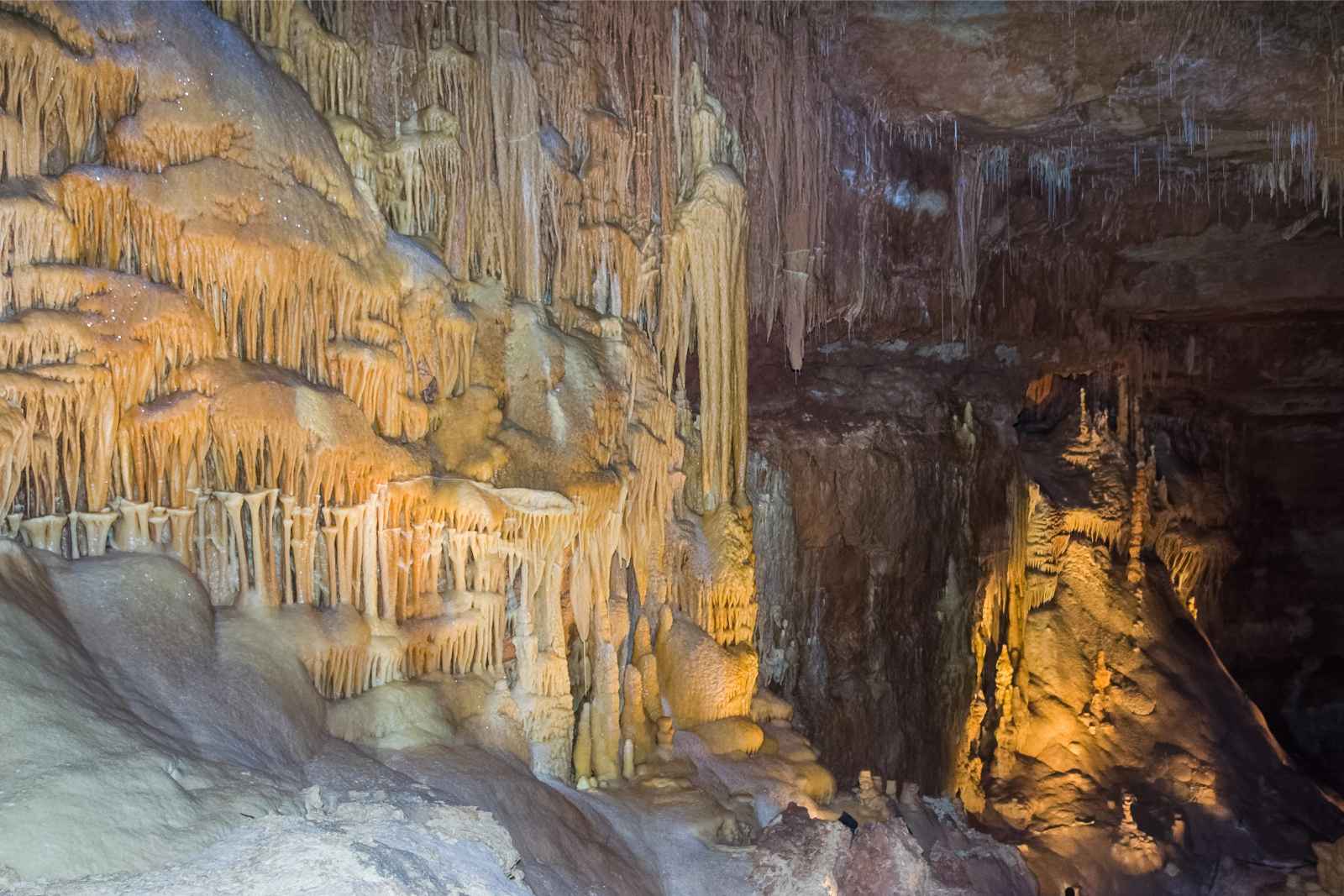
    Best things to do in Texas Natural Bridge Caverns

    Natural Bridge Caverns is the largest underground cave system in the state. San Antonio is the closest city to Natural Bridge Caverns, and Austin isn’t too far away, either. 

    Come here to tour the unique geological formations of the subterranean caves. Guided tours of the cave system are available every day, and everyone is welcome. However, the caves are uncharacteristically hot and humid, so it’s not necessarily an enjoyable experience for everyone. 

    There’s also an adventure course above the ground, with rope courses, a maze, and several zip rails. Some of the activities are specifically designed for children, so visitors of all ages can have fun here. 

    Practical Information: Tours of Natural Bridge Caverns occur daily, from 9:30 AM to 5:30 PM. It’s $30-50 per person for a tour, depending on the type of tour you choose. 

    4. Beach Time at South Padre Island
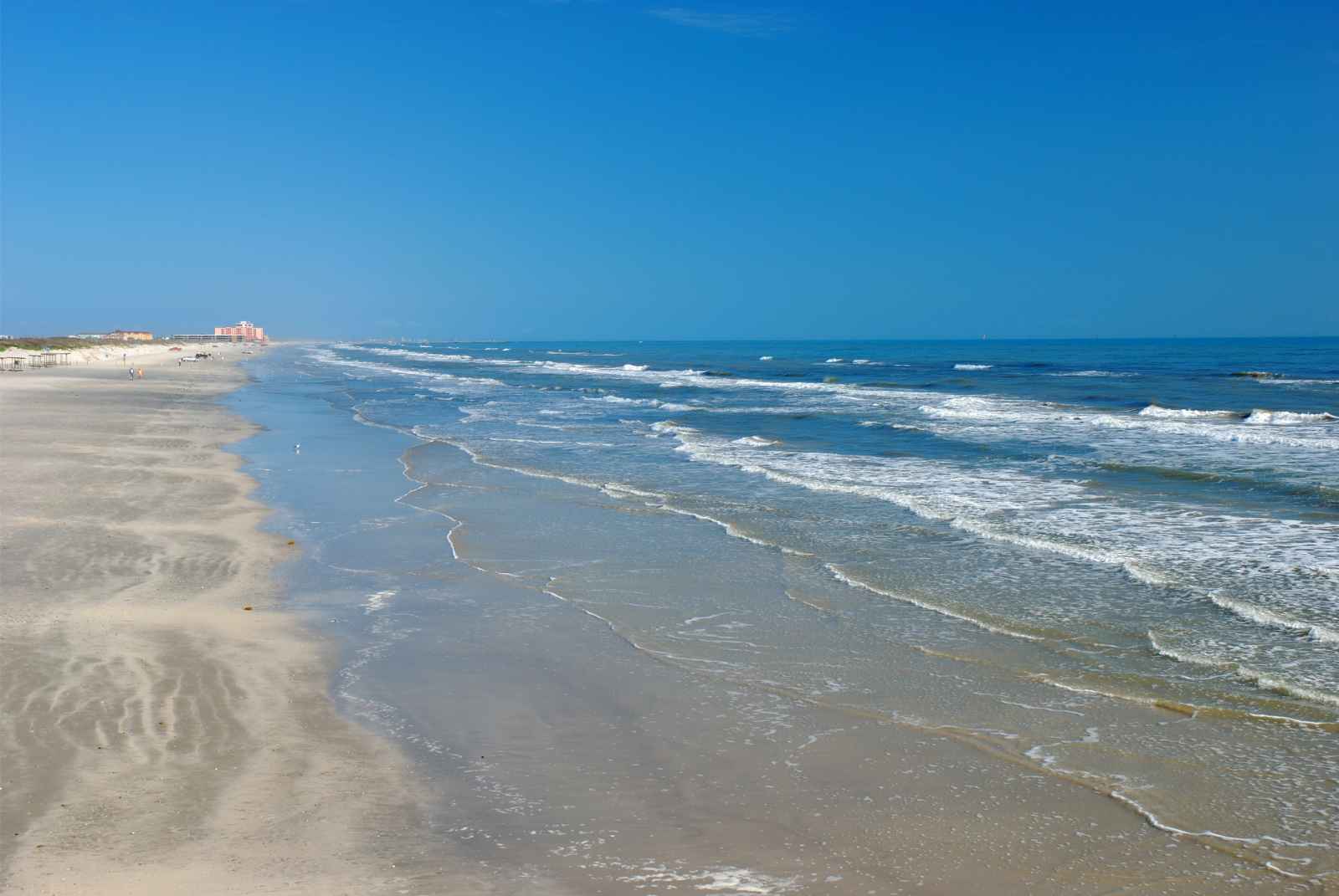
    Best things to do in Texas South Padre Island

    Situated off the coast of southern Texas, South Padre Island is a resort town known for sandy beaches and excellent resorts. If you want to spend a day or two relaxing on the beach and enjoying the sound of the whooshing waves, definitely add it to your Texas itinerary. 

    The resort town is set on Padre Island, a barrier island that stretches for a whopping 113 miles. It’s the only tropical island in Texas and one of the best destinations in the state if your idea of a relaxing vacation includes sipping cocktails on the beach. 

    Practical Information: South Padre Island is in southern Texas, close to the border with Mexico. The resort town is roughly a three-hour drive from Corpus Christi. 

    5. Check Out The Mummies At The Houston Museum of Natural Science
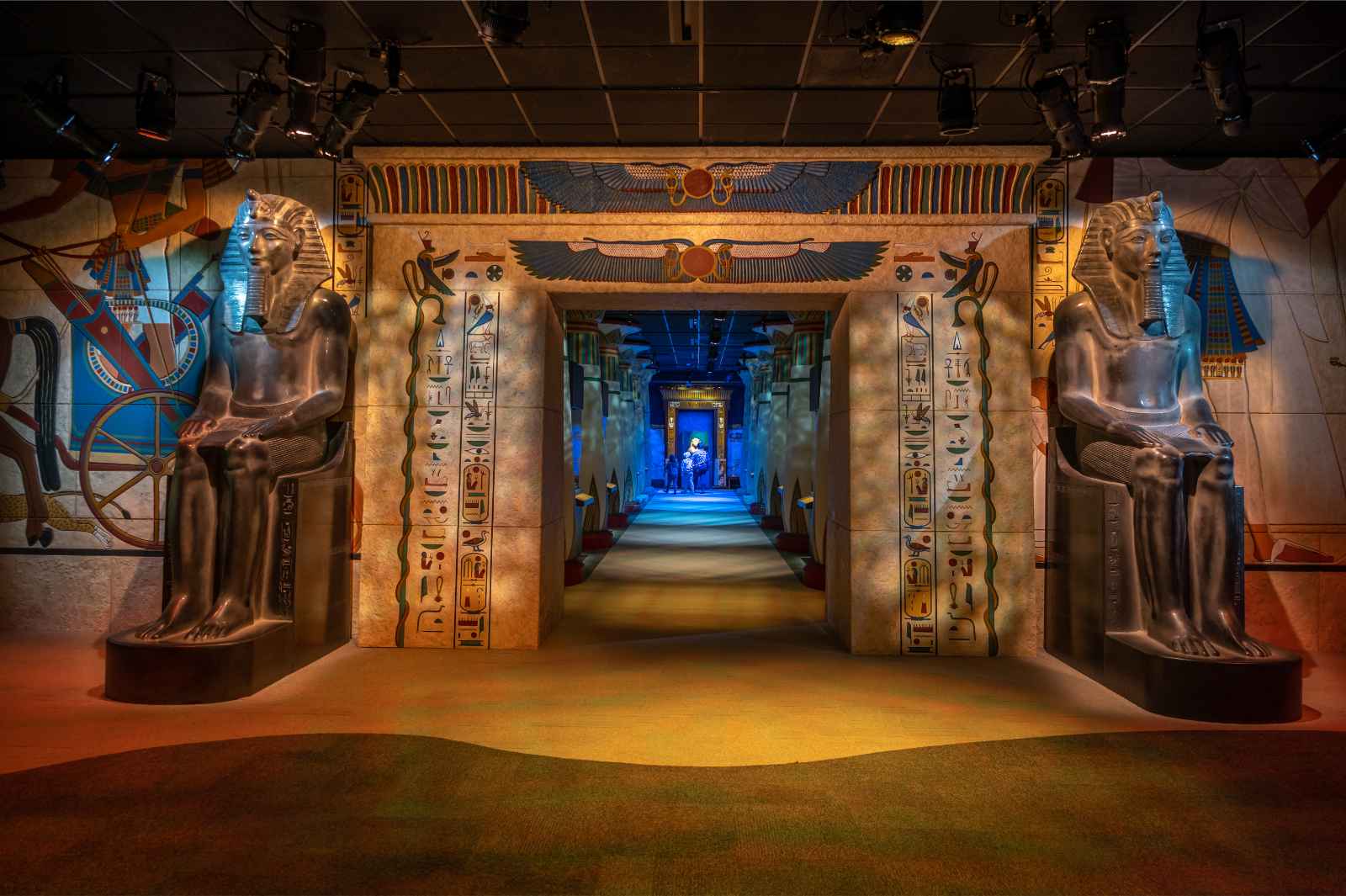
    Best things to do in Texas Houston Museum of Natural Science

    The Houston Museum of Natural Science is one of the best in the state and a must-visit if you’re in the city. Its exhibits include dinosaur bones, Egyptian mummies, and rare gemstones. 

    I like how the museum also boasts lots of interactive exhibits, which are particularly fun for the youngest visitors. They can attempt to excavate a dinosaur and play around with chemical elements, which is not only loads of fun but also a great learning opportunity.

    Practical Information: The Houston Museum of Natural Science is open daily from 9 AM to 5 PM. Adult general admission is $25.

    6. Learn About Space Exploration at NASA Space Center Houston

    Best things to do in Texas NASA Space Center Houston

    If you’re even a little bit interested in space travel, NASA Space Center Houston might just be the highlight of your trip to Texas. Book a tram tour of the complex for the most comprehensive tour of the grounds. You will also see the NASA Johnson Space Center, which is the actual training site for astronauts. 

    The tram tours take you to the Mission Control Center too, where you can catch an in-depth presentation of the 1969 Moon Landing. Other exhibits include a collection of spacesuits, the Starship Gallery, and an International Space Station Gallery that offers insight into life on the space station. Overall, this is by far one of the best things to do in Houston, and it’s exciting for visitors of all ages. 

    Insider Tip: Tram tours sometimes sell out weeks in advance, so book yours as soon as possible. 

    Practical Information: NASA Space Center Houston is open for tours from 10 AM to 5/6 PM. Tickets are $30-55, depending on what tour you want. 

    7. Walk Around The Largest State Capitol Building 

    Best things to do in Texas Texas State Capitol Building

    Everything is bigger in Texas, so it’s not surprising that the state Capitol building in Austin is the largest one in the United States. The Texas state capitol offers free guided tours that take only about 30 minutes, so you’ll have plenty of time to explore the rest of Austin while you’re in the city. 

    But first, don’t miss the chance to tour the capitol grounds. The building is set in a sprawling park with walking trails that lead to different monuments and memorials. 

    Practical Information: Free guided tours of the Capitol building are available from 9:30 AM to 3:30 PM. 

    8. Bike Tour of Fort Worth
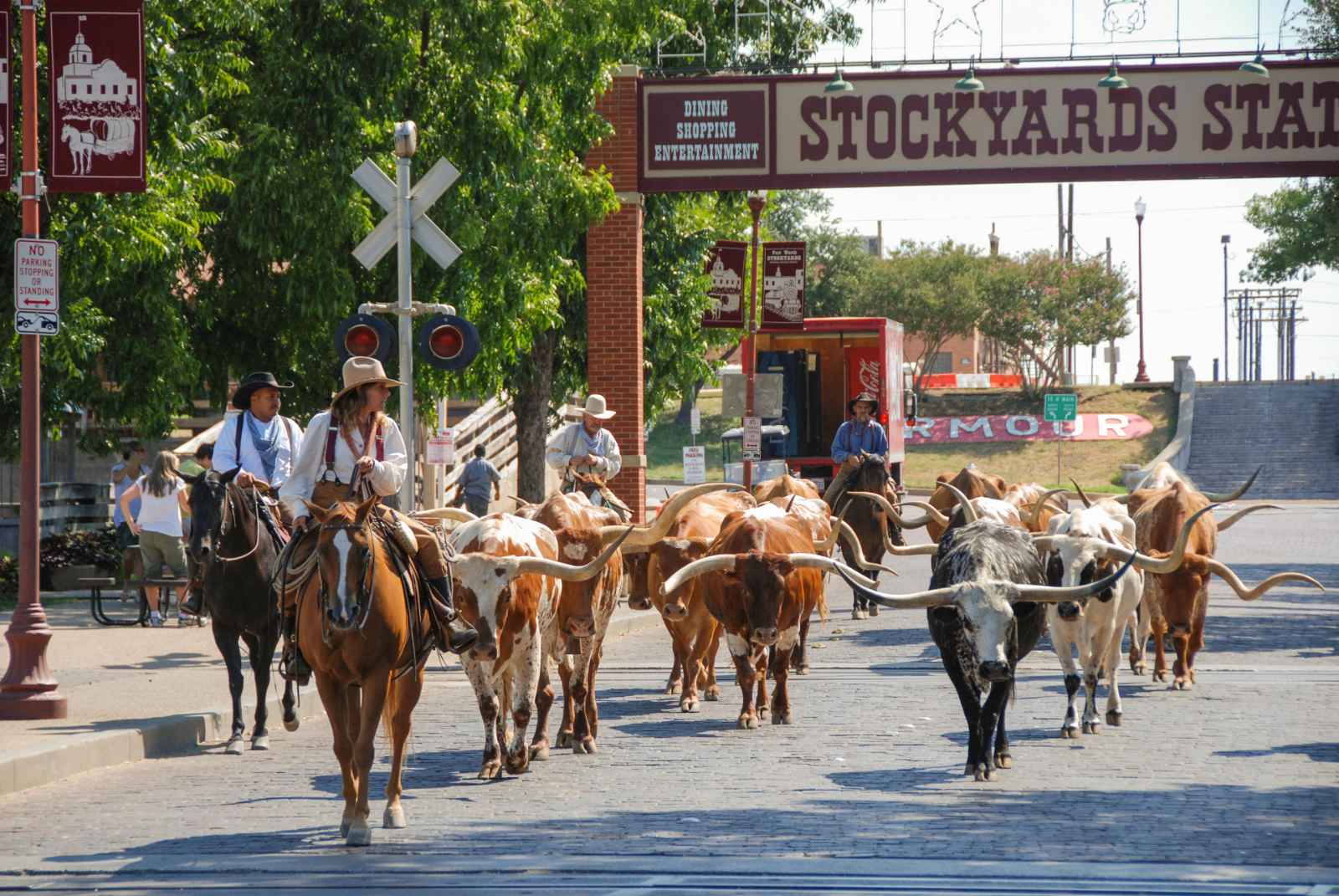
    Best things to do in Texas Fort Worth

    Texas is widely known for cowboy culture, and few places illustrate this, as well as Fort Worth. The city is famous for its Stockyards National Historic District, which hosts the daily cattle procession and the Texas Cowboy Hall of Fame. The historic district is also a top location for ghost tours and pub crawls, which offer even more insight into the local culture. 

    But the Stockyards district is only one neighborhood in this city, and certainly not the only one worth exploring. A bike tour is the best option for a day full of sightseeing, and it will allow you to explore more of Fort Worth’s famous landmarks. You must stop by the Fort Worth Water Gardens. The sprawling public park has an awesome fountain reminiscent of an oasis in the middle of the desert. 

    Head to the Fort Worth Botanic Garden for even more lovely water features and the chance to see one of the best Japanese Gardens in the United States. In the afternoon, take the time to tour a museum in the city’s Cultural District. The Kimbell Art Museum boasts an excellent collection of European and Asian art, while the National Cowgirl Museum & Hall of Fame celebrates the women of the Wild West.

    Practical Information: Bike tours of Fort Worth take 3-4 hours. The Botanical Garden and museums are usually open until 5 PM.  

    9. Tour USS Lexington in Corpus Christi 

    Best things to do in Texas USS Lexington in Corpus Christi

    How often do you get a chance to walk aboard a World War II aircraft carrier? A trip to Texas is the ideal opportunity to cross this off your bucket list if only you head to the lovely waterfront city of Corpus Christi. 

    On a self-guided tour, discover 20 different aircraft aboard the carrier and do your best to solve an exclusive escape room on the USS Lexington. There’s even an IMAX theater where you can watch historic films and a flight simulator that allows you to discover what it’s like to fly a warplane.  

    Practical Information: USS Lexington is open for tours daily from 9 AM to 5/6 PM. The admission fee is $20.95 for adults. 

    10. Admire The Flowers At The Dallas Arboretum
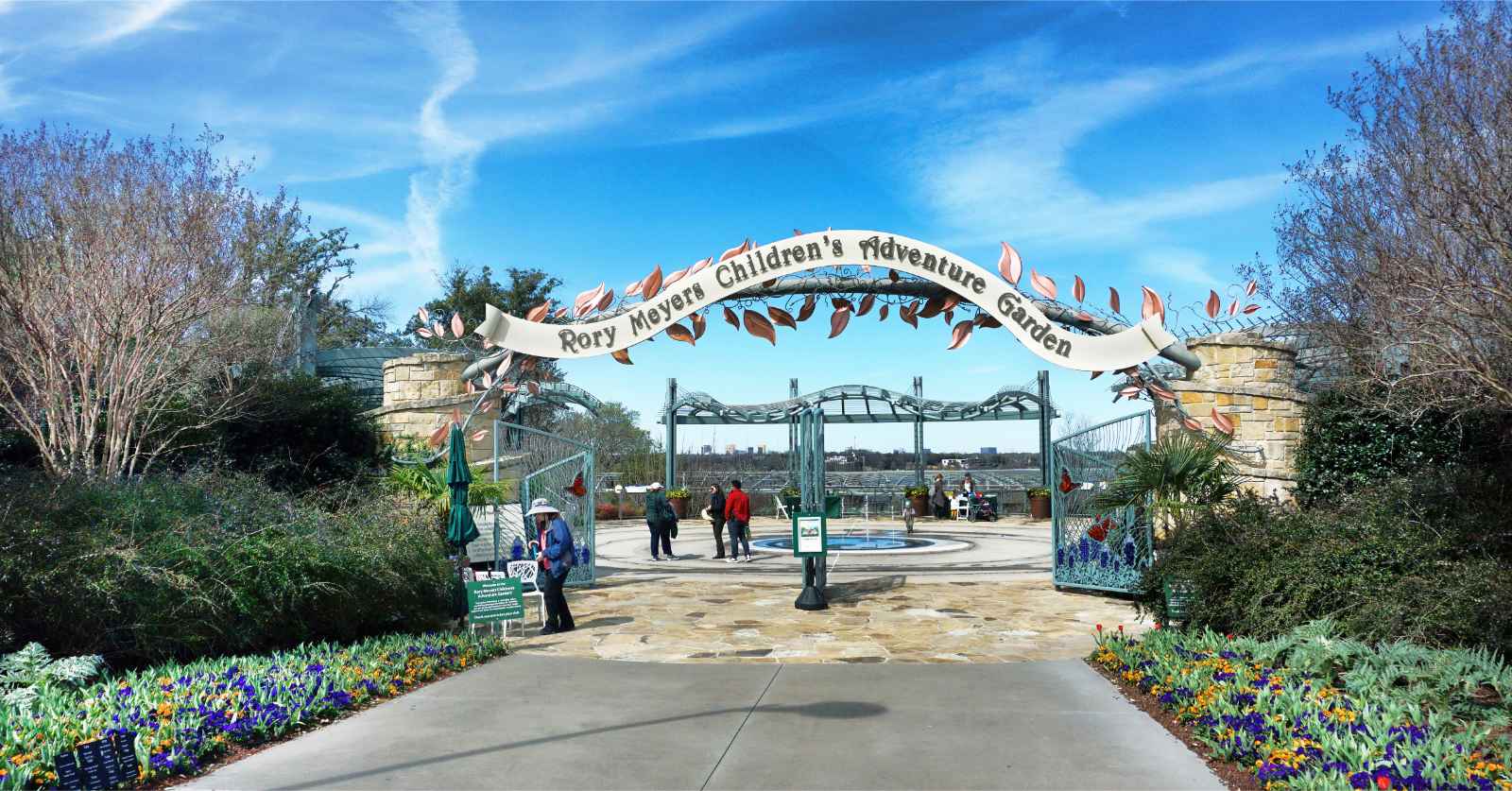
    Best things to do in Texas The Dallas Arboretum

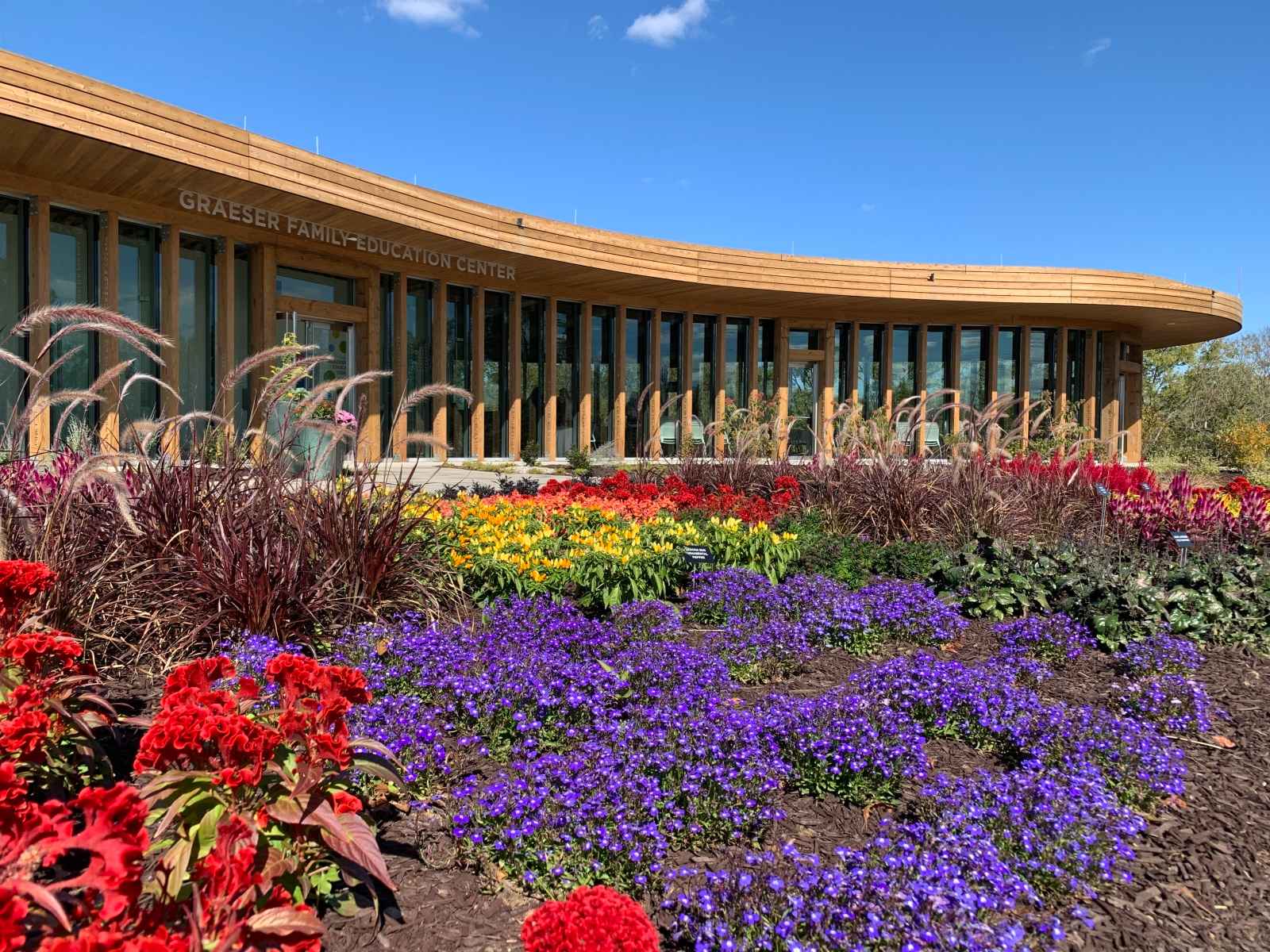
    Set on the shore of White Rock Lake, the Dallas Arboretum and Botanical Garden is one of the best attractions in the Lone Star State. The arboretum spans 66 acres and features many miles of walking trails and countless flowers in a serene lakefront setting. 

    One thing I love about this place is that their exhibit is heavily dependent on the season. If you visit in the spring, you’ll see loads of pretty flowers in bloom, but come to the arboretum in the winter, and you’ll witness one of the best Christmas displays in Texas. Even if you’ve been here before, there’s merit in revisiting, especially if you’ve been there in a different season. 

    Practical Information: The Dallas Arboretum and Botanical Garden is open from 9 AM to 5 PM. The admission fee is $22 for adults. 

    11. Do The San Antonio River Walk
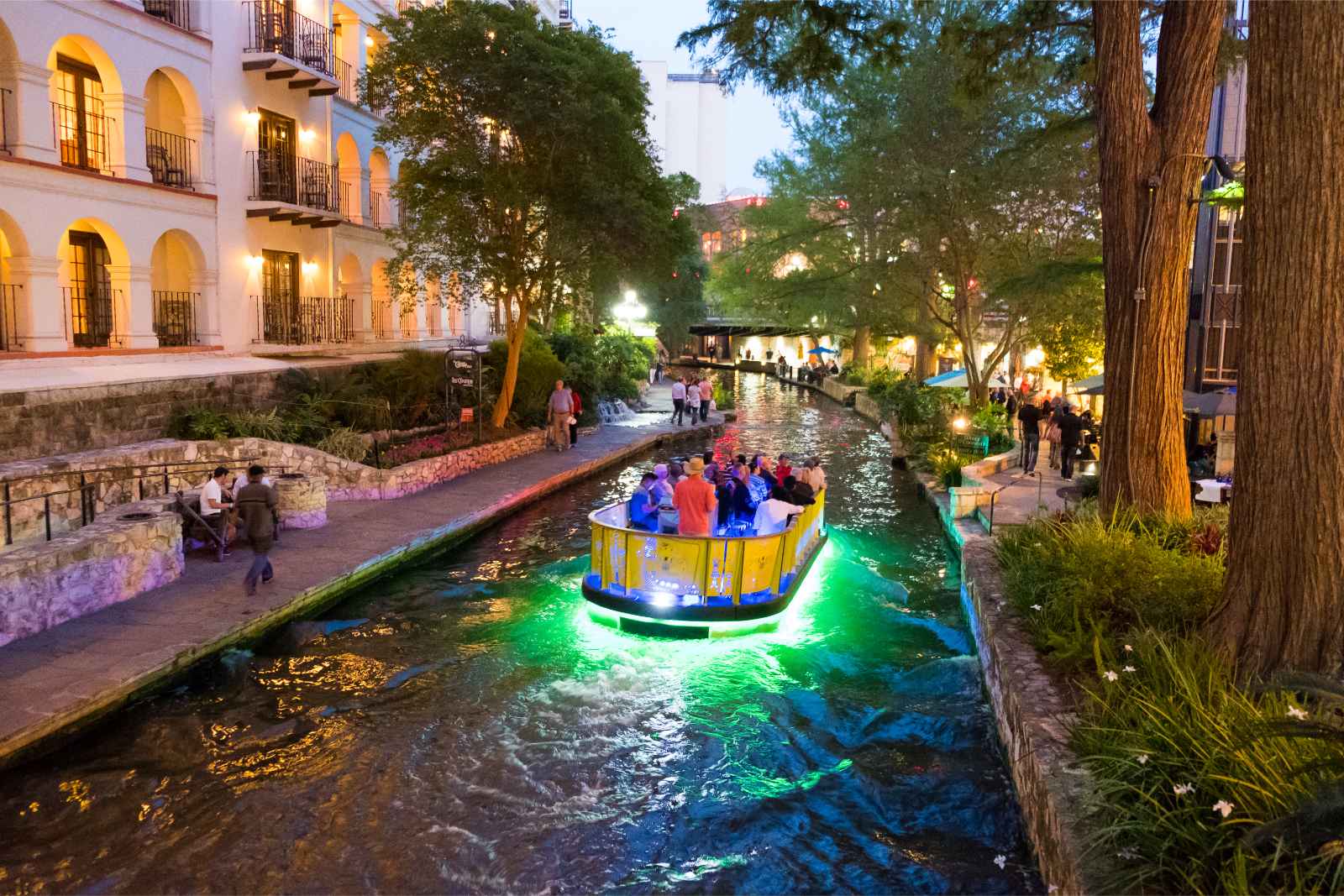
    Best things to do in Texas San Antonio River Walk

    There are many fun and interesting attractions in San Antonio, but the River Walk is by far the most famous one in the city after the Alamo. The promenade follows the San Antonio River for around 15 miles, and much of it is lined with cafes, restaurants, and shops. 

    The best way to experience the downtown San Antonio River Walk is to get in a boat and cruise down the river for about 30 minutes. If you’re in the city for a day or two, I highly recommend you do this cruise in the evening for the most special experience. The boats light up in neon colors, and the bars and restaurants fill up with locals and tourists. 

    Practical Information: The San Antonio River Walk promenade is free to access. Boat rides are $14.5 and take place every 15-20 minutes. 

    12. Indulge in Tex-Mex Cuisine

    Best things to do in Texas Tex Mex Cuisine

    Food is one of the best things about traveling to Texas. Because Texas is such a large state, its cuisine is influenced by multiple cultures and regions. The foods in Texas range from traditional southern Tex-Mex to classic Native American, and there’s absolutely no shortage of tasty dishes to try. 

    Chili, fajitas, enchiladas, and nachos are some of the most popular Tex-Mex dishes, but certainly not the only ones. Steak and barbeque are also big in Texas, and you’ll have endless opportunities to try hearty meat dishes. 

    Any Texas city is a good place for a food tour, but if you’re looking for the absolute best I have to recommend San Antonio. The city’s Market Square is known for vendors with delicious Tex-Mex dishes, plus it’s the birthplace of the puffy taco!

    Practical Information: Food tours are available in all major cities in Texas. They usually last 2-4 hours. 

    13. Hike To The Top of Enchanted Rock

    Best things to do in Texas Top of Enchanted Rock

    Enchanted Rock is a mountain summit deep in the Texas Hill Country. It’s close to San Antonio and Austin, so it’s relatively easy to visit on a quick road trip from either city. 

    The summit is known for two things – its dome-like shape and pink color. Hiking paths take you from the trailhead to the top of Enchanted Rock in less than an hour, where you can enjoy endless panoramic views of hill country. 

    It’s generally not a difficult hike, but the ascent is quite steep, so it’s recommended for hikers with some experience. Weather conditions also impact the difficulty, as the trail becomes much more challenging in wet weather. 

    Insider Tip: The hike is on exposed terrain, so remember sunscreen and a hat. 

    Practical Information: The Enchanted Rock Nature Park is open from 6:30?AM to 8 PM. Admission fee is $8.

    14. Visit The Historic Fair Park in Dallas
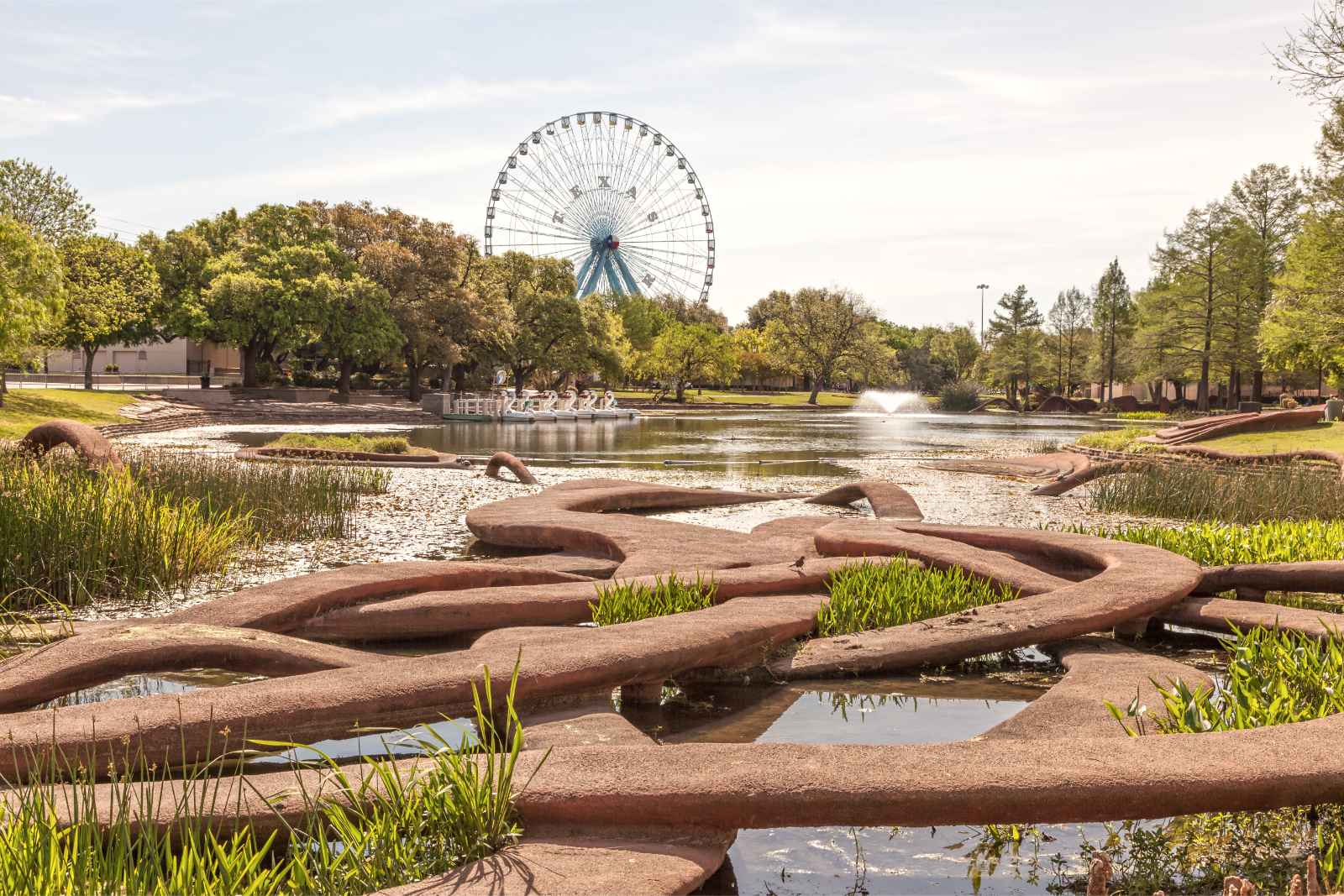
    Best things to do in Texas Historic Fair Park

    The Dallas Fair Park is home to the Texas State Fair, and it’s by far one of the top places in the city for an afternoon full of fun, excitement, and delicious fried food. Big Tex is the fair mascot, and he’s famous for being the world’s tallest cowboy. 

    Attending the fair for the first time is an overwhelming experience. There’s just so much to do there, from pumpkin competitions to carnival rides. Food stalls are everywhere, and the scents are so inviting – even if you don’t arrive hungry, it will be practically impossible to resist picking up some snacks. 

     You can test drive cars, attend a rodeo, ride Ferris Wheels, and shop until you drop. The vendors sell everything from artisan soap to classic souvenirs. Just keep in mind that everything costs money, and trying many different activities at the fair can quickly become very expensive.

    Practical Information: The State Fair of Texas is open from 10 AM to 9/10 PM. Entrance to the Fair Park is free of charge unless there is a special event on the grounds. 

    15. Kayaking At Big Bend National Park
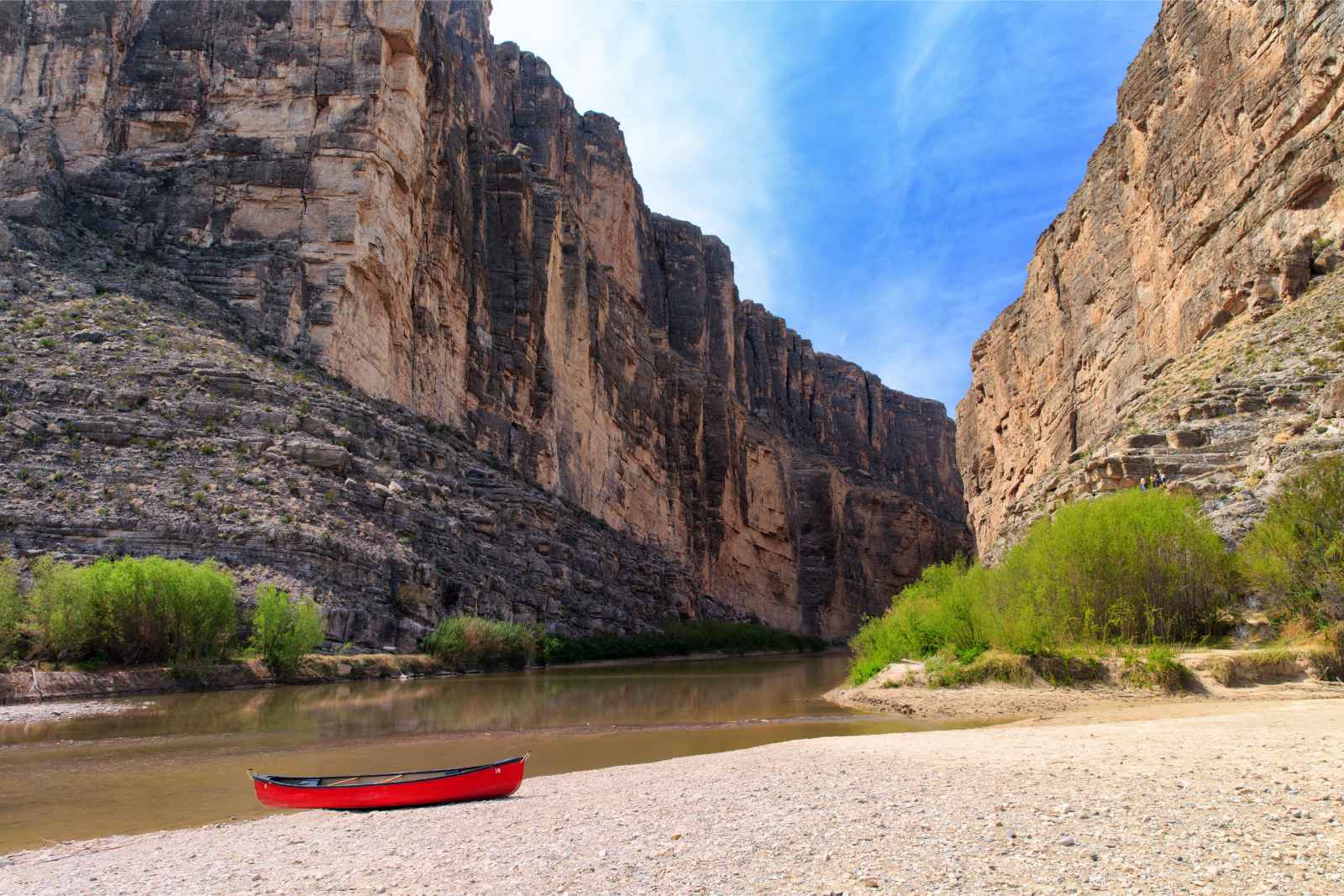
    Best things to do in Texas Big Bend National Park

    Situated in southwest Texas on the border with Mexico, Big Bend National Park is a great collection of mixed landscapes. The park spans 801,163 acres and encompasses The Chisos Mountains, the Chihuahuan Desert, and the canyons carved by the Rio Grande River. 

    This national park is very popular for outdoor activities. It features numerous hiking and biking trails, as well as opportunities for kayaking and mountain climbing. If you like exploring the great outdoors and possibly even camping in the wilderness, the Big Bend National Park is the place to be in Texas. 

    Practical Information: The Big Bend National Park is open 24/7. The entrance fee is $15 for pedestrians but $30 for private vehicles. 

    16. Bullock Texas State History Museum

    Best things to do in Texas Bullock Texas State History Museum

    Is there a better place to visit than a museum dedicated to telling the story of Texas over the years? The Bullock Texas State History Museum is just a few blocks from the Capitol building in Austin, so pay it a visit if you want to become an expert on all things Texas. 

    The main exhibit spans three floors and features more than 700 artifacts recounting Texas’s history from its earliest inhabitants to the present day. Learn about the European explorers who arrived in Texas with the hope of striking gold and the darker side of Texas history during the divisive Civil War. 

    Practical Information: The Bullock Texas State History Museum is open daily from 10 AM to 5 PM. Museum tickets are $13. 

    17. Biking At Palo Duro Canyon State Park

    Best things to do in Texas Bullock Palo Duro Canyan State Park

    Located near Amarillo in northern Texas, Palo Duro Canyon State Park is an excellent place for hikers and mountain bikers. Visitors can discover the diverse scenery of this magnificent state and attend a musical show in the park’s open-air amphitheater. 

    Traverse the NP’s hiking and biking trails to visit unusual rock formations and enjoy the views of the US’ second-largest canyon system. Palo Duro is also home to many native plant and animal species and is a very popular spot for birdwatching in northern Texas. The largest population of Palo Duro mice lives at this park, but it’s unlikely you’ll spot one because they tend to hide in the canyon walls and come out only at night. 

    Practical Information: The Palo Duro Canyon State Park is open from 7 AM to 9 PM. The entrance fee is $8. 

    18. The Sixth Floor Museum at Dealey Plaza

    Best things to do in Texas Sixth Floor Museum at Dealey Plaza

    The assassination of John F. Kennedy remains one of the most shocking events in United States history. The president was shot while riding along the streets of Dallas by Lee Harvey Oswald, who was hiding on the sixth floor of the Texas School Book Depository. 

    The entire sixth floor of the historic building is now open for tours and features an in-depth exhibit on the fourth assassination of a US president. It is a fascinating exhibit, complete with a replica of the rifle discovered at the scene of the crime.

    The museum exhibit also includes a miniature replica of Dealey Plaza and JFK’s motorcade. Each artifact on display is accompanied by a detailed description and additional photographs that further illustrate its history and significance. 

    Practical Information: The Sixth Floor Museum at Dealey Plaza is open from 10 AM to 5 PM, Wednesday through Sunday. Tickets are $25. 

    19. Enjoy The View of Dallas From The Reunion Tower

    Best things to do in Texas View of Dallas From The Reunion Tower

    The Reunion Tower is only the 16th tallest building in Dallas but by far the best one for panoramic views of the city’s skyline. Come here for a Dallas vista unlike any other, preferably at nighttime when all the street lights come on, and you can experience the city in full glory. The observation deck is at an altitude of 470 feet and offers sweeping, 360-degree views of Dallas. 

    Spot the Dealey Plaza buildings and all the iconic skyscrapers of Dallas. My favorite is the view of the Bank of America Plaza at night; the building lights up in neon colors, looking like something straight out of a futuristic video game. 

    Practical Information: The Reunion Tower is open for visits from 12 PM to 8 PM. Tickets are $19. 

    20. San Antonio Missions National Historical Park
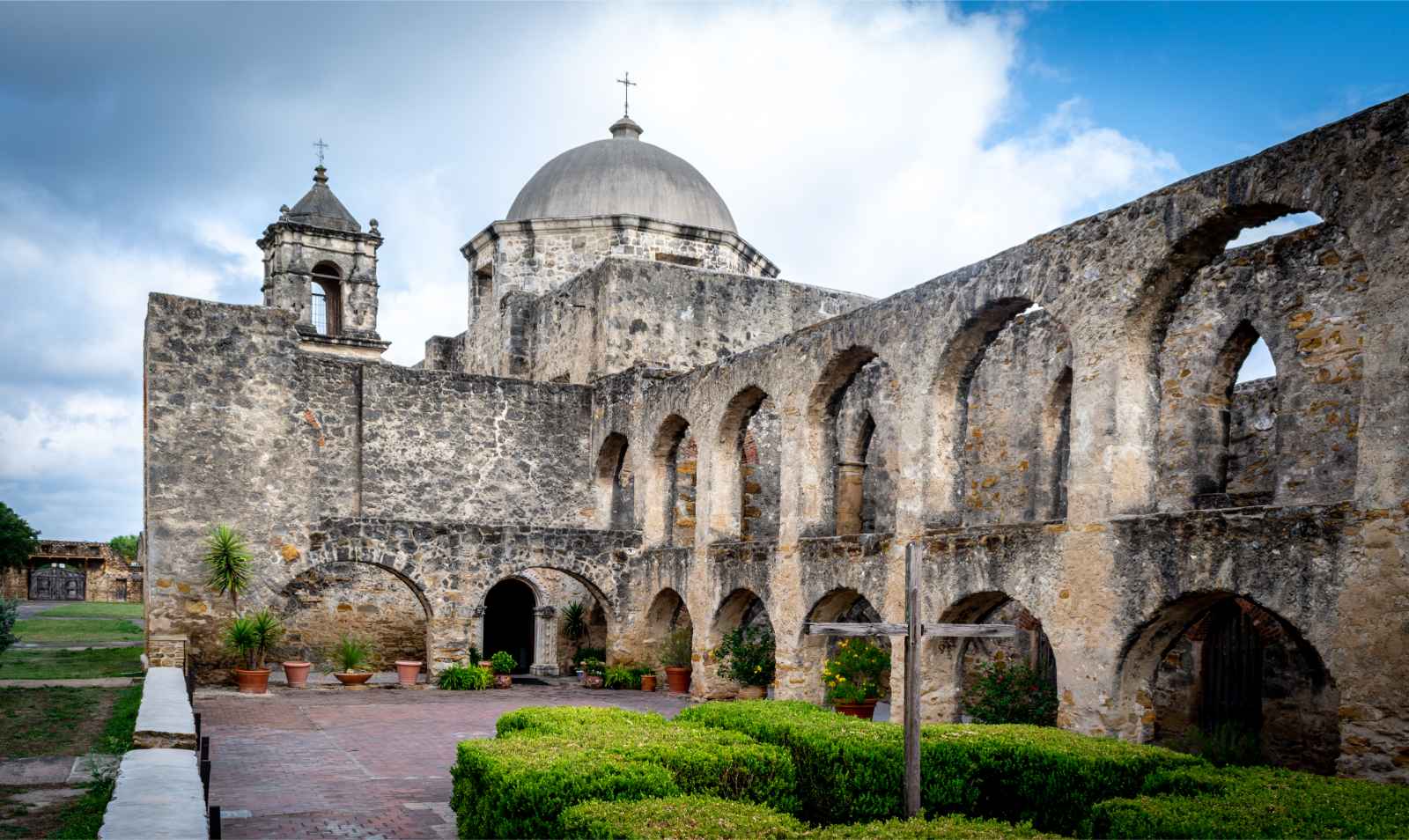
    Best things to do in Texas San Antonio Missions National History Park

    San Antonio Missions National Historical Park is Texas’ only UNESCO World Heritage Site. Come here to discover four incredible historic buildings, constructed by Spanish colonists to spread Christianity among the native population. 

    The National Historical Park is only part of the UNESCO Site; the fifth and most important Mission is the Alamo, situated in a different part of San Antonio. The Espada Aqueduct is another sight not to be missed in this San Antonio park. 

    You can tour the park on foot, by bike, or even in a car. Cycling tours are generally the best because you can move throughout the area at a quicker pace, but still stop by every Mission to check it out more thoroughly. A trail for hikers is available at the park, and it takes roughly four and a half hours to cover the entire grounds from Mission Concepcion to Mission Espada and back. 

    Practical Information: The San Antonio Missions National Historical Park operates from sunrise to sunset daily. Admission is free of charge. 

    21. Lake Travis Zipline Adventures

    Head to Lake Travis, northwest of Austin, to experience the fastest and longest ziplines in the state. It’s one of the best things to do in Texas for travelers who are always looking for the next adrenaline rush. As a bonus, you get to enjoy panoramic views of the lake and the Texas Hill Country as you soar through the air. 

    Tickets for the Lake Travis Zipline Adventures are expensive but include several different activities. You get to cruise the lake in a boat, hike over stunning landscapes, and ride no less than five different ziplines at the park. 

    You’ll start with the easier ziplines, the so-called “bunny slopes”. Gradually you’ll move onto the higher and faster rides, and your three-hour experience culminates with a ride on a zipline that’s over 2800 feet long. You’ll reach speeds of up to 65 mph as you rush down, and you’ll land right at the concession stand. Treat yourself to an ice cream because you’ve most certainly deserved it! 

    Practical Information: Lake Travis Zipline Adventures operates rides from 10:30 AM to 6:30 PM. It’s $141 per person for a three-hour adventure that includes all five ziplines. 

    22. Have Fun At Six Flags Over Texas
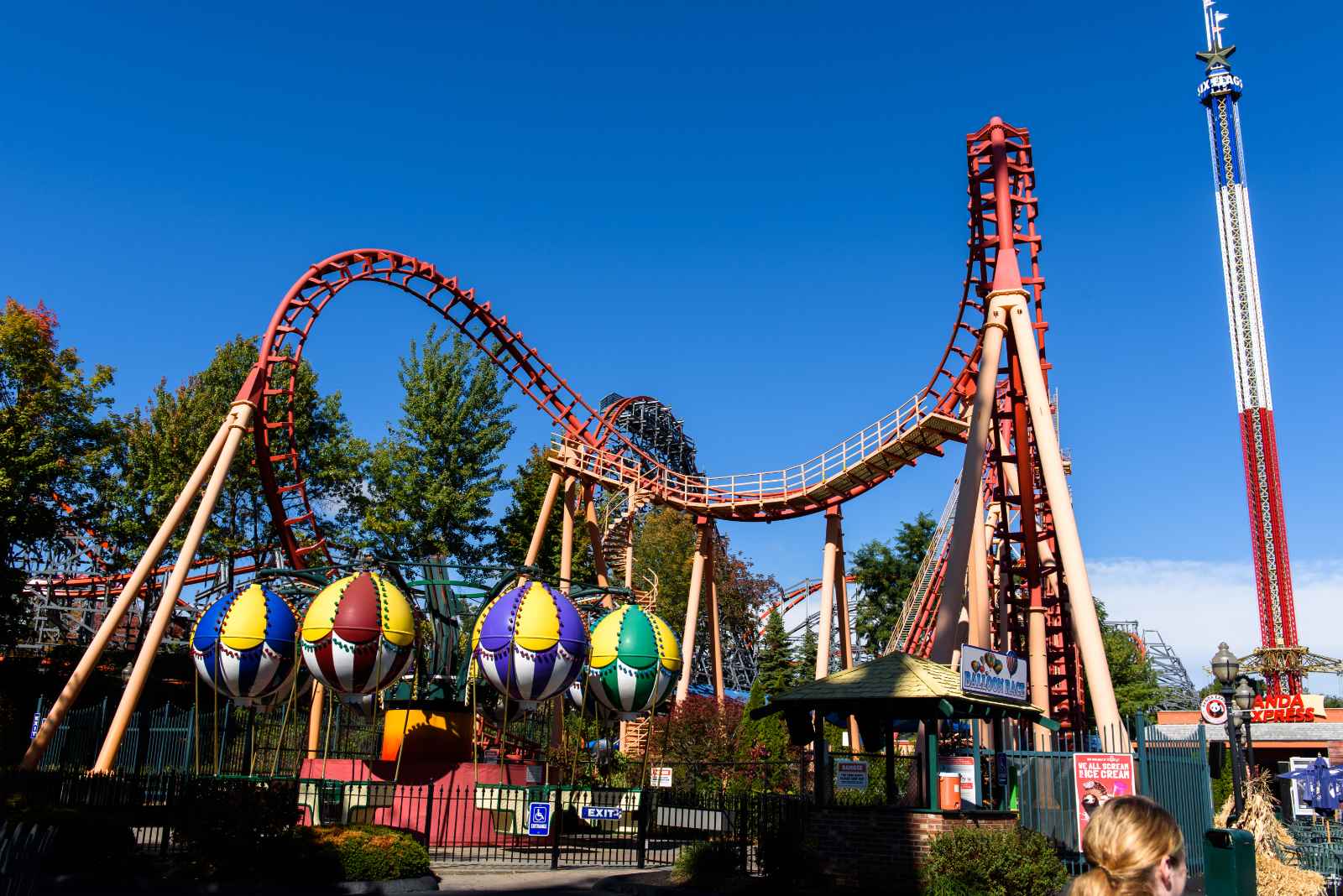
    Best things to do in Texas Six Flags Over Texas

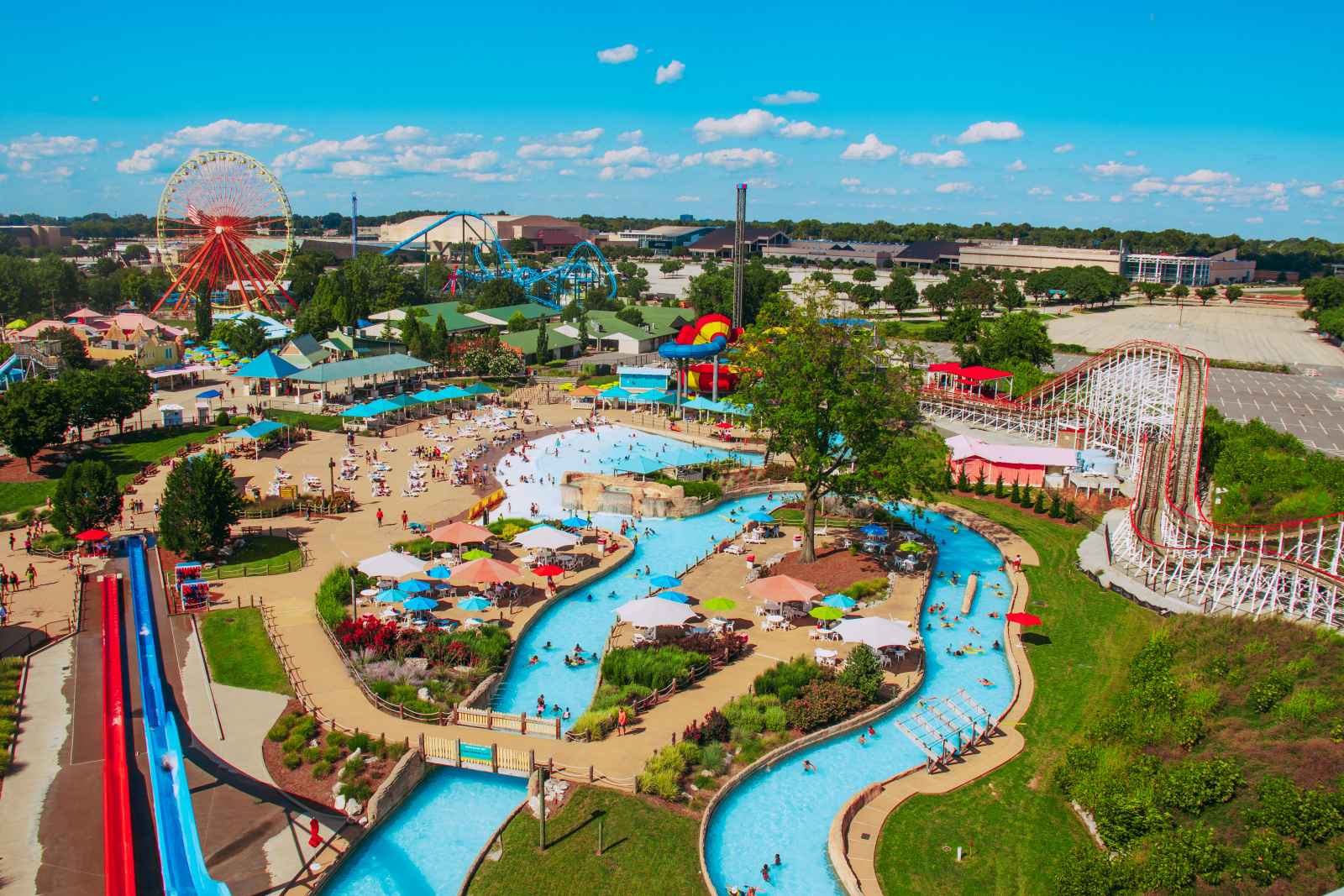
    Six Flags Over Texas is the largest amusement park in the state, covering more than 200 acres. Situated in Arlington, it is most easily accessible from Dallas and Fort Worth. 

    There are more than 50 rides at this Six Flags amusement park, as well as live music performances and family-friendly shows. If you’re traveling through Texas with children, this is by far one of the best places in the state where you can take them. 

    The park is mostly known for its kid and family-friendly rides, but it also boasts loads of thrill rides that are not for the faint of heart. My favorite activity is a seasonal Dive Bomber Alley, which replicates the feeling of skydiving. You’re dropped from 16 stories and experience an incredible free fall, reaching speeds of 80 mph until the steel cable catches you.

    Practical Information: Six Flags Over Texas is open on the weekends and select weekdays, from 12 PM to 7 PM. Daily passes start at $55. 

    23. Mammoth Remains At Waco Mammoth National Monument

    Waco Mammoth National Monument is one of the best detours on a Texas road trip. If you’re driving between Austin and Dallas, this dig site is roughly halfway between the two cities. Stop by to see actual mammoth remains that are more than 65,000 years old. 

    It’s surreal to know you’re looking at fossils of animals that roamed these grounds tens of thousands of years ago. Go for the guided tour and you’ll hear the story of the flash flood that is thought to have killed the animals. Without the tour, you’re kind of just looking at animal bones and it’s harder to see the bigger picture. 

    Practical Information: Waco Mammoth National Monument is open from 9 AM to 5 PM. The park is free of charge, but the dig site has a $6 admission fee.  

    24. Cool Off At Hamilton Pool Nature Preserve
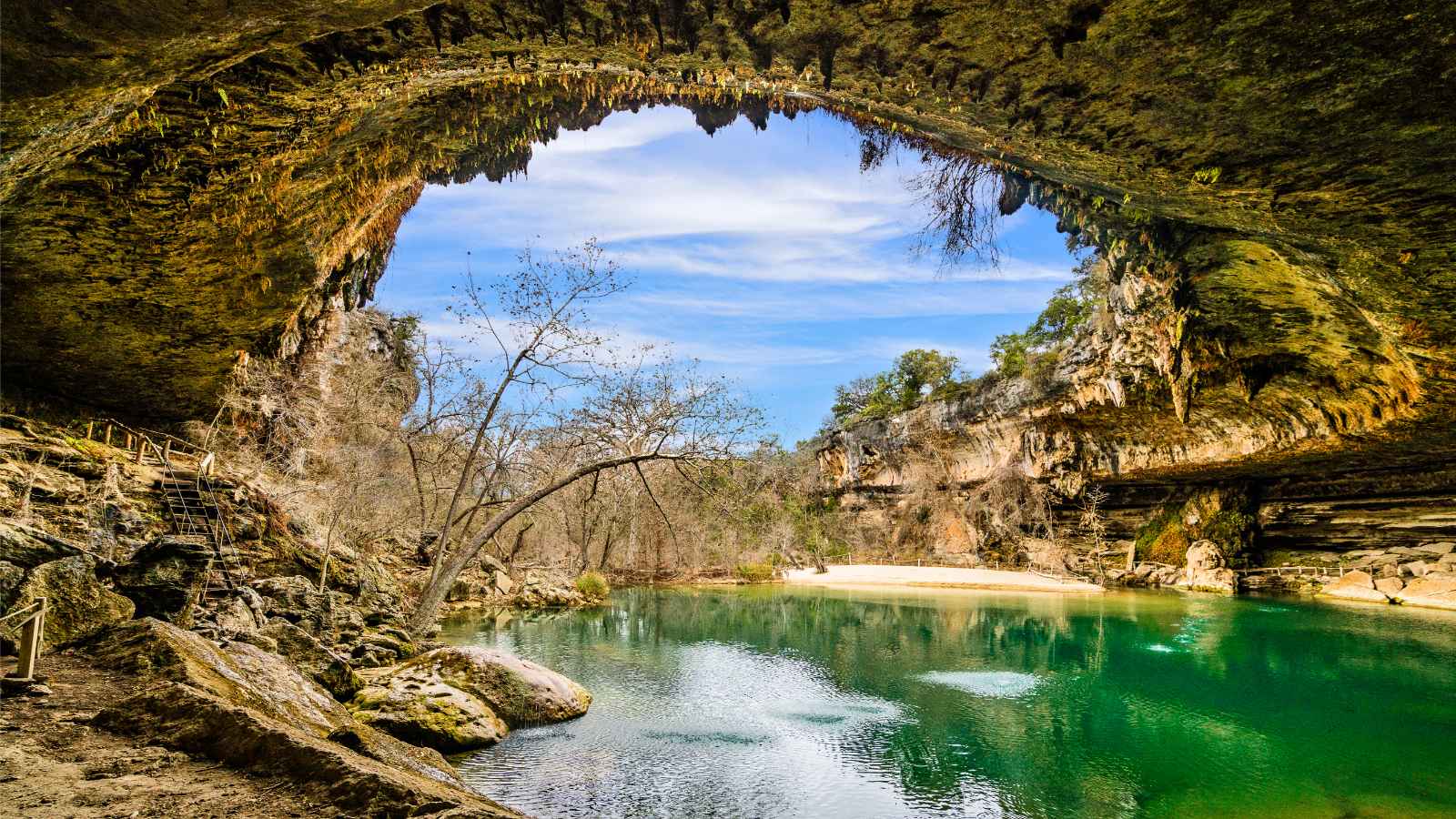
    Best things to do in Texas Hamilton Pool Nature Reserve

    The Hamilton Pool Nature Preserve is a natural swimming pool some 30 miles west of Austin. Come here to swim in the serene waters of a natural pool surrounded by a grotto. There’s even a cascade rushing over the rocks into the natural pool, provided it’s not a particularly dry season. 

    One thing to keep in mind is that the pool is quite small and can get crowded really fast. You must make reservations online before visiting, and even then it’s not guaranteed that you’ll be able to swim. Get there as early as possible, and with a bit of luck, you might have this lovely place all to yourself. 

    Practical Information: The Hamilton Pool Nature Preserve is open from 9 AM to 5:30 PM. The fee for daily use is $20, and it includes an obligatory reservation. Only cash is accepted at the entrance. 

    25. Wine Tasting In Texas Hill Country

    Best things to do in Texas Wine Tasting in Texas Hill Country

    The Texas Hill Country is home to roughly 60 wineries, most offering tours and tastings. Arrange a guided excursion to one or more boutique wineries, and you’ll tour vineyards and learn about the differences between the local wines made in Texas. 

    You’ll also get to taste many of the best local wines, and that’s precisely why it’s best to book a guided tour. Driving to your wine tasting is not a good idea, especially if you want to have fun and let loose. Becker Vineyards, Fall Creek Vineyards, and  Invention Vineyards are some of the most popular in the region.  

    A lunch is usually included in the tasting, and you can often make arrangements about the food with the tour guides. Some tours will even have a private chef take care of the lunch, which elevates this experience to the next level. 

    Practical Information:  Winery tours in Texas usually depart from Fredericksburg and last for 5-6 hours. 

    26. Ancient Artworks At The Dallas Museum of Art

    Best things to do in Texas The Dallas Museum of Art

    The Dallas Museum of Art has one of the best art collections in the entire state. Anyone can see the museum’s permanent collection without spending any money, making it one of the best free things to do in Dallas. 

    The DMA’s collection includes textiles from Japan’s Edo Period, Islamic art, impressionist paintings, and much more. It’s an impressive exhibit that will make any art lover happy, especially because prominent artists like Matisse, Monet, and Munch are featured at this museum. 

    Practical Information: The Dallas Museum of Art is open from 11 AM to 5 PM, Wednesday through Sunday. Admission to the museum’s main exhibit is free, but there’s usually a surcharge for temporary and special exhibits.  

    Frequently Asked Questions

    Best things to do in Texas Frequently Asked Questions

    What is the #1 tourist attraction in Texas?

    The Alamo is still the #1 tourist attraction in Texas. The historic mission is part of the only UNESCO World Heritage Site in Texas, and it’s one of the most significant historic landmarks in the United States. 

    What is Texas most famous for?

    Texas is most famous for its traditional cowboy culture with rodeos, cattle, and vast ranches. The state is also known for its massive cities, diverse landscapes, delicious Tex-Mex cuisine, and classic Southern hospitality. 

    Which city is better to visit in Texas?

    The best city to visit in Texas depends on your interests, but most people agree San Antonio is the best city. Austin, Dallas, and Houston are also great cities to visit in Texas. 

    What is the nicest place to visit in Texas?

    South Padre Island is the nicest place to visit in Texas. With sprawling white-sand beaches and picturesque landscapes, the tropical island is an oasis of serenity in South Texas. 

    Tips And Information For Visiting Texas

    Best things to do in Texas Tips and Information For Visiting Texas

    Best Time To Visit

    Spring and fall are the best seasons to visit Texas. If possible, avoid traveling in the summer because it gets unbearably hot. Also, the crowds are quite big in the summer months, which makes it less enjoyable to explore the popular attractions and landmarks. 

    March-May and September-November are the ideal times to travel to Texas. I say go early in March or late in November if you want to avoid crowds as much as possible, but choose a period closer to the summer months if you’re fine with some crowds as long as it means nice weather. 

    Getting There

    The Dallas Fort Worth International Airport is the second-busiest airport in the United States, servicing more than 35 million passengers annually. You’ll likely arrive at this airport, which makes Dallas the best starting point for a trip to Texas. 

    Other major airports in the state are Houston, Austin, San Antonio, and El Paso. They’re all international airports, and you can fly to any one of them if it better suits your itinerary. But in terms of efficiency and value for money, the busiest airport in the state is usually the cheapest one to travel to. 

    Getting Around

    Best things to do in Texas Getting Around

    Texas is the largest state in the contiguous United States, and traveling around it is time-consuming. Flying is the fastest way to get from one city to another, but it’s also very expensive and inefficient. Car rental is the second-best option, but only if you’re comfortable with long drives. 

    Traveling by bus is an option for getting from one big city to another. It’s slower than driving but not by much, plus it’s the more affordable option. But buses can’t take you to attractions off the beaten path, and car rental offers the most freedom and convenience for exploring Texas. 

    How Much Time Do You Need

    You need at least a week in Texas, especially if you want to explore several cities in the state. Keep in mind that it’s often a 4-5 hour drive between two cities, and that’s if there’s no traffic and you can avoid rush hour entirely. If you’re getting around by bus, the travel times are even longer. 

    San Antonio, Dallas, Houston, and Austin are the top cities to visit in the state, and I reckon you need at least two days for each one. So, if you want to do an epic tour of Texas and hit all the best landmarks and cities, plan a trip of 10-15 days. But if you want to stay in one place for a while and maybe do a couple of day trips from there, the trip is manageable in five days. 

    Where To Stay In Texas

    Best things to do in Texas Where to Stay in Texas

    Texas is a big state and the best way to discover it is to stay in multiple cities. Dallas, Fort Worth, Houston, Austin, and San Antonio are all excellent places to stay in Texas. San Padre Island is the best destination for travelers who are more interested in the beach vacations the Lone Star State offers, while Texas’ national and state parks feature some of the best camping grounds. 

    Whether you want to pinch pennies or live it up, it should be pretty easy to find accommodation in your price range in any one of these Texas cities. Here are some of the best hotels in Texas for all budgets: 

    Ideally, you won’t spend all your time in Texas in just one place, so I included hotels in the three best cities in the state. It doesn’t matter quite as much where you begin or end the trip; as long as you cover all the landmarks and sights that interest you most, you’ll have the time of your life in Texas! 

    Plan your Next Trip to Texas With these Resources

    [ad_2]

    Source link
  • Where To Stay in Chicago (2024): 6 Best Areas For Every Budget

    Where To Stay in Chicago (2024): 6 Best Areas For Every Budget

    [ad_1]

    Are you planning a trip to Chicago but have no idea where you should stay? Don’t worry because you have found the best guide to all the Chicago neighborhoods and top hotels in the city! All the work has been done for you with this detailed guide on all the best areas to stay in Chicago, with hotel options and price ranges to suit every budget. So sit back, relax, and keep scrolling until you see a hotel that’s right up your alley.

    Best Places To Stay In Chicago 

    Best Places To Stay In Chicago 

    As the third-largest city in the United States, Chicago can be overwhelming to newcomers. Whether it’s your first or fifth visit, deciding where to stay in Chicago is difficult. First, you should figure out what you would prefer for your trip—a hotel close to all of the city’s best tourist attractions or something in a more serene part of the metropolis with scenic views of Lake Michigan. 

    Once you’ve sorted that out, deciding on the right neighborhood will be easy. And don’t stress about booking hotels outside the city center—Chicago has an excellent network of public transportation that will help you get around the city with ease. From the best budget hostels to the most opulent five-star hotels in the Second City, here’s everything you need to know about the best places to stay in Chicago! 

    Chicago Loop

    where to stay in chicago the loop

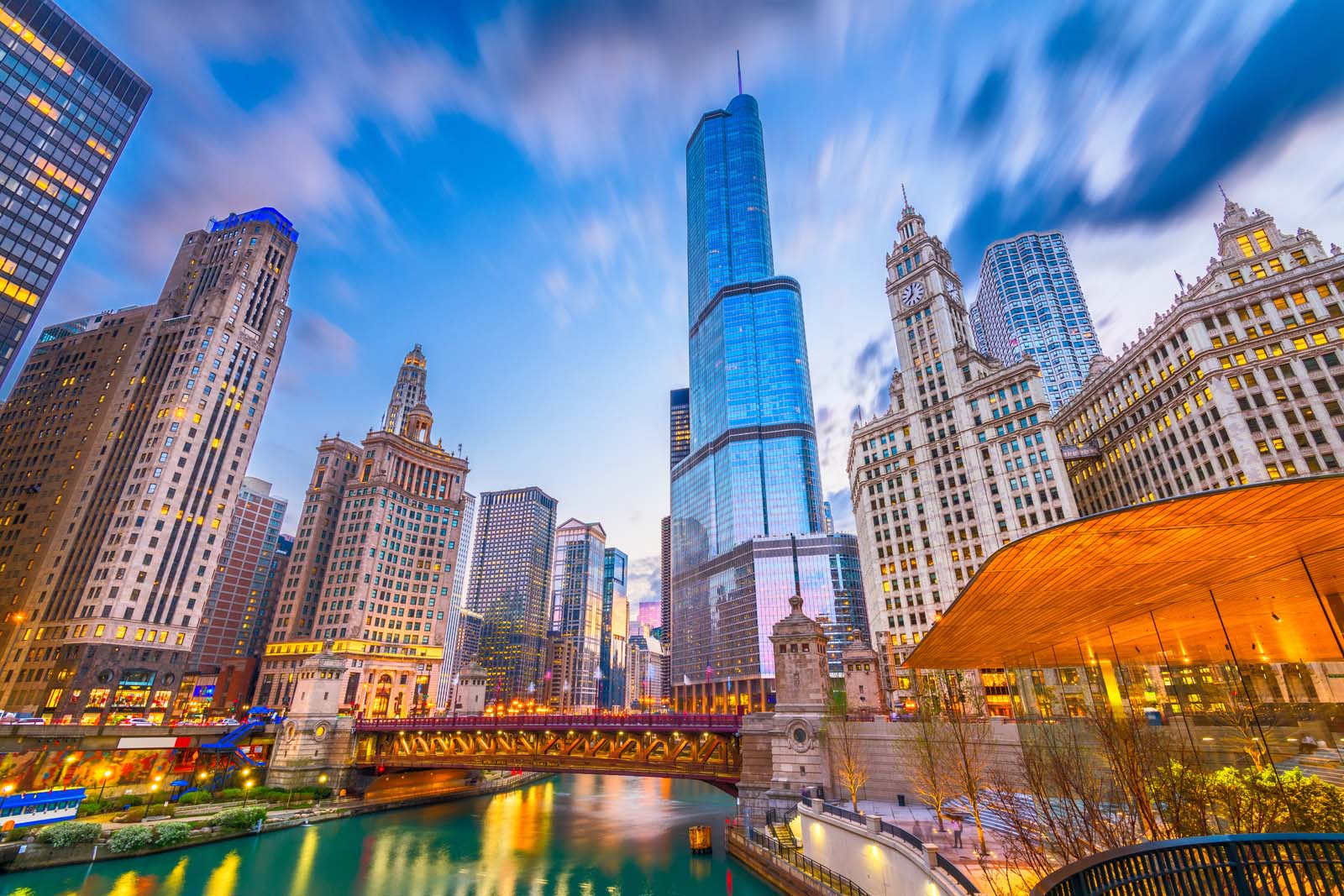
    Chicago Loop is the area of downtown Chicago where all the most famous landmarks and attractions are. If this is your first time in the city and you want to be within easy walking distance of all the top sights, this is by far the best neighborhood for a hotel stay. 

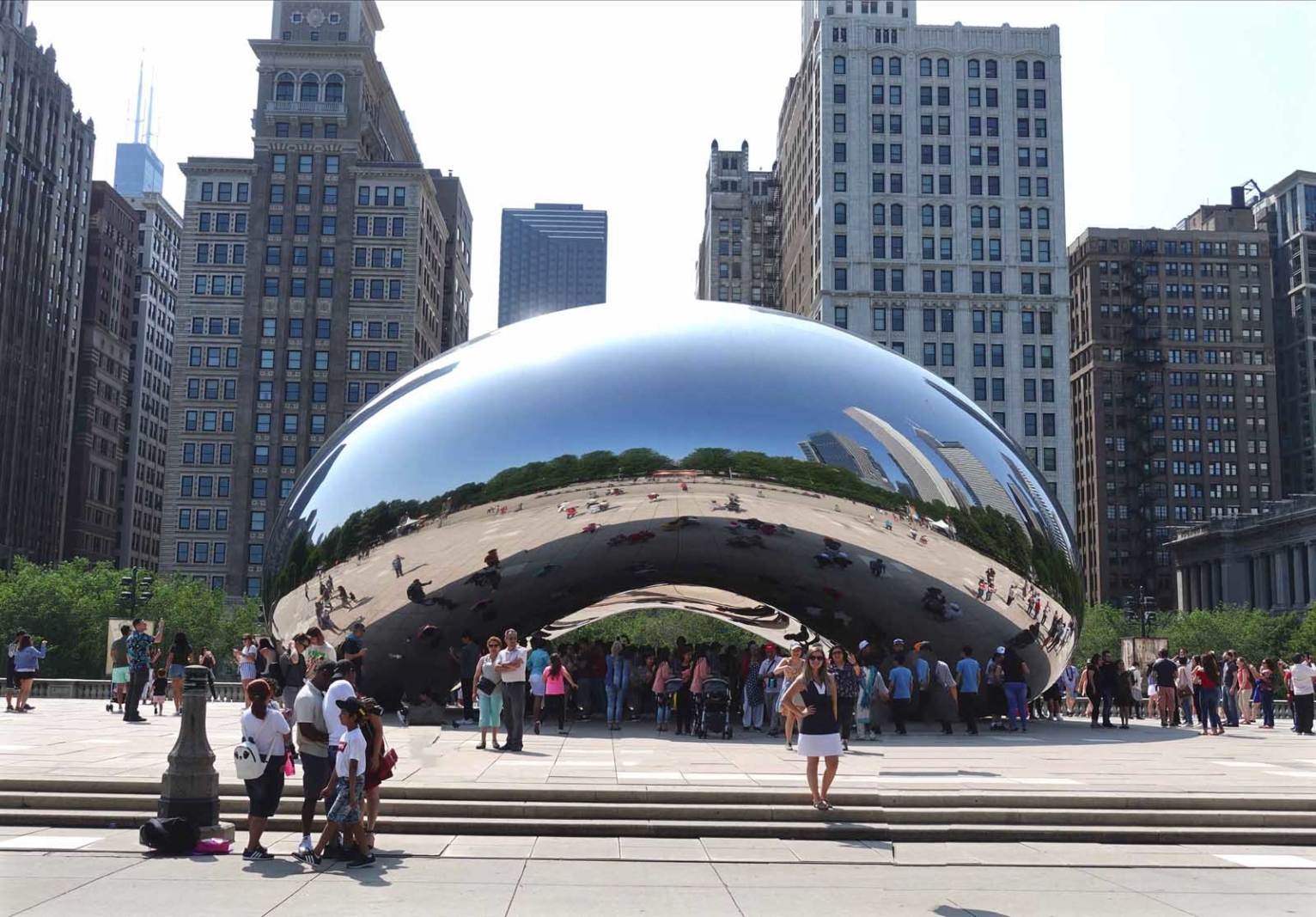
    The Chicago Loop encompasses several downtown neighborhoods, including Millennium Park and New Eastside, while Michigan Avenue runs through the central area of the district. Some of Chicago’s best hotels are in this area, and they’re all a short walk from The Art Institute of Chicago, Willis Tower, The Rookery Building, and other iconic sights. 

    Also, the Chicago Loop borders two bodies of water – the Chicago River in the west and Lake Michigan in the east. Stay near either edge, preferably in a high-rise hotel, and you’ll get to experience marvelous views from your hotel room. 

    Luxury: JW Marriott Chicago

    JW Marriott Chicago is one of the best luxury hotels in the Chicago Loop district. The hotel is in a high-rise building and the rooms on higher floors offer nice city views, thanks to the large floor-to-ceiling windows. Also, all the rooms have extra high ceilings and are very spacious. Guests can make use of the indoor pool, fitness center, and spa services, plus there are two restaurants on-site. 

    Every JW Marriott hotel room features a private bathroom, TV, minibar, and coffee machine. Guests also get a desk and a nice seating area. The beds are extra large and very comfortable, promising a good night’s sleep. And because all the rooms are soundproof, you won’t be bothered by the nonstop noises of downtown Chicago. 

    Mid-Range: Virgin Hotels Chicago

    Virgin Hotels Chicago is one of the best options in the downtown area if you want to stay in a nice hotel but don’t want to spring for a luxury option. This four-star hotel features spacious rooms with extra-large beds and big ensuite bathrooms. Every guest has access to a desk and a state-of-the-art flat-screen TV in their hotel room. 

    The boutique hotel offers generous wardrobe space in the rooms, which is refreshing. It also has three restaurants with indoor and outdoor seating. The outdoor terraces are simply lovely for casual drinks in the evening and offer a stunning view of the Chicago skyline. Oh, and this hotel is also pet-friendly, so you’re welcome to bring along your furry best friend. 

    Budget: HI Chicago Hostel

    HI Chicago Hostel is the best option for travelers looking for cheap accommodation in Chicago. I really like that this hostel offers beds in dormitories and private suites, plus a small bedroom with a private bathroom. The options are better than in standard hostels, and the price is excellent for such a central location. 

    Dormitory beds are just under $50 per night, which is a great deal for a stay in the heart of Chicago. Private suites are more expensive, especially those with an ensuite bathroom, but it’s still one of the cheapest stays in the Windy City. The hostel’s common areas are also really good, including a pool table, lounge, dining room, small office space, and much more. 

    Where to stay in the heart of Chicago

    Pros of Staying in Chicago Loop

    Walking distance to popular landmarks
    Easy access to public transportation 
    Many hotels to choose from 
    Lots of bars and restaurants

    Cons of Staying in Chicago Loop

    The neighborhood is busy and noisy
    Hotels are pricey 
    High-rise buildings often block the views 

    1. Lincoln Park 

    Where to stay in Chicago Lincoln Park

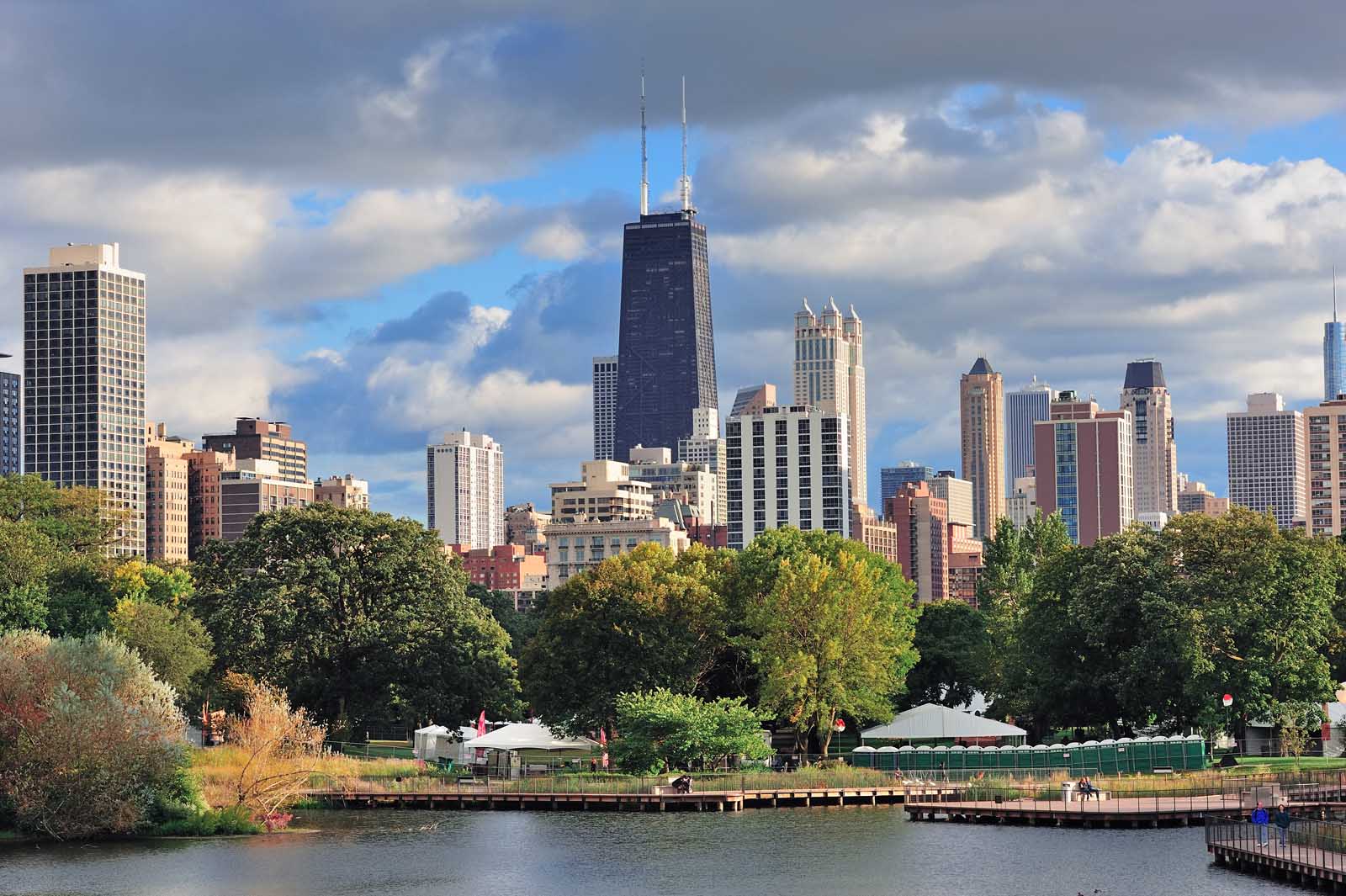
    Lincoln Park is an upscale neighborhood in Chicago, great for travelers who prefer staying in a high-end area of a new city. Here, you can find some of Chicago’s best bars and restaurants, and you’ll have easy access to the city center by public transport. 

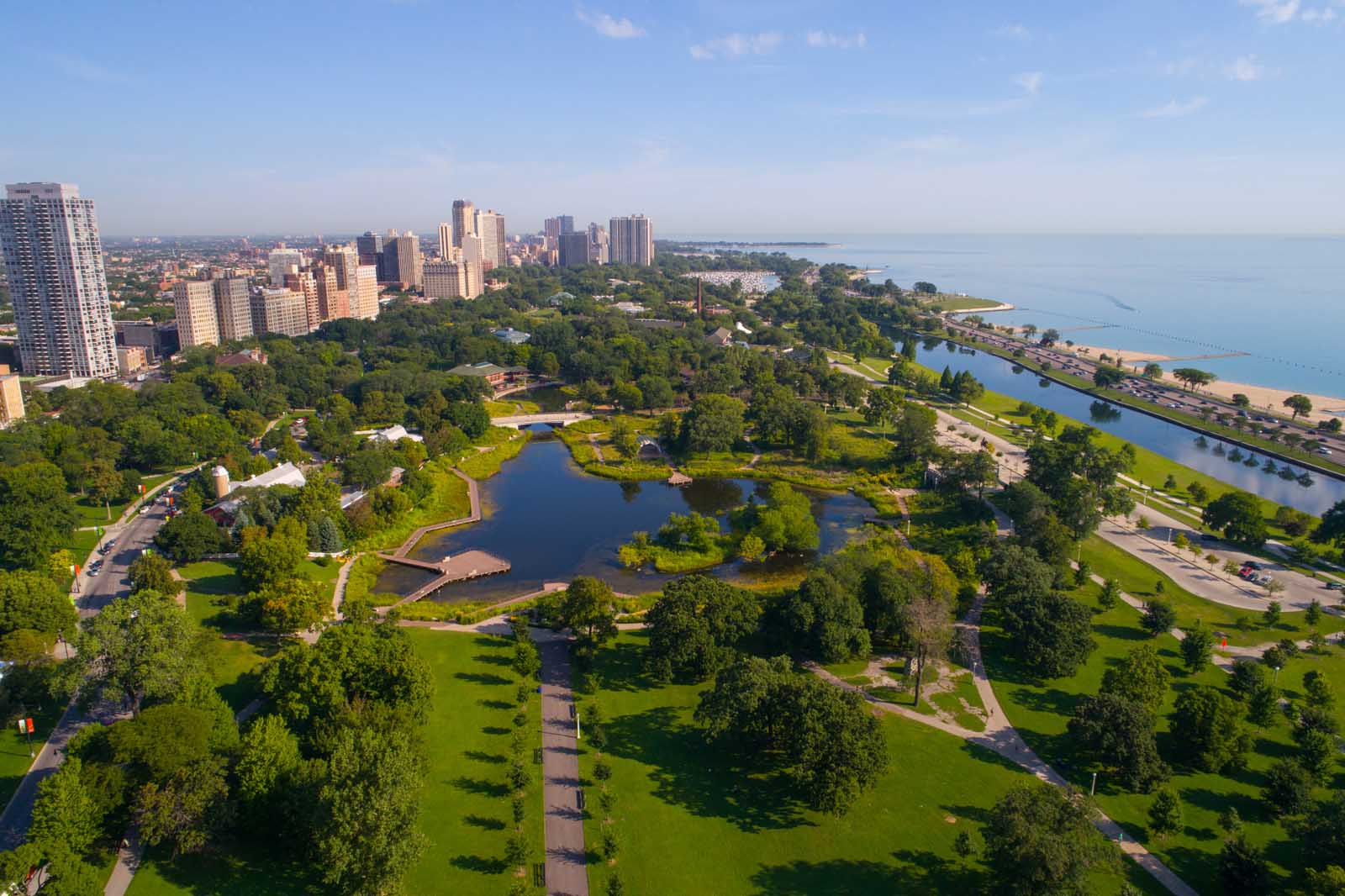
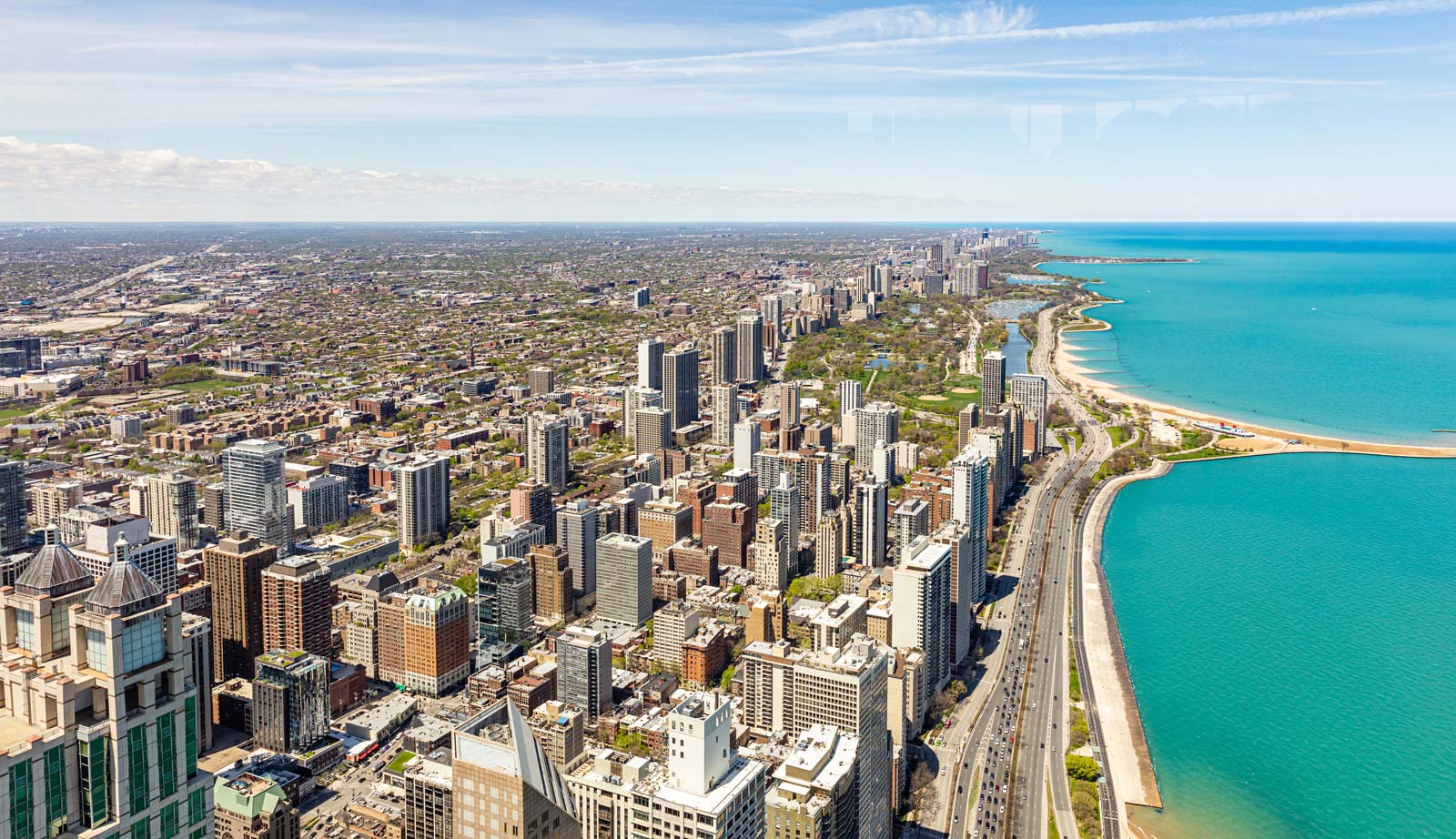
    The neighborhood is best known for the sprawling Lincoln Park, a vast green space on the shore of Lake Michigan. It’s home to the Lincoln Park Zoo and quite a few walking trails that will quickly make you forget you’re in the third-largest city in the United States. 

    Stay in Lincoln Park for cheaper hotels and fewer crowds. It is a mostly residential neighborhood so you will need to go into Downtown Chicago for museums and attractions, but you’ll be able to enjoy peace and quiet. Lincoln Park is also one of Chicago’s safest areas, so it’s great if you want to avoid trouble at all costs during the trip.  

    Luxury: Hotel Lincoln

    Hotel Lincoln is the best and priciest option in this Chicago neighborhood. Located next to the sprawling Lincoln Park, the hotel’s rooftop bar is the perfect place to enjoy a scenic sunset in Chicago. The hotel is set in a historic building but features modern room furnishings. 

    The guest rooms are spacious and each one has an ensuite bathroom. All the rooms also have a coffee maker, flat-screen TV, and desk. Spring for a room on one of the higher floors, and you’ll get to enjoy beautiful views of Lincoln Park and Lake Michigan throughout your stay. 

    Mid-Range: Villa D’ Citta

    Villa D’ Citta is an interesting bed and breakfast in this posh Chicago neighborhood. The rooms are named after Italian towns and the decor is thoroughly inspired by the towns, with one exception. It’s the Cesare room, which has a bust of Julius Ceasar in the room and I absolutely love it. 

    The rooms are spacious and clean, and you get more amenities than you would in a standard hotel room. Every suite has a private bathroom, mini kitchen, seating area, desk, and TV, plus all guests are welcome to use the hot tub and outdoor barbecue facilities. If you’re looking for a unique stay in Chicago, definitely consider this B&B. 

    Budget: Chicago Getaway Hostel

    Chicago Getaway Hostel is one of the best options for travelers on a tight budget. You can get a bed here for as little as $40 (with tax), which is a seriously good deal for such an expensive city. What’s even crazier is that breakfast is included in the nightly rate. The hostel offers beds in dormitories and private rooms, and there’s even an option with a private half bathroom. 

    If you like meeting new people, you’ll love this pristine hostel’s shared spaces. There’s a barbecue area, a cinema room, a pool table, and guitars. Bike rental is available in the summer, and the hostel is very close to public transport so you can choose how to get around. By train, it’s only 20 minutes from the Chicago Loop, so you can be in the heart of the city in no time. 

    Where to stay in Chicago near Lincoln Park Zoo

    Pros of Staying in Lincoln Park

    A very safe area of Chicago
    Affordable hotels 
    Upscale restaurants and bars 
    Easy access to the city center by public transport 

    Cons of Staying in Lincoln Park

    Fewer tourist attractions 
    Not as many options for hotels 
    Quite far from Chicago’s downtown 

    2. South Loop

    where to stay in chicago south loop

    South Loop is a good neighborhood for tourists who want to be close to downtown Chicago but don’t want the hefty price of hotels in such a central location. Many hotels in South Loop are still within walking distance of the top Chicago attractions, and you’re never far from the nearest train station or bus stop. 

    This vibrant district is a hub for jazz bars and eclectic restaurants, plus it’s right next to the Museum Campus. Whether you want to go on long walks in the vast park or enjoy cocktails in the trendiest bars in Chicago, it will all be just a short walk from your hotel in South Loop. 

    This Chicago neighborhood is home to the Prairie Avenue Historic District, which features 19th-century houses and mansions. Discover the landmark buildings that survived the devastating fire of the late 19th century, and you’ll see some truly special attractions that are much more interesting than the modern statues.  

    Luxury: The Wheeler Mansion

    The Wheeler Mansion is a special hotel in Chicago. It’s set in a historic building that dates back to 1870 and which is one of a few survivors of the great Chicago fire that ravaged a huge portion of the city just a year later. Staying in this hotel means experiencing a special part of the city’s history, and I highly recommend the hotel to all travelers who enjoy unique stays. 

    The guest rooms are all decorated with vintage furniture so that the mansion’s interior matches its exterior perfectly. They’re also all equipped with private bathrooms and even feature TVs, although they are hidden in the cabinets. Breakfast is included in the nightly rate of all rooms, and you can enjoy it in the historically furnished dining room. 

    Mid-Range: Marriott Marquis Chicago

    Marriott Marquis Chicago is a high-end four-star hotel in South Loop. It is a little farther away from the city center, but right next to McCormick Place, so you can easily get around the city in no time. The Mariott Hotel features spacious and modern rooms with very comfortable double beds and big windows. 

    Every guest room has a private bathroom, seating area, and dedicated working space. Every room also has a 55” flat-screen TV, which will make staying in bed in the mornings extra enjoyable. The Mariott mostly caters to business travelers, and it has more than 93,000 square feet of meeting space, four restaurants, a fitness center, and a bar on-site. 

    Budget: Bluegreen Vacations Hotel Blake

    Bluegreen Vacations Hotel Blake is a four-star hotel on Chicago’s historic Printer’s Row. This area borders the downtown, so it’s super close to all the top tourist attractions in the heart of the city. In addition to the excellent location, Hotel Blake also features clean and spacious rooms with large windows that let in a lot of light.

    The rooms are very nice and decorated with contemporary furnishings. Every guest room has a spacious private bathroom, TV, a desk, and a small seating area. You’ll also get a coffee maker in the room, and you can take advantage of room service if you wish to get something to eat. There’s an on-site restaurant; however, breakfast isn’t included in the nightly room rate. The hotel also features a bar and a fitness center but no pool or spa. 

    Where to stay in Chicago South Loop Winery

    Pros of Staying in South Loop

    The neighborhood is home to historic landmarks
    Very close to downtown Chicago 
    Affordable hotel stays 
    Lots of great bars and restaurants 

    Cons of Staying in South Loop

    Some hotels are not within walking distance of the city center 
    Not as many options for hotel stays 
    The area around McCormick Place is often crowded

    3. River North

    where to stay in chicago navy pier

    River North is an upscale neighborhood north of the Chicago Loop. It’s home to high-end hotels, luxe restaurants, fancy bars, and many boutique stores. This is one of Chicago’s best neighborhoods for an upscale stay, especially for travelers who want to stay close to the top attractions in the downtown area. 

    If you stay in this part of Chicago, you’ll usually be just a short walk across the river from all the historic landmarks in the Chicago Loop. And if you’re not in the mood to walk, you’ll always be near a train or bus stop that will take you south in just a few minutes. 

    River North is a great district for both luxury hotel stays and budget travelers. If you’re not too picky about your accommodation and care more about location and cleanliness than hotel amenities, you’ll be glad to know that there are some great affordable options in this area. 

    Luxury: The Langham

    Exceptional is the only adjective that can do justice to the Langham Hotel. It is one of the best luxury hotels in Chicago, and the place to book if you want to feel like royalty in the city. Stay in one of the sprawling suites on the high floors, and you’ll get to enjoy wonderful scenic views of Lake Michigan from the comfort of your extra-large double bed. 

    All the rooms at The Langham feature a spacious private bathroom, dedicated working space, seating area, and a flat-screen TV. My favorite thing about The Langham is probably the extra-wide shower with a rainfall showerhead. Hotel guests can also enjoy the indoor pool, fitness center, and award-winning wellness center. 

    Mid-Range: The Westin Chicago River North

    The Westin Chicago River North is a top choice if you want to stay in a high-end hotel near downtown Chicago. This hotel is right next to the Chicago River, and only a bridge separates it from the Chicago Loop. It’s a four-star hotel, so it features all the amenities you would expect from such an establishment. 

    The rooms are spacious, with modern furnishings and large windows. A seating area, desk, and TV are included in every room at The Westin, as well as a coffee maker with Starbucks capsules, which is a nice touch. The hotel also features a fitness center and two restaurants, one of which is a popular sushi bar. 

    where to stay in chicago River North near the Navy Pier

    Budget: Moxy Chicago Downtown

    Moxy Chicago Downtown is a great three-star hotel with sleek, modern rooms in the heart of River North. It’s a 15-minute walk from Chicago Loop, so the location is great for exploring the popular attractions and landmarks in the city. The Moxy Hotel features contemporary rooms with smart furnishings and bathroom facilities. It offers a fitness center, bar, and two restaurants to all the guests. 

    However, it’s important to note that the rooms are very small, averaging just 150 square feet for the basic rooms. The shower is in the room, and even though there is a door, it’s not ideal if you’re traveling with friends and you want privacy. However, this hotel is very affordable, especially considering the location and the beautiful decor. All the rooms also feature a flat-screen TV and large windows. 

    Pros of Staying in River North

    Close to downtown Chicago 
    Lots of options for hotels 
    High-end bars and restaurants 

    Cons of Staying in River North

    Fewer landmarks in the district 
    It’s a pricey neighborhood 
    A busy and noisy area 

    4. Streeterville

    Where to stay in Chicago Streeterville

    Streeterville is a busy neighborhood close to Downtown Chicago best known for the Magnificent Mile. The upscale area is home to some of the city’s best luxury shops, restaurants, and high-end hotels, and it’s the place to be if you want to live lavishly in Chicago. 

    Go shopping on Oak Street, enjoy the view from the city’s best five-star hotels, and check out Ohio Street Beach. Streeterville has plenty of interesting attractions to keep the tourists busy including museums, historic buildings, and even piers. And it’s just across the river from Chicago Loop, so you’ll be very close to the city center no matter which hotel you stay in. 

    This buzzing neighborhood is great for experiencing the art and culture of Chicago. And it is well connected to other districts with public transport, so it will be very easy to get around town. Although I like the vibe and feel of this district quite a bit, I don’t recommend it for budget travelers. 

    Luxury: The Ritz-Carlton, Chicago

    The Ritz-Carlton is one of the best five-star hotels in the city and the obvious choice for travelers who are looking for luxury accommodation in Chicago. All the rooms are spacious and modern, with a pristine private bathroom and large windows. Choose between rooms with views of the city or the lake – either one is a great option because both views are fabulous. 

    Guests staying at The Ritz Carlton will have a flat-screen TV in the room, as well as a desk and a dedicated seating area. I love that the couch is next to the window, so you can fully relax and unwind to spectacular panoramic views of Chicago. This fantastic hotel also features an indoor pool, fitness center, and two restaurants. I must say that if you work out at their fitness center, it will probably be the most scenic workout of your life. 

    Mid-Range: Sable At Navy Pier Chicago

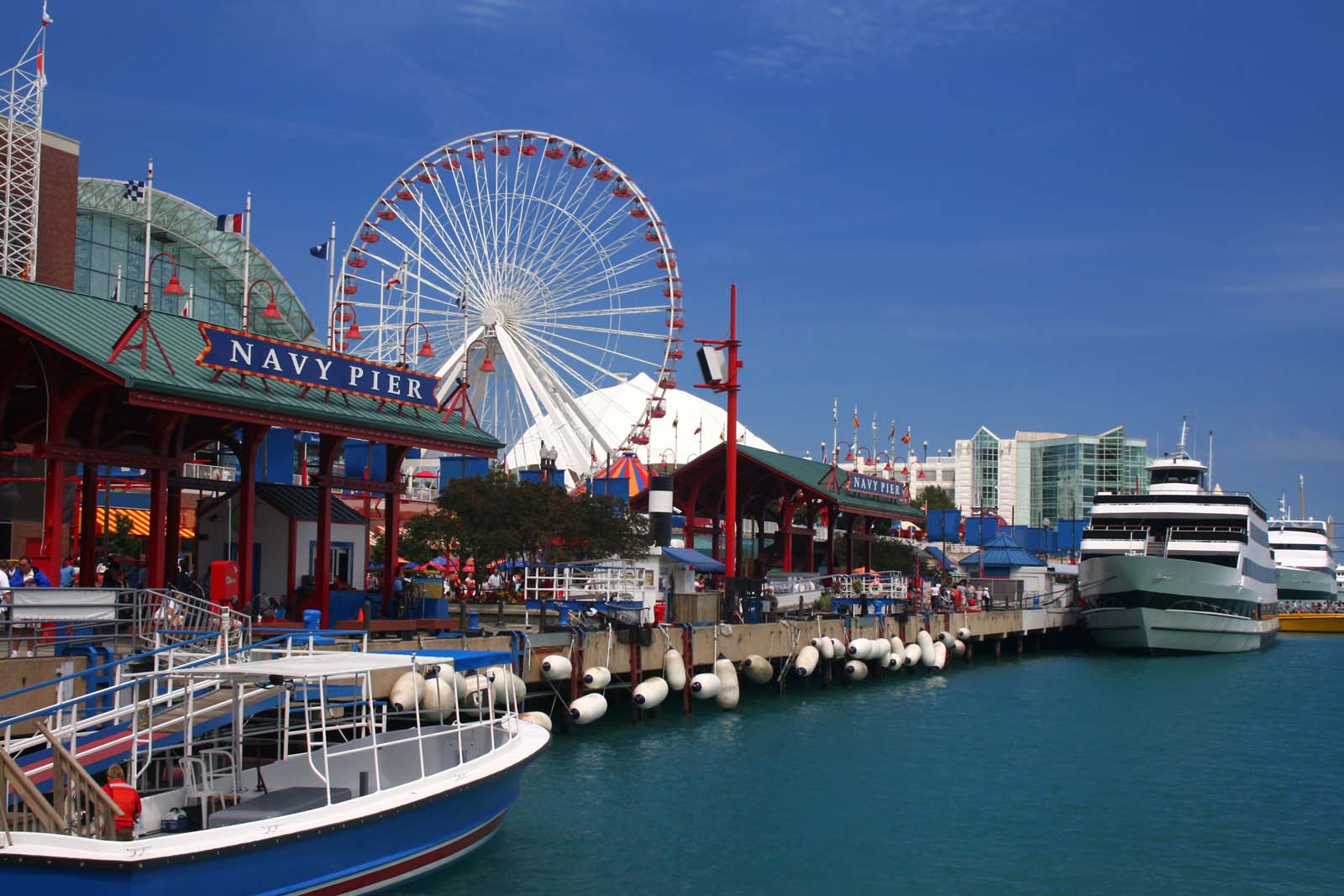
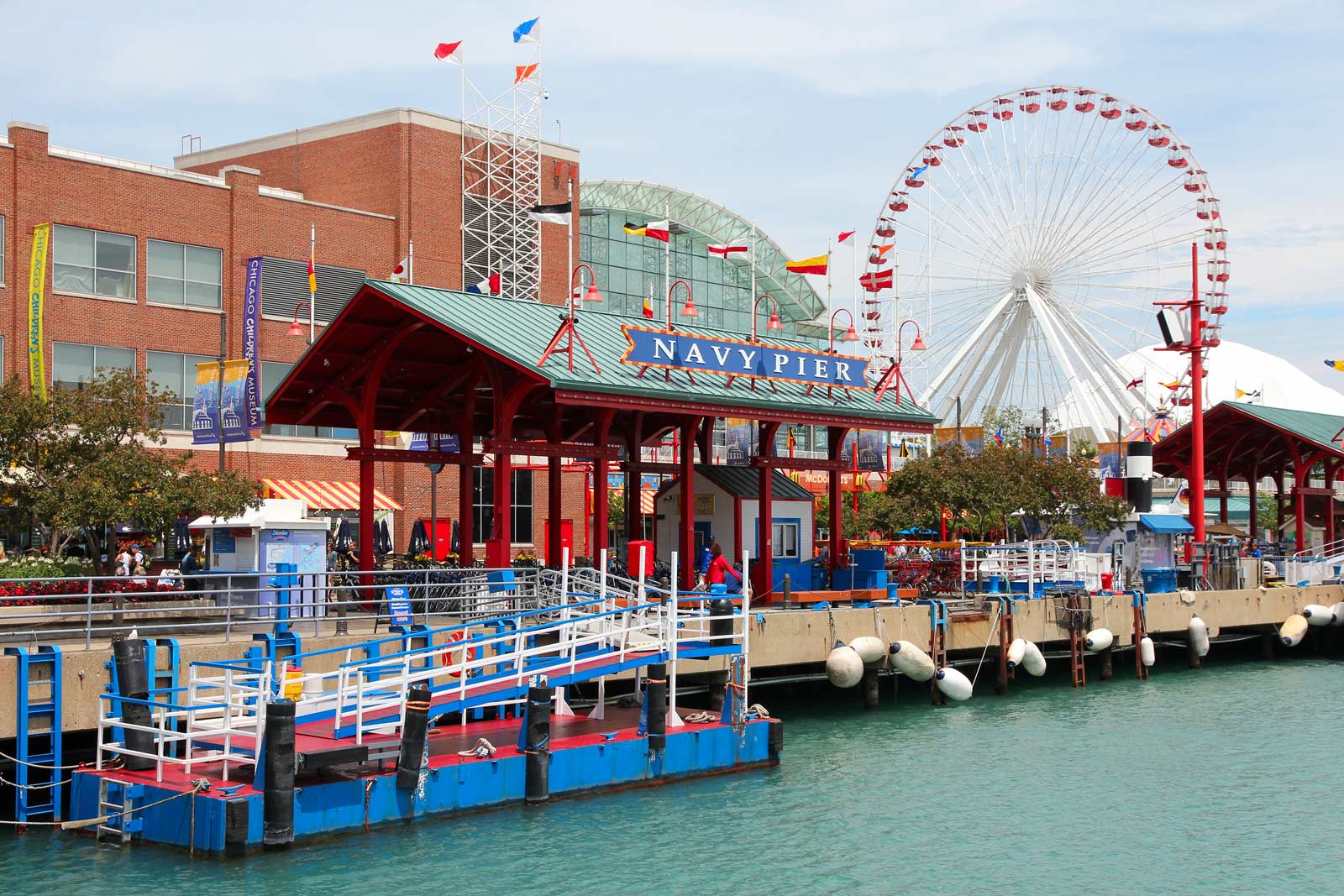
    Sable At Navy Pier Chicago is a top hotel if you’re looking for unique stays in Chicago. You can find it on the historic Navy Pier, far from the bustle and noise of the city center. But it’s not too far – the hotel is just a 20-minute walk from Downtown Chicago, so you can still be at the center of the action in no time. 

    This Hilton hotel features spacious rooms with floor-to-ceiling windows offering uninterrupted views of Lake Michigan. The beds are extra large and very comfortable, and every room features a TV, desk, and a seating area. All guest rooms have an ensuite bathroom, and everyone staying at this hotel can use the fitness center. There are two on-site restaurants and a bar, and many affordable fast-food joints are available at the pier, just a couple of minutes from the hotel. 

    Budget: Millennium Knickerbocker Chicago

    Millennium Knickerbocker Chicago is a good option with an affordable nightly rate in Streeterville—well, as affordable as it can be in one of the most expensive districts of this metropolis. The four-star hotel is set in a lovely historic building, one of the rare old hotels in Chicago. 

    The rooms are spacious and decorated with classic furniture. Every guest room has a private bathroom, desk, TV, and a small seating area. But the furniture is a bit outdated, and the TVs are quite small, which is why the nightly rate is lower. The hotel also offers a fitness center but the selection of exercise equipment is very limited. It has a bar and a restaurant on-site with seasonal operating hours. 

    Where to stay in Chicago Magnificent Mile

    Pros of Staying in Streeterville

    Great for luxury hotels
    Upscale restaurants and shops 
    Views of Lake Michigan 
    Very close to Downtown Chicago

    Cons of Staying in Streeterville

    Fewer affordable hotels 
    Restaurants and bars are expensive 
    No metro access in the neighborhood 

    5. Gold Coast

    Where to stay in Chicago near Skydeck Downtown

    Gold Coast is a prestigious neighborhood that stretches from Oak Street in the south to Lincoln Park in the north. Back in the 1980s and along with Streeterville, it was the United States’ second-most affluent neighborhood, surpassed only by the Upper East Side in Manhattan. It’s no longer quite as rich, but you get the gist. 

    Gold Coast might not offer many affordable hotels, but it does offer many excellent restaurants, bars, and luxury shops. The entire neighborhood is also a historic district thanks to rows of houses dating back to the 19th century. The iconic original The Wheeler Mansion and Charnley-Perksy House are some of the most notable homes here, which legend Frank Lloyd Wright partly designed.

    This is also generally a safe area in Chicago for tourists, which makes it one of the better places in the city for a hotel stay. There are plenty of landmarks and attractions to explore on the Gold Coast, and you can even catch glimpses of Lake Michigan while strolling through the city streets. 

    Luxury: Viceroy Chicago

    The Viceroy Chicago is an upscale five-star hotel with luxurious rooms, a rooftop bar, and a seasonal outdoor pool. Stay here, and you’ll wake up to some of the best scenic views of Chicago through the floor-to-ceiling windows. It’s great to enjoy them from the bed, which is so comfortable you’ll never want to get up. 

    All the guest rooms at the Viceroy feature private bathrooms, coffee makers, a desk, and a seating area. I love that the bathroom mirror has LED lights, which makes it so easy to get ready in the mornings and is especially convenient for putting on makeup. This excellent hotel also features a fitness center, an outdoor pool, and two on-site restaurants.  

    Mid-Range: Thompson Chicago

    Thompson Chicago is a Hyatt hotel with beautifully decorated large rooms. It’s just a few steps from Oak Street, so it’s the closest hotel to Streeterville and Downtown Chicago. Stay here for easy access to the city center and all the top landmarks in Gold Coast. The Thompson Hotel features a bar and a fitness center, but unfortunately, it doesn’t have an on-site restaurant.  

    The hotel rooms all have spacious private bathrooms, a seating area, a desk, a flat-screen TV, and nice city views through the large windows. Book a room on one of the higher floors, and you’ll get to enjoy wonderful panoramic views of Chicago’s skyline from the comfort of your bed. 

    Budget: Ambassador Chicago

    The four-star Ambassador Chicago is as affordable as it gets in the Gold Coast district of Chicago. It’s not really a cheap hotel, although you can book it for about $120 per night (without tax) at certain times, which I think is a seriously good this for this upscale neighborhood. For this fabulous hotel offers spacious modern rooms with extra large beds and spotless bathrooms.

    All guest rooms have a desk, a small seating area, and beautiful artwork on the walls. Guests also get a TV and free WiFi in the room, but I doubt you’ll want to watch anything in the suite when you can go to the hotel’s screening room with a 110” screen. This hotel also has a 24-hour fitness center and a rooftop terrace with sweeping views of Lake Michigan.  

    where to stay in chicago gold coast

    Pros of Staying in Gold Coast

    Historic buildings and landmarks
    Views of Lake Michigan 
    Great for upscale hotel stays 

    Cons of Staying in Gold Coast 

    Expensive accommodation and restaurants 
    Far from Chicago city center 
    Few hotels to choose from 

    Best Areas To Stay In Chicago FAQ’s 

    Where to stay in Chicago Restaurant Row

    What part of Chicago is best to stay in? 

    Chicago Downtown, also known as Chicago Loop, is the best part of Chicago to stay in. The central neighborhood offers many tourist attractions and hotels in every price range. 

    What is the safest part of Chicago to stay in?

    The safest part of Chicago for tourists is the downtown area including Chicago Loop, Streeterville, Gold Coast, and River North. These districts are also home to Chicago’s pricier hotels and are generally more affluent parts of the city.  

    How many days do you need in Chicago? 

    You need at least 2-3 days in Chicago to explore all of its famous attractions. It’s a big city with lots to do and see, and it takes a while to explore the city’s landmarks. 

    Is 3 nights in Chicago enough?

    Yes, three nights is enough time in Chicago. You’ll have plenty of time to see all of the city’s best landmarks, and you can even tour a couple of museums and historic buildings while you’re there. 

    Where Not To Stay In Chicago 

    Statistically speaking, Chicago is one of the most dangerous cities in the United States. It’s also one of the biggest, spanning an area of 235 square miles. Common sense dictates it’s best to avoid the neighborhoods and districts with the highest crime rate in Chicago, and those are West Garfield Park, North Lawndale, East Garfield Park, Washington Park, and West Englewood.

    These five districts have the highest crime rate in the city and are not safe for tourists. They’re also far from the city center, so there’s really no reason to go there unless you’re specifically looking for cheap accommodation. But I advise against staying in any one of these neighborhoods because you really can’t put a price on your safety. 

    Also, there are plenty of other neighborhoods outside central Chicago that offer cheaper stays and are much safer. Consider Wicker Park, West Loop, or Hyde Park for better deals on accommodation, easy access to top landmarks in central Chicago by public transport, and a relatively safe atmosphere. One thing I will note is that most of Chicago is safe if you are careful and take all the standard precautions for traveling to a city with a population of 2,5+ million. 

    Why We Love Chicago 

    Where to stay in Chicago Ohio Beach Park

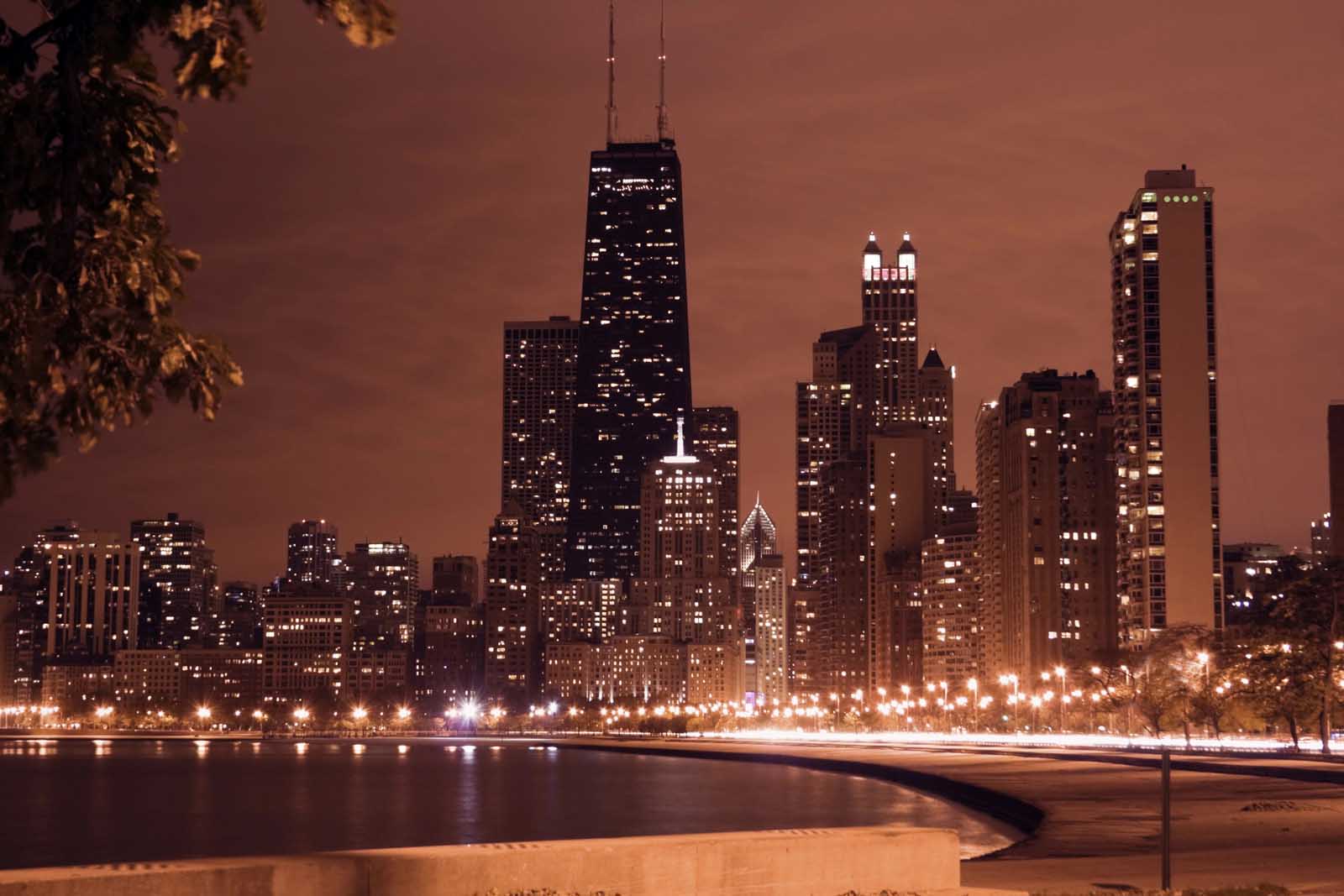
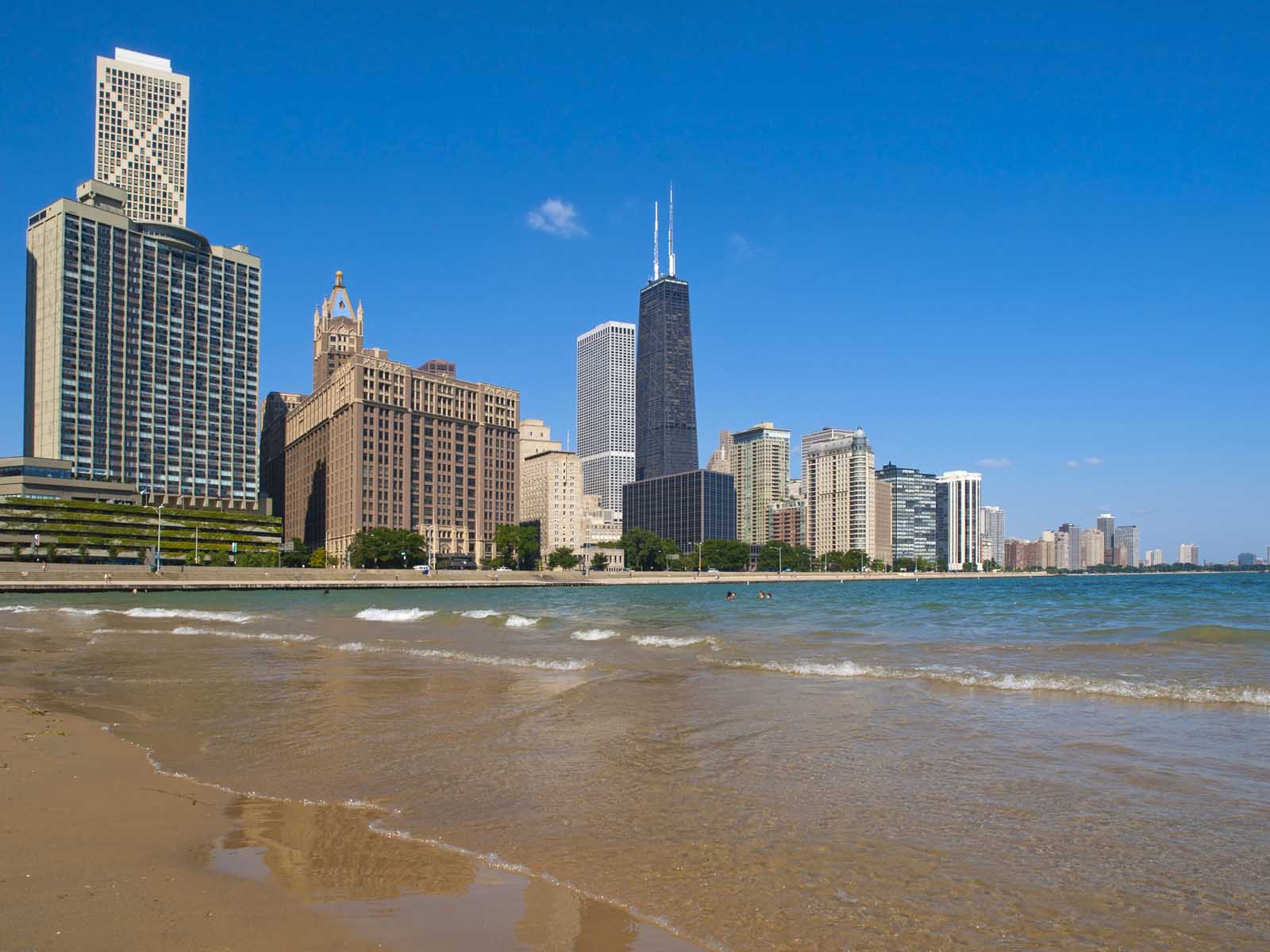
    Why wouldn’t we love Chicago? It’s a buzzing metropolis with countless historic landmarks, excellent museums, fabulous high-rise buildings, and over 20 Michelin-starred kitchens. Set on the shore of Lake Michigan, Chicago offers a wide variety of things to do that can interest anyone, whether you want to tour 19th-century mansions or eat your way through Windy City. 

    It’s a place you can discover in just 3-4 days, but also an excellent destination for longer stays. Stay a while in Chicago, and go on day trips to other cities in Illinois, Michigan, Wisconsin, and even Indiana to properly tour the Midwest. You can go on cruises, try kayaking, explore hiking trails, and even visit some of the best national parks in the US, and be back in Chicago in time for dinner. So yes, we absolutely love Chicago and we think everyone should visit the Second City at least once. 

    Plan your trip to Chicago and other cities in the United States

    [ad_2]

    Source link

  • 28 Best Things to Do in Interlaken in 2024

    28 Best Things to Do in Interlaken in 2024

    [ad_1]

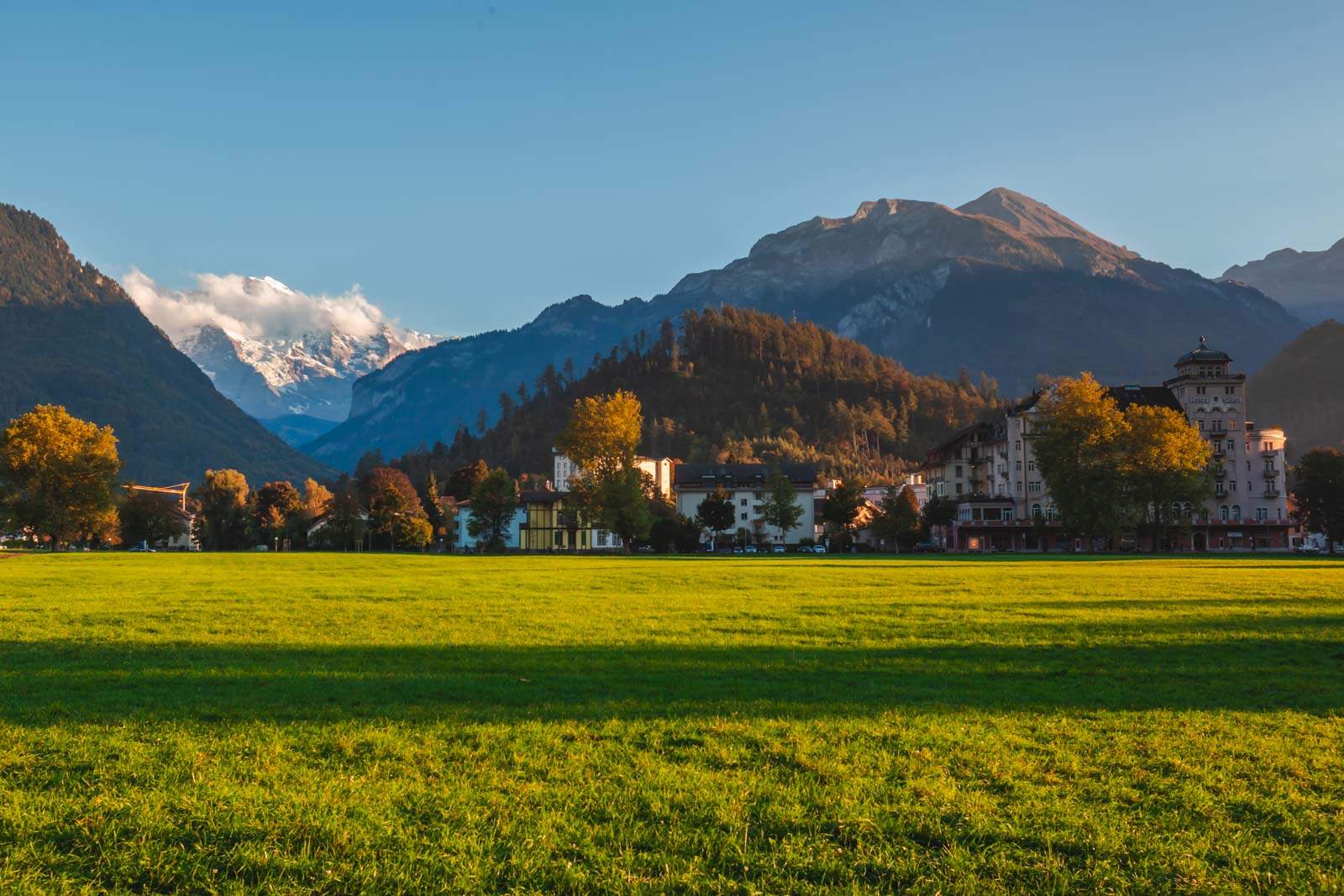
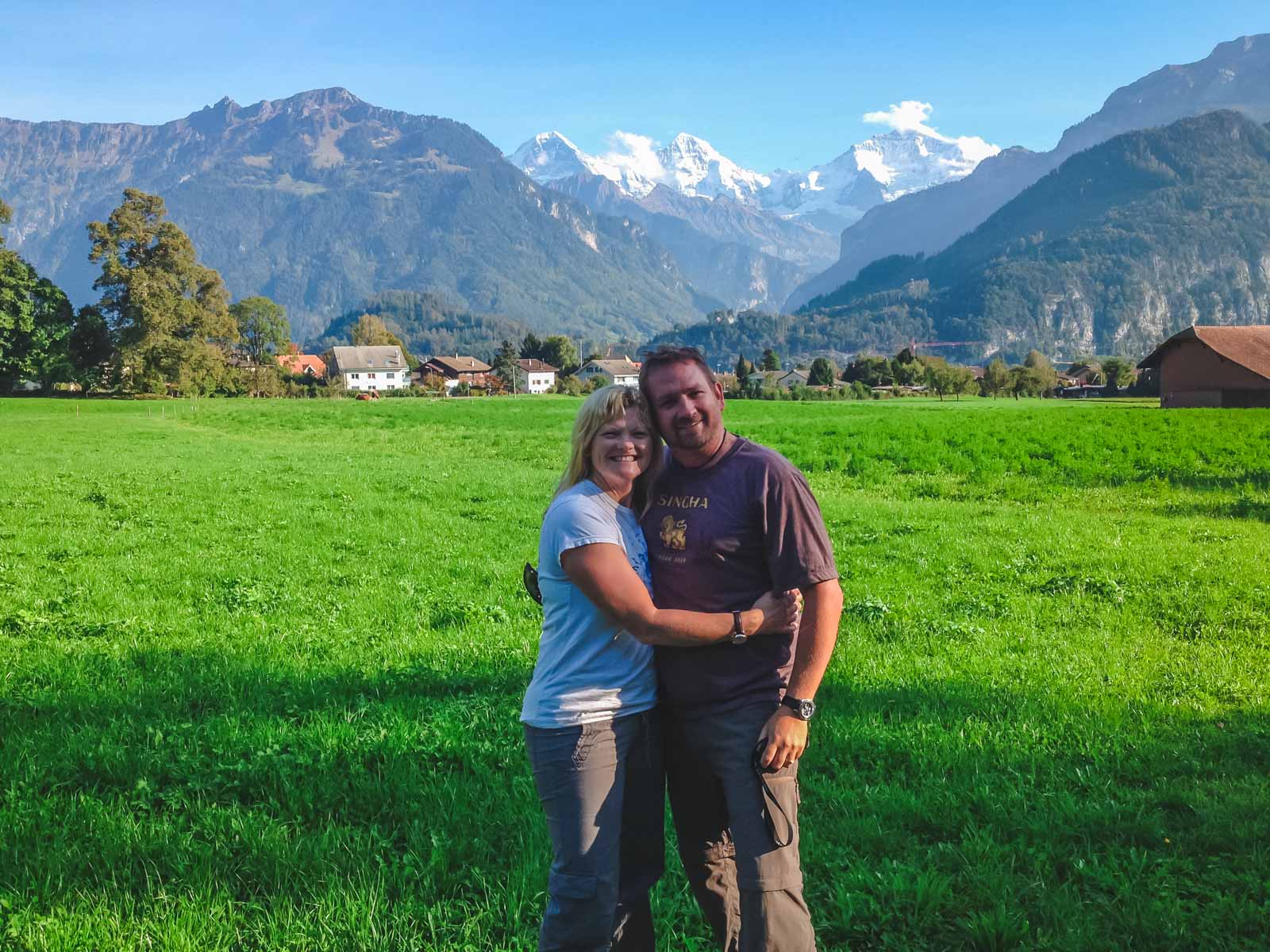
    Centrally located between lakes Thun and Brienz, Interlaken is one of Switzerland’s most popular tourist destinations. It’s home to tall mountains, lovely lakes, and endless hiking trails that allow you to explore some of Central Switzerland’s best landscapes. These are just a few of the reasons we have returned to Interlaken three times. We can’t get enough of it.

    One of the first things you will notice is that you don’t go to Interlaken for the tourist attractions and landmarks. You come here for outdoor activities and once-in-a-lifetime adventures to the best and tallest summits in the Swiss Alps. And if that sounds like a trip you would enjoy, then you’ll enjoy all of these superb things to do in Interlaken! 

    Top things to do in interlaken

    This guide takes you from the best chocolate shops in Interlaken to the most charming Alpine lakes in the mountains high above it. Climb to Jungfraujoch so you can say you’ve visited Top of Europe, or head to Schilthorn to experience a gondola ride straight out of a James Bond movie. All the while, you’re traveling on mountain trains and cable cars, some of which are several centuries old. 

    So, what are you waiting for? Let’s explore all the top things to do in Interlaken and its surroundings!

    Best Things To Do In Interlaken

    Interlaken is an excellent town for outdoor fun. If your idea of a good time includes biking, Alpine climbing, rafting, paragliding, and indulging in cheese and chocolate, you’ll love it here. The town doesn’t have many traditional landmarks and attractions, but it offers so many fun things to do that it’s impossible not to enjoy your trip. 

    Best of Interlaken Quick Guide

    Must See: Jungfraujoch, Mount Schilthorn, Schynige Platte, Thun Castle, Lauterbrunnen Valley, Lake Brienz, Harder Kulm 
    Where To Stay: Interlaken Youth Hostel, Metropole Swiss Quality Hotel, Victoria Jungfrau Grand Hotel & Spa
    Fun To Do: Paragliding, Rafting, Canyoning, Boat rides
    Day Trips: Thun, Grindelwald, Lucerne, Bern
    Must Try Foods: Fondue, Raclette, Rosti, Chocolate. Make sure to check out our Swiss food guide.

    1. Walking Tour of The Town 

    Best things to do in Interlaken Walking Tour

    First things first – book a walking tour of Interlaken and get acquainted with the lovely Swiss town. Guided tours of the town usually take up to 2 hours, although longer tours are available. The main difference is that the longer tours include a trip to Harder Kulm, Interlaken’s home mountain. 

    A classic walking tour of Interlaken will take you past the Victoria Jungfrau Grand Hotel and the Hohematte Park, to the Interlaken Castle, and over the river into Unterseen. Local guides will tell you the history of the town’s best landmarks and offer inside information on their favorite places to eat. 

    Practical Information: Walking tours of Interlaken usually take 1-2 hours. 

    2. Eat Copious Amounts of Cheese

    Best things to do in Interlaken Cheese Fondue at Harder Kulm

    Switzerland is famous worldwide for its delicious cheeses, and a trip to Interlaken is an excellent opportunity to see what the hype is about. You can eat cheese for breakfast, lunch, and dinner, plus you can book fondue cruises and even raclette rafting experiences. The Swiss don’t joke around with their cheeses!

    Interlaken has loads of local restaurants that serve all the staples of Swiss cuisine. Raclette and fondue are the best-known cheese dishes, and I highly recommend you begin your culinary exploration with the latter. Dip pieces of toasted bread into a bucket of hot, melted cheese, as you sip on a dry white wine. It’s what dreams are made of. 

    You can even take it a step further and attend a fondue workshop if you want. Fondue Villa is a local cooking class in Unterseen, where you can learn how to make the Swiss national dish. And when you’re done, you get to eat the fondue, which is by far the best part of the workshop. 

    Practical Information: Fondue is a dish meant to be shared, and it’s usually 30-40 CHF per person. The fondue cooking class lasts two and a half hours and costs 99 CHF. 

    3. Stroll Around Grindelwald

    Best things to do in Interlaken Visit Grindelwald

    Grindelwald is a picturesque village roughly 40 minutes from Interlaken, accessible by direct trains. We have visited Grindelwald three times and absolutely love it. In the winter, it is a popular ski resort with countless luxury hotels and a fabulous apres-ski scene. Grindelwald is also the starting point for many hikes in the region, the most notable of which are the trails leading up to First and Eiger. 

    On top of that, the trains to Jungfraujoch depart from here, and I highly recommend you take at least a couple of hours when returning from the mountain saddle to explore the charming village. Grindelwald is also a popular base for skiers in the winter. No surprises there, as it offers hundreds of kilometers of excellent ski pistes in the Jungfrau Ski Region. 

    Practical Information: Grindelwald is a 40-minute train ride from Interlaken. Tickets are 11 CHF. 

    4. See The Waterfalls In The Lauterbrunnen Valley 

    Best things to do in Interlaken Lauterbrunnen Valley 

    With 72 waterfalls, it’s no surprise that the Lauterbrunnen Valley is better known as the Valley of Waterfalls. Board a train at Interlaken, and in about 20 minutes, you will arrive at the Lauterbrunnen village, where the discovery tour begins. Staubbach Fall is one of the valley’s best-known waterfalls, dramatically rushing down the cliffs in the backdrop of the village, and you’ll spot it as soon as you exit the train station. 

    It takes a little more than an hour to walk from Lauterbrunnen to Stechelberg. During the walk, you’ll see dozens of waterfalls and even pass by Trummelbachfalle. This system of cave waterfalls, which I’ll tell you more about later, is absolutely a worthy detour. Buses can take you back to Lauterbrunnen from Stechelberg. 

    Insider Tip: Staubbach Waterfall is the most spectacular shortly after rain. 

    Practical Information: Lauterbrunnen is a 20-minute train ride from Interlaken. Full-priced one-way tickets are 7.80 CHF. 

    5. Tour Thun Castle 

    Best things to do in Interlaken Thun Castle

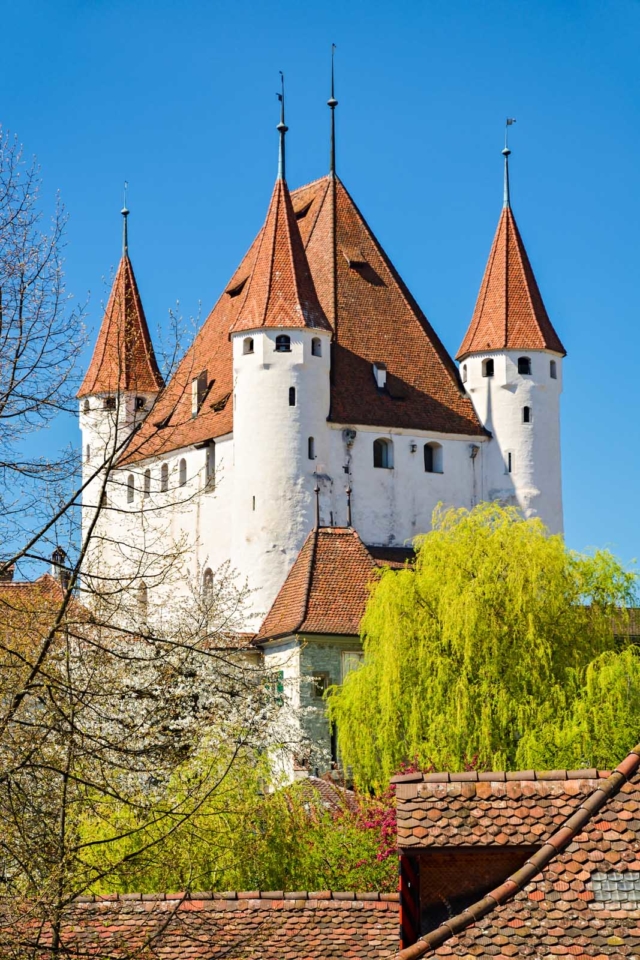
    Thun Castle is the most famous landmark in the namesake town. Situated on the far west shore of Lake Thun, the town is one of the best places to visit on a day trip from Interlaken. You can travel there by bus, train, or boat – I highly recommend that last mode of transport because it’s the perfect excuse to enjoy a cruise on Lake Thun. 

    The castle towers over Thun’s Old Town, offering epic views of the city’s red rooftops and the lake in the background. Visit the castle museum to learn more about its more than 900-year history. 

    The museum exhibit spans six floors, beginning at the castle cellar. The tour ends at the towers, which offer the best panoramic view in the city. When you’re done touring Thun Castle, head down to the Old Town to wander around the cobblestone alleys before you need to return to Interlaken.  

    Practical Information: Thun is a 30-minute train ride from Interlaken. Tickets are around 15 CHF. 

    6. Enjoy The View From Harder Kulm 

    Things to do in Interlaken Harder Kulm

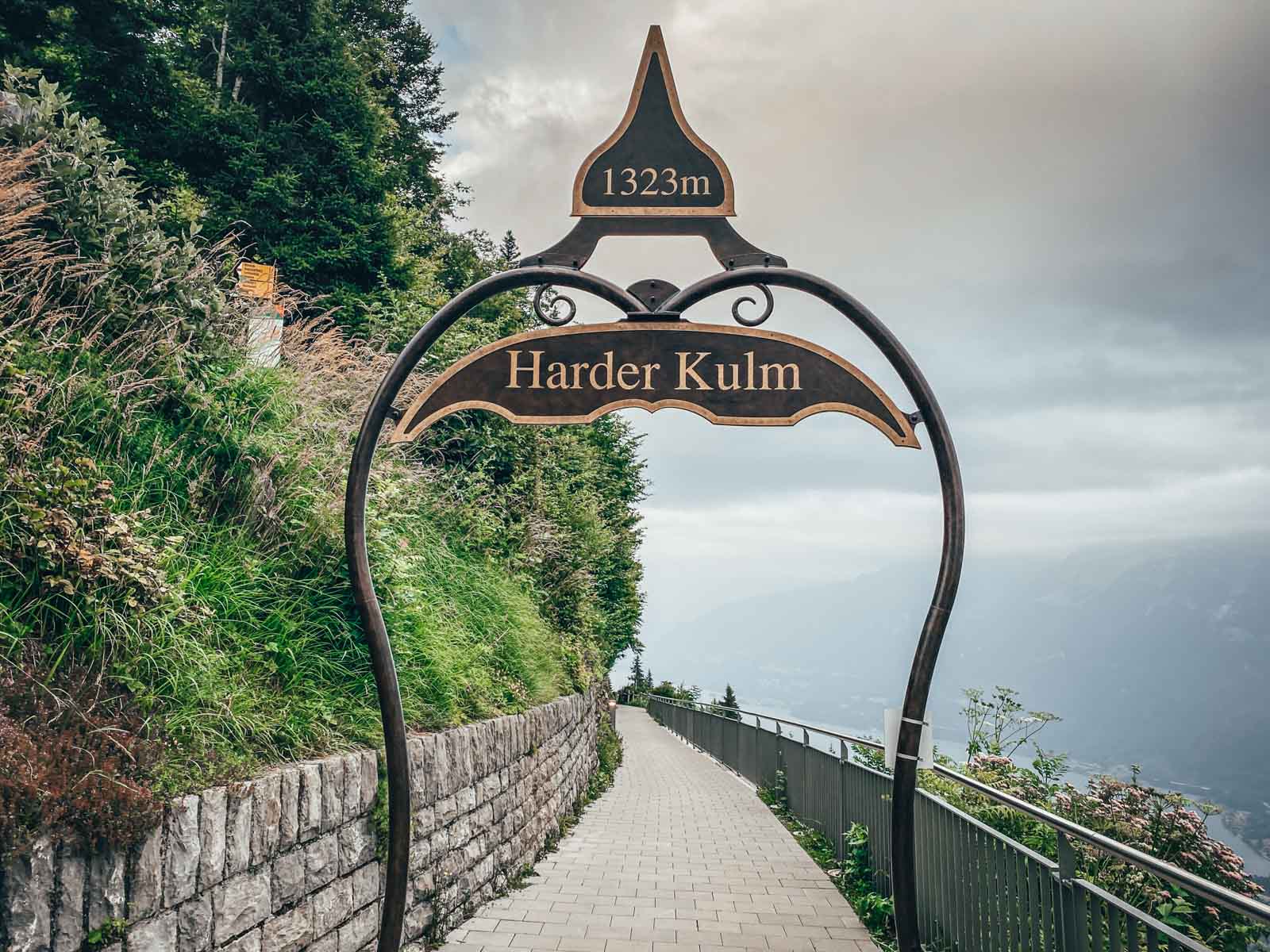
    Harder Kulm is Interlaken’s home mountain, accessible by hiking trails and funicular rides from the town. The funicular is quicker and easier, but hiking is better if you don’t want to overspend in Switzerland. It takes roughly four hours to hike up the mountain and back. 

    The trail is steep and challenging, so it’s recommended only for intermediate and experienced hikers. Beginners should stick to the funicular and maybe attempt to hike back down the mountain and into Interlaken. 

    The view from Harder Kulm is magical. You can see the entire town, Lake Thun, Lake Brienz, and many surrounding mountains. It’s an excellent spot for a romantic Fondue dinner with a wonderful panoramic view, Dave and Deb approved! 

    Practical Information: The funicular to Harder Kulm departs from Interlaken Ost train station. Tickets are 38 CHF, and the ride is 10 minutes. 

    Best things to do in Interlaken Piz Gloria

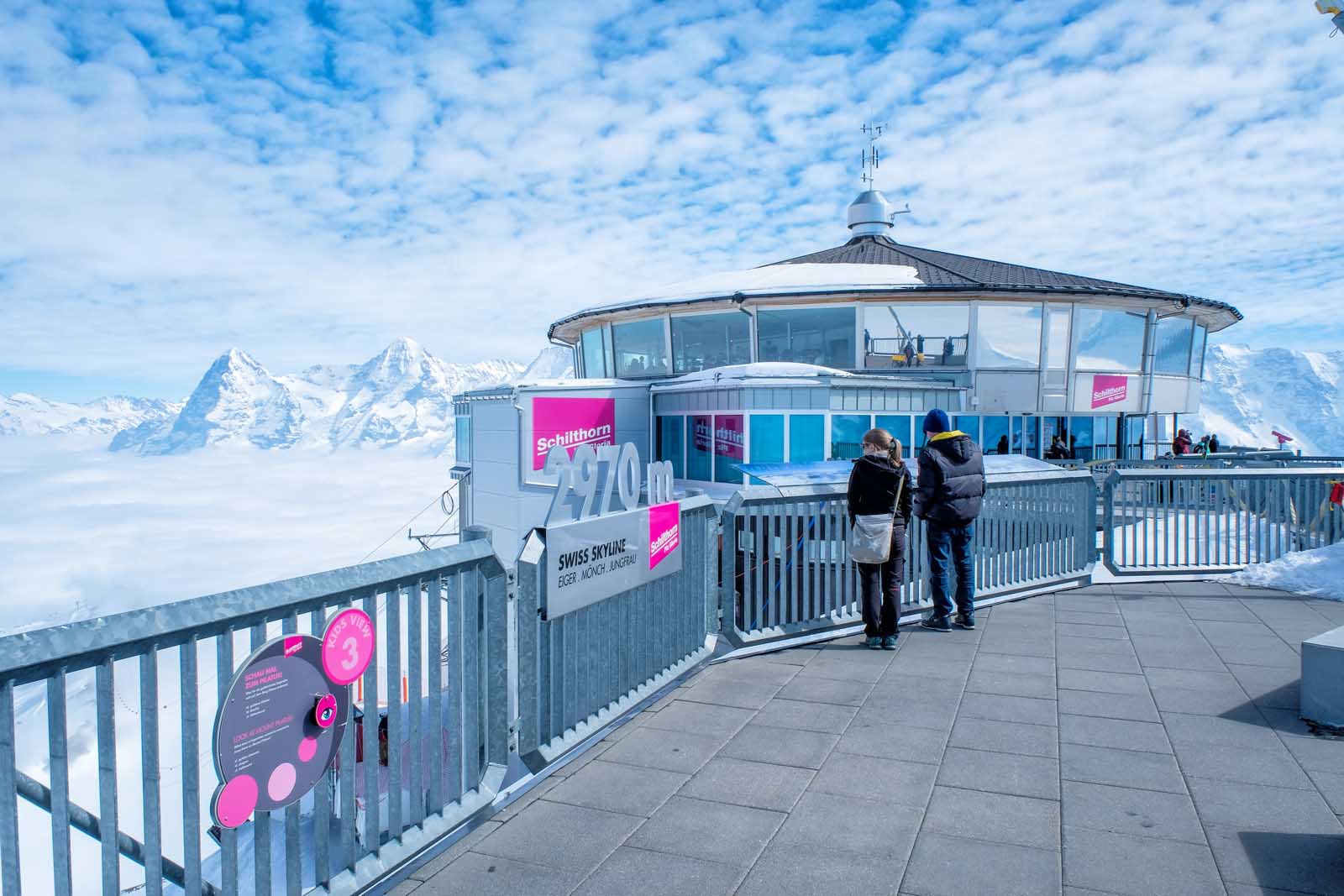
    Piz Gloria is a revolving restaurant at the top of Mount Schilthorn. The place is famous for serving as Blofeld’s lair in the James Bond film On Her Majesty’s Secret Service. In fact, the restaurant’s construction was rushed for filming purposes, and nowadays, there’s an entire museum dedicated to James Bond at the top of the mountain. 

    Eat a 007 burger and get a martini – shaken, not stirred, of course! You can even try the flight simulator that will make you feel like the man himself for a couple of moments, and even experience a simulated bobsleigh ride. Don’t forget to go outside onto the viewing platform, to enjoy the sight of 200+ peaks in the Swiss Alps. 

    I must also mention Birg, the only station where the gondola stops before Schilthorn. It’s absolutely worth it to get out here for the views and the Birg Thrill Walk, which will have you standing on a glass platform above the abyss. 

    Practical Information: Interlaken to Schilthorn via Lauterbrunnen takes about an hour and 20 minutes. Return tickets are 132.80 CHF. 

    8. Hike The Mannlichen Panorama Trail

    Best things to do in interlaken Mannlichen Panorama Trail

    Mannlichen Panoramaweg (panorama trail) is one of the best easy hiking trails near Interlaken. Hike from Mannlichen to Kleine Scheidegg for roughly an hour and a half while you enjoy captivating views of the Swiss Alps towering above you. 

    The hike can be done in either direction, but it’s easier if you start at Mannlichen because you will be walking downhill (this is the way we did it). The trail is mostly a wide gravel path that is very easy to follow and features no technical difficulty. It’s suitable even for total hiking newbies, and it will make you wish you could be at this majestic mountain every weekend. 

    The trailhead is at the Mannlichen gondola station, which is accessible in about an hour from Interlaken. First, you take a train to Grindelwald, where you board a gondola that takes you to the Mannlichen summit. 

    Practical Information: One-way tickets from Interlaken to Mannlichen are 45 CHF. The hiking trail is 4.5 kilometers long in one direction. 

    9. Visit St. Beatus Caves

    Things to do in Interlaken St. Beatus Cave

    Situated on the northeastern shore of Lake Thun, St. Beatus Caves is another spectacular natural landmark close to Interlaken. The place is accessible by bus, but also by various walking and cycling paths from the heart of the town. 

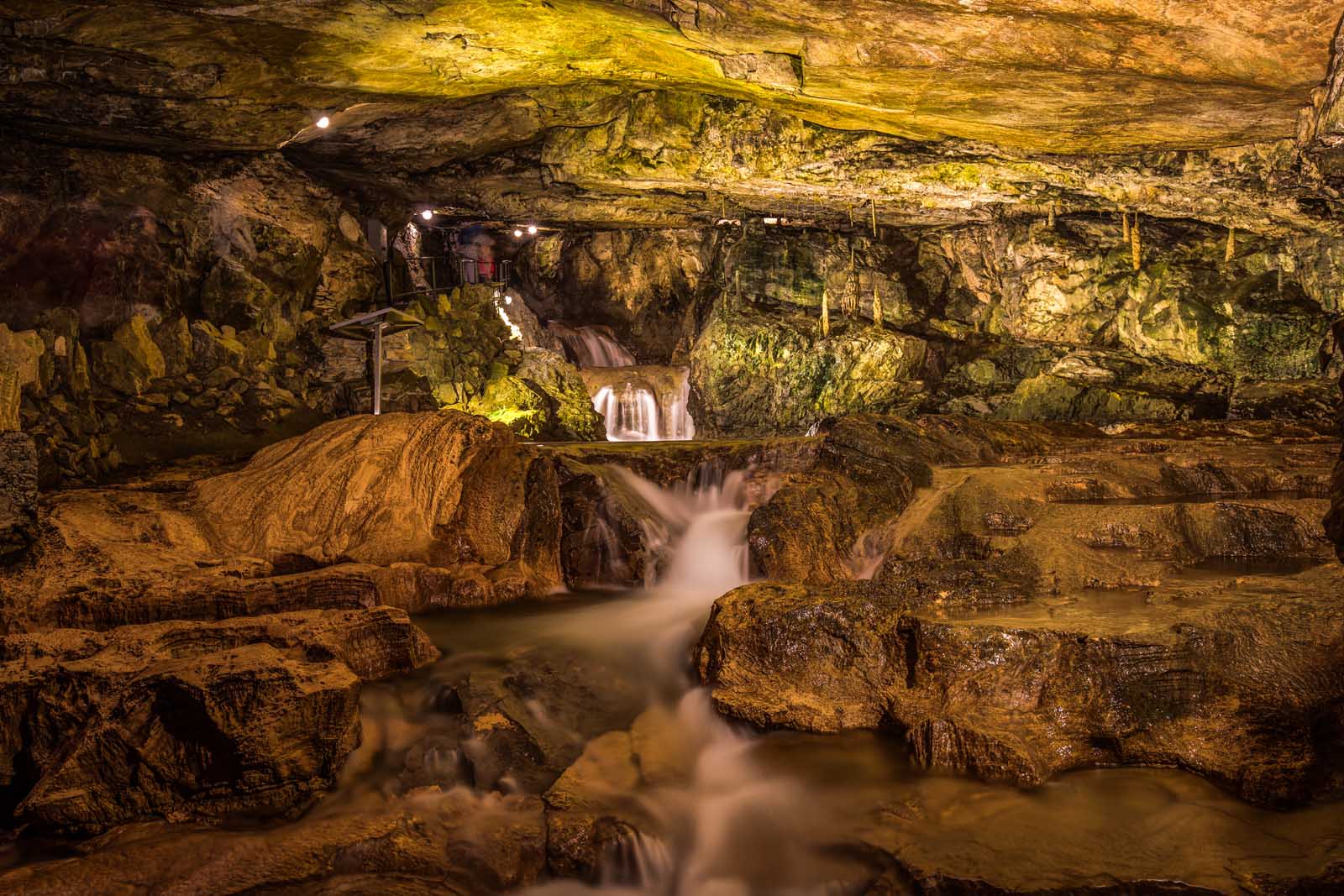
    Lit walkways guide you through the caves as you wander from one chamber into the other. This is one of the ten largest cave systems in Switzerland, spanning an area of roughly 14 kilometers. Only one kilometer is open for public tours, but it’s enough to impress visitors with its magnificence. 

    Practical Information: Tours of St. Beatus Caves are available seasonally, usually from 9 AM to 6 PM. Tickets are 17-19 CHF for adults.  

    10. Discover Trümmelbach Falls

    Things to do in Interlaken Trummelbach Falls

    I’ve already mentioned Trümmelbach Falls briefly, but this is such a great attraction that it deserves its own entry on the list. Situated just some 40 minutes from Interlaken, this cave system of glacial waterfalls is one of the best natural landmarks in central Switzerland. 

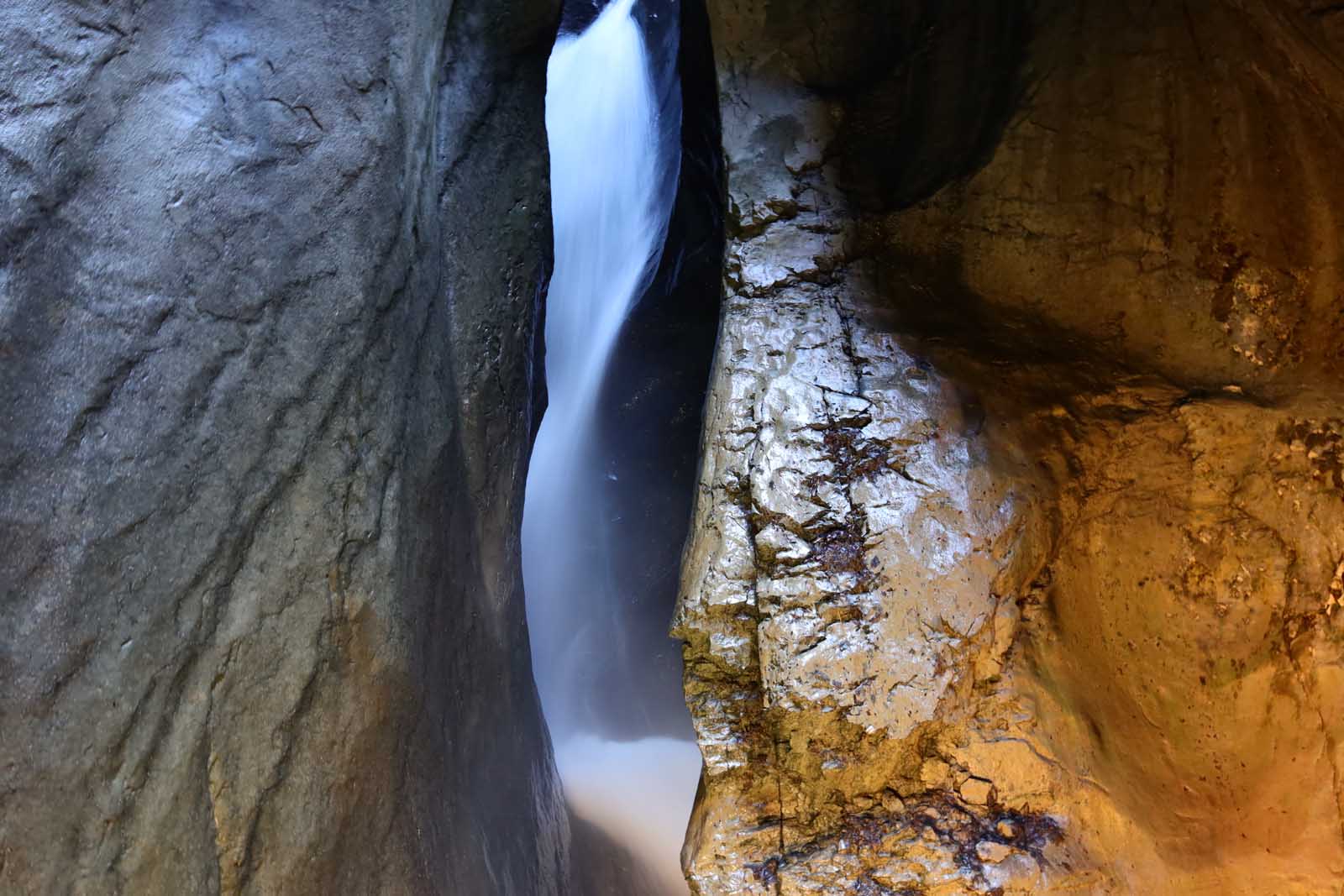
    Ten glacial waterfalls are hidden inside the mountain, and you can discover all of them by following the dedicated walking paths. Glacial waters from Eiger, Jungfrau, and Monch are drained in these waterfalls, and sometimes as much as 20,000 cubic liters per second rush through the mountain. It’s no surprise that Trummelbach Falls is designated a UNSECO World Heritage Site, as they’re truly one of the most captivating natural landmarks near Interlaken. 

    Insider Tip: The walking paths at Trummelbach Falls are often slippery, so wear sturdy shoes. 

    Practical Information: Between April and November, Trummelbach Falls is open from 9 AM to 5 PM. The entrance fee is 14 CHF. 

    11. Paragliding Over The Lakes

    Best things to do in Interlaken Paragliding

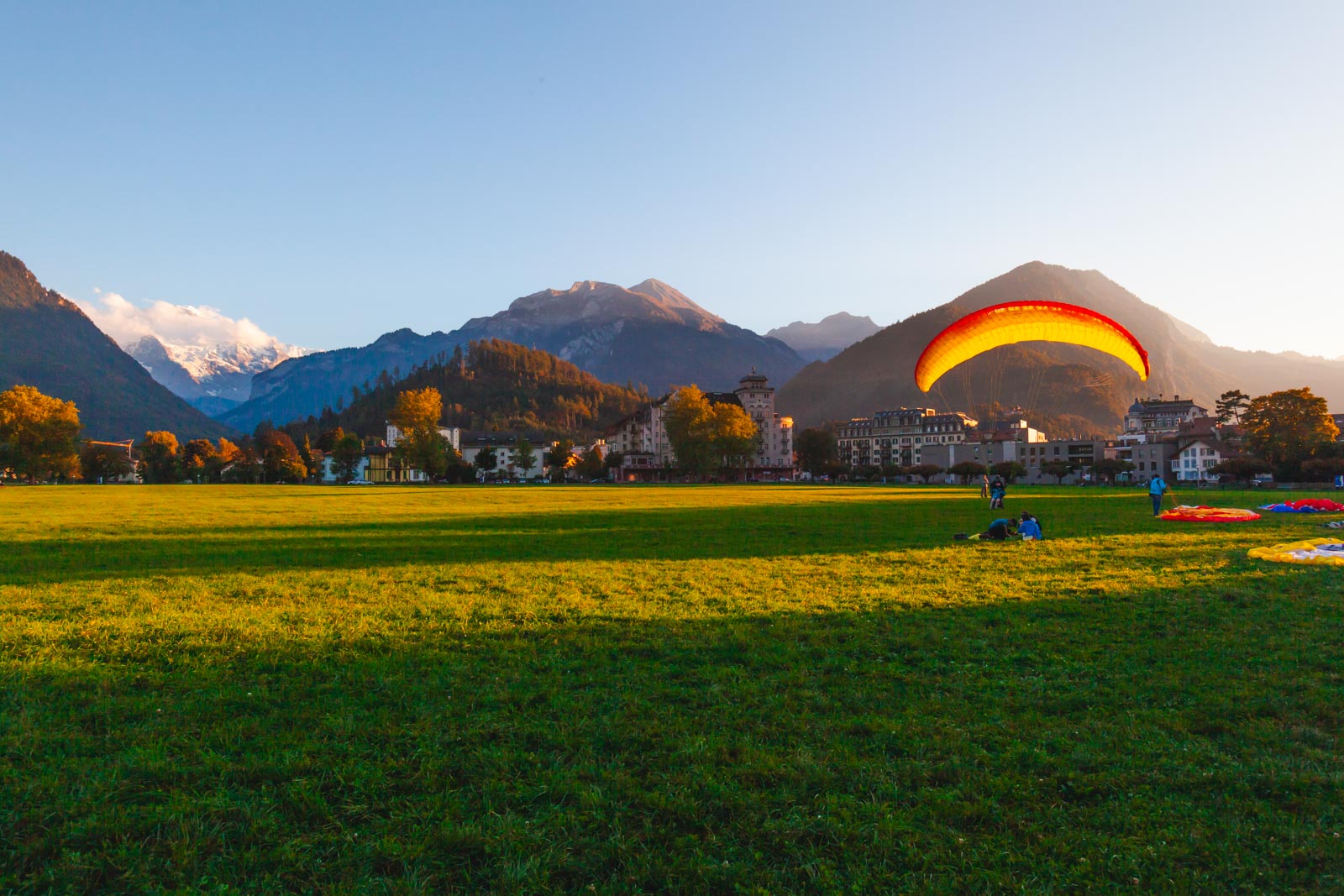
    Interlaken is very popular for paragliding. I don’t think most travelers understand just how popular until they arrive at the town and notice the amount of parachutes constantly visible in the sky. Hohematte Park is the usual landing spot in the town and the best place to hang out if you want to watch the paragliders in action. 

    If, on the other hand, you want to experience the adrenaline rush that can only come from soaring high above a town, you’ll be spoiled for choice in Interlaken. The best operator in town is Paragliding Interlaken. Arrange a flight with them to soar over the lakes and experience a birds-eye view of this picturesque town. You’ll depart from Beatenberg and spend 10-20 minutes in the air before you land at Hohemate Park.

    Best things to do in Interlaken Lakeside

    Longer flights are also available, but they’re usually double the price of regular ones. It’s worth the money if you enjoy being in the air because hardly anyone does tandem paragliding, as well as the Swiss. 

    Practical Information: Paragliding in Interlaken is available in the summer and winter. The average price of a 10-20-minute flight is 180 CHF.  

    12. Lake Oeschinen

    Things to do in Interlaken Lake Oeschinen

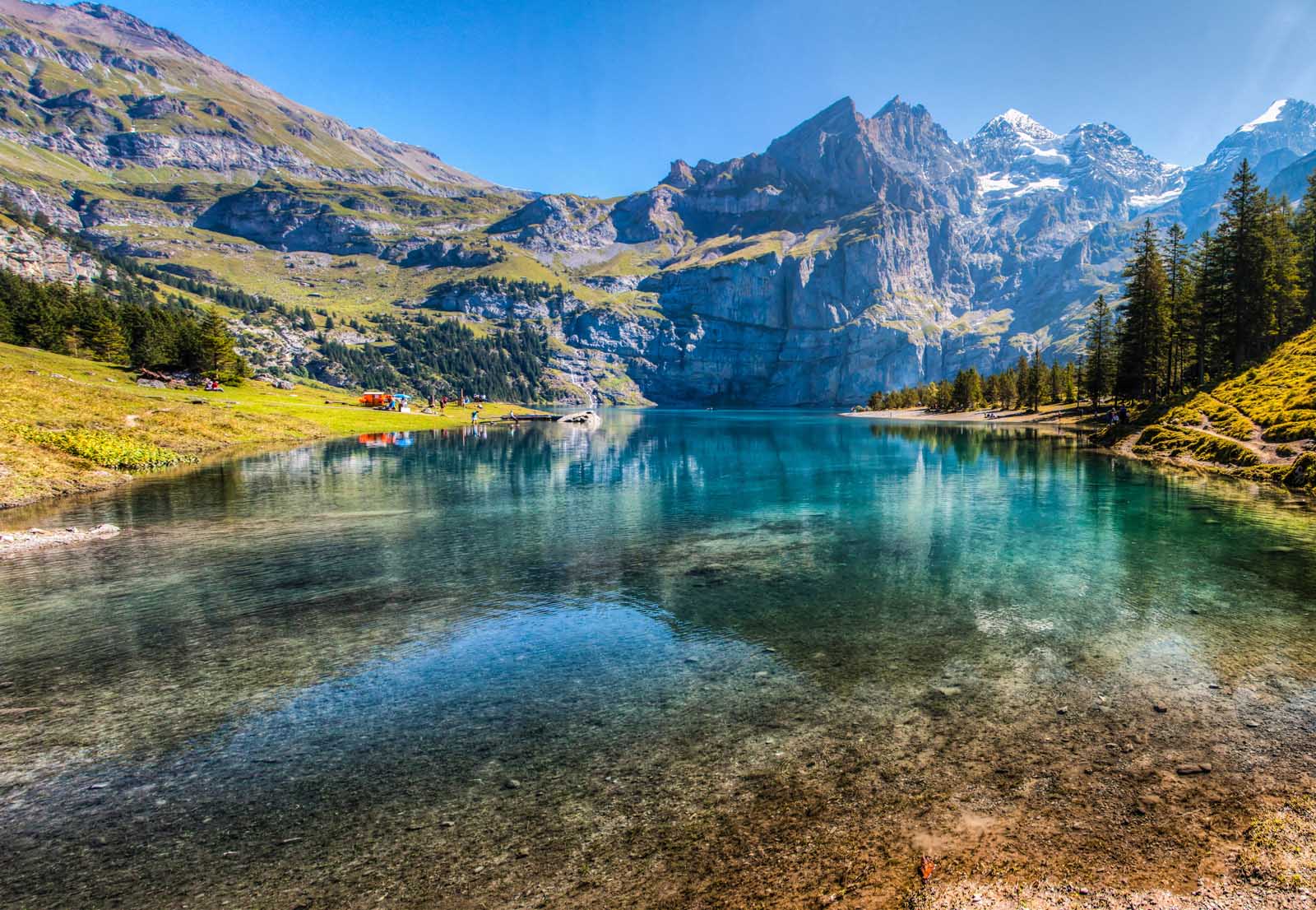
    Lake Oeschinen is one of the prettiest mountain lakes in Switzerland and probably the only reason to rent a car in Switzerland. It’s only a 45-minute drive from Interlaken to the gondola’s bottom station in Kandersteg, but traveling by train takes at least an hour.

    Oeschinensee features beaches, hiking trails, and surreal views all around. In the summer, you can ride boats or rush down the toboggan from the top gondola station. There are so many ways to stay busy at this lake, even if you’re traveling with children. And if you happen to be at Oeschinensee in the winter, you can enjoy skiing, ice skating, and sledding. 

    Practical Information: It takes about 2 hours to travel to Oeschienen Lake from Interlaken by public transport (train to Kandersteg via Spiez and gondola to the lake). Full-priced tickets are 52 CHF, and various discounts are available. 

    13. Ride a Cogweheel Train to Schynige Platte 

    Best things to do in Interlaken Cogweheel Train to Schynige Platte 

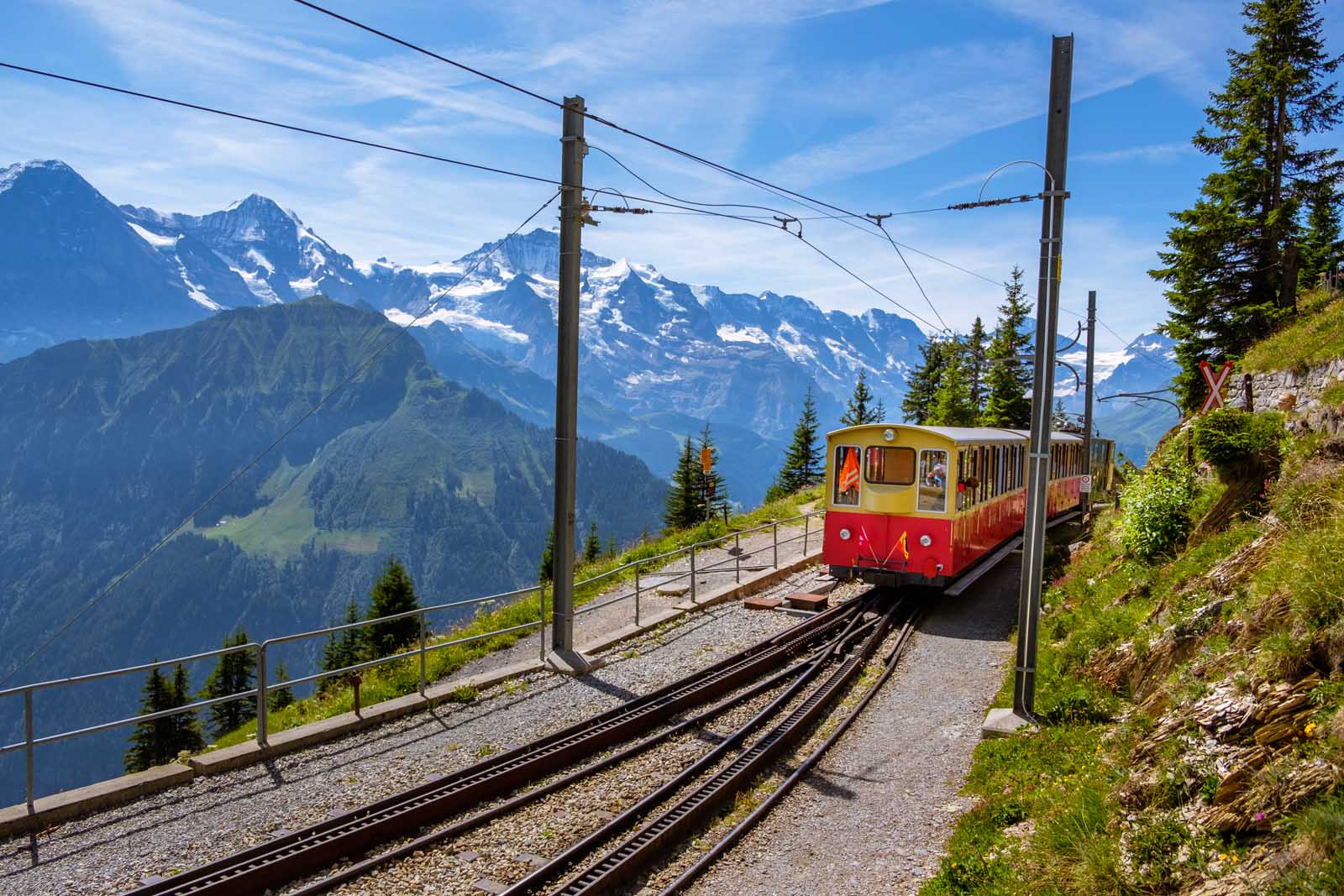
    Cogwheel trains have transported passengers from Wilderswil to Schynige Platte since the late 19th century. They operate only in the summer, and riding the train up the mountain is a fabulous experience in Switzerland. Widlerswil is a village south of Interlaken, just a 5-minute train ride away. 

    The mountain plateau is most popular for hiking and paragliding. There’s also an Alpine Botanical Garden with an interesting collection of plants native to the region. The entrance is free for anyone who buys tickets for the cogwheel train. 

    Also, Alphorn players entertain the travelers daily. The instrument is a crucial element of Swiss culture, especially in the mountains, so the free concert is an excellent opportunity to better understand the local traditions. 

    Practical Information: It takes roughly an hour to travel from Interlaken to Schynige Platte. Tickets are 71.2 CHF. 

    14. Visit Jungfraujoch, The Top of Europe

    Things to do in Interlaken Jungfraujoch, The Top of Europe

    Jungfraujoch is a mountain saddle roughly 90 minutes from Interlaken. It is one of Switzerland’s best-known attractions and a fabulous place you need to visit if you’re already in Interlaken. The mountain saddle is best known for Top of Europe, a visitor’s complex that’s home to the highest train station and post office on the continent. 

    As you ride the trains up to Jungfraujoch, you will get to experience magical views of the Swiss Alps. Before you arrive at the destination, the train makes one five-minute stop, so you can see the Aletsch Glacier from a viewing room. 

    Top of Europe features an observation deck, an ice palace, and an Alpine fun park with summer skiing. The visitor’s center also has shops and restaurants, including Europe’s highest Lindt store, where you can observe expert chocolatiers at work. Also, the views of Jungfrau, Eiger, and Monch from the visitor’s center are out of this world. 

    Insider Tip: Bring postcards so you can mail them to friends and family from Europe’s highest post office. 

    Practical Information: It takes 90-120 minutes to travel from Interlaken to the Top of Europe. Full-priced return tickets (with Eiger Express Gondola ride) are 224 CHF, and discounts are available with various travel passes. 

    15. Day Trip To Bern 

    Best things to do in Interlaken Bern Day Trip

    Bern is a wonderful city just an hour from Interlaken by train. It is the de facto capital of Switzerland, and its old town is designated a UNESCO World Heritage Site. Also, Bern offers many traditional landmarks and tourist attractions, and it’s a great place to visit if you want to tour museums, walk around cobblestone alleys, and see some classic Swiss landmarks. 

    Bern’s top landmarks include fountains scattered throughout the old town, the Zytglogge clock tower, the bear with (with actual bears), the rose garden, and the Käfigturm tower. Einstein House is the best museum in town; it’s the flat where the famous scientists once lived and still features many of its original furnishings. 

    A walking tour of Bern is the best way to get acquainted with the city and discover all the top sights on a day trip from Interlaken. 

    Practical Information: Bern is roughly a one-hour train ride from Interlaken. One-way tickets are 31.2 CHF.

    16. Ride Mountain Carts at First

    Best things to do in Interlaken Carts and First Cliff Walk

    First is a mountain summit accessible by train and gondola via Grindelwald. There are quite a few fun things to do at the top of the mountain, including a thrilling zipline and the iconic First Cliff Walk. 

    But the mountain carts at the Schreckfeld station are by far the most fun. You’ll follow the curvy mountain road down the mountain to the gondola’s bottom station. It’s a perfectly safe activity suitable even for children, and I think renting the carts might be cheaper than paying for the gondola ride down the mountain. 

    Practical Information: Mountain carts at First are available from May through October. The cost for adults is 21 CHF per mountain cart. 

    17. Make Chocolates At The Funky Chocolate Club

    Best things to do in Interlaken Funky Chocolate Club

    Funky Chocolate Club is an artisan shop in Interlaken that organizes workshops. Experienced chocolatiers teach you the ins and outs of their craft. You can participate in the chocolate-making process, and at the end of it, you can eat the fruits of your labor. 

    If you don’t mind getting your hands dirty, this is one of the most fun things to do in Interlaken. You’ll learn a new skill, and you’ll have handmade chocolates to bring home as gifts for friends and family. Well, if you can stop yourself from devouring them on the spot. Even if you don’t like the idea of making chocolates, stop by the Funky Chocolate Club for coffee and dessert.

    Practical Information: The Funky Chocolate Club offers a chocolate-making workshop thrice daily. The cost is 69 CHF per participant. 

    18. Scenic Boat Ride on Lake Brienz

    Best things to do in Interlaken Lake Brienz Boatride

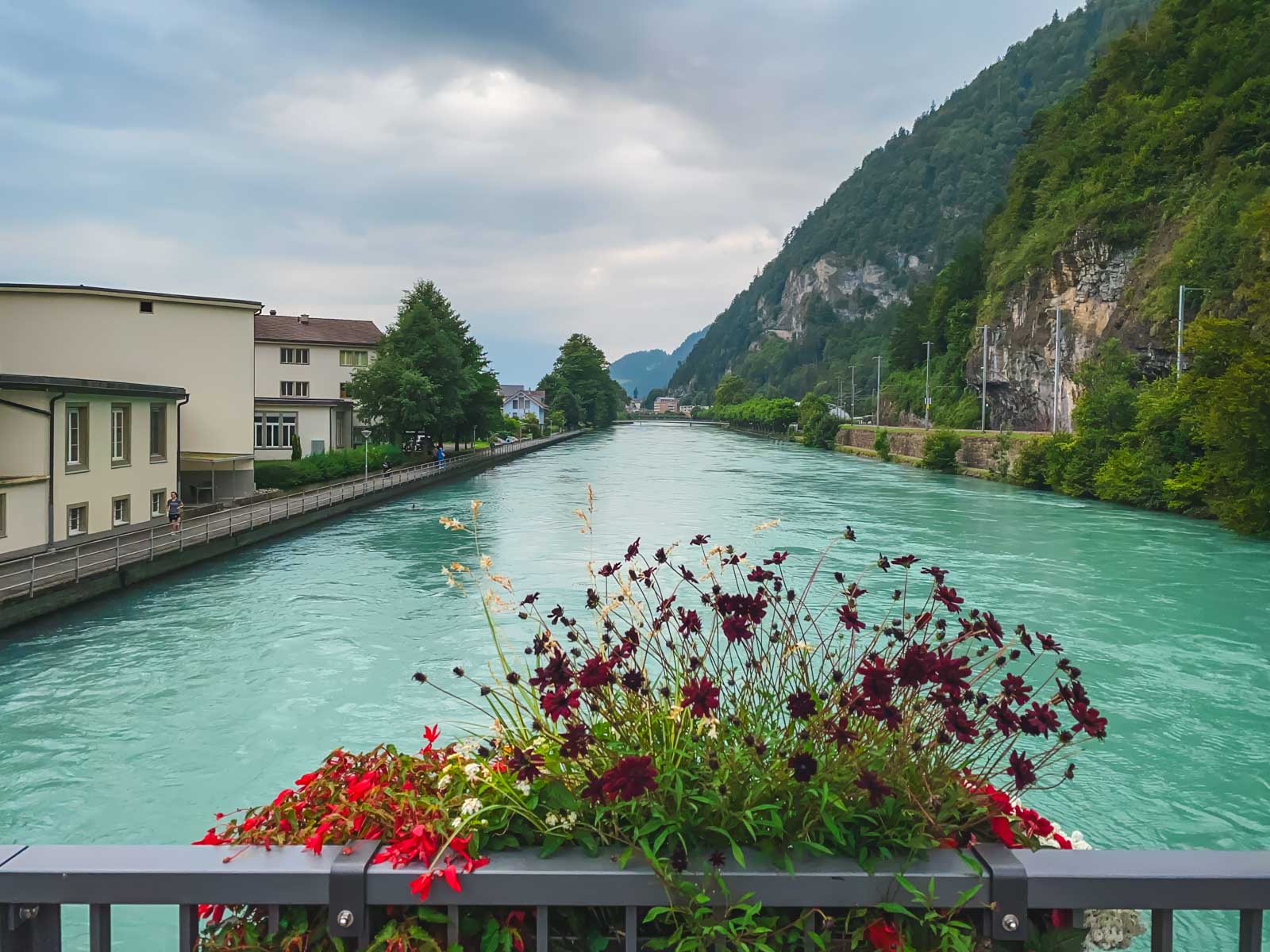
    The picturesque Lake Brienz is my favorite in Switzerland, thanks to its gorgeous turquoise color. The lake actually owes its color to glacial waters that drain from the nearby mountains, which also means that its water is always on the chilly side. 

    Boat rides on Lake Brienz are not only a fabulous tourist experience but also a legit way to travel from one town on the shore to the next. So, head to the harbor in Interlaken and board a BLS-Schiff boat.

    Best things to do in Interlaken Lake View

    Ride it all the way to Brienz to see as much of the lovely lake as possible, or get off at one of the earlier stations. Iseltwald is a lovely little town on the shore with a castle and lots of walking paths. Giessbach is also a worthy detour, thanks to the impressive Giessbach Waterfall. 

    Practical Information: Boat rides on Lake Brienz are available throughout the year but are most common in the summer season. Travelers with the Interlaken Guest Card can get a 20% discount on day passes for cruises. 

    19. Skiing in The Jungfrau Ski Region

    Best things to do in Interlaken Skiing in Jungfrau

    Although Interlaken is best experienced in warm weather when you explore all the hiking trails and embark on fun water adventures, the region is immensely popular even in the winter months. That’s because of the Jungfrau Ski Region, which is one of the best in the entire country. 

    It encompasses three resorts: Grindelwald-Wengen, Grindelwald-First, and Mürren-Schilthorn. That’s more than 200 kilometers of ski pistes, with everything from easy blue runs to extremely challenging black runs. Even the Lauberhorn ski pistes are part of the Jungfrau Ski Region, and that’s one of the most popular events of the Ski World Cup. 

    A ski bus is available to transport passengers from the villages and towns to the pistes in the Alps. Anyone who buys the Jungfrau Ski Pass gets to ride the bus for free. 

    Practical Information: The Jungfrau Ski Region ski pass starts at 75 CHF for a daily pass and goes up to 428 CHF for a weekly pass.  

    20. Attempt the Mürren-Gimmelwald Via Ferrata

    Things to do in Interlaken Murren-Gimmelwald Via Ferrata

    This summer adventure is reserved only for experienced climbers, so skip to the next activity if you don’t have lots of experience with rock climbing. The Mürren-Gimmelwald Via Ferrata is a three-hour trail over the cliffs of Murren. 

    It’s a very challenging climbing route with some of the best views in central Switzerland. You’re treated to interrupted vistas of the Swiss Alps and the tiny villages in the valley. Just ensure you’re not distracted by those panoramic views because you can’t afford to take one wrong step. 

    If it’s your first via Ferrata, it’s best to do it with an experienced local guide. Otherwise, feel free to attempt the climb on your own; it’s actually not that difficult if you know what you’re doing, and much of the path is just hiking through the forest. 

    Practical Information: Gear rental is available at Intersport Murren for 30 CHF. 

    21. Oberhofen Castle

    Things to do in Interlaken Oberhofen castle

    Oberhofen Castle is another grand chateau on the shore of Lake Thun. It dates back to the 13th century and features opulent rooms with period furnishings. The castle’s highlight is the oriental smoking parlor on the top floor, which was inspired by Count Albert de Pourtalès’s time in Istanbul. 

    Touring the castle is a wonderful experience that offers insight into Bernese culture. The Castle Park is equally impressive, with beautifully landscaped gardens and waterfront walking paths. The park is also accessible longer, as it only closes for visitors in the winter months. 

    Practical Information: Oberhofen Castle is open for tours from May to October, usually from 11 AM to 5 PM. Admission to the castle museum is 14 CHF. 

    22. Go Canyoning 

    Best things to do in Interlaken Canyoning

    Canyoning is another classic Interlaken adventure that will get your blood running. The local operators offer three different canyoning experiences depending on skill levels. Canyoning in Interlaken is easiest, Grimsel Canyon is for adventurers with some previous experience, while Chli Schliere Canyon can increase the heart rate of even the most experienced canyoners. 

    In Interlaken, canyoning is done with the help of local guides who provide all the necessary gear. You will jump, slide, and rappel down the rock faces as you traverse through the narrow gorges. This activity is suitable even for complete beginners, and it’s an excellent way to spend an afternoon if you want to try something new and exciting in Interlaken. 

    Practical Information: Canyoning in Interlaken is available between April and October. The price for a three-hour adventure is 150-230 CHF, depending on the canyoning destination.  

    23. Try Whitewater Rafting

    Whitewater rafting is the best thing to do in Interlaken for travelers who love having fun on the water. It might not be as thrilling as canyon swings or via Ferratas, but it’s certainly an exciting experience that you’ll remember forever. 

    Rafting on the Lütschine River is even suitable for families, so it’s a lovely way to spend a day if you’re traveling with kids in Switzerland and you can’t exactly take them paragliding. Rafting adventures usually include 2 hours of time on the water, plus the transport to and from Interlaken. 

    And for those of you who aren’t really looking for an adrenaline rush, it’s worth noting that even Raclette Rafting is a thing in Interlaken. It’s exactly what it sounds like – you charter a boat for eight people and you’re treated to a Raclette dinner as you slowly glide along the water from Bönigen to Interlaken.  

    Practical Information: Rafting in Interlaken is available from May to September. The prices start at 135 CHF per person. 

    24. Excursion To Lucerne

    Best things to do in Interlaken Day Trip to Lucerne

    Lucerne is my favorite city in Switzerland, and if you’ve never been before, this is the perfect opportunity. It’s only a two-hour train ride from Interlaken, but the landscapes you see through the window are captivating enough to make that time pass in the blink of an eye. 

    When you exit the train station in Lucerne, cross the iconic Chapel Bridge into the old town. Admire the pastel buildings and stand at the square in front of the Rathaus. Head west to climb onto Museggmauer – the old city wall with towers that offer epic panoramic views of Lucerne’s skyline. 

    Don’t miss out on the Lion Monument, either, as it’s one of the city’s most famous landmarks. It’s close to the Glacier Garden and the Bourbaki Panorama, both fabulous museums that will keep you busy for an hour or two. 

    Practical Information: Lucerne is a two-hour train ride from Interlaken. One-way tickets are 34 CHF. 

    25. Hike The Eiger Trail 

    Best things to do in Interlaken hiking the Eiger Trail

    Head to the Eigergletscher station to set out on one of the best hikes in central Switzerland. Follow the path along the north face of the Eiger mountain, enjoying mesmerizing vistas as you descend towards Alpiglen. 

    The trail can be walked in either direction, but it’s much easier to do it from Eigergletscher to Alpiglen because it’s almost entirely downhill. Avid hikers will be glad to know that they can combine this hike with the Mannlichen Panorama Trail for an epic afternoon full of adventure. 

    Practical Information: The easy version of the trail is 6 kilometers long and takes roughly 2-3 hours to complete.

    26. Dip Your Toes in Fallbodensee

    Best things to do in Interlaken Fallbodensee

    Lake Brienz and Lake Thun are both stunning, but they lack the charm of quaint Alpine lakes. This is precisely why you should visit Fallbodensee, a tiny mountain lake at the foot of the Eiger. 

    Enjoy the view of the tall summits reflected in the lake’s still surface, and dip your toes in the cold water if you dare. I say pack a picnic and secure a spot on the shore because the majestic scenery of the Alps makes any food taste a thousand times better. 

    Also, if you’re someone who enjoys hiking a lot, you should know that you can easily hike from Kleine Scheidegg to Fallbodensee in roughly 30 minutes. If you continue towards Eigerglestcher, you can even do the Eiger Trail in the same afternoon. 

    Practical Information: Fallbodensee is accessible by hiking trails from Eigergletscher and Kleine Scheidegg. 

    27. Discover The Allmendhubel Flower Trail

    Things to do in Interlaken  Allmendhubel Flower Trail

    The Allmendhubel Flower Trail is an easy hike from Murren. Accessible from Interlaken by train in roughly an hour, the village is tucked away in the mountains above Lauterbrunnen and Stechelberg. 

    The trail begins at the Mürren train station and follows the path up the mountain for about three kilometers. It’s an easy hike that takes an hour to complete and with minimal elevation gain. Along the way, you’ll spot fields of wildflowers, but only if you do this hike in late spring or summer. 

    There’s a playground at Allmendhubel, making this hike a wonderful family-friendly activity. There’s also a restaurant where adults can sit down to enjoy some Swiss delicacies while their little ones play around. 

    Practical Information: The Allmendhubel Flower Trail is a moderately difficult hike doable in spring and summer. It takes about an hour to reach the trailhead in Mürren from Interlaken, and train tickets are 20 CHF. 

    28. Cross The Sigriswil Panoramic Bridge

    Best things to do in Interlaken Switzerland Sigriswil Panoramic Bridge

    Suspension bridges are quite common in Switzerland, and of course, there’s one near Interlaken. The Sigriswil Panoramic Bridge stretches for 340 meters, connecting Sigriswil with Aeschlen. It offers fabulous views of the surrounding mountains, and the vista includes Eiger, Monch, and Jungfrau. 

    However, if you’re not comfortable with heights, you might want to skip this activity. The bridge allows you to cross the Gummischlucht Gorge, and the sight of the abyss below might be terrifying for some. As you walk across the bridge, you can see the bottom of the gorge roughly 180 meters below. 

    Practical Information: The Sigriswil Panoramic Bridge is open year-round. There is a fee of 8 CHF to cross it. 

    Frequently Asked Questions

    Best things to do in Interlaken Need to know

    Is 2 Days Enough In Interlaken? 

    In two days it’s possible to explore the town of Interlaken, visit Harder Kulm, go on a boat ride, and do one excursion to a nearby village or mountain. But it’s not enough for a thorough exploration of the Jungfrau region. 

    Is Interlaken Worth Visiting?

    Yes, Interlaken is absolutely worth visiting. Thanks to its abundance of outdoor activities, it’s one of the most popular tourist destinations in Switzerland. 

    Why Is Interlaken So Famous?

    Interlaken is famous because of its proximity to some of Switzerland’s best-known tourist attractions. Schilthorn, Jungfraujoch, Trummelbachfalle, and Schynigge Platte are all close to Interlaken, and the town is an excellent base for exploring central Switzerland. 

    What is the prettiest part of Interlaken?

    Harder Kulm is the prettiest part of Interlaken. The mountain offers a magical view of the town, lakes Thun and Brienz, and countless mountain summits in the backdrop. 

    Where To Stay In Interlaken

    Things to do in Interlaken Accommodation recommendations

    Interlaken is a small town, and no matter where you stay, the top attractions and things to do will be close. What you need to consider the most when choosing a hotel in Interlaken is your budget. Switzerland is very expensive, and a night at one of the cheapest hotels in Interlaken is comparable to at least a mid-range hotel elsewhere in Europe. 

    There’s no shortage of luxury hotels in this town, and you’ll be spoiled for choice if you want to be pampered during your stay. Here are some of the best hotels in Interlaken for all budgets: 

    Tips And Information For Visiting Interlaken

    Best things to do in Interlaken tips and Information

    Best Time to Visit

    Summer is the best time to visit Interlaken, especially if you want to hike in the Swiss Alps. In the winter, much of the region is covered with snow, making the trails inaccessible. Mountain trains also stop running for the winter, drastically reducing the number of things to do in Interlaken and its surroundings. 

    Late spring and early fall are also good times to travel to Interlaken, especially if you want smaller crowds. Just double- and triple-check that everything you want to visit is open, and accept that you likely won’t be able to swim in the lake. 

    Getting There

    Zurich Airport is the busiest one in Switzerland but also the closest to Interlaken. It’s roughly a two-hour train ride from the airport to the town, and this is by far the best and most convenient way of arriving at Interlaken. Direct trains to Interlaken depart from the airport and a one-way ticket costs 77 CHF. 

    The second-best option is to fly into Geneva airport, which is the second busiest in the country. The standard travel time from Geneva to Interlaken is 3 hours. This is a good option if you want to explore the towns on the shore of Lake Geneva over a couple of days. 

    Getting Around

    Swiss trains are legendary for their efficiency and punctuality and they’re by far the best ways of traveling in the region. Several villages near Interlaken are entirely car-free, plus driving is often much slower than taking the train, so car rental rarely makes sense in Switzerland. 

    Also, the region around Interlaken is home to many wonderful mountain trains, gondolas, and funiculars. Riding in those is often an incredible experience, so just stick to public transport in Switzerland. Get yourself a Swiss Travel Pass to save money on train tickets, and use the SBB app to check for upcoming train connections. Interlaken is serviced by two train stations – Interlaken West and Interlaken Ost, both of which offer connections to many other towns and cities in Switzerland. 

    Additionally, you should know that anyone who stays in accommodation registered with the Interlaken Tourist Board (hotels, hostels, some apartments, etc.) should get the Interlaken Visitors Card. This grants you free rides on the regular trains and busses in the region, as well as discounts for mountain trains and boat rides.  

    How Much Time Do You Need

    How long you should stay in Interlaken depends largely on what you want to do in the region. A shorter stay of 3-5 days is enough to visit the major tourist attractions. 

    But if you want to thoroughly explore the Jungfrau region and all of its thrilling hiking trails, you need at least a week. The same goes for ski trips, especially if you want to go to multiple resorts and check out as many pistes as possible. Overall, it doesn’t matter if you book a stay of three days or three weeks in Interlaken as you’ll have plenty of things to do in the region. 

    [ad_2]

    Source link

  • 13 Best All-Inclusive Resorts In Bahamas in 2024

    13 Best All-Inclusive Resorts In Bahamas in 2024

    [ad_1]

    Nothing is quite as romantic as Bahamas all-inclusive vacations. It’s no wonder that the Bahamas is considered one of the best honeymoon destinations; you have everything from white sand beaches to free-flowing cocktails and suites overlooking the sea. Whether you go with a partner, alone, or with friends and family, all-inclusive resorts in the Bahamas are some of the most beautiful places to stay.

    You have the stunning tropical scenery of peaceful beaches and the tranquility of oceanfront and island living. Plus, you can indulge in the all-inclusive resort experience without worrying about meals, beverages, or budgeting for activities. All-inclusive vacations in the Bahamas are the definition of luxury travel.

    Best All-Inclusive Resorts in the Bahamas

    Top all inclusive resorts bahamas

    The Bahamas can be tricky when it comes to picking a resort. There are just so many choices, with over 700 islands in the archipelago alone, of which between 30 and 40 are inhabited. You aren’t just choosing a resort; you are choosing a location, and where you stay helps dictate the best things to do while you stay in the Bahamas.

    In this guide, we’ll introduce you to the top 13 all-inclusive resorts in the Bahamas. We’ll cover each resort’s pros and cons, location and nearby activities, and exactly what’s included. Of course, you’ll also get all the juicy details about facilities—because who doesn’t want to know how stunning prospective resort pools are?

    1. Sandals Emerald Bay, Great Exuma

    Sandals Emerald Bay, Great Exuma, is one of the most sophisticated all inclusive resorts in Bahamas. This Bahamas all inclusive resort has 500 private acres of tropical grounds, including a gigantic outdoor pool with a swim up bar and a mile-long private beach. Sandals Emerald Bay has three pools, a golf course, eleven restaurants, six bars, and an award-winning spa.

    Most impressive, though, is this property’s inclusions, which is what caught our eye. You get unlimited fine dining at the resort’s eleven restaurants, with breakfast, lunch, dinner, and anytime snacks. You enjoy premium liquors, day and night entertainment, free WiFi, complimentary airport transfers, and access to PADI scuba diving equipment and snorkeling gear. Sandals Emerald Bay is where to stay if you want spacious grounds and plenty of inclusions. The property sprawls beautifully in a tropical setting, and it has tons to enjoy onsite before you even start looking at things to do nearby in Exuma.

    Pros

    Fantastic food and drink inclusions, with three meals a day and more.
    Great included activities.
    A beautiful setting in Exuma and nearby to visit Exuma’s pigs.

    Cons

    Large resort rather than an intimate atmosphere.
    It is set in one of the Bahamas’ most popular areas.
    Differing food quality across the resort’s restaurants.

    2. Sandals Royal Bahamian, Nassau

    All inclusive vacations Bahamas  Sandals Royal Bahamian

    While we are on the topic of Sandals resorts, Sandals Royal Bahamian in Nassau warrants a mention. This romantic getaway is for couples only, so it’s ideal for honeymoons or special occasion getaways with your significant other. The five-star, all-inclusive resort sits on the beachfront on the north shore of the Bahamas’ largest island and capital. It’s ideally located for those who want to enjoy a luxurious base and more urban sightseeing, close to pastel-colored British colonial architecture and the National Art Gallery of the Bahamas. You can still take day trips to see the Exuma pigs and smaller islands, but staying at Sandals Royal Bahamian just means a slightly more accessible all-inclusive trip.

    The property is a work of art with an elegant beachfront setting and stellar inclusions. It has some of the most impressive policies of all the Bahamas all inclusive resorts, with unlimited fine dining across ten restaurants for breakfast, lunch, dinner, and snacks. You also have unlimited premium liquor, roundtrip airport transfers, and entertainment, including PADI diving gear and live shows.

    Pros

    Fantastic meal inclusions.
    An excellent location for a mixture of urban sightseeing and day trips to remote areas.
    Extremely accessible.

    Cons

    Nassau is a slightly busier island choice.
    It is a large property, so it lacks an intimate atmosphere.
    Food quality varies across the available restaurants.

    3. Warwick Paradise Island, Nassau

    Plenty of Bahamas all-inclusive holidays welcome families, but if you want an adults-only experience, Warwick Paradise Island is where to head. It’s one of the leading adults-only all-inclusive resorts in Bahamas, and this 4-star property beautifully overlooks the harbor. Think chic and contemporary rooms with a refreshingly light color scheme broken up with trendy artwork and patterned features. You have five restaurants on-site, plus a gym and outdoor pool with beautiful views – a must, right?

    The resort’s location means easy urban sightseeing when you aren’t speeding off on day trips to remote white-sand beaches. You can easily visit the National Art Gallery of the Bahamas and Fort Montague. Warwick Paradise Island has generous all-inclusive vacation packages, with all meals, beverages, activities, and entertainment included. Warwick Paradise Island has a much smaller feel than the other more sprawling luxury resorts the Bahamas offers. It has 250 guest rooms in a single skyscraper block and more of a hotel-like atmosphere, just with resort-style inclusions.

    Pros

    More intimate feel than larger resorts.
    Convenient location for sightseeing.
    Generous all-inclusive vacation package.

    Cons

    Nassau is one of the busier, less remote islands.
    Some people may want that larger property atmosphere.
    The property is a little dated.

    4. Lighthouse Pointe at Grand Lucayan, Freeport

    Lighthouse Pointe at Grand Lucayan is a laidback 4-star property in the major city of Freeport on Grand Bahama Island. It offers casual luxury, with comfortably furnished rooms rather than slick, sleek interior designs. It also has an elegant infinity pool and a private beach—its outdoor areas amp up the luxury.

    Out of all the all-inclusive resorts in Bahamas, Lighthouse Pointe is one of the top recommendations for hotels in Freeport. You have great access to sightseeing opportunities around Freeport, great island accessibility, and beautiful ocean views. Facilities include a fitness center, sporting facilities, hot tub, and spa. There’s a handful of restaurants and a bar, giving Lighthouse Pointe a bit more of an intimate appeal. On top of fabulous facilities, you also get the added bonus of a great all-inclusive package. You get free WiFi, meals, some beverages, and activities, making Lighthouse Pointe a fabulous spot for an all-inclusive Bahamas vacation.

    Pros

    It has intimate appeal and a beautiful infinity pool.
    A convenient and excellent sightseeing location in Freeport.
    A generous all-inclusive package.

    Cons

    Some people may prefer to stay in more remote areas.
    Some people may prefer larger resorts with chain-style facilities.
    Some people may prefer all drinks-included packages.

    5. Hotel Riu Palace Paradise Island, Nassau

    Hotel Riu Palace Paradise Island is a fantastic adults-only addition to the top all-inclusive resorts in Bahamas. The 5-star property is conveniently set on Nassau, providing doorstep access to the attractions on Paradise Island and easy access to urban sightseeing at major attractions like the National Gallery of the Bahamas.

    The resort opens out onto a white sand beach with beautiful ocean views. It has a vast outdoor pool with abundant lounging areas to soak up the Bahamas sunshine. Hotel Riu Palace Paradise Island is one of the best available properties for stunning facilities on Nassau and one of the leading adults-only choices. Inclusions cover all meals and evening and daytime entertainment. Plus, with a Nassau location, you are within easy distance of sightseeing opportunities and also day trips to neighboring areas and attractions.

    Pros

    Convenient location in Nassau.
    A generous, inclusive package.
    Beautiful facilities, including a large pool.

    Cons

    Some may prefer other areas to busy Nassau.
    Unsuitable for families.
    Not all beverages are complimentary.

    6. The Coral at Atlantis, Nassau

    All inclusive resorts in Bahamas Coral Hotel at Atlantis Nassau

    The Coral at Atlantis is a glitzy 4-star resort on Nassau with beachfront views and an elegant appeal. The hotel sits on Paradise Lagoon Beach and has snorkeling right on its doorstep, with easy access to the sea from its private beach. You can take scuba diving excursions to coral reefs and snorkeling tours with manta rays. While less high-end than some other all-inclusive resorts in Bahamas, The Coral at Atlantis is a wonderful property to embrace comfortable luxury.

    The Coral at Atlantis has many facilities, including an impressive 11 swimming pools. There’s a state-of-the-art fitness center with yoga and pilates classes, plus a theater and library. In terms of resort inclusions, you get three meals across your choice of 21 restaurants and drinks at over 19 bars and lounges. The amount of facilities and entertainment on-site is also incredible, with everything from aquariums to sporting facilities like tennis courts and the gym with classes. We’d say the Coral at Atlantis is the best resort to stay in Nassau if you want more entertainment than luxury.

    Pros

    Excellent facilities with lots of entertainment choices.
    Convenient location in Nassau.
    All meals and beverages are included.

    Cons

    It is less luxurious inside than some other resorts.
    Some may prefer other areas to Nassau.
    A little dated in sections.

    7. Viva Fortuna Beach by Wyndham, Freeport

    Get ready for another Freeport resort. Viva Fortuna Beach by Wyndham is a family-friendly 3-star all-inclusive property. It’s an ideal choice if you want Grand Bahama Island accommodation and the Bahamas all-inclusive resorts on a budget. The number of inclusions at this property caught our eye; you have unlimited water sports, meals, beverages, and even a welcome cocktail on arrival. Viva Fortuna Beach is fun and sociable.

    In terms of ratings, there is a big jump down from 5-star experiences to 3-star, so you should be aware that the service is less luxurious, and the property is a bit more dated. However, as a whole, Viva Fortuna Beach is ideal for a budget-friendly all-inclusive vacation. You also have a convenient location in Freeport for urban sightseeing and day trips to neighboring islands like Exuma to see the pigs.

    Pros

    Good inclusions.
    Great facilities and activities.
    Convenient Freeport location.

    Cons

    Some people may prefer to stay in more remote island-style accommodations.
    3-star isn’t for everyone.
    The service and property are of a lower standard than other 4 and 5-star options.

    8. Fowl Cay Resort, Great Exuma

    Fowl Cay Resort is ultra-luxurious and sits on its own private island in Great Exuma. If you want that unplugged tropical island experience, this is one of the leading Bahamas all-inclusive resorts. Not only do you get unlimited food and drink, but you also get your own powerboat to explore the resort’s island easily. Accommodation comes in the form of spacious oceanfront villas, providing adventurous luxury in a way that scratches the spot like no other all-inclusive property in the Bahamas.

    That’s right—you get all meals and beverages plus your own powerboat. There are water activities galore, from fishing to free water sports rentals like kayaks and SUPs. Snorkeling is a must, given the quiet coral reefs surrounding the private island. And if you want to navigate the island on land, don’t worry; you get a complimentary golf cart too.

    Pros

    Private island for the tropical Bahamas experience.
    Amazing inclusions for meals and beverages, plus private boat and golf cart transportation options.
    Spacious villas, not just rooms.

    Cons

    It has a higher price tag than other all-inclusive resorts in Bahamas.
    Remote with less urban sightseeing.
    Limited food options since you are dining on an island and rely on its restaurants.

    9. The Reef at Atlantis

    Are you ready for another Atlantis property? The Reef at Atlantis is a luxury 5-star property on Atlantis Paradise Island. The Reef offers studios and suites, all of which boast a beautiful view—ocean, garden, or pool. The interior is lavish, and the luxury slant is evident.

    Best of all, you get access to the stunning Atlantis facilities, including over 21 restaurants and 19 bars and lounges. The Reef at Atlantis offers unlimited food and drink in its all-inclusive deal. You can also access a theater, casino, and gym with complimentary classes. Don’t even get us started on the 11 swimming pools, which are like a large waterpark.

    Pros

    Amazing facilities.
    Meals and drinks are included in the booking price.
    The convenient Nassau location is ideal for sightseeing and booking tours.

    Cons

    It’s a major property with a busy atmosphere.
    Shared facilities with other resorts, so it can be crowded.
    Nassau isn’t for everyone.

    10. British Colonial Nassau

    British Colonial Nassau is a sophisticated property in more of a hotel style than other all-inclusive resorts in Bahamas. It overlooks Nassau Harbor on the mainland, with easy access to attractions like the Queen’s Staircase, Junkanoo Beach, and Parliament Square in Downtown Nassau. You can take day trips to remote beaches. Still, for the most part, it’s a great choice if you want a predominantly urban sightseeing Bahamas vacation with all the comforts of town and city access.

    The property itself has all the comfort you need on a partially all-inclusive trip, with colonial-style rooms that can be upgraded to suites or harbor views. Select rooms grant you access to British Colonial Nassau’s inclusive packages, which include breakfast, snacks, and beverages. You can access three restaurants, a gym, a private beach, and complimentary activities like snorkeling and sailing. Consider British Colonial Nassau the midway step: part inclusive with more of a hotel atmosphere.

    Pros

    A hotel-style atmosphere may be preferable.
    Convenient mainland Nassau location.
    Good facilities with a part-inclusive package.

    Cons

    Some may not want to stay in Nassau.
    The inclusions aren’t as good as other resorts in Bahamas.
    It is a 3-star property, which isn’t for everyone.

    12. The Cove at Atlantis

    All inclusive resorts in Bahamas Cove Atlantis

    The Cove at Atlantis is one of the stunning 5-star all-inclusive resorts in Bahamas. The glamorous, turreted skyscraper is palatial-like and features spacious luxury suites, an adults-only pool area, and a private beach. The Cove at Atlantis is the perfect compromise between a family-friendly and adults-only property, with essentially designated quiet areas. It would suit families seeking luxury with older children or couples wanting a romantic escape.

    This Bahamas all-inclusive property offers impressive inclusions, including unlimited dining at 21 restaurants and beverages at over 19 bars and lounges. Guests also get spectacular facility access, including 11 pools and 141 acres of water park entertainment.

    Pros

    Separate adults-only areas.
    Great inclusion package.
    Lots of facilities give it a lively atmosphere and plenty of on-site entertainment.

    Cons

    Some people may find Nassau too built up and want a more remote setting.
    Some people may want an adults-only or family-friendly property – not a mixture of both.
    A few guests have reported small areas in need of refurbishment and maintenance.

    13. Breezes Resort Bahamas

    Breezes Resort Bahamas is a comfortable 3-star resort right on the sands of Cable Beach on the capital island of Nassau. Everything about this property oozes convenience and budget-friendly comfort. You can literally step out of the hotel doors and straight onto the beach’s white sands – what more could you want from a stay in the Bahamas? Prices are comparably much cheaper at Breezes Resort Bahamas than other Bahamas all-inclusive resorts. You get good facility access and some handy inclusions.

    Guests at Breezes Resort Bahamas get unlimited food and drink as part of their upfront booking fee. There are also extra activities like snorkeling, tennis, and even rock climbing. If you want an all-inclusive experience without the hefty price tag, Breezes Resort Bahamas is perfect.

    Pros

    Comparably cheaper than other resorts in the Bahamas.
    Well-located in central Nassau.
    Plenty of activities and a generous all-inclusive meal package.

    Cons

    Not everyone will want to stay in Nassau.
    The grounds are small compared to other resorts.
    A 3-star experience isn’t for everyone.

    What You Need To Know About All-Inclusive Resorts in the Bahamas

    all inclusive resorts in the Bahamas recommendations

    The best all-inclusive resorts in the Bahamas have great facilities and a ‘wow factor’ location. These top Bahamas all-inclusive resorts are great options for a relaxing holiday. They all offer impressive, inclusive vacation packages and facilities like a swim-up bar and lazy river. Before you rush off, though, check out these FAQs.

    Do The Bahamas offer all-inclusive?

    Yes, the Bahamas offers lots of all-inclusive resorts. You can find great all-inclusive packages, including meals, drinks, activities, and facility access to things like spas and outdoor pools.

    Should you do all-inclusive in Bahamas?

    Going all-inclusive in the Bahamas is a great way to stretch that luxury further. It means you can relax more, not worry about organizing meals, and solely focus on beach time and island activities. Furthermore, you get extra bonuses like free activities and sometimes extras like included cocktails.

    What does all-inclusive mean in The Bahamas?

    All-inclusive in the Bahamas means that your hotel includes some extra services or part of your experience in your initial booking fee. This could be part-inclusive, for instance, including a certain number of daily meals. Or entirely inclusive, including all meals, drinks, and activities.

    How much does a 7-day trip to the Bahamas cost?

    On average, we’d budget around $5,500 for a 7-day trip to the Bahamas all-inclusive. This allows for flight price, all-inclusive accommodation, and a bit extra for spending.

    Why We Love the Bahamas

    Our favorite All inclusive resorts Bahamas

    All-inclusive resorts are the best way to experience the Bahamas, adding even more luxury and tranquility to tropical island life. The Bahamas has some of the most amazing all-inclusive resorts, and now, you’ll have a list of a few contenders for your upcoming trip.

    If you want more inspiration on the best all-inclusive resorts, check out our guides on the best all inclusive resorts in Hawaii, Mexico, and in beautiful Bora Bora. We love all-inclusive resorts and can’t wait to share all the best spots with you.

    Plan more of your trip to the Bahamas with these travel guides

    [ad_2]

    Source link

  • 26 Best Things to Do in Louisville, Kentucky in 2024

    26 Best Things to Do in Louisville, Kentucky in 2024

    [ad_1]

    Louisville is the largest city in Kentucky, set on the border of Kentucky and Indiana. It’s world-famous for the Kentucky Derby, the annual horse race with a tradition of almost 150 years. But horse racing is only one of dozens of fun things to do in Louisville, and if you keep reading, you’ll discover more amazing attractions.

    Louisville has a thriving theater scene, excellent museums, and some of the best bourbon distilleries in the state—we stopped there last year to pick up some premium bourbon before heading back to Canada. The city’s impressively rich history becomes evident as soon as you stroll through its oldest neighborhoods. 

    Best Things To Do In Louisville, Kentucky

    From the best attractions in Old Louisville to the best parks just outside the city – here are all the best things to do in Louisville, Kentucky! 

    Top thing to do in Louisville Skyline Waterfront Park

    Louisville is a fun city to visit. Whether you’re interested in sports, architecture, or culture, you will have a blast. And if you need a break from the busy city streets, you can always escape to one of the many nearby nature parks. 

    Best of Louisville Quick Guide

    Must See: Louisville Slugger Museum & Factory, Muhammad Ali Center, Ohio State Park, Old Louisville, Whiskey distilleries, Belle of Louisville
    Where To Stay: Econo Lodge Downtown, Louisville Bourbon Inn, The Brown Hotel
    Fun To Do: Churchill Downs, Waverly Hill Sanatorium, Kentucky Science Center, Georgetown Drive-In, Kentucky Kingdom & Hurricane Bay
    Day Trips: Lexington, Fort Knox, Mammoth Cave National Park
    Must-Try Foods: Beaten Biscuits, the Hot Brown, Mint Julep

    Louisville offers a ton of fun things to do in the city. They range from record-breaking monuments to sprawling public parks, so there’s definitely something for everyone in this city. Explore the museums, try the staple foods, learn about baseball history, and discover the fabulous Victorian architecture that Louisville is best known for.

    1. Walking Tour of Old Louisville

    Things to do in Louisville Old Louisville

    Old Louisville is a special neighborhood and by far the best one for a relaxed walking tour. The district stands out because it almost entirely features Victorian architecture from the late 19th and early 20th centuries. Most houses here were constructed from brick, and this neighborhood has the most residential homes with stained glass windows in the country. 

    But Old Louisville is a big neighborhood of 48 blocks, so you’re not expected to walk through every single alley. I recommend you start at Central Park and pop inside the Visitors Center. See the Witches’ Tree and Conrad Castle, which are on opposite sides of the park. The Witches’ Tree has become a popular tourist attraction where visitors come to see its gnarled and twisted branches and hear stories of a time when a coven of witches met to cast their spells.

    A casual stroll around the district is a must to discover the many different red houses while keeping an eye out for intricate stained glass. You can even book a guided tour at the center, and this is the best option if you don’t want to miss anything in Old Louisville.

    Practical Information

    Old Louisville is a neighborhood in the city center, stretching between Downtown Louisville and the University district. 

    2. An Afternoon at Churchill Downs

    Things to do in Louisville Churchill Downs

    There is a reason that Louisville is known as Derby City, horse racing is at the core of Kentucky culture. Even if you’re not extremely interested in the sport, spending an afternoon at the track will give you insight into how so many locals spend their time. And it’s a ton of fun, I promise! Just remember to gamble responsibly.

    The city is famous for the Kentucky Derby, which is the most famous and most attended horse race in the entire United States. The Kentucky Derby happens on the first Saturday of May. In 2024, it is May 4. Everything closes down on this day, so if you don’t have a ticket, you will probably at least be glued to a TV at a local bar watching the event. The Kentucky Oaks race precedes the Derby, and it takes place a week before the main event. 

    Book well in advance if you want to attend this iconic horse race. Make sure to dress for the event, and don’t forget your hat! As you watch the horses while sipping mint juleps, you’ll feel as if you stepped back in time. Even if you don’t win any money, you’ll have fun, and who knows—you might get a useful tip or two from the locals in the know. 

    Practical Information

    Tours of the Churchill Downs race track are free with general admission tickets to the Kentucky Derby museum. Race-day tickets can be bought through Ticketmaster. 

    3. Horse Racing History at Kentucky Derby Museum

    Things to do in Louisville Kentucky Derby Museum

    The Kentucky Derby Museum is a must-visit to learn more about the history of the iconic race in Louisville. Located next to the legendary Churchill Downs race track, the museum explores the history and importance of the venue. 

    I recommend you visit the museum and race track on the same day because they’re both in the same area, which takes a while to reach from Downtown Louisville. The museum exhibit features trophies, costumes, and other memorabilia chronicling the Kentucky Derby over the decades. 

    The famous race celebrates its 150th birthday in 2024, and it’s fascinating to think that a horse-racing event has such a long history. That’s definitely something worth exploring, if only for the significance it has for the locals in Louisville.

    Practical Information

    The Kentucky Derby Museum is open from 9 AM to 5 PM. Admission fee is $20. 

    4. Bourbon Tastings at Kentucky Peerless Distilling Company

    Kentucky state is known for bourbon production and touring bourbon distilleries is a must while you’re in Louisville. Kentucky Peerless Distilling Company is right there in downtown Louisville, easy to find even on walking tours of the city center. 

    The company has been producing whiskey and bourbon since the late 19th century. A distillery tour includes a bourbon tasting, so you might want to arrange a visit in the PM. The latest tour begins at 2:30 PM, which is late enough in the day to drink bourbon, I think. 

    Practical Information 

    The distillery tour with tasting takes approximately 1 hour and 15 minutes. Reserve your spot on the tour online—it’s $28 for adults. 

    5. See The World’s Largest Baseball Bat at Louisville Slugger Museum & Factory

    Things to do in Louisville Slugger Museum and factory

    Louisville Slugger bats are iconic in the United States. The first Louisville Slugger bat was produced more than 130 years ago, supposedly for Pete Browning, the original Louisville Slugger. The factory where the bats are produced now is the fourth location of the manufacturing plant, and it’s open for public tours. This is a must for any baseball fans, and it’s very interesting even if you’re not that into the sport. 

    Visitors can see the factory where the bats are produced and visit a museum entirely dedicated to this symbol of Louisville. The museum’s collection includes all types of Louisville Slugger bats ever produced, a giant wall with the signature of every player who has ever signed a contract with this company, bats from Hall of Fame players, and much more. 

    According to the Guinness Book of World Records, the largest bat in the world is in front of this Kentucky museum. It’s 120 feet tall and weighs over 68,000 lbs, making it one of Louisville’s most iconic tourist attractions. 

    Practical Information

    Louisville Slugger Museum & Factory is open from 9AM to 5PM. Tickets are $22.

    6. Visit the Frazier History Museum

    Things to do in Louisville Frazier Kentucky History Museum

    The Frazier History Museum has an exhibit featuring the history of Kentucky. Pop inside to see artifacts more than 100 years old that showcase the ways of the locals. What I like most about this museum is that the exhibit consists of everyday objects, from old tobacco cans to fishing reels. 

    There is a permanent exhibit, and there’s always at least one other temporary exhibit. The Frazier Museum often collaborates with local artists and companies to incorporate new items into its collections. Bourbon Experiences are also a popular part of the museum. You can do tastings, tours, and take classes on bourbon history.

    Practical Information 

    The museum is open from 10 AM to 5 PM. General admission tickets are $14.

    7. Chase Ghosts at The Waverly Hills Sanatorium

    This isn’t an attraction for everyone. I got chills just looking at their website, and I don’t think there’s enough money in the world to bribe me to go on a ghost hunt in a former sanatorium. But it’s a thing you can do in Louisville, and I know some people would love it. 

    Tour the sanatorium during the day to learn a thing or two about the building and its history. You can go inside the different rooms while a local guide tells you about the structure, the people who worked there, and everything the sanatorium stood for. 

    But go to the Wavery Hills Sanatorium at night, and you’ll get a paranormal tour of the area, complete with bizarre shadows, distant sounds, and a peek inside the infamous body chute. Is it really haunted? I’m afraid you’ll have to tell me. 

    Practical Information

    Tours of Waverly Hills Sanatorium are priced at $30-$75 and take place on Fridays and Saturdays. 

    8. Tour the Conrad-Caldwell House Museum

    Things to do in Louisville Caldwell Conrad House

    The Conrad-Caldwell House Museum is one of Old Louisville’s most important historic landmarks. It’s a residential home from the 19th century and it looks just like a castle from the outside. But it’s decked out with all the latest technology from its time, so it has indoor plumbing and electric lights. entertainment centers

    The castle is considered one of the best instances of Richardsonian Romanesque architecture in Louisville. It’s a delight to tour, and I must say that the contrast between the electrical lightbulbs and period furniture is rather interesting.  

    This historic museum is near Central Park in Old Louisville, and it’s best to visit it during a tour of the old neighborhood. 

    Practical Information 

    The Conrad-Caldwell House Museum is open from 10 AM to 4 PM Thursday through Sunday. The castle’s entrance fee is $15, and visitors are encouraged to explore it at their own pace. 

    9. Learn About the Legend at the Muhammad Ali Center

    Things to do in Louisville Muhammad Ali Center

    Muhammad Ali Center is another popular building on Louisville’s Museum Row. It’s one of the most popular museums in the entire city because it’s dedicated to the life of the boxing icon. Muhammad Ali was born in Louisville, and the people of Louisville are proud to tell you that this is his hometown. 

    The museum exhibit is fascinating, even if you’re not into boxing. Muhammed Ali is one of the greatest athletes to have ever lived, and his life is incredibly interesting. Visitors can expect to see the boxer’s personal vehicles, famous outfits from the ring, trophies, and other personal collectibles. 

    Practical Information 

    The Muhammad Ali Center is open from 10 AM to 5 PM, Wednesday through Sunday. Tickets for adults are $20.

    10. Relax at Cherokee Park

    Things to do in Louisville Cherokee Park Highlands

    Cherokee Park is a vast green space in Louisville, perfect for an escape from the urban crowds. People come here to enjoy the tranquility of gentle hills, landscaped walking trails, and relaxed picnics. The park spans 389 acres, and a scenic loop trail takes you on a leisurely walk around the entire grounds. 

    Pack a picnic basket and rent a bike for the best experience. Just lounge on the pristinely cut grass and bask in the sun, while your kids play. The place is dog-friendly, and many people come here with their pets. I would only add this to your itinerary if you are spending more than three days in Louiseville.

    Practical Information 

    Cherokee Park is open 24/7, and admission is free. 

    11. Visit a Mansion at Locust Grove

    Things to do in Louisville Locust Grove

    Locust Grove is the home of George Rodgers Clarke, the founder of Louisville. The property features an 18th-century mansion open for public tours. It’s the former home of Louisville’s founder and it is decorated with period furnishings. 

    Visitors must book a guided tour to enter the mansion. There are two types of tours, each offering insight into the history of the Clarke family and the enslaved community who labored on this property. 

    Practical Information

    Locust Grove tours take place from Tuesday through Saturday. Tickets for the tours are $12-$18.

    12. Family Time at Bernheim Arboretum & Research Forest

    Bernheim Arboretum & Research Forest is a vast natural habitat south of Louisville. It features hiking trails, gardens, and many native trees. Escape here to spend a day roaming around nature. The place is particularly popular with families, and kids love playing in the parks. But what makes it worth visiting are its forest statues.

    There are many statues scattered around the arboretum, and it’s fun to try to find all of them. Bernheim has more than 40 miles of developed and marked hiking trails, so it’s the best playground for trekkers in Louisville.  

    Bernheim allows dogs, so it’s a great place to visit if you’re traveling with a pet. The arboretum also often organizes other events, from stargazing nights to poetry workshops. 

    Practical Information

    Bernheim Arboretum & Research Forest is open from 7 AM to 5 PM. Admission is $15 per car. 

    13. Take Your Kids to the Kentucky Science Center

    Things to do in Louisville Kentucky Science Center

    The Kentucky Science Center is one of the top attractions on Louisville’s Museum Row. It’s a local science museum with a kid-friendly interactive exhibit. The place is very popular with families, especially among children who want to do experiments, learn about animals, and just have loads of fun. 

    In addition to a fun exhibit, the science center also organizes movie nights. Come here to watch a movie in a really nice digital theater and pay just $5 for the ticket! 

    Practical Information

    The Kentucky Science Center is open from 9:30 a.m. to 5 p.m. Entrance to the exhibit is $23.

    14. Watch a Movie At The Georgetown Drive-In

    Things to do in Louisville Georgetown Drive In

    If you are looking for things to do in Louisville at night, a unique option is to step back in time and go to a Drive-in. Drive-in movie theaters are remnants of a different era in American cinema and are truly special. The Georgetown Drive-In is an iconic venue and one of a few that are still open. Come here to watch a movie on a big screen old-school style, while munching on popcorn and sipping on soft drinks in the comfort of your car. 

    This movie theater has two screens with stereo FM radio. However, the drive-in still has those old-school window speakers for the most nostalgic visitors. Children are welcome, and this is one of the few remaining drive-in theaters with a playground. 

    Practical Information 

    Admission to the Georgetown Drive-In is $12 and covers all movie screenings on that night. 

    15. International Artwork at the Speed Art Museum

    Things to do in Louisville Speed Art Museum Art

    The Speed Art Museum is a popular art museum near Louisville University. It’s about 10 minutes from downtown by car, and Uber is the best way to get there without hassle. 

    Come to this museum to see some very interesting artworks from all over the world. Speed’s permanent collection includes European, African, and Native American art, among others. The museum often hosts temporary collections, significantly expanding the exhibit visitors can see. 

    Practical Information 

    Tickets for the Speed Art Museum are $15. Free admission tickets are available every first Thursday of the month. The museum is open from 10 AM to 5 PM, Wednesday to Sunday. 

    16. Day Trip to Lexington

    Things to do in Louisville Lexington Kentucky

    Get out of Louisville for the day and explore Lexington, Kentucky’s second-largest city. Known as the “Horse Capital of the World”, Lexington is famous for its many horse farms. Numerous people come to Keeneland for the annual horse races and horse sales. 

    One of Lexington’s best-known attractions is the Mary Todd Lincoln House. The family home of the former First Lady is decorated with much of its original furniture, and visitors can explore the house during guided tours. Ashland, the estate of  US  Secretary of State Henry Clay, is another historic home open for tours in Lexington. 

    Practical Information

    Lexington is approximately an hour and a half’s drive from Louisville, Kentucky. 

    17. Discover Fossil Beds at Falls of the Ohio State Park

    Falls of the Ohio is a state park in Clarksville, Indiana. Only a bridge separates it from downtown Louisville, and it’s one of the closest nature parks to Kentucky’s largest city. Set on the Ohio River, the park is a top destination for all outdoor adventurers in Louisville. 

    Hike across fossil beds, go fishing, or ride your bike on the state park’s trails. There’s plenty to do in Falls of Ohio, and you could stay busy the entire day just roaming around the expansive area and learning about the park’s geology. The Devonian-era fossil beds are by far the most important attraction in the park, and more than 160,000 people visit every year to see them.

    Practical Information

    Falls of the Ohio State Park is open from 7 AM to 11 PM. The entrance fee is $9. 

    18. Admire the Flowers at Waterfront Botanical Gardens

    Things to do in Louisville Waterfront Botanical Gardens

    Waterfront Botanical Gardens is a free attraction on the shore of the Ohio River. The place features ponds, beautiful landscaping, flowers, and decorations throughout, and it’s one of the prettiest green areas in Louisville. And it’s less than 10 minutes from the Slugger Factory downtown in an Uber. 

    Walk around the botanical gardens and try to find all the different sculptures and water features. Look at all the lovely plants and flowers, many of which don’t really belong in the Kentucky climate.  

    The botanical garden is best experienced in the spring and summer when most of its plants are in bloom. But it’s a special place to visit in the winter when it is adorned with Christmas lights and other decorations. The place looks magical at night, and it might just be better than in the light of day. 

    Practical Information

    Admission to the Waterfront Botanical Gardens is free unless there’s an event on-site. The opening hours vary depending on the season.  

    19. See the Tanks at Fort Knox

    Fort Knox is about 45 minutes south of Louisville by car. It’s a fantastic place to visit if you’re interested in military history, just keep in mind that you can’t exactly just drive up to the military base. 

    Anyone who wishes to visit Fort Knox must apply for a visitor’s permit. The fast pass, which lets you stay briefly at the base, is the best option for most visitors. When arriving at Fort Knox, you must pass through the visitor’s center and show your ID.  

    The military base is best known for the United States Bullion Depository, which is located in Fort Knox. The building houses the United States gold deposits, but unfortunately, it is closed for visits. 

    Practical Information

    You can apply for a fast pass up to 30 days before your planned visit. To be allowed inside the military base, you must have a valid ID or driver’s license. 

    20. Water Fun at Kentucky Kingdom & Hurricane Bay

    Things to do in Louisville Kentucky Kingdom Hurricane Bay

    Kentucky Kingdom & Hurricane Bay is the best place to come if you’re on a family trip in Louisville. The amusement park is the largest in the state and the best destination for fun on water and theme park rides. 

    This amusement park is very close to the Louisville International Airport. If you’re flying into Kentucky, you might as well stay here for the first day or two before you make it to Downtown Louisville. 

    Kentucky Kingdom & Hurricane Bay is very popular with kids, thanks to all the fun water rides. But it’s a seasonal amusement park that operates from May to October. 

    Practical Information

     Kentucky Kingdom & Hurricane Bay is open from May through October. Daily passes are around $50.

    21. Walk Among Wildflowers at Louisville Nature Center

    Louisville Nature Center is a small nature preserve close to the Louisville Zoo and the Mega Cavern. It’s outside the city center, and it’s best to travel here in an Uber or your own car. 

    The nature center is in a much greener residential area. Come here to escape the city feel and spend a few hours looking at wildflowers and ponds and walking around sprawling gardens. The place is particularly popular with families and kids because there’s a wide variety of kid-friendly outdoor activities. 

    Practical Information

    Louisville Nature Center is open from 9 AM to 4 PM, Monday to Friday. Entrance is free of charge. 

    22. Hiking at Campbell-Woodland Nature Trails

    Things to do in Louisville Campbell-Woodland Nature Trails

    Visit the Campbell-Woodland Nature Trails Park for easy, stroller-friendly hiking trails. The park is close to Louisville and features multiple short, paved hiking trails that are suitable for anyone. Plenty of benches are available along every trail, making the park an excellent destination for travelers who want to discover Kentycky’s nature without roaming around the wilderness. 

    You’re still walking on forest paths, but instead of watching your step on steep, rocky terrain, you can casually stroll down the paved surface. And you can cross pedestrian bridges over creeks and waterfalls. Dedicated picnic spots and port-a-potties are available at the park, making it a good destination for a family outing. 

    Practical Information

    The Campbell-Woodland Nature Trails park is open from 7AM to 9PM. Entrance is free of charge. 

    23. Mammoth Cave National Park

    Things to do in Louisville Mammoth Cave National Park

    Mammoth Cave National Park is the best destination for nature escapes in Kentucky. The sprawling park offers hiking trails, river views, and the sight of the world’s longest cave. It is also a great camping destination, so it is a must-stop if you’re road-tripping around the US in a campervan. Read more: 27 Best National Parks in the USA To Visit

    The Flint Ridge Cave System is 86.5 miles long, which makes it the longest in the world. It consists of multiple smaller caves that were eventually connected to one another, and some are open to the public. You can’t tour the entirety of the cave system, but you can go to the areas that have been adapted for visitors. 

    Practical Information

    Mammoth Cave National Park is approximately 100 miles south of Louisville, Kentucky. Entrance to the park is free, but there’s a fee to tour the caves. 

    24. Big Four Bridge Evening Stroll

    Things to do in Louisville Big Four Bridge

    The Big Four Bridge connects Louisville, Kentucky, and Jeffersonville, Indiana. It’s a former railroad bridge turned into a pedestrian bridge, with plenty of benches along the way for breaks. It is 2,525 feet long, and on average, it takes about 10-15 minutes to cross the bridge. 

    It’s cool that you can walk to a different state, and so is the view of the Louisville skyline from this bridge. The other bridges might obstruct bits of it, but you should get a good look at all the waterfront skyscrapers. Strolling along this bridge is particularly nice in the evenings and a great way to end a day of adventures in Louisville. 

    Practical Information

    The Big Four Bridge is open 24 hours and accessible for free. 

    25. Evening Cruise on the Belle of Louisville 

    Things to do in Louisville Belle of Louisville

    The Belle of Louisville is an iconic steamboat docked at the downtown pier. It was built at the beginning of the 20th century and has been operating passenger cruises on the Ohio River since then. 

    The Great Steamboat Race takes place every Wednesday before the Kentucky Derby. The Belle of Louisville has participated in the race since 1963, and her competitors over the years have included the Delta Queen, the Belle of Cincinnati, the American Queen, and others. 

    Book a cruise on the Belle of Louisville to experience what it’s like to ride on a steamboat in the 21st century. It’s an iconic Louisville experience, making your stay much more enjoyable. 

    Practical Information

    Steamboat cruises take place one to two times weekly. The cost is $25 for a leisure cruise but up to $150 for dining cruises. 

    26. Kentucky Bourbon Trail 

    The Kentucky Bourbon Trail is an epic way to tour the state. It includes 18 distilleries in Kentucky and more than a dozen of their partners. Most distilleries are situated in the countryside, making this adventure ideal for exploring the state’s landscapes. 

    Louisville is the perfect starting point for the Kentucky Bourbon Trail. Many distilleries are located in the city, and you can tour most without leaving Downtown Louisville. But venturing outside the city limits and discovering the rural parts of Kentucky is the best part of this experience—especially if you like bourbon because all the distilleries offer tastings. 

    Practical Information

    Kentucky Bourbon Trail is most easily done with a private vehicle. Guided tours are best for travelers without a car. 

    What You Need To Know Before Visiting Louisville

    Things to do in Louisville FAQ

    What food is Louisville best known for?

    Louisville is best known for Beaten Biscuits, which are a staple at every Kentucky Derby. Soul food, Mint Juleps, and the Hot Brown are also staples of Louisville cuisine. 

    Is Louisville, Kentucky, worth visiting?

    Yes, Louisville is worth visiting. Kentucky’s largest city has many wonderful attractions, from record-breaking sculptures to excellent museums. 

    Is Downtown Louisville walkable?

    Yes, Downtown Louisville is easily walkable, and a proper neighborhood tour is a must for any first-timers in the city. The same goes for the Old Louisville neighborhood. 

    What is Louisville Best Known For? 

    Louisville is best known for baseball, bourbon, and horse racing. The city is also famous for being the birthplace of Muhammad Ali. 

    Where To Stay In Louisville 

    Things to do in Louisville Where to Stay Downtown Louisville

    It’s best to stay in Downtown Louisville for easy walking access to the city’s best landmarks and tourist spots. Old Louisville is also a good neighborhood, especially if you want to experience the vibe of the city’s oldest hotels and inns. Here are some of the best hotels in Louisville for all budgets: 

    Econo Lodge Downtown is an affordable hotel in Downtown Louisville, within walking distance of the city’s best attractions. 
    Louisville Bourbon Inn is a bed and breakfast in old Louisville, perfect for travelers who want to stay in a historic building.  
    The Brown Hotel is a 5-star hotel in Louisville’s Theater District. The historic hotel is from the 16th century and features spacious rooms and a lovely rooftop terrace.

    Tips And Information for Visiting Louisville, Kentucky 

    Tips and Information Cherokee Park

    Best Time To Visit

    The peak season for tourists in Louisville is June to August. Everyone wants to be in Kentucky in the summer, and that’s when the city streets are most crowded—except for the Kentucky Derby, which is the most popular event in the city. 

    The Kentucky Derby takes place every first Saturday of May. It’s a good time to be in the city to experience it at its best, but a time you might want to avoid if you want to skip the crowds in Louisville. Visit in late spring or early Autumn for a more relaxed vibe, but in the summer for a buzzing city center. 

    Getting There

    The Louisville International Airport is very close to downtown Louisville. It’s only a 10-minute drive from the central part of the city to the airport, so a taxi, Uber, Lyft, or even car rental is the best option for quick transport. 

    Bus transfers are available, but the bus takes more than half an hour to travel to the city center. Also, the buses depart once an hour, and depending on when you arrive, you might have to waste a lot of time waiting. 

    Getting Around

    Rent a car if you want to get around Louisville easily and at your own pace. Uber, Lyft, and taxis are all available in the city but are quite expensive, especially when you have to use them several times a day. 

    While Louisville’s central neighborhoods are walkable, having a car will give you enough flexibility to go on day trips and explore outside of the city center. You’ll be able to go on road trips to other towns, visit state parks and national forests, and visit notable landmarks that aren’t easy to access by public transport. 

    Buses are available in Louisville and can help you get around the city more easily. I recommend the buses for quick transfers between different Louisville neighborhoods, but a personal vehicle for exploration outside of the city boundaries. 

    How Much Time Do You Need

    You need at least 2-3 days to properly tour Louisville. If you have a car, you can tour most of the city’s attractions in a day and a half, and then use the rest of your time for a quick day trip to one of the nearby cities or nature parks. 

    It helps that most of Louisville’s attractions are concentrated in two neighborhoods, and only a few noteworthy places are outside the city center. You can also stay in the city longer if you want and do multiple excursions. 

    Museum Row on Main Tickets

    Louisville’s Museum Row is a downtown street where many of the city’s most popular attractions are. This combo ticket allows you to enter all of the attractions with a significant discount, and it’s a good deal if you want to tour everything from the Peerless Distilling Company to the Evan Williams Bourbon Experience. Attractions included in the Main Ticket are:

    Frazier History Museum ($14)
    Louisville Slugger Museum ($22)
    Kentucky Science Center ($23-28)
    KMAC Museum ($7)
    Evan Williams Bourbon Experience ($18)
    Muhammad Ali Center ($20)
    Peerless Distilling Co ($18-28)

    The Main ticket is $83.30 for adults, so it’s worth buying if you want to visit all the attractions. Just keep in mind that it often includes the cheapest experience at an attraction, so you might have to pay extra for additional experiences. But those would cost extra with a regular ticket anyway.  If you only want to visit a few attractions on Musem Row, skip the combo ticket. 

    All photos courtesy of Louisville Tourism unless otherwise stated. Visit Louisville.com for more information on visiting Louisville.

    So, there you have some ideas for the best things to do in Louisville, Kentucky. Have you been? What is your favorite? Leave some ideas in the comments below.

    Plan more trips to the USA

    [ad_2]

    Source link

  • 18 Best Things To Do In Lucerne In 2024

    18 Best Things To Do In Lucerne In 2024

    [ad_1]

    If you want to experience central Switzerland, there’s no better place than Lucerne. Lucerne is a charming city with abundant medieval and Baroque-style architecture and a serene location near Lake Lucerne. It is walkable and has a beautiful old town called Altstadt. Lucerne is also a beautiful base from which to head on day trips to the Swiss Alps or just enjoy waterfront living.

    We loved exploring Lucerne’s historic old town, with its narrow side streets, town hall, and medieval squares like Sternenplatz Square. The city also has plenty of amazing cafes and restaurants. The historic Museggmaneur wall, a medieval structure containing nine towers, surrounds the city center. The city also has fabulous museums, like Kunstmuseum Luzern and the Swiss Museum of Transport.

    One thing we noticed when we were visiting is that we definitely didn’t come up short when it came to finding fun things to do in Lucerne. The city is actually quite compact and full of character, with waterfront views and an ever-present backdrop of snow-capped mountains. It also has a real sightseeing-on-foot vibe, with cafe culture and densely packed attractions around the city center.

    Cool things to do in Lucerne

    We’ve got 18 of the best things to do in Lucerne lined up for you. We definitely have a soft spot for Switzerland with all its natural beauty and have previously written guides on ultimate Swiss itineraries and the country’s prettiest cities. We’re excited to finally give Lucerne its well-deserved spotlight.

    Before we get into these exciting things to do, though, we’ll give you a quick overview in case you’re in a rush. Here’s a quick guide if you need instant ideas.

    Best of Lucerne: A Quick Guide

    Must See: Swiss Museum of Transport, Richard Wagner Museum Lucerne, Kunstmuseum Luzern, Lake Lucerne, Chapel Bridge, and Glacier Garden of Lucerne.
    Where to Stay: Backpackers Luzern ($), Hotel Des Balances ($$), and Mandarin Oriental Palace Luzern ($$$).
    Fun To Do: Hike Mt Rigi, walk the old town, shop for Swiss chocolate, and kayak on Lake Lucerne.
    Day Trips: Mt Pilatus, a boat ride on Lake Lucerne, and a visit to Jungfraujoch.
    Must-try Foods: Cheese fondue, Swiss chocolate, and Alplermagronen. Check out our Swiss Food Guide.

    Best Things To Do in Lucerne

    Top things to do in Lucerne

    How does all that sound so far? If you’re anything like us, those quick snippets of inspiration excite you even more about finding things to do in Lucerne. It really is a hot spot for delicious cuisine (a steaming cheese fondue, anyone?), photogenic architecture, and day trips to areas of natural beauty.

    1. Chapel Bridge

    Best things to do in Lucerne Chapel Bridge

    Chapel Bridge is a must-visit when visiting Lucerne. The covered wooden footbridge, dating back to the 1300s, is one of Lucerne’s most famous landmarks. Chapel Bridge’s roof is adorned with 17th-century art and features a classic stone tower.

    It only takes ten minutes or so to cross it, and it’s easy to find on Google Maps, but Chapel Bridge is one of the most memorable things to do in Lucerne. Nothing quite beats the impression of a traditional wooden construction. And looking up at the wooden beams as you cross the planked bridge is really awe-inspiring. Crossing the Chapel Bridge is like stepping into a medieval movie scene.

    Chapel Bridge stretches from the south to the north bank over the River Reuss. It’s ideally combined with a visit to Lucerne’s old town and Sternenplatz Square. Chapel Bridge is also free – a massive plus for anyone looking to stretch their dollar further in notoriously expensive Switzerland.

    Insider Tip: Visit the Chapel Bridge at night to see Lucerne lit up over the water or in the early morning to avoid the crowds.
    Practical Information: The Chapel Bridge is open 24/7 and free to enjoy.

    2. Lake Lucerne

    Best things to do in Lucerne Cruise on Lake Lucerne

    Lake Lucerne is the fourth-largest lake in Switzerland and one of the country’s most famous landmarks, let alone the city’s. The lake is a deep blue-green with an iconic backdrop of snow-capped mountains and typical Swiss greenery. Lucerne is located on the northeast shore of Lake Lucerne, near the mouth of the Reuss River. Lake Lucerne is one of the best places to head if you want a boat ride or to enjoy some waterfront or water activities.

    Lake Lucerne is a glacial lake formed in the Ice Age as long as 12,000 years ago—a pretty staggering statistic. To get the best of both worlds, you can combine a walking and boat tour. Or you can take a more budget-conscious panoramic boat ride for 60 minutes on a yacht. If you prefer to stay on hard ground, you can walk Promenade Luzern, a beautiful lakeside promenade.

    In summer, Lake Lucerne is a swimming hotspot. At the same time, even in colder weather, a boat ride is the perfect way to admire the mountainous scenery from the water. Lake Lucerne is what makes Lucerne as scenic as it is, so we just had to include it.

    Insider Tip: If you are feeling more adventurous, you could tackle the Swiss Path, which follows the entire perimeter of Lake Lucerne. The whole route is 115km, but you can complete just a smaller section if you wish.
    Practical Information: Lake Lucerne is accessible at all times of day, with prices and tour times varying per activity.

    3. Glacier Garden of Lucerne

    Best things to do in Lucerne Glacier Garden

    As you know, Lake Lucerne was formed during the Ice Age. This history museum showcases this part of the region’s history; you’ll learn all about Lucerne’s Ice Age history through immersive exhibits. The Glacier Garden of Lucerne is a wonderful addition to your itinerary. It even includes a mirror maze and a manicured garden for an extra fun touch.

    If you are interested in geology, Glacier Garden is the attraction for you. We also recommend keeping it as a ‘rainy day’ back up, as it is the ideal way to learn about the great outdoors from the dry indoors. On the off chance you get a drizzly or miserable day, Glacier Garden is a fabulous place to still enjoy embracing the beauty and history of nature.

    You can’t say you’ve visited Lucerne until you understand its lakes and dramatic geography. Glacier Garden is where to do this engagingly.

    Insider Tip: Take advantage of the cave experience.
    Practical Information: Open every day between 10 am and 5 pm at a rate of $22 per adult.

    4. Swiss Museum of Transport

    Best things to do in Lucerne Swiss Museum of Transport

    The Swiss Museum of Transport is one of the most fascinating things to do in Lucerne. This is your best bet if you want a ‘museum experience’ when visiting Lucerne. The museum is a rather eclectic display of all things transport-related. That includes helicopters, planes, trains, and vintage cars. You don’t have to be interested in transport and engineering to find interest in the Swiss Museum of Transport; the diversity of exhibits definitely justifies its spot on this list.

    Swiss museum of Transport in Lucerne

    There’s a planetarium on site for space travel-related information. There are also regular shows and movie screenings. The Swiss Transport Museum offers a never-ending rotation of immersive experiences.

    The Swiss Transport Museum is approximately 2.5km outside Lucerne city center. It takes approximately 35 minutes to walk there or 10 minutes by bus.

    Insider Tip: Bring some snacks or budget to buy refreshments, as the Swiss Transport Museum can easily entertain you for a day.
    Practical Information: Open 10 am until 5 pm daily and 40 USD for an adult ticket for museum admission.

    5. Lion Monument

    Dying Lion Monument, Lucerne, Switzerland.

    The Lion Monument is a tragic statue of a dying lion carved into the rock face above a tranquil pond. However, the dying lion isn’t just a sad statue. It pays respects to the war heroes of the 1792 Tuileries disaster when around 650 Swiss Guards were slaughtered protecting the monarchy during the French Revolution.

    The Swiss Guards were hired as foreign protection to bolster King Louis XVI and Marie Antoinette’s security alongside the National Guard and Parisian staff. However, during the peak of the French Revolution at Tuileries Palace, much of the National Guard fled, leaving the monarchs that were hiding vulnerable to attack from the armed public. The Swiss Guards famously held their ground until their dying moments, creating a last wall of defense for the soon-to-be-doomed King Louis XVI and Marie Antoinette.

    Because of this heart-breaking story of loyalty and loss, you can see why the Lion Monument is so important in Lucerne. It is easily one of the most poignant things to do in Lucerne and is located a short walk from the old town of Lucerne.

    Insider Tip: Learn the history before you visit so you can fully comprehend the importance and symbolism of the statue.
    Practical Information: The Lion Monument is free to enjoy and open 24 hours daily.

    6. Grand Casino Luzern

    Best things to do in Lucerne Grand Casino

    The Grand Casino Luzern is where to head after dark for gambling or classy evening entertainment. You can try your hand at roulette and elaborate card games. Or you can visit one of Lucerne’s most sought-after concert halls – a Baroque style concert hall within the Grand Casino complex. You can catch regular concerts and theater performances.

    Grand Casino Luzern is one of the city’s most famed venues. It is one of those spots that is a bit overpriced and hyped. But we’d recommend going still for the experience; it’s a slice of Vegas in sophisticated Switzerland style, which is both fun and indulgent to experience first-hand.

    This attraction is located just outside the city center, around a 15-minute walk from Lucerne train station and the old town. It beautifully overlooks Lake Lucerne and is right next to a lovely pedestrian promenade overlooking the lakefront.

    Insider Tip: You can treat yourself to lunch or dinner at the Grand Casino Luzern restaurant and dine with views of Lake Lucerne.
    Practical Information: Open from 11 am until 3 am from Sunday until Thursday, staying open until 5 am on Fridays and Saturdays. Prices vary per experience.

    7. Richard Wagner Museum

    Things to do in Lucerne Richard Wagner Museum

    For those who don’t know Richard Wagner, he is a famous German composer who lived in Lucerne, Switzerland. He is known for his dramatic composing style and revolutionary influence on Western music, with significant works like The Ring of the Nibelung and The Flying Dutchman. He dabbled heavily in musical journalism and politics, so he was a strong character, massively tuned into the world around him.

    The Richard Wagner Museum is set in an idyllic 15th-century country house in which the composer once resided. The neatly block-shaped home has green-painted shutters and white walls; it’s a striking picture of historical countryside living. Inside, visitors enjoy original artifacts and immersive exhibits on Richard Wagner’s life and stories of his fierce nature.

    Richard Wagner Museum is a little outside of Lucerne. You can walk from the train station to the museum in around 30 minutes or catch the bus in just under 20 minutes. Beautifully perched on the shores of Lake Lucerne, you can see how it must have inspired Wagner.

    Insider Tip: In summer, combine it with a visit to the nearby Ufschotti Luzern, which has a beach area for swimming.
    Practical Information: It is open from September to June from Tuesday until Sunday, 10 am until 5 pm. July until August, it opens every day from 10 am until 5 pm. $9 per adult.

    8. Walk Sentimattstrasse

    Things to do in Lucerne Walk the Sentimatt Strasse
    Photo Courtesy of Tanja Muller

    Walking Sentimattstrasse is one of the most scenic ways to appreciate the River Reuss in Lucerne. Instead of taking a boat tour, you can grab your comfiest trainers and head along a pedestrian street, admiring the deep green water as you leave the city center.

    Sentimattstrasse runs only 15 to 20 minutes from the old town to the St Karil-Brucke bridge, around 40 minutes as an out-and-back trail. It is a short but sweet stroll, ideal with a takeaway coffee to briefly start your morning with some leisurely exercise. If you want to experience the River Reuss from the hard ground, Sentimattstrasse is a beautiful urban hike.

    Insider Tip: See if Restaurant Reussfahre, located right on the Sentimattstrasse and offers elegant traditional dining with river views, is open.

    9. Jesuit Church

    Best things to do in Lucerne Switzerland Jesuit Church
    Photo Credit: Laila Bosco

    A 17th-century baroque Catholic church is by far one of the most beautiful things to see in Lucerne. The Jesuit Church has intricately painted ceilings and iconic domed turrets on its exterior. It’s a grand church, and you could easily dedicate an hour to sightseeing inside and out. For an extra special experience, see if you can catch an organ recital.

    Jesuit Church is located on the south bank of Lucerne’s old town. It sits right on the riverfront, a stunning sight with its beautiful exterior and striking turrets. However, this location also makes it easy to combine the Jesuit Church with other attractions like the Shepherd with Sheep statue and multiple theaters. A theatrical performance, anyone?

    The Jesuit Church is free to enter and is a gorgeous example of architecture and religious history. Whether you’re budget-conscious or just intrigued by Catholic history in Switzerland, it’s an ideal attraction in Lucerne.

    Insider Tip: Ensure you are dressed conservatively to respectfully enter the Jesuit Church – think covered shoulders, no cleavage, and no offensive t-shirt logos or slogans.
    Practical Information: Open 6:30 am until 6:30 pm every day and free to enter.

    10. Mount Pilatus

    Best things to do in Lucerne Switzerland Mount Pilatus
    Photo Couretsy of: Beat Brechbuhl

    Mount Pilatus is one of the best mountain excursions you can possibly take from Lucerne. It was an easy decision to add it to these best things to do in Lucerne, especially given that you can choose between a cable car experience or the world’s steepest cogwheel train.

    Mount Pilatus is best known for its stunning views of the Swiss Alps and one of the most famous massifs in Switzerland. It has several peaks, but if you opt for a non-hiking experience, you’ll head to Pilatus’ observation station for an observation tower view.

    As we mentioned, you can ride the cable car up Mount Pilatus. It takes just under four minutes to reach the top, from where you’ll have a warm place to admire the view from comfortable window seating. If you’re feeling braver, you can hop in the world’s steepest cogwheel railway, which tackles a maximum gradient of 48%. You’ll snake your way up to the station from the ground in around 40 minutes, passing forests and dramatic rock faces.

    Insider Tip: The cogwheel railway only operates in summer, so keep this in mind if planning a visit to it especially.
    Practical Information: Mount Pilatus remains open all year round, with its cable cars running from around 9 am until 5 pm daily, with times shifting slightly on a seasonal basis.

    11. Historisches Museum Luzern

    Best things to do in Lucerne Switzerland Historisches Museum Luzern

    Historisches Museum Luzern is ideal for typical museum lovers. It is a relatively small museum in a striking white building initially built to house the city’s armory. The Lucerne History Museum now holds the region’s most fascinating tales and valuable artifacts – a dreamy attraction for anyone historically minded.

    It has stories of nearby battles like the Battle of Sempach, even exhibiting the chainmail of Duke Leopold of Habsburg, who died during the fighting. The mixture of exhibits is fascinating. And the stories help bring Lucerne’s old town to life even more.

    If you visit Lucerne, it pays to know its backstory. Historisches Museum Luzern is a real treasure trove, showcasing everything from weapons to ancient wheelchairs in over 3,000 exhibits. This museum is both eclectic and engaging, which won it some serious brownie points.

    Insider Tip: Some people are put off by the quirkiness of this museum. We recommend going with an open mind and embracing its quirkiness to get the most rewarding experience.
    Practical Information: Open from Tuesday until Sunday from 10 am until 5 pm.

    12. Sammlung Rosengart

    Best things to do in Lucerne Switzerland Sammlung Rosengart

    Sammlung Rosengart is a fantastic 19th and 20th-century art collection focusing on the one-and-only Picasso. Despite its small size, it has a ridiculously impressive Picasso collection. Any Picasso enthusiasts or art lovers wanting to tick off seeing works of the ‘greats’ will love Sammlung Rosengart and its unassuming nature.

    In addition to Picasso, Sammlung Rosengart houses works by artists such as Paul Klee, Monet, and Kandinsky. It is an absolute treasure trove.

    This art gallery sits in a beautiful neoclassical building with spacious exhibit rooms. Artwork from Impressionism and Classic Modernism is so striking to admire that Sammlung Rosengart is suitable for all visitors. But for enthusiasts, it should be at the top of your Lucerne itinerary just because of its big-name collections.

    Insider Tip: Look at the themed tour options online for an extra-special experience.
    Practical Information: Open from 11 am until 5 pm every day from November until March and 10 am until 6pm from April to October. Tickets cost $23 per adult.

    13. Zytturm

    Zytturm is part of the Musegg Wall and one of its nine towers—which we’ll cover in more detail later. However, Zytturm is extra special enough to justify a visit in its own right, so we are giving it an independent spot in this guide. The tower dates back to around 1403 and features a beautiful clock face. For those wanting a more unique museum experience, you can stop by its museum of antique timepieces.

    Zytturm is a novelty attraction in Lucerne. It only takes around 30 minutes to get the most out of this attraction, making it one of the easiest things to squeeze into a Lucerne itinerary.

    Zytturm is located just north of the old town, with access from the Musegg Wall. The wall walk opens seasonally, but when it closes, you can enjoy views of the clock face from street view.

    Insider Tip: Make sure to see the working clock machinery.
    Practical Information: 8 am until 7 pm through summer.

    14. Meggenhorn

    Best things to do in Lucerne Switzerland Castle Meggenhorn

    Who doesn’t want to visit a castle at some point in their life? Switzerland has that magical fairytale vibe down to a tee, so it should be no shock that a castle has wiggled its way onto our list of best things to do in Lucerne. Meggenhorn Castle is a grand 19th-century masterpiece sitting on the Lake Lucerne waterfront. With sharp turrets and a stately manicured garden, it is like something out of a Disney scene.

    The grounds of Meggenhorn are open daily, so you can admire the dramatic exterior and enjoy the views. If you visit between April and October, you can also tour the private living quarters each Sunday afternoon. If your trip coincides with this rarer opportunity, we recommend taking it with both hands.

    Meggenhorn castle is just 30 minutes from Lucerne by bus, which you can catch from Lucerne train station. You ride the bus for nearly 15 minutes, walking the final stretch on foot down a scenic country road.

    Insider Tip: Visit some of the nearby observation decks for different views of the castle.

    15. Kunstmuseum Luzern

    Things to do inn Lucerne Kunstmuseum Luzern

    Kunstmuseum Luzern is a thriving art museum spread across a modern building on the outskirts of Lucerne. Visiting is one of the best things to do in Lucerne if you are passionate about art. It houses everything from Renaissance pieces to modern abstract art, although it does have a particular focus on the 19th century. The most famous pieces to keep your eyes out for are artwork by David Hockney and Turner.

    We’d recommend Kunstmuseum Luzern even more so on a rainy day, as it is an engaging indoor attraction. You can easily spend half a day exploring its multiple exhibition floors.

    The art museum is just a few minutes from the old town – a short walk past the gorgeous Torbogen Luzern landmark. It is convenient and enthralling, with quickfire exhibits on bold character artists that can keep even the least artistic-minded tourist occupied.

    Insider Tip: Visit on a Wednesday evening until 9 pm to enjoy late-night access. The first Sunday of each month is also free entry.
    Practical Information: It is open Tuesday through Sunday from 11 am to 6 pm and Wednesdays until 9 pm. Tickets cost $17 per adult.

    16. See the Nine Towers

    Things to do in Lucerne View from Guetsch palace of the 9 towers

    The Musegg Wall famously features nine tours and envelopes in Lucerne’s historic old town. Nowadays, you can walk the Musegg Wall and admire the preserved history up close. You should also keep your eye out for the animals that call the medieval wall home, including rare bird species like jackdaws and goosanders.

    The wall dates back to the 13th century. It includes the following towers: Nolli, Mannli, Luegisland, Heu, Syt, Schirmer, Pulver, Allenwinden, and Dachli. Most impressively, you get stunning views over Lake Lucerne and see Lucerne’s old town from a rooftop vantage point. It’s a fascinating way to put yourself in a medieval perspective of Lucerne.

    Allow around 45 minutes to an hour to walk the Musegg Wall. The wall is around 30 meters high and has lots of viewpoints, so if you want extra photo time, leave even more time. We’d suggest getting there early to beat the crowds.

    Insider Tip: Make sure to admire the floodlight towers at night.
    Practical Information: Only open seasonally from March until November. Free to enjoy.

    17. Mt Rigi

    Best things to do in Lucerne Mt. Rigi

    Mt. Rigi is where to head for stunning views and is one of the best things to do in Lucerne if you want to explore its surrounding mountains. The massif is much more accessible than Mt Pilatus, offering easy summer hiking and an all-year-round cogwheel railway. In winter, you can catch the train up Mt Rigi to enjoy snowshoeing and winter trails. While in summer, the bright greenery makes for idyllic hiking.

    As if all that wasn’t enough, Mt Rigi also has a spa. The Mineral Baths and Spa Rigi Kaltbad is one of the most beautifully located spa choices in the whole of Switzerland. The spa sits perched with fantastic views over Lucerne and the lake. Bathers can enjoy an indoor complex with crystal spas, steam rooms, and saunas leading out into a massive outdoor pool with massage jets and panoramic mountain views.

    We’d suggest taking the train up to Mt. Rigi for a short walk before visiting the spa. It’s the perfect balance between outdoor adventure and self-care.

    Insider Tip: The 3-hour Mount Rigi Panorama Trail and Cliff Walk are best for hiking beginners.
    Practical Information: Mount Rigi is open 24/7, but access is limited regarding train times, which generally run between 7 am and 8 pm in winter, varying across seasons.

    going shopping in Lucerne Switzerland

    One of the easiest things to recommend doing in Lucerne is to go shopping. Switzerland is associated with many things, such as chocolate or Swiss army knives. Whatever souvenir you envision, there’ll be an inspirational choice for you on sale in Lucerne.

    The old town is the most fun place to shop in Lucerne, although prices are a bit steeper to reflect this. The Old Swiss Shop is exquisite, with kitschy memorabilia inside, like cowbells and cuckoo clocks. You may also want to treat yourself to a Swiss army knife (especially if you are a camping or expedition lover), chocolate, or cheeses. Check with your airline to see what is okay to fly home.

    Shopping is a great late-morning activity in Lucerne, with many shops opening around 10 am. You can go to the old town for souvenirs and sightseeing in the afternoon.

    FAQs For Things to Do in Lucerne, Switzerland

    Top things to do in Lucerne Festival
    Photo Credit: Laila Bosco

    Now that you know the best things to do in Lucerne, what about the practical details and commonly asked questions? Everyone has a lingering question or two after hearing about an inspirational place to visit. Here are a few answers to the most common burning questions.

    Is Lucerne Switzerland worth visiting?

    Absolutely. It provides you with a stunning base for the Swiss Alps. It has a great city culture of its own, with a compact city center and plenty of medieval architecture for ‘wow’ photos.

    What is Lucerne famous for?

    Lucerne is famous for being the gateway to central Switzerland. It has the perfect location for sightseeing amongst the Alps and experiencing waterfront living along the shores of Lake Lucerne.

    Is Lucerne a walkable city?

    Lucerne is large, but most tourist attractions are within the city center, making it mostly walkable. If you just want to sightsee around the old town, Lucerne is definitely walkable.

    Why is Lucerne so famous?

    Lucerne is famous because it is the most major city in central Switzerland. Despite its beautiful location in the Swiss Alps next to Lake Lucerne, it is a real hub and symbol of urban living.

    Tips And Information For Visiting

    Tips for visiting Lucerne Switzerland

    It pays to be practical when looking for things to do in Lucerne. In this section, we’ll help you understand when and how to visit Lucerne. Here are the juicy but important details you need to plan a great trip.

    Best Time To Visit

    The best time to visit Lucerne is in May or September. These are the shoulder months when the weather is mild and walking trails are accessible, yet you can still dodge the summer crowds. If you want to see snow-capped mountains, May is the optimal choice, with lingering snow still sitting on the peaks in the first half of the month.

    Lucerne itself is gorgeous from June to August, but everyone knows it, so you’ll have thick crowds to contend with. We’d suggest swerving peak season and opting for shoulder seasons instead.

    Getting There

    For international travelers departing from outside Europe, flying is the easiest way to reach Lucerne. Zurich International Airport is the best arrival choice, from which you can catch a 70-minute direct train to Lucerne. The train station in Lucerne is just a short walk from the old town.

    For international travelers departing from mainland Europe, you have more options. You could catch a long-distance bus, a road trip to Lucerne, or a long-distance European train. There’s a massive push towards encouraging flight-free travel across Europe, so choose one of these alternatives if you can.

    Getting Around

    The old town is a breeze to explore on foot, and the vast majority of tourist attractions in Lucerne are easy to reach in a short walk.

    If you want to venture out of the city center to Lucerne’s outskirts – incidentally to attractions like the Swiss Museum of Transport – you can rely on an excellent public transport system. A Zone 10 pass covers nearly all of the city and costs just CHF 8 per day (about $9). There are taxis, but we’d suggest sticking to public transport as much as possible because taxis are notoriously expensive in Lucerne.

    If you want to embark on day trips without renting a car, you’ll find plenty of guided tours, a bonus of Lucerne being such a city hub.

    How Much Time Do You Need

    Four to five days is an ideal amount of time to spend in Lucerne, as it allows you to take a day trip to places like Mt Rigi while also sightseeing the city center at leisure. Four to five days is the optimum stay if you want to experience the surrounding areas of natural beauty and not feel rushed.

    Three days is the minimum you should spend in Lucerne and is ideal for those not wanting to stray out of the city.

    Where To Stay in Lucerne, Switzerland

    Best hotels in Lucerne Switzerland

    There are so many beautiful places to visit in Switzerland. When staying in Lucerne, you want to ensure that your accommodation does the city justice.

    Alstadt is the old town; super central and packed with medieval architecture, it is best for first-time visitors. Tribschen is Lucerne’s red-light district-turned-beachfront residential neighborhood, a great choice for anyone wanting a quiet city experience. Finally, commercial Neustadt is where to stay if you want a more modern vibe without the crowds of the old town but still within easy walking distance of the action.

    Here are some of the best hotels in Lucerne for all budgets

    Luxury: Mandarin Oriental Palace Luzern is a celeb-worthy 5-star hotel overlooking Lake Lucerne that offers a garden, terrace, and an onsite restaurant and bar.
    Mid Range: Hotel Des Balances is a gorgeous 4-star hotel on the Reuss River with tasteful rooms, some offering landmark views.
    Budget: Backpackers Luzern is a much-loved hostel balancing the budget of this traditionally expensive city; it offers a trendy shared lounge and kitchen.

    Why We Fell In Love With Lucerne

    Why we recommend Lucerne Old Town
    Photo Credit: Laila Bosco

    Picturesque Lucerne is undoubtedly one of the best places to visit in Switzerland. It has world-class museums, grand buildings, and spectacular access to some of the country’s most beautiful mountains and scenic railways—especially Mount Pilatus’ cogwheel train. Give yourself at least three days to experience all the best things to do in Lucerne.

    Are you interested in inspiration for visiting Switzerland as a whole, not just Lucerne? It’s a great idea to maximize your visit. For nature lovers, here’s a quick insight into the best hikes in Switzerland. If you fly into Zurich International Airport, you could squeeze in some of the best things to do in Zurich before catching the train to Lucerne.

    Discover More Of Switzerland With These Resources

    [ad_2]

    Source link
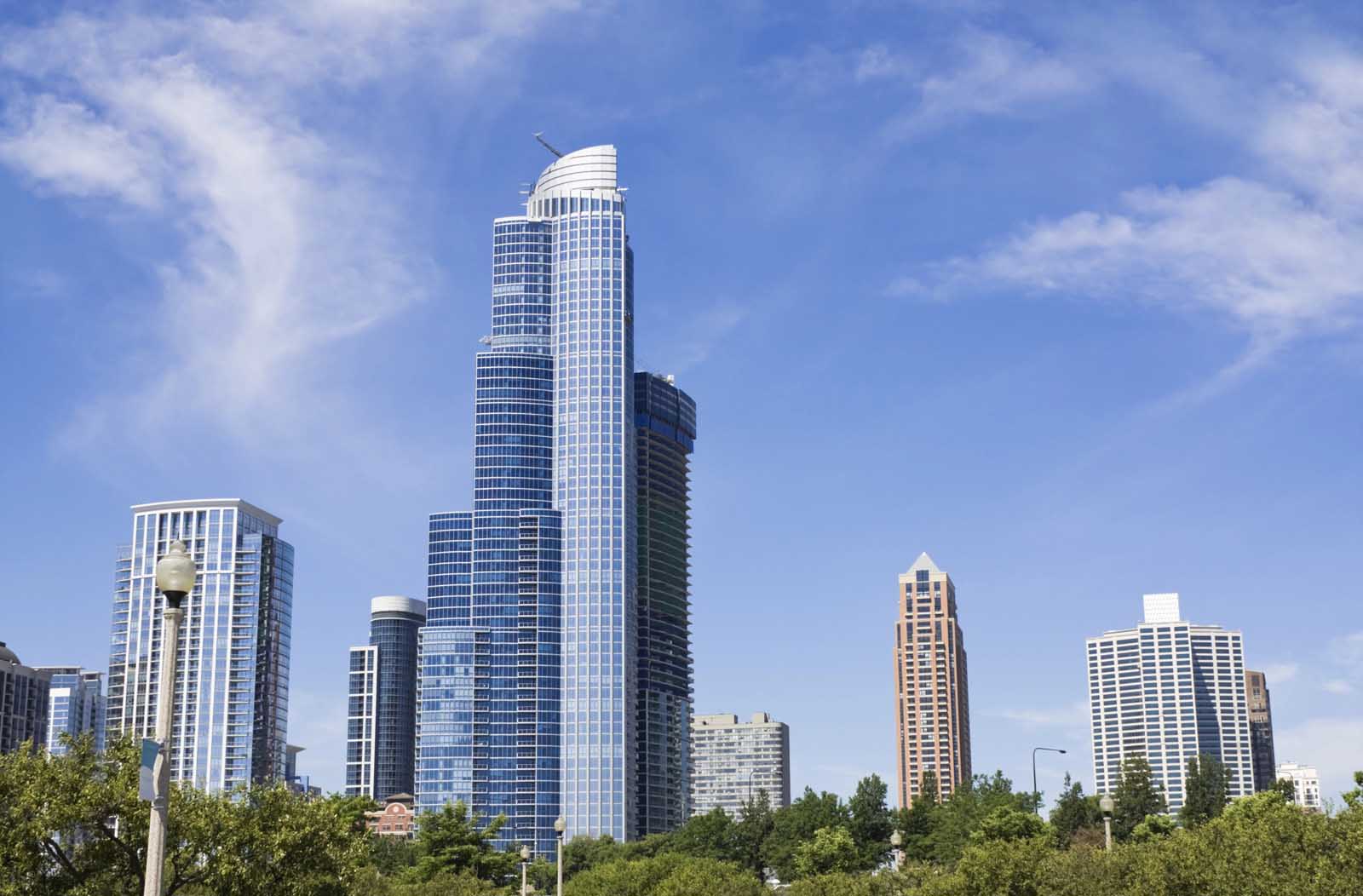
  • 26 Best Things To Do In Oaxaca, Mexico in 2024

    26 Best Things To Do In Oaxaca, Mexico in 2024

    [ad_1]

    Oaxaca isn’t at the top of most people’s Mexico travel itineraries, but it should be. Located in the south of Mexico, close the Pacific Ocean, Oaxaca is a city where ancient traditions flawlessly blend with modern life. It’s a place where you can discover indigenous Mexican culture by touring ancient ruins and visiting some of the best natural landmarks in Mexico.

    Oaxaca is also one of Mexico’s safest cities, making it an excellent destination for first-timers in the country. Especially because it features so many fun and interesting things to do that you’ll never want to leave. Read more: Is Mexico City Safe To Visit? Travel Warnings And Safety Tips

    And if it’s not the Zapotec ruins or the local art museums that make you fall in love with the city, it will be the food. From the best local markets to popular Mezcal distilleries, here are all the best things to do in Oaxaca, Mexico!

    best things to do in oaxaca mexico

    Best of Oaxaca Quick Guide

    Must See: Monte Alban, Zocalo, Hierve el Agua, The Church and Convent of Santo Domingo de Guzmán, Oaxaca markets, Museo Rufino Tamayo, Yagul
    Where To Stay: Las Mariposas Hotel & Studios, Hotel Parador de Alcalá, Hotel Siglo XVII Art Gallery
    Fun To Do: Cooking class, Mezcal tastings, Day of the Dead festival, Benito Juarez National Park
    Day Trips: Mitla, Puerto Escondido, Artisanal towns
    Must Try Foods: Mole, Chocolate, Tlayudas, Memelas, Tamales Oaxaqueños – Check out our guide to The Best Mexican Dishes

    Best Things To Do In Oaxaca

    top things to do in oaxaca

    The streets of Oaxaca are teeming with history and culture, and it feels like there’s something new to discover at every corner. Whether it’s local craft shops or relics from a different era, the city never fails to impress. Below are some of my favorite attractions in this historic gem.  

    1. Oaxaca City Center Walking Tour

    things to do in oaxaca walking tour

    Kick off your stay in this Mexican city with a classic walking tour of all the landmarks in the heart of Oaxaca. It’s the best way of getting acquainted with the city’s top sights, and a must if this is your first time here. 

    Walking tours of Oaxaca usually take 2-3 hours, depending on which one you book. Some of the places that are included in all tours of Oaxaca are the main city square of Zócalo, Templo de Santo Domingo de Guzman, the Benito Juarez monument at Parque Juarez El Llano, and a few others. 

    A stroll down Macedonio Alcala is the highlight of any walking tour of Oaxaca. The historic cobblestone street is lined with art galleries and restaurants and boasts colorful buildings, vibrant street art, and several craft markets. 

    Practical Information: Walking tours of central Oaxaca normally last for 2-3 hours and cost $25-40.  

    2. Marvel at The Gilded Interior of Templo de Santo Domingo de Guzmán

    things to do in Oaxaca Templo de Santo Domingo de Guzmán

    Templo de Santo Domingo de Guzmán is one of Oaxaca’s most famous landmarks. The monumental church is located in the heart of the city, and it is included in most walking tours of Oaxaca. 

    It’s an interesting-looking building, but it doesn’t appear that special on the outside. That is until you pass through the gates and glimpse the lavish interior. The walls and ceiling are adorned with beautiful paintings, and much of the temple interior is gilded. The altar is almost entirely covered with gold, and it looks absolutely magnificent. 

    Practical Information: Templo de Santo Domingo de Guzmán is open from 9 AM to 7 PM, Monday through Friday. Entrance to the church is free of charge. 

    3. Attend a Traditional Oaxaca Cooking Class

    oaxaca city things to do cooking class

    Mexico is an excellent destination for culinary tours and experiences. I’m a little biased because I love Mexican food, but Oaxacan cuisine is some of the country’s best. It’s known for Mole, the traditional Oaxacan sauce made with chiles. But there are seven classic versions of Mole, and each is served with a different dish.

    Book a cooking class in Oaxaca, and you’ll learn how to make Mole, empanadas, arroz con leche, and other Mexican dishes using traditional methods. Tortillas,and fried plantain are some of the foods you can learn how to make, but you can choose your favorites. 

    After you’ve gotten your hands dirty and learned how to prepare some of the best Oaxacan foods, you’ll get to devour the fruits of your labor. I won’t lie, that’s my favorite part of any cooking class. 

    Practical Information: Cooking classes in Oaxaca usually last 4-6 hours and cost $100-150. 

    4. Check Out The Exhibit at  The Museum of Cultures of Oaxaca

    things to do in Oaxaca Museum of Cultures of Oaxaca

    The majestic Museum of Cultures of Oaxaca is one of the city’s most important museums for old Zapotec artifacts. It’s located on former monastery grounds, adjacent to the Templo de Santo Domingo de Guzmán. 

    With two floors of exhibits, the museum offers a lot to explore. Head upstairs to see the exhibit of treasures discovered at Monte Alban, as it’s a highlight of the collection. The artifacts displayed include wooden figurines, traditional Zapotec jewelry, handmade weapon holsters, and much more. 

    Even the architecture of the museum building is a work of art and warrants paying attention to the walls and ceilings as you explore the different areas of the building. You can even glimpse the Ethnobotanical Garden from some of the museum rooms. 

    Practical Information: The Museum of Cultures Oaxaca is open from 10 AM to 5 PM, Tuesday through Friday. The entrance fee is 90 pesos. 

    5. See The Tule Tree

    things to do in Oaxaca Tule Tree

    I know, driving to a nearby town just to look at a tree sounds weird, but bear with me for a moment. The Tree of Tule is a Montezuma cypress tree over 1,400 years old. It’s also the widest tree in the world with an estimated circumference of approximately 42 meters. 

    The Tule Tree is so big that it was once considered multiple trees. But it was DNA tested (I know!), and the tests confirmed that it’s just one massive tree. Because of its broad crown, its height is almost impossible to measure accurately. Laser measurements from 2005 estimate the tree’s height to 35.4 meters. 

    When you’re done admiring this magnificent natural landmark, take the time to explore Santa María del Tule. It might not have many tourist attractions, but it is home to some excellent Mexican restaurants. I recommend Casa Embajador de Oaxaca for its delicious food and extravagant decorations. This tour is a great way to see the Tule Tree and other highlights of the area.

    Practical Information: Santa María del Tule is a 20-minute drive from the city center of Oaxaca. The town is on the way if you’re traveling to Mitla. 

    6. Oaxaca Textile Museum

    things to do in oaxaca textile museum

    The Oaxaca Textile Museum is a charming little museum you can easily visit during a walking tour of the city center. It’s only a couple of minutes from the historic Zocalo square, and it’s free to enter. 

    Pop inside to see Oaxacan textiles, traditional clothing, and whatever temporary exhibit is displayed at the moment. The museum has a small collection and it shouldn’t take you more than 20 minutes to tour the place. 

    Practical Information: The Oaxaca Textile Museum has a free admission. It’s open from 10 AM to 8 PM. 

    7. Ancient History at Monte Alban

    things to do in oaxaca mont alban

    Monte Alban is the most important archeological site in Oaxaca. If you have time for just one historic landmark in Mexico, make it this one. It’s just a 20-minute drive from central Oaxaca and is interesting enough to keep you busy for the better part of the day. 

    I highly recommend visiting the area with a local guide to better understand the site’s significance. Monte Alban served as the Zapotec capital from 500 BCE to 800 CE and would later become an important center for the Mixtec as well. 

    This historic site has survived the rise and fall of multiple Mesoamerican civilizations and offers invaluable insight into their history and heritages. Also, the views from the complex are excellent; you can see almost all of Oaxaca from here, which puts into perspective just how big the city is. 

    Practical Information: Monte Alban is open from 10 AM to 4 PM. The admission fee is 95 pesos. 

    8. Tour Jardín Etnobotánico de Oaxaca

    things to do in Oaxaca Jardín Etnobotánico de Oaxaca

    The Ethnobotanical Garden of Oaxaca is located behind the Santo Domingo de Guzmán church. With a curated collection of plants native to Oaxaca, it’s a great place to visit if you want to escape the city streets for a little while. 

    Step inside the garden and you’ll feel like you’ve walked right into a jungle, what with all the lush trees and cacti. Visitors can explore the garden only on guided tours, which take place four times a day. It’s important to note that tours in English take place only at 11 PM and are double the cost of tours in Spanish. 

    Practical Information: The Ethnobotanical Garden of Oaxaca is open for visitors from 10 AM to 5 PM. Tours in Spanish are 50 pesos but tours in English are 100 pesos per participant. 

    9. Discover Local Artists at The Museum of Oaxacan Painters

    things to do in oaxaca museum of oaxacan painters

    The Museum of Oaxacan Painters is probably the best free museum in the city. It boasts a collection of works from local graphic artists, and it’s one of the best places to visit if you want to discover authentic Oaxacan art.  

    Amazing paintings are exhibited at the museum, but also colorful figurines and sculptures. The exhibit often changes, so there’s merit in returning to this museum even if you’ve visited it previously. 

    Practical Information: The Museum of Oaxacan Painters is open from 10 AM to 6 PM. Entrance to the museum is free of charge, and cash donations are encouraged. 

    things to do in oaxaca shopping

    The markets in Oaxaca are primarily known for food and spices, but also great for trinkets and souvenirs. Featuring countless food stalls, fresh groceries, spices, and all sorts of local handicrafts, they’re by far the best place if you want to mingle with locals and spend your money on unique Mexican items. 

    Mercado Benito Juárez and Mercado 20 de Noviembre are the two main local markets in Oaxaca. The markets are across the street from one another, so you can easily tour both in a single afternoon. I recommend coming here hungry and exploring the wide selection of local Oaxacan food. 

    Insider Tip: Vendors at the local markets usually try to upcharge their items for tourists. Learn some Spanish so you can get better deals when shopping in Oaxaca. 

    Practical Information: Mercado Benito Juárez is open from 9 AM to 5 PM on work days. Mercado 20 de Noviembre is open every day from 7 AM to 7 PM. Entrance to both markets is free of charge. 

    11. Try (To Make) Oaxacan Hot Chocolate

    things to do in oaxaca hot chocolate

    Chocolate has a very long tradition in Oaxaca. Cacao beans have been grown in this state for centuries, and Oaxaca is one of the country’s largest chocolate producers. 

    Exploring the connection between cacao and Oaxaca is one of the best things about the trip to the state. Joining a chocolate-making experience is a great way of understanding more about the local traditions while also learning a new skill. And at the end of the class, you can eat the chocolates you’ve created, which is the best part. 

    You don’t have to get your hands dirty if you don’t want to. Just order a delicious hot chocolate at a classic Oaxacan restaurant, and while you’re at it try mole with cacao. It’s the state’s most famous dish. 

    Practical Information: Hot chocolate is served in all Oaxacan restaurants and cafes. Chocolate-making classes usually last for 2-3 hours. 

    12. Discover The Immense Beauty of Hierve el Agua

    Hierve el Agua oaxaca

    Hierve el Agua is one of the best natural landmarks you can discover in Mexico. The geological site is famous for rock formations that look just like waterfalls. It’s an impressive site that might just be the highlight of your trip to Oaxaca. 

    In addition to the petrified waterfalls, the nature preserve also features springs and pools. You can swim in the pools, just keep in mind that the water is quite cold. The views of the surrounding landscapes are wonderful and a big reason why so many people visit the place. 

    Insider Tip: Hierve el Agua can get very crowded during the day when the tourist buses arrive. Visit the place later in the afternoon (4-5 PM), for smaller crowds, ideally after you’ve toured Mitla. 

    Practical Information: The entrance fee for Hierve el Agua is 50 pesost. The nature preserve is roughly 15 kilometers from Mitla and 65 kilometers from Oaxaca. You can also take this guided tour to see the waterfalls and other popular destinations near Oaxaca.

    13. Visit an Artisinal Town 

    artisanal towns near oaxaca

    Oaxaca State is home to many small artisanal towns and villages. All those colorful items you see at the city’s markets are made in those towns, and you can go straight to the source for an even better selection of vibrant local handicrafts. Many artists also hold workshops where you can learn about their craft and see if you’d be any good at it. 

    Teotitlán del Valle and Santo Tomás Jalieza are best known for handmade rugs and textiles, while San Antonino Castillo Velasco artisans create gorgeous embroidered pieces. San Bartolo Coyotepec and Santa María Atzompa are famous for handmade black and green pottery, respectively. And San Martín Tilcajete is renowned for alebrijes, the colorful wooden figurines. 

    Practical Information: Santa María Atzompa is the closest artisanal town to Oaxaca (20-minute drive or 1-hour bus ride). 

    14. Stop By A Mezcal Distillery 

    things to do in oaxaca mezcal distillery

    Mezcal has been produced in Oaxaca for centuries. The state is the largest producer of the drink, and more than 90% of Mezcal sold in the world comes from here. I really don’t think it counts if you visited Oaxaca if you didn’t at least try it once! 

    The best way to learn about Mezcal in Oaxaca is to tour a distillery. They’re abundant in the small towns and villages just outside the city and are often included in tours of Mitla, Hierve el Agua, and other famous landmarks near Oaxaca. The distilleries in Santiago Matatlan are the leading in the state, and they’re only a short detour from Mitla. 

    Some of the best Mezcal tours in Oaxaca start in agave fields and end with delicious tastings. Learn about every step of Mezcal production while trying all the different iterations of the local drink. Just don’t do it on an empty stomach!

    Practical Information: Santiago Matatlan is 10 minutes from Mitla and 55 minutes from Oaxaca City. 

    15. Hiking at Benito Juarez National Park

    Benito Juarez National Park is a 10-minute taxi drive from downtown Oaxaca. It’s the best destination near the city for hiking, mountain biking, and endless panoramic views. If you want to escape the crowded streets of Oaxaca and spend some time in nature, this is one of the best destinations close to the city. 

    The park also offers the opportunity to spot some native Oaxacan flora and fauna. The hiking trails are marked and perfectly safe, and will take you to some fabulous viewpoints. There’s also a playground for children here, and several interesting sculptures are scattered throughout the national park. 

    Practical Information: Benito Juarez National Park is open from 8 AM to 6 PM. The entrance fee is 20 pesos. 

    16. Zapotec Ruins at Yagul

    what to do in oaxaca yagul ruins

    Yagul is another excellent archeological site in Oaxaca. The place is not to be missed if you’re on a mission to uncover all the best historic landmarks of this Mexican state. Also, Yagul is on the way when driving from Oaxaca towards Mitla or Hierve el Agua, so you can easily visit on the same day as one of the other attractions. 

    This archaeological site is less famous than Monte Alban and Mitla, so it usually features much smaller crowds. Come here to discover the remnants of a former Zapotec city-state; if you’re lucky, you might have the entire place to yourself. 

    Practical Information: The Yagul archaeological site is open from 10 AM to 4 PM. The entrance fee is 95 pesos. 

    17. Mitla Archeological Ruins

    what to do in oaxaca Mitla

    The archeological site of Mitla is one of the best historic attractions near Oaxaca de Juarez. It’s approximately an hour’s drive from the city center, and you can combine this day trip with visits to other popular landmarks in the area as you’ll pass close to several notable sights. 

    Mitla is a top destination in Mexico for Zapotec and Mixtec ruins, second in importance only to Monte Alban. The name “Mitla” is Nahuatl language and it roughly translates to “Place of the Dead”, indicating the site’s function as a sacred burial ground. Although it was first established by the Zapotec, the influence of Mixtec culture is evident in the area.  

    The UNESCO World Heritage Site is known for ancient tombs and geometric mosaics that adorn most of the complex. The blend of Zapoted and Mixtec architectural styles is a wonderful sight and makes this area one of the best for understanding the culture of ancient Oaxaca. I recommend doing a guided tour of the complex so you can learn a lot about Mitla’s history and significance. 

    Practical Information: Mitla is approximately an hour’s drive from central Oaxaca. The admission fee to the site is 80 pesos. 

    18. Day Trip to Puerto Escondido

    day trip from oaxaca Puerto Escondido

    Puerto Escondido is a beach town in southern Mexico and a very popular destination for a seaside vacation. If you have a car in Oaxaca, you can drive to this charming town in about three hours and enjoy a day on the beach. 

    The town is known for fabulous resort hotels, vast sandy beaches, and a buzzing nightlife. And because it’s pretty much a resort town, it’s a very safe destination in Mexico. Come here for swimming and sunbathing during the day, and dancing and cocktails at night. 

    Practical Information: This beach town is roughly a three-hour drive from Oaxaca. Buses take 9-10 hours to travel between the two towns on average. Local flights are also available. 

    19. Partake in Day Of The Dead Festivities

    oaxaca things to do day of the dead fetival

    The Day of The Dead festival is one of the most important in Mexican culture. It’s a big event in every city in Mexico, and Oaxaca is no exception. The locals build altars, visit cemeteries, and pay respects to the deceased, whose spirits are believed to return home to spend time with their families. 

    Day of the Dead is celebrated with parades, street performances, and music shows. Locals don colorful costumes as they take to the streets, and celebrations last well into the wee hours of the morning. 

    Because the festival lasts for only two days, you’ll have to plan your trip around it if you really want to attend. Remember that Oaxaca is jam-packed during Dia de Los Muertos and hotels are booked out months before the festival. 

    Practical Information: The Day of The Dead Festival begins on the eve of October 31st and lasts until the 2nd of November. 

    20. Sensory Overload at Tlacolula Sunday Market

    what to do in oaxaca city

    Every Sunday, vendors from all over the state flock to Tlacolula for the weekly farmer’s market. It’s about 45 minutes outside Oaxaca city and a great place for souvenir shopping. 

    Oaxaca state is known for its many artisanal towns that produce unique handicrafts. The artisans bring all their latest and greatest creations to the Sunday market, which is one of the biggest in the state.  

    If you’re not able to visit the individual towns and villages, this is the next best thing. Shop for rugs, pottery, and alebrije, but also for fresh spices and cured meats. Street food vendors are also at the Sunday market, offering all the best Oaxacan local dishes. For food, shopping, and a fun time with the locals, this is one of the best things to do near Oaxaca. 

    Practical Information: Taxis, buses, and colectivo (shared cars) can take you from Oaxaca to Tlacolula. Expect to spend 30-45 pesos for a ride in a bus or colectivo, but up to 300 pesos for a private taxi transfer, depending on your haggling skills. 

    21. Snorkeling at Parque Nacional Huatulco

    oaxaca things to do Parque Nacional Huatulco

    Parque Nacional Huatulco is a wildlife preserve on the southern coast of Mexico. If you’re staying in Oaxaca for a while, consider coming here for two or three days. It’s an excellent destination for a beach getaway, with sandy beaches, hiking trails, and coral reefs. But it’s also four and a half hours from Oaxaca City, so not the easiest place to visit if you have limited time in Mexico. 

    Lounge on the pristine beaches and swim in the crystal clear waters. Most beaches are in secluded bays and the waters are pretty calm. Snorkeling is also very popular in the park thanks to the coral reefs that are teeming with marine life. Private and shared snorkeling tours are available and the latter is a great way to save money and meet other travelers with similar interests. 

    Practical Information: Parque Nacional Huatulco is roughly four and a half hours from Oaxaca. Admission to the park is free of charge. 

    22. More Ancient Ruins at Atzompa Archeological Site

    oaxaca things to do Santa María Atzompa

    If you can’t get enough Zapotec ruins in Oaxaca, the Aztompa archaeological site is another historic place to add to your itinerary. Located on a hill just a 20-minute drive from central Oaxaca, it’s a place you can easily visit on quick day tours. Santa María Atzompa is at the foothill of Aztompa, and you can tour both destinations in a few hours. 

    The ruins at this site are similar to those at Mount Alban, but with one major difference – Aztompa is much smaller and attracts fewer crowds. This place is practically deserted compared to Mount Alban, and it’s a great destination for travelers who want to discover Zapotec ruins but without the crowds that are common in the more famous areas. 

    Practical Information: Atzompa Archeological Site is roughly a 20-minute drive from downtown Oaxaca. Admission to the site is free of charge. 

    23. Museo de Sitio Casa Juárez

    Museo de Sitio Casa Juárez will be interesting for some, and utterly boring for others. If you’re generally interested in history and politics, try to squeeze a tour of the museum into your itinerary. But if that’s not something that interests you very much, feel free to skip this museum. 

    It’s dedicated to Benito Juarez, the first and only indigenous Zapotec president of Mexico. The museum is located in his former house, and it features period furnishings and interesting artworks. Visitors can also tour the small but charming garden and gain some insight into what life was like in Oaxaca more than 150 years ago. 

    Practical Information: Museo de Sitio Casa Juárez is open from 9 AM to 6 PM every day except Monday. The admission fee is 70 pesos. 

    25. Visit Basílica de Nuestra Señora de la Soledad

    oaxaca city basilica de nuestra senora

    Basílica de Nuestra Señora de la Soledad (Basilica of Our Lady of Solitude) is another grand church in Oaxaca city. Dating back to the late 17th century, the basilica is dedicated to the patron saint of Oaxaca. The church is off the beaten path and not too popular with tourists, so you shouldn’t encounter large crowds during the visit. 

    It features opulent interior decorations, the best of which is a Baroque pipe organ. The walls are adorned with dazzling artworks, including sculptures, paintings, and stained glass windows. 

    Practical Information: The Basílica de Nuestra Señora de la Soledad is 10 minutes from the main city square and entrance is free of charge. 

    26. The Ex-Monastery of Santiago Apóstol

    oaxaca ay trips ex monastery of santiago apostol

    Located just half an hour south of Oaxaca, the Ex-Monastery of Santiago Apóstol is an architectural marvel worth visiting. It boasts a blend of Renaissance, Plateresque, Gothic, and Mudéjar styles, which work incredibly well together at this mesmerizing place. 

    The complex features multiple monastery buildings, an unfinished basilica, a spacious courtyard, and a church. Roam around the grounds and pay attention to the details of Mudéjar decorations. Don’t forget to examine the lovely murals, which seamlessly blend indigenous Mexican mythology with Roman Catholic iconography. 

    Practical Information: The Ex-Monastery of Santiago Apóstol is open from 10 AM to 5 PM. Admission is 75 pesos. 

    24. Discover Pre-Hispanic Art at Museo Rufino Tamayo

    The Rufino Tamayo Museum of Pre-Hispanic Art is a popular attraction among art lovers who wish to gain a deeper understanding of local culture. It’s located in the heart of Oaxaca, just five minutes from Zocalo. 

    The museum houses the personal collection of Olga and Rufino Tamayo. One of the main reasons why they wanted to open a museum was to prevent the illegal sale of these artifacts on the black market. 

    Each of the pieces exhibited here offers insight into the culture of the indigenous people in Mexico. The museum’s five rooms house more than 1,000 artifacts, and the entire place can be toured in under an hour. 

    Practical Information: The Rufino Tamayo Museum is open from 10 AM to 5 PM, Wednesday through Monday. The entrance is free of charge.  

    Frequently Asked Questions 

    best things to do in oaxaca Hierve el Agua

    How many days do you need in Oaxaca?

    You need at least four days to explore Oaxaca and its surroundings thoroughly. 2-3 days are enough for the top sights in the city limits but allow for 1-2 days for day trips for important landmarks west and south of the city. 

    What’s the best time to go to Oaxaca?

    when to visit oaxaca

    The best time to go to Oaxaca is between April and November because this is the dry season in Oaxaca. The city is especially popular at the beginning of November when the Día De Los Muertos festival takes place. It is also one of the best places to celebrate Christmas in Mexico.

    What food is Oaxaca known for?

    Best Mexican Foods Mole

    Oaxaca is famous for it delicious food but the most famous ones are mole, chocolate, and tlayudas. Mezcal and hot chocolate are Oaxaca’s best drinks. 

    Is it safe to travel to Oaxaca right now?

    Yes, it’s safe to travel to Oaxaca if you take all the standard precautions. Oaxaca is one of the safest places in Mexico and generally one of the best tourist destinations. 

    Tips And Information For Visiting Oaxaca

    visit oaxaca faq

    Best Time To Visit 

    The best time to visit Oaxaca de Juarez is in late spring or early fall. The city is most popular from April to November, and many tourists make it a point to come to the Mexican city for the Day of the Dead festival, which takes place at the start of November. This is the most popular time to be in Oaxaca, which also translates to large crowds. 

    If you want to go when there aren’t as many tourists around, consider traveling between April and June. It’s the start of the rainy season in the city, and the crowds are generally much smaller. 

    Getting There

    If you can, try to fly to Oaxaca International Airport. It’s the closest airport to Oaxaca City, just a 20-minute drive from the center. It’s serviced only by airlines from North America and Latin America, with direct flights from the Mexico City airport. 

    Taxis are available at the airport and can transport you into town for approximately 395 pesos ($25). You can haggle with the taxi drivers and it’s generally best to agree on a price before the ride. 

    Getting Around

    Walking is the best way of getting around central Oaxaca. You can visit most tourist attractions in the heart of the city on foot, but you’ll need to rely on a different mode of public transport to visit the landmarks that lie outside of Oaxaca City. Buses run to popular tourist destinations but they’re not reliable. Also, a 20-minute drive equates to a 2-hour bus drive, so I don’t recommend relying on the bus if you’re trying to be efficient. 

    Consider getting a rental car if you’ve traveled to Mexico previously and you know what to expect on the road. Otherwise, it might be more hassle than it’s worth. The roads are not in the best condition and the traffic can be a nightmare, especially in the central parts of the city. Having a car is great for driving to places like Mitla, but keep in mind that you can just as easily book tours and let someone else figure out the transportation. 

    How Much Time Do You Need

    You need at least four days in Oaxaca for a proper tour of the city. There’s a lot to do and see in the city and it takes at least 2-3 days to visit all the notable buildings and landmarks in the Oaxaca city center. The rest of the trip can be spent touring historic landmarks and archaeological sites throughout the state. 

    If you can plan for an even longer trip, you could include a short stay on the coast. Spend a night or two in the Huatulco National Park to end your trip to Mexico with a relaxed beach vacation. 

    Safety in Oaxaca City

    oaxaca visit markets

    Oaxaca is one of the safest cities in Mexico, and it’s generally a great destination for tourists. The most common crimes are petty theft and pickpocketing, which could be said for virtually any other major city in the world. If you take all the standard precautions, you shouldn’t have any negative experiences while you’re in Oaxaca. 

    And what do I mean by standard precautions? Don’t wear flashy jewelry and designer clothes and always keep an eye on your valuables. Wear a money bag under your t-shirt or a crossbody bag that you’ll always keep one hand on. Be extra careful in crowded areas, and never flash wads of cash. Also, whatever you do don’t go to the observatory. It’s a hotspot for muggings at knifepoint, and tourists should stay far away. 

    Where To Stay In Oaxaca

    Centro is the best neighborhood for first-time visitors in the city. All the popular tourist attractions will be a short walk from the hotel, as well as the city’s best bars and restaurants. Staying in Centro is particularly great for trips during the Day of the Dead festival when the streets of Oaxaca are particularly crowded, and the traffic becomes a nightmare. Here are some of the best hotels in Oaxaca for all budgets: 

    So now that you know all of the incredible attractions, outdoor adventures and about the Oaxacan Culture make sure to add Oaxaca to your Mexico itinerary, you will find it is worth going a little off the beaten path for lot of reward.

    Read more to help plan your trip to Oaxaca and Mexico

    [ad_2]

    Source link

  • Where To Stay In Amsterdam In 2024: Our Favorite Places and Neighbourhoods

    Where To Stay In Amsterdam In 2024: Our Favorite Places and Neighbourhoods

    [ad_1]

    Amsterdam is famous for its enchanting canals that outnumber Venice, historic landmarks, and a diverse array of neighborhoods, from its famous Red Light District to the Museum Quarter. Whether you’re a first-time visitor seeking the quintessential Amsterdam experience near the iconic Dam Square or a night owl looking to dive into the party atmosphere of the Jordaan, Amsterdam has a neighborhood that fits every preference and budget. When deciding where to stay in Amsterdam, there are plenty of choices, from cozy houseboats on the serene canals to luxurious hotels and budget-friendly hostels; finding the perfect base in Amsterdam is key to unlocking the treasures of this timeless city.

    Best Places to Stay in Amsterdam

    Where to Stay in Amsterdam Netherlands Best Areas and Hotels
    The Best Places to Stay in Amsterdam

    Knowing where to stay in Amsterdam can dramatically shape your trip. Many of the main neighborhoods have a central location and yet, every inch of the entire city seems to offer its own personality, so you need to narrow neighborhoods down even further than “what is the most central”.

    When choosing where to stay in Amsterdam, you may want to think about whether you want somewhere to indulge in modern Dutch cuisine or be overlooking Dam Square. And then think about what type of accommodation are you looking for? Would you like an indoor pool and fitness center? Or are you looking to save money with a dormitory room rather than a double room at a boutique hotel? In this guide, we’ll help you find the perfect place to stay in Amsterdam. Here are the five best neighborhoods and their best hotels for each budget.

    1. Jordaan

    Once renowned for radical politics and rowdy sing-a-longs, the Jordaan has evolved over decades of gentrification from a working-class area into an upscale neighborhood for arty professionals.

    With its cobbled streets, gabled homes, and tree-lined canals, the picturesque district is a living picture postcard with an eclectic mix of art galleries, sidewalk bistros, and trendy boutiques. This is also where you will find the famous Anne Frank House, a place we recommend you visit while you are in Amsterdam. This Anne Frank Tour takes you through the Jewish Quarter to learn of the fascinating story of Anne Frank.

    Beginning at Brouwersgracht just west of Amsterdam Central Station, the Jordaan arches around the western Canal Ring between Prinsengracht and Lijnbaansgracht, ending at Leidsegracht.

    Arguably Amsterdam’s most renowned neighborhood, the Jordaan began as a working-class bastion populated by artists, immigrants, and construction workers, many of whom were employed to dig the canals of the Grachtengordel. This is by far one of the coolest areas to stay in Amsterdam.

    Luxury: Pulitzer

    Pulitzer is a beautiful 5-star waterfront hotel in 25 restored 17th– and 18th-century canal houses. It is in a prime location near Nine Streets and Anne Frank House. The hotel features modern art and original features, a garden café, bar, and restaurant.

    Mid-Range: Amphora

    Amphora is a beautiful Sophisticated B&B on the ground floor of a canal house in the heart of the Jordaan. Custom mosaics & woodwork by owners Greet and Niels, who live upstairs. Full kitchen, complimentary WiFi, rental bikes.

    Budget: Hotel Van Onna

    Hotel van Onna is a basic, family-run hotel in 3 adjacent waterfront canal houses dating from the 17th century. Easy walking distance from Anne Frank House & other major sights. WiFi and continental breakfast included.

    Cool building in the Jordaan Neighborhood

    Pros

    Cultural Hotspot: It’s home to art galleries, antique shops, and markets like the Noordermarkt
    Excellent Dining and Nightlife: The area boasts plenty of cafes, restaurants, and bars
    Central Location: Despite its tranquil vibe, Jordaan is conveniently located close to major attractions like the Anne Frank House, the Westerkerk, and the Amsterdam Museum.

    Cons

    Accommodation Costs: Due to its popularity and central location, accommodation can be pricy
    Tourist Crowds: While it has a local feel, Jordaan’s popularity can lead to crowded streets and venues.
    Limited Hotel Options: Jordaan mainly offers boutique hotels, bed and breakfasts, and vacation rentals.
    Noise Levels: The lively atmosphere, especially during weekends and evenings, can mean higher noise levels.
    Narrow Streets: The narrow streets can be crowded and difficult to navigate with luggage.

    2. Red Light District

    Best Things to do in Amsterdam Red Light District

    Everyone knows that Amsterdam has a famous Red Light District. This is a tiny area of the city where prostitution is legalized, and it is partially what gives Amsterdam its reputation as a super liberal place to visit. It is, unfortunately, true that the Red Light District sometimes attracts rowdy stag goers and drunken crowds.

    However, the rowdy crowds are mainly limited to the streets of Oudezijds Voorburgwal and Oudezijds Achterburgwal. You can easily wander down to the two main ‘operating’ streets as the Red Light District has become a tourist attraction despite still functioning with legitimate brothels.

    From a tourist perspective, there’s nothing much to ‘see,’ with workers just sitting in windows waiting for customers or drawing their curtains. For obvious privacy reasons, you aren’t allowed to take pictures of workers waiting in windows, and security is pretty strict. However, the ‘taboo’ of walking through the district still attracts millions of tourists, and you can actually take guided tours to learn more about Amsterdam’s sex trade history.

    As for the rest of this area, it is one of the best neighborhoods in Amsterdam thanks to its great location just a short walk from the major attractions and Amsterdam Central Station. You can easily cross the Molensteeg bridge to reach Chinatown, which is the next ‘canal island’ along the Red Light District. Chinatown is amazing for cuisine and pan-Asian shopping. There are many places to eat and has some great hostels for budget-friendly travel.

    Luxury: Sofitel Legend The Grand Amsterdam

    Sofitel Legend The Grand Amsterdam is a beautiful 5-star property of elegant red brick and a blend of French and Dutch influence. It is one of the few luxury hotels in Amsterdam with an indoor pool. It has a mixture of rooms and suites, all bathing in natural light with courtyard, city, or garden views. Location-wise, you are in the thick of it, but Sofitel Legend The Grand Amsterdam is a solace.

    Guests get free Wi-Fi, a gym, and an on-site restaurant. The hotel offers traditional luxury, too, with butler service for all of its suites.

    Mid Range Hotel: Eden Hotel

    Eden Hotel is a beautiful hotel with rooms that vary with individualistic stamps and an excellent location for sightseers on a short schedule. It is ideal for those on a mid-range budget and is a 4-star property. You can choose from comfortable rooms with themes ranging from burlesque to themes and some featuring canal views.

    The hotel offers free wi-fi and toiletries. It’s one of the best hotels in the Red Light District neighborhood for tasteful rooms and a calming base to escape the sometimes mad streets outside.

    Budget Hotel: Heart of Amsterdam Hotel

    Heart of Amsterdam Hotel is a little battered from over-loving and has seen a steady stream of guests over the years. However, you can’t beat it if you want budget-friendly hostel accommodation in De Wallen. It has a great location and the option of dormitory and single rooms. The hotel itself is a traditional Dutch building, and the decor is trendy.

    The 24-hour reception and free wi-fi are a handy touch. And, as a really sociable accommodation choice, you can relax knowing that the Heart of Amsterdam Hotel is an excellent place to make new friends as a solo traveler.

    Pros Of Staying in the Red Light District

    Busy after dark
    Novelty and taboo history that’s interesting to learn about
    Super central location, close to the train station and city center attractions
    The two main streets for sex workers are easily avoided if you just want to enjoy the location

    Cons Of Staying in the Red Light District

    Some people may find the history of the sex trade disturbing
    It can attract rowdy crowds, especially in peak season
    It gets busy as it’s a popular destination

    3. Westerpark

    where to stay in amsterdam westerpark

    Westerpark is a great place for families with young children to stay in Amsterdam. It’s a safe distance from the partying of southern De Pijp and the central Red Light District.

    This quiet, charming neighborhood has an expanse of green space, including its same-named public park. It is where to stay in Amsterdam if you want an excellent location within walking distance of the Amsterdam city center but a more peaceful atmosphere.

    While peaceful, Westerpark is by no means boring. You have markets, including Westergas Market, which runs on the first Sunday of each month. And for those visiting without kids, two of Amsterdam’s most popular breweries in Westerpark offer guided tours. It is an eclectic mix of green space and boutique shops – with independent coffee shops in between. It is an ideal place to experience a slower pace of life in Amsterdam. If you have more than a few days to spend in the city, we’d suggest lengthening your stay and unwinding in Westerpark.

    When staying in Westerpark, you are only a short walk from the trendy neighborhood of Jordaan. Reaching the city centre is a 30-minute walk through Jordaan and significant attractions like the Nine Streets putting a peaceful buffer between you and the city centre.

    If you stay longer than a few days, you can easily justify the short walk into the city centre, as you won’t be in a rush or on a mission to maximize sightseeing time. Similarly, if you’ve been to Amsterdam before, staying in Westerpark can give you a more residential impression of the city. For those wanting the quiet side of Amsterdam, Westerpark is perfect. PS. If you visit Amsterdam with kids, check out our guide on the top attractions your kids will love.

    Luxury: The July – Boat & Co

    The July – Boat & Co is a 4-star hotel. Still, because of its gorgeous waterfront location, we list it as our top luxury recommendation for accommodation in Westerpark. Guests access a fitness center, onsite restaurant, and spa with yoga classes overlooking the river. You can choose from a range of spacious apartments or studios and suites.

    We’d suggest picking up a bike rental from the concierge to make sightseeing easier. You can wake up in luxurious rooms to a daily complimentary breakfast before heading into the city center to see attractions like Dam Square or Nine Streets. The July – Boat & Co. is a really beautifully located hotel with a rare bonus of river scenery rather than canal views.

    Mid Range Hotel: Conscious Hotel Westerpark

    Conscious Hotel Westerpark is a beautiful 4-star property near the neighborhood’s peaceful Westerpark. It has cozy rooms and is a comfortable place to stay in Westerpark if you prioritize being close to green space. The red brick exterior is elegant, and you can choose rooms with free-standing tubs and separate loft bedrooms. A double room is the most ‘basic’ option, and even that is a picture of luxury meets trendiness.

    Conscious Hotel Westerpark has an on-site restaurant with a terrace overlooking nearby park scenery. There’s also a cafe for more casual dining. It is the perfect stepping stone between luxury and budget. If you want somewhere tasteful to stay in Westerpark and don’t mind splurging a little bit, Conscious Hotel Westerpark is the ideal option.

    Budget Hotel: MEININGER Hotel Amsterdam City West

    MEININGER Hotel Amsterdam City West is fun and funky. Think typical hostel vibe, with a guest kitchen, bright decor, and a spacious lounge for socializing and meeting new people. There’s a daily continental and buffet breakfast each morning for ease, too. This hostel is a little further out, but it’s worth sacrificing if you are on a budget. You can just catch the Intercity Sprinter to central Amsterdam in 15 minutes.

    At MEININGER Hotel Amsterdam City West, you can bag a dormitory room to save money, with both mixed and female-only dorm rooms available. There are twin and double rooms for those wanting more privacy; it’s the perfect balance of hostel and hotel.

    where to stay in amsterdam westerpark

    Pros Of Staying in Westerpark

    Quiet atmosphere
    Only a 30-minute walk from the city center
    Plenty of green space
    Breweries and markets

    Cons Of Staying in Westerpark

    It is not immediately located in the central area, so a bit of walking is required
    Some may find it too quiet
    It has more of a residential vibe than catered explicitly to tourists

    4. Oud-West

    Van Gogh Museum.

    Oud-West is up-and-coming and sits on the north side of Vondelpark in southeast Amsterdam. It is where to stay in Amsterdam if you want a quirky base to embrace a lesser-seen side of the city. Oud-West has coffee shops, design shops, and even a cinema in an old train depot, now called the De Hallen Cultural Center. You can sample street food at Foodhallen, watch a movie at De Hallen Cultural Center, or purchase unique souvenirs from pop-up craft markets. Oud-West is distinctly its own neighborhood – which we love.

    Oud-West is right next to Amsterdam Oud-Zuid, nicknamed the city’s Museum Quarter. However, Oud-West elbowed Oud-Zuid sharply out of the picture here, offering much better proximity to the city center yet easy walking access to its neighbor’s main attractions, like the Van Gogh Museum and Rijksmuseum. You can easily walk from Oud-West to the Van Gogh Museum in 15 minutes. The neighborhood is quirky and out of the mainstream city center atmosphere – which predominantly caters to tourists through endless tour operator stalls and tacky marijuana coffee shops. But you are never more than 20-30 minutes from the main attractions and tactically situated to dive into the neighboring Museum Quarter.

    Being close to Vondelpark is also a massive bonus of staying in Oud-West. Vondelpark, which spans 120 acres and dates back to the 19th century, is a haven for sunbathers, bookworms, and sociable tourists and residents looking for a sunny spot to walk with friends in summer.

    Oud-West is where to stay in Amsterdam for that alternative experience of the city. You get all the quirkiness of craft markets and the quietness of being in a primarily residential area, yet with fantastic walking distance access to major Amsterdam attractions.

    Luxury: Conservatorium Hotel

    Conservatorium Hotel is a gorgeous 5-star property technically just over the Oud-West border, sitting in the Museum Quarter. However, it is the most luxurious place to stay in and around Oud-West, so we are adding it to this guide anyway. It is located right by Vondelpark, on the cusp between the two neighborhoods, and within easy walking distance of major attractions like the Diamant Museum and Moco Museum Amsterdam.

    The hotel offers an ultra-indulgent spa with a large indoor pool, whirlpool, hammam, and sauna facilities. You’ve got an onsite restaurant and a stunning range of rooms and suites, some featuring marble tubs and oak flooring.

    Mid-Range Hotel: Maison ELLE Amsterdam

    Stately Maison ELLE Amsterdam was built in 1910 and just oozes grandeur. As a 4-star property, it suits a mid-range budget and has breezy, light color palette interiors. Maison ELLE Amsterdam is located right next to Vondelpark, so it is ideal for those who love a quick morning run in green space or the idea of sunset picnics a short walk from their hotel.

    You can bag double rooms with garden views or spacious suites with terraces. It is a great option for anyone seeking mid-range luxury, with a slightly more modest price tag but beautiful rooms for your stay in Amsterdam. The choice is yours.

    Budget Hotel: Stayokay Hostel Amsterdam Vondelpark

    Stayokay Hostel Amsterdam Vondelpark is another brilliant accommodation choice, located at the eastern end of Vondelpark, closest to Amsterdam’s center. But this time, it’s also ideal for budget travelers. Stayokay is a hostel offering a mixture of dorm and private rooms. It has all the basic hostel amenities, including lockable cupboards, free wi fi, and daily breakfast for a humble surcharge.

    The hostel rooms are really impressive. Even the dormitory rooms are pretty snazzy, with stone vaulted ceilings, abundant natural light, and privacy blocks for relaxing sleeping environments. The private rooms come with ensuites and look like something out of a boutique hotel.

    Pros Of Staying in Oud-West

    Access to the beautiful Vondelpark
    Quirky atmosphere
    None of the tackiness of touristy areas
    Easy access to the attractions in the neighboring Museum Quarter, like the Van Gogh Museum

    Cons Of Staying in Oud-West

    Not a party or touristy atmosphere
    You’ll have to walk between 20 and 30 minutes to the city center
    Some may want to embrace Amsterdam’s tackier side

    5. De Pijp

    Cool bars in De Pijp.

    De Pijp is where to stay in Amsterdam if you like nightlife or are a foodie. The neighborhood is home to residents of more than 150 nationalities and is one of Amsterdam’s most diverse places to visit. This manifests fantastically in De Pijp’s cuisine, with delicious Spanish, Turkish, Syrian, and Japanese dishes. This vibrancy has caught on among the younger generations, making De Pijp the place to head for students, creatives, and culture lovers. The experience starts with dinner and carries on long into the night through the neighborhood’s equally exciting nightlife.

    Cosmopolitan De Pijp was once referred to as the Latin Quarter of Amsterdam, but it’s safe to say it has had its own rebirth since then. Through gentrification and the rise in foodie and nightlife tourism, De Pijp is now the life and soul of Amsterdam’s party. You can find cocktail bars and tasty cuisine galore.

    In the day, De Pijp has attractions like Albert Cuyp Market and the Heineken Experience. There’s also Sarphatipark, a compact little green space constructed from English garden inspiration. It is a peaceful spot featuring a massive pond and numerous sculptures. Sarphatipark is a more peaceful, intimate version of the much-bigger Vondelpark in neighboring Oud-West.

    It is within walking distance of the city center, taking roughly 30-40 minutes on foot, depending on where you are heading. You can also hop on a tram and get there in 20 minutes or embrace Amsterdam’s bikes and get there in less than 15 minutes.

    Luxury: Hotel Okura Amsterdam

    Hotel Okura Amsterdam is a leading 5-star hotel just south of De Pijp, on the border with the Museum Quarter. The hotel offers a great location for those wanting to balance the Museum Quarter’s sightseeing with the nightlife and cuisine of De Pijp. But we added it to this guide mostly because it is one of the best luxury hotels in Amsterdam.

    The cuboid-looking hotel juts up in sparkling skyscraper-dom, with beautiful views of Amsterdam’s skyline. It has four onsite restaurants and three Michelin stars between them. The hotel also has an award-winning spa, offering everything from facials to personal trainers at its gym and access to an indoor swimming pool. Hotel Okura Amsterdam speaks for itself.

    Mid Range Hotel: Boutique Hotel Notting Hill

    Smart-looking Boutique Hotel Notting Hill is a 4-star property in De Pijp. Its comfortable rooms walk an admirable line between boutique and plush. Think cozy elegance. Each room comes with a robe and slippers and a tea and coffee-making station for a slow morning in the quiet area of your personal space.

    Guests access free wi fi, a hotel restaurant, and a bar. You are within immediate walking distance of main attractions like the Heineken Experience and Boutique Hotel Notting Hill is in a great location for walking into the center for further sightseeing opportunities.

    Budget Hotel: Cocomama

    Cocomama is a beautiful hostel that is located in a former brothel. It is just across the first canal from De Pijp, straddling the border with Amsterdam’s more central neighborhoods. You can save money by booking one of Cocomama’s dorm rooms or reduce your costs slightly by opting for private rooms with ensuites. In the dorm rooms, you get your own locker (bring a padlock as per the hostel norms). Everyone staying at Cocomama gets access to the shared kitchen, laundry facilities, and a serene little garden.

    You can also book a private room or twin rooms. You can book the Van Gogh room, which is painted blue and decorated with prints of his works. You can bag the tulip room – adorned with elaborate tulip pictures and furnishings and there is the farm room decorated in rustic Dutch designs.

    Albert Cuyp Market in De Pijp.

    Pros Of Staying in De Pijp

    Diverse cuisine
    Still fairly central
    Great nightlife

    Cons Of Staying in De Pijp

    Further from the city center
    Some may not like the nightlife culture
    Can get busy

    6. Old Centre

    Last but not least, we have the Old Centre – the most obvious choice. If it is your first time staying in Amsterdam, we’d suggest staying in the most central of all spots. Old Centre is the neighborhood that spans between Jordaan and De Hallen (the Red Light District). It has the Royal Palace, Dam Square, and some of the prettiest canal views, including the Damrak houses. The Old Centre is full of historic buildings. It is one of the best-preserved city centers in the whole of Europe, with medieval architecture and buildings like Amsterdam’s oldest church, Oude Kerk. Nothing quite introduces you to Amsterdam like staying in the Old Centre.

    The Old Centre is busy, which is something to note. You’ll find throngs of people in peak months like summer, so if that bothers you, plan to travel in off or shoulder seasons. Sadly, it is a fact of life; the best places attract the worst crowds.

    Undoubtedly, the Old Centre is where to stay in Amsterdam for first-timers. This neighborhood encapsulates all of the city’s history through architecture. It has some of the best hotels and attractions within walking distance. You can visit the Royal Palace, Dam Square, and Madame Tussauds – all located within the Old Centre’s boundaries. But you can also easily access De Wallen and its Red Light District or the Anne Frank House in neighboring Jordaan.

    The Old Centre is convenient and full of culture. If you only have a day or two in Amsterdam, it’s the perfect spot to make the most of a short stay and squeeze plenty of sightseeing into one experience.

    Luxury: Anantara Grand Hotel Krasnapolsky Amsterdam

    Anantara Grand Hotel Krasnapolsky Amsterdam holds a well-deserved five-star rating. The gorgeous property far surpasses any boutique hotel in Amsterdam’s center just on location alone, sitting on the edge of the awe-inspiring architecture of Dam Square and overlooking the Royal Palace. Wow, right? When it comes to centrality, you can’t beat Anantara. The 19th-century building has a beautiful selection of rooms, some featuring landmark views.

    Anantara has a Michelin-starred restaurant and a garden for guest use. But where it really comes into its own is with the quality of its rooms. You have guestrooms featuring parquet floors and great breakfast and dinner packages. The location is unrivaled, too; you walk straight out into the action of one of Amsterdam’s most famed landmark attractions.

    Mid Range Hotel: Park Plaza Victoria Amsterdam

    Park Plaza Victoria Amsterdam is a modern hotel of four stars, sat right on a canal front in Amsterdam’s historic center. Park Plaza Victoria Amsterdam is conveniently located next to Amsterdam Centraal Station and within easy walking distance of the Anne Frank House, the World’s Narrowest House, and the Sex Museum. If you want to be catapulted into the thick of Amsterdam’s best things to do and see, Park Plaza is the place to book on a mid-range budget.

    You have a hotel restaurant with a daily breakfast buffet. Room options vary from twin to king rooms and suites for those wanting to indulge a little extra. The modern decor is minimal fuss and intelligent looking, providing nice touches like tea and coffee-making facilities. Pay attention when booking, as you can secure rooms with canal views.

    Budget Hotel: THIS HO(S)TEL

    Finally, we have the ultra-quirky, budget-friendly THIS HO(S)TEL. It offers novelty ‘cube’ rooms as a budget-friendly solution for those wanting to save money and stay centrally in Amsterdam. The rooms are more spacious than the pod hotels you see, looking more like little boat cabins but lit up in neon lighting. The basic cube rooms have no windows, and it feels like you should definitely be heading off to outer space or, at least, a mini cruise. The ‘canal cube’ rooms have windows overlooking the canal scenery outside, so they are best for those who want natural lighting.

    If you want a fun place to stay in the Old Centre, THIS HO(S)TEL gets our recurring vote. It has enough novelty to make staying in the Old Centre on a budget entertaining. If you want more privacy than you’d get at a hostel and are only staying for a few days, it’s perfect.

    Tourists embarking on Amsterdam tours.

    Pros Of Staying in the Old Centre

    As central as you can get, a great location
    Easily located next to the train station if you want to take day trips
    Great architecture and tons of history
    Some of the best hotels

    Cons Of Staying in the Old Centre

    Gets extremely busy with crowds
    The best hotels sell out quickly in peak months
    You don’t get to experience residential culture

    Best Areas to Stay in Amsterdam: FAQ’s

    Best Things to do in Amsterdam Damrak Canal

    Do you have a favorite so far? Amsterdam’s neighborhood scene is so varied. It is like choosing from different pockets of personalities, with each one offering a completely separate experience. There’s leafy Westerpark, the Museum Quarter’s takeover neighbor Oud-West, and the classic Queen of controversy, the Red Light District. We know it’s a lot of information to take in, so before you go, here’s a super straightforward summary. These are the most commonly asked questions when people search for where to stay in Amsterdam.

    What is the best part of Amsterdam to stay in?

    The Old Centre is the best part of Amsterdam to stay in if you are a first-time visitor, as everything is just so central. You are a short walk from the train station, Dam Square, and all the shopping Amsterdam offers.

    Where to avoid staying in Amsterdam?

    Zuid-Oost and Diemen are worth avoiding – purely because they are far from the city center. Similarly, Amsterdam-Noord is beautiful, but you should avoid staying on the north shore of Amsterdam if you want to make the most of sightseeing.

    What is the best district in Amsterdam?

    Jordaan is an excellent Amsterdam district with Anne Frank’s House and the Nine Streets. It’s where to go for a cool vibe and great sightseeing, and it is located immediately between Westerpark and the Old Centre.

    What is the most walkable area in Amsterdam?

    The vast majority of Amsterdam’s neighborhoods are walkable. We’d say the top most walkable are the Old Centre, Jordaan, De Pijp, and the Red Light District.

    Where not to stay in Amsterdam

    The famous Red Light District.

    Mainly, you want to avoid any neighborhood that doesn’t have a central location, e.g., you can walk to the city center in less than 25 minutes. Zuid-Oost and Diemen are neighborhoods you want to avoid, as they are far from Amsterdam’s city center. Amsterdam-Noord is another beautiful spot to avoid if you want easy sightseeing, as it’s located on Amsterdam’s north shore.

    Generally, you want to stay on the south bank of the River IJ and as close to the center of the web of canals as possible.

    We’ll just quickly address the elephant in the room – the Red Light District. Now, this Amsterdam neighborhood is perhaps its most controversial and famous, with legalized sex work in red-neon buildings. However, this part of the district is actually almost entirely limited to Oudezijds Voorburgwal and Oudezijds Achterburgwal. The workers stay within buildings illuminated by red lighting with thick, heavy red curtains drawn throughout most of the day.

    There are no on-the-street advances and, apart from the rowdy groups of staggering stag doers at night in peak season, even these two streets are very safe. The rest of the Red Light District is just a buzzy neighborhood, and as long as you don’t mind crowds, it is a good place to stay in Amsterdam.

    Why we love Amsterdam

    Best Things to do in Amsterdam Nine Streets

    The Dutch Capital is one of the most exciting and beautiful places to visit in Europe. Each neighborhood has its own character with so many activities and sights to see in each. It is beautiful with one historic building after another. Couples, families and solo travelers alike will fall in love with Amsterdam thanks to its history, progressive attitude, beautiful canals and fun atmosphere.

    Are you interested in more inspiration for visiting Amsterdam? Check out our complete Netherlands guide here. Plus see our guide to the City’s 34 best things to do that will keep you more than occupied during your stay.

    Plan Your Next Trip to The Netherlands With These Resources

    [ad_2]

    Source link

  • Ecuadorian Food: 19 Best Ecuadorian Dishes You Have To Try

    Ecuadorian Food: 19 Best Ecuadorian Dishes You Have To Try

    [ad_1]

    We didn’t know how passionate the people of Ecuador were about their food until we spent two weeks traveling throughout the country to enjoy different Ecuadorian dishes from different regions. Ecuadorian food amalgamates history, blending indigenous and colonial cooking techniques and dishes. You can taste traditional food with roots in the Amazon, Spanish colonial foods in Quito, and Andean dishes in the surrounding Mountains. While the Ecuadorian coastline is known for its seafood dishes, the inland region has hearty grilled meats and river fish.

    The country’s layout and history result in a massively exciting modern cuisine, with plenty of traditional Ecuadorian food to try. Of all the South American countries, Ecuador is one of our favorites in terms of cuisine.

    Traditional Ecuadorian Food

    Traditional Ecuadorian Food

    It’s hard to pinpoint a single national dish in Ecuador. There are the famed roasted guinea pigs, deep-fried bolon de verde, and grilled pincho meats. In this guide, we’ll introduce you to the most traditional foods you must try in Ecuador. Whether you fancy a hearty soup or pan de yuca, we’ll find a traditional Ecuadorian dish for you.

    1. Fanesca

    traditional ecuadorian food fanesca

    Fanesca is a rich, hearty soup deeply ingrained in Ecuadorian culture and tradition. It is particularly associated with the Easter season. This Ecuadorian dish symbolizes the fusion of Indigenous and Spanish influences.

    The ingredients reflect the country’s biodiversity, incorporating 12 different kinds of beans and grains, such as lentils, peas, corn, and broad beans, each representing one of the apostles. Bacalao (salt cod) is at its center, with milk and pumpkin thickened into a creamy consistency. It is both nourishing and complex in flavor.

    It is customarily consumed during Holy Week across Ecuador but visitors can order it at restaurants in Ecuador, particularly in Quito. I actually had this dish in Quito at San Augustin Restaurant and found it to have a really complex and rich flavor. There is definitely a lot going on in this soup, and you should have a good appetite before ordering it..

    Fanesca is often garnished with hard-boiled eggs, fried plantains, cheese, and sometimes empanadas (like mine was), adding layers of texture and richness.

    2. Llapingachos

    ecuadorian food Llapingachos

    Llapingachos are a traditional Ecuadorian dish known for their delightful taste and texture. These fried potato cakes are a staple in the country’s cuisine. They are essentially potato pancakes, made from a mixture of mashed potatoes and cheese, seasoned with a hint of annatto for color and flavor.

    Once formed into patties, they are pan-fried until golden and crispy on the outside while remaining soft and gooey on the inside. Llapingachos are commonly enjoyed across Ecuador, especially in the Andean regions.

    They are typically served as a side dish but can easily take center stage in a meal. Accompaniments for llapingachos vary, but they are often served with a side of avocado, aji (a spicy Ecuadorian sauce), and curtido (a type of pickled onion salad).

    3. Guatita

    ecuadorian food guatita

    Guatita means ‘little belly’ in English, and this dish consists mainly of beef tripe, a meat cut taken from the stomach. It is an absolute staple in Ecuadorian cuisine, and the beef is cooked in a delicious peanut sauce and served creamy with boiled potatoes. The rich peanut sauce is spiced with cumin, garlic, and cilantro, a flavorsome body for the slightly rubbery tripe meat. For an extra kick, picked onions are occasionally served on the side. It’s easy to see why guatita has such a reputation. Some even claim guatita as the ultimate hangover cure – we’ll let you be the judge of that.

    Guatita is one of the dishes influenced by Spanish colonialism in Ecuador. Spanish use of beef tripe dates back to the 16th century.

    4. Ceviche

    ecuadorian cuisines ceviche

    Ceviche is a familiar dish, and chances are you’ve already heard of this popular fish dish. It is said to have originated in Peru, but many countries boast their own adaptations. Ecuadorian ceviche really takes its influences from the Incas and Spanish colonialism around the Ecuadorian and Peruvian border. Given the proximity of Peru and Ecuador, it’s also no surprise that the dish is equally popular in both countries.

    Ceviche is a cold raw fish and seafood dish, popular throughout Latin America. The seafood is marinated in lime and lemon juice and mixed with onions tomatoes, and cilantro. It often includes shrimp, but can also be made with fish or other seafood.

    The fish and seafood are typically served chopped into little chunks and served with onions. It comes in many different forms, including a less traditional vegetarian Ceviche for the modern world which uses bell pepper and avocado instead, but shrimp ceviche is our top recommendation. Served cold, shrimp ceviche is truly delicious.

    5. Encebollado

    ecuadorian food encebollado

    Encebollado is a hearty fish stew made with tuna, yuca (cassava), tomatoes, onions, and spices. It’s often served with pickled red onion and tomatoes on the side. It’s especially popular as a hangover remedy.

    Heading to the Ecuadorian coast, you’ve got to try this delectable fish stew. Encebollado is a thin soup served with bulky fish (usually tuna), cassava, and pickled onions. The word ‘encebollado’ literally translates as ‘cooked with onions’, which is a great clue as to what this dish mostly gets its taste from. Encebollado really packs a punch with flavor, and its thin stew sauce is light and fragrant – the perfect smooth addition to its main feature; fish.

    Encebollado rose to popularity as an alternative to ceviche and really hit its heights of fame in the 1970s. Of course, now, you can find the dish widely available in restaurants and street stalls. It has even spread away from its birthplace on the coastline, and you can find it further inland in places like Quito.

    6. Arroz Marinero

    foods from ecuadorarroz marinero

    Arroz marinero is simply seafood rice, a massively popular part of coastal cuisine in Ecuador. This traditional dish can be found all over South America and is similar to Spanish paella—three guesses where it originated.

    Its main ingredients are rice, sauteed shrimp, clams, onion, and spices, all cooked in a flavorsome seafood broth for added taste. While the best place to taste this dish is undoubtedly the Ecuadorian coast, you can find it all over the country in restaurants. If you are looking for inspiration for Ecuadorian food to cook at home, this is also a real table feature of a dish. With all the clam shells, it is a really dramatic-looking dish to try at home.

    7. Tigrillo

    traditional ecuadorian dish Tigrillo

    If you enjoy hashbrowns for breakfast, you’ll love Tigrillo, a traditional Ecuadorian breakfast dish. Forget a fried egg and get more traditional; tigrillo serves mashed green plantain alongside scrambled eggs, melted cheese, and a scattering of sauteed onion. If you are looking for inspiration for breakfast, tigrillo is an excellent bet. You usually order it alongside a cup of piping hot coffee, and it’s the perfect way to start your day.

    The mashed plantain can be sweeter or really savory, depending on how ripe it was. Yellow plantains are sweeter, while green plantains are typically used in dishes like this to provide a more savory taste. The dish is typically served with hot sauce on the side and with Ecuadorian coffee.

    Tigrillo originated in the coastal regions of Ecuador, although it’s equally widespread in the Andean region. You can find it in most cafes in these regions or in significant cities.

    8. Bolon de Verde

    ecuadorian cuisine bolon de verde

    Bolon de Verde are pan-fried green plantains, essentially a dumpling side dish. This is a really popular Ecuadorian food, and we’d go as far as to say they are competing for that national dish title. These green plantain dumplings are filled with cheese, pork, or shrimp and fried. They are often eaten for breakfast or as a snack.

    The versatility of these little dumplings is what makes them so popular. You can eat them at breakfast, served alongside fried eggs, or you can snatch them up from street-side vendors for a quick lunch or afternoon snack. They are served piping hot and with a deliciously crispy exterior.

    It’s widely thought that bolon de verde originated in Ecuador sometime after the plantain arrived in the early 16th century. However, the exact creation story is a mystery. This tasty treat is definitely worth trying when visiting.

    9. Pincho

    typical ecuadorian food pincho

    Pincho is a Spanish dish that simply refers to a small snack. It is a variation of tapas, usually served on a cocktail stick or small piece of bread. Think of it as a bar snack rather than shared table plates. Given the Spanish influence on Ecuador, it’s no wonder this sociable dish caught on. It is now one of the most traditional dishes you must try in Ecuador.

    The most popular pincho in Ecuador is a street food kebab. Depending on where you visit in Ecuador, you may find them referred to as pinchos or chuzos. This dish is made from a mixture of chorizo, plantain, chicken or beef and plantain chunks.

    10. Choclo Con Queso

    traditional ecuadorian food choclo con queso

    Choclo con queso is a delicious side dish or quick snack in Ecuador. Street food vendors often serve the cooked mature corn as a standalone dish, although you’ll also find it in some restaurants and cafes as a side dish. The toasted corn is served alongside creamy fresh cheese. It has a punchy taste thanks to a healthy dousing of black pepper, garlic, and a smooth coating of melted butter. Choclo con queso hits the spot when you want a healthy snack for a quick craving.

    Corn has been cultivated in Ecuador for thousands of years and is a principal crop of the Andean hillsides. Rough estimates say that corn cultivation has been ongoing across the country for over 6,000 years.

    11. Enconcado de Pescado

    Enconcado de Pescado

    One thing coastal Ecuador is famous for is its use of coconut sauce. Therefore, you’ll instantly know where pescado enconcado, a fish dish served in thick coconut milk and lime juice, comes from. This tasty dish is a lip-smacking combination of sweet and tangy, with tender white fish lightly flavored in a creamy sauce. Tomato, onion, and bell peppers are usually added to further bulk the sauce.

    Usually, pescado enconcado is served alongside rice or fried plantain. It’s a hearty meal choice, perfect for anyone craving an intense flavor.

    12. Locro de Papa

    Locro de Papa
    Ecuadorian food series: potato soup or “locro”

    Locro de papa is one of Ecuador’s tastiest soups. Most commonly known as simple potato soup, it is simple yet effective—a stunning mixture of potatoes, fresh cheese, garlic, and broth. The dish has roots in the Andean highlands, and its popularity comes from how warm it is in rainy weather. If you visit Ecuador in the rainy season, keep your eyes peeled for the tasty locro de papa.

    In English, ‘locro’ is just a meat or vegetable stew. While locro de papa is potato soup, the ‘stew’ reference indicates how hearty the dish is. It’s a heavily filling meal; no wonder it’s a traditional favorite.

    13. Colada Morada

    colada morada

    Does anyone have a sweet tooth? Colada morada will satisfy your sweet craving. This eye-catching purple drink is the sweetest Ecuadorian dessert and rich in fruit juice. It contains a mix of strawberries, blackberries, pineapple, and purple cornflour. It is super sweet and a great way to try some of Ecuador’s fruits.

    While colada morada might be a fun-looking drink to try in Ecuador, it has a more somber backstory. It is traditionally enjoyed on the Day of the Dead, every November the 1st, when Ecuadorians remember those they’ve lost and visit cemeteries to take flowers and clean graves. It is a lesser-known version of the Mexican Day of the Dead.

    14. Seco de Chivo

    seco de chivo

    Seco de chivo is a rich goat stew. It is braised in a heavy garlic, cumin, tomato sauce, onions, and cilantro sauce. Expect plenty of flavors and goat meat absolutely blanketed in a rich brown sauce. Seco de chivo is usually served alongside yellow rice and fried plantains and is traditionally a dish for special occasions like family celebrations. Luckily, you can also find it in plenty of restaurants for everyday eating.

    This dish is hugely popular in the regions of Loja and Santa Elena. It is a traditional variation of a seco, a thick stew.

    16. Pan de Yuca

    Best Ecuadorian Food pan de yuca

    Pan de yuca is one of the most delicious Ecuadorian food choices. These tiny, bite-size balls of bread are made from yuca flour or cassava starch and cheese. You can find them as street food, snacks, or starters in restaurants and cafes. The soft bread quickly wins you over, and the cheese adds a deliciously strong flavor.

    Yuca bread is found predominantly in Colombia and Ecuador. Colombia calls its sister dish pan de bonos and uses cornstarch, an ingredient Ecuadorian Yuca bread skips. The dish is said to have originated along the country’s border in Manabi as a solution to the lack of standard flour. The abundant cassava starch created the perfect bread alternative, and ‘yuca bread’ was born.

    15. Plantain Chips

    plantain

    Plantain chips are a healthy snack available in supermarkets and from street vendors. Plantains are similar to bananas; in fact, to the untrained eye, you could easily mistake the two. The only difference is that plantains are more starchy and much bigger. Plantain chips are made from fried green plantains (not ripe plantains). They are a great source of fiber and rich in nutrients like potassium and vitamins A and C.

    You can find fried plantains all over the world. The plant originally came from Southeast Asia and is found in Africa and South America. Ecuador really caught onto the plantain hype in 1910 when it entered the banana trade, at which time it also introduced the banana-twin plantains.

    16. Cuy Asado

    traditional Ecuadorian Food Fried Guinea Pig

    The vast majority of the world may consider guinea pigs as a pet. Still, these cute little rodents are traditionally from the Andes of South America. And before they were in a pet shop near you, they were traditional dishes since the pre-Colombian times. Indigenous peoples have eaten roasted guinea pig for thousands of years, and you can still try the dish today.

    Grilling meat is traditionally done over hot coals for a slightly smoked quality, and we suggest grabbing some hot sauce as a condiment. Asado is typically enjoyed with a heavy-bodied red wine, and we recommend treating yourself to a sit-down restaurant experience for this dish.

    Asado is a traditional Andean dish often marinated in garlic, cumin, and salt and roasted whole. It is simply grilled meat served at a barbeque or grill restaurant. If you want a protein-filled meal in Ecuador, look for an asado. It can include any meat, including chicken, beef, and goat. In Ecuadorian cuisine, you can even find grilled guinea pig (more on that later).

    Asado is a heavily traditional food, and people have been grilling meat for centuries in Ecuador. Meats like guinea pig have existed among indigenous communities for thousands of years, while meats like beef were introduced by Spanish colonization.

    17. Papi Pollo

    Papi pollo is real comfort food; if you’re craving a hearty meal, you’ll love this Ecuadorian dish. It consists of roast chicken served alongside heaps of French fries doused in ketchup and mayonnaise. If the chef is feeling extra generous, you can also find a fried egg served on the side of the plate. It is part fast food and part protein overload. In essence, papi pollo really fills your stomach.

    You can find papi pollo at plenty of casual restaurants and takeaways across Ecuador. While roasted chicken is an age-old Ecuadorian dish, this adaptation is a more modern love affair. It’s now such a classic that we just had to include it in this guide.

    18. Hornado

    Traditional Ecuadorian Dishes Hornado

    Hornado is a beloved Ecuadorian dish featuring slow-roasted pork as its centerpiece. It is celebrated for its succulent meat and crispy skin. This culinary delight is prepared by marinating the pork in a blend of garlic, cumin, and other spices and slow-roasting it until it achieves a perfect balance of tender inside and crunchy outside.

    Hornado is a popular dish across Ecuador. It is found in markets, festivals, and family gatherings and symbolizes festivity and community.

    It’s traditionally served with llapingachos (potato pancakes), mote (hominy), ensalada (a fresh salad), and aji, a spicy Ecuadorian sauce that adds a kick to the dish. In some regions, avocado slices and curtido, a type of pickled onion relish, are also common accompaniments, enhancing the flavors and textures of the meal.

    19. Bandera

    bandera
    Ecuadorian Flag colors

    Bandera is a famously colorful Ecuadorian dish. Its origin is a bit of a mystery, but it’s mostly believed to have popped up in the 1970s. Bandera is a pot-luck style dish in the sense that it combines multiple dishes on a large platter—a mix-and-match food. You tend to get sliced avocado, white rice, and some type of ceviche (more on ceviche later). Salad with fresh tomato is also common.

    The word ‘bandera’ translates to flag in English. Bandera dishes are found throughout South America, Central America, and the Caribbean. They are typically colorful to mimic the colors of the country’s flag. The Dominican Republic has a particularly tasty bandera dish.

    Bandera is a great option for a quick introduction to Ecuadorian food. It’s one of the most common dishes you must try in Ecuador, and it can be found at most restaurants and cafes.

    Typical Ecuadorian Food: FAQs

    churros

    Whether you are craving Ecuadorian soups, breads, or meat dishes, rest assured—the country has plenty of choices. We personally love the variety of Ecuadorian cuisine. Before you go, though, check out these top FAQs.

    What is a typical food in Ecuador?

    Bolon de Verde is a massively popular food in Ecuador; they are tiny little deep-fried balls of green plantains that are filled with cheese and spices. The perfect snack.

    Chochos, chifles and tostado are a popular street food in Ecuador. you can find them in Quito and other main cities in Ecuador

    Green plantain chips, chocolate, and yuca chips are all excellent choices for traditional snacks in Ecuador.

    What is Ecuador mainly known for?

    Ecuador is known for its coastal dishes, carbohydrate components like potato and rice, and meats like pork, beef, chicken, and guinea pig inland and fish on the coast. Ecuadorian food is heavy in carbohydrates and protein. It also uses plantains and fruits.

    Ecuadorian gastronomy emphasizes citrus-marinated juices and meats, from roasted pork to special chicken dishes. If you feel really adventurous, you can try traditional dishes like cuy asado or even pollo a la cola—chicken cooked in Coca-Cola. Ecuador is a fantastic spot for foodies and those wanting a fresh stamp of cuisine in South America. Everything has a sharp flavor.

    Cheers to Ecuadorian Cuisine

    Best things to do in Quito Ecuador Sunset at Casa Gangotina

    It is fascinating to see how indigenous influences influence cuisine, such as the traditional Andean guinea pig meat. Equally, you can trace darker colonial history through abundant things like lime juice. Tasting Ecuadorian food is a way of better understanding the country’s history and cultural makeup.

    ecuador market

    Are you visiting Ecuador? Check out our guide on whether it’s safe to visit right now, complete with timely updates on how to have the safest stay possible given current events and developments. If you are considering a Galapagos cruise, you can read all about our experience in this Galapagos Cruise review.

    Ecuador has been one of our favorite countries to visit, and we hope you have a wonderful time. Try as many of these foods as possible—Ecuadorian cuisine is incredible.

    Discover More Food From Around the World

    [ad_2]

    Source link
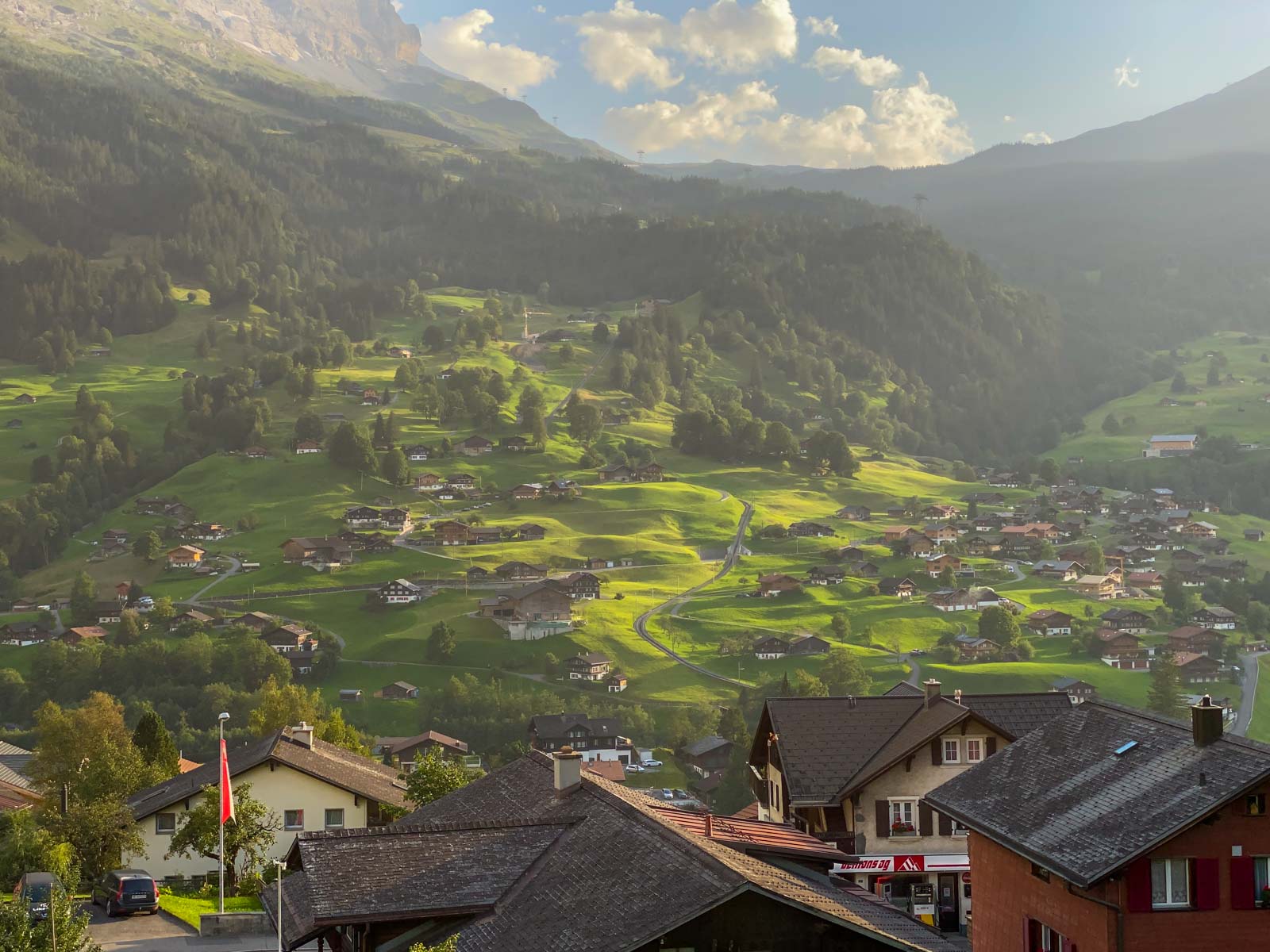
  • Where to Stay in Santorini: Our 2024 Guide to The Best Places

    Where to Stay in Santorini: Our 2024 Guide to The Best Places

    [ad_1]

    Santorini was one destination that literally took our breath away. When we stepped out of the taxi to overlook the whitewashed buildings plunging down the caldera, we gasped at its beauty. Few Greek Islands are as well-known or as beautiful as Santorini. Famous for cave hotels with plunge pools in the rooms and infinity pools overlooking the caldera, Santorini has quickly become the most visited island in Greece. Two million tourists flock to the island every year, which has resulted in an astounding number of hotels and resorts. If you’re unsure of where to stay in Santorini, we have a complete breakdown of the best places to stay and the best hotels in Santorini. 

    Best Places To Stay In Santorini

    Where to Stay in Santorini the Best Places

    Visiting Santorini for the first time can be overwhelming, especially if you don’t know much about the island. I know that we were overwhelmed trying to decide on the best area to stay in, Santorini, so we stayed at the beach in Oia, Imerovigli, and Fira. With our car rental, we managed to get around. During our day trips, we discovered more places to stay and made a note for our next visit, and to help you decide where to stay in Santorini, we’ve broken down the best areas.

    Whether you want to stay close to historic attractions or find a hotel on the beach, we’ve also included hotels in every price range, so there’s an option for everyone. From the best budget hostels on the island to the most lavish resorts with private pools and hot tubs, Santorini caters to everyone. And this guide on where to stay in Santorini features at least a few hotels that will cater to your every need!

    1. Oia

    where to stay in santorini oia

    Oia is the quintessential Santorini town, known for its famous Santorini sunset views looking over the Aegean Sea, whitewashed houses, and blue-domed churches. It’s a good place for a first Santorini trip if you want to discover all the iconic sights and have easy access to the rest of the island. Also, Oia is the hotspot for luxury hotel stays and the best island area if you want to be pampered throughout your stay and have a private swimming pool in your cave hotel room. 

    We think a private swimming pool might be necessary because Oia doesn’t have the best beaches. The famous town is located high atop a cliff with magnificent caldera views. It’s quite a bit of a walk from the hotel to the shore, but beaches are not why people stay in Oia. Oia attracts couples seeking a romantic vacation with private balconies, plunge pools, luxurious Cocomat beds, and infinity pools overlooking the Aegean Sea.
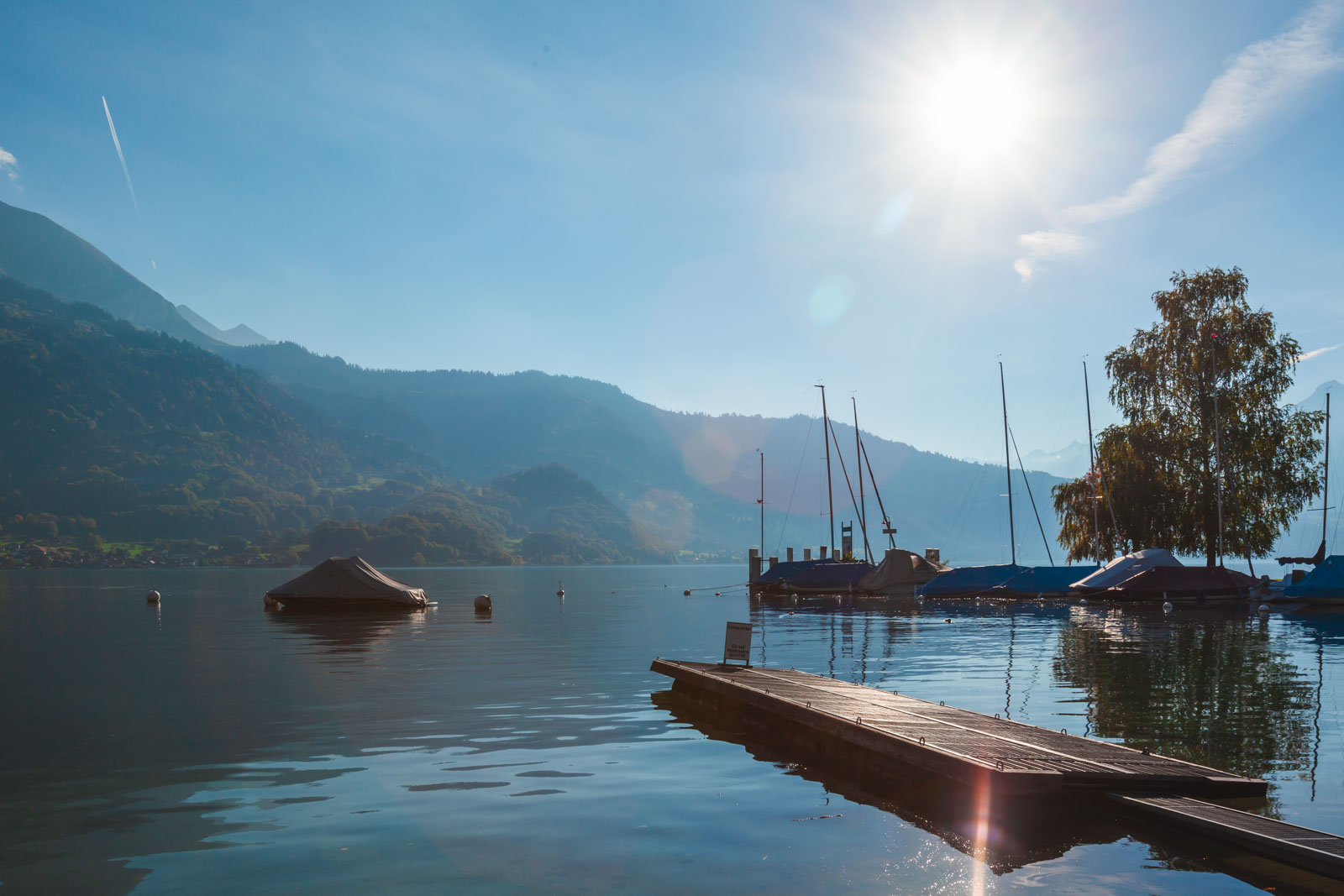
    Oia can be very crowded, as most cruise tours that visit Santorini make a point of stopping in Oia, so having a luxury hotel to hide away in is essential. This is a picturesque village that everyone wants to see, so you’ll want to hide in luxury during the day.

    Luxury: Andronis Luxury Suites 

    Where to stay in Santorini The Best Towns and Hotels

    Out of all the small luxury hotels in Santorini, Andronis Luxury Suites takes the cake as far as I’m concerned. If you want to live it up on the Greek island, nothing screams luxury as much as the suites in this fabulous hotel. It features a seasonal outdoor pool, private balconies, an on-site restaurant, and an excellent wellness center with yoga and fitness classes. Not to mention the amazing caldera views from the infinity pool.

    Each guest suite has a private pool or private hot tub just a few steps from your bed. The smaller suites feature hot tubs, while the villas and bigger suites feature fantastic infinity pools. Each suite also has a private terrace and a sleek ensuite bathroom. The wardrobe space in the suites is generous, which I really appreciate, especially for longer stays. 

    All the guest suites are decorated with modern furnishings and exposed marble and stone. Other room amenities include a flat-screen TV, coffee machine, free Wi-Fi, a dedicated seating area, and air conditioning. Of course, breakfast is included in the nightly rate, and you can enjoy it in the comfort of your lovely room, as we did. 

    Mid-Range: Ducato Di Oia

    where to stay in santorini ducato di oia

    Ducato Di Oia is a great four-star hotel five minutes from the famous Castle of Oia (the best sunset view on Santorini). The rooms feature sleek and modern furnishings and decor, which make the place airy and spacious. Also, there’s lots of exposed rock and concrete in the rooms, so you’ll feel like you’re staying inside a cave in Santorini. Breakfast is included in the room rate and everyone gets access to free WiFi. 

    This hotel offers many different room types, from classic double rooms to luxury suites. Some suites even have indoor plunge pools, which is a lifesaver if you’re anything like me and have a very annoying sun allergy. Enjoy chilling in the pool in complete privacy while marveling at the magical Caldera views through the convenient windows. 

    Every hotel room at Ducato Di Oia has an ensuite bathroom, seating area, TV, and a coffee machine. As for the other amenities, this hotel offers room service and a communal pool. But there’s no fitness center, spa, or restaurant on-site, so keep that in mind.  

    Budget: Central Hostel Oia

    If you want to experience Oia without breaking the bank, consider staying at Central Hostel Oia. It’s one of the cheapest options in this amazing town, and its location is pretty good for exploring the island. The hostel is next to the main road in Oia, and a bus stop is directly in front of it. 

    Many excellent eateries are available near the accommodation, but you won’t experience those magical Santorini views from your room. Central Hostel Oia features mixed dormitories with bunk beds and spacious shared bathrooms. Everything is extra clean, which is always a big plus in our book, especially when sharing the space with strangers. 
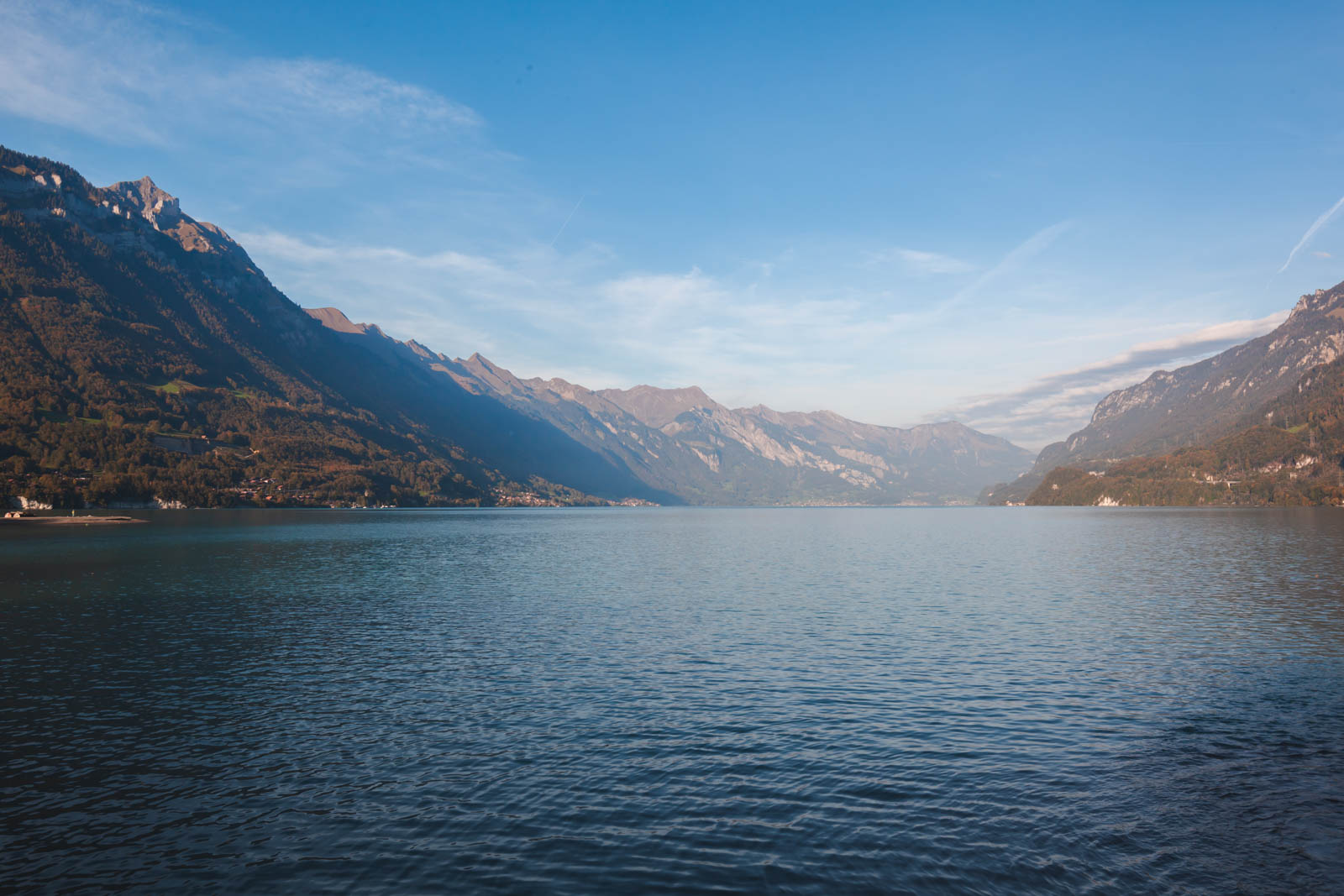
    The dormitories and common rooms are decorated with modern furnishings, most of which are white. Breakfast isn’t included in the nightly rate, but there is a spacious kitchen where guests can prepare meals. The hostel is also air-conditioned, and all guests can access free Wi-Fi. 

    View from Andronis Luxury Suites in Oia Santorini

    Pros of Staying in Oia

    Best for luxury hotels and plenty of accommodation options
    Good public transport connections to the rest of the island 
    Lots of touristy things to do 
    Great local restaurants 

    Cons of Staying in Oia

    The town is almost always crowded 
    Fewer options for cheap hotels
    Not great for a beach vacation 

    2. Imerovigli

    Views from hotel in Imerovigli, Santorini

    Imerovigli is the highest of the caldera town. This clifftop village features traditional cave houses, incredible panoramic views from Fira to Oia.

    It is best known for its boutique hotels, many offering wonderful scenic vistas from their rooms. Choose this village if you like the idea of staying at a boutique hotel with a hot tub in the room but aren’t keen on the prices of similar resorts in Oia and Fira. 

    In addition to bettersome of the best hotels in Santorini, Imerovigli is a good place to stay because of its interesting landmarks, great local restaurants, and location on the island. It is within walking distance of Thera and very close to the airport. You could even hike from the village to Oia—it would take just under two hours, and you’d enjoy surreal views the entire time. 

    However, there are no beaches in Imerovigli or within a short walking distance. You would have to take a car (we rented a car when staying in Imerogvigli, and they are very affordable) or ride public transport every time you want to hit the beach, which is certainly something to keep in mind. Also, there aren’t as many things to do in the village, so it’s not my top choice for travelers who love being out and exploring.  

    Luxury: Iconic Santorini

    Iconic Cave Hotel is one of the best cave hotels in Santorini

    Iconic Santorini is a boutique hotel with exceptional views of the Caldera islands. The five-star hotel features rooms with swimming pools, very comfortable beds, and an on-site restaurant with great local food. And because Imerovigli is right next to Fira, you’re just a short walk away from some of the island’s most popular tourist attractions. 
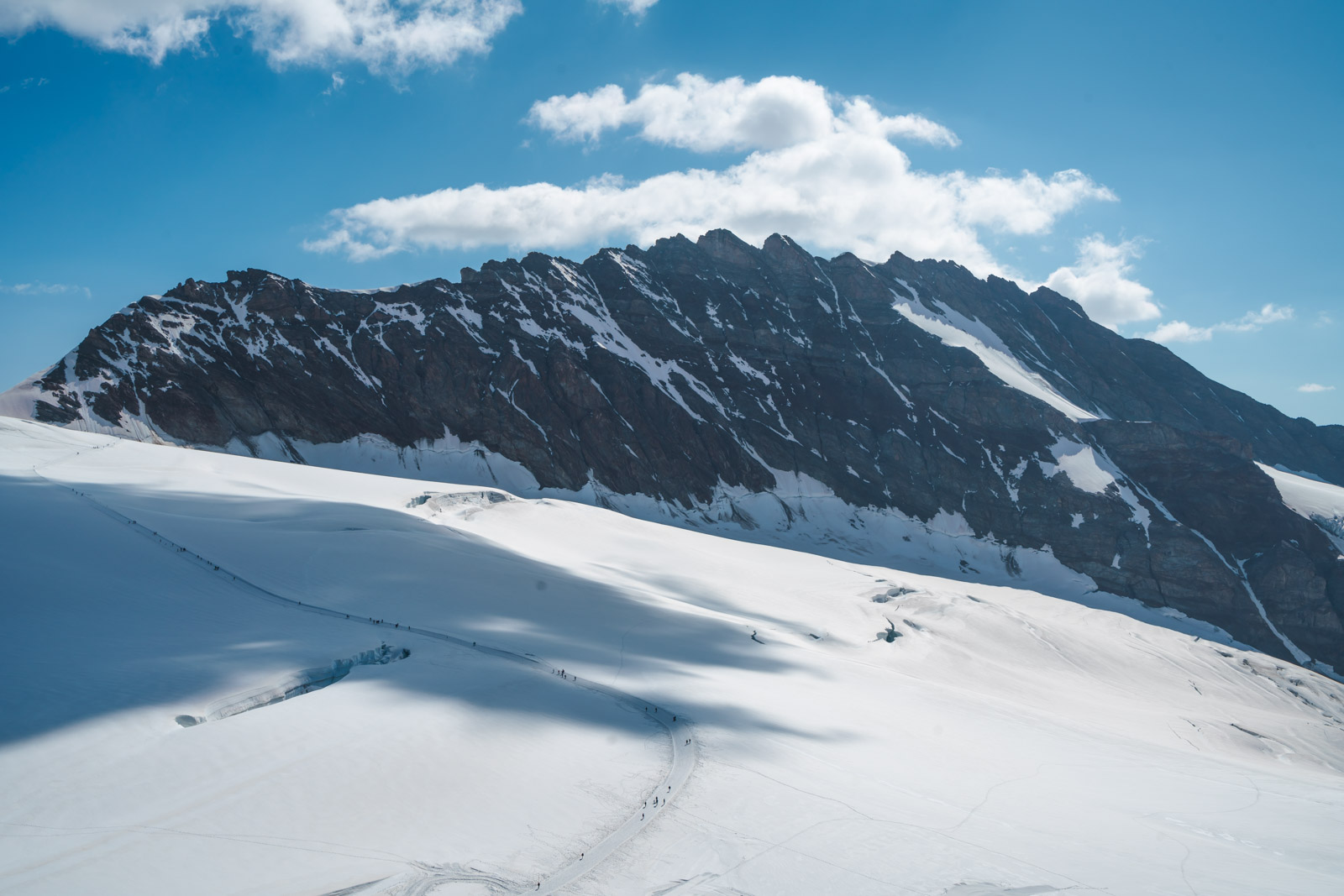
    Whether you book the cheapest room or the most luxurious suite, you’ll have your own private terrace to enjoy the panoramic views. Most suites have a private plunge pool or hot tub, and guests who stay in a room without one can enjoy the shared infinity pool. 

    All rooms have a private bathroom, coffee/tea maker, TV, and air conditioning. The most expensive suites feature private indoor and outdoor pools for the most luxurious experience. Breakfast is included in the nightly rate of all rooms and delivered to the table just outside your room. This hotel has a spa center and a more traditional gym with exercise equipment. 

    Mid-Range: Tholos Resort

    where to stay in santorini imerovigli midrange

    Tholos Resort is a four-star hotel with sweeping views of the volcano and designer rooms. It’s a fantastic option for travelers who prefer unique hotels because every room at the Tholos is a work of art. Enjoy the unique architecture that prioritizes comfort and functionality and emphasizes local art and culture. 

    The resort also offers a swimming pool and an on-site restaurant with outdoor seating. The views from the restaurant tables are fantastic and will make any meal taste just a little better. Of course, thanks to the 18-hour room service, you can also enjoy the food in the privacy of your suite if you prefer. 

    Room options range from small suites for couples to villas with indoor pools, so there’s something for everyone. Remember that the smaller suites have a doorless walk-in shower close to the bed, so they’re not a great option if you’re traveling with friends and want privacy. 

    Budget: Meroviglia Boutique Hotel

    Views from hotel in Imerovigli, Santorini

    Meroviglia Boutique Hotel is an excellent three-star hotel perfect for travelers on a tighter budget. In the off-season, you can even have a private plunge pool in your room for roughly $250. 

    Standard rooms are significantly cheaper, especially considering all the amenities. All the guest rooms feature sleek, modern furnishings and decor, and the cheaper rooms have a shared pool. 

    Meroviglia is a short walking distance from Fira, about 20 minutes if you take your time. The bus stop is very close to the hotel, as are many great local restaurants. The hotel has an on-site restaurant, and breakfast is included even in the cheapest nightly rates, which is great for the price point. All the rooms have a TV, balcony with amazing views of the Aegean Sea, and a private bathroom, but I must point out that the sink isn’t always in the bathroom, which isn’t ideal. 

    Pros of Staying in Imerovigli

    Great for boutique hotel stays 
    Close to the airport
    Walking distance to Fira

    Cons of Staying in Imerovigli

    No beaches in or around the village 
    Fewer budget accommodation options 
    Not too many things to do in the town

    3. Fira/Thera

    Fira or Thera is the capital of Santorini, located in the island’s center. It’s one of the most popular towns and a great place to stay for first-time visitors. Just remember that Fira is as busy as Oia and is best experienced in the off-season when the crowds are the smallest. 

    If you’re not bothered by the crowds, you will have a great time in the island’s capital. The town offers plenty of touristy things to do, including the iconic blue-domed church with the three bells. It’s also very close to the airport, and the central location means you can be virtually anywhere on the island in under half an hour. If you have a car in Santorini, you can easily explore the entire island from Fira. 

    The crowds shouldn’t be an issue if you plan to stay at the hotel most of the time since the town has some excellent resorts that offer complete privacy. But they could be an issue if you want to get out and explore as much as possible, especially if you plan on visiting the beaches. No beaches in Santorini are within walking distance of Thera, and the town isn’t the best option if you want to go for a swim in the sea. 

    Luxury: Katikies Garden Santorini

    Where to stay in Santorini Fira

    Katikies Garden Santorini is one of the best hotels in Fira. The five-star hotel is in the center of the town, so just a short walk from all of Fira’s top attractions. All the rooms boast sleek modern furnishings, and I love that there’s a pop of color inside every room so it’s not at all monotonous. 

    The suites offer views of the inner courtyard or the sea, and all but one are equipped with a hot tub or a private pool. If you’re going to spring for this fancy hotel, go for a room with at least a hot tub to thoroughly enjoy your stay. By far, the best room is the luxurious suite with a pool in the private garden, where you can enjoy ultimate privacy during your stay in Santorini. 

    The hotel rooms are equipped with everything you’d expect from a five-star hotel. They have a desk, a seating area, a very comfortable bed, a TV, and a spacious private bathroom. All guests are welcome to use the outdoor infinity pool, which offers a spectacular view of Santorini’s rooftops and some remarkably comfortable lounge beds. 

    Mid-Range: Winery Hotel 1870

    Winery Hotel 1870 is a posh hotel set inside an old 19th-century winery. It is in the center of Fira, so you would be super close to all of the top attractions in the town, as well as all the best local bars and restaurants. 

    The hotel is fabulous, with gorgeous and spacious rooms. Most are situated around the hotel pool, so you can practically jump into the pool from the room. I like how all the room doors open to the pool because it means you’re never more than a couple of steps away from anything you might need. However, you need to block off the view with shutters to enjoy complete privacy in your room. 

    And for travelers who don’t like the idea of sharing, the Wintery Hotel 1870 offers rooms with private pools inside. All the suites have spacious ensuite bathrooms, a desk, a seating area, and a coffee machine. The only thing I don’t love about the rooms is that the wardrobe area is small and meant for hangers, and I could see the place getting (very) messy if I were getting ready for a night out, especially on a girl’s trip. 

    Budget: Afrodete Hotel

    where to stay in santorini Afrodete Hotel

    The Afrodete Hotel is a budget option in Fira, close to Firostefani Central Square. The location is great because the hotel is super close to affordable local eateries and shops, as well as popular landmarks in Fira. 

    Come here in the off-season, and you’ll pay only $30 per person for a double room. The rates are significantly more expensive in peak season, but it’s still a solid deal for such a central location in Fira. The hotel rooms are actually nice; they’re decorated with modern and colorful furnishings, and it’s clear that a lot of thought went into their design and decor. 

    All the rooms have a small seating area, a desk, a minifridge, a private bathroom, an electric kettle, and a flat-screen TV. The hotel even has a pool, but it’s very small and not really suitable for proper swimming. But it will do if you just want to relax in the water for a little while and enjoy the panoramic view of Santorini’s rooftops. 

    Where to stay in Santorini Fira vs Oia

    Pros of Staying in Fira/Thera

    Lots of options for hotels 
    Many landmarks and tourist attractions 
    Close to the airport 
    Easy access to other towns on the island by public transport

    Cons of Staying in Fira/Thera

    Very crowded 
    Pricey accommodation 
    No beaches 

    4. Perissa

    Where to find cheap hotels in Santorini

    Perissa is one of the best beach towns in Santorini and a great place to stay if you want a traditional beach vacation. Choose this town for the beautiful black sand beach, excellent resorts, and countless beach restaurants and beach bars. Perissa is also very close to Ancient Thera, and hiking trails lead you from the village to the historic ruins. 

    Another thing I love about this town in Santorini is that it has hotels for everyone’s budget. Whether you’re looking for a cheap room or a high-end resort, Perissa has plenty of options. But that’s also the biggest issue I have with this location; it’s mostly hotels and resorts, and there are few touristy things to do in the town. 

    The upside is that Perissa is roughly a 20-minute from Akrotiri and Fira, so you can easily pop over to the next town to explore landmarks and historic attractions. You could even hike into Kamari over the Mesa Vouno mountain; it would take maybe an hour and a half, and it would be an epic experience for all outdoor lovers in Santorini. 

    Luxury: Aqua Blue Beach Hotel

    Aqua Blue Beach Hotel is an excellent five-star hotel with a beachfront location. Featuring modern rooms, three swimming pools, and an excellent wellness center, the hotel is a great option for tourists who want to be pampered during their stay in Santorini. Relax on the beds by the pool or head down to the private area on Perissa Beach to fully enjoy your stay. 

    Sunbeds are included in the room’s cost, so you can lounge on the beach as much as you like. The hotel also has a buffet restaurant that serves breakfast and dinner and a lounge bar by the pool that offers cold and refreshing drinks all day long. Breakfast and free Wi-Fi are also included in the nightly rate. 

    All the guest rooms feature a TV, desk, and air conditioning, but only the bigger rooms have a separate seating area. The studio and family apartments also include kitchenettes. The contemporary decor of the rooms is nice, but frankly, it’s a bit too basic for my taste. I like that there’s a pop of color in all the rooms, but I would prefer for the design to reflect the vibe of the island a bit more. 

    Mid-Range: Anastasia Princess Luxury Residence

    Black sand beaches in Perissa, Santorini

    Anastasia Princess Luxury Beach Residence is an adults-only beachfront hotel. Choose from five types of suites, which range from a classic studio to an executive suite with a plunge pool in the room. All guests also have access to the hotel’s three swimming pools and can make use of the on-site spa and wellness center. 

    The hotel is right next to the beach, with a sprawling lounge reserved just for their guests. Service is available even on the beach, so whether you need a fresh towel or a cold drink, you can get it without moving an inch. The suites are contemporary and equipped with everything you might need during your stay. Every suite has a private bathroom, seating area, and even a small kitchen area with a fridge and a coffee maker. 

    The shared spaces are all beautifully decorated, and there’s plenty of room for all the guests to be comfortable without feeling like they’re forced to mingle with strangers. One thing to note is that this hotel doesn’t have an on-site restaurant, but that shouldn’t be an issue because there are loads of local eateries nearby. 

    Budget: The Best

    The Best is a three-star hotel in Perissa with very affordable nightly rates. Come here in the off-season and you can get a room for as little as $65! The rates double in the high season, but the hotel is still fairly affordable by Santorini standards. The rooms at The Best Hotel are honestly nothing special. You get all the basic amenities, including a comfortable double bed, private bathroom, kettle, desk, and TV. 

    All rooms also have either a patio or a terrace, so you can enjoy relaxing outdoors in the evenings. But that’s pretty much it, and I have to say that the furnishings could stand to be updated a little. As for the shared spaces, the hotel has three swimming pools and a bar. Unfortunately, there’s no restaurant on-site, but the place is super close to dozens of great and cheap local eateries. 

    Also, This hotel isn’t located directly on the beach but just down the road. It doesn’t have loungers and sun umbrellas for guests, but you can put down a towel on a secluded area of the beach or spring for the beach bar’s sunbeds. Overall, it’s a good place to stay for a cheap beach vacation in Santorini, but I would not recommend it to people who expect a lot more than just a place to spend the night. 

    Pros of Staying in Perissa

    Great for beach vacations
    Not as crowded as the main tourist hotspots
    Affordable local restaurants
    Close to historic attractions 

    Cons of Staying in Perissa

    Few things to do in the village 
    Quite far from Fira and Oia 
    Large sections of Perissa Beach are reserved by hotels 

    5. Akrotiri

    Where to stay in Santorini Akrotiri Red Beach

    Akrotiri is a village on the southwestern tip of Santorini. Stay here if you can’t decide between unspoiled beaches and historic attractions because Akrotiri has both. Nearby beaches in Akrotiri include Red Beach, White Beach and Caldera Beach. We visited these beaches on a sunset cruise which was wonderful.

    Also, the crowds here are much smaller than in Fira Town or Oia, making it my favorite part of Santorini. The only downside is that it’s quite far from Oia, and you’d have to travel for a while to reach the towns and villages in the northern part of the island. 

    But that’s fine because there’s so much to do and see in Akrotiri. It’s home to the Akrotiri lighthouse, the ruins of a Venetian castle, and the archaeological site of the prehistoric town of Akrotiri. Some of the island’s best beaches are in this area, including the famous Red Beach and the Black Beach. 

    Akrotiri village is quite small, and I’ve decided to include all the hotels and resorts in this region of Santorini, not just in the village. This means that you’ll see some fabulous secluded hotels where you can enjoy ultimate privacy. 

    Luxury: Phos The Boutique

    Phos The Boutique is probably my top choice of all the hotels in Santorini. It’s in a secluded area of Akrotiri, and there’s nothing in the immediate surroundings. If you love privacy and want to feel like you’re staying in the middle of nowhere, this is a great option. However, it makes sense to stay at this hotel only if you plan on renting a car in Santorini or if you’re okay with taking the hotel’s luxury VIP transfers. 

    The beach is just a two-minute drive from the hotel, and the Akrotiri village is another 5 minutes. The hotel has an excellent restaurant where you can enjoy romantic candlelit dinners, and you technically don’t have to leave the premises if you don’t want to. As for the hotel amenities, the main selling point is that every suite at Phos The Boutique has a private infinity pool with a bed in the pool. 

    The suites are airy and spacious, with separate living and sleeping quarters. Every suite has a private bathroom, balcony, and patio. All the rooms are decorated with modern furnishings, and everything at the hotel is top-notch. Breakfast is served a la carte, and guests can enjoy it in the room or in their private pool, which is definitely the preferred option. Overall, for pure hedonism and luxury, there’s hardly a better hotel in all of Santorini. 

    Mid-Range: Hotel Goulielmos

    Hotel Goulielmos is a nice four-star hotel in a rural area of Akrotiri. The clifftop hotel offers panoramic views of the Caldera and easy access to a nearby beach. It’s also just a short drive from the main Akrotiri village with seasonal shops and restaurants. 

    The hotel rooms feature a nice blend of modern and traditional Greek decor, with contemporary accents in the rooms but more traditional style in the ensuite bathrooms. All the rooms have a small balcony or terrace, a desk, and a flat-screen TV. The bigger rooms also include a seating area, and many of the pricier rooms feature either a pool or a hot tub. 

    As for the other amenities, Hotel Goulielmos offers a shared pool and an on-site restaurant. The pool is somewhat small, but comfortable loungers and sunbeds surround it. A buffet breakfast is included in the nightly rate, and guests can eat lunch or dinner at the hotel restaurant which serves traditional Mediterranean cuisine. It’s worth noting that this hotel doesn’t have a fitness center or a spa. 

    Budget: Caldera Romantica Hotel

    Caldera Romantica Hotel is an excellent option for a budget stay in Akrotiri. It’s just outside the Akrotiri village, easily accessible by car or a 20-minute walk. The hotel rooms are exceptionally nice and look like they belong in a much more expensive hotel. 

    Every room has a comfortable double bed, a balcony, a private bathroom, a desk, and a TV. All guests have access to the outdoor pool, which offers sweeping views of the caldera. There’s also a lounge area by the pool, and you could spend your entire days here just relaxing and having the time of your life. 

    The hotel also features an on-site restaurant with indoor and outdoor seating. I love that the indoor area of the restaurant features glass walls, so you can still enjoy beautiful caldera views with your meals. Breakfast is included in all nightly rates and there’s even a snack bar by the pool that serves light meals and drinks. 

    Pros of Staying in Akrotiri

    Best for Santorini’s historic attractions
    Easy access to secluded beaches 
    Hotels are more affordable
    Not very crowded 

    Cons of Staying in Akrotiri

    Fewer restaurants and bars
    Quite far from other towns on the island 
    It’s harder to get around without a vehicle 

    6. Kamari

    Best Places to stay in Kamari, Santorini

    Consider staying in Kamari if you want to be close to one of Santorini’s best beaches. The village is best known for Paralia Kamari, a black sand and pebble beach lined with loungers, sun umbrellas, and beach bars. 

    Kamari is quite popular with tourists in Santorini, so it features hotels and resorts in every price range. Also, the village offers easy access to other towns in Santorini as it’s just a 15-minute ride from Fira, and Perissa is accessible on hikes over Mesa Vouno. Stay here for endless options for fun and exciting ways of exploring Santorini. 

    Additionally, Kamari is one of the villages closest to the airport and it’s up to you to decide whether that’s a pro or a con. You can be at the hotel no longer than 10 minutes after you land and go through passport control, but it also means that planes often fly low over the village and make a lot of noise. 

    Luxury: Radisson Blu Zaffron Resort

    where to stay in santorini kamari luxury

    Radisson Blu Zaffron Resort is the best luxury resort in Kamari. Featuring spacious rooms with super comfortable beds and pristine ensuite bathrooms, this adults-only hotel is an excellent choice for a romantic Santorini vacation. 

    All rooms have flat-screen TVs, private terraces or balconies, and coffee machines. Guests can enjoy the two extensive pools, including a large outdoor pool, which is surrounded by comfortable loungers and sun umbrellas. The hotel also boasts a fitness center, a spa, and two excellent restaurants.   

    The resort reserves an area of Kamari Beach for its guests, offering loungers and sun umbrellas that are included in your stay. It’s worth noting that the resort isn’t beachfront; it’s only two minutes away from the beach, but I reckon it’s something you’d want to know before booking your stay. 

    Mid-Range: Tamarix Del Mar Suites

    Best place to stay in Santorini for Families Perissa

    Tamarix Del Mar Suites is another five-star hotel in Kamari, but its rates are significantly lower than those of the luxury resorts. A night in the off-season starts at around $150-200, which is a really good deal for such a high-end hotel in Santorini. The low rate is for basic double rooms, and it includes breakfast. 

    The complex was renovated to resemble a miniature village in Santorini, so there’s lots of white and blue. Hotel buildings all resemble endearing Greek houses, and it’s just a lovely vibe to wake up to each morning. The Greek charm seeps into the individual suites as well, in the form of colorful accents and textured walls. 

    This fabulous hotel also offers indoor and outdoor swimming pools, as well as a separate children’s pool. It’s got a nice spa and wellness center, gym area, and an on-site restaurant. The guest rooms all have ensuite bathrooms, roomy seating areas, and a small private kitchen. 

    Budget: Alesahne Beach Hotel

    Alesahne Beach Hotel is an affordable three-star hotel a stone’s throw away from Kamari Beach. It offers nice – but small – rooms with balconies and ensuite bathrooms. All the guest rooms have a desk area, but it’s important to note that the only seating area in the smaller rooms is the chairs on the balcony. 

    The bigger rooms feature a small seating area separate from the bedroom and breakfast is included in all stays. Coffee makers and flat-screen TVs are also available in all the guest rooms. 

    This hotel has a private section on Kamari Beach reserved only for its guests, and sunbeds are included in the nightly rate. There’s also an outdoor pool for guests who prefer to stay closer to their room, as well as an on-site restaurant. 

    Pros of Staying in Kamari

    Great town for beach stays 
    Hotels and resorts are cheaper 
    Easy access to other destinations on the island 

    Cons of Staying in Kamari

    Planes fly low over the village
    Fewer tourist attractions 
    No Caldera views 

    Where is the best place to stay in Santorini for the first time? 

    things to do in greece

    Fira and Oia are generally the best places to stay in Santorini for a first trip, as long as you don’t mind the crowds. The two towns have the most tourist attractions, but neither is a top destination if you’re primarily interested in easy beach access. 

    What part of Santorini is best to stay?

    Map of where to stay in Santorini by town

    Oia is the best part of Santorini to stay in if you want to visit popular landmarks and those spectacular sunset views. But if you want easy access to a lovely beach, Perissa and Kamari are better destinations. 

    Is it better to stay in Fira or Oia? 

    Walking the streets of Oia Santorini

    Oia is better for luxury hotel stays, but Fira is better if you want to explore the rest of the island. Both towns are great for a first trip to Santorini and offer excellent hotels and scenic Caldera views.  

    Where to avoid staying in Santorini?

    Where to stay in Santorini Oia Town

    Avoid the villages in the central area of the island. While they usually offer cheaper accommodation and a chance to explore attractions off the beaten path, they’re quite far from anything of interest on the island. 

    It would take a while to get to the beach or a touristy town or village, and you’d either have to take public transport or pay for costly private transfers. 

    Consider Akrotiri instead. The town is known for its archeological ruins, the Akrotiri lighthouse, and easy access to beautiful beaches. Also, Akrotiri has some of the best cheap hotels in Santorini, and it’s a top option for affordable stays away from Santorini’s busiest towns. It encompasses most of the southwestern tip of Santorini, and you can choose between hotels smack dab in the middle of the village or secluded resorts in remote areas. 

    Sunset view of caldera from Fira Santorini

    Although Oia and Fira are the best towns on the island, they can be very crowded, so those looking for a quiet vacation may not enjoy it. Although when you can hide away in a luxury cave hotel away from it all, it is heavenly.

    Instead, opt for a smaller village like Imerovigli or Finikia and take day trips to the bigger towns. The same goes for Perissa and Kamari—if you’re not specifically looking for beachfront resorts, these aren’t the best places in Santorini.  

    Is one or two days enough to visit Santorini?

    Witewashed streets of Pyrgos Santorini

    One day in Santorini is definitely not enough. Two days in Santorini can be enough to experience some of the island’s highlights, but it certainly won’t cover everything this enchanting destination has to offer. We recommend at least three nights in Santorini to see some of the highlights of Oia, Fira, and to take a wine tour, sunset cruise or to see its beaches.

    How to Get to Santorini

    where to stay in santorini how to get there

    You can fly into Santorini airport or take the ferry to Santorini. Daily flights leave Athens International Airport (Eleftherios Venizelos) and take 40 minutes to get to the island. Once there you can catch a taxi to your hotel.

    Ferries also operate daily to Santorini from the Piraeus in Athens. Santorini is also connected by ferry to other Greek Islands. We flew from Athens to Santorini and then continued on the Crete by ferry.

    Getting Around Santorini

    Best Car Rental in Santorini

    Driving around Santorini is not only a great way to explore the forgotten villages away from Oia, but it will save you time and patience. Check out the best car rental prices here.

    Santorini has a decent public bus network that services all the major villages on the island. But unless you are in Fira, you’ll be restricted by the limited offerings, especially if you wish to go to the East Coast.

    In peak season, you’ll be sharing the buses, not just with locals but with a mass of travelers who all have the same idea as you. If you want to see all of Santorini and it fits the budget, we recommend picking a car up for the trip.

    Best Time to Visit Santorini

    Best plces to stay in Santorini Firostefani

    The busiest times to visit Santorini are during the summer months. This is the best weather as Santorini has a Mediterranean climate but is also the most crowded with cruise ships. However, if you are staying in a luxury hotel or a boutique hotel with a private pool, you may not care about the crowds. You can relax at the pool bar away from the crowds and wait for the cruise ships to leave.

    If you are staying in one of the beach towns, the best weather is from June to September.

    To avoid the crowds, you should visit in shoulder season, either September and October or April and May. We visited in October, and the weather was still very warm.

    Why We Love Santorini

    Where to stay in Santorini for nightlife is Fira

    We love Santorini because it’s an idyllic island that epitomizes everything we know and love about Greece. It’s the top destination in the Cyclades for those magical cave hotels, stunning Caldera views, and postcard-worthy photographs. Santorini is the island of terraced whitewashed houses and blue-domed churches, which you’ve likely seen many times in all the promotional materials for Greek tourism. 

    It’s the perfect place for a late summer vacation, whether you want to spend all your time relaxing by the pool or hiking from one village to the next. There are so many fun and interesting things to do in Santorini that there’s no way anyone could be bored there. Explore the ruins of ancient towns, go scuba diving, tour the wineries, and ride horses on sandy black beaches. The possibilities are endless, and I’m positive you’ll fall in love with Santorini as much as we did when you stepped foot on the island. 

    Plan Your Next Vacation to Santorini With These Resources

    [ad_2]

    Source link