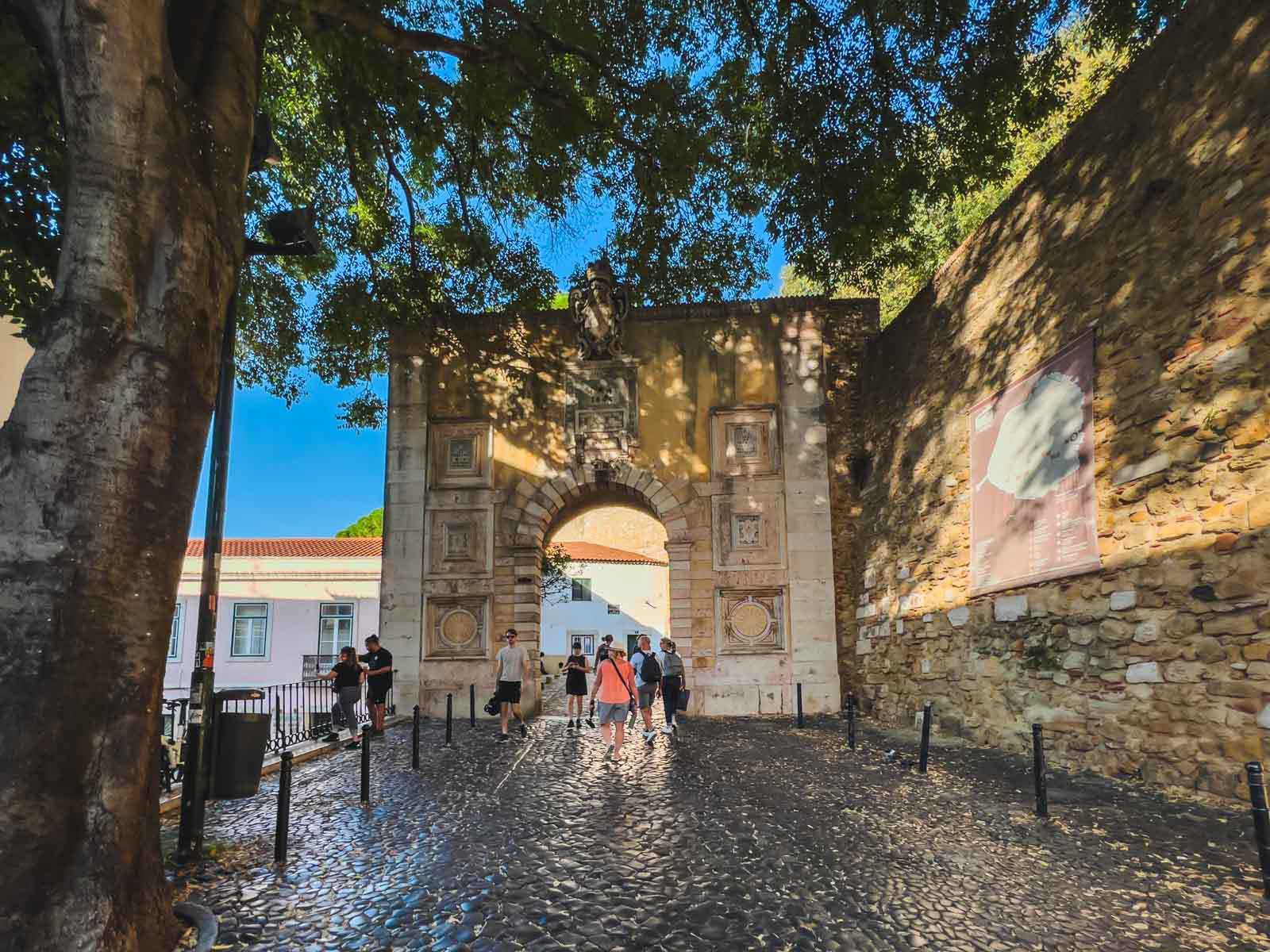
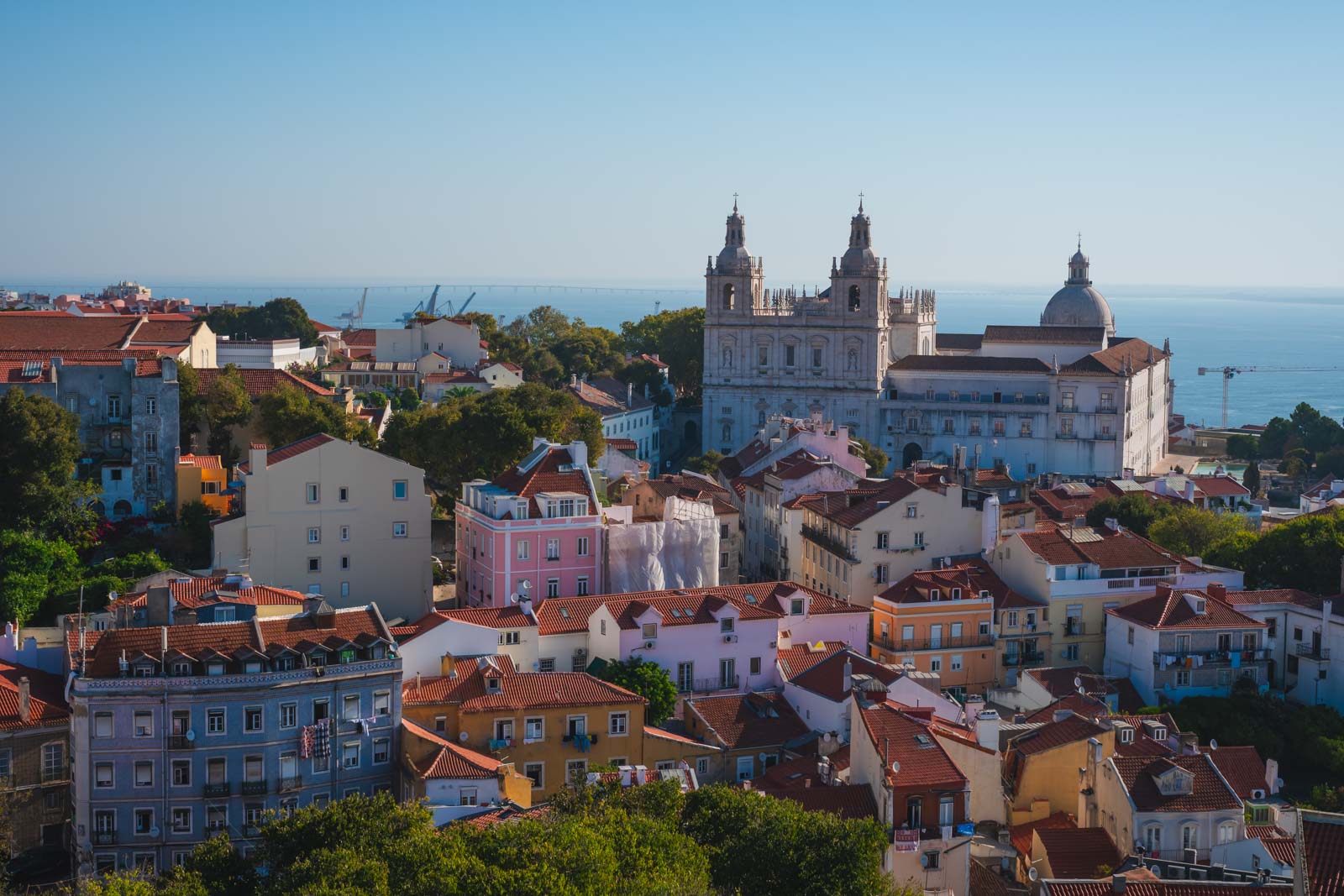
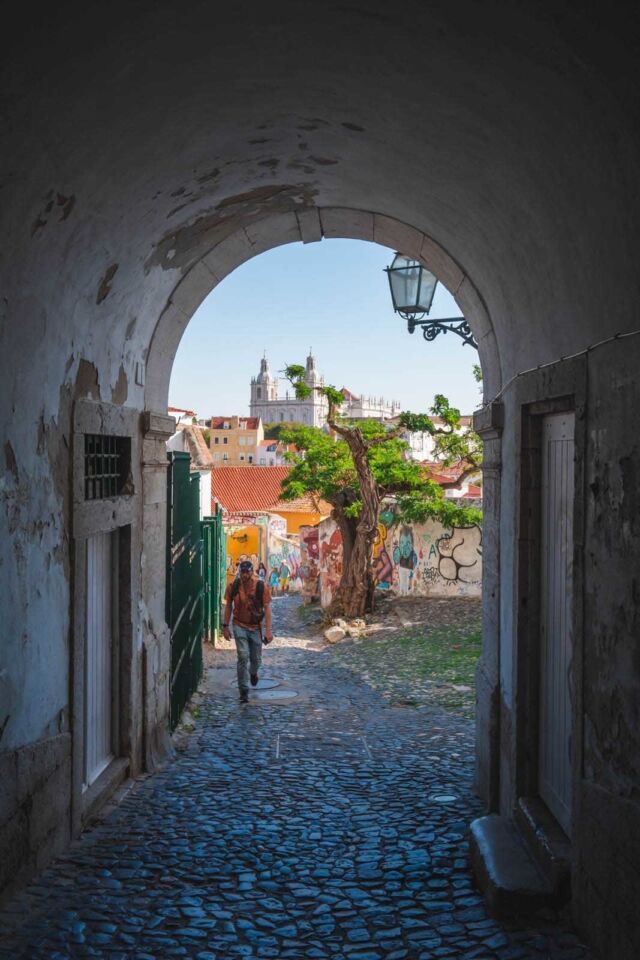
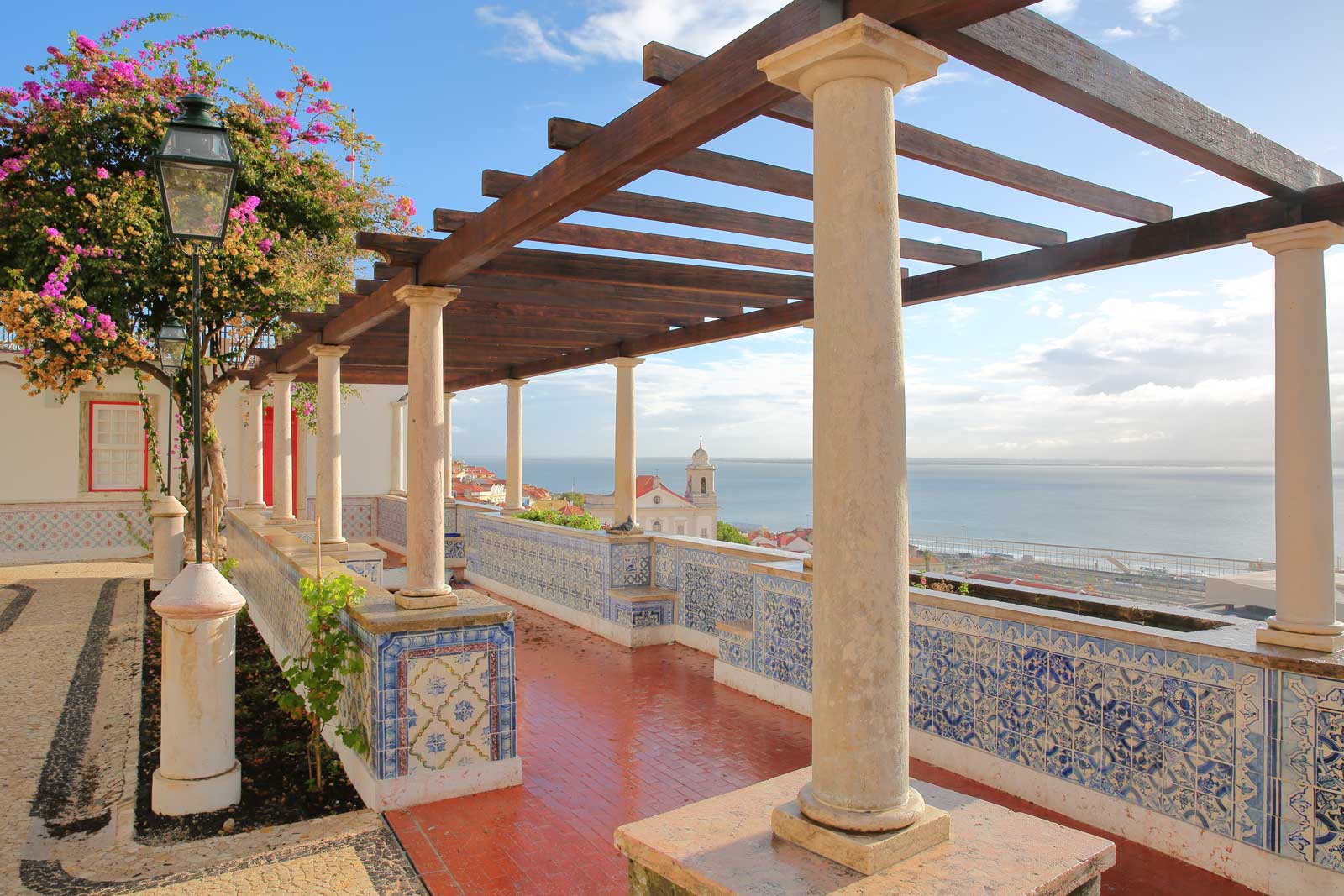
You can’t miss the Acropolis when visiting Athens, you can see it from everywhere! Standing proud over the city, the Acropolis is the number one attraction in Athens. So, you know what that means? A lot of crowds! This ancient citadel, perched above the city on a limestone plateau, is a beacon of history, art, and civilization. For those drawn to the echoes of the past, a visit to the Acropolis promises a deep dive into the heart of Greek heritage, with the majestic Parthenon standing as its crown jewel. So get ready to explore the ins and outs of making your Acropolis visit as epic and enlightening as possible, from dodging the crowds to uncovering the best views.
What is the Acropolis?
The Acropolis of Athens is a UNESCO World Heritage that stands as a beacon of the grandeur of ancient Greek civilization. Perched atop a 172 meter high rocky outcrop above the city of Athens, the Acropolis dates back to the 5th century BC, serving not only as a symbol of the power and culture of Athens but also as a pivotal monument in the development of Western civilization.
This historical site is home to several iconic structures, including the Parthenon, the Erechtheion, the Propylaea, and the Temple of Athena Nike. The Acropolis’s history is intertwined with the birth of democracy, philosophy, and the arts, making it a focal point for scholars and tourists alike to explore the origins of these fundamental concepts. An Acropolis visit offers a window into the ancient world and its enduring influence on modern culture and society.
Best Time to Visit Acropolis
To avoid the throngs of tourists and the scorching sun, aim for an early morning or late afternoon visit. The Acropolis opens its gates at 8:00 AM, so getting there right at opening time can give you a cooler and somewhat more private experience. We walked from our hotel at sunrise to make it for the first slot at opening, as soon as the guards came down, we rushed ahead to the entrance to be first up without any crowds.
If you can’t make it for the first time slot, we suggest visiting an hour or two before closing allows you to enjoy the golden hues of sunset casting a magical glow over the ancient stones. Plus, all of the organized tours and tour buses will be gone by then.
Tickets and Timed Entry to the Acropolis
Since our last visit to the Acropolis, the city of Athens has made visitors slecect a mandatory timed entry. When booking tickets you can choose the time and date that you want to enter. And lucky you, you can enter the Acropolis 15 minutes before (or after) the time of your choice. We suggest booking as early as possible because, naturally, the crowds will be larger as the day goes on with people lingering on the Acropolis grounds long after their timed entrance.
You can book tickets in advance with Get Your Guide. We highly recommend booking 8 am to see the military march down after raising the flag and to be the first on the Acropolis grounds. We were first up the stairs and had the Acropolis all to ourselves!
Combo Tickets – Planning Your Visit to the Acropolis
An Acropolis visit doesn’t have to break the bank, a standard entry ticket costs around €10, with reduced rates available for students and seniors. Prices can fluctuate, especially by season and combined tickets that include entry to other historical sites in Athens, so it’s worth checking the official website for the latest information. Purchasing tickets online in advance can save you time and spare you the hassle of long lines. You can book Acropolis tickets in advance here with an audio tour included.
We visited the Acropolis using the Acropolis plus Six Archeological Sites Combo. This is the best ticket for first time visitors to Athens. It not only includes the Acropolis, but entry to the Roman Agora, and Ancient Agora as well as Aristotle’s School and the Keramikos Ancient Cemetery. Plus access to Hadrian’s Library and Temple of Olympian Zeus. Details here.
Opening Hours: Timing Your Adventure
Prices here in Canadian Dollars for 2 adults.
The Acropolis is open daily from April to October from 8:00 AM to 8:00 PM, offering ample time to explore.
Winter hours shorten a bit, so plan accordingly. Remember, the last entry is usually an hour before closing, so give yourself plenty of time to wander and wonder.
Recommended Route and Where to Enter the Acropolis
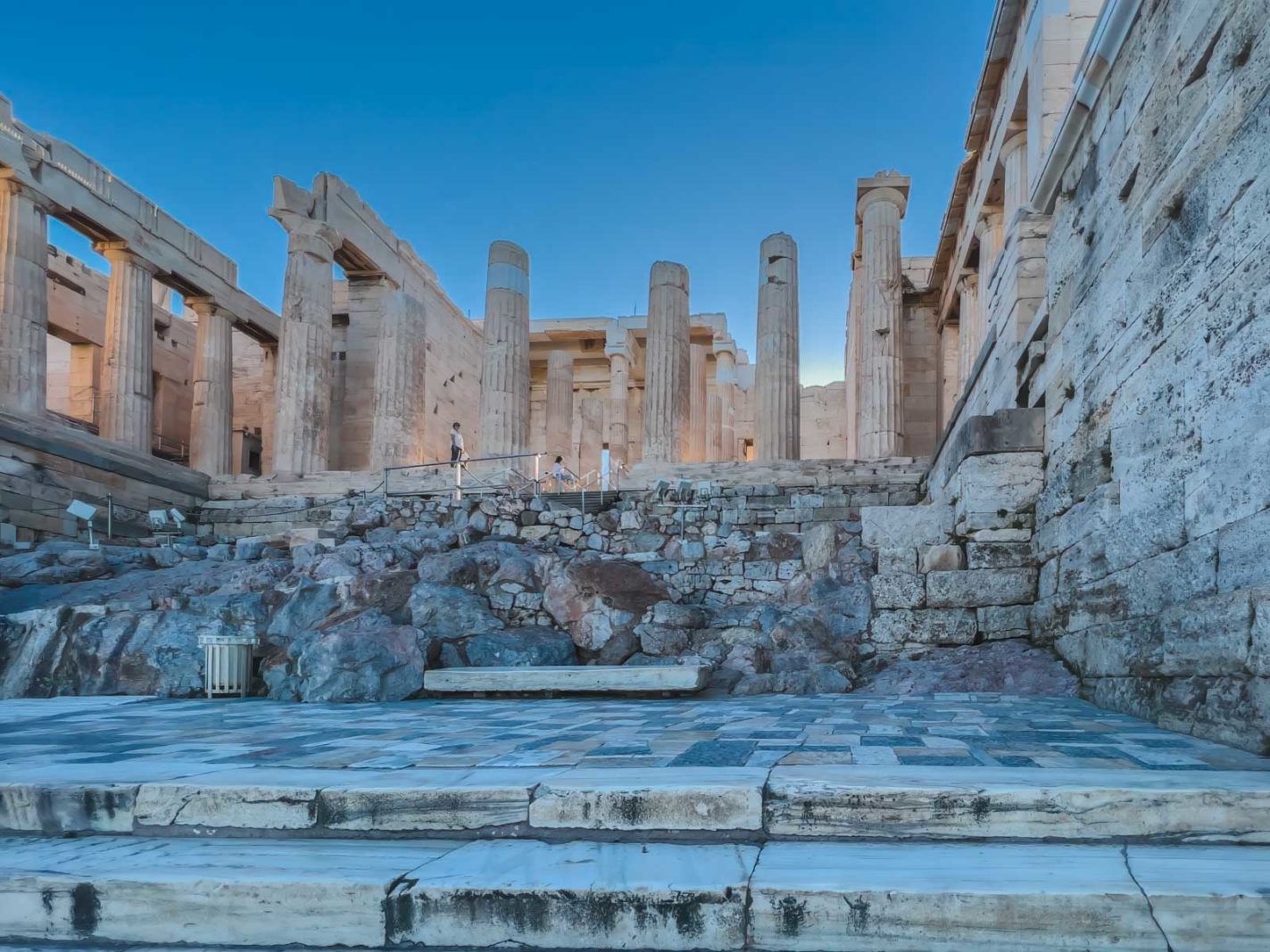
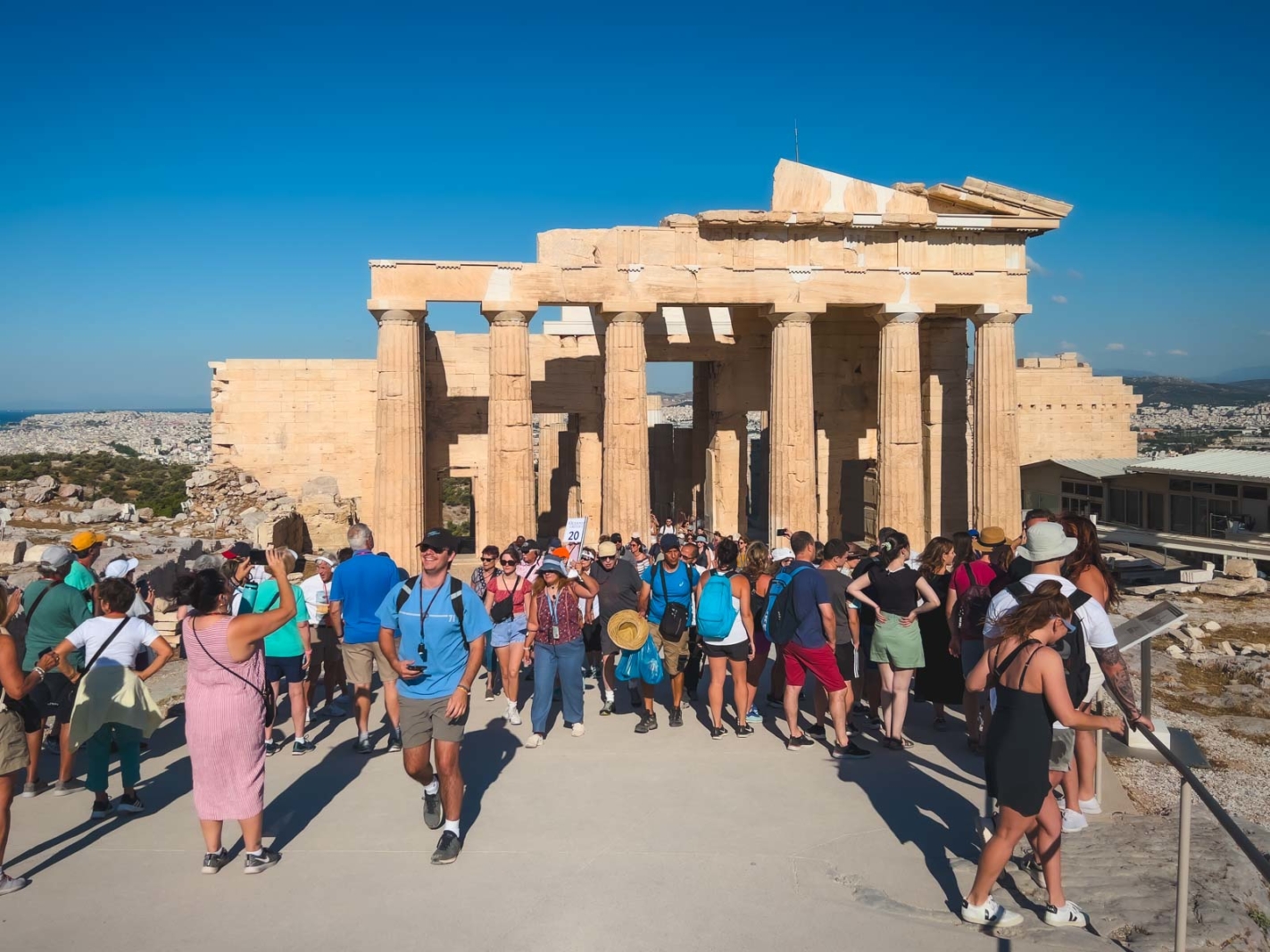
We entered the Acropolis at the The Propylaea which is the most popular Acropolis entrance. If your timed entrance is first thing in the morning, we highly recommend this entrance as you will be first to see the Parthenon free from crowds.
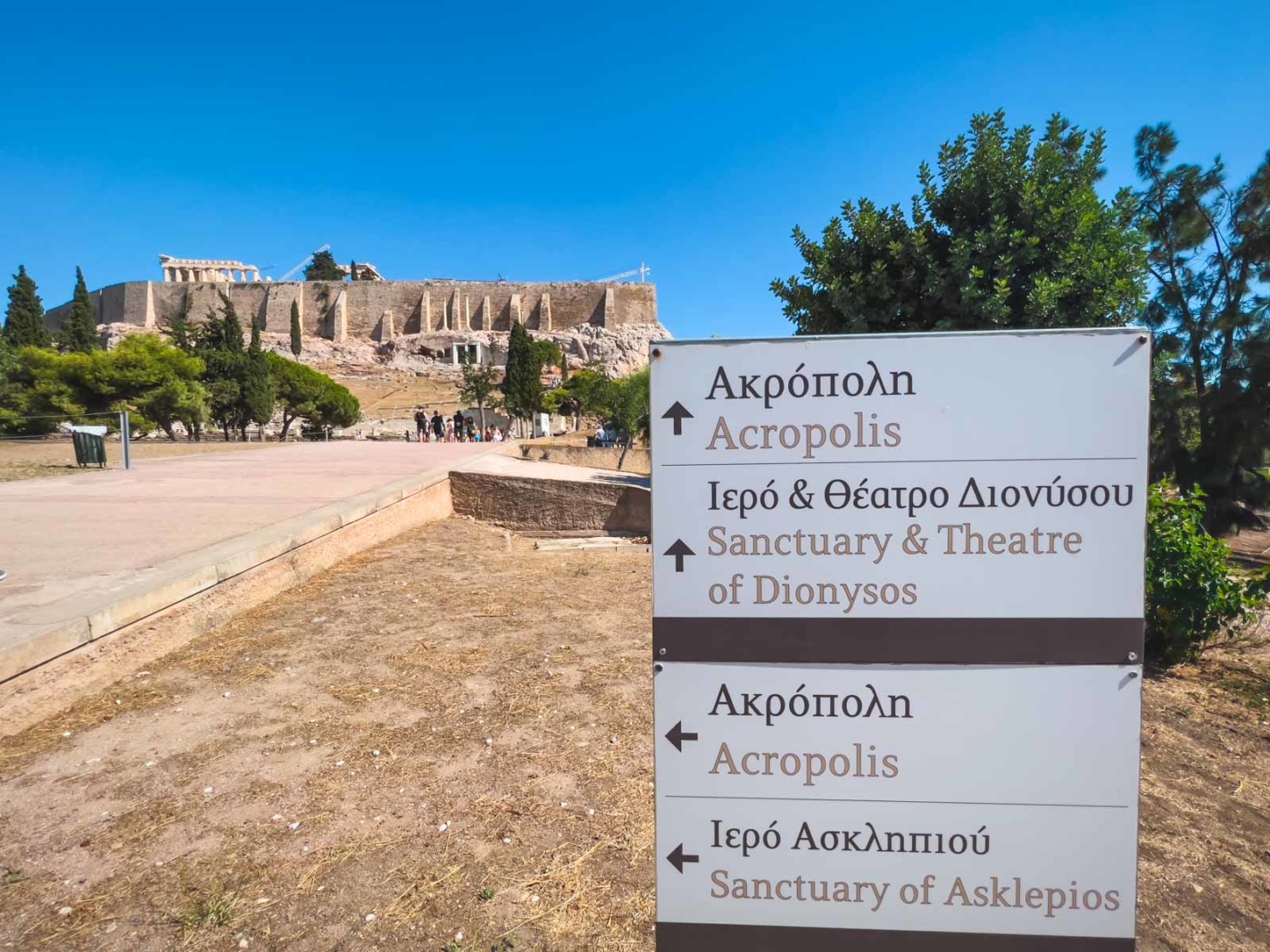
If your entrance is later, Start your visit at the Theatre of Dionysus, then move up to the Asclepieion and the Odeon of Herodes Atticus. Continue to the Propylaea, the monumental gateway that leads to the top of the Acropolis, where you can explore the Parthenon, the Erechtheion, and the Temple of Athena Nike. This route offers a logical progression through the site and ensures you don’t miss the highlights.
Highlights of Your Acropolis Visit
You cannot come to Greece and not visit the Acropolis. Athens is one of the world’s oldest cities and the Acropolis has been standing high above Athens for more than 2500 years. Many people think that the Parthenon is the Acropolis, but the Acropolis is actually an entire complex standing at the center of the citadel.
The Acropolis is considered one of the greatest architectural wonders in the world. There are many things to keep an eye out for during yoru visit, so let’s take a look at some highlights.
The Parthenon
A “visit to the Parthenon” is non-negotiable. This temple, dedicated to Athena, the goddess of wisdom and war, is the epitome of Doric architecture and a symbol of the glory of ancient Athens. Its size, harmony, and the precision of its construction are a testament to the ingenuity of its creators.
The Parthenon is the most famous of the ancient ruins of Acropolis. It is the symbol of democracy dominating the hill of the Acropolis and dates back to the 5th century BC. But the Acropolis is filled with archeological wonders besides the Parthenon. On the grounds, you will also see The Temple of Athena Nike, and the Odeon of Herodes Atticus theatre.
Other temples to visit are the Propylea Temple of Nike, the Erechtheion Temple and you must see the Dionysus Theater. I learned of this theater while studying Greek Tragedies in theatre school and it was amazing to see this famous theater. Also, don’t miss seeing the Odeon of Herodes Atticus and the sanctuary of Asclepius.
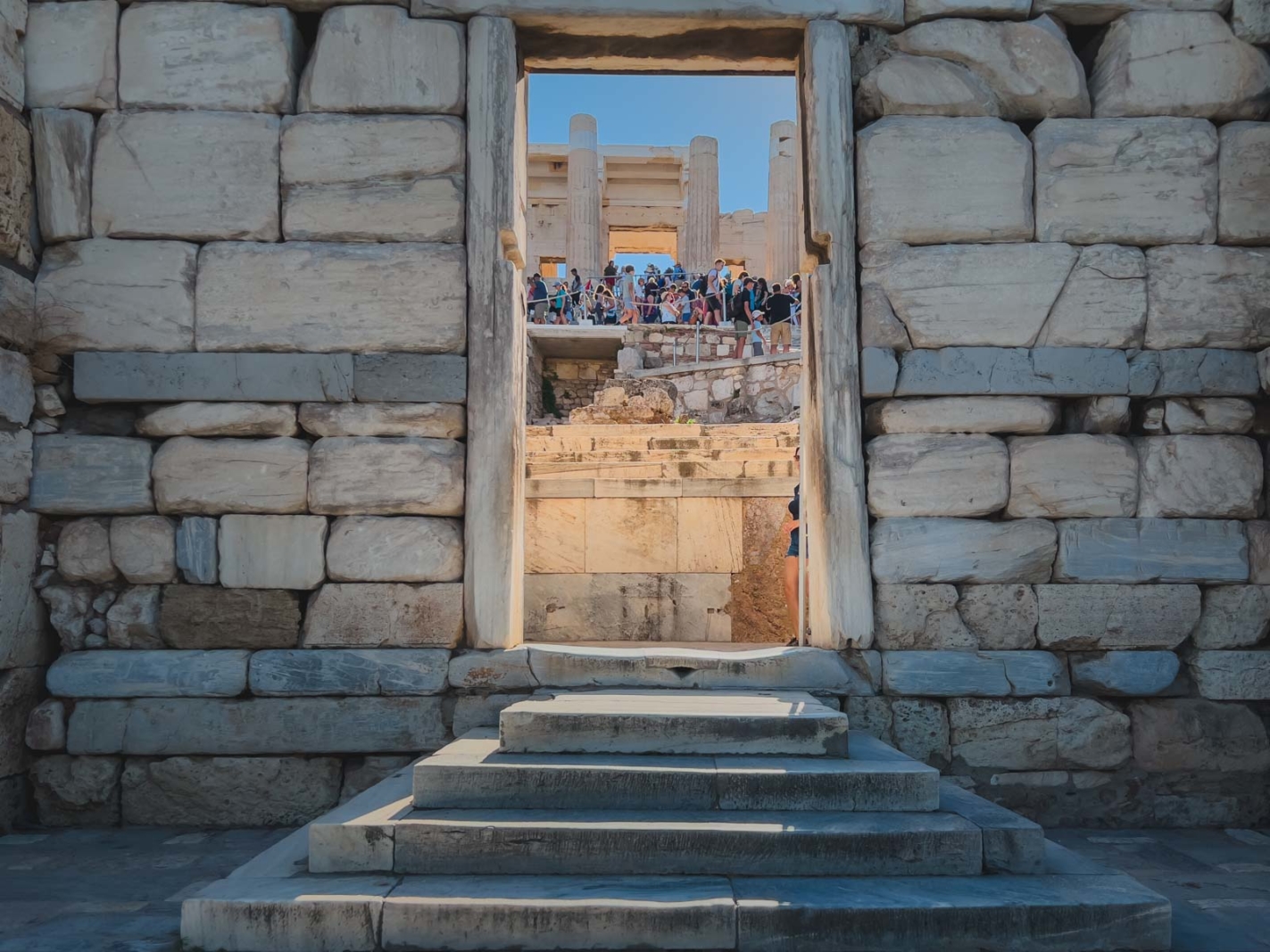
The Propylaea
The grand entrance to the Acropolis sets the stage for what lies beyond. Walking through the Propylaea is like stepping back in time, with each step taking you closer to the heart of ancient civilization.
As you ascend the majestic pathways leading to the heart of the Acropolis, the Propylaea stands as a monumental gateway, inviting visitors into the ancient world’s most revered sanctuary.
Constructed between 437 and 432 BC under the guidance of the architect Mnesicles, the Propylaea was envisioned as a grand entrance, symbolizing the transition from the mortal world to the divine abode of the gods. Its architectural grandeur, with Doric columns and a meticulous design that balances aesthetics and function, captures the essence of Athenian democracy and artistic excellence.
alking through this historic portal, one can almost hear the footsteps of ancient philosophers, statesmen, and pilgrims who entered the Acropolis with awe and reverence.
The Erechtheion
Located across the grounds from the Parthenon the Erechtheion is an exquisite temple, dating back to 421-406 BC. It stands out for its unique structure, the famous Porch of the Caryatids, where six gracefully carved female figures serve as architectural supports in place of traditional columns.
This temple, built to honor both Athena and Poseidon hosting a sacred olive tree and a saltwater well that symbolized the contest between the two gods for the patronage of Athens. You will also want to visit Poseidon’s Temple when in Athens.
For those exploring the Acropolis, a visit to the Erechtheion is essential, offering insights into the complexities of Athenian worship and the architectural innovations that have influenced Western culture for centuries.
The Temple of Athena Nike
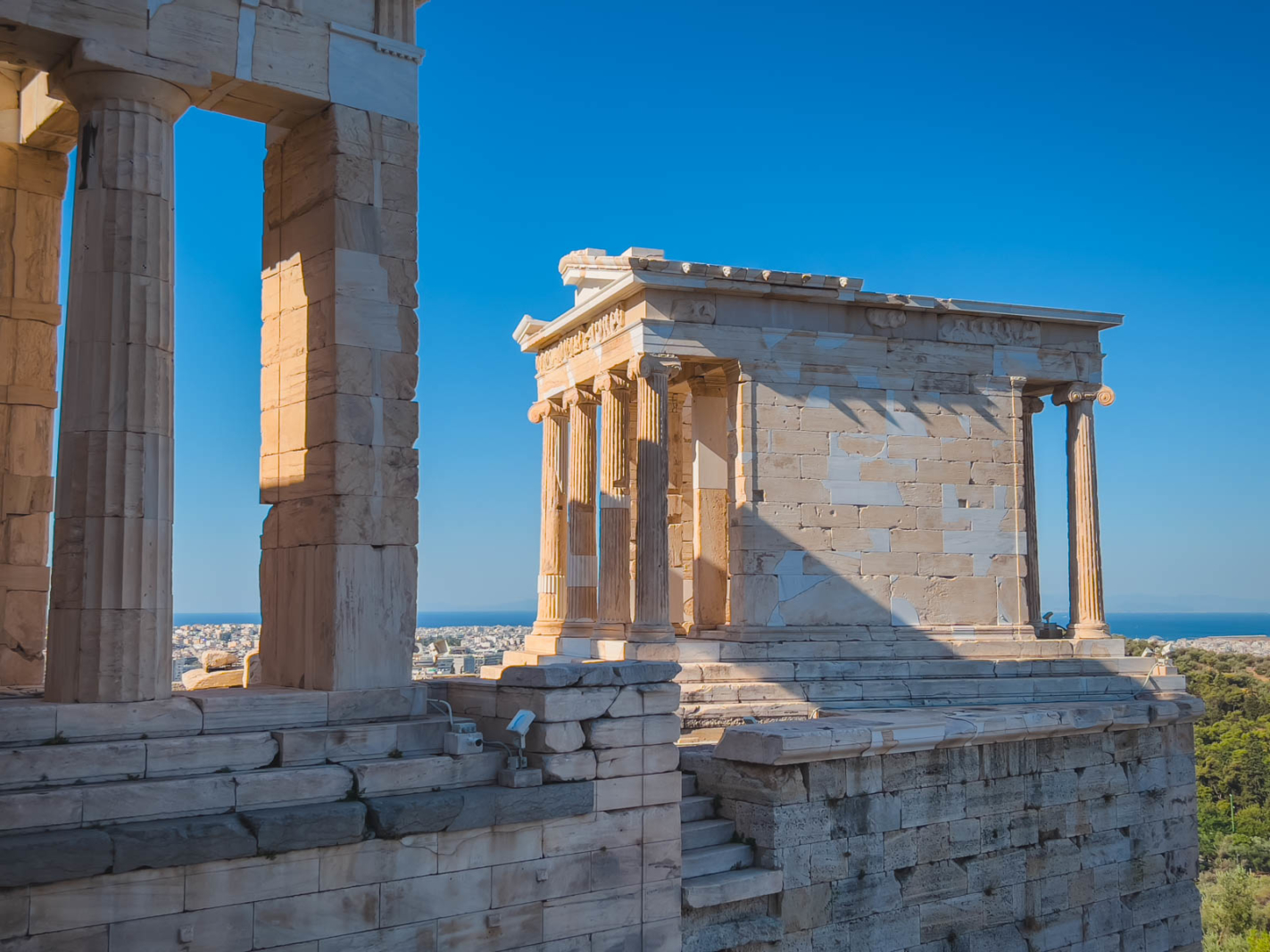
The Temple of Athena Nike is my personal favorite. It is a temple dedicated to the Goddess Athena and Nike Goddess. Athena Nike may be the smallest of the temples of the Acropolis, but I love its location standing on the edge of a high cliff.
This small yet significant temple beautiful example of Ionic architecture. Its delicate proportions and intricate details capture the eye and the imagination.Purchase skip the line tickets in advance to avoid queues.
Odeon of Herodes Atticus
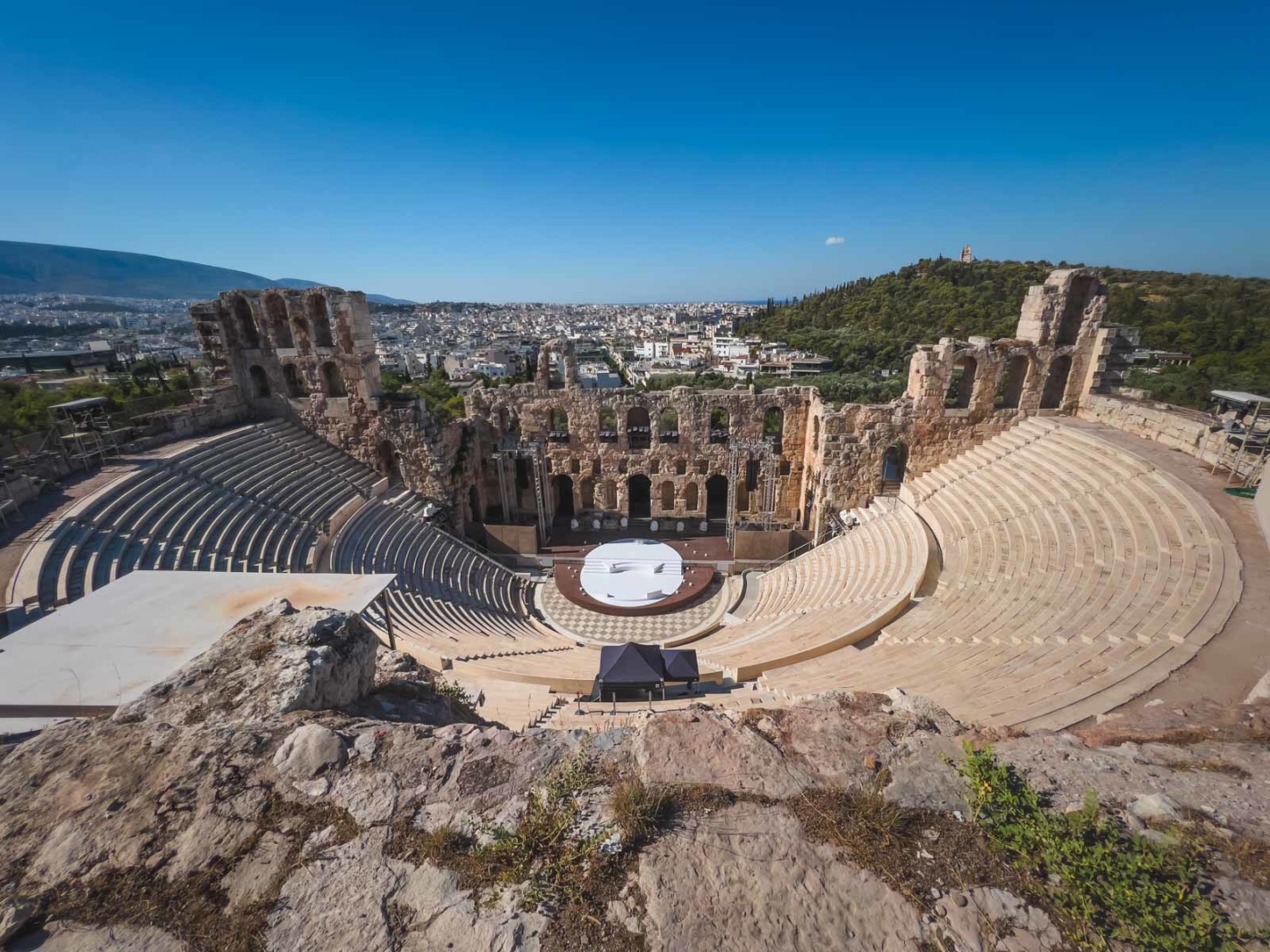
Odeon in ancient Greece was a building for singing and musical shows. In Athens, the Odeon of Herodes Atticus is the theatre that sits at the base of the Acropolis. To this day it hosts world-renowned artists, like the Foo Fighters in 2017 and Sting in 2018. See details of events at the Odeon here.
And did you know that it is still in operation? It is a once-in-a-lifetime experience to watch a concert in the oldest of venues among ancient ruins. The Odeon of Herodes Atticus is not only historic, intimate and every seat offers great views of the stage. As part of the Epidaurus Festival every summer, the Odeon hosts dozens of concerts. Don’t be afraid to attend theatre events! Unless noted specifically, theater shows will have English subtitles.
Theater of Dionysus
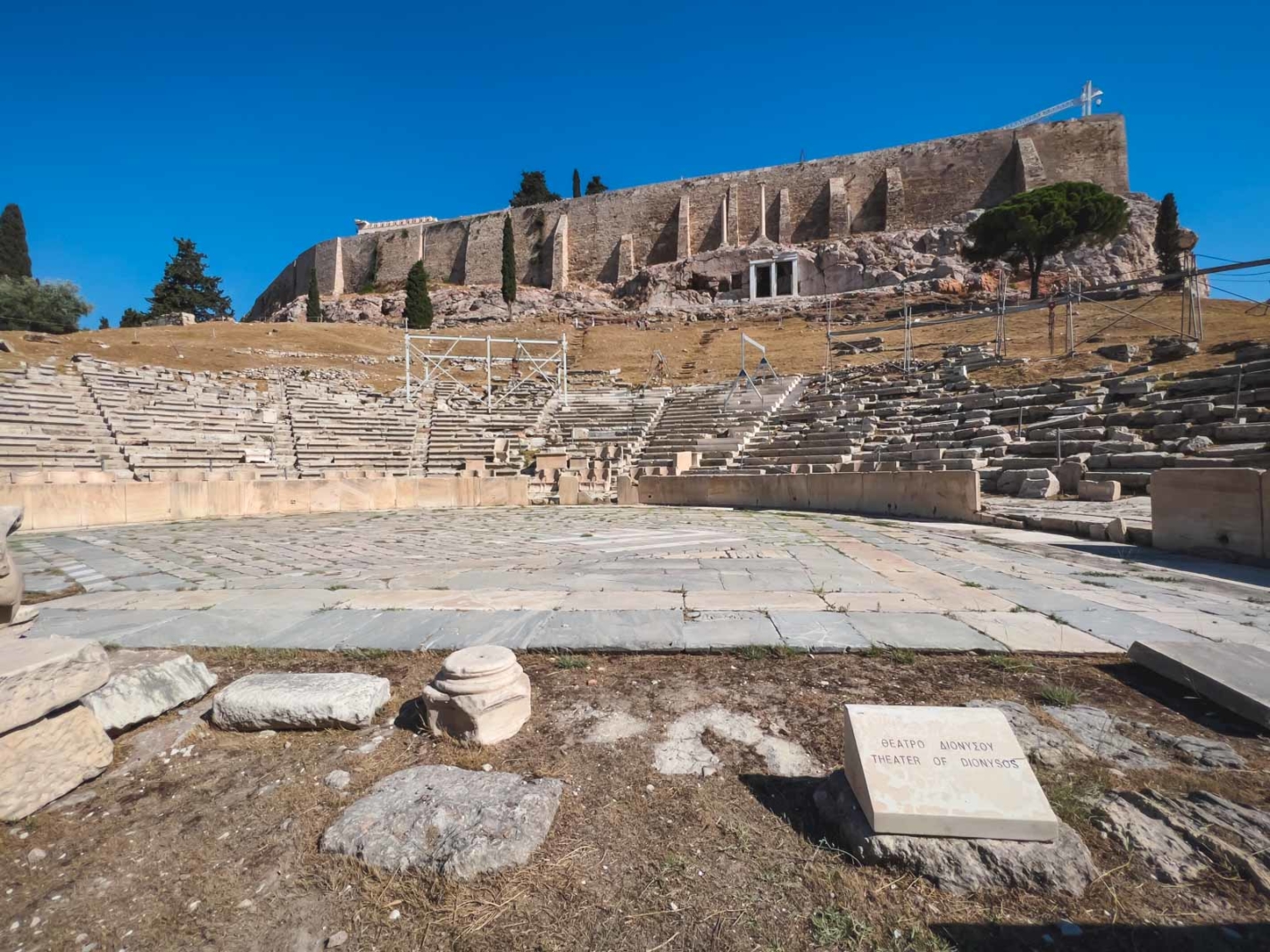
Nestled on the southern slopes of the Acropolis you will pass the Theater of Dionysus on your way down. Make sure to stop and take a look as you can get very close to its seats and on its stage.
As the birthplace of European theater, this historic site dates back to the 5th century BC and holds the distinguished title of being the world’s first theater.
It was here that iconic playwrights like Sophocles, Euripides, and Aristophanes debuted their timeless works to audiences of up to 17,000 people. The remnants of the theater, including its marble thrones and orchestra circle, whisper tales of a bygone era where art and democracy were in their nascent stages.
For those journeying through the Acropolis, pausing to immerse oneself in the atmosphere of the Theater of Dionysus is essential, offering a unique glimpse into the cultural heartbeat of ancient Athens. Stepping into the Theater of Dionysus, visitors are transported back to a time where drama and performance were not merely entertainment but a vital part of civic and religious life.
Tips for a Smooth Visit
Choose the Right Entrance: While most visitors use the main entrance on the west side, consider the lesser-known southeast entrance near the Acropolis Museum. This entrance typically has shorter lines and can save you time.
Wear Comfortable Shoes: The paths around the Acropolis are uneven and can be slippery, especially the marble steps. Wear sturdy, comfortable shoes to navigate the terrain safely.
Stay Hydrated: Athens can be hot, especially in the summer months. Bring a water bottle with you, as there are several refill stations around the site.
Sun Protection Wear a hat and use sunscree: The heat can be intense, especially in summer, with limited shade available. I personally wear a portable neck fan.
Follow the Recommended Route: Start your visit at the Theatre of Dionysus, then move up to the Asclepieion and the Odeon of Herodes Atticus. Continue to the Propylaea, the monumental gateway that leads to the top of the Acropolis, where you can explore the Parthenon, the Erechtheion, and the Temple of Athena Nike. This route offers a logical progression through the site and ensures you don’t miss the highlights.
many original statues and artifacts that were once part of the ancient buildings.
Plan for the Sun: With limited shade available, wear sunscreen, a hat, and sunglasses to protect yourself from the sun.
Capture the Best Views: For the best photos of the Acropolis, head to Areopagus Hill, located to the west of the Acropolis. This vantage point offers stunning views, especially at sunrise or sunset.
Respect the Site: Remember that the Acropolis is not only a tourist attraction but also a significant cultural and historical site. Follow all posted signs and guidelines, and do not touch or climb on the ancient structures.
Purchase Tickets in Advance: Buy your tickets online to avoid long lines at the ticket office. You can also consider purchasing a combination ticket, which includes entry to other historical sites in Athens.
Hire a Guide or Use an Audio Guide: To fully appreciate the historical and cultural significance of what you’re seeing, consider a guided tour or an audio guide.
Beyond the Stones – Acropolis Museum
Visit the Acropolis Museum: To complement your visit and gain deeper insights into the history and significance of the structures you’ve seen, visit the Acropolis Museum. Located just a short walk from the Acropolis, the museum houses
How to Get to the Acropolis and Parthenon
The most efficient route is via the Athens Metro, with the Acropolis station on the Red Line (Line 2) serving as your direct gateway. Emerging from the station, you’re a mere stone’s throw from the archaeological marvel, with clear signage guiding you to the entrance.
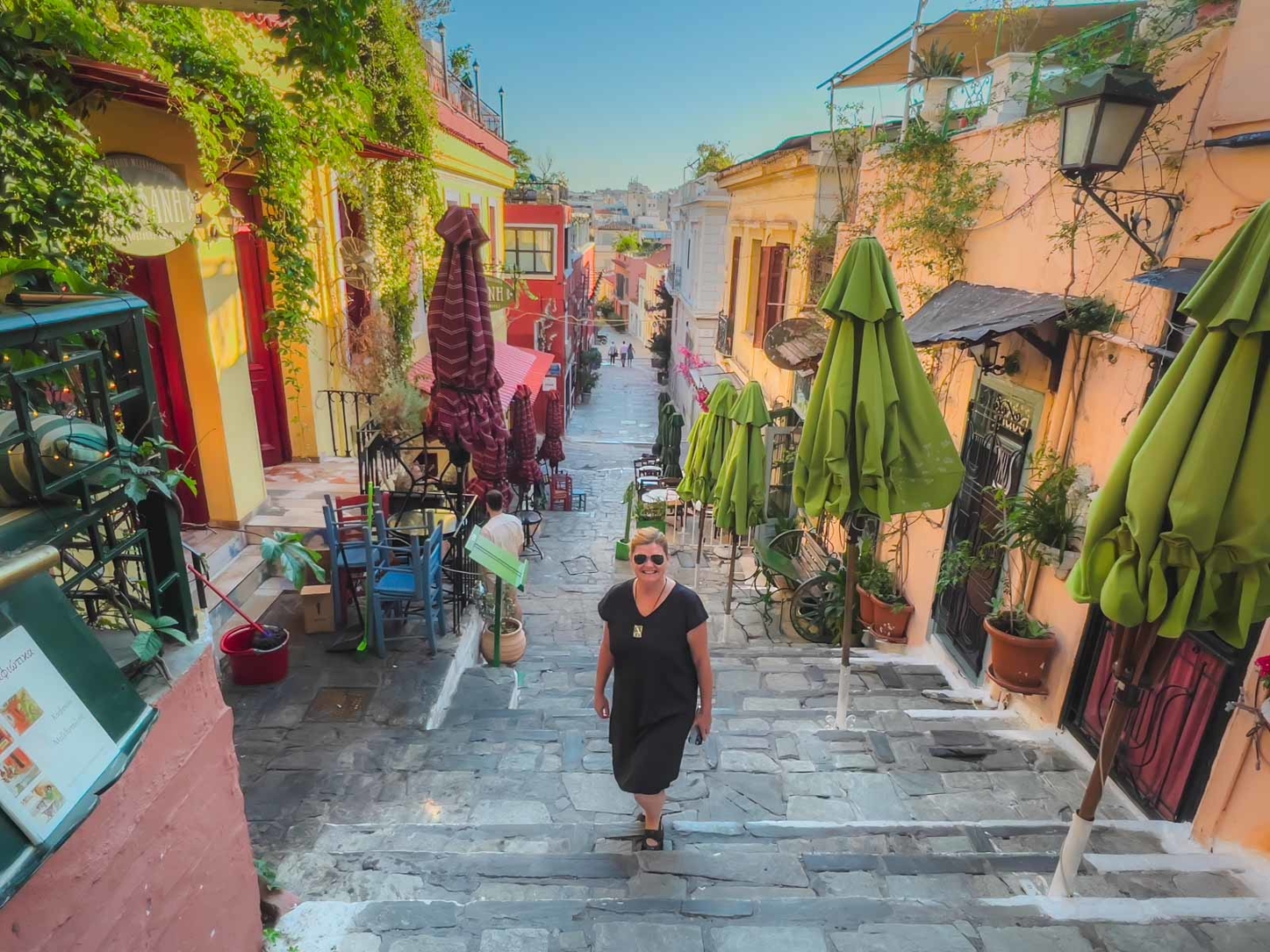
For those who prefer to soak in the city’s ambiance, a leisurely walk through the historic Plaka district reveals the layers of Athens’ rich tapestry, leading you to the foot of the Acropolis hill. Along the way, charming cafes and shops offer a taste of modern Greek culture amidst the shadows of history. Whether you choose the speed of the metro or the allure of a walk through Athens, the journey to the Acropolis is an integral part of the experience, seamlessly blending the city’s ancient past with its vibrant present, ensuring that every visitor can reach this testament to human ingenuity with ease and enjoyment.
Visiting the Acropolis is more than a walk among ruins; it’s a journey through history, art, and mythology. As you stand on this ancient ground, looking out over Athens, you’re not just a tourist—you’re a part of the ongoing story of one of the world’s oldest cities. With these tips, your visit to the Acropolis and the Parthenon will be as enriching as it is awe-inspiring. Welcome to the cradle of Western civilization.
Check out these travel guides about Athens and Greece to plan your travels
As a local who has raised a family in coastal San Diego for the past 25 years, I still marvel daily at the city’s technicolor sunsets, inspired outdoor lifestyle, and sparkling coastline. If you’d like to get in on the action, try this list of the best things to do in San Diego that I recommend to friends when they visit! So, are you ready for some California dreamin’?
Get ready for an unforgettable journey to the heart of Southern California with our guide to the best things to do in San Diego. Known for its idyllic climate, sandy beaches, and vibrant cultural scene, San Diego offers various attractions that cater to every type of traveler. From the historic charm of the Gaslamp Quarter to the natural beauty of Balboa Park and the cutting-edge exhibits at the USS Midway Museum, this coastal city on the Pacific Ocean promises to make your visit truly memorable.
Best Things to Do in San Diego
San Diego has everything, whether you want to create a family vacation or enjoy its many outdoor activities. Catch a wave at La Jolla Cove, explore the San Diego Zoo, or simply soak up the sun on Coronado Beach.
Are you ready to dive into the best things to do in San Diego, sharing insider tips to help you make the most of your visit to “America’s Finest City.” Christina Roman originally wrote this article about the best things to do in San Diego. We have updated it for 2024 with more attractions and tours to give you the most in-depth travel guide to San Diego.
Old Town San Diego
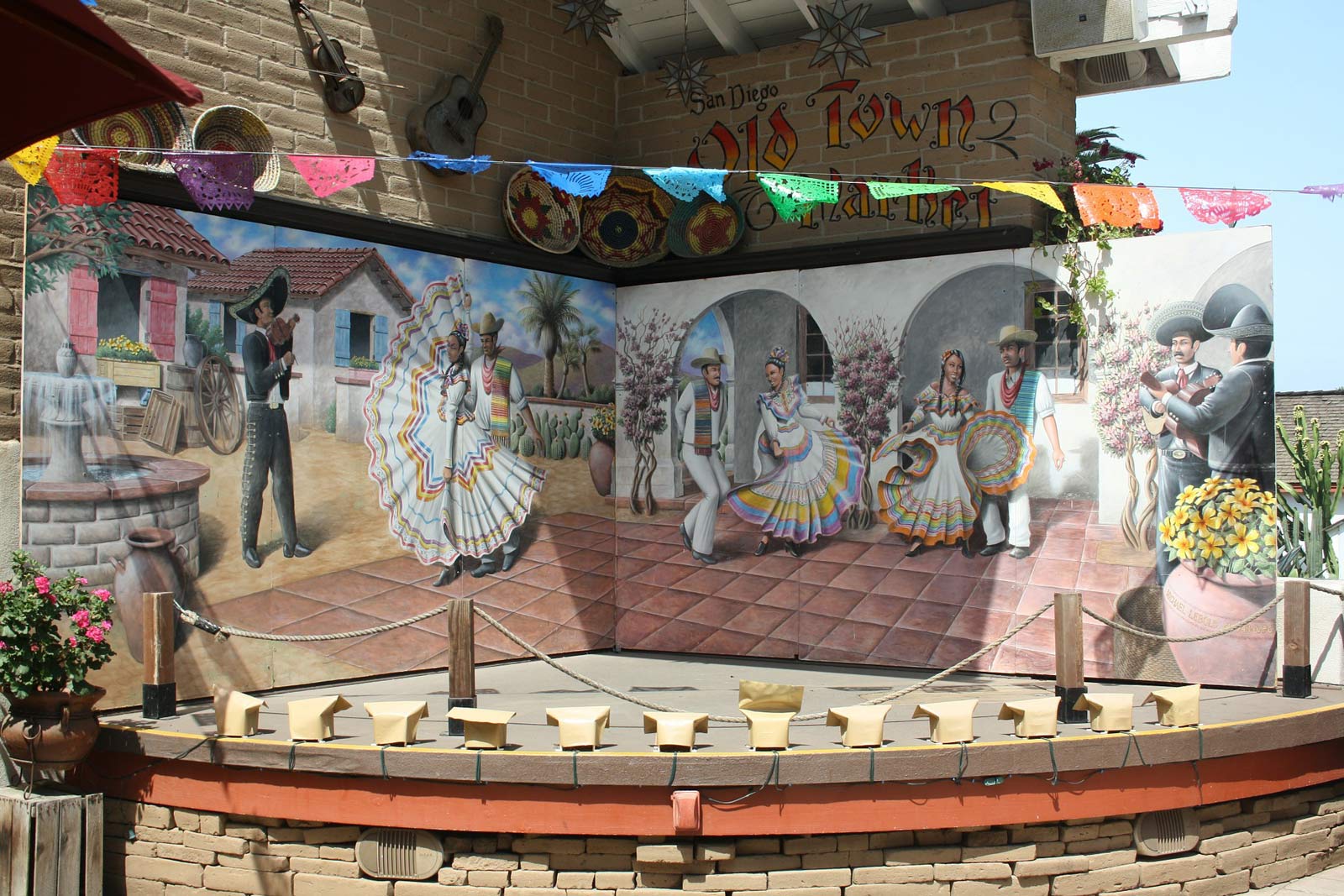
Considered the birthplace of California, Old Town San Diego traces the history of the first European settlement dating back to 1820. It was designated a State Historical Park and houses many historic buildings, including the Whaley House. The former site of the gallows has been officially designated a haunted house. Stroll through its historic sites, such as the Whaley House Museum, the old school house, and the grave yard.
A fun way to explore the historic village is to take this Tales, Tacos, and Tequila Tour. Meet at Adobe Chapel to learn of the history and marvel at its Victorian architecture while enjoying a fish taco and authentic Mexican food. The tour ends at a local distillery for a tequila tasting.
Gaslamp Quarter
Located in downtown San Diago on San Diego Bay, Gaslamp Quarter has a wild western history of shootouts and barroom brawls. It was once the red-light district and, in the 1860s, San Diego’s Chinatown. Gaslamp Quarter has 100 historic buildings, including museums and art galleries. It also has a variety of bars and restaurants.
The Gaslamp Quarter is a great place to enjoy dinner and to check out the nightlife scene. This walking tour is a fun Brothels, Bites, and Booze Tour that takes you through the historical and cultural heart of San Diego from the infamous Stingaree District while enjoying authentic Mexican food at four different restaurants with some alcohol included. Make sure to sample the craft beer scene.
If you want more nightlife when you visit San Diego, go to Solana Beach to enjoy live music at The Belly Up Tavern. It’s one of San Diego’s premier live music venues. Before catching a show, you can grab dinner at the Tavern next door.
The Strand on Coronado Island
Coronado Island is located across San Diego Bay and accessible via the iconic Coronado Bridge or a short ferry ride across San Diego Bay from downtown.
At the heart of Coronado lies the legendary Hotel del Coronado, a Victorian beachfront masterpiece that has captivated visitors since the 19th century. The American movie classic “Some Like It Hot,” starring Marilyn Monroe, was filmed here. As you approach the hotel’s entrance, be sure to note the Hollywood stars commemorating the film imprinted in the cement. When Hotel Del Coronado opened in 1888, it was the largest resort hotel in the world.
Even if you’re not staying at this beautiful luxury resort, you’ll enjoy a walk on the Silver Strand. It’s seven miles of sparkling sandy beach along the Pacific Ocean just behind the hotel. Swing by Del’s beachside café for fish tacos or head up to the swanky outdoor bar for sunset cocktails with a view. Outdoor lovers can take a bike ride along its bike paths, and water lovers will enjoy its many water sports.
Explore Balboa Park
Balboa Park – San Diego CA
As San Diego’s cultural heart, historic Balboa Park is a place of natural beauty. It is most loved for the San Diego Zoo, the city’s most famous attraction, which is one of the better zoos for conservation. But there is so much more to see and do in this 1,200-acre urban park studded with colonial architecture, outdoor activities and hidden gems.
You can spend an entire day here. Built for the Panama-California Exposition in 1915 to celebrate the opening of the Panama Canal, Balboa Park houses world-class museums, a theatre, and a science center.
Be sure to visit the glassblowers at the Spanish Village Art Center, and with kids in tow, don’t miss a ride on the beautiful carousel. If you’re searching for a meal with an ambiance to spare, make a reservation at The Prado, an award-winning indoor-outdoor restaurant in the park with accessories inspired by park collections.
You can see pandas and flamingos at the San Diego Zoo, but don’t stop there. You can also explore the Japanese Friendship Garden and a Show at the Globe Theater. The San Diego Zoo Safari Park ticket includes the Africa Tram and all regularly scheduled experiences. More Details here.
Whale Watching
However instead of visiting Seaworld San Diego or in the San Diego Zoo, why not see animals in their natural habitat? From December to April, 20,000 gray whales migrate along the coast, and you can view them from a two-story yacht with 360-degree views. Book this highly rated tour now. (easy cancelation within 24 hours of excursion for a full refund)
Embarcadero
Embarcadero is one of the city’s top waterfront destinations, with plenty of waterfront bars and restaurants. Located on San Diego Bay, Embardacero pays homage to the maritime history of San Diego with historic ships and museums.
You will also board many scenic cruises and whale watching excursions here. You’ll also see cruise ships in port here, and there are plenty of restaurants and shops. This is a great place to go for a walk to take in the views, and do some shopping, plus it is still a working fishing harbor.
It is here that you can visit the Maritime Museum of San Diego and the San Diego Museum of Art and Design, but what attracts most people to the area (besides the hotels and nightlife) is the USS Midway Museum.
USS Midway Museum
One of the top attractions in San Diego is the USS Midway, located in downtown San Diego. It is an aircraft carrier that was active from 1945 to 1992, making it the world’s longest-serving carrier from World War II to Desert Storm.
The USS Midway Museum is the world’s largest museum dedicated to aircraft Carriers. It is moored at Embarcadero in downtown San Diego, and visitors can tour its 60 exhibits and 29 aircraft on board. Onboard, you’ll relive the Midway’s exploits and hear about events that changed the world. Another good museum for nautical lovers is the Maritime Museum.
Get your skip-the-line tickets to beat the crowds on a self-guided audio tour of the longest-serving aircraft carrier in the American fleet. Spend 2-3 hours exploring its 60 exhibits, including the galley, jail, and engine room. You can also participate in the simulators and watch the films.
Seaport Village
Seaport Village is located next to Embarcadero and is a major 14-acre open-air shopping complex in close proximity to the cruise ship terminal. There are plenty of restaurants, and it is connected to the Marriott hotel 0 Where we stayed in San Diego en route to Rancho La Puerta in Mexico).
There are galleries, coffee shops, and boutiques, making for a lovely stroll through this touristy area. When visiting a new city, it is fun to visit a tourist attraction. There’s a reason they are popular. Grab some ice cream at Ben & Jerry’s and take a stroll through the 50+ shops. There is a historic carousel, and you can catch the Old Town Trolley here. Location: West Harbor Drive, San Diego CA, 92101
San Diego Harbor Cruise
San Diego Harbour
There’s no better way to admire San Diego’s spectacular coastline and skyline than from the water! So do yourself a favor and book a harbor cruise while you’re in town. Book this highly rated cruise of the San Diego Harbor to view the San Diego skyline and famous landmarks such as Coronado Bridge, Downtown San Diego, and more.
Cruise the north harbor for views of landmarks like Harbor Island and Shelter Island and frequent colonies of sea lions clustered at the base of the Point Loma peninsula. Or go south to loop under the Coronado Bay Bridge and past the aircraft carrier. Hornblower Cruises offers whale watching, dolphin-watching tours and sunset cocktail and dinner cruises.
Explore San Diego’s Tide Pools
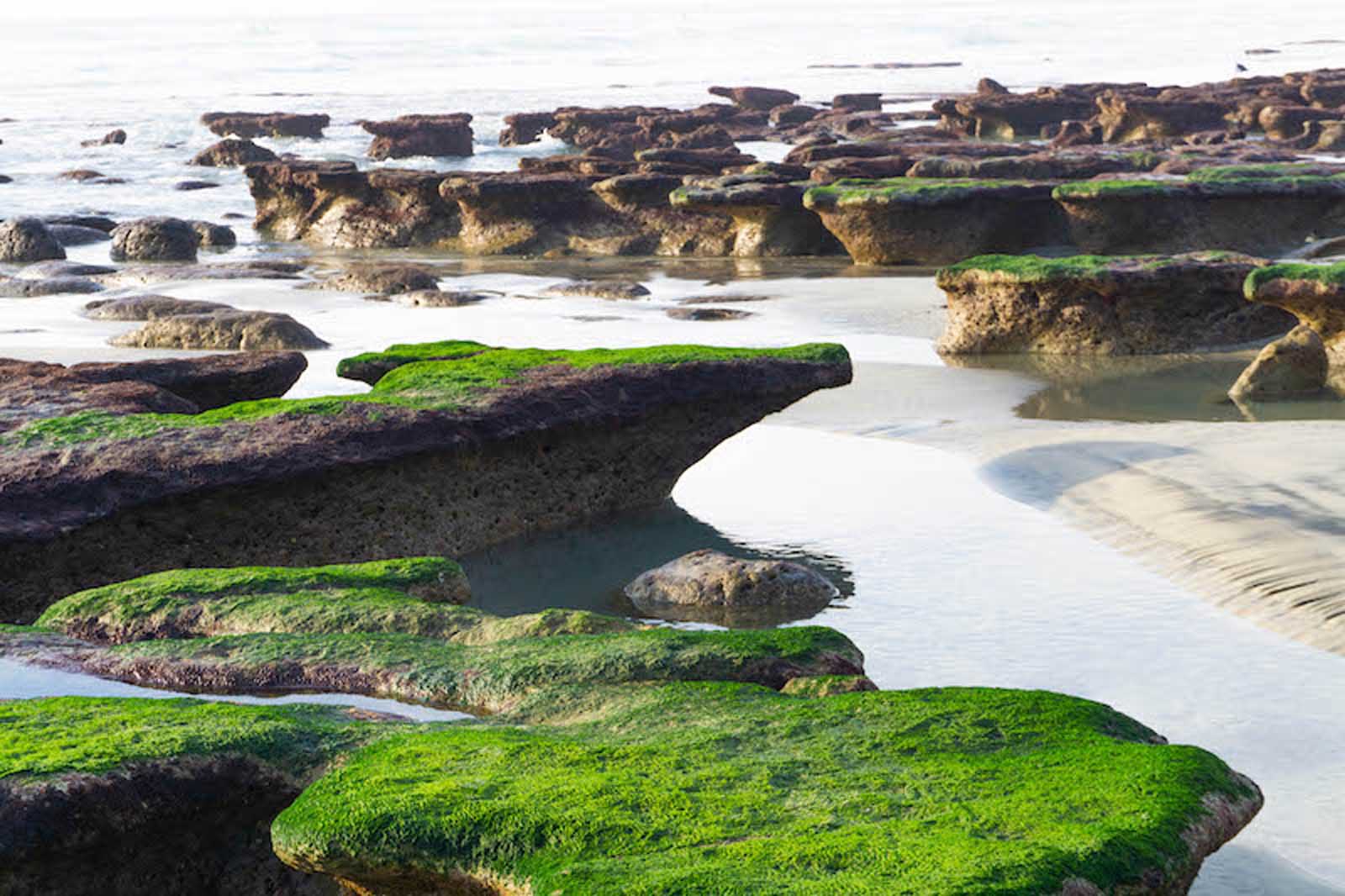
San Diegans love tide pooling, and if you want to explore the shores of California’s West Coast, this is a great activity to try. When the tide rolls out along San Diego’s 70 miles of coastline along the Pacific Ocean, tide pools are full of abundant hidden treasures if you know where to look.
Spot sea stars, hermit crabs, limpets, mussels, anemones…maybe even a shy octopus tucked into a crevice. Just remember to tread carefully in these protected marine sanctuaries and leave no trace of your visit.
Top tips for a successful tide pooling adventure: Check an ocean’s tide chart before you head to any of the San Diego beaches. Time your visit for a negative tide if possible. In fact, low tides in November to February make winter tide pooling especially rewarding.
Belmont Park
One of San Diego’s most enduring tourist attractions is Belmont Park, an old amusement park dating back to 1925. Amusement parks are always fun for the whole family, and this one has bumper cars, mini golf, and arcade games. But don’t miss the Giant Dipper Roller Coaster, a wooden roller coaster that was designated a National Historic Landmark in 1987.
Hike Torrey Pines State Natural Reserve
Torrey Pines State Reserve
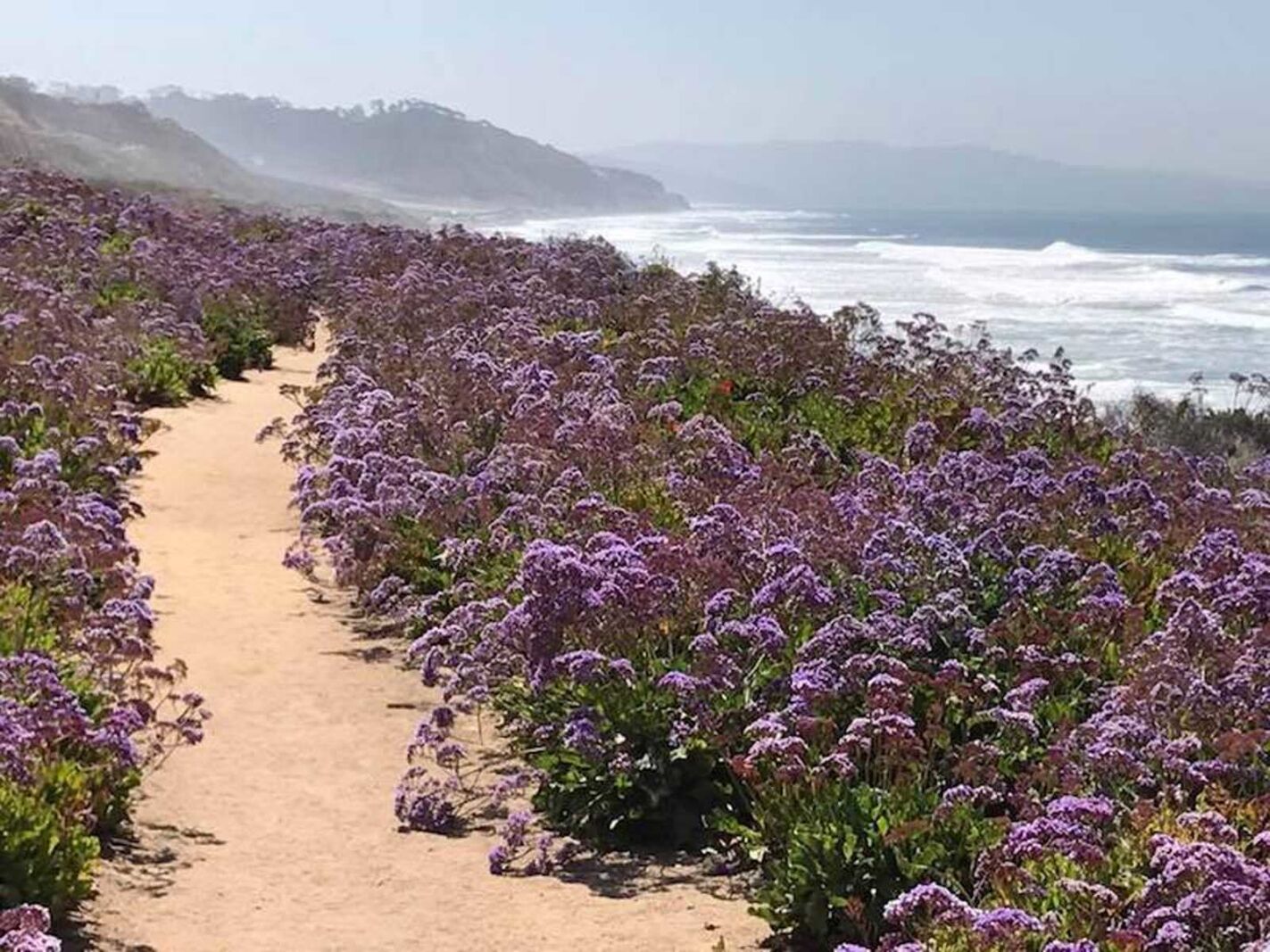
Torrey Pines State Natural Reserve, in coastal La Jolla, is one of the wildest stretches of the Southern California coast. Whether you’re a seasoned hiker looking for a challenge or a family with young children or mobility-impaired adults, you’ll find plenty of hiking trails big on sweeping coastal views and sage-covered chaparral on Torrey Pines State Beach.
Breathe in the fragrant Torrey Pines on a short loop hiking trail or take a rustic footpath that descends from the bluffs through the upper reserve 300 feet to the beach. Hiking trails in the nearby Reserve Extension along the creek bed can be especially scenic during spring wildflower season. Read more about hiking in California: 15 Best Hikes in California – Inspiration to Get Outdoors
Paraglide at Torrey Pines Gliderport
If you are looking for some more excitement, the Torrey Pines Gliderport has one of the best views of San Diego and is a launchpad for paragliders. If you ever wanted a bit of adrenaline, paragliding is a great introduction to skydiving. It gives a birds eye view of the coast without having to jump out of a plane.
If you want to spend the day at Coronado Island, , book this walking tour t to see the highlights. It includes a stroll to Star Park, where the “Wizard of Oz” house is located, a visit to Coronado Beach, and a walk by multi-million dollar homes that line Ocean Boulevard. You can also take a tour of Hotel del Coronado and enjoy a treat at a local eatery.
On your way to Coronado Island, stop at Chicano Park under the Coronado Bridge, where you’ll find the largest collection of outdoor murals in America. It’s located in Logan Heights. Address: 2043-2085 Logan Ave. San Diego, CA 92113
La Jolla Cove
If you love the beach, you’ll love La Jolla. La Jolla Cove boasts a wide beach that is perfect for spending sunny days lounging on the sand while sea lions bask on the Beach.
There’s fresh Mexican cuisine and many boutique shops in the area to go shopping. If you want to go snorkeling, this is the place to do it, with calm waters and plenty of marine life. It also hosts Mount Soledad, the Birch Aquarium, a handful of museums, and enough adventure tour companies to keep you active for days.
Head to La Jolla to take a dip at swank La Jolla Shores, or check out Windansea for great surf breaks and scenery. Del Mar is a family-friendly, dog-friendly beach popular for picnics and weddings. Or head north to locally loved Moonlight Beach or Beacon’s Beach in Encinitas to skip the tourist crowds.
You can hire an instructor at one of San Diego’s popular beaches – Mission Beach, Ocean Beach or Pacific Beach or La Jolla Shores.
Mission Beach
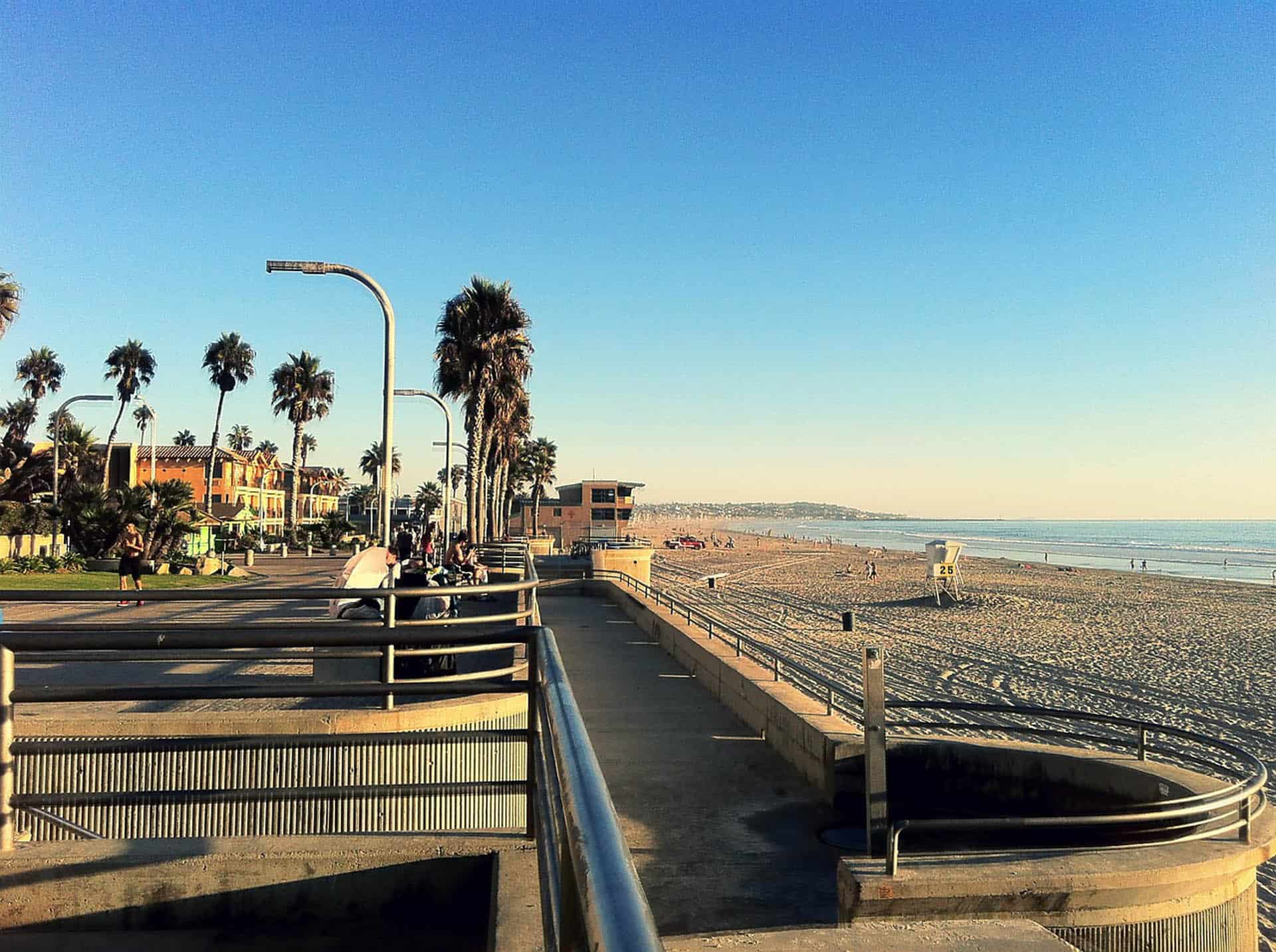
Mission Beach is a 2 mile long boardwalk filled with restaurants, nightlife and beach activities. along a long sandy beach Take a walk along the boardwalk for gorgeous views of the coast. It starts at Belmont Park where all the action happens, but you can make your way south to this quieter section of the beach.
There are plenty of water sports from surfing and boogie boarding to kiteboarding and fishing. If you want to go for a ride, this is definitely the place to rent a bicycle.
Pacific Beach
Another great beach community in San Diego is Pacific Beach. This 3-mile-long beach and boardwalk has a party atmosphere and has plenty of trendy restaurants and bars to show you a good time all day and night. North Pacific Beach has calm waters with lifeguards on duty, making it popular with families, and Tourmaline Surfing Park is popular for surfing. You can rent bicycles to explore Pacific Beach Drive and make sure to take a walk out to Crystal Pier.
Ocean Beach
Ocean Beach is a casual neighborhood where alternative lifestyles are not just welcomed but embraced. Walk along the main street past all types of restaurants, boutiques selling tie-dye everything, healing crystal shops, and taco stands.
Street art covers formerly bare walls, and the sun is usually shining afternoon—once the marine layer of fog burns off. Make sure to walk along Ocean Beach Pier and check out the Ocean Beach Farmers Market. It is full of organic food stalls, and they even put on live music!
Children’s Pool Beach
Contrary to its name, Children’s Pool Beach is not a beach for children to swim due to the sea lion population that has overtaken its attractive, calm waters. The beach was designated in 1931 as a beach for kids to safely swim after building a sea wall to create calm waters and pool-like conditions. But the local marine life found this attractive as well and now mothers come to the beach from December to May to have their pups. If you want to get up close and personal with sea life, this is a great place to view them.
Sunset Cliffs Natural Park
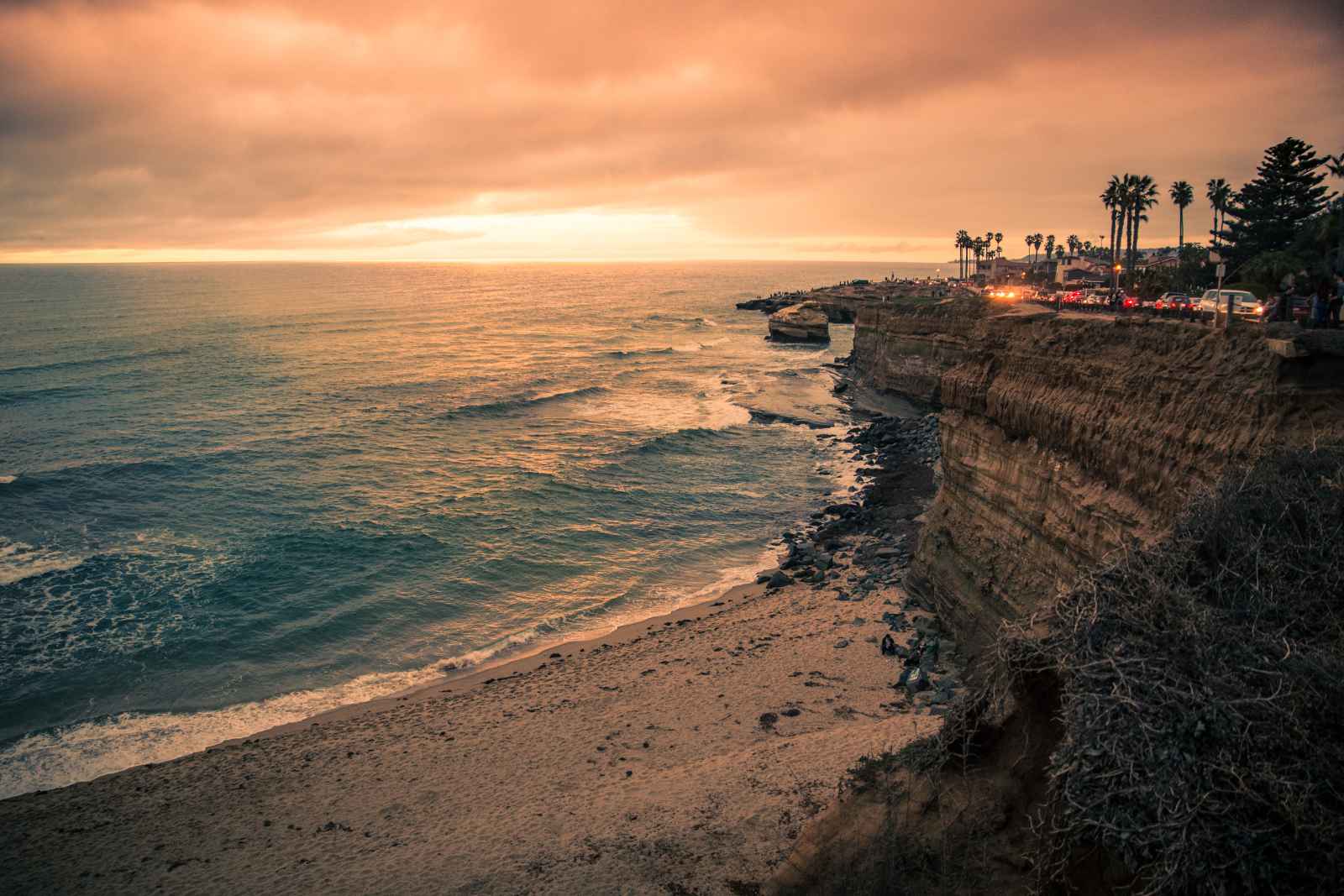
As its name suggests, Sunset Cliffs is one of the best places for sunset in San Diego. The 68-acre natural park has tidal pools, sea caves, and sea arches.
Sunset Cliffs Natural Park stands out as a natural wonder in Diego, offering some of the most awe-inspiring views and tranquil moments that nature can provide. Perched along the western edge of Point Loma, Sunset Cliffs Natural Park spans 68 acres of rugged cliffs, expansive ocean vistas, and intricate cave formations, making it a photographer’s paradise and a nature lover’s haven.
The journey to Sunset Cliffs Natural Park is easily accessible by car or public transport, with parking available along the street. As the golden hour approaches, people gather to witness the sun dipping below the horizon, painting the sky with vibrant hues—an experience that encapsulates the essence of San Diego’s natural beauty.
Beyond the sunset, the park’s walking trails and hidden beaches offer a peaceful escape from the city’s hustle and bustle. Whether you’re in downtown San Diego or exploring the broader area, a visit to Sunset Cliffs Natural Park is an unforgettable addition to any itinerary, embodying the serene and picturesque side of California’s coastal wonders.
Point Loma
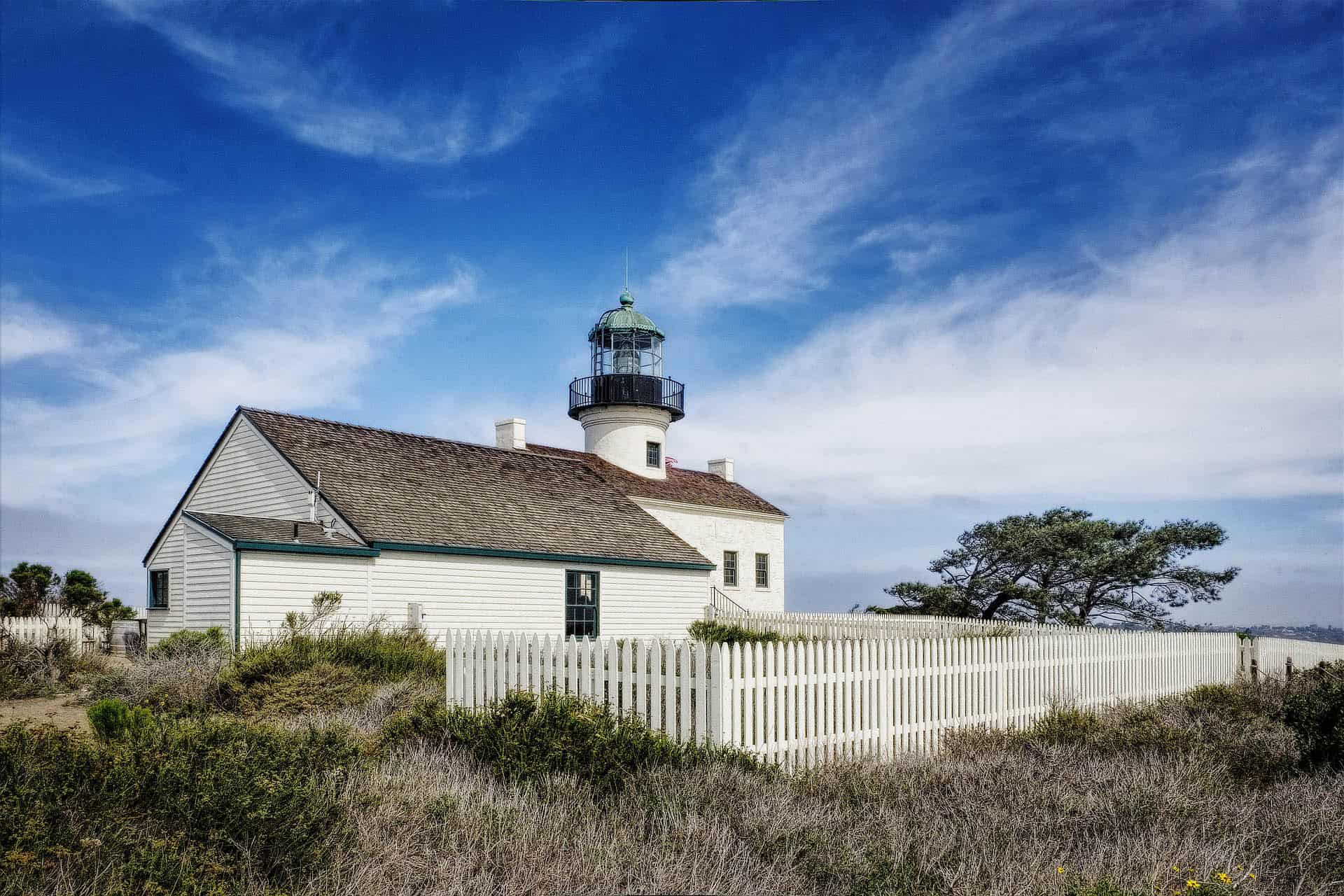
Another San Diego Museum to visit is the Old Point Loma Lighthouse. Located at the southern tip of Sunset Cliffs, Point Loma is a good stop before dusk to learn about the history of this historic lighthouse that dates back to 1855. Address: 1800 Cabrillo Memorial Dr, San Diego, CA 92106
Cabrillo National Monument
This monument is dedicated to the first European explorer Juan Rodriguez Cabrillo who explored the coast of California in 1542. It is located at the south end of Point Loma and while it is an interesting point in history, it’s a good place to visit for the views of the Coronado, city skyline and on a clear day, you can see Tijuana. It has often been touted as the best view in San Diego. You can also take a stroll along the 2.5-mile Bayside Trail and you can make your way down to explore the tide pools here as well. A trip here is often combined with the lighthouse.
Little Italy
San Diego’s Little Italy neighborhood has been channeling the mother country since 1920 in this pedestrian-friendly enclave of adorable Italian boutiques, quaint patios, and drool-worthy fare.
Be sure to swing by the phenomenal farmer’s market on Wednesdays and Saturdays. More than 200 tents of local entrepreneurs, family farms, and artisan grocers offer everything from local art and olive oil to handmade crafts and one-of-a-kind keepsakes and gifts.
Whatever you do, don’t miss the opportunity for a meal here. (The experience takes me immediately back to some of my fondest days in Italy) It’s hard to go wrong with a meal here so consider browsing the menus on chalkboards on the main drag to see what strikes your fancy.
Then stop for gelato around the corner at Pappalecco. Looking for grab-and-go sandwiches for the beach? Swing by Mona Lisa, a world-class Italian grocer and deli.
Botanical Gardens
When I’m traveling, I love to immerse myself in a local garden to see what’s growing and enjoy a sweet reprieve from all the urban activity. I recommend the gorgeous San Diego Botanic Garden in coastal Encinitas, North County San Diego. (This is a surfer town so stay for fish tacos, window shopping and the laid back nightlife vibe on the 101.)
The Botanic Garden is a treasure. In just an hour or two, you’ll meander through a desert garden, a tropical rain forest, a swath of impressive succulents, and marvel at the lovingly tended California native plants. Take a breather under the rare bamboos or next to the 60-foot waterfall. A visit here is a memorable addition to any San Diego itinerary.
Catch a Sam Diego Padres Game a Petco Park
Baseball is America’s favorite pastime and when visiting San Diego, you can watch the San Diego Padres play at what is the best baseball stadium in the major league, Petco Park.
It’s located right downtown San Diego with great views of the skyline from this state of the art attraction. If you can’t make a game, you can always book a stadium tour where you’ll go behind the scenes to visit the Padres Hall of Fame, visit the Clubhouse, the Major League dugout, press box and more!
Getting Around San Diego
Our #1 Money Saving Tip to explore San Diego – Purchase a San Diego Pass They are valid for 12 months and you can get them for 1-7 days
San Diego is California’s second-largest city. If you plan on seeing a lot of the city and surrounding area, its best to rent a car for your trip. Downtown San Diego is easily walkable and has trolley system with over 50 stops. Tickets for the Red Trolley are between $0.50 – $3.00. The Old Town San Diego Trolley stops at 11 places and even comes with a narrated tour. For more information on times check out their website. The beach and inland neighborhoods of San Diego are less accessible with public transport, so you’ll want to hire a car.
San Diego is just a short distance from the San Diego International Airport. You can easily get downtown by bus line 30 or tram line 140. You can also grab a taxi but we like to book a private transfer from the San Diego airport. We use this airport transfer service whenever we travel. It’s hassle-free and your driver meets you at arrivals with your name. Easy cancellation and last-minute bookings.
Planning a Trip to San Diego
If you are planning to visit San Diego, read our complete guide to where to stay in San Diego. It breaks down the best neighborhoods for each type of traveler. From beach lovers to families, the best nightlife and first timers, we’ve got you covered. Read about it here: Where To Stay In San Diego – The Best Neighborhoods & Areas
Suggested hotels
Kimpton Solamar Hotel – Located in the heart of the Gaslamp Quarter and featuring Free WIFI, Rooftop Pool & free wine tasting! This is the usual Kimpton Luxury experience. Staypineapple at Hotel Z – A romantic hotel with quirky decor. It is pet friendly and offers free Wifi and is walking distance to almost everything. USA Hostels San Diego Downtown – Built back in 1880 this hostel offers mixed dorms, free WIFI, Free Breakfast, and a vibrant new age decor. The Heart of the City – Located in the heart of the Gaslamp Quarter. This is a 2nd Floor Expansive unit with lots of space. with 2 bedrooms and 1 bath, it is perfect for families or couples. It also comes with access to a parking space and is close to everything.
San Diego CityPass
Grab yourself a San Diego City Pass to really take advantage of everything the city has to offer. Some of San Diego’s top attractions are included in the pass with admission to:• San Diego Zoo Safari Park• Belmont Park all access combo pass• One hour San Diego Harbor cruise• Museums including San Diego Natural History Museum• Knott’s Berry Farm and more!
When to visit San Diego
There is really no bad time to visit San Diego. It has great weather year-round. But the best deals can be found in shoulder season from March to May and September to November. San Diego sees the most rain during the winter months. January and February are the coldest months hovering around 65 degrees farenheit. But May and June can be overcast and gray.
So there you have it, all of the must see attractions in America’s Finest City. There is no shortage of things to see and do at this year round destination. From catching some rays on the beaches of La Jolla, taking in Balboa Park’s 17 museums, or strolling the boardwalk at Mission Beach, you will find something that interests each member of the family. So what are you waiting for? Start planning your trip to Southern California today.
Tucked away in the lush landscapes of the Cayo District in Western Belize, San Ignacio is a gateway to ancient Mayan ruins, eco-adventures, and a melting pot of cultures. Often referred to as the heart of Belize’s eco-tourism, San Ignacio is a land of adventure and discovery. For those plotting their adventure to this quiet corner of the world, San Ignacio, Belize, promises an itinerary of unforgettable experiences. Let’s dive into the best things to do in and around San Ignacio, ensuring your visit is nothing short of spectacular.
San Ignacio – The Gateway to Western Belize
San Ignacio is a small town in the Cayo District, the largest district in Belize. Located in Western Belize, it comprises the twin towns of San Ignacio and Santa Elena and Belize’s capital city of Belmopan. Together, they make up the largest settlement in Belize.
Located on the west bank of the Macal River, it is the sister city to its twin town, Santa Elena. San Ignacio in the west is a bustling hub of tourism, culture, history, and commerce, offering plenty of markets, restaurants, and accommodations.
Santa Elena, on the east, complements its twin town of San Ignacio with a more residential vibe yet contributes equally to the area’s charm and resources. The Macal River divides the towns, which are connected by the iconic one-lane Hawksworth Bridge, Belize’s only suspension bridge.
Together, these towns are known as the twin towns and act as the gateway to countless adventures in the Cayo District, from exploring ancient Mayan ruins like Xunantunich and Caracol to embarking on outdoor escapades in the vast rainforest and network of caves.
What to Expect When You Visit San Ignacio
The town of San Ignacio has a vibe of being laid-back yet bustling with activity from its colorful markets, welcoming locals, and an array of eateries serving delicious Belizean cuisine. It is a relatively small town, so you can easily walk around the downtown area and not need to worry about public transportation.
It offers a rare blend of adventure and relaxation and is worth visiting on anyone’s Belize itinerary. In this San Ignacio guide, we will share all of the amazing things you can do in the heart of Western Belize, from eco-adventures in the rainforest to exploring underground caves and staying at luxury lodges. From San Ignacio, you have easy access to some of the best attractions in Belize.
Things to do in San Ignacio Belize
There are a few things to do in downtown San Ignacio, but when you visit San Ignacio, you will spend most of your time exploring its nearby attractions on day trips. When staying in San Igancio, you will want to book at least three nights to enjoy all of the amazing eco-adventures. In this San Ignacio travel guide, we will give you an idea of all the things to do when you visit San Ignacio to help you decide how many nights to spend in the area and what outdoor activities you want to explore.
1. Relax at Hidden Valley Wilderness Lodge
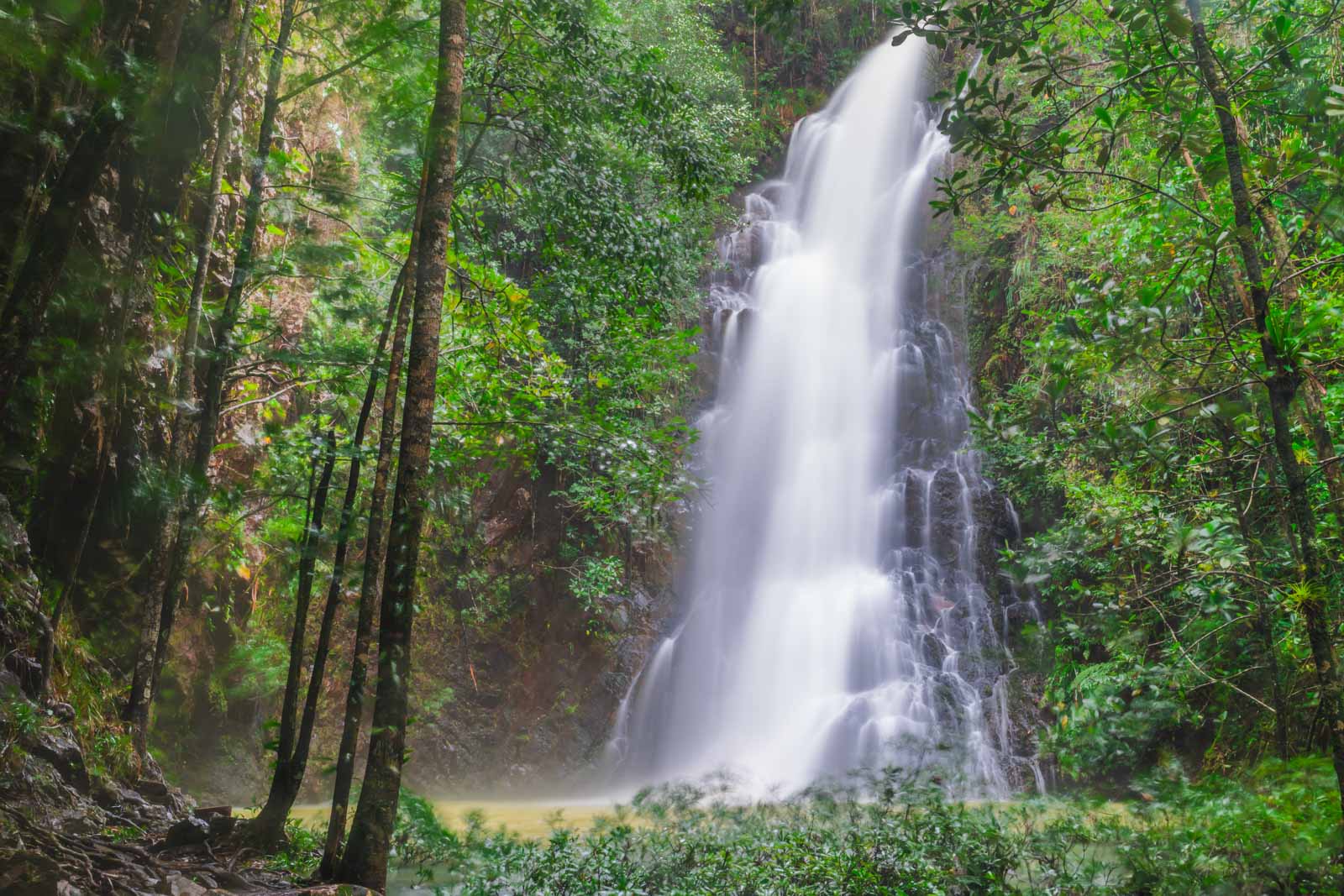
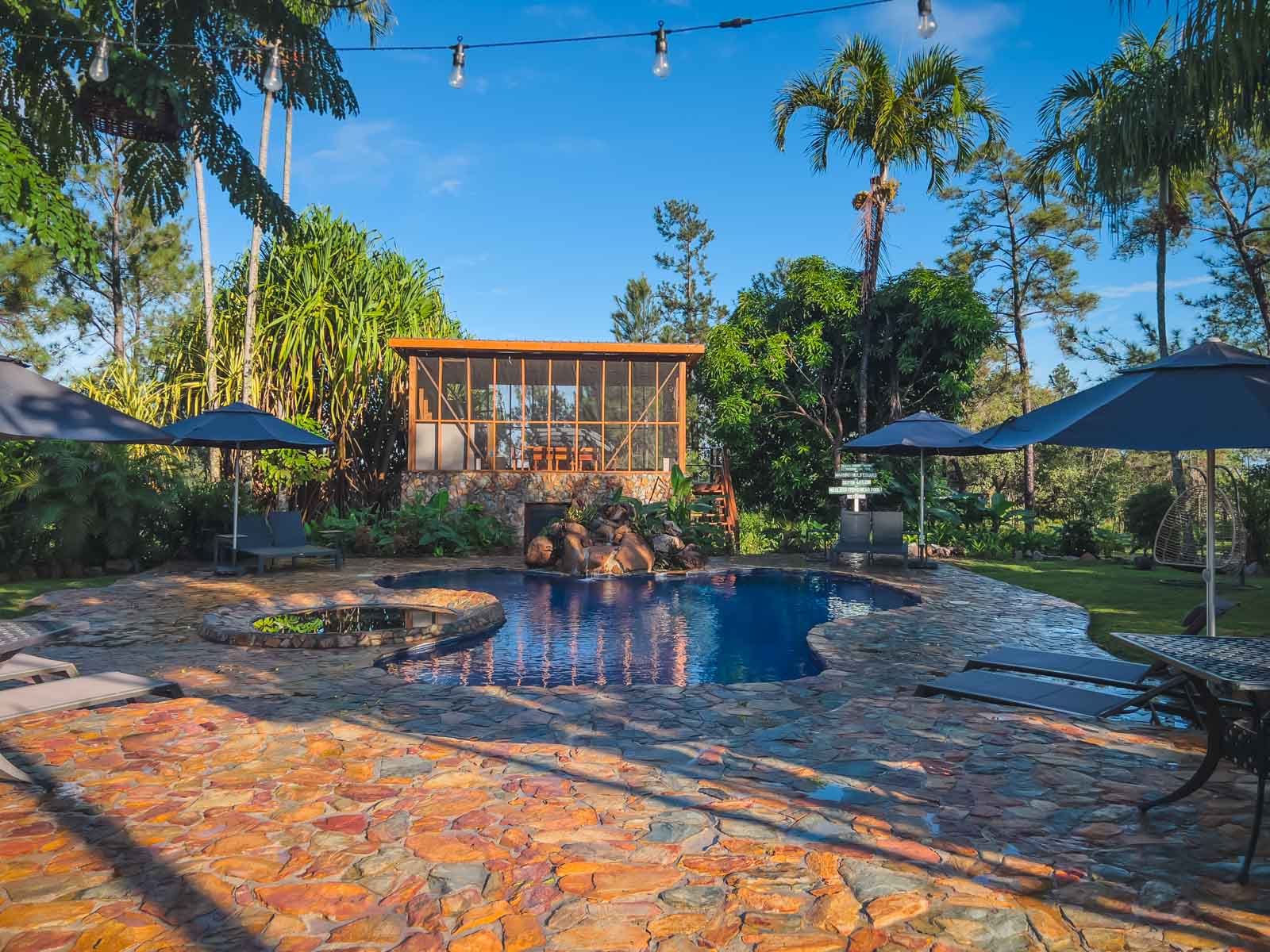
We spent four nights at the ultimate luxury Resort in Belize, located just outside San Ignacio. Surrounded by Pine forests, waterfalls, and beautiful views, this was our home base for exploring San Ignacio and its nearly Maya Ruins and eco-adventures.
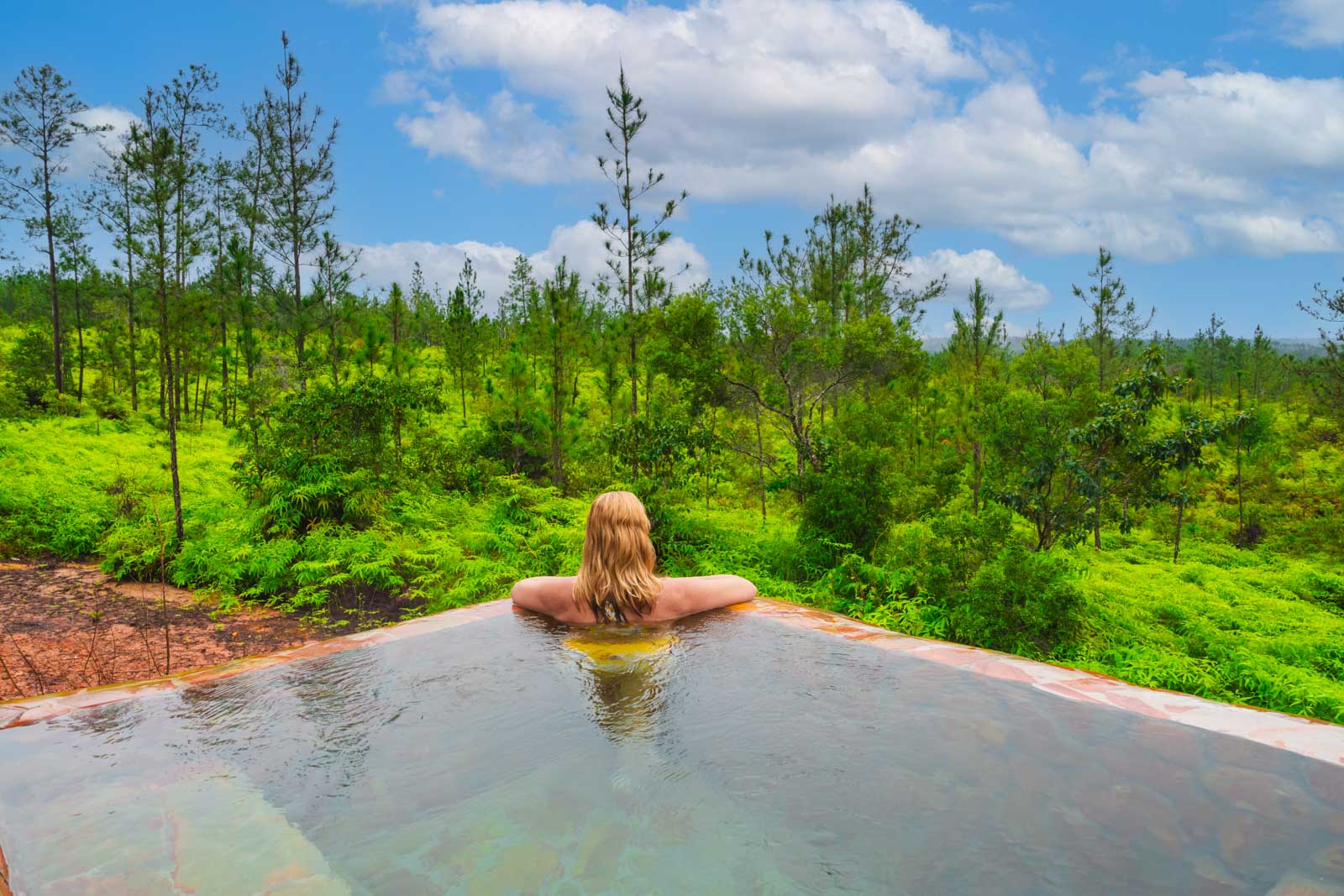
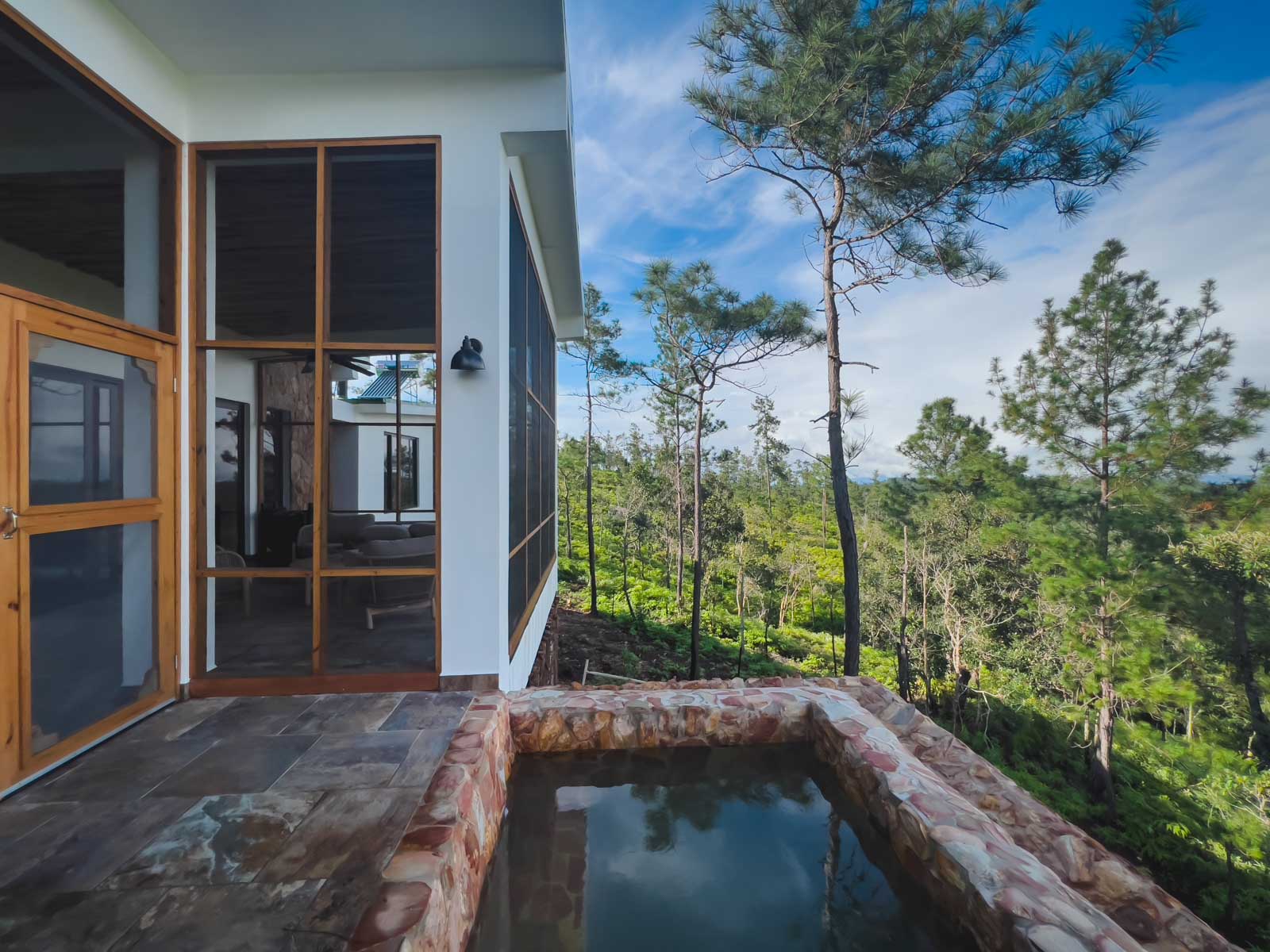
Hidden Valley Wilderness Resort is located in the center of the 7000-acre Mountain Pine Ridge Reserve. It offers visitors the lap of luxury, with fine dining, impeccable service and design, and incredible villas complete with plunge pools and rainforest showers. The resort also offers eco-tours in a jungle setting. Our private room had views of the pine forest, a hot plunge pool, two fireplaces, and air conditioning.
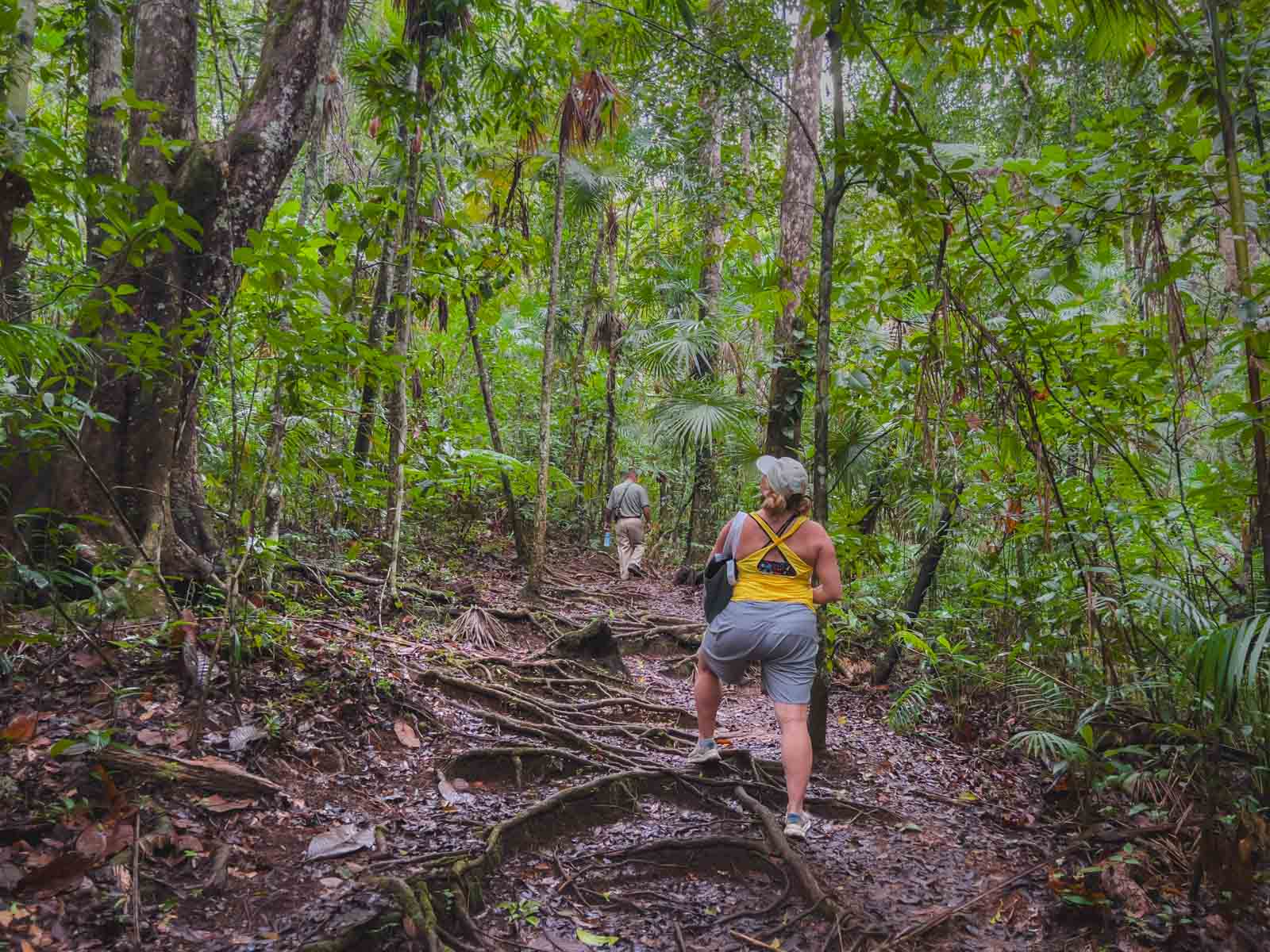
Making a base at Hidden Valley Wilderness Lodge allowed us to explore the Mountain Pine Ridge Forest Reserve freely. They offer guided tours and independent hiking to waterfalls. We could even enjoy a picnic lunch at one of its many waterfalls. The resort offers massage, cooking classes, and day trips from the resort.
2. Mountain Pine Ridge Forest Reserve
The Mountain Pine Ridge Forest Reserve is a haven for nature lovers and can be visited even if you are not staying at Hidden Valley Wilderness Lodge.
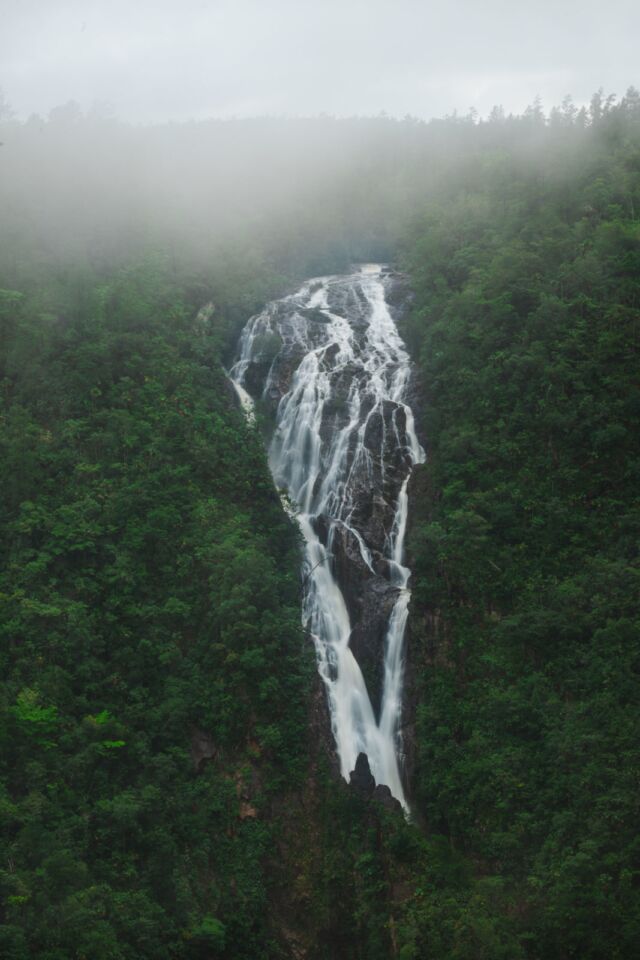
You will need to take a guided tour, but it is worth it as Mountain Pine Ridge is home to stunning waterfalls, such as Big Rock Falls and Rio On Pools, as well as the Rio Frio Cave. It’s an ideal forest to spot wildlife, go hiking and bird watching. Mountain Pine Ridge Forest Reserve is one of the premier places in the world for bird watchers seeking exotic birds to check off their bucket lists worldwide.
3. Ancient Maya City of Caracol
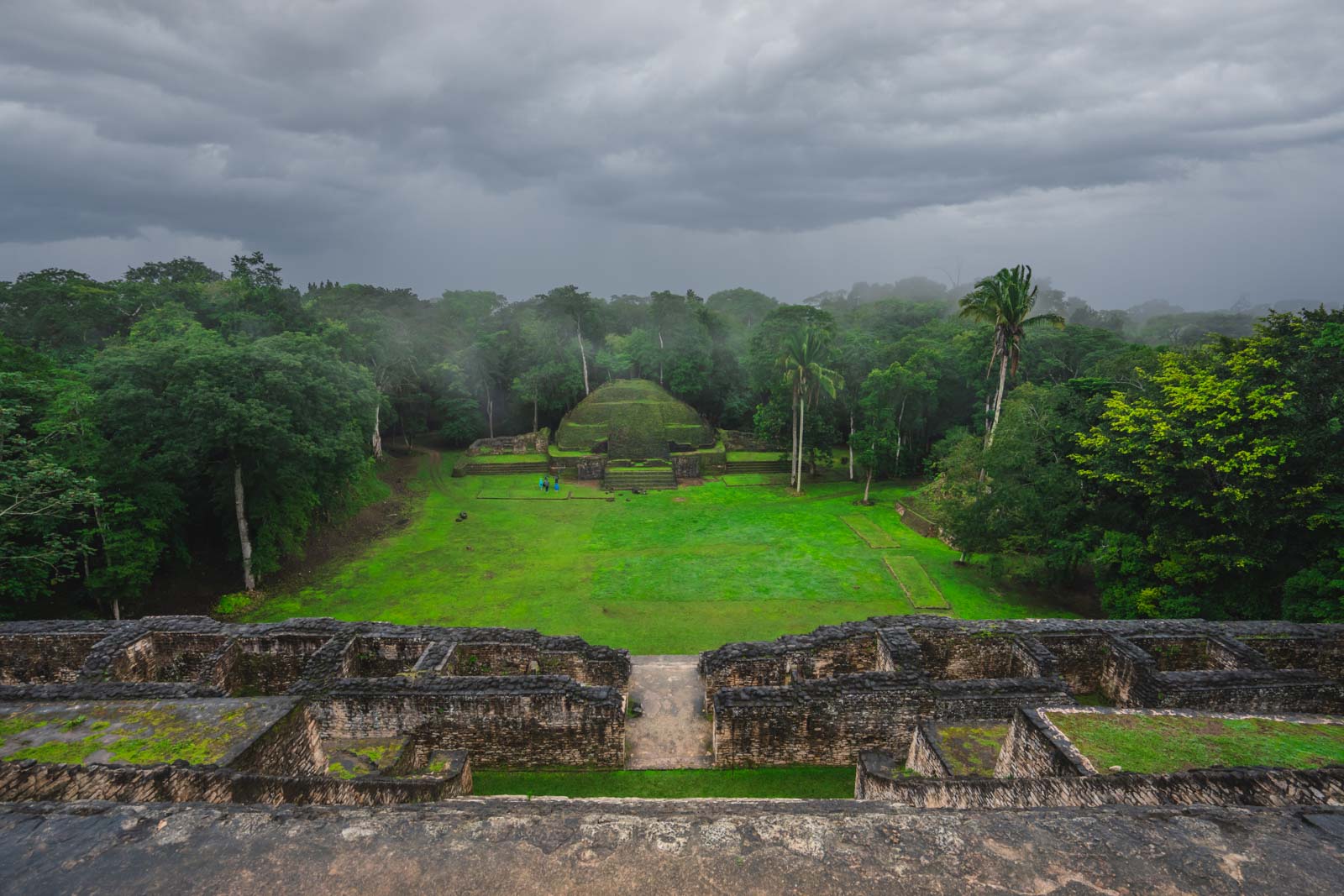
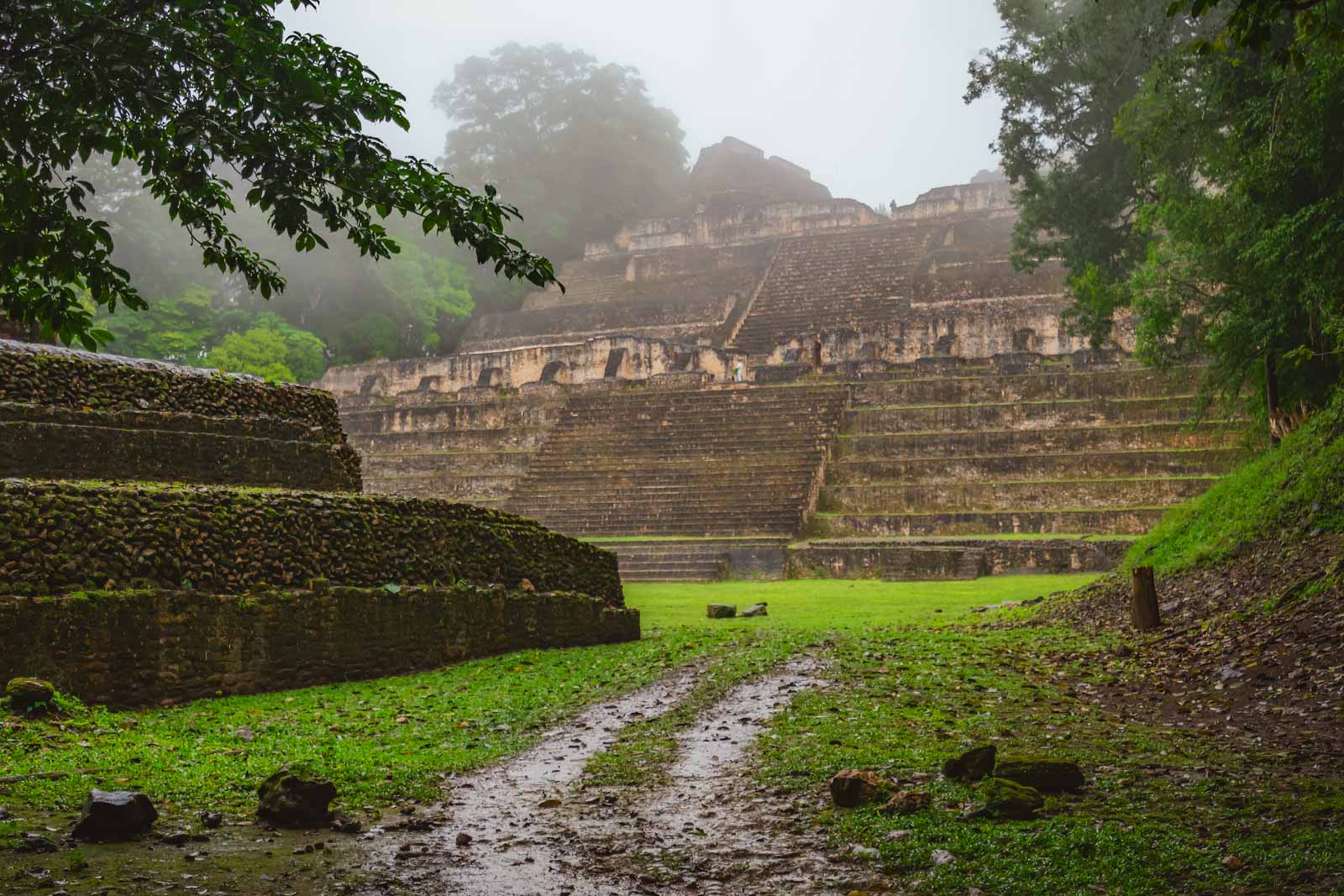
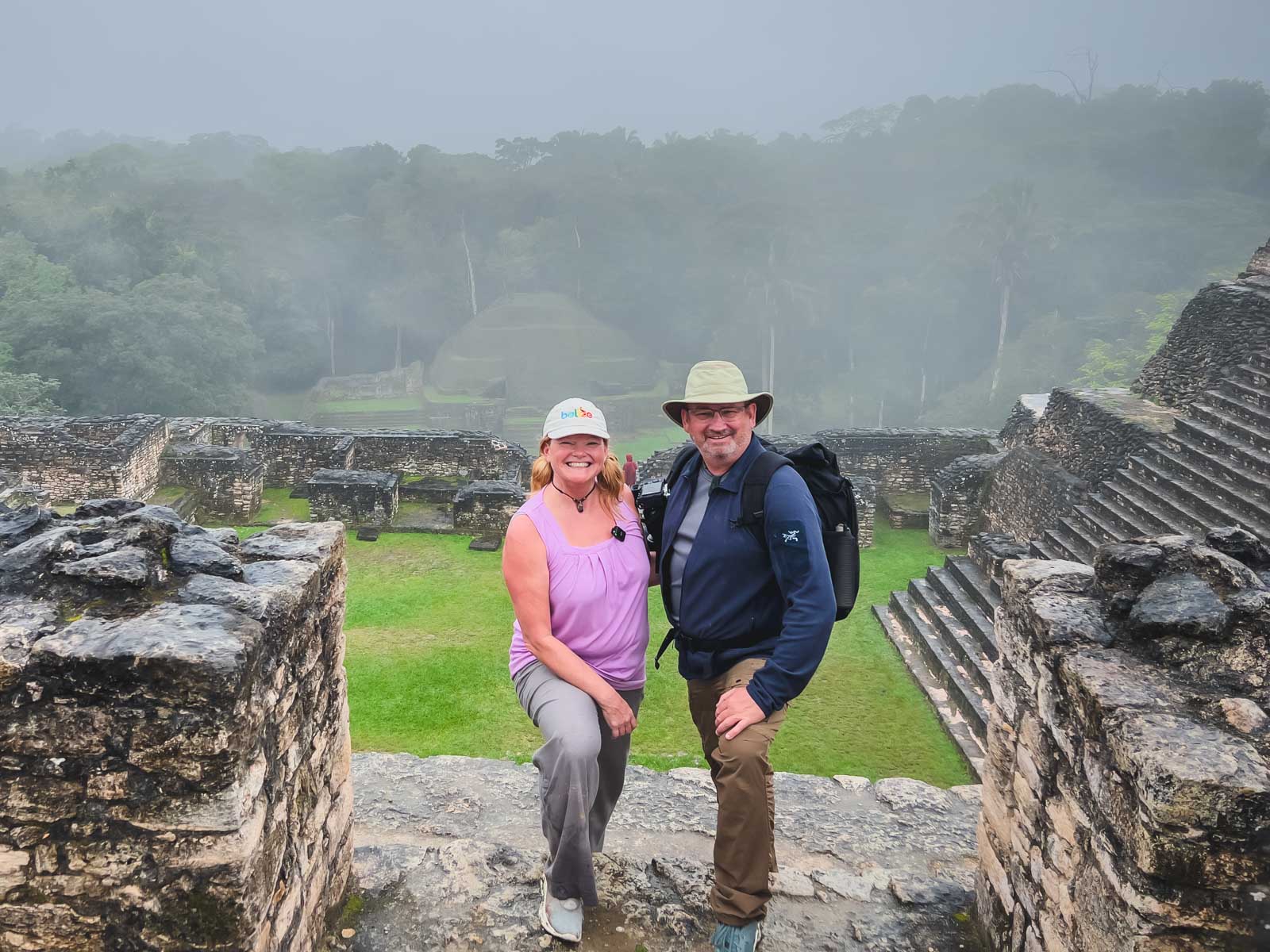
The largest Mayan site in Belize, Caracol, sits deep within the Chiquibul Forest Reserve near the Guatemalan border. Its main pyramid, Caana (Sky Palace), remains one of the tallest man-made structures in Belize. The journey to Caracol is an adventure in itself, with offroad driving and incredible views. We stopped at a waterfall on the way back called the Rio On Pools. You can swim here and soak in the pools at the bottom of the waterfall. Unfortunately, it was raining quite heavily when we were there, so we just admired it from the lookout.
This famous archeological site is the most popular and largest Maya site in Belize. Located in the Chiquibul Forest Reserve, Caracol boasts the magnificent Caana (Sky Palace), which still reigns as one of the tallest structures in the country.
To reach this remote archaeological wonder, adventurers embark on a guided tour from San Ignacio, ensuring not only a safe journey through the breathtaking Belizean landscape but also an informative exploration of Caracol’s history.
Key sights within the complex include the astronomical observatory, the sprawling plazas, and the intricate ball court of Pok-ta-Tok, each telling a story of the Maya’s sophisticated society.
Caracol welcomes visitors daily, from 8:00 AM to 4:30 PM, allowing ample time to wander its ancient causeways, marvel at its stelae, and immerse yourself in the rich tapestry of Maya culture.
4. Actun Tunichil Muknal (ATM) Cave
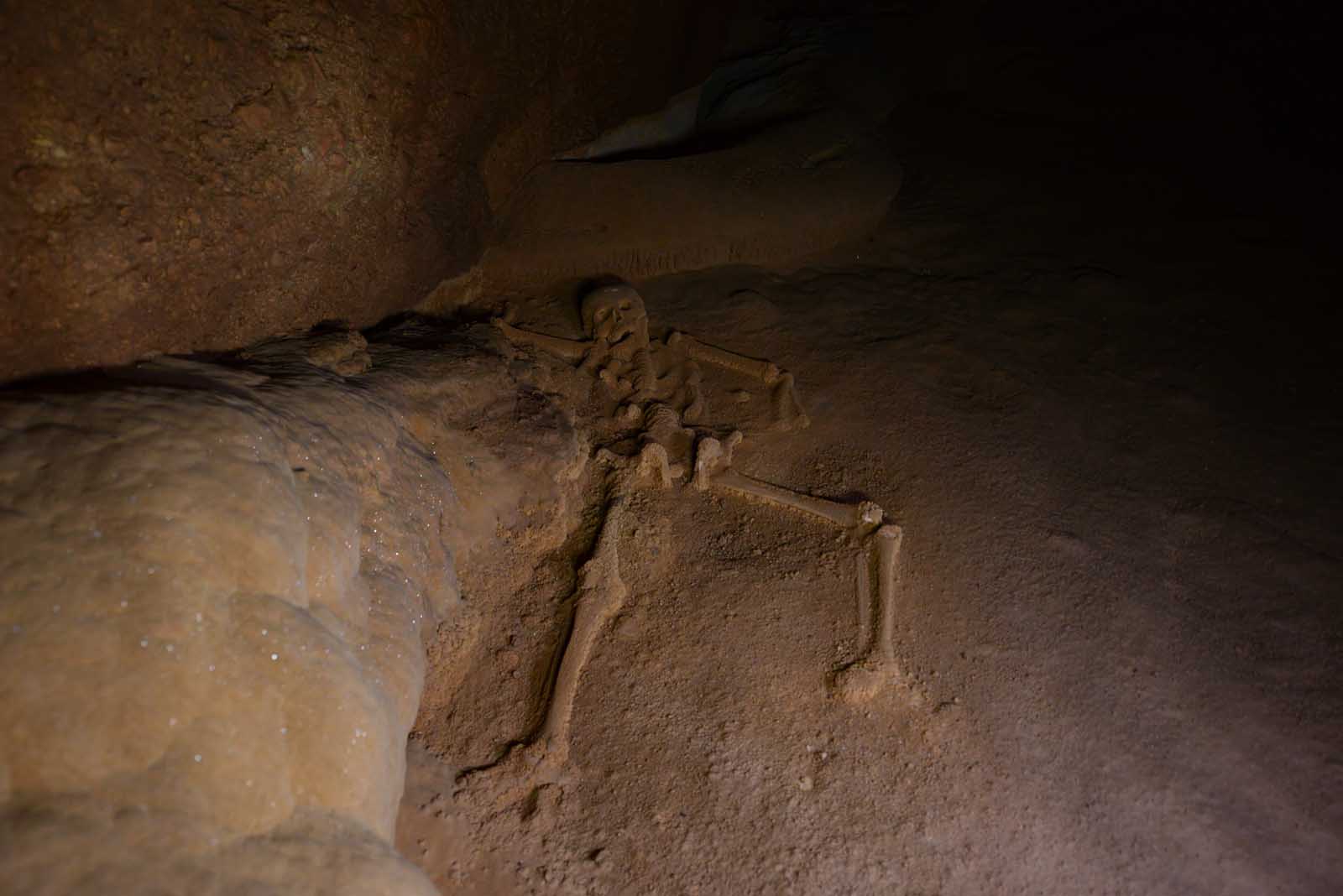
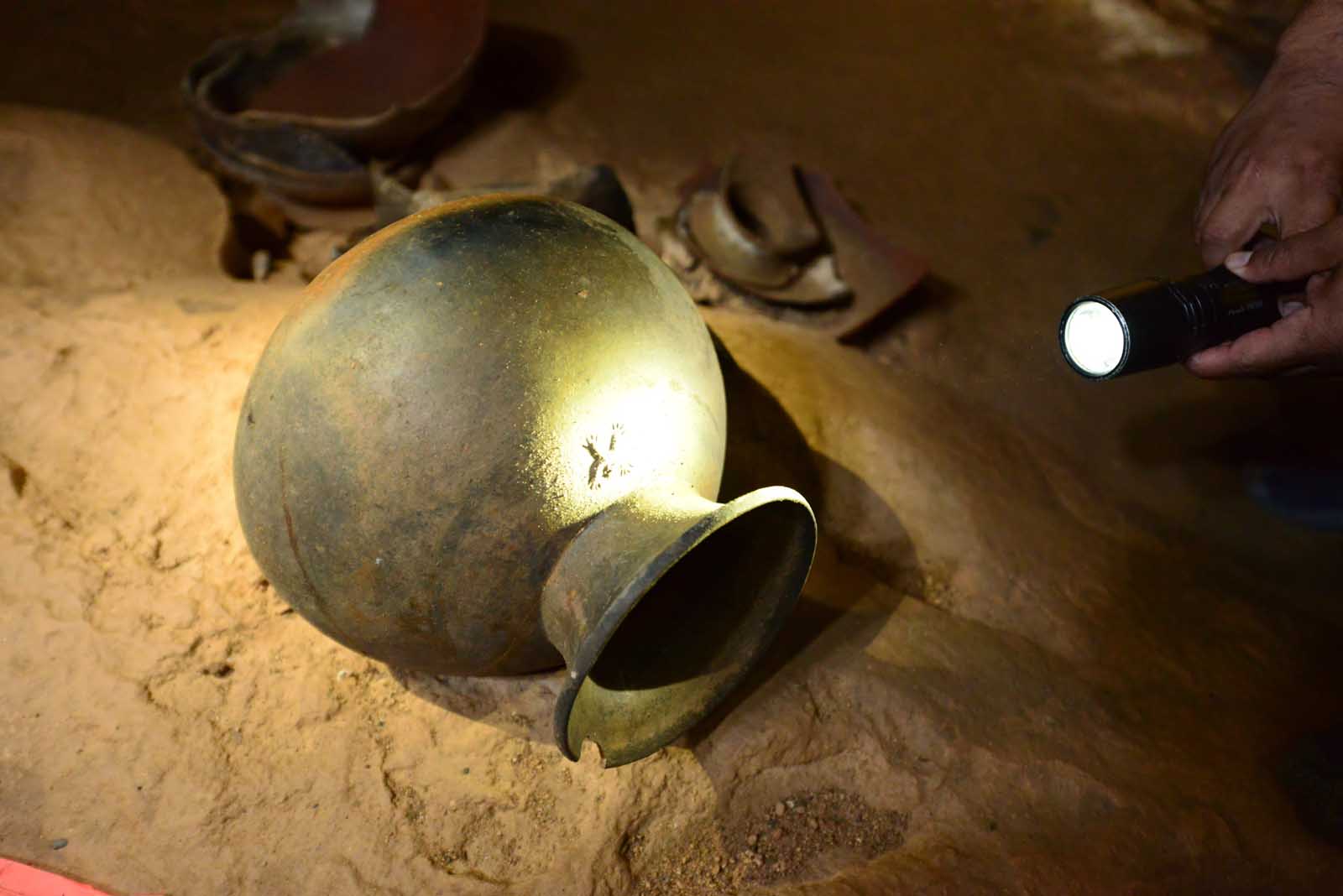
Perhaps the most popular day trip from San Ignacio is the ATM Cave Tour. Often hailed as one of the most impressive caves in the Mayan world, the ATM Cave is not just a natural wonder but also an archaeological site. Inside, visitors can see ancient Mayan pottery and human remains that were believed to be sacrificial victims and have been preserved for over a thousand years.
The Actun Tunichil Muknal (ATM) Cave takes you on a journey into the heart of the Mayan underworld, where you’ll traverse through jungle trails and wade through crystal-clear waters. National Geographic ranked it as the most sacred cave on earth, and it’s easy to see why.
Inside the ATM Cave, you’ll witness the awe-inspiring geological formations, ancient ceremonial sites, and well-preserved Maya artifacts, including pottery and skeletal remains. Yes, you heard me, skeletons.
This unique spelunking adventure is a tour and a journey back in time, providing insights into the mysterious ancient Maya civilization. Guides undergo rigorous training, and very few lead tours into the ATM Cave, so you can be sure that you will have a safe and memorable experience. This incredible experience is a full-day trip and the perfect blend of adventure, history, and natural beauty. Be prepared to do some crawling, swimming, and squeezing.
The first thing I must tell you is that no cameras, video, or phones are allowed in the ATM Cave. But that is what makes it so unique! (The Belize Tourism Board provided the photos above).
5. Crystal Cave Tour
Crystal Cave Tour is another day trip similar to the Actun Tunichil Muknal Cave experience but way more intense. You can do a full or half-day tour of this cave where you’ll go on an eco-adventure back in time. This tour is rigorous and heart-pumping and is not for the faint of heart.
The tour starts with private transportation, with Mayawalk Adventure taking a 90-minute drive to St. Herman’s Blue Hole National Park. Then, it is a moderate 50-minute hike to the cave entrance, followed by climbing 15 feet into the Mayan Underworld.
Be prepared to slide through mud ramps, climb rocks, and be surrounded by ancient stalactites and stalagmites coated in crystals. Like the ATM Cave, you’ll also witness a living museum with ancient skeletal remains, Mayan artifacts, old fire pits, and pottery. The tour ends with a Belizean Lunch and a swim in the Inland Blue Hole. After that, you can enjoy a rum punch for the drive home.
6. Cave Tubing and Kayaking
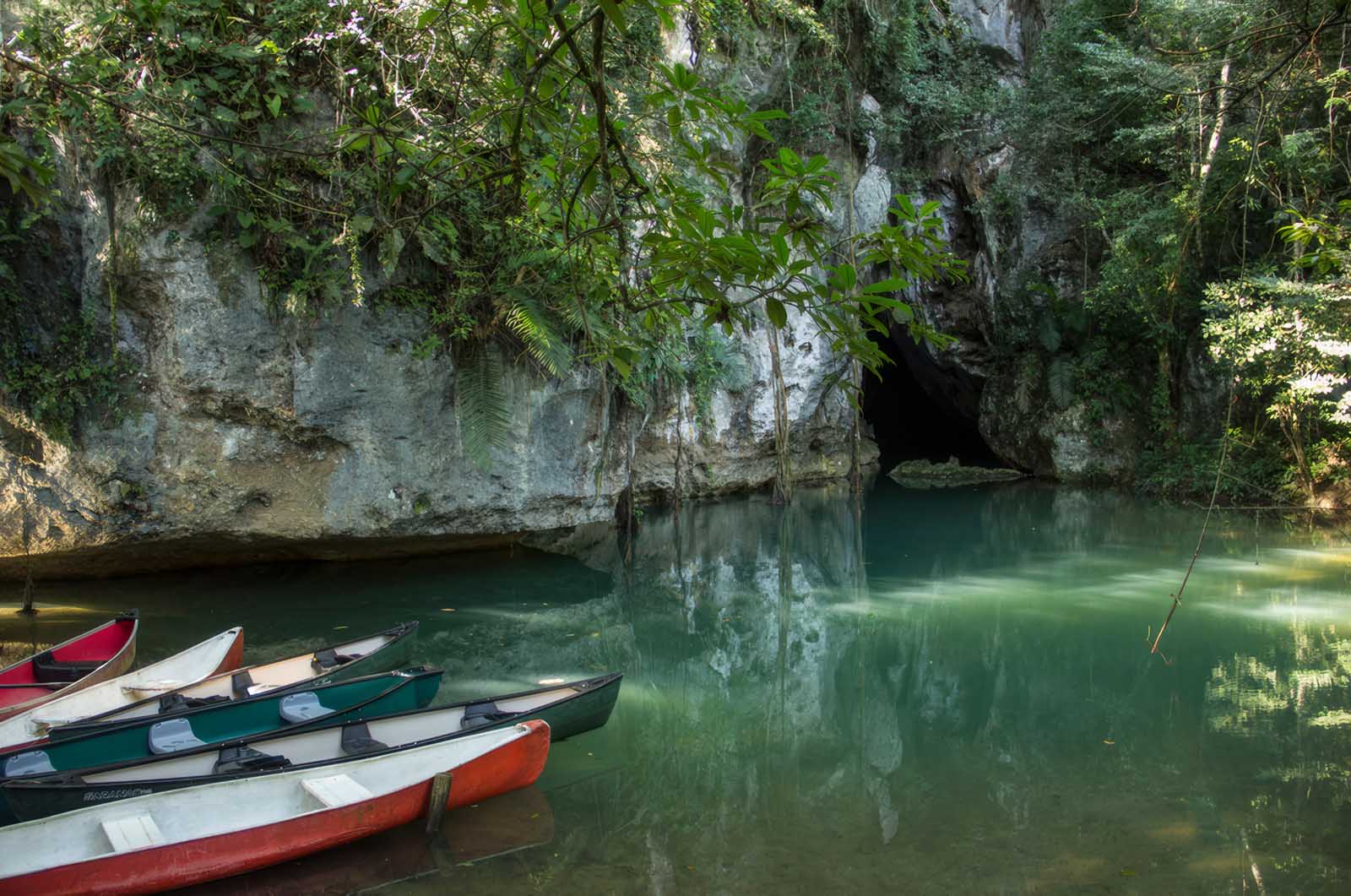
Adventure seekers will revel in the opportunity to navigate the region’s caves and rivers. Whether tubing through the mystical Barton Creek Cave or kayaking along the Macal River, the area’s waterways offer a unique perspective on the lush Belizean jungle.
Cave Tubing is one of the most popular day trips in Belize and is much easier than the ATM Cave Tour. Tubing is such a fun activity, and gliding along the cool waters of the ancient river caves, surrounded by lush tropical rainforest, is something you won’t soon forget.
Navigate through the dark caverns, marveling at the stunning stalactites and stalagmites while learning about the area’s geological and cultural history. Cave tubing is suitable for all ages and skill levels and connects you with nature while providing a glimpse into the mystery of Belize’s underground landscapes.
7. Visit the Butterfly Conservation Center
After a morning in San Ignacio, we visited the Greenhill Butterfly Ranch. The Greenhill Butterfly Ranch was a fascinating tour and the perfect thing to do on a rainy day when the caves of San Ignacio are flooded. We walked through the butterfly enclosure where 30 different native species of Belize flew through the large flight area. If we were very still, they landed on us and we had a friend or two walk through with us for awhile.
We learned about the life cycle of the butterfly, from seeing where they lay their eggs to watching them as chrysalids and emerging as butterflies. There is also the Green Iguana Project located in the San Ignacio Resort Hotel, which you can visit.
8. Barton Creek Cave
The Barton Creek Cave is a lesser-known attraction on people’s San Ignacio things to do list, but it is one of the natural wonders surrounding the city.
Located within a serene Mennonite community, this enchanting cave is easily accessible via a guided canoe tour, offering a unique blend of adventure and historical exploration. As you paddle through the ancient waterways, marvel at the stunning stalactites and stalagmites and glimpse remnants of Mayan rituals, including pottery shards and skeletal remains, that tell tales of the cave’s sacred past.
Barton Creek Cave is open to visitors from Monday to Saturday, 8:00 AM to 4:00 PM.
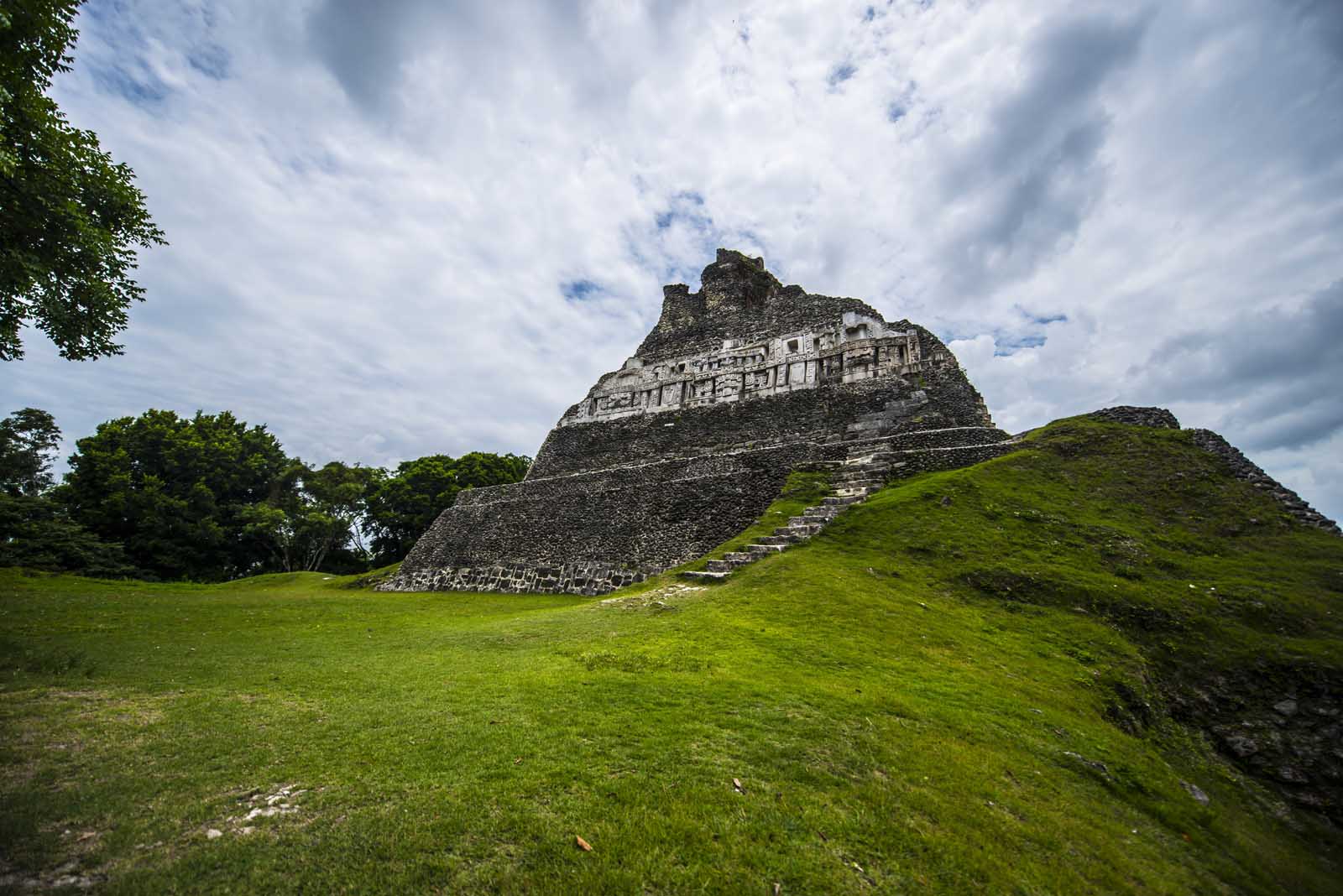
9. Xunantunich Mayan Ruins
Xunantunich Mayan Ruins are located just a short drive west of San Ignacio, followed by a unique hand-cranked ferry ride across the Mopan River.
These Maya ruins are easily accessible for travelers eager to explore Mayan history. The highlight of the site is El Castillo. This towering pyramid offers panoramic views of the surrounding jungle and the rest of the complex, including a series of plazas, temples, and palaces that narrate the rich history of this once-thriving civilization.
Opening Hours: 8:00 AM to 4:00 PM daily, ensuring ample time to admire the remarkable carvings and reliefs that adorn the structures.
10. Cahal Pech
Cahal Pech, located just outside San Ignacio, is another significant archeological site. It’s one of the oldest Maya sites in the Belize River Valley, believed to have been inhabited as early as 1200 BCE. Like most other Mayan sites in the area, it features a complex of palaces, temples, plazas, and residential structures. The beauty of Cahal Pich is that it is not only close to San Ignacio but also the Actun Tunichil Muknal cave and Xunantunich, which means that visitors can experience a range of cultural and natural attractions within a short drive..
11. Visit the San Ignacio Market
The San Ignacio Market is the place to be for a taste of local life. Open daily, with Saturdays being the most vibrant, visitors can find everything from fresh produce and handmade crafts to local delicacies. It’s a perfect spot to sample Belizean fruits, spices, and dishes.
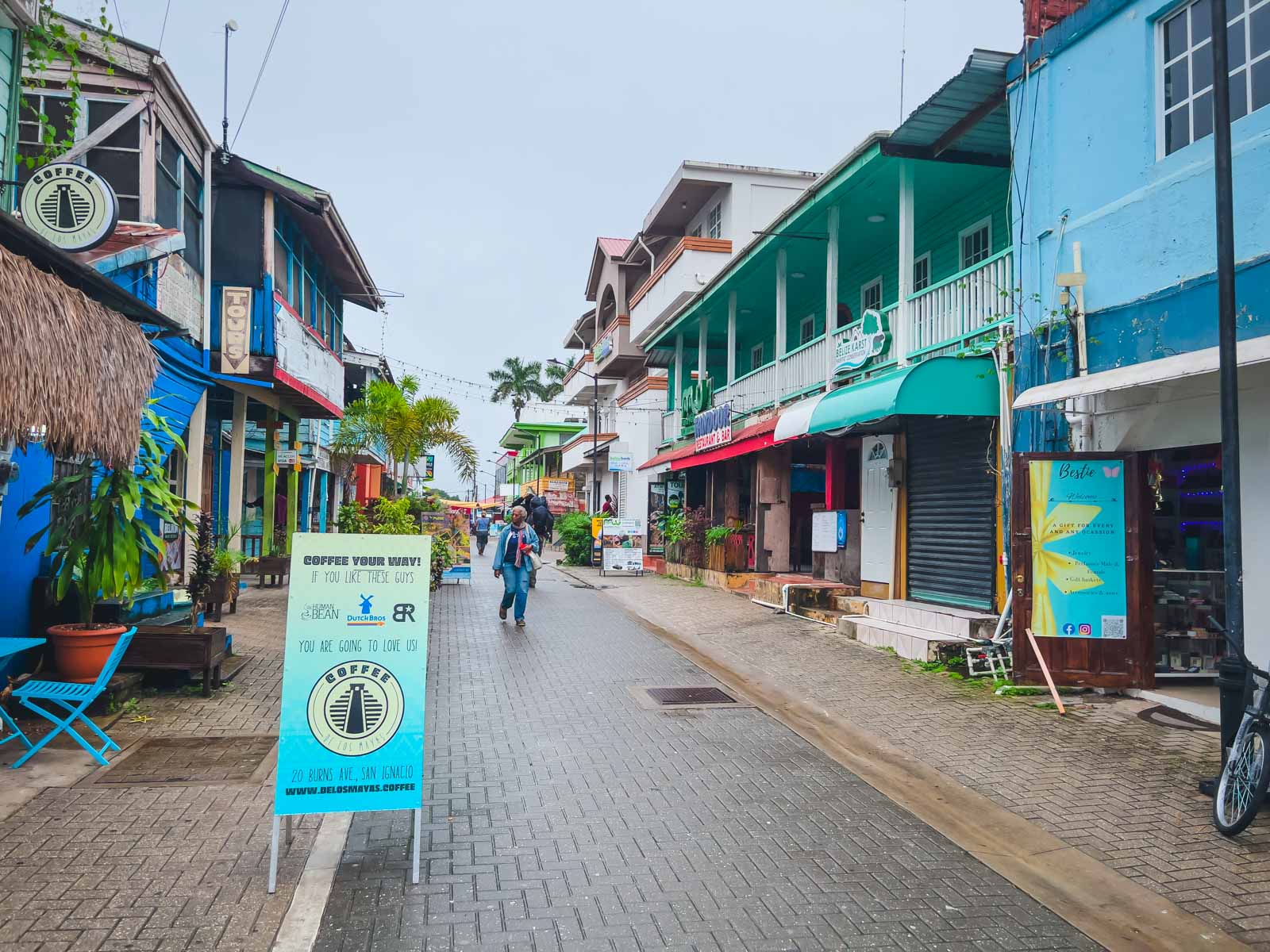
12. Stroll down Burns Avenue
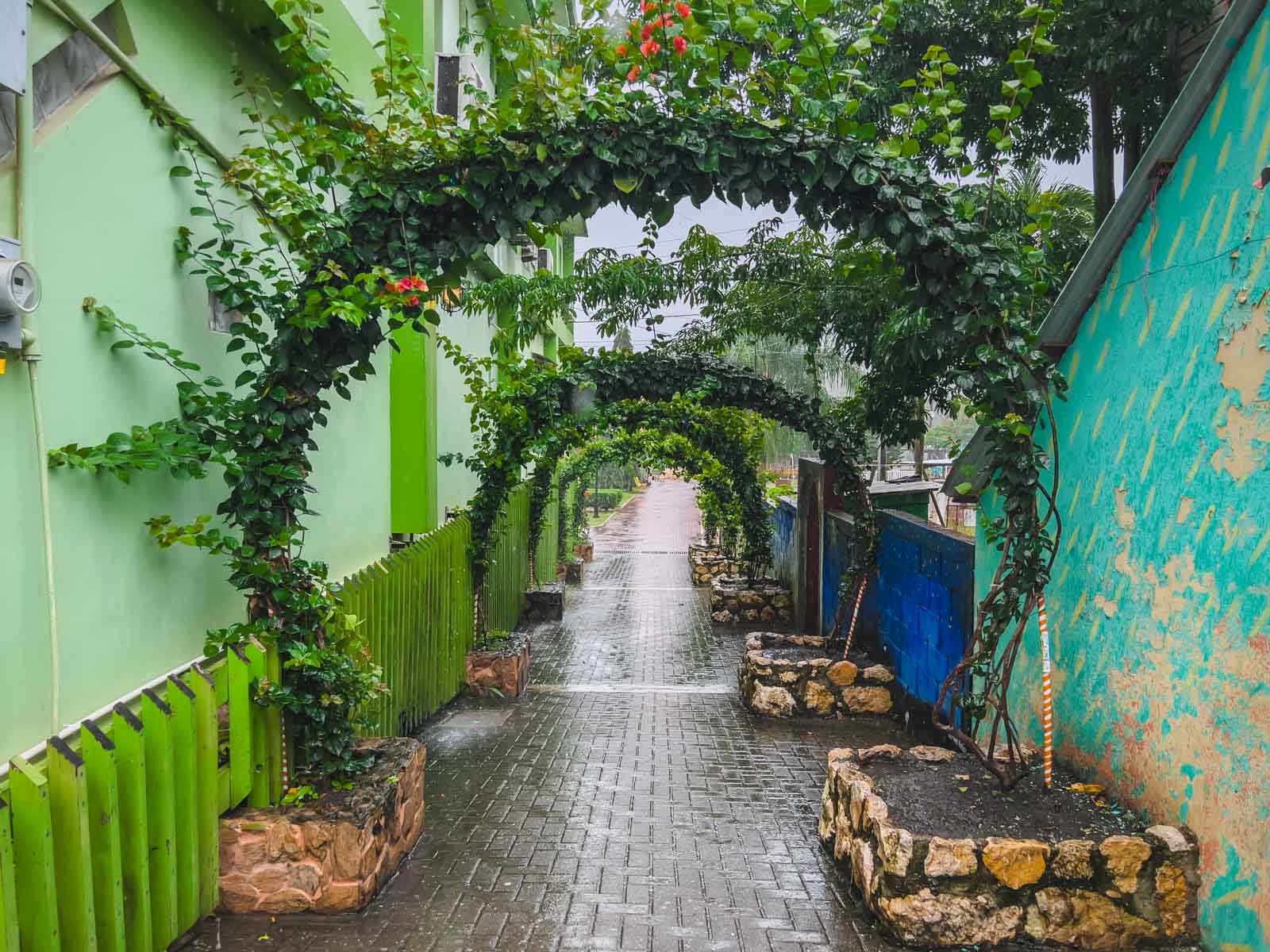
Make sure to take a stroll down Burns Avenue, the vibrant artery at the heart of San Ignacio, Belize. This pedestrian street is lined with colorful storefronts, eclectic eateries, and local handicraft vendors, and it offers a snapshot of Belizean culture and hospitality.
For a taste of local cuisine, don’t miss the chance to dine at Guava Limb Café or Ko-Ox Han nah (Let’s Go Eat), where the flavors of Belize are served with warmth and creativity. As you wander, soak in the sights of quaint colonial architecture, street musicians, and the friendly buzz of the local community. Whether you’re searching for the perfect souvenir, a delicious meal, or simply a pleasant walk.
13. Eat Authentic Belizean Cuisine Downtown
14. Belize Botanic Gardens
The Belize Botanic Gardens are just a stone’s throw from San Ignacio. They make you feel miles away from everything, yet are super accessible for a day trip or even a quick morning visit.
It’s not just about the plants, from exotic flowers to towering trees—it’s about the vibe of the place. It’s peaceful, vibrant, and incredibly refreshing.
One of the coolest parts about the gardens is how interactive it can be. It’s not just look-but-don’t-touch; there are spots where you’re encouraged to smell the flowers, touch the leaves, and really engage with the environment. And the staff? Super knowledgeable and passionate. They’re full of fun facts and stories about the plants and the wildlife that call the gardens home.
15. Guanacaste National Park
Guanacaste National Park is this cozy little slice of paradise that is just a short jaunt down the Hummingbird Highway. It’s like the wilderness decided to set up camp right close to the city, offering this sweet escape without having to venture too far into the wild.
You don’t need to be a seasoned hiker or an outdoor guru to enjoy it. The park’s network of trails is perfect for a leisurely walk. It’s great for families or if you’re looking to stretch your legs and breathe in some fresh air.
Wildlife spotting is pretty chill here. It’s not guaranteed, but you have a good chance of spotting birds, howler monkeys, and, if you’re lucky, even an agouti darting through the underbrush.
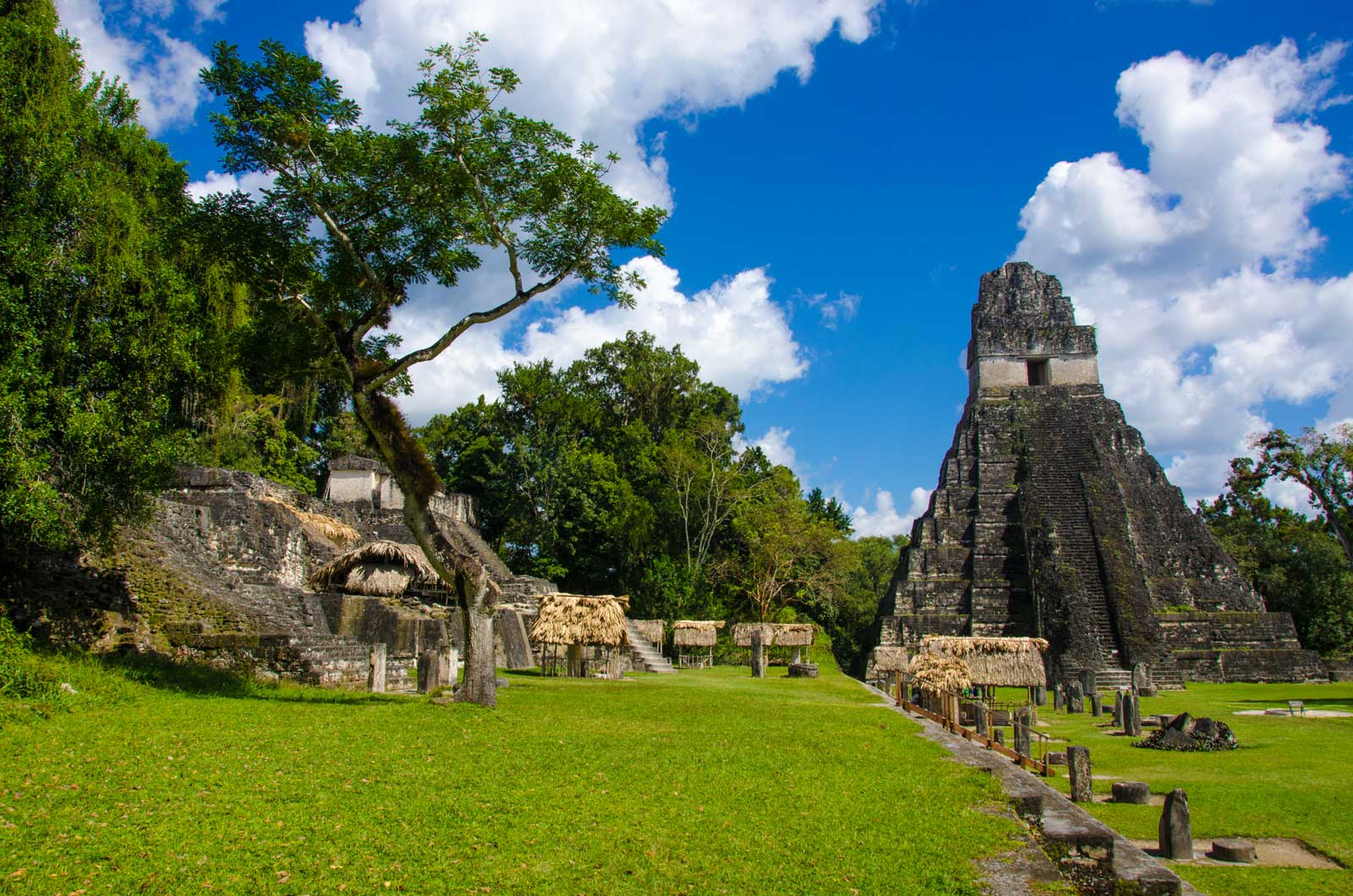
16. Tikal in Guatemala
If you want to visit the famous Maya city of Tikal in Guatemala, you can book day trips from San Ignacio. When booking a day trip from San Ignacio, you will have to change guides at the border as Belize guides are not allowed to guide in Guatemala. But if you are in San Ignacio, it is worth visiting one of the largest archaeological sites of the Mayan world.
This UNESCO World Heritage site is famous for its towering pyramids, lush rainforests, and rich biodiversity. Tours typically start early to make the most of the day, with options available that include transportation, entrance fees, and an expert guide to enhance your experience.
Things you can expect to see in Tikal are the impressive Great Plaza, the iconic Temple IV that you must climb to see views over the jungle canopy, and the mysterious Lost World Pyramid. Tikal is not just a historical site; it is home to an array of wildlife from howler monkeys, toucans, and countless other species. A day trip to Tikal from San Ignacio is an unforgettable journey back in time, blending the thrill of exploration with the awe of discovering one of the ancient world’s wonders. Make sure to add this extraordinary experience to your “best things to do in San Ignacio” list for a truly epic adventure.
How to Get to San Ignacio From Belize City
You have several options for getting to San Ignacio, Belize, from Belize City: We took a private transfer with Nine Ecological Tours. You can also book a domestic flight from Belize City.
Tourist Shuttle: This is a comfortable journey that takes about 2 hours from Belize City. The cost starts from around $20.
Public Bus: This is a cheaper and more adventurous option, taking approximately 2 hours and 45 minutes. Buses usually depart from Belize City Bus Terminal to San Ignacio Bus Terminal. However, buses may not be very comfortable or reliable, especially if crowded.
Taxi: This is a fast and comfortable option. It takes about 1 hour and 30 minutes, and fares range from $100 to $150 one-way. Taxis can be booked online or by phone, and passengers from various locations in Belize City will be picked up.
Car Rental: Renting a car offers flexibility and convenience. The journey takes about 1 hour and 40 minutes. Car rental costs range from $60 to $90 per day, and the route is mostly along the Western Highway (George Price Highway). This option requires a valid driver’s license, credit card, and insurance.
When is the Best Time to Visit San Ignacio
The best time to visit San Ignacio, Belize, is during the dry season, which runs from late November to April. This period offers the most favorable weather conditions for exploring the many attractions in and around San Ignacio. It has warm temperatures and minimal rainfall, making it ideal for outdoor activities like hiking, cave tubing, and visiting ancient Mayan ruins. We visited during the tail end of the rainy season and had our cave tours canceled due to flooding, so this is something to consider.
Remember, the dry season coincides with peak tourist season, so while enjoying the best weather, be prepared for larger crowds at popular sites and potentially higher prices. If you prefer a more tranquil experience, consider visiting at the beginning or end of this season, when you can still enjoy good weather with fewer tourists.
San Ignacio Travel Guide
San Ignacio, Belize is more than just a destination; it’s an experience that captivates the heart and soul. From the moment you arrive, the town’s charm and the region’s natural beauty invite you to explore, learn, and immerse yourself in the adventure that is Belize. Whether you’re paddling through ancient caves, marveling at Mayan ruins, or simply enjoying the warm hospitality of the Cayo district, San Ignacio promises memories that will last a lifetime.
Plan Your Next Trip To Belize With These Resources
April is a beautiful time to visit the USA. It is a shoulder season, meaning the entire country is in its transition phase — be that squeezing in its last month of ski slopes or bursting with freshly bloomed wildflowers. Early April typically falls under Spring Break dates, but mid-April through to the end of the month has fewer people. This is definitely one of the reasons that we tend to visit the US during the spring months it means you can really choose your atmosphere when picking places to visit during this time of the year. One thing we noticed after visiting these places in April is that, depending on the specific dates you choose, you either join the crowds or enjoy a quiet period before busy summer dates.
Table of Contents
ToggleBest Places to Visit in April in the USA1. Oahu, HI2. Zion National Park, UT3. Sedona, AZ4. Anchorage, AK5. Washington DC6. Ennis, TX7. Door County, WI8. Antelope Valley California Poppy Reserve, CA9. Seattle, WA10. Blue Ridge Parkway National Park, NC11. Miami, FL12. Palm Springs, CA13. Santa Catalina Island, CA14. Sun Valley, ID15. Jackson County, NC16. North Cascades National Park, WA17. Big Sky, MT18. Napa Valley, CA19. Skagit Valley, WA20. Guadalupe Mountains National Park, TXBest Places to Visit in April: FAQsWhy We Recommend These Places To Visit in April
Best Places to Visit in April in the USA
In this guide, we’ll explore the best places to visit in April in the USA. Whether you want to chase wildflowers in the Texas Hill Country or live it up at Coachella, we’ll find the sweet spot for you. Here are our hottest takes on where to visit this April.
1. Oahu, HI
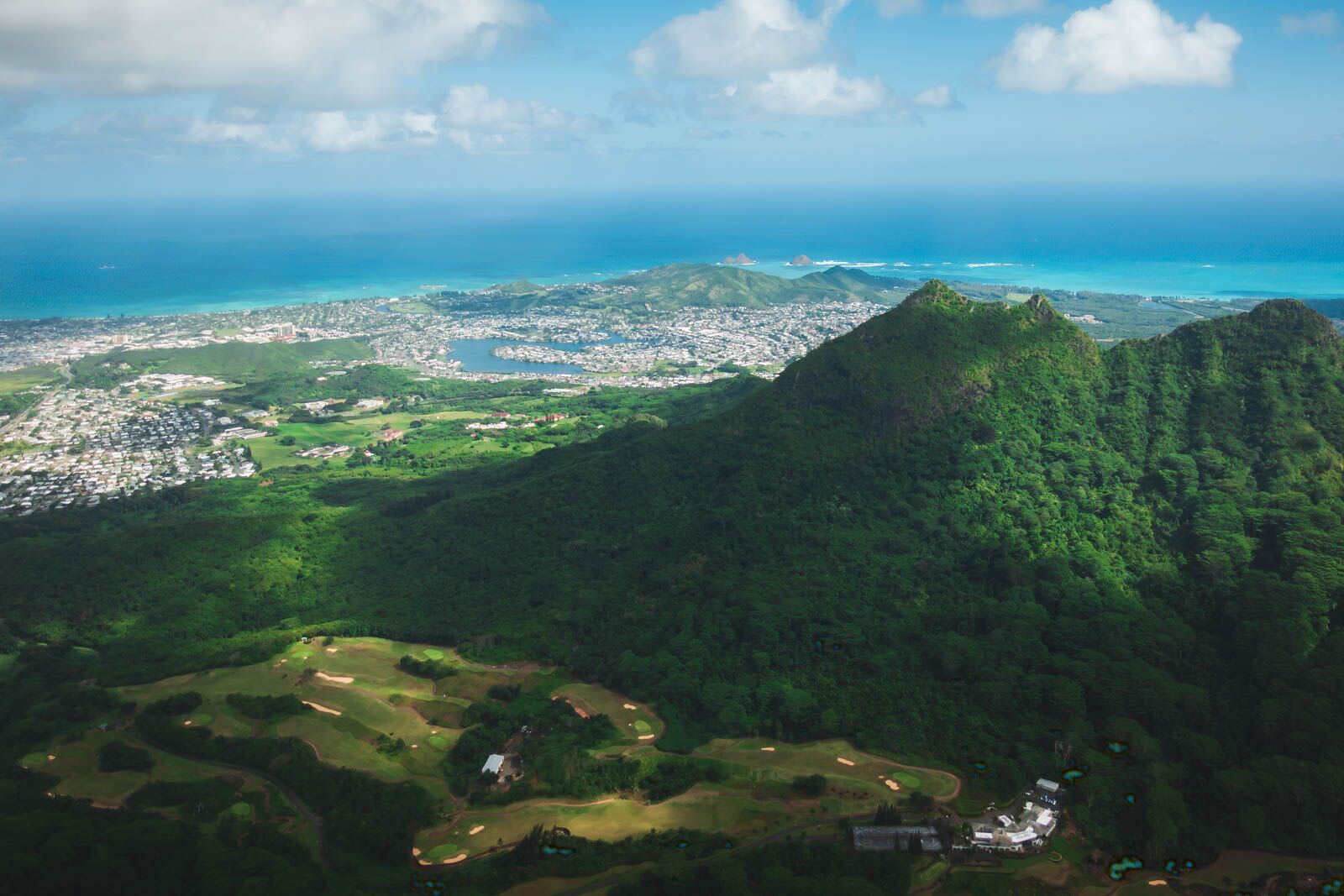
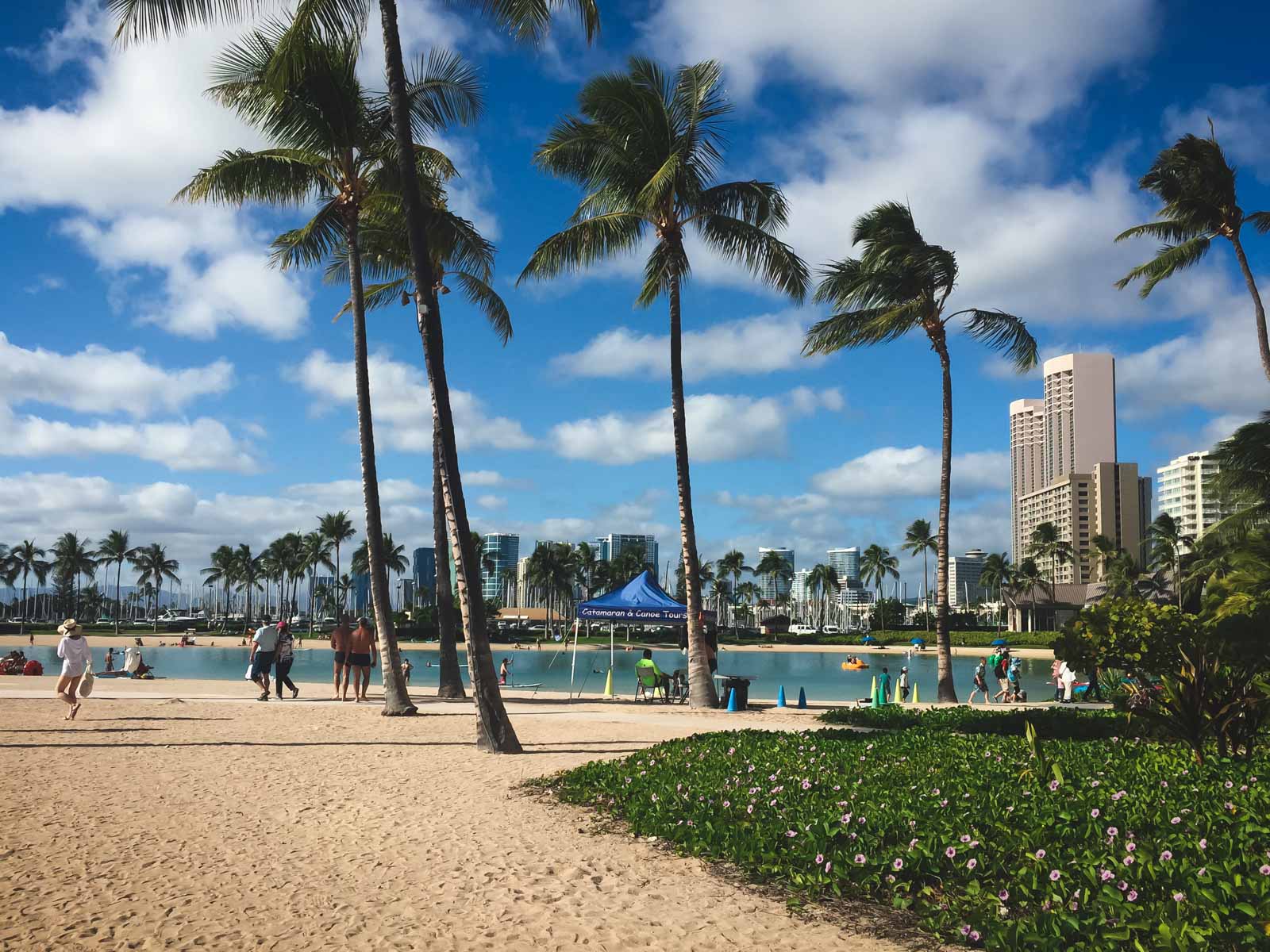
Oahu is the capital of Hawaii, so it shouldn’t come as a shock that it runs most of its events and festivities. This is one of the main reasons we suggest Oahu for your April trip. You have the Hawaiian Scottish Festival & Highland Games (pretty incongruous, right?), arts and craft fairs, live music performances, culinary and beer events, and Hapalua – Hawaii’s half marathon. Oahu is really in its prime in spring, especially in April.
Aside from these seasonal events, you’ve got the beautiful Diamond Head State Monument, Lana’i Lookout, and all the sightseeing in the capital, Honolulu. You can hike, go sightseeing at places like the Pearl Harbor National Memorial, and celebrate; Oahu just has so much to do. Oahu is easily one of the best islands in Hawaii, and that’s before factoring in its April festivities. Once Spring Break is over, you also enter a quick shoulder season before the summer season starts from May until October. Who doesn’t love fewer crowds?
In April, Oahu’s weather ranges from the mid-60s to just touching the 80s, and winter rainfall is a thing of the past. It’s an ideal time to visit for good weather and even better vibes.
2. Zion National Park, UT
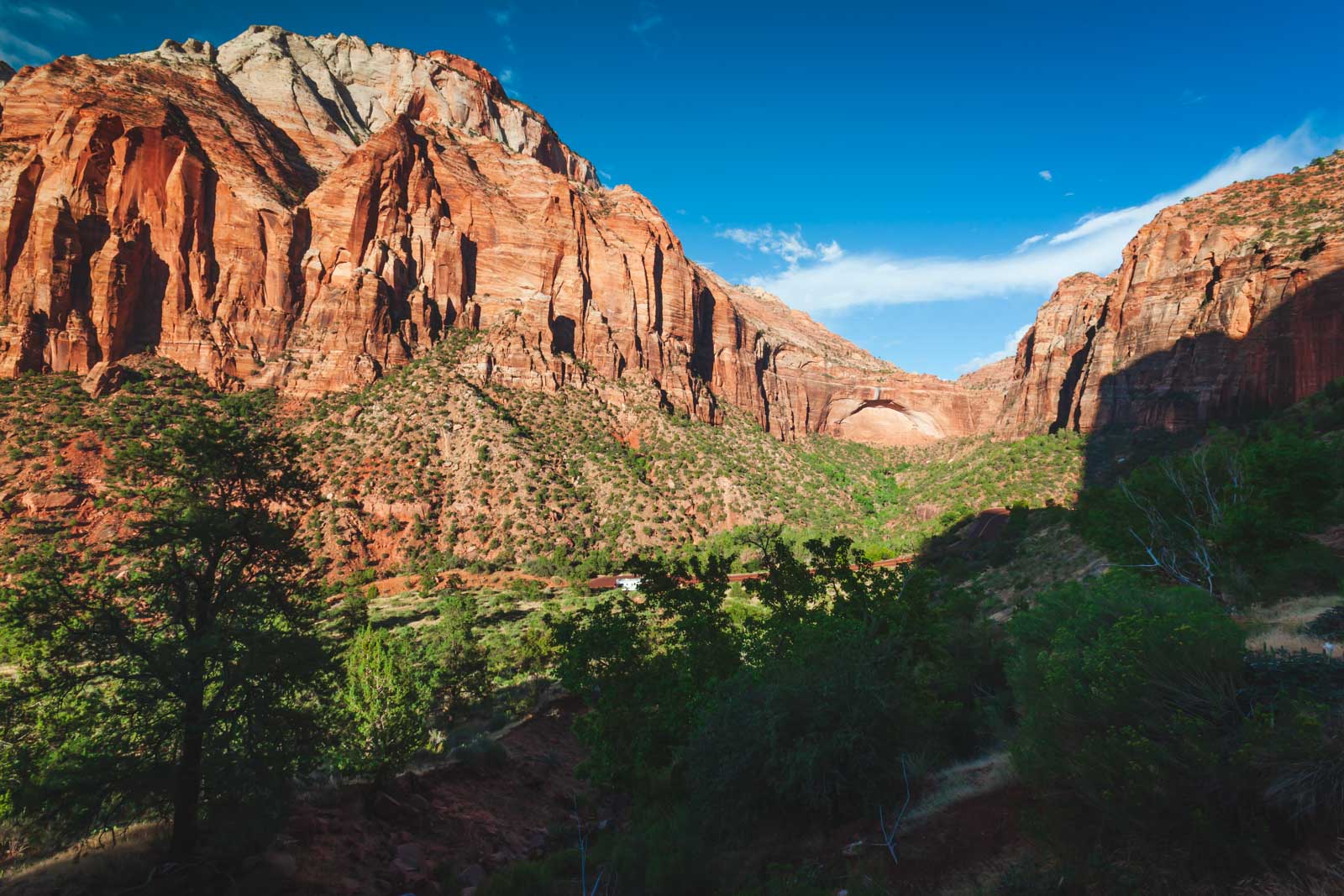
We love Zion National Park. It is one of the national parks we most frequently recommend, just because of its iconic hiking trails like Angels Landing and how beautiful it is to drive. We loved visiting in April for many reasons, including driving the surrounding roads, passing through tunnels cut into red sandstone cliffs, and pausing at gorgeous overlooks.
April is also an optimal time to tackle some of those challenging trails in milder temperatures, which hover around 70 degrees Fahrenheit throughout the month. You can hike to the Emerald Pools and walk to the Temple of Sinewava. If you’re feeling brave, you can even tackle Angels Landing; it’s much less complicated without the ice but equally better before the dizzying heat of the summer months.
The only trail you’ll have to keep an eye on is the Narrows. This trail can be closed at any time due to rising levels from snow melt, so in spring, you may still see some closures. In our opinion, it’s a small price to pay. Thanks to its Angels Landing lottery system, Zion is a “see what you can hike” type of destination. For extra tips on accommodation logistics, we’ll link our guide on where to stay in Zion here. Zion is a great place to visit in spring. Mid to late April has fewer people so you can enjoy trails in easier conditions.
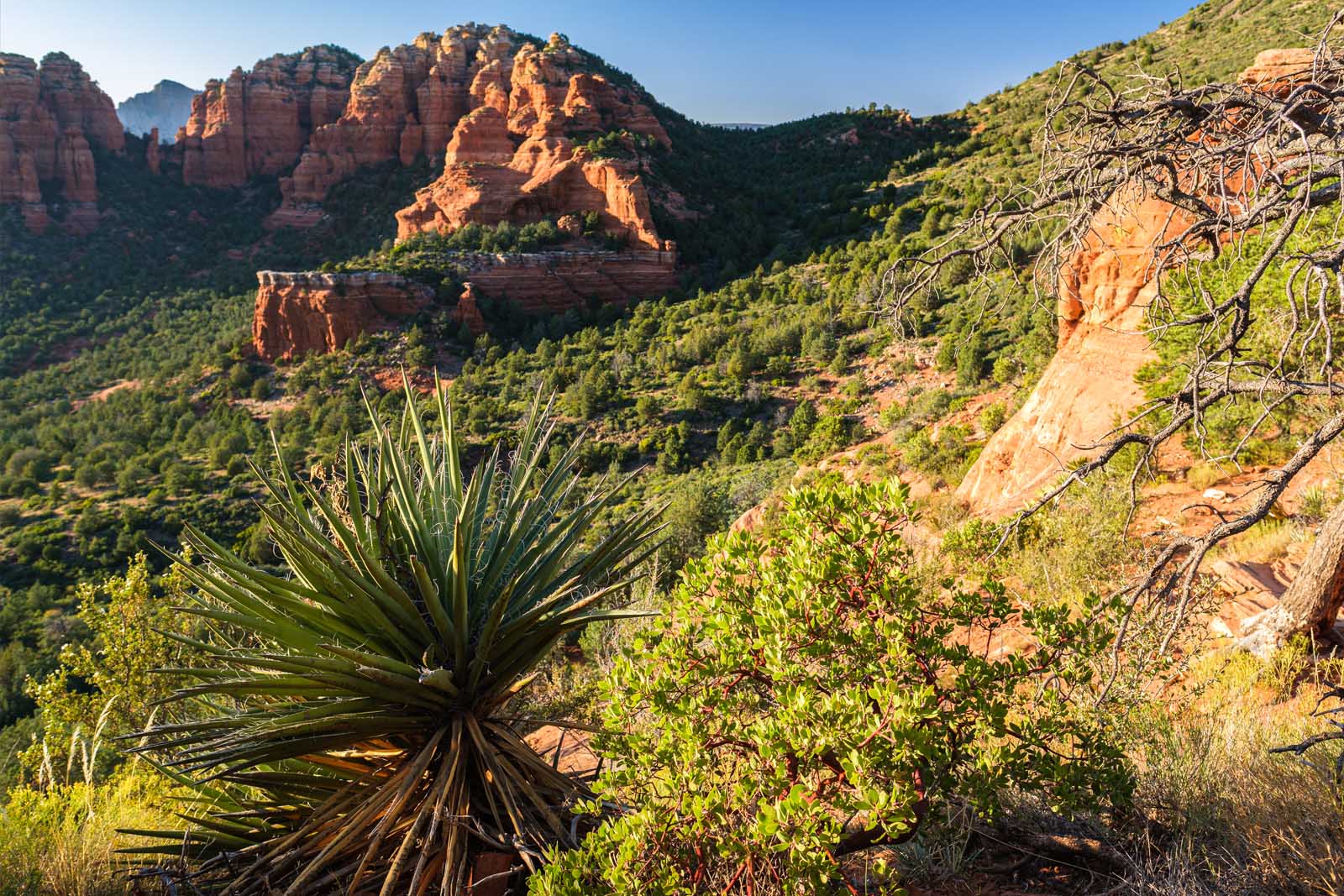
3. Sedona, AZ
Sedona is another one of our firm favorites. We’ve actually listed it as one of our top romantic destinations in the whole of the USA. The Arizona desert town is film set worthy, with dramatic red-rock buttes and fragrant pine forests. And in April, you can visit in that perfect shoulder season between winter, with its heavy snowfall and busy skiing, and summer, with heavy crowds and heat. Instead, you get easily accessible hiking trails with the option to ski at nearby Flagstaff, where the ski season typically ends at the end of April.
You will dodge not one but two peak seasons while actually seeing the town in a better light. You’ll be in the perfect season for hiking trails like the Devil’s Bridge and UNESCO World Heritage Site attractions like Montezuma Castle. However, you’ll also still be able to enjoy snow activities just an hour’s drive north. Sedona is perfect for an April trip.
4. Anchorage, AK
April is the perfect excuse to visit Anchorage, the largest city in Alaska. The city sits on the Cook Inlet and is best accessed by air or water. In April, you’ll be able to catch events like the Anchorage Folk Festival and see the city in its ultimate shoulder season.
And why should you care about Alaska’s best shoulder season? Well, April’s shoulder activities include the final month of the Anchorage ski season, the return of the grey whales, the last month of the auroras, and cheaper activity deals – like sightseeing flights. It is the perfect time to get the last bucket list experiences of the Alaskan winter while bagging seasonal transition experiences like whale spotting.
Anchorage is one of the best places to visit in April for nature lovers who also want an accessible city break. It offers some of Alaska’s best activities, such as skiing and dining.
5. Washington DC
This city is the nation’s capital, and needless to say, it has a lot of things to do and see. You could walk the National Mall and explore all of Washington DC’s museums. You can visit the White House and embrace all the political and social history born and instigated in this poignant city. However, most importantly, for those visiting in April, you should attend the National Cherry Blossom Festival.
From late March to April, the city celebrates the blooming of its cherry blossoms. The 3,000-plus cherry blossom trees are spread all around the Tidal Basin and were gifted to the USA in 1912 by the then Prime Minister of Japan. Each year, Washington DC now celebrates their blooming and this historic gift between countries. Plenty of activities and events are lined up, including parades, art events and workshops, and food stands.
We’d definitely recommend visiting Washington, DC, to anyone, but in April, it is undoubtedly even more special. You have the awe factor of seeing thousands of pink trees, with scenic parks covered in millions of soft petals.
6. Ennis, TX
If you want spring flowers, Ennis is our top suggestion. This beautiful city is actually dubbed the ‘Official Bluebonnet City and Trail of Texas’ as it is surrounded by such a high volume of vibrant fields of electric blue-purple flowers. It is the absolute crown of Texas Hill Country, and if you visit in April, you’ll catch it in full bloom; it’s the perfect time to schedule a trip to Texas.
The bluebonnets start to bloom in late March and last until early May, so April is a lovely time to experience the flowers in full bloom. It is also when the Ennis Bluebonnet Trails Festival runs. The Festival features over 40 miles of mapped driving trails and showcases a natural wildflower show. It is a brilliant way to have the convenience of an organized experience and a nice time to join a sense of community celebration and excitement.
Needless to say, Ennis is also blessed by warm weather in April. You’ve got to love Texas for a bit of early sunshine. The city definitely gets our vote; besides, the flowers will be gone by the summer months. Ennis is a destination where you’ve got to book now or forever hold your peace.
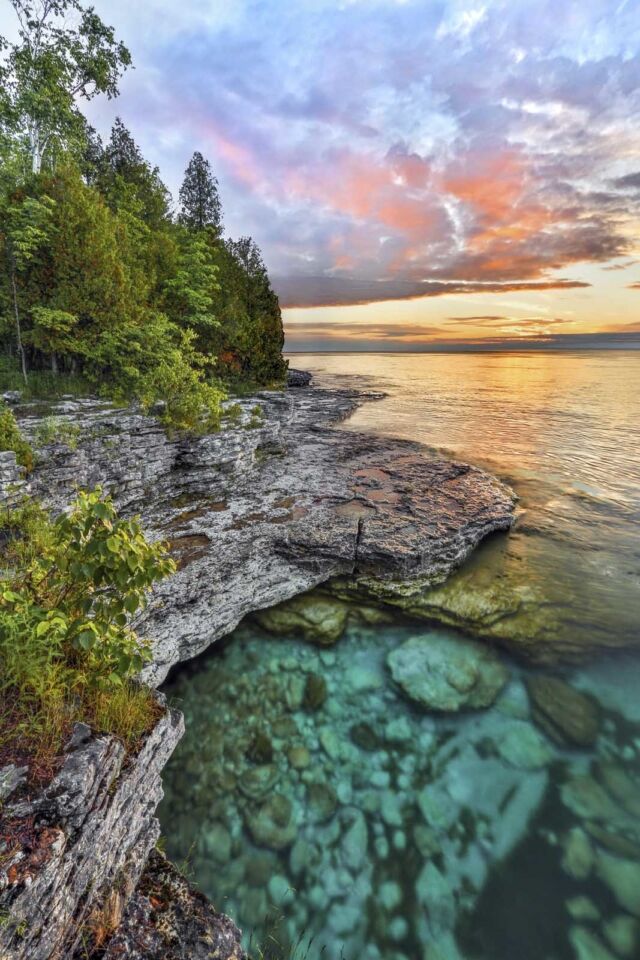
7. Door County, WI
Door County is a beautiful addition to the USA’s tourism scene, and we love it. The region sits between Green Bay and Lake Michigan. It has one of the highest concentrations of lighthouses along its miles of rugged shoreline. Door County is also covered in parks like Peninsula State Park and Newport State Park; it actually has five state parks in total, which is impressive for such a small area. In April, it has mild weather, and its layout makes it the perfect place for hikes along the waterfront – spotting lighthouses as you go.
April is a definite shoulder season, with Door County at its busiest from May until October. Because of this, it’s a fantastic time to jump in and enjoy its trails with fewer crowds. We’d particularly recommend seeing Eagle Bluff Lighthouse at Peninsula State Park. But if you get a blustery day, check out the waves at Cave Point Country Park, which overlooks Lake Michigan.
If you need more ideas for exploring Door County, check out its wineries. It has a surprising talent for wine production. In summary, Door County is ideal for walks along the lakes, with lighthouses to spot and wineries to drink at—all with fewer crowds in April.
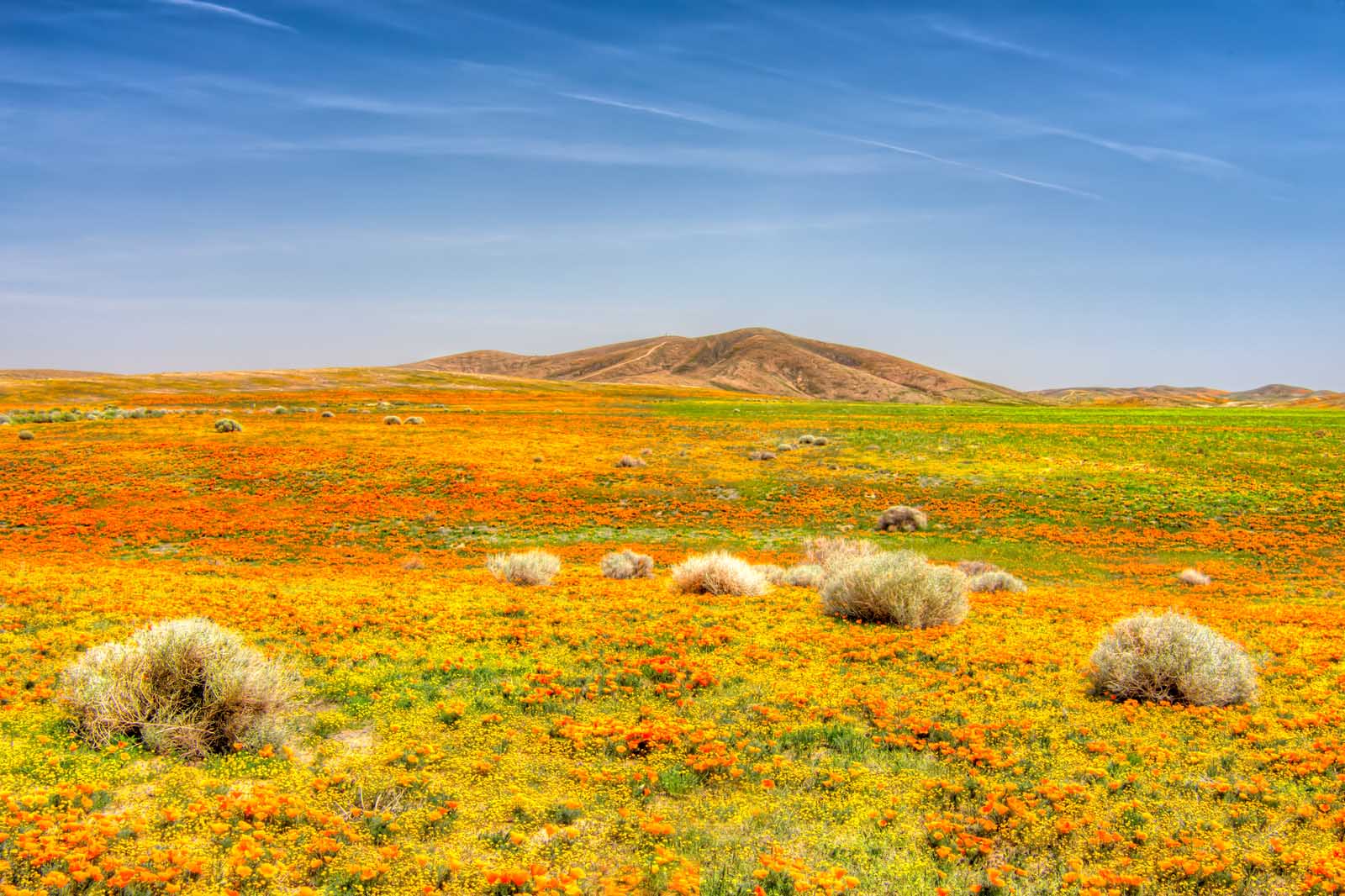
8. Antelope Valley California Poppy Reserve, CA
Antelope Valley California Poppy Reserve is a trip to start planning if you love seeing gorgeous flora. Get ready to see poppies galore at this Californian state reserve. April marks the peak bloom of waves of bright orange-red poppy fields. The nature reserve is one of the prettiest places for tourists to see wildflowers in the entire USA, and April is the best month to see them full of life.
The reserve is just outside of Los Angeles, making it a super accessible place to visit in April if you organize a car rental. It is situated just outside the small city of Lancaster, known as the gateway to the Mojave Desert.
We’d suggest hiring a car and driving the 1.5 hours to the reserve, which isn’t otherwise reachable by public transport. The short drive takes you inland and through the Castaic Lake State Recreation Area, so it’s worth the short road trip just for your views. As you get close, you’ll see the flower fields on the horizon and poppies building up along the roadside.
9. Seattle, WA
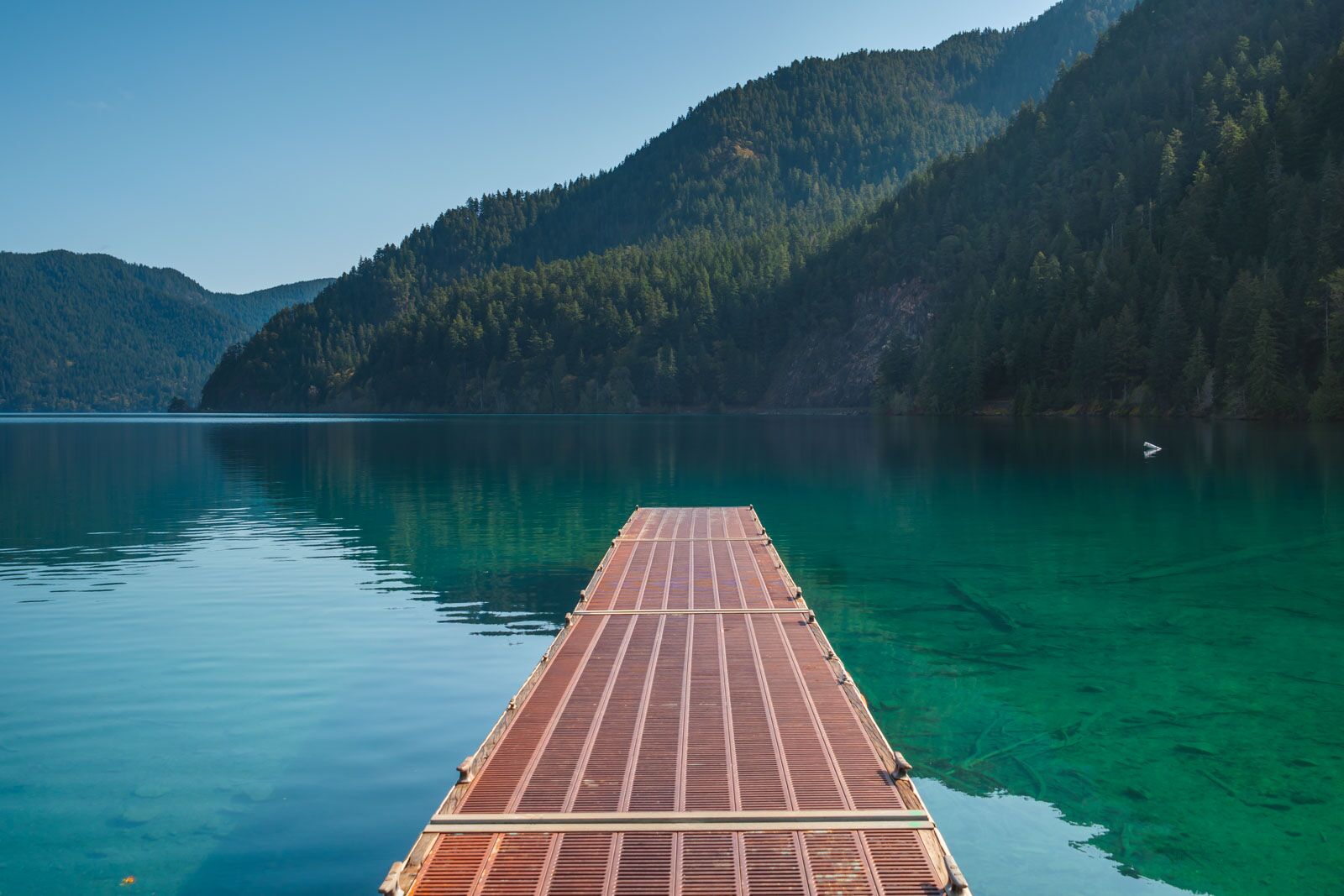
Seattle absolutely strolled its way onto this guide, as it is easily one of the best cities to visit in April. The city sits tucked away in northern Washington, right under the Canada border and on the Puget Sound. It’s surrounded by water, mountains, and forests and is an easy day trip from Olympic National Park. It is basically the best city if you want a base for outdoor adventures. And while March is still a bit drizzly and cold, April brings the ideal warm weather to take advantage of all the nearby natural beauty before the crowds of the summer months.
You can go on a day trip to the Olympic National Park and hike the Hall of Mosses or Hurricane Hill. You could head south and visit Mount Rainier National Park or west for Mt Baker-Snoqualmie National Forest. You could even head further northwest and see North Cascades National Park. Or you could cruise the Puget Sound and spot wildlife like whales.
Of course, there’s also the Space Needle, Museum of Flight, and Freemont Troll to visit. The city has many sightseeing opportunities that are much quieter when you visit from mid to late April. It’s a great time to dodge the tourists.
10. Blue Ridge Parkway National Park, NC
Blue Ridge Parkway is the longest linear park in the USA and stretches 469 miles from North Carolina to Virginia. It is one of the most famous road trips to take in the country and is famed for its stops along the way, with plenty of towns with farm-to-table restaurants and hiking trails for outdoor adventure. Blue Ridge Parkway gets busy from May onwards throughout summer and again in fall because of its fall foliage, so visit in April to get the park in a quiet spell. Crisp and quiet, April is a really serene time to experience Blue Ridge.
Wrap up a little warmer to cope with the dropping temperatures with elevation, and keep an eye on the weather forecast, as at the beginning of April, you can still see snow in some parts. But otherwise, just embrace quieter roads and famously beautiful scenery. You can stop at attractions like the Blue Ridge Music Center, Crabtree Falls, and Linn Cove Viaduct. You’ll want a minimum of two to three days to drive the route, and if you enjoy camping and hiking trails, then you could spend as long as a week completing the drive. Blue Ridge Parkway is a great spring road trip for April.
11. Miami, FL
Miami is one of the best places to visit in April, and we didn’t want to penalize it just because of its popularity. The city is a bit of a victim of its own success. But it is definitely worth the hype, and the sunny weather speaks for itself. The pristine beaches in nearby state parks like John Pennekamp Coral Reef State Park scream “beach holiday” – just check out these best beaches in and around Miami if you don’t believe us. You can strut down art deco South Beach or check out downtown art galleries. And that’s before you get a taste of Miami’s party culture and all the day trips to places like the Everglades.
In April, you have two choices: join the crowds or beat them. You can avoid the March crowds and Spring Breaker’s fever by visiting after the tail end of Spring Break for fewer people. You can also embrace the sociable atmosphere of Spring Break in Miami, meeting new people and partying. Just decide which end of April best suits you based on what you want from Miami. We like how clear-cut it is.
Miami has nearly year-round sunshine, but April offers a great experience before the super-hot and busy summer. To summarize, early April is best for partygoers wanting a busy Miami experience for Spring Break, while mid to late April is best for those wanting shoulder season Miami with plenty of beaches and nice weather.
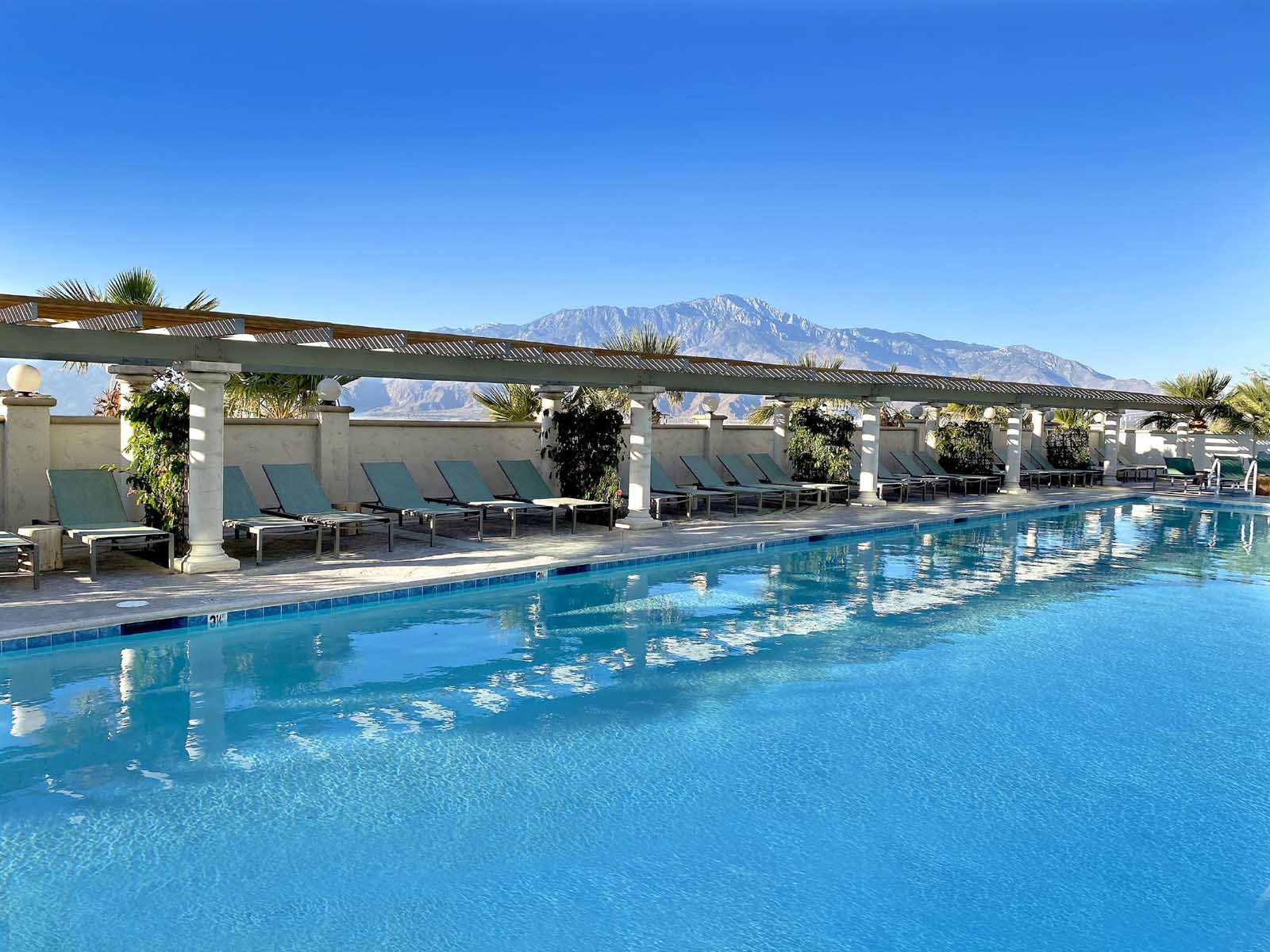
12. Palm Springs, CA
Palm Springs is a fascinating city in the Sonoran Desert, inland of Los Angeles, known for stylish shopping opportunities, high-end golf courses, and luxury spas. If you want a luxury getaway this April, we’d recommend trying Palm Springs. The glitzy desert getaway is an elegant choice and definitely one for shopping lovers wanting a slight variation on the standard city break.
Of course, mentioning Palm Springs and not Coachella would be remiss. For those living under a rock, Coachella is one of the biggest live music festivals in the world. It is held in the town of Indio, which is essentially adjoined to Palm Springs – like a smaller city suburb. Coachella runs sometime from mid to the end of April, with exact dates switching each year. It runs over two separate weekends, with two lots of three days of performances and celebrations. It has everything from indie music to the latest pop artists. In 2023, the Coachella stages saw everyone from Bad Bunny to Post Malone and Blink 182.
If Coachella or Palm Springs sounds up your alley, we’d definitely suggest combining the two. It is a dreamy way to spend a week or two. And if you want a festival experience this April, you should start ticket shopping.
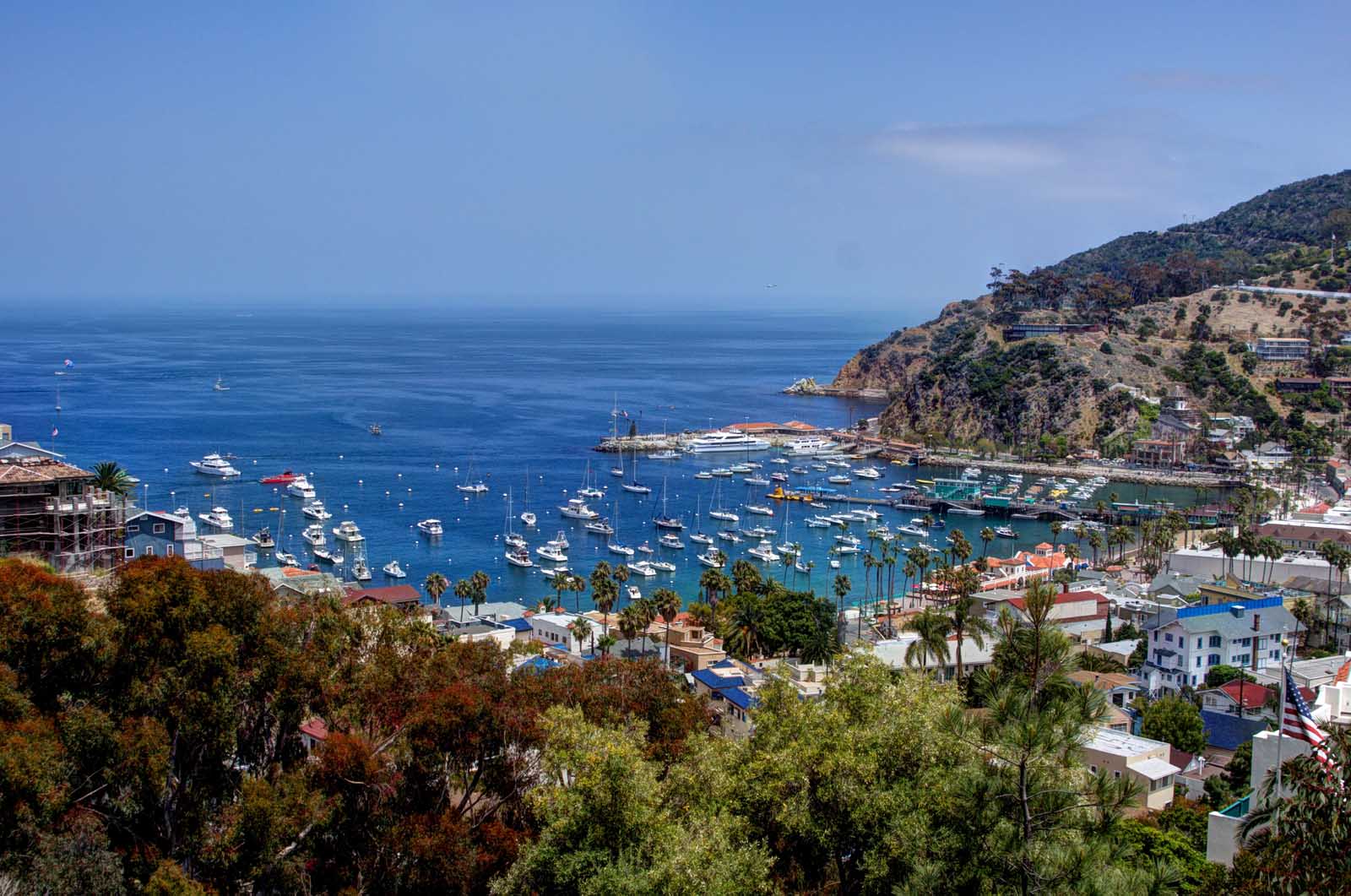
13. Santa Catalina Island, CA
Santa Catalina Island is gorgeous and located just 22 miles off the coastline of California. As far as islands go, this little beauty is about as accessible as they come, easily reached by air or sea. Unsurprisingly, the island does get busy with heaps of excited tourists; word travels fast about incredible holiday destinations in the USA. Luckily, that’s where April comes in.
April is the first proper month you can enjoy outdoor activities on Santa Catalina Island since winter, with mild temperatures between 60 and 70 degrees Fahrenheit. It also has way less rain than February or March, which again is excellent for hiking. Finally, April is a prime time to visit Santa Catalina because most people descend on the island in summer. You don’t want to feel overrun by tourists when visiting islands, and Santa Catalina Island is no different.
Spring Break undoubtedly brings the tourist numbers up a little (although nowhere near as high as in summer still), so we’d suggest aiming to visit in the second half of the month. You can enjoy sightseeing attractions like the Catalina Chimes Tower, the Catalina Museum For Art & History, and the Wrigley Memorial. The Garden to Sky Summit is also a beautiful hike you should try, leading you up to a hill summit for gorgeous island views. April is the perfect month to enjoy Santa Catalina’s trails again.
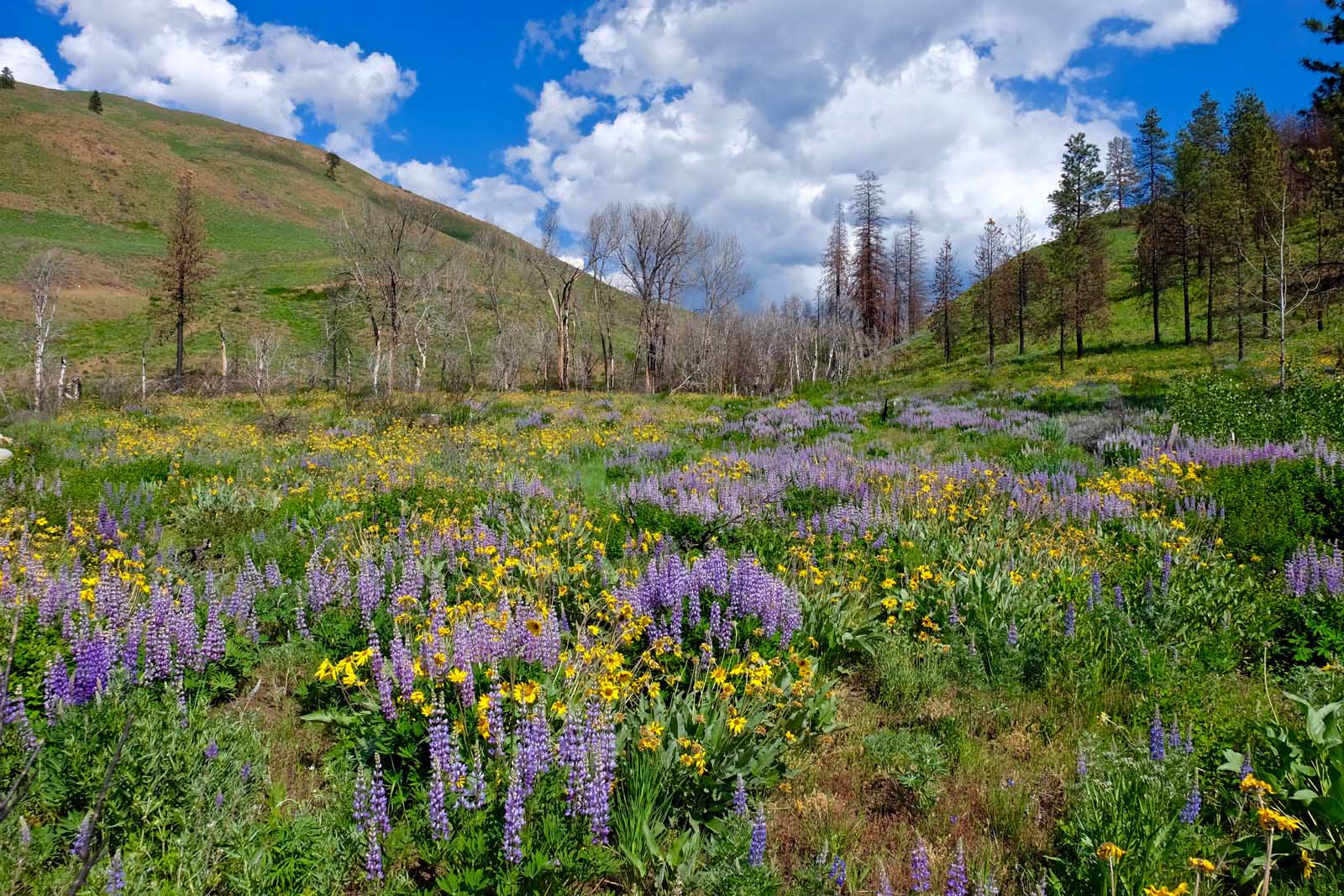
14. Sun Valley, ID
Sun Valley is where to go for ski slopes and wildflower meadows, and if that isn’t the perfect combination, we don’t know what is. The resort town is situated in central Idaho, on the outskirts of the Boise National Forest. It is flanked by Bald Mountain and Dollar Mountain, two major ski areas that remain open until April. You can head there during Spring Break for a buzzier atmosphere or make the most of the quiet in the last couple of weeks before ski slope closures.
When you aren’t enjoying the last of the skiing, you can enjoy the meadows at lower elevations, which have shaken off their snow and are starting to showcase beautiful wildflowers. Croy Canyon is always a good choice and is one of the earliest areas to bloom. Sawtooth Botanical Garden is a good non-natural place to embrace flora, too. You can always go on a day trip to the Boise National Forest for scenic trails or to the Craters of the Moon National Park to see the incredible dormant lava fields.
Sun Valley is a fantastic place to visit in April to see the back end of the ski season. It also has other fun offerings, like wildflowers starting to emerge and the lava fields in nearby Craters of the Moon.
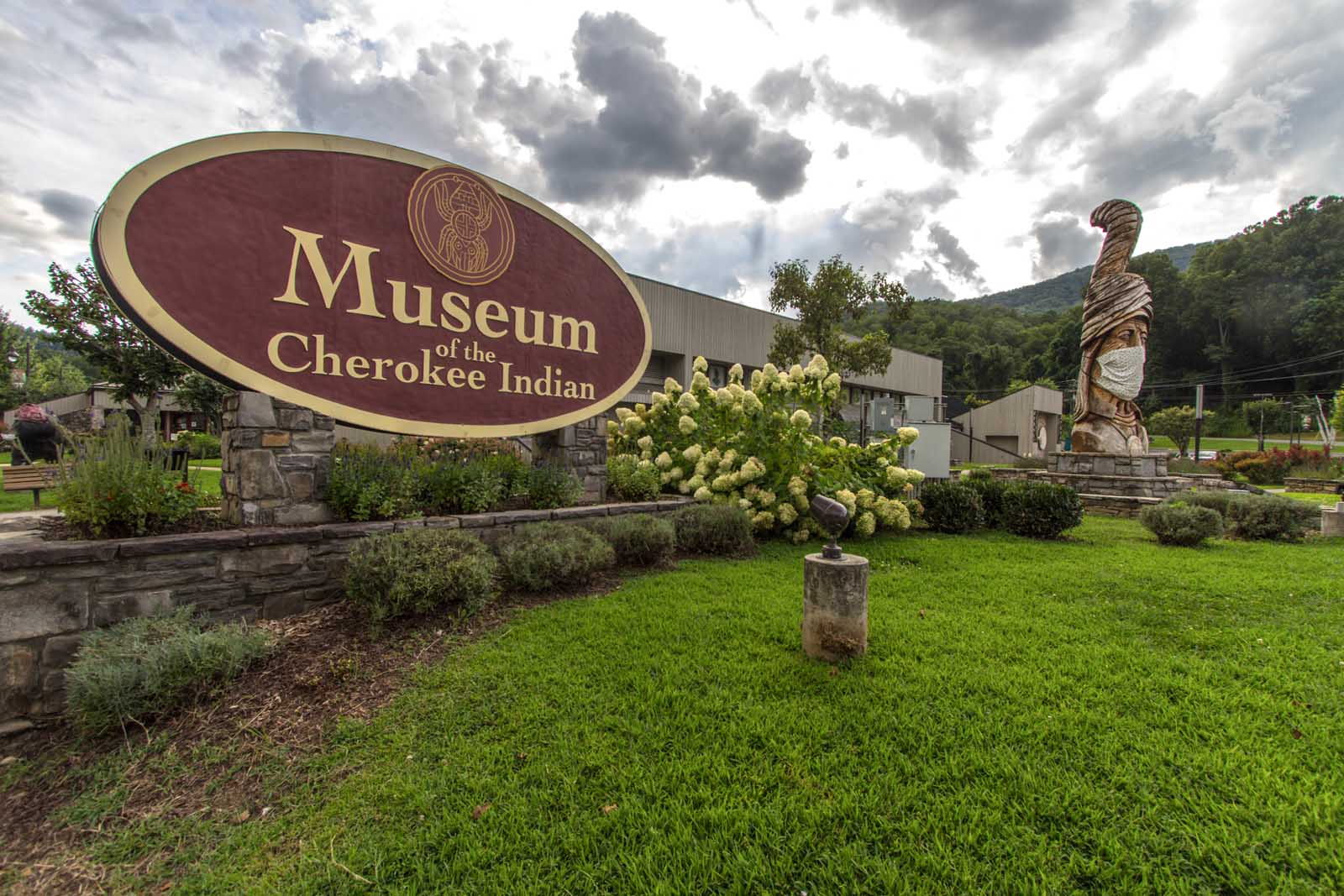
15. Jackson County, NC
Jackson County is beautiful, bordering 45 miles of the Blue Ridge Parkway, but it also offers its own beauty. The county has a selection of really serene mountain towns, including Cashiers, Cherokee, and Slyva. It has its own Forest Therapy Trail, which spans 1,500 acres in Sylva. It also has cultural attractions like the Appalachian Women’s Museum and the Museum of the Cherokee People. Jackson County is full of greenery and natural beauty, from Indian Creek Falls to Soco Falls and hiking trails galore.
Jackson County in North Carolina is relatively sleepy and an underdog in the tourism scene. While most people rush to the nearby Great Smoky Mountains or the Appalachian Mountains, we’d suggest slowing it down and staying in this pastoral region. You can really unplug and experience a new side of North Carolina. In April, it’s a great choice if you want to travel earlier in the month while still avoiding Spring Break crowds.
We recommend Jackson County as an off-the-beaten-track experience in North Carolina, and we think you’ll love this under-sung region. It has quiet attractions, plenty of culture, and natural beauty galore.
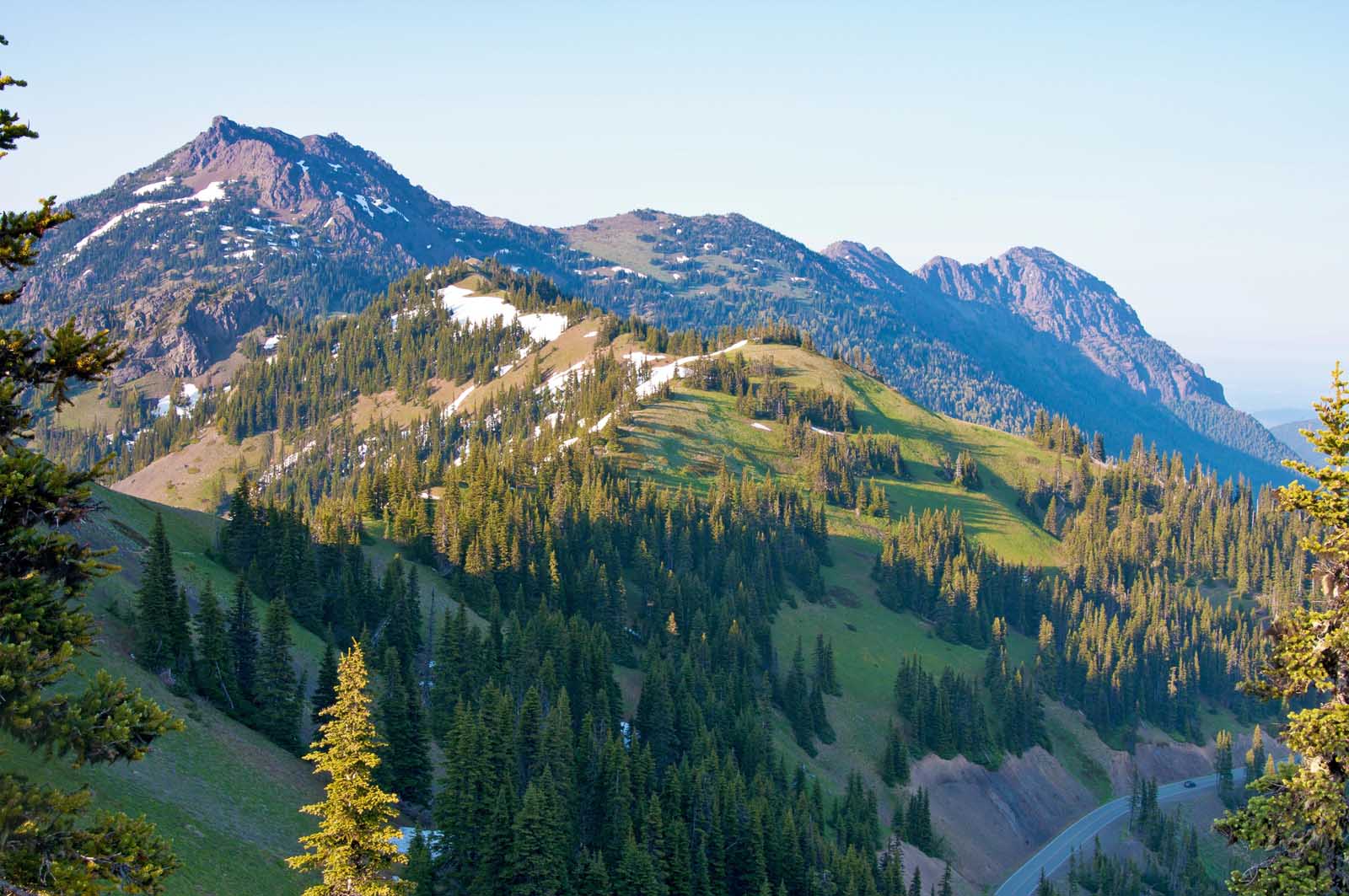
16. North Cascades National Park, WA
North Cascades is a beautiful park near the Canadian border in northern Washington. In April, some of the areas may still have snow lingering, and the temperatures jump up to above freezing, which makes it better and more enjoyable to hike. Given that it’s a glacial region too, that bit of lingering snow makes for even prettier scenery. You’ll have hikes to lakes with mountains still dusted with snow at their peaks. It’s the first month you can conveniently visit North Cascades again and enjoy clear trails with snow views. Could you ask for a better combination?
As if all that wasn’t enough, North Cascades is claimed to have one of the leading flora diversities of the USA and all its national parks. In spring, you’ll notice these flora coming into full bloom. It’s a stunning time to be in the area.
You can hike to Diablo Lake, Desolation Peak, or Baker Lake. North Cascades is just a ridiculously scenic place to enjoy in April. It’s ideal for those who love outdoor adventures and hiking, and it’s perfect if you still want to experience glacial terrain with decorative snow.
17. Big Sky, MT
Big Sky is a big name in the US ski industry. It is pretty much where to head for great slopes, has a gorgeous backdrop of the Rocky Mountains, and is close to Yellowstone National Park. On the days you choose to rest from the slopes, you can take a day trip to see bison and geysers erupting at Yellowstone. Amazing, right?
Big Sky understandably gets busy during Spring Break. However, if you visit after mid-April, you can catch the region at its quietest before it closes for summer. The community’s most well-known ski spot is Big Sky Resort. You can either stay there for your entire stay or just book slope passes, which is a flexible touch. It is known for its variety of runs, and you’ll have a ton of options to test out when you hit the slopes.
Apart from just tactical skiing, you’ll be able to enjoy nearby Yellowstone in April, too. April is a magical time to stay near Yellowstone, where you can witness bison births and bears emerging from hibernation. It’s a special time to visit Big Sky, from which you can easily rent a car or book a Yellowstone tour.
18. Napa Valley, CA
Napa Valley shouldn’t take much persuading if you like your Californian wines. The famed region is known for its delicious wines and is located just a short drive from San Francisco. It is accessible and peaceful, with rolling vineyards and plenty of sunshine. And in April, you have the bonus of fewer crowds and pretty spring wildflowers.
Visiting in April, you also tend to grab cheaper tours and experiences, as the region is still sleepy and trying to entice tourism before the summer rush. It is a great time to get the most value for money. It goes without saying that visiting one of the most famous wine regions in the USA can come with a heavy price tag.
If you stay in Napa itself, you’ll have dozens of wineries just within easy walking distance. You also have attractions like Oxbow Public Market and numerous scenic parks along the Napa River. It is a peaceful getaway in April. And you’ll have tons of chances to indulge.
19. Skagit Valley, WA
Skagit Valley is a beautiful region of fields on the bank of the Skagit River in northern Washington, just below the Canada border. It is easily one of the best places to visit in the USA in April, and there’s one reason why: the Skagit Valley Tulip Festival. This festival lasts throughout April, when millions of tulips burst into life. If you love flowers in springtime, the valley is a mesmerizing spot for a visit. You’ll see colors of white, yellow, red, pink, and more. The valley transforms into waves of bright, bobbing flower heads.
During the festival, you can visit different farms and private lands that open up, especially for the occasion. A few favorites are Tulip Town and Tulip Valley Farms. And when you aren’t visiting the tulips, you can enjoy hiking and bird watching – migratory birds love the agricultural lands and peaceful, protected areas. Make sure to sample plenty of organic farm produce as well.
Skagit Valley is where you spot flowers in their peak season and enjoy a slower pace of life. What’s not to love? It’s an ideal choice this April and just over an hour’s drive from Seattle.
20. Guadalupe Mountains National Park, TX
Guadalupe Mountains National Park is perfect for an April trip. Honestly, it’s like the park was made for this month; it has mild temperatures and barely any rain. And for a national park that mostly offers gorgeous hiking trails, that’s a huge win. You can visit during Spring Break for safety in numbers on trails, or you can dodge the crowds after mid-April.
The Guadalupe Mountains are most famed for its Permian fossil reef, which is the most extensive in the entire world. You can also hike up Guadalupe Peak and Devil’s Hall, which is much more enjoyable in spring than summer. McKittrick Canyon is also a beautiful spot to hike through, with plenty of flora erupting in April. We’d suggest allowing at least two to three days to experience the park or a week to take it slow and get under its skin. The park covers nearly 90,000 acres, so there’s a lot to see and do.
It is located on the border with New Mexico, so allow yourself some time to reach the park, too. You’ll appreciate those lower temperatures when driving through southern scenery, and if you get a chance, detour to Carlsbad Caverns nearby.
Best Places to Visit in April: FAQs
Now that you are knowledgeable about all the best places to visit in April, let’s get practical. In this section, we’ll briefly walk you through the most commonly asked FAQs. Hopefully, this will clear up any doubts or follow-up queries you’ve got brewing.
Where is the best place to vacation in April in the US?
We have a soft spot for California, Texas, and Utah. However, you should also consider destinations like Door County in Wisconsin and Anchorage in Alaska. There are still some beautiful, cooler destinations to visit in April.
Which state is best to visit in April?
Utah and California are two great states to visit in April. Utah has its national parks starting to wake up, with roads more accessible, and California has road trips galore and events like Coachella.
Which destination is best for April?
We’d say that Ennis is the best destination for April, along with Texas Hill Country as a whole. The sheer number of bluebonnets is just stunning, and the scenic drives in warm weather are dreamy.
Where in the US is it warm in April?
Florida, Texas, and Southern California are all good choices if you want hot weather in April.
Why We Recommend These Places To Visit in April
It’s easy to see why traveling to the USA in April is such a good idea. You’ve got lingering skiing opportunities, blooming flowers, and the chance to opt in or out of Spring Break celebrations and crowds. Visiting the USA in April comes with a different level of flexibility; we love it, and so will you.
Are you looking for more inspiration on visiting the USA? Or are you interested in the best things to do in April? Check out our guide on the best Spring Break destinations for 2024. You should also check out our guides on the best 2024 national parks and road trips – because who doesn’t love outdoor adventure? Have an amazing time adventuring, partying, and sightseeing in the USA in April.
Plan Your Next Trip to The USA with These Resources
For millennia, the Palm Springs area has been renowned for “taking the waters,” harnessing the therapeutic benefits of natural mineral-rich hot springs. This custom traces its roots back to the original Native American inhabitants, notably the Agua Caliente Band of Cahuilla Indians, who deeply understood and revered the healing properties of these underground waters.
In contemporary times, Palm Springs remains a premier destination for relaxation and indulgence in spa treatments, drawing in discerning travellers and Hollywood luminaries alike. From iconic figures of the golden age, such as Frank Sinatra, Marilyn Monroe, and Liz Taylor, to modern-day celebrities like Katy Perry, Justin Bieber, and the Kardashians, Palm Springs has long served as a haven for generations of stars seeking respite and rejuvenation.
The Best Palm Springs Wellness Retreats
Photo Credit: Tommy Bahama Miramonte Resort & Spa
What captivates me about Palm Springs’ retreats is its harmonious blend of elements: abundant sunshine, detoxifying hot springs, culinary delights, and the majestic backdrop of the San Jacinto Mountains. With many spas and resorts scattered across the nine desert communities, indulgence and relaxation options are abundant and diverse.
1. Spa Rose at the Tommy Bahama Miramonte Resort
Nestled in the affluent Indian Wells area, this resort reflects the Tommy Bahama brand ethos – a fusion of island charm with desert luxury. Spread across 11 acres, the resort boasts 215 spacious rooms, well-appointed suites, and five villa suites. Tommy Bahama Miramonte Resort & Spa opened its doors on November 23, 2023, following an extensive remodelling.
Palm tree logos and tropical ambiance permeate the resort, echoed in the room designs. The guest rooms, adorned with leafy green wallpaper and touches of grapefruit pink, offer spacious accommodations. Bathrooms are stocked with fluffy towels and bespoke Tommy Bahama amenities.
Curving pathways meander throughout the grounds, linking three saltwater swimming pools, two bocce ball courts, groves of citrus and olive trees, vibrant flowerbeds, fragrant herb gardens, the spa, and the lobby.
During the day, guests can relax by the tranquil pools, and as night falls, they can gather around crackling fire pits for a soothing end to their day.
Tommy Bahama Miramonte Resort
Spa Rosa debuted at Tommy Bahama Miramonte Resort & Spa when the resort opened in 2023. Located amid a lush citrus-filled landscape, this enclosed sanctuary offers breathtaking views of the Santa Rosa Mountains from its terrace.
Once you enter Spa Rosa, the reception desk welcomes you and takes you to the changing rooms. There’s a comfortable lounge to wait for an appointment while sipping fruit-infused water. The change room includes an eucalyptus steam room; outside, you’ll find the spa’s hot spring and pool. There are cabanas you can reserve for private treatments or to relax. Several cabana-style private areas provide sheltered spots for relaxing. Enjoy a treatment and spend the day in the spa’s serene courtyard.
But that’s not all Spa Rosa offers. Take one of the many unique experiences, including yin yoga, outdoor aerial classes, and shaman-led hikes.
Signature Treatments
Photo Credit: Tommy Bahama Miramonte Resort & Spa
I chose the Desert Raindrop Massage, which uses seven distinct aromatherapy oils from native desert botanicals. The oil drops cascaded down my spine and then was gently massaged into my back as part of the treatment. I enjoy the scent of this soothing treatment, which targets tension and overworked muscles and extends its therapeutic touch to the hands and feet.
After the session, my therapist recommended a brief stint in the eucalyptus steam room before enjoying the outdoor hot tub; it features partial walls that create a grotto-type environment complete with waterfalls.
Other treatments include a range of luxurious body treatments, including the Daydream to Life Ritual, the Island State of Mind Massage, the Santa Rosa Mountain Mud Body Mask, and the Precious Rose Quartz Facial.
One can genuinely immerse oneself in an oasis of tranquillity and emerge feeling rejuvenated, refreshed, and ready to take on the world.
Culinary Offerings
Guests can order from a spa menu or indulge in coastal-inspired cuisine at Grapefruit Basil restaurant, the resort’s main restaurant, which offers breakfast, lunch and dinner.
After the spa treatment, guests can sip tropical cocktails at Chiki Palm Bar poolside while enjoying stunning views of the Santa Rosa Mountains. For those seeking a healthy alternative, guests can handpick their oranges and lemons on the property for fresh juicing.
2. The Spa at Sec-He
Photo Credit: The Spa at Se?c He
In the very place where the Cahuilla Indians once savoured the mineral waters, the expansive Agua Caliente Cultural Plaza now rises in downtown Palm Springs. Here, you’ll discover the cutting-edge Spa at Séc-he and the Agua Caliente Cultural Museum.
The Agua Caliente Cultural Museum is a highlight that is awaiting your exploration. It unfolds the band’s story across its main gallery, with a rotating display space and art gallery. Moreover, the museum boasts an education center and garden as a central hub for preserving cultural artifacts, narratives, and historical heritage.
See and hear stories of the Agua Caliente people in this exhibit.
The Spa & Facilities
Photo Credit: The Spa at Se?c He
Opening its doors on April 4, 2023, The Spa at Sec-He is a magnificent 73,000-square-foot expanse atop a hot mineral spring owned by the Agua Caliente Band of Cahuilla Indians. Adjacent to the Agua Caliente Cultural Museum and Casino Palm Springs, it proudly stands as Palm Springs’ most exclusive hot mineral spring facility.
The Spa at Sec-He is massive; spending a few hours here isn’t enough. There is so much to experience.
Signature Treatment
Immersing myself in the tradition of “taking the waters,” I settle into my secluded mineral water tub, captivated by the thought of soaking in water that has bubbled beneath the city for over 12,000 years.
As my body adjusts to the comforting warmth, fifteen minutes in this 90-degree mineral pool brings soothing relief. Following this, indulging in another 20 minutes within the zero-edge mineral pool, enveloped by sunlight and the gentle caress of warm water, becomes an experience of pure bliss.
The spa facilities are beautifully designed to create a healing oasis and are adorned with cultural images and native art. There are communal lounge areas and two halotherapy salt caves connected to the pool area. One of my favourite places was the tranquility garden.
Tip: If you spend the day at the spa, use the menthol sauna and the eucalyptus aromatherapy shower. For a fee, you can add services like body scrubs, wraps, facials, and a heavenly scalp massage.
Culinary Offerings
They cater to spa guests and the public at Málmal Café within The Spa at Séc-he, a delightful fusion of health-forward and Mediterranean-inspired dishes. Fresh seasonal ingredients are expertly blended into innovative recipes. Similarly, Pál Bar, located by the outdoor pools, offers carefully crafted selections for those seeking tranquillity. Mirroring the health-conscious ethos of Málmal Café, Pál Bar’s offerings feature locally and seasonally sourced ingredients. There are various juice blends and smoothes for those needing a boost or juice cleanse.
3. Agua Serena Spa – Hyatt Regency Indian Wells Resort & Spa
The Hyatt Regency Indian Wells Resort & Spa is a full-service resort just a 25-minute drive from downtown Palm Springs. It’s designed to help you forget about the outside world and relax. Guests can walk around the 45-acre desert gardens or dip in the pool.
This property is undoubtedly massive; many conferences and weddings take place here. It’s easy to get lost in the resort while visiting your room or facilities. Many resort sections are being renovated, so several areas and restaurants are closed. Guests hardly notice since there are seven pools, including one adults-only pool with cabanas, a spa, a business center, a kids’ club, four restaurants, two bars, three tennis courts, a 24-hour fitness center, a salon, a golf shop, jogging and cycling paths, and a 36-hole golf course.
There are 530 guestrooms with mountain, fairway, or pool views. My room overlooked the golf course, with a lush green morning view. It’s spacious and filled with Hyatt amenities, like bathrobes, toiletries, and a coffee station.
The Spa & Facilities
Beyond traditional services like massage, facials, and body treatments, Agua Serena Spa introduces Float Pod Therapy. To complement these services, the spa provides fresh and nutritious food options and guidance from a nutritional expert to help guests cultivate healthy eating habits.
In addition to providing access to hotel guests, the spa operates on a membership basis for the community. Memberships cater to different needs, with one-month, three-month, six-month, and 12-month options. Members enjoy full access to spa facilities during operating hours, including the fitness center and complimentary parking.
In the men’s locker area, guests can unwind in the sauna, steam room, outdoor hot tub, and cold plunge, complete with indoor and outdoor showers. Meanwhile, the women’s locker area features a sauna, steam room, outdoor Jacuzzi, and the same convenient shower facilities.
Signature Treatment
One of the signature treatments is the desert-inspired body treatment, a rejuvenation with the energizing treatment of Nopal Cactus and Medjool Dates. These ancient healers, alongside the refreshing scents of sage, grapefruit, and juniper, offer a refreshing escape for the senses. In just 50 minutes, the date sugar exfoliation is followed by a hydrating cactus moisturizer application, revitalizing and renewing the skin.
Along with body treatments, Agua Serena Spa offers facials, massages, yoga studios and classes, wellness consultations, and a 24-hour fitness studio.
Culinary Offerings
Although some food and beverage dining outlets are being renovated, full-service dining is maintained. Hyatt Indian Wells continues to offer full-service dining and poolside service.
Conveniently situated within the lobby of the Hyatt Regency Indian Wells Resort & Spa, Citrus Marketplace and Cafe welcomes guests with a diverse selection of specialty deli items and unique gift shop finds, perfect for travellers on the move. The cafe presents a range of signature food and beverage options featuring freshly harvested grapefruits, oranges, and lemons from the resort’s groves. Complete with a coffee bar, tea assortment, sandwiches, and delightful treats, visitors can relax in the modern, inviting seating area.
Lantana is your go-to for a taste of locally sourced fare, offering breakfast and an elevated dining experience featuring fish from California waters, steaks, and farm-fresh vegetables. For a mid-day respite, Agave Sunset Bar and Lounge offers lighter fare, including sandwiches and personal pizzas, complemented by a stellar happy hour featuring desert-inspired cocktails and beers. For poolside dining, Roadrunner Café awaits, perfectly positioned adjacent to the main swimming pool, ensuring a seamless and satisfying lunchtime.
4. Azure Palm Springs Resort
Photo Credit: Azure Palm Hot Springs Resort & Day Spa Oasis
Desert Hot Springs in Greater Palm Springs is the epicenter of natural hot springs. These healing waters are drawn from the depths of natural aquifers and are renowned for their soothing and detoxifying properties. The Azure Palm Hot Springs Resort & Day Spa Oasis is one of the luxury getaways where you can experience the therapeutic benefits of these magical hot springs.
Azure Palm Hot Springs Resort & Day Spa Oasis is a luxury getaway that opened in March 2021. It offers a one-of-a-kind desert spa experience and boasts a range of amenities, including one of the largest mineral pools in Southern California.
The Spa & Facilities
Don’t let the resort’s understated look from the outside fool you. Once you have taken a tour of the property and discovered its many alluring extras, you’ll be pleasantly surprised by what you find. There are four mineral water spas, a dry sauna, fire pits, and breathtaking mountain views.
Signature Treatment
Photo Credit: Azure Palm Hot Springs Resort & Day Spa Oasis
If guests stay overnight, the spa suites contain personal mineral soaking tubs but no TVs or telephones. When visiting on a day pass or booking overnight accommodations, guests should ensure ample time before or after their treatment to utilize the pool and outdoor soaking tubs. Luxurious soaks are a hallmark of this resort.
Visitors can choose from over 30 spa treatments, including body wraps, facials, and massages. Additionally, they can explore holistic therapies designed to detoxify tissues or boost immunity.
Guests can customize their experience with signature add-ons such as a luxurious scalp massage, foot scrub, CBD booster oil, and collagen-firming mask to enhance their treatment.
The resort sets itself apart as a leader in the skincare and haircare industry by offering various treatments that emphasize holistic and Korean spa techniques.
Note: The Himalayan Salt room is open to overnight guests only.
Culinary Offerings
The resort boasts an on-site Azure Palm Café that serves healthy and delightful cuisine for breakfast, lunch, and light dinners. The café also offers an organic coffee bar, fresh-squeezed juices, beer, and wine.
For additional information about Mineral Spas in Palm Springs, visit Hot Water Guide to Desert Hot Springs.
Flight Information: Air Canada offers direct seasonal flights to Palm Springs from Toronto and Calgary. Parm Parmar was a guest of Visit Greater Palm Springs.
Mashpi Lodge is one of the great luxury eco-lodges in the world. Located in the heart of Ecuador’s cloud forest, Mashpi Lodge is just a 3 1/2 hour drive from Quito but feels world’s away. It offers an extraordinary experience that blends luxurious accommodation with unparalleled access to one of the planet’s most biodiverse ecosystems. We spent three days at Mashpi Lodge, taking advantage of our all-inclusive expedition that makes this luxury lodge unique. Surrounded by the rainforest, you can expect daily excursions, fine dining, and pampering during your stay.
Mashpi Lodge – Galapagos Extension
Our Mashpi Lodge stay was an added extension of our Galapagos Cruise with HX Hurtigruten Expeditions. HX Hurtigruten Expeditions has partnered with local tour company Metropolitan Touring to create memorable post- and pre-excursions that provide guests with luxury stays.
We added Masphi Lodge to our Galapagos adventure to create the ultimate adventure in Ecuador. Combine that with a few days in Quito, and we felt that we had experienced the best of what the country has to offer. We can truly say that staying at Mashpi Lodge is absolutely worth the three-hour drive on bumpy roads. This remote location in the heart of Ecuador’s Andean foothills is the perfect alternative to the Amazon Rainforest.
About Mashpi Lodge and Reserve
Nestled amidst the lush cloud forests of the Ecuadorian Andes, this modern sanctuary, with its tropical wood, floor to ceiling windows and recycled steel facade, was the brainchild of a group of Ecuadorian businessmen seeking to preserve the cloud forest. Their sustainable design offers visitors a unique vantage point to soak in the rich biodiversity that surrounds it while putting money back into the preservation of the jungle. The lodge started out on a small parcel of land and has grown to span 7000 acres of forest.
The lodge’s ground level is a hub of knowledge and relaxation. There is a presentation room, a cozy reading area stocked with an extensive collection of books about Ecuador, and quiet nooks where visitors can relax and take in the view of the jungle. Free Wi-Fi is also available throughout the lodge.
Everything Under One Roof
The entire complex is climate-controlled, with floor-to-ceiling windows, making for a comfortable environment with extraordinary views once you return from the jungle. Unlike other eco-lodges, we have stayed at where we have to walk outside to get to dinner or the main hotel, the entire complex was within the hotel, so when we went for lectures, meals, massage, or presentations, we were always comfortable.
Once we were in for the night, we could comfortably walk from the first floor to the third floor and from room to room. This was a welcome escape.
For relaxation, there is an outdoor wellness area featuring an open-air Jacuzzi, and a room dedicated to massages and treatments is on the third floor. Dining at Mashpi Lodge is an event you won’t forget. The extensive menu features flavors of the region using fresh local ingredients, served in a breathtaking two-story-high dining room with mesmerizing views of the forest.
Location and Setting of Mashpi Lodge
Mashpi Lodge sits within the Chocó Andean rainforest on the Masphi Reserve. It is perched at 900 meters above sea level, surrounded by lush, verdant forests that are home to countless species of flora and fauna, many of which are endemic to this region. Its location was designed as the ideal springboard to explore the Mashpi reserve.
What to Expect at Mashpi Lodge
Upon our arrival at Mashpi Lodge, the wonderful staff greeted us and invited us to enjoy a glass of fresh juice with cold towels to soothe our aching muscles after the bumpy ride from Quito.
While our room was being prepared, we ate lunch in the dining room. All meals are provided free of charge during your stay, and we started off with a buffet of salads and breads followed by our choice of main entree from the extensive menu. The lodge’s commitment to conservation and eco-friendly practices is evident in every aspect of its operation, from the construction materials to the daily activities offered to guests. Menus save paper by accessing them via tablet or phone.
After lunch, we met our hosts in the presentation room. They introduced us to the lodge and explained its history and purpose.
We were told the story of how Mashpi Lodge began in 2001 by a businessman and former mayor of Quito, Roque Sevilla, who wanted to safeguard a portion of the Chocó forest in Ecuador. He saw how devastating deforestation was to the environment and dedicated nearly a decade to conserving this private piece of land. He brought on investors and others who had a passion for sustainability, and since then, Mashpi has grown into the leading luxury eco-lodge that it is today.
By providing eco-conscious accommodations and engaging visitors in educational and sustainable tourism practices, Mashpi Lodge serves a dual purpose: it acts as a guardian of the forest’s diverse flora and fauna and as a catalyst for change, inspiring guests to become advocates for conservation efforts around the globe.
Mashpi Lodge Guides and Staff
The lodge’s wonderful staff and expert guides are what truly make your experience in the rainforest memorable. They are passionate about their jobs and about their country. We were assigned to our guide, Lizardo, for our entire stay. He led us on daily excursions to waterfalls, bird and butterfly sanctuaries, lookouts, and an adventure soaring over the jungle canopy on SkyBike, hiking along nature trails, swimming in waterfalls, to embarking on nocturnal walks.
A highlight for visitors is going on a nocturnal walk in search of creatures of the night. When visiting Mashpi Lodge, it isn’t just a comfortable and relaxing stay; it is an immersive experience in a living paradise.
Its secluded location offers guests a unique opportunity to disconnect from the outside world and immerse themselves in the natural beauty and tranquility of the cloud forest. Albeit, free WiFi is available throughout the lodge.
Accommodations at Mashpi Lodge
The lodge’s 22 rooms and suites are designed as luxurious retreats, featuring expansive windows that open to a tableau of trees and vines. Rooms have climate-controlled air conditioning, so you won’t want to open the window, but the high ceilings make for a beautiful view.
Luxury Hotel Rooms
All rooms at Mashpi Lodge offer views of the surrounding forest. Some rooms are larger than others, but all each is designed with modern comfort in mind with minimalist decor. They are equipped with modern amenities like coffee, hair dryers, luxury rainforest showers and fluffy duvets without detracting from the natural experience.
Wayra Rooms
We stayed in one of the Wayra Rooms. Our Wayra room was one of the more basic rooms in the hotel with two double beds. But they still feel like a luxury cocoon with walls of windows looking out on the cacophony of trees, vines, and birds just a few feet away.
Solo travelers can also book a smaller room to accommodate one person.
It was grateful for the hair dryer as the 100% humidity of the cloud forest you will need, air conditioning, and laundry service. Each day Mashpi Lodge invited guests to have their clothing dried free of charge. The lodge also offers rain ponchos should you need one on your guided excursions.
Yaku Suites
For those seeking an even more opulent experience, the three Yaku Suites are located on the first floor of the hotel and offer additional space,
Top Attractions to See at Mashpi Lodge
Mashpi Lodge offers stays ranging from one night to a week, and there are plenty of things to keep visitors occupied. Our stay at Mashpi Lodge was two nights and three full days that included day hikes along its many trails, presentations with their resident biologist, and bird watching throughout the Masphi Reserve.
Throughout our stay, we enjoyed the property’s amenities and hiked through the Masphi reserve in search of wildlife, birds, and natural waterfalls.
Mornings started early, and we had full days of exciting excursions to enjoy. After breakfast, we were out exploring the jungle on either a hike or a visit to the Life Center, hummingbird garden, or until after dark. You can make your stay as busy or as relaxing as you wish. You are not pressured to go out on walks every second of the day, but trust us, you will be missing out if you skip them. We took part in two excursions a day, a night walk, and presentations.
Here are some of the top attractions you can expect at Mashpi Lodge.
Sky Bike
Our favorite attraction at Mashpi Lodge was the unique experience of cycling over the jungle canopy. We hopped on the Sky Bike and pedaled along a cable stretched between two points in the forest. Cycling high above the lush landscape, we had a bird’s-eye view of the cloud forest. We took our time riding high and stopping to take in the unparalleled views.
We spent three days with our fellow guests that consisted of another couple and a solo traveler. Solo travelers will feel right at home on Mashpi Reserve as guided tours take you out in groups to see the local wildlife. We made friends with our group that we spent three days with. As they rode the Sky Bike, we had the chance to check out another popular attraction.
Observation Tower
Located right beside the sky bike, this observation tower climbs around 10 stories, reaching above the canopy, and offering panoramic views of the forest and the opportunity to spot wildlife from above. It was beautiful to watch the clouds blow in and out view.
Hummingbird Sanctuary
The hummingbird sanctuary was a close second in our experiences at Mashpi Lodge. We didn’t have to hike out to the hummingbird feeders and instead enjoyed a bumpy ride to the entrance of the long road leading to the lodge.
We have had other hummingbird encounters in the past, but none have allowed us to hold the feeders and let the birds feed off the palms of our hands.
Life Centre
The Life Center is an educational hub designed to offer guests a deeper understanding of the cloud forest’s ecosystem. About a half-hour hike from the lodge, the Life Center serves as both a research station and a place where visitors can learn about the different plant species, butterflies, and birds that inhabit the area.
At the life center, we relaxed on a wooden platform watching beautiful birds come and go.
There is an enclosed butterfly sanctuary where we learned about the lifecycle of the butterflies and walked through the netted enclosure watching them fly about. There are many conservation projects, including the butterflies, and during our hike back, we even saw a rescue that was being taken care of inside the lodge.
Waterfalls and Hiking Trails
Mashpi Lodge invites visitors to step outside the luxury eco-lodge located on the Mashpi Reserve as much as possible. The reason being the cloud forest is full of not only beautiful birds but breathtaking waterfalls. Visitors can go for a swim and they even brought a portable change room to one of the waterfalls.
Walking through the trails, we hiked through shallow rivers, eco-friendly steps, and tree-covered trails to see several waterfalls during our stay.
Mashpi Lodge is crisscrossed by rivers and streams that give rise to stunning waterfalls. Guided hikes along the forest’s trails allow guests to marvel at these natural wonders and encounter some of the forest’s inhabitants.
During our final day, we even went hiking to the highest waterfall on the reserve. Our fellow guests had already checked out of the hotel, but we had a bit more time, so Lizardo took us out to explore more, and we are glad that we sucked up the energy to do it! This was totally worth the long hike.
Night Walks
As the sun sets, the forest transforms, and a whole new world of nocturnal creatures emerges. We followed Lizardo out into the night, where he seemed to be able to see in the dark. He spied frogs galore in the dew-dropped leaves of the rainforest. We were hoping to see some other creatures, but we did see many elusive frogs, including the rare glass frog.
For people who have never been to a rainforest at night, the guided night walk provides a fascinating glimpse into the lives of the forest’s night-time residents, including frogs, insects, nocturnal birds, and other night creatures.
Presentations
We only took part in one nocturnal walk and instead joined our resident biologist and guide, Lizardo, in the presentation room to learn more about the creatures of the cloud forest. A lot of times I am not interested in presentations on safaris, but Lizardo was a natural sharing his expertise with interesting visuals and fun storytelling.
We enjoyed happy hour drinks while listening to the half-hour presentation before dinner having dinner.
Dragonfly Canopy Gondola
Unfortunately, the Dragonfly Canopy Gondola was undergoing renovation while we were visiting Mashpi Lodge, but it should be open by now, and it is a must-do experience.
This is a canopy gondola that glides silently over and through the treetops. This tranquil journey offers an unparalleled perspective of the forest, allowing guests to witness the complexity and beauty of the ecosystem from a comfortable and secure vantage point.
Jacuzzi Room
When you stay at Mashpi Lodge, you will be immersed in the natural world. Even the jacuzzi is an experience in the jungle. Guests need to book the jacuzzi ahead of time, so I suggest booking it as soon as you check-in. We booked both our evenings in the jacuzzi and spa as we checked into the hotel to make sure we fit in every experience we wanted.
Surrounded by slatted wooden panels, we booked 45 minutes in the cabana located just steps from the main lodge of the hotel. Surrounded by tropical plants, the rainforest, and a private setting, we had an evening of pure bliss as we soothed our aching muscles after all that hiking in the hot bubbling water. How often does one get to soak in a tub in the jungle?
What is Included at Mashpi Lodge
What sets Mashpi Lodge apart from other hotels in the world is the all-inclusive safari experience. Several experiences are included in your room rate, making for a hassle-free vacation.So, what is included?
Expert Guides – Most guides and staff are hired from the local community, supporting the local economy. Three gourmet meals, including soft drinks and water. The meals include buffet starters, appetizers, main dishes, and desserts. Rubber Boots—Once you arrive, you will be fitted with rubber boots, which will be yours for the duration. Water bottles – Water bottles are given to you in your hotel room, and they are yours to keep. There are freshwater filling stations around the hotel. Refillable water stations Insect repellant – We also received Insect repellant with our water bottles when we checked into our room. Clothes drying Service – After a day of hiking, we dropped a laundry bag off at the front desk so they could dry our clothes. The rainforest is very hot, humid, and wet, and this was a luxury amenity that we took full advantage of. They had our laundry back to our room each night. WiFi – Masphi Lodge is a place to unwind and unplug, but they do understand that it is the 21st century. There is free WiFi throughout the hotel. Hotel transfers – Mashpi Lodge is located in a remote region of Ecuador. It can be tricky to get to and transfer services are included to the hotel from Quito.
What’s Not Included at Mashpi Lodge
Tips for your guide. We tipped $150 for the two of us for a two-night stay at the hotel. Alcoholic beverages – There was a happy hour where we had 3 for 2 drinks. Laundry Service – If you want laundry washed there is an extra cost. Spa and Massage – There is an extra charge for spa service, but it is totally worth it!
Check out is at 12:00 noon, but we had arranged for our driver to pick us up at 3 pm, so we had time to enjoy another adventure at the hotel in the morning followed by a spa treatment in the afternoon. It was the perfect way to end our day before hitting the bumpy roads back to the metropolitan district of Quito.
Mashpi Lodge offers an unforgettable experience that goes beyond a typical vacation and is unlike anywhere else in the world. It is an immersive journey into the heart of one of the world’s most precious ecosystems, blending luxury and sustainability in a setting of unparalleled natural beauty.
Mashpi Lodge is a magical spot in the middle of the jungle of Ecuador. If you are planning a trip to the Galapagos Islands or any other place in the country, we highly recommend splurging on this once in a lifetime experience.
Whether you’re an avid birder, a nature enthusiast, love to hike, or want to experience waterfalls in the rainforest, Mashpi Lodge promises an adventure that will leave you with lasting memories.
Everyone dreams of visiting Venice at one point in their life, and you’re incredibly lucky if your time has come. The sinking city is one of the most popular tourist destinations in Italy, with more than 30 million visitors every year. But most of those tourists come to Venice for the day, and less than 3 million actually spend a night in the city. We visited the city twice, and both times, we stayed for 3 days, which was the perfect amount of time, in our opinion. If you’re planning to stay in Venice for more than 24 hours, this guide to the best Venice hotels will help you find the best accommodation!
Venice is not a very big city, so you can stay anywhere on the island in terms of just the location. You’ll be a 30-minute walk from the top attractions at most, and you can get around quicker in water buses and taxis. But some areas are better than others, especially for first-time visitors, and that’s what I’ll mainly focus on in this guide to the best areas to stay in Venice.
Best Places To Stay In Venice, Italy
I want to mention that I’ve only focused on the central island of the Venetian Lagoon, and that’s because it’s undoubtedly the best part of the city for a first visit. We have chosen to stay in two different areas during both our visits to Venice. San Marco, the first time, as it is really central and we wanted to be in the middle of the action, and San Croce the next time, as we wanted to be closer to the train station yet still have good access to the main sights.
While Lido and Murano have a lot to offer, they shouldn’t be your top priority if you’ve never visited this magical city before. Save something for the next time you’re here, and then you have the perfect excuse to return to Venice!
1. San Marco
San Marco is the central neighborhood of Venice. It’s home to all this floating city’s most iconic tourist sights, including the Rialto Bridge, Saint Mark’s Basilica, Doge’s Palace, Piazza San Marco, Campo Santo Stefano, and many others. Stay in this part of Venice if you want easy walking access to all the best-known landmarks. This is why this area appealed to us so much.
But keep in mind that hotels in San Marco are some of the most expensive in Venice. Even the two-star hotels aren’t cheap, and I wouldn’t recommend a hotel room in San Marco to travelers on a very tight budget. On the other hand, this district has some of Venice’s best palazzos, several of which have been converted into hotels and guest houses. If the idea of staying in an ancient palazzo sounds exciting, San Marco is the area for you.
Another thing to consider is that San Marco is the busiest area of Venice. Hordes of tourists are everywhere, and in peak season, the neighborhood gets so busy that walking down the street becomes challenging. However, the same can be said for most parts of Venice, and it shouldn’t be a deal-breaker, especially in such a central area of the city.
Luxury: The Gritti Palace
If you want to live the good life in Venice, it can hardly get better than The Gritti Palace. This lavish hotel is set in a former noble residence and features spacious rooms with opulent decorations. Think decorated walls and marble bathrooms, with furniture that matches the color theme of each room.
Murano glass and antiques are found in every room of the hotel, along with classic Venetian furniture. The hotel restaurant is on the canal, and you can enjoy spectacular views along with tasty Italian food every day. Also, all hotel rooms are equipped with spacious ensuite bathrooms, free WiFi, and air conditioning.
Mid Range: Hotel Rialto
Hotel Rialto is an excellent four-star hotel in the northern area of San Marco. It’s adjacent to the Rialto Bridge, one of Venice’s most iconic landmarks. All the rooms and suites are equipped with private bathrooms, air conditioning, and flat-screen TVs, but the style of the rooms varies drastically. Whereas the smaller rooms feature the more classic and somewhat tacky decor, the larger suites are decked out with mostly modern furniture.
Book a room with a view of the Grand Canal and Rialto Bridge to enjoy the sight of Venice’s best landmarks from the comfort of your bed. Breakfast is included in the rate of every room, and you can enjoy it at the restaurant terrace right next to the Canal. Also, the water bus stop is right in front of the hotel, so you have a direct connection to the train station and the nearest airport.
Budget: Hotel ai do Mori
Hotel ai do Mori is a budget hotel in the heart of San Marco, just a couple of minutes from St. Mark’s Square. The location of this hotel is fantastic for the price because you can hardly find a more central place to stay in Venice. The rooms are small but clean and equipped with all the necessities, making this hotel a good option for travelers who want nothing more than a place to rest their heads at night.
All the rooms at Hotel ai do Mori are air-conditioned, which is certainly a plus. Every room also has a flat-screen TV and a private bathroom, so you will have access to all the essentials. The only thing to keep in mind is that the nightly rates for this hotel start at around 160 Euros. That’s pricey when you look at the photos of the rooms, but you’re paying mostly for the superb central location.
Pros of Staying in San Marco
Walking distance to all the best landmarks in Venice Views of the Grand Canal from hotel rooms Plenty of shops and eateries throughout the neighborhood Connected by bridge with San Polo and Dorsoduro
Cons of Staying in San Marco
Pricey hotels Extremely crowded almost all the time Far from the train station
2. San Polo
San Polo is the second-best area of Venice for first-time visitors. Just like San Marco, it’s home to iconic Venice landmarks that you can’t miss when staying in the city. From the Rialto Market in the east to the Basilica di Santa Maria Gloriosa dei Frari in the west of San Polo, the neighborhood is ideal for casual strolls through narrow alleys and rides in Venetian gondolas.
Trendy restaurants and excellent art museums are other staples of San Polo. You can’t walk along the Grand Canal without passing by countless restaurant terraces, all of which will tempt you with the lovely smells of classic Italian cuisine.
The hotels in San Polo are on the pricier side, just like those in San Marco. There are very few true budget hotels, so you might want to consider staying in a different part of Venice if you’re looking to get the most bang for your buck. But if you want to stay in an actual Venetian palazzo and wake up to views of museum-worthy painted ceilings, I think you’ll find several suitable options in San Polo.
Luxury: Aman
Aman is a luxury hotel in central Venice, mere steps away from Campo San Polo. It’s set in one of Venice’s great palazzos and features only 24 rooms, so it’s pretty much perfect for travelers who prioritize privacy. The hotel rooms feature the perfect blend of modern furnishings and classic Venetian accents, so you get the best of both worlds.
The beds are very comfortable, and you’ll sleep like a baby. Every room has a spacious private bathroom, a private balcony, a minibar, and air conditioning. The common rooms are the highlight of the hotel for me, as they are classic palazzo rooms with gorgeous decorations on the walls and painted ceilings. This hotel also has two private gardens, and you can relax at the shaded tables, enjoying the views of the Canal as if you had Venice all to yourself.
Mid-Range: H10 Palazzo Canova
H10 Palazzo Canova is a great four-star hotel on the Grand Canal overlooking the Rialto Bridge. Featuring modern rooms with stylish furnishings, this hotel offers excellent value for money, considering the location, amenities, and service quality. My favorite part of the hotel is the rooftop restaurant, where you can enjoy a delicious breakfast along with one of the best views in Venice.
The rooms at Palazzo Canova are spacious, clean, and equipped with more than just the bare necessities. Every room has a coffee machine, a seating area, and a dedicated workspace. Guests all have access to free WiFi and a minibar, and it goes without saying that all rooms have an ensuite bathroom with either a bath or a shower.
Budget: Hotel Marconi
Hotel Marconi is an affordable three-star hotel just steps away from San Giacomo di Rialto Square. It’s on the Grand Canal, and some rooms offer a view of the Rialto Bridge from the balcony. The nightly rate starts at around 160 Euros, which is a seriously good deal for this location. Hotels across the canal from this one are at least double the price, so choose this hotel if you’re looking for affordable accommodation in the heart of Venice.
The rooms are decorated with classic furnishings, and that’s honestly my least favorite part of Hotel Marconi. I’m not a big fan of the myriad of gold accents everywhere, but the price is attractive enough to help me get past that. Also, all the rooms have a private bathroom, a minibar, air conditioning, and a flat-screen TV.
Pros of Staying in San Polo
Historic attractions and landmarks Beautiful neighborhood with views of the Grand Canal Choose from dozens of hotels
Cons of Staying in San Polo
Few cheap hotels Very crowded part of Venice Restaurants and cafes here are pricey
Santa Croce
Santa Croce is an excellent neighborhood for a first trip to Venice, especially if you’re looking for affordable hotels. It borders San Polo so you’re still very close to the central Venice neighborhoods, plus it’s home to many popular landmarks and attractions. We stayed here on our second visit to Venice and loved it.
The famous art gallery, Ca’ Pesaro International Gallery of Modern Art, is right here in Santa Croce, as well as Giardini Papadopoli, and the Natural History Museum. The area is also home to many excellent eateries, which are usually less crowded than those in San Polo and San Marco.
Staying in Santa Croce also means you’re close to the train station, which is great for longer stays in Venice. It is a bit of a longer walk from Santa Croce to the attractions in San Marco, but absolutely worth it because you’ll get to discover more of Venice and venture into parts of the city that otherwise wouldn’t even be on your radar. Who knows what hidden gems you might discover!
Luxury: Palazzo Venart Luxury Hotel
Palazzo Venart Luxury Hotel is set in a 16th-century building on the Grand Canal. It’s also a five-minute walk from the more central San Polo, so you’re still very close to all the best Venice attractions. The rooms are exquisite, with classic decor, marble bathrooms, and stunning artwork. Every room has a TV, minibar, desk, and a comfortable seating area.
A restaurant with 2 Michelin stars is part of the hotel, so you don’t have to go anywhere for a fabulous dining experience. Also, the hotel has a private garden overlooking the Grand Canal, so you can enjoy wonderful views in the evenings, but without the hordes of tourists that are usual for Venice.
Mid-Range: Hotel Carlton on the Grand Canal
Hotel Carlton on the Grand Canal is a four-star hotel across the canal from the train station. A stone bridge is very close to the hotel, so you’re only five minutes away from the Santa Lucia train station, which is very convenient. This hotel boasts rooms decorated with classic Venetian furnishings, but they’re all very small.
Even the triple rooms are under 20m², so you might want to consider a different hotel if you like having lots of space. All the rooms have a private bathroom and a desk, but the seating area usually consists of just a small chair. Every guest will also have a TV and a minibar in the room, as well as beautiful Murano glass lamps.
Budget: Albergo Marin
Albergo Marin is an affordable hotel with a fabulous location in Santa Croce. It’s a short walk from the train station and just 10 minutes from Basilica di Santa Maria Gloriosa dei Frari in San Polo. If you prioritize location and affordability over decorations and amenities, this is one of the best hotels in Venice to consider.
The rooms don’t look stunning or anything, but they are all air-conditioned and equipped with surprisingly comfortable beds. Every hotel room has an ensuite bathroom complete with a shower and a bidet, as well as a flat-screen TV and free Wi-Fi. Also, you can book the hotel now and you don’t have to pay anything until you arrive in Venice.
Pros of Staying in Santa Croce
Cheaper-hotels The train station is close Fewer crowds
Cons of Staying in Santa Croce
About a 20-minute walk from central Venice Not many tourist attractions Fewer options for luxury hotels
Cannaregio
Cannaregio encompasses most of northern Venice. It borders Santa Croce and San Marco, plus it’s separated from San Polo by the Grand Canal. The location is great for exploring Venice, and you’ll find that the area is home to more affordable restaurants and hotels than the city center.
Also, there’s lots to see and explore in Cannaregio. Once upon a time, this was Venice’s Jewish ghetto. The Jewish population of the city was forced to live in this area from the 16th to the 19th century, and this impacted the architecture of the district quite a bit. For one, buildings are taller than in other areas of Venice because they were constructed to accommodate more people. This is the part of the city where you’ll find the synagogues, history museums, and the best kosher restaurants in Venice.
Cannaregio is very close to San Michele Island, which has a famous cemetery, and even Murano Island. Boat transfers to the smaller islands are offered from practically every pier on the north side of Cannaregio. But there’s only one bridge connection to San Marco, so you’ll need to ride in water buses to get to the attractions in San Marco.
Luxury: Ca’ Bonfadini Historic Experience
Ca’ Bonfadini Historic Experience is an opulent hotel set inside a 16th-century building. Stay here to experience world-class service in one of the prettiest palazzos in the Venetian Lagoon. The hotel rooms are spacious, with extremely comfortable beds and elegant Venetian decor. The guest suites are absolutely magical, with gorgeous paintings on the ceiling and walls.
Whether you book the cheapest or most expensive room at this hotel, you’ll get a TV, ensuite bathroom, and free WiFi. Breakfast is included in the nightly rate, and every room also features a small seating area with at least an armchair and a desk. The hotel also has a restaurant with a terrace right next to the Grand Canal.
Mid-Range: Ca’ Vendramin Zago
Ca’ Vendramin Zago is a four-star hotel situated in a building from the 17th century. It features classic Venetian rooms but also some modern suites, in case that’s your preference. It’s very close to the Casino of Venice, and just a short water bus ride from the center.
The rooms are small but equipped with all the essentials. The beds are quite comfortable, and the decor is much more elegant than in some cheaper hotels. I particularly like that there aren’t as many gold accents here because they tend to look tacky when overdone. Every hotel room has a bathroom, TV, and minibar, plus breakfast is included in the nightly rate. The suites are fabulous, boasting a blend of modern and Venetian decor, as well as desks and separate living rooms.
Budget: Hotel Henry
Hotel Henry is a very affordable two-star hotel. The nightly rate starts at 135 Euros, which is pretty good considering that it includes dinner. Also, this hotel is only a 10-minute walk from Ponte degli Scalzi, which will take you through Santa Croce and to San Polo in no time. And it’s mere steps away from the Jewish Ghetto in Cannaregio, so the location is excellent.
But I wouldn’t use the same word to describe the hotel rooms. They’re small, and the furniture is a bit outdated; I’d call the style ancient Venetian if you catch my drift. Every room has an ensuite bathroom, though, and all guests have access to free WiFi. Except for the cheapest economy room, all guest rooms also have a desk and an armchair. Overall, if you don’t care too much about the furnishings and are just looking for a good deal, this is certainly a hotel worth considering.
Pros of Staying in Cannaregio
Better rates for hotels Lots of landmarks in the area Easy access to the center with water buses Great for day trips to Murano and San Michele islands
Cons of Staying in Cannaregio
The hotels aren’t quite as nice as in the city center Only one bridge connection to Santa Croce The area surrounding the train station is known for pickpockets
Dorsoduro
Dorsoduro is Venice’s university district, so one of the best areas for students and young adults. The streets of this neighborhood are filled with indie local eateries, vintage boutiques, and unassuming buildings that house some of the most spectacular artwork in the city.
Stay in Dorsoduro, and you’ll experience smaller crowds than in the central San Marco or San Polo. You’ll also get better hotel deals, and you’ll have more options if you want budget accommodation. Best of all, you’re always just a quick ride across the canal from San Marco or a short walk across the bridge if you stay in the southeastern part of Dorsoduro.
It’s also by far the best area of Venice for art lovers. Dorsoduro is home to the city’s best art museums and galleries, as well as historic buildings adorned with special artwork. Basilica di Santa Maria della Salute is home to 12 of Titian’s works, while Campo Santa Margherita boasts historic statues and ornate building facades.
Luxury: Sina Centurion Palace
Sina Centurion Palace is a wonderful five-star hotel right next to Basilica Santa Maria della Salute. It’s set in a 19th-century building and seamlessly blends contemporary and original elements. You’ll sleep in comfortable modern beds, but wake up to the view of old wooden beams on the ceiling.
All the rooms are air-conditioned and feature a minibar, flat-screen TV, ensuite bathroom, and high-speed WiFi. There’s also a private courtyard where you can enjoy drinks at the hotel bar’s terrace while admiring the views of the Grand Canal. The hotel is just eight minutes from Ponte dell’Accademia, so can be in the center of Venice in no time. And the hotel even has its own private dock, for quick transfers in a water taxi.
Mid-Range: Hotel Nani Mocenigo Palace
Hotel Nani Mocenigo Palace is hands down one of the prettiest hotels in Venice. The boutique hotel is set inside an actual palazzo and features mesmerizing decorations throughout. With painted ceilings, huge chandeliers, and extraordinary artwork, the decor of this hotel is a proper masterpiece. The presidential suite is without a doubt the most beautiful room in the hotel.
Other rooms are also beautiful but without as many pretty details. The standard hotel rooms are much smaller, and they’re all equipped with an ensuite bathroom, TV, coffee machine, and minibar. This lovely hotel has a breakfast bar and a sprawling garden but lacks a pool and a fitness center.
Budget: Hotel Belle Arti
Hotel Belle Arti is an affordable three-star hotel near the Church of Saint Mary of the Rosary. The location is excellent because the hotel is super close to Ponte dell’Accademia, the only bridge that connects Dorsoduro to San Marco. It’s only a 15-minute walk from Hotel Belle Arti to Piazza San Marco in the heart of Venice.
The nightly rate is around 80 Euros, which is really good for the location. Plus, breakfast is included in that rate, and you could save quite a bit of money on food. Just keep in mind that the rooms are very basic; they include a bed, a private bathroom, air conditioning, and not much else. The decor is described as classic Baroque, but I think that’s an overstatement. But for the price, there’s absolutely no need to be nitpicky about curtain colors.
Pros of Staying in Dorsoduro
The hotels are cheaper Lots of interesting landmarks and attractions Not as crowded as San Marco and San Polo
Cons of Staying in Dorsoduro
Only one bridge connection to San Marco Far from Rialto Bridge and St. Mark’s Square It’s the university district, and there are a lot of students
Best Areas To Stay In Venice: FAQs
Which part of Venice is best to stay?
San Marco is the best part of Venice for tourists. All the famous landmarks and attractions are within easy walking distance, as are the best hotels and restaurants in Venice.
Where should I stay in Venice for the first time?
If you’re visiting Venice for the first time, stay in either San Marco or San Polo. Both neighborhoods are centrally located and offer easy access to the best things to do in Venice.
Where to avoid staying in Venice?
Avoid staying in the eastern parts of Castello because they are quite far from central Venice. Also, try to avoid hotels near the Santa Lucia train station, as this area is known for pickpockets.
What is the prettiest area in Venice?
San Polo is the prettiest area of Venice. This central neighborhood offers beautiful views of the Grand Canal and Rialto Bridge, as well as many other historic landmarks.
Where Not To Stay In Venice
Avoid booking a hotel in Castello, especially in the eastern areas of the neighborhood. Consider hotels that are close to the border with San Marco, but avoid the ones further away because you’ll spend most of your time in the city just walking to the city center. Or even worse, you’ll spend all your time – and money – on water taxis. While it is fun to have the experience of riding in a Venetian gondola, it becomes much less exciting when you have to do it multiple times a day, just to get to dinner on time.
I don’t recommend the hotels in the immediate vicinity of the Santa Lucia train station in Venice. The area is known for pickpockets, and tourists are usually the victims of theft in this part of the city, especially at night. Cannaregio is generally a safe neighborhood with lots of excellent hotels, and as long as your hotel room doesn’t overlook the train station, you should be fine.
Don’t stay on Murano Island if it’s your first time in the city. While it might seem like a good idea to avoid the crowds, it will be a nightmare to travel constantly from the island to central Venice, and there’s really not much to see on the island apart from the glass factories. You can’t just go shopping and then drop off your bags at the hotel because you have to take a ferry and then walk for who knows how long to your room. The same goes for Lido Island; although it’s popular for nice beaches and resorts, it’s logistically not a good idea to stay here if your main goal is to explore the historic attractions in central Venice.
Why We Love Venice
We love Venice because it’s a special, historic city. It’s a place everyone should visit at least once in their lifetime, even for a few days, preferably as soon as possible while it’s still there. Venice is sinking, slowly but surely, and the rising sea levels have endangered the city’s future.
We also love it here because Venice offers so many fun and interesting things to do. Come to the city to ride in a Venetian gondola through the Grand Canal, cross the iconic Rialto Bridge, and stand at St. Mark’s Square admiring all the historic buildings that line it. Visit a Murano glass factory and see where the Venice Biennale is held. Discover the magic of the city that has inspired William Shakespeare and Agatha Christie, and see for yourself why Venice is one of the best cities to visit in Italy.
Plan Your Next Trip To Venice, Italy, With These Resources
Nashville is a vibrant city in Tennessee, famous for its incredibly rich music history. It’s also a big city, and deciding where to stay is not easy unless you’re acquainted with the different neighborhoods. After visiting Nashville a couple of times (the most recent being just a few months ago), I think I have a good idea of the area and can easily help you figure it out with this guide on the best places to stay in Nashville!
First, you need to know which part of the city works best for your trip. The central area is best for a first visit, but not great if you’re on a tight budget. If you are looking to save some money, then maybe look into the Mid-town area. It may be a little more no-frills, but it is also much cheaper than Downtown. Music Row is where we usually stay when we are in Nashville. We love the vibe there, and you are still within walking distance of most of the cool things to do in the city.
Best Places To Stay In Nashville
Throughout this guide, we will break down 8 of the best places to stay in Nashville, including hotel recommendations, the pros and cons of each area, and a good description of what to expect if this is the area you choose to stay in the Music City. All of these recommendations are our personal suggestions after spending a good amount of time in the city. Read on, and you will find out why we fell in love with Nashville and visit again and again.
1. Downtown
Downtown Nashville is the best area for first-time visitors. It’s the city center with all the top tourist attractions and landmarks, including the Tennessee State Capitol, the Frist Art Museum, the Johnny Cash Museum, and much more.
The district encompasses several neighborhoods, including Sobro, The Gulch, Pie Town, and Capitol View. Any of these smaller neighborhoods is great for a stay in Nashville, and it’s only a 45-minute walk from one end of Downtown to the other. The district is walkable, and you can quickly move between the popular Nashville attractions.
I recommend this area to travelers who are willing to pay a bit more for a nice hotel room. Few hotels in this part of the city are affordable, so you might want to consider a different part of Nashville if you’re traveling on a tighter budget.
Luxury: W Nashville
The W Nashville is a fabulous five-star hotel in the center of The Gulch. The location is excellent if you want to be within walking distance of the best attractions in the city, but also great restaurants and live music bars. The hotel features an outdoor pool, a rooftop bar, a state-of-the-art fitness center, and even a yoga lawn.
Stay at the W Nashville if you like extra-large and comfy beds because all the hotel rooms have them. All the rooms feature spacious ensuite bathrooms, desks, and seating areas. Also, all guest rooms have floor-to-ceiling windows so you can wake up to spectacular city views.
Mid-Range: Dream Nashville by Hyatt
Dream Nashville Hotel is set in two historic buildings in Printer’s Alley. It features spacious art-deco rooms with large double beds and colorful furniture. I like that the guest rooms have some character, and it’s not just white and beige decor throughout.
Every hotel room at the Dream Nashville Hotel has a private bathroom, a seating area, and a desk. Also, with six options for dining and nightlife, some of Nashville’s best bars and restaurants will be mere steps away from your bed. The hotel has a modern fitness center and 24-hour room service, but unfortunately, there’s no pool on the grounds.
Budget: The Capitol Hotel Downtown
The Capitol Hotel Downtown is one of the most affordable hotels in Downtown Nashville, with a central location. It features clean and spacious rooms with ensuite bathrooms, dedicated workspaces, and coffee makers. The hotel has a 24/7 reception desk, but the rooms are easily accessible through exterior corridors.
There’s a small fitness center at this modern hotel, as well as a laundry room and a bar. But there’s no pool, and overall the amenities offered by the Capitol Hotel Downtown are quite scarce. It’s a three-star hotel with a nightly rate that starts at around $190, which is as cheap as it gets for Downtown Nashville, barring any special deals.
Pros of Staying in Downtown
Walking distance to popular attractions Lots of things to do in the neighborhood Great bars and restaurants A safe area for tourists
Cons of Staying in Downtown
Hotels and restaurants are quite expensive Crowded with tourists Few budget accommodation options
2. SoBro
SoBro is a neighborhood in Downtown Nashville that deserves its own entry on this list. It’s one of the best parts of the city for tourists because it’s home to many of the city’s best sights. You can quickly walk to Downtown Nashville’s Country Music Hall of Fame, and Music City Center is just minutes away from the heart of SoBro.
SoBro is a launchpad on the outskirts of Nashville’s Downtown area, perfect for experiencing a different atmosphere yet still being next to all the best attractions. Head to live music venues like Mercy Lounge, walk into Downtown Nashville for a day of sightseeing, catch a show at The Bridgestone Arena, or sample some local cuisine at one of the surrounding neighborhood restaurants.
Known for neon lights and countless honky tonks, SoBro is also home to many of Nashville’s best name-brand hotels. Staying here won’t be cheap, but it will be a fabulous experience because all the hotels in SoBro are top-notch.
Luxury: The Joseph
The Joseph is one of the best five-star hotels in the entire city. It boasts an outdoor pool, private garden, fitness center, restaurant, and bar, so you’ll have everything you need. And the decor throughout the entire place is flawless, with lots of nods to the significance of music in Nashville.
I love that every hotel room has a vintage radio, and the luxe suites even have record players. Every room at The Joseph has its own bathroom, desk, and seating area. The beds are extremely comfortable, and you can make coffee or tea in the room as soon as you open your eyes every morning.
Mid-Range: Omni Nashville Hotel
Omni Nashville Hotel is a great four-star hotel in the heart of SoBro. It’s adjacent to the Country Music Hall of Fame and Museum, so you can’t get any closer to Nashville’s best sights. And it’s truly a fabulous hotel with designer rooms, a large outdoor pool, and five restaurants.
The hotel rooms are impeccable. The decor features lots of dark wood, which makes the rooms feel more sophisticated. You will have access to everything they need because every room has a private bathroom, flat-screen TV, desk, seating area, and coffee maker.
Budget: Sentral SoBro
Sentral SoBro is an interesting option in this premium neighborhood. The hotel doesn’t have traditional rooms but instead offers studio, one-bedroom, and two-bedroom apartments. They’re surprisingly affordable considering the location and equipped with all the essentials for a longer stay in Nashville.
Consider this hotel if you’re staying in the city for a while and you want to be centrally located without spending a fortune on accommodation. The apartments are beautifully decorated and actually feel like homes. Also, all the apartments have a full-sized kitchen and laundry room, as well as roomy bathrooms.
Pros of Staying in SoBro
Central location in Nashville The city’s best attractions are all close by Great for luxury hotel stays
Cons of Staying in SoBro
Pricey accommodation A busy area of Nashville Parking is usually not included in the room rate
3. Midtown/West End
The West End, also known as Midtown, is the area surrounding Vanderbilt University. This district is adjacent to Downtown Nashville, so you can still be within walking distance of the city’s best attractions.
Also, the West End has plenty of its own landmarks, from The Parthenon at Centennial Park to Church Street with the best live music venues. It’s Nashville’s nightlife hub and the place to be if you want to just a short stroll from the best parties in the city.
Midtown is also home to some of the best hotels in Nashville, and you’ll have plenty of options for mid-range and luxury accommodations. This neighborhood still isn’t great for budget travelers as hotels aren’t cheap, but you generally get more bang for your buck in the West End than Downtown.
Luxury: Conrad Nashville
The Conrad Nashville is an excellent five-star hotel in the West End. It’s only a 10-minute walk from Downtown Nashville, so if you were to stay at this hotel you could easily explore most of the city’s attractions on foot. It boasts an outdoor swimming pool, a fitness center, room service, and free WiFi throughout the entire property.
The room options at the Conrad range from a classic King Room to a huge Superior Suite. All the rooms have a private bathroom, workstation, and a seating area. Most rooms are also equipped with a kitchenette complete with a dishwasher, which might just be my favorite thing about this hotel.
Mid-Range: Graduate Nashville
Graduate Nashville is probably the most unique hotel in Nashville, at least in terms of the decor. I immediately fell in love with all the pink furniture and accents, so you might want to consider a different hotel if that’s not a color you particularly enjoy. Pink permeates even into the shared spaces, which made me like the Graduate even more.
Apart from the vibrant decor, the hotel is known for spacious bathrooms that make getting ready in the morning much more enjoyable. The beds are very comfortable, and you’ll get a flat-screen TV, a seating area, and a desk in every room. Oh, and I almost forgot to mention that every single room is uniquely decorated, whether it be with gorgeous artwork or guitar-shaped beds.
Budget: Hayes Street Hotel Nashville
Hayes Street Hotel Nashville is an affordable three-star hotel a short distance from the Downtown. If you’re on a tight budget but still want to be centrally located in Nashville, this is one of the best budget hotels in Music City.
The rooms are basic but feature extra-large beds and some color accents. Every hotel room has a flat-screen TV, coffee machine, and free WiFi. The hotel has a small fitness center, lounge, and bar, plus there are dozens of restaurants within a five-minute walk. You won’t be impressed with the facilities at the Hayes Street Hotel, but you will be impressed with the price!
Pros of Staying in Midtown/West End
Hotels and restaurants are more affordable Easy access to the city center Best for nightlife in Nashville
Cons of Staying in Midtown/West End
Fewer things to do in the neighborhood Can be loud because of the hospital The university area is very busy during the day
4. Music Row
Music Row is home to many radio stations and record label offices, which makes it immensely popular with tourists. It’s no surprise that some of the city’s best hotels are precisely in this neighborhood. We stayed here and have found it to be our favourite area to suggest to people when they are looking for the best areas to stay in Nashville.
Music Row is adjacent to both Midtown and Downtown, so you can easily get around Nashville’s best neighborhoods. Most hotels in this area are within walking distance of the city center, plus there are quite a few interesting places to explore in the neighborhood itself.
Overall, this is probably the second-best neighborhood to stay in Nashville, right after Downtown. Especially in terms of value for money because the hotels in Music Row are significantly cheaper than those with a more central location but offer equal amenities.
Luxury: Virgin Hotels Nashville
Virgin Hotels Nashville is the nicest hotel in this neighborhood, and where we have stayed multiple times, so I’m counting it as a luxury hotel even if it has “only” four stars. It makes up for the lack of the fifth star with an excellent rooftop pool, contemporary rooms with high-end appliances, and fabulous landscaping in the hotel’s mini garden.
The hotel rooms are spacious and beautifully decorated. All have a private bathroom, desk, and seating area, while some rooms even have private balconies. Also, some rooms on higher floors offer sea views, which is pretty rare for Nashville. This hotel is even pet-friendly, making it the top option for those who are traveling with their furry friends.
Mid-Range: Kimpton Aertson Hotel
The Kimpton Aertson is an excellent four-star hotel in Music Row, roughly a 20-minute walk from Downtown Nashville. It’s got an amazing rooftop pool with a sun deck and a wellness center with modern gym equipment.
The rooms at this boutique hotel are spacious, with extra large double beds and pristine ensuite bathrooms. All hotel rooms have a minibar, a flat-screen TV, a desk, and a Bluetooth sound system. Guests have access to multiple lounge areas, a modern American restaurant, and an excellent on-site bar with a fantastic collection of Tennessee whiskies.
Budget: Best Western Plus Downtown
Best Western Plus Downtown is one of the best budget hotels in Nashville. It’s a three-star hotel located in the north of Music Row, just a few minutes away from Downtown. The hotel is very close to the city center, and it’s great value considering the location.
The rooms are unusually sleek for the price. You won’t be wowed by the decor, but you won’t feel like you’re in a cheap, run-down hotel either. The beds are very comfortable, every hotel room has a desk and a flat-screen TV, plus breakfast is included even in the cheapest nightly rates. The hotel even has a pool, albeit a very small one with views of the road.
Pros of Staying in Music Row
A historic area of Nashville Not too busy Very close to the city center
Cons of Staying in Music Row
Not many bars and restaurants Fewer hotel options Tourist attractions are scarce
5. East Nashville
East Nashville is a vast residential neighborhood northeast of the city center. It’s the best option for travelers on a tight budget because this is where you’ll find all the most affordable Nashville hotels. However, I must point out that the majority of this neighborhood is quite far from the city center, so I recommend staying in East Nashville only if you have access to a car.
While the area might not have countless tourist attractions and landmarks, it is home to many trendy restaurants, bars, and interesting boutiques. This district is also known for street art, which you can discover on casual evening strolls. And if you can drive around Nashville, you’re just 10 minutes from the Downtown with all its museums and landmarks.
Stay in East Nashville to save money on accommodation while still experiencing the unique vibe of the city. Even in this residential neighborhood, there are plenty of bars and other venues where you can enjoy live music performances pretty much every night.
Luxury: The Russell
The Russell is a three-star hotel, so it’s not a proper luxury hotel, but it is very special. It is set in a former church, and staying here is a one-of-a-kind experience. Also, this is a three-star hotel because it has no restaurant or fitness center, but that’s to be expected because the building is so limited in space.
The rooms are exquisite, though. They boast clean, modern furnishings that create a beautiful contrast with the exposed brick of the church building. Every room has an ensuite bathroom, a flat-screen TV, and a coffee maker. So, even though you’re staying in a historic building, you will still have access to all the modern essentials.
Mid Range: Waymore’s Guest House and Casual Club
Waymore’s Guest House and Casual Club is an awesome hotel with inexpensive rooms. Best of all, you don’t even need a car to stay at this hotel because it’s very close to East Bank and Downtown. There’s a bus stop practically in front of the hotel, and you can be in the city center in just 5-10 minutes.
The hotel rooms are beautifully decorated with comfortable beds, desks, coffee machines, and free WiFi. Every room has a private bathroom, and guests can choose from a myriad of room types, ranging from single rooms to family suites. There’s also a restaurant on-site that serves breakfast, lunch, and dinner and doubles as the hotel bar.
Budget: Sleep Inn Nashville
Sleep Inn Nashville is an affordable two-star hotel situated in the far north of East Nashville. It’s quite far away from the city center, but if you have a car, you can be in Downtown Nashville in roughly ten minutes. So it’s a great option if you’re on a tighter budget and don’t mind staying a bit farther away to save money.
The rooms are surprisingly spacious and equipped with all the essentials. You get a comfy bed, an ensuite bathroom, a dedicated workstation, a coffee machine, and a flat-screen TV – not bad for a two-star hotel. There’s even a seasonal outdoor pool that all guests are welcome to use, plus free breakfast and parking are included in the stay, which starts at $110 per night.
Pros of Staying in East Nashville
The hotels are more affordable Lots of venues with live music Excellent bars and eateries
Cons of Staying in East Nashville
Fewer landmarks and attractions in the neighborhood Not within walking distance of the center Very few hotels
6. Airport
Hotels close to the airport are great for travelers who have an early flight or are in town for a very short time. Plus they’re generally cheaper than hotels in other neighborhoods and you’ll get better value for money.
If you have a car in Nashville, you can be in the city center in less than 15 minutes. Otherwise, I don’t recommend staying near the airport because the public transport is painfully slow, and there’s hardly anything to do here other than visit the other hotels.
Luxury: Sonesta Nashville Airport
Sonesta Nashville Airport is a four-star hotel with spacious and clean rooms. A hotel room like this in the city center would be at least double the price, especially with those huge windows and panoramic views.
All guests staying at the Sonesta will have access to a private bathroom, seating area, and a desk in the room. Also, the hotel has two swimming pools and two restaurants, so you get excellent facilities for little money.
Mid-Range: Sheraton Music City
Sheraton Music City is a great hotel close to the airport with two swimming pools, a bar, two restaurants, and a fitness center. This is a pet-friendly hotel with a sprawling garden, and it’s one of the best mid-range hotels in Nashville for travelers with pets.
Guest rooms are quite spacious with big, comfortable beds and a separate seating area. Every room has a desk, TV, and private bathroom, and I will say that the decor is nice for the most part. Also, double and quadruple rooms are priced the same, so the Sheraton offers great value for families and groups.
Budget: Alexis Inn and Suites Hotel
Alexis Inn and Suites Hotel is one of the cheapest hotels near the airport. The rooms are surprisingly nice for the price, and hotel facilities include a restaurant, fitness center, and breakfast bar.
Amenities at the guest rooms are fairly standard. Everyone gets an ensuite bathroom, TV, desk, and a coffee maker. I will say that some rooms have a sink opposite the bed, which is a little weird. But hey, there’s free WiFi and an ironing board, so I can get past that.
Pros of Staying at The Airport
Cheap hotels Great for short stays and early flights Just a 15-minute drive from the city center
Cons of Staying at The Airport
Hard to get around without a car No proper luxury hotels No things to do in the area
7. East Bank
East Bank is a waterfront area of Nashville. It’s in development so it’s not the most pleasing part of the city to look at, but it is adjacent to the Downtown. If you stay here, you will be super close to all the top attractions and things to do in Nashville, plus East Bank hotels tend to be cheaper than those in the more central city neighborhoods.
The Nissan Stadium is here, making East Bank one of the best neighborhoods for people traveling to Nashville for concerts or NFL games. After the concert or game, you can easily walk back to your hotel, or you can just walk across the bridge to the bars and restaurants in Downtown Nashville.
Mid-Range: La Quinta Inn & Suites by Wyndham
La Quinta Inn & Suites by Wyndham is a nice three-star hotel just a couple of minutes away from the Nissan Stadium. It’s also just a 20-minute walk from the best attractions in Downtown Nashville, so you’re still super close to the center. The hotel features surprisingly big rooms with comfortable beds and ensuite bathrooms, plus it has a swimming pool and a fitness center.
Breakfast is included in the nightly rate, which is just under $200. All the rooms are air-conditioned, and equipped with a coffee machine, a flat-screen TV, a seating area, and a desk. On top of that, the hotel has a bar and a restaurant on-site.
Budget: Clarion Hotel Downtown Nashville – Stadium
Clarion Hotel Downtown Nashville is a great option for travelers looking for cheap hotels in Nashville. A night at this three-star hotel starts at around $160, which buys you a spacious room with two queen beds (or a king bed) and a buffet-style breakfast. Guest rooms all have a private bathroom, flat-screen TV, desk, and a coffee machine.
And it gets better. The hotel has an indoor saltwater pool, which means it’s accessible year-round. There’s also a fitness center, as well as a business center complete with conference rooms. Best of all, this hotel is merely 10 minutes from the city center by bus, so you’re still very close to all the best attractions in Nashville.
Pros of Staying in East Bank
The hotels are affordable Walking distance to the city center Close to the Nissan Stadium
Cons of Staying in East Bank
Very few bars and restaurants No landmarks in the neighborhood Extremely busy during concerts/NFL games
8. Music Valley
Stay in Music Valley if you’re traveling to Nashville for a relaxed vacation or a musical event. This is where you’ll find the best and most elaborate resorts in Nashville, as well as the city’s best golf courses and even some hiking trails.
Another advantage of Music Valley is that it’s one of the safest neighborhoods in Nashville. While you might not have a lot to do here in the evening other than visit a bar or go out to a restaurant, at least you’ll feel comfortable walking around at night, even if you’re alone.
Grand Ole Opry is naturally the highlight of this entire neighborhood. The home of country music is open for tours every day, and it’s the main reason why so many tourists will go out of their way to visit Music Valley, even if they’ve booked a hotel in SoBro.
Luxury: Gaylord Opryland Resort & Convention Center
Gaylord Opryland Resort & Convention Center is so decked out with features that you could spend half your trip to Nashville just touring the resort. It is absolutely massive with 4 bars, 15 restaurants, and several retail shops.
The hotel rooms are sleek and modern, with comfortable beds and roomy private bathrooms. All guests will have access to a desk and flat-screen TV in their room, and some will even have a private balcony. However, I must say that the rooms seriously lack character, so you might want to consider a different hotel if you’re not a fan of the all-white hotel room decor.
Mid-Range: Club Wyndham Nashville
Club Wyndham Nashville is a great option for longer stays in Nashville. The hotel offers suites and condos for groups of 4-6 people, and they’re incredibly affordable. It comes down to roughly $50 per person, which is insane when you consider that the hotel has three swimming pools!
The suites aren’t the prettiest, but they’re clean and equipped with all you might need for a longer trip. You’ll have either a kitchenette or a full kitchen, a separate bedroom, and a private bathroom. The hotel also offers laundry facilities.
Budget: Best Western Suites
Best Western Suites is an affordable hotel in Opryland. It’s got a pool and a fitness center, which is honestly a bit surprising considering how cheap the rooms are. If you’re traveling to Nashville to visit the Grand Ole Opry and need an inexpensive room close by, this is a top option.
The rooms are basic but include all the necessities. You’ll have an oversized desk, a TV, and a private bathroom, plus breakfast is included in the nightly rate. Parking is also free for all guests, making this hotel excellent value for the money.
Pros of Staying in Music Valley
A very safe neighborhood Great for visits to the Grand Ole Opry Lots of resorts
Cons of Staying in Music Valley
Far away from Downtown Nashville Few things to do in the area Not a good place to stay without a car
Best Areas To Stay In Nashville FAQs
What is the best part of Nashville to stay in?
Downtown is the best part of Nashville to stay in, especially for first-time visitors. East Nashville is a close second, especially if you’re looking for better deals and have access to a car.
Is it better to stay Downtown or Music Row in Nashville?
It is generally better to stay in Downtown Nashville. The area has more attractions that are within walking distance and a much wider selection of hotels than Music Row.
Is Downtown Nashville a walkable city?
Downtown Nashville is an easily walkable neighborhood. It’s only 45 minutes from the far end of one end of the neighborhood to the other.
Which side of Nashville is the best?
According to the locals, the East side of Nashville is the best. Although the Downtown is most popular with tourists, East Nashville is one of the best areas for residents.
Where Not To Stay In Nashville
Nashville is a very big city, and just like every other big city, it has safe areas and those that aren’t. Neighborhoods to avoid in Nashville are the Bordeaux Area, Capitol View, and North Nashville. Even East Nashville has some pockets that aren’t entirely safe, but I made sure not to include hotels in those areas.
Instead, stick to the districts recommended in this guide. The city center, along with Midtown and Music Valley, is the safest for tourists. Sure, the hotels are a bit pricier, but I don’t think you can put a price on your own safety.
Why We Love Nashville
We love Nashville because the city has a soul. The locals are very friendly, the city’s food scene is amazing, and the music here is off the charts. It’s one of the best places to visit in the United States, especially for (country) music lovers.
Stop by Nashville during a US road trip, or come here for a romantic getaway – I don’t doubt you’ll have the time of your life. And you’re bound to get inspired to give your travel playlist a complete overhaul!
Most people fly into Quito, Ecuador, when traveling to the Galapagos and barely give it a second glance. It wasn’t long ago that people booking a Galapagos cruise skipped the city completely and only explored the tiny archipelago off the coast of South America, but luckily, things have changed.
Quito is a wonderful city to explore. There are so many things to do in Quito that it’s no wonder that it was the first UNESCO World Heritage Site designated in 1978 (along with the Galapagos Islands). Thanks to its untouched cultural and historic center, it is the best-preserved old city in Latin America. If you are planning a visit to Ecuador, make sure to spend a few days in the capital city to enjoy its beautiful scenery, fascinating history, and welcoming culture.
About Quito, Ecuador
Quito has many unique qualities besides being the capital of Ecuador. It is the second-highest capital city in the world, sitting at an altitude of 2850 meters and the closest capital city to the equator. Surrounded by 14 volcanoes, one of which is the only snowcapped location on the entire Equator, Quito’s stunning natural beauty will take your breath away. In our humble opinion, Quito is also one of the most beautiful cities on earth.
We visited Quito before and after our HX Hurtigruten Cruise to the Galapagos. Right now they are offering huge discounts up to 50% off for Galapagos Cruises and other destinations worldwide. See more details here.
Quito may be close to the Equator, but with its high altitude in the Andes mountains, it feels cool and comfortable year-round. Known as the city of Eternal Spring, Quito offers travelers a chance to immerse in the history and culture of South America while offering plenty of adventures in the mountains and jungle.
With its strategic location, Quito is the gateway to the Amazon rainforest, the cloud forests, and the Galápagos Islands, making it a hub for nature lovers and eco-tourists. So, are you ready to enjoy Quito, Ecuador?
We toured Quito with Metropolitan Tours, which has 7 decades of experience leading tours in Ecuador. Led by local guides, we experienced first hand knowledge about local life, culture, and cuisine.
Best Things to do in Quito, Ecuador
We have had the good fortune to visit Quito three times, and each time, we enjoy the city more than the last. In this guide, we will help you decide whether you should stop in for a day or two before or after your Latin America adventure or if you should stay in the city for a few days and make it a base to explore the surrounding area.
1. Tour the Historic Centre
During our last trip to Quito, we stayed right in the heart of the city center overlooking Plaza de San Francisco. Being in the heart of all the action helped us to truly immerse in the city’s heartbeat. We started with a walking tour of Quito’s Old Town with our local guide from Metropolitan Tours, who took us through the historic center where we tasted local food and enjoyed the Old Town with its stunning colonial buildings, highlighting Plaza de la Independencia, La Compañía de Jesús (with its stunning gold-leaf interior), and the gothic Basílica del Voto Nacional.
2. Take a Free Walking Tour
If you want a guided tour but don’t want to splurge on a private guide, free walking tours are offered in the Old Town. You can choose from a Spanish or English local guide to take you through the historical center of Quito’s colorful streets and Colonial district.
The free walking tour is put on by GuruWalk, and you can visit the Presidential Palace, Plaza Grande, Plaza de San Francisco, and other top attractions in the city center. It’s a great way to spend a few hours and get acquainted with the city before exploring independently. Even though the tour is free, we recommend giving your guide a few dollars each for their time.
3. Plaza de San Francisco
The iconic Plaza de San Francisco is a pivotal site nestled in the heart of Ecuador’s capital. It is also where we had the privilege to stay at the opulent Casa Gangotena.
This sprawling square, framed by the majestic San Francisco Church and Convent, offers a deep dive into the architectural and cultural legacy of the city. It is at this square that you will also find the oldest market in Quito, Ecuador. We saw people lining up first thing in the morning to grab their fresh produce at the Saturday Market.
As one of the largest and oldest historical plazas in Quito, Plaza de San Francisco serves as a lively gathering spot where the past and present converge. Visitors can explore the impressive complex, marvel at the intricate art and religious artifacts inside, or simply soak up the bustling atmosphere, where locals and travelers alike mingle.
4. Convento Maria de Santiago
Located at the same square, we had the chance to step into the serene and sacred grounds of Convento Maria de Santiago. This is a hidden gem that offers a tranquil escape from the bustling city. This historic convent provides a unique glimpse into the spiritual and architectural heritage of Quito.
Visitors to Convento Maria de Santiago are greeted by an atmosphere of peace and reverence, with its beautifully preserved cloisters, stunning religious art, and intricately carved woodwork. A man played the pipe organ as we took in the beautiful architecture.
Visiting this convent promises a profound and introspective experience for those looking to explore Quito’s less-trodden paths. It’s a perfect spot for history buffs, art lovers, and spiritual seekers alike.
5. Casa Gangotena
Speaking of our accommodation, we overlooked the plaza from our luxurious room at Casa Gangotena. With two terraces overlooking the square, we had a bird’s eye view of all the hustle and bustle below.
It was amazing to be in the heart of Ecuador. Many tours stop at Casa Gantotena for lunch, but if you can spend a night or two, we highly recommend it.
The plaza is surrounded by quaint cafes and shops, offering the perfect opportunity to sample traditional Ecuadorian cuisine or pick up unique souvenirs.
Sunset at Casa Gangotena
This may be a hotel, but it is also an attraction unto itself. Set in the former home of one of Quito’s richest families, this casa is like stepping back in time. Inside, there is a beautifully decorated courtyard that takes you back in time.
There is a rooftop bar at Casa Gangotena and this was the perfect place to go for sunset overlooking the Old City. Quito is one of the most beautiful cities in the world, and to see it from above is spectacular.
If you can’t access the rooftop bar, consider visiting the chocolate factory next door. It, too, has a terrace overlooking the square.
Dinner at Casa Gangotina – Perfect Bite
One of the best dinners we had in Ecuador was at Casa Gangotena. Each dish is a work of art, and the chef prepares the perfect bite. Serving staff bring out dishes and add sauces before your eyes. They then describe how best to eat them and mix the infusion of tastes together to create the perfect bite.
If you do go to Casa Gangotena for lunch or dinner, make sure to order one of their Fiesta Cocktails. These, too, are a work of art with cocktails inspired by the great festivals of Ecuador.
6. Relax at Plaza Grande – Independence Square
When stepping into Plaza Grande, you will feel the heart of Quito, Ecuador. Also known as Plaza de la Independencia (or Independence Plaza), Plaza Grande is the bustling epicenter of Quito.
As the main square in the city’s historic center, this UNESCO World Heritage site is surrounded by iconic landmarks, including the Presidential Palace, the Metropolitan Cathedral, and the Archbishop’s Palace.
The plaza is a living museum where centuries of Ecuadorian history come to life. Visitors can bask in the lively atmosphere, where political, social, and cultural events frequently unfold, or relax in one of the many nearby cafes to people-watch and soak up the local ambiance.
7. Changing of the Guards at Presidential Palace
When we last visited Quito, the Presidential Palace was closed to tourists due to the State of Emergency. That has now passed, and things should be back to normal. One of the top things to do in Quito is to experience a vibrant display of Ecuadorian tradition and patriotism with the Changing of the Guard ceremony at the Presidential Palace.
This spectacular event takes place every Monday at 11:00 am in the historic Plaza Grande, drawing both locals and tourists to witness the precision and pomp of the guards as they perform their duties.
The ceremony is a unique opportunity to see Ecuador’s rich military traditions up close, complete with marching bands, horse-mounted cavalry, and perhaps even the chance to catch a glimpse of the President of Ecuador, who often appears on the palace balcony.
This free event is a must-see for anyone visiting Quito. Visitors are advised to arrive early to secure a good viewing spot, as the plaza fills quickly with spectators eager to partake in this weekly spectacle.
8. San Francisco Church
San Francisco Church is one of the earliest religious structures established in the New World and lies just a short walk from the Plaza de la Independencia.
Visitors can enter the church free of charge, though donations are appreciated. Inside, you’ll be greeted by a rich display of Baroque art, including lavish gold altars, captivating religious paintings, and detailed wood carvings that reflect a harmonious blend of Spanish and indigenous influences.
The complex also houses a museum showcasing religious artifacts, a peaceful convent, and serene courtyards that provide a quiet retreat from the bustling city streets.
Other notable attractions are nearby, such as La Compañía de Jesús Church, known for its gold-laden interior, and the bustling La Ronda Street, where visitors can enjoy traditional Ecuadorian cuisine and crafts.
9. Church of the Order of Jesus – Jesuit Church
One of the most ornate churches in Quito is the Jesuit Church. Located in the old city, this church is decorated with gold. No photographs were allowed inside, but it is worth witnessing its beautiful Baroque architecture.
Nestled in the heart of Quito’s bustling historic center, you will be blown away by its breathtaking interior, adorned with lavish gold leaf, intricate wood carvings, and vibrant paintings.
As one of Quito’s most impressive landmarks, the Jesuit Church offers visitors a unique glimpse into the religious and artistic traditions of Ecuador, making it an essential addition to any “best things to do in Quito” list. Whether you’re a history buff, an art lover, or simply seeking to experience the beauty of Quito’s colonial past, the Church of the Order of Jesus promises an unforgettable experience that encapsulates the spirit and splendor of this UNESCO World Heritage city.
10. Calle de La Ronda
Take a stroll down Calle de La Ronda, a narrow street in the historic center lined with colonial buildings, art galleries, shops, and cafes.
This picturesque cobblestone lane offers visitors a taste of authentic Ecuadorian culture, with street performers and an array of artisanal shops offering handmade jewelry to colorful textiles, you’ll want to walk along this street.
The street is also home to some of Quito’s most delightful cafes and bars, where you can enjoy a cup of the country’s finest coffee or a refreshing canelazo, a traditional spiced fruit drink often shared amongst friends.
As the sun sets, Calle de La Ronda transforms into a vibrant hub of music and festivities. This is the perfect time to immerse yourself in the local nightlife and engage with friendly locals, making your visit truly unforgettable.
11. Chocolate Workshop
Ecuador is known for its rich chocolate, and one of our best experiences in Quito was visiting Chez Tiff Artizinal, where we learned all about chocolate production and watched demonstrations about how these artisans make chocolate by hand.
The process was fascinating, but more importantly, we could sample dark chocolates, milk chocolates, and bonbons. Of course, we had to purchase some chocolate to take home, although it never made it on the plane. We dove into the rich and delicious treat that evening!
12. Quito El Panecillo
One of the best views in Quito is at Quito el Panecillo. This is a beautiful lookout with the Winged Virgin Mary standing tall overhead. This is a great place to go for sunset or early in the morning.
Quito el Paneciloo means the Little Bread Roll. I didn’t understand what that meant until I was strolling in the city center and looked up to see the hill. It looks like a little bread roll rolling out over the city.
You can hike up to the top or take a tour. Either way, make sure to go to the top for a panoramic view of the beautiful city of Quito, Ecuador.
13. Cable Car to Pichincha Volcano
Take a Ride on the TelefériQo to experience one of South America’s highest aerial lifts. TelefériQo cable car to the slopes of Pichincha Volcano is one of the city’s most exhilarating attractions. Starting from the city’s edge, the cable car lifts you over stunning landscapes, providing a panoramic spectacle of Quito below and the Andean horizon beyond.
At the top, standing over 4,000 meters above sea level, visitors are treated to awe-inspiring views of the volcano and the opportunity to hike or simply soak in the natural beauty. The cost for this unforgettable experience is approximately $8.50 for adults, with reduced rates for children and seniors, making it an affordable must-do for tourists.
14. the Basilica del Voto Nacional
As the largest neo-Gothic basilica in the Americas, this imposing structure is noteworthy for its stunning stained glass windows and detailed gargoyles representing Ecuadorian animals. Visitors can climb the towers for a panoramic view of the city, adding a unique adventure to the experience.
The basilica is not only an architectural marvel but also offers panoramic vistas of the city and the surrounding Andean landscape. The intricate gargoyles, inspired by Ecuadorian animals, add a unique touch to the building’s facade, making it a photographer’s delight.
15. Discover the Churches of Quito
Dave and I always say that we become religious when traveling. It is because the churches of cities have so much history and beauty. Quito is famous for its beautiful and ornate churches.
We have already mentioned the gold-laden La Compañía de Jesús, one of the most stunning baroque churches in Latin America, and the Basilica del Voto Nacional, known for its gothic architecture. Let’s check out a few other churches that are worth visiting.
Catedral Metropolitana de Quito (Quito Cathedral): Located on the south side of Plaza de la Independencia, the Quito Cathedral is one of the oldest churches in South America.
Santo Domingo Church (Iglesia de Santo Domingo): This church stands out for its beautiful interior, highlighted by the ornate gold altarpiece and the ceiling’s Moorish design. It’s also home to the Chapel of Our Lady of the Rosary, showcasing exquisite wood carvings and paintings.
La Merced Church (Iglesia de La Merced): Known for its beautiful Baroque architecture and the iconic Virgin of Mercy painting, La Merced is steeped in history and religious tradition. The church also features an impressive bell tower and offers a tranquil respite from the bustling city.
El Sagrario Church (Iglesia El Sagrario): Adjacent to the Cathedral, El Sagrario is renowned for its beautiful Baroque façade and interior that houses significant religious art. It originally served as the Cathedral’s baptistery and has its own historical charm.
16. Central Market – Mercado Central
Dive into the heart of Quito’s culinary scene at the bustling Mercado Central, a vibrant hub with no entrance fee. Visitors can wander through aisles brimming with exotic fruits, vegetables, fresh seafood, meats, and a wide array of local specialties.
Beyond the produce, the market is famed for its affordable and authentic food stalls, where you can indulge in traditional Ecuadorian dishes such as ceviche, locro de papa (potato soup), and hornado (roasted pork) for just a few dollars.
17. Taste Ecuadorian Cuisine
If you want to indulge further in Ecuadorian Cuisine, Quito is a great place to explore Ecuadorian gastronomy. At markets and restaurants throughout the city, you can try local specialties like locro de papa (potato soup), empanadas, and ceviche.
One of the best places to eat is in San Augustin. This restaurant was so popular that they locked the doors and didn’t let anyone in until a table left.
Quito offers its own versions of food, such as Ceviche. This beloved seafood dish, made with fresh fish marinated in lime juice, onions, and cilantro, has its own Quito flair, feeling far heavier than the usually light-tasting ceviche. Dishes to try in Quito are Ceviche.
Locor de Papa is a hearty potato soup served with avocado, cheese, and hot sauce. Ajiaco is a soup that contains chicken, corn, potatoes, and a herb called guascas, offering a comforting and aromatic experience. It’s a hearty meal perfect for Quito’s cooler evenings.
We already mentioned Canelazo: While not a food, this traditional hot alcoholic beverage made with aguardiente (sugar cane alcohol), cinnamon, and naranjilla (a local fruit) juice is a must-try, especially in the cooler Andean climate.
18. Casa Del Alabado
We spent a good chunk of our morning in the Casa del Alabado museum, one of the newest and best museums in Quito. Step back in time and immerse yourself in the rich pre-Columbian history of Ecuador, located in the heart of Quito’s historic center.
Housed in a beautifully restored 17th-century colonial building, just steps away from the iconic Plaza San Francisco, Casa Del Alabado offers visitors a unique glimpse into the ancient civilizations that once thrived in the region.
With an impressive collection of over 5,000 archaeological pieces, including ceramics, textiles, and gold artifacts, the museum skillfully narrates the stories and beliefs of Ecuador’s indigenous cultures through its thoughtfully curated exhibits. The tranquil atmosphere, combined with the depth of the collection, makes Casa Del Alabado a fascinating destination for history buffs, art lovers, and anyone interested in understanding the roots of Ecuadorian heritage.
19. Visit Other City Museums
Like many other cities in Latin America, Quito’s museums are fascinating, and you could spend days enjoying them. Ecuador’s capital is brimming with cultural treasures, and its museums are gateways to exploring the city’s rich history, art, and indigenous cultures.
Museo de la Ciudad (City Museum): Located in the historic Old Town, the Museo de la Ciudad occupies a former hospital building that dates back to the 16th century tracing Quito’s history, from its pre-Hispanic origins to the present day, highlighting the social, cultural, and urban development of the city.
Capilla del Hombre (Chapel of Man): This art museum is dedicated to the work of Oswaldo Guayasamín, Ecuador’s most renowned contemporary artist.
Museo Nacional del Ecuador (National Museum of Ecuador): As the country’s largest museum, it offers an extensive overview of Ecuadorian art, culture, and history. The exhibitions showcase various artifacts, including pre-Columbian ceramics, colonial art, and contemporary works.
Museo Fundación Guayasamín: This museum showcases the private collection of Oswaldo Guayasamín, including his paintings, sculptures, and archaeological pieces.
Yaku Water Museum: An interactive museum dedicated to educating visitors about the importance of water in urban and rural environments. Located on a hillside overlooking Quito, Yaku offers engaging exhibits and stunning city views, making it both educational and visually captivating.
Museo Mindalae: This ethnographic museum offers a fascinating look at the diverse cultures of Ecuador through its extensive collection of handicrafts, textiles, and artifacts.
20. La Floresta
La Floresta is an eclectic neighborhood known for its unique blend of traditional charm and contemporary culture. This area stands out as a hub for artists, filmmakers, and musicians, making it a lively spot that draws a creative and youthful crowd.
La Floresta is famous for its array of street art that adorns the walls of its buildings. The art showcases the work of local and international artists and adds a colorful and dynamic visual aspect to the neighborhood.
The neighborhood also boasts a number of independent movie theaters, cultural centers, and galleries, providing spaces for cultural expression and engagement with the arts. Events such as film festivals, art exhibitions, and live music performances are regularly held in La Floresta, contributing to its reputation as a cultural hotspot in Quito.
21. Parque Carolina
If you are looking for a little outdoor action in Quito, Parque Carolina is a sprawling urban park located in the heart of the city.
Spanning over 67 hectares (approximately 165 acres), it features meticulously landscaped gardens, large open green spaces, and several ponds, making it a perfect spot for picnics, leisurely walks, and relaxation.
One of the park’s highlights is the Botanical Garden, which houses an impressive collection of Ecuador’s native flora, including orchids, cacti, and medicinal plants, arranged in thematic gardens. We always love walking through a park to get a glimpse of local life in its most relaxing form.
Day Trips from Quito
Old town Quito is worth visiting in its own right, but it is what lies beyond the city limits that will really make your Ecuador itinerary pop.
La Mitad del Mundo Monument
The most popular day trip from Quito is a visit to Mitad del Mundo. Visit the monument and museum marking the equatorial line, where you can stand with one foot in each in the northern and southern hemispheres. Located just a short drive from Quito, the Middle of the World City (Ciudad Mitad del Mundo) marks location of the equator.
It’s not surprising that Ecuador was named for its prime geographical feature—the equator and when you visit Quito, the Equator is a place that you simply can not miss.
Who doesn’t love straddling the midpoint of the world? But here’s a quirky twist: Mitad del Mundo is the “fake” equator. Yes, you heard that right. The towering 30-meter-tall Mitad del Mundo monument was erected in the late 1970s, which, thanks to the precision of modern GPS, turns out to be a little off the mark.
The site includes a monument, a museum, and several experiments demonstrating the peculiarities of being at the equator. It’s a fun and educational experience for all ages.
The Intiñan Solar Museum
Modern GPS has told us that the real Equator line is now just a stone’s throw away, the real equator lies at The Intiñan Solar Museum. Here, you get to do that iconic straddle across hemispheres, a bucket-list moment if there ever was one.
But it’s not just about geographical bragging rights; the museum is a heartfelt nod to the rich indigenous Ecuadorian culture and history. And for a bit of fun, they’ve got some mind-bending science experiments that really bring the magic of the equator to life. Only here can you see water drain straight down with no swirl, balance an egg on a nail, and witness firsthand the reduced gravitational pull.
Quitsato Sundial
We also visited the Quitsato Sundial, which is the most accurate place to stand on the Equator. If that is your bucket list, make sure to go here! Tours are offered where guides will give you insight and information about the Equator. For example, did you know that the equator is the only place you can see the entire Milky Way? And when straddling the equator, you can see the stars in both the north and south hemispheres. Imagine seeing the Southern Cross and the Big Dipper all at once!
The Quitsato Sundial itself has an impressive 52-meter diameter. On sunny days, the central pole, standing 10 meters high, projects a shadow that reveals the current time. Remarkably, at noon, with the sun at its zenith, the pole casts no shadow.
Cotopaxi National Park
Another popular day trip from Quito is Cotopaxi National Park. Cotopaxi is home to one of the world’s highest active volcanoes. Just a short drive from Ecuador’s capital, this natural wonder offers adventure seekers and nature lovers alike the chance to explore its stunning landscapes, from vast plains dotted with wild horses to the snow-capped peak of Cotopaxi itself.
Ideal for hiking, mountain biking, and horseback riding, the park provides a variety of trails that cater to all levels of fitness and experience. Along the way, keep your eyes peeled for the park’s diverse wildlife, including Andean condors and foxes.
Whether you’re looking to summit the volcano (which is temporarily closed at the moment), enjoy a leisurely walk around Limpiopungo Lake, or simply soak in the awe-inspiring views, Cotopaxi National Park is a must-visit destination that promises an exhilarating escape from the hustle and bustle of the city.
Remember to pack layers, as the weather can change quickly, and always check the park’s conditions before heading out to ensure a safe and enjoyable adventure.
Explore the Pululahua Geobotanical Reserve
Venture into one of the only inhabited volcanic craters in the world, just a short trip from Quito. It’s a great spot for hiking, horseback riding, and enjoying stunning views of the Andean landscape.
Pululahua Geobotanical Reserve is just a short journey from Quito. This unique destination offers a serene and lush landscape brimming with diverse flora and fauna. It is an ideal spot for nature enthusiasts, hikers, and photographers seeking a tranquil retreat from the city.
The Reserve’s rich volcanic soil supports a vibrant ecosystem, where you can explore walking trails that meander through verdant forests and past scenic viewpoints offering breathtaking vistas of the crater and its surrounding peaks. Pululahua also boasts a fascinating history and culture, with small communities living within its boundaries.
Visit the Cloud Forest
Located a few hours outside of Quito, the Cloud Forest is more than a day trip. We spent three days at Mashpi Lodge in the heart of the Mashpi Reserve. Located just three hours from Quito, the cloud forest can be visited on a day trip, but we highly recommend making it more.
This biodiversity hotspot is home to a stunning array of wildlife, including birds, butterflies, and orchids. Hike through the lush cloud forest, soar above the canopy on a sky bike, and refresh yourself under cascading waterfalls. It’s a true immersion in Ecuador’s natural wonders.
Quito, with its rich tapestry of cultural, historical, and natural attractions, offers an endless array of experiences for travelers. Whether you’re wandering through its colonial streets, sampling its flavorful cuisine, or exploring its surrounding natural beauty, Quito invites you to discover its many layers.
Papallacta Hot Springs
We didn’t make it to the hot springs. Still, if you want to soak your muscles after trekking in the jungle or cruising through the Galapagos, the Papallacta Hot Springs are renowned for its thermal baths, fed by volcanic hot springs, which are rich in minerals and renowned for their healing properties.
Visitors to Papallacta can indulge in various experiences, from soaking in the soothing, naturally heated pools to exploring the surrounding cloud forests, home to an abundance of unique wildlife and lush vegetation. The area also boasts luxury spa treatments, traditional Ecuadorian cuisine, and comfortable accommodations, making it a must-visit for those seeking relaxation and rejuvenation amidst the beauty of the Ecuadorian Andes.
Where to Stay in Quito
Casa Congatina – located in the heart of the old town, this is the best place to stay in Quito. Read reviews and check rates on Booking.com. This boutique Hotel blends luxury, history, and cultural heritage. Located in the historic Plaza San Francisco, it is a beautifully restored mansion that dates back to the early 20th century. Casa Gangotena’s prime location allows visitors easy access to Quito’s stunning array of historical landmarks, museums, and the famed cobblestone streets of the Old Town, a UNESCO World Heritage site.
JW Marriott Hotel Quito – We also stayed at the JW Marriott Hotel in Quito, which was spectacular. At a JW Marriott, you can always count on unparalleled luxury and comfort. This hotel is located in the financial and commercial district.
This premium hotel offers guests a lavish stay with its array of top-notch amenities, including a fully-equipped fitness center, a rejuvenating spa, and an outdoor pool that provides a serene oasis in the heart of the city. The hotel is not located in the old center. Still, its location offers easy access to the city’s historic center, a UNESCO World Heritage site, and is near popular attractions such as Parque La Carolina and the TelefériQo cable car.
Tips for Quito
Safety – Safety is a number one concern for people visiting Ecuador. We visited during its state of emergency and felt very safe in Ecuador as much of the unrest is due to cartels and internal conflicts. We have an entire article talking about Safety in Ecuador to help you decide if visiting is right for you. Transportation – Quito now has a new subway system, making it easier to get around from the Financial District to the Old Town. For safety, we highly recommend booking private drivers and organized tours. Currency – Ecuador uses USD for currency. Bring cash and small bills for tipping and markets Altitude – Quito is located at a high altitude, so drink plenty of water and take it easy as you settle in. Coca Tea is used to help ease the effects of high altitude. Pack good walking shoes – Heels are not a good idea for Quito, as the streets are uneven and cobblestoned, so make sure to pack comfortable walking shoes. Dress in Layers, as Quito’s weather can be quite variable since it is located at a high altitude. Bring a jacket or wrap for the evenings.
How to Get to Quito
Quito is serviced by the Mariscal Sucre International Airport (UIO), located about 30 minutes from the city center. Major airlines offer direct and connecting flights from North America, Europe, and other parts of South America.
We suggest booking a private transfer in advance for safety and comfort. Your driver will be waiting at the airport with your name upon arrival and you can enjoy a smooth transition from the airport to the heart of Quito’s historic charm and natural beauty.
And there you have it. All the reasons to visit Quito when you plan your South America travels. Quito is a fascinating city that is one of the best preserved old cities in the world. It will take you back in time as you enjoy its history, culture and stunning scenery. So what are you waiting for? Make sure to add a few days in Quito to your Ecuador travels.
Plan your trip to Ecuador with these valuable resources.
Lisbon is Portugal’s coastal capital city and one of the first stops on most people’s Portugal itinerary. We spent an unforgettable 48 hours in Lisbon, packing in as much as possible. In this post, we will take you through its best neighborhoods and top attractions, giving insider tips on where to stay and what to eat to help you plan your trip when you visit Lisbon. If you have two days in the city, follow this 48 hours in Lisbon itinerary to see the top attractions and to enjoy some of its culture, food, and architecture.
Two Days in Lisbon Itinerary
When visiting Lisbon, make sure to book a hotel with breakfast included. Usually, breakfasts at European hotels are amazing, with pastries, eggs, gourmet coffee, and tea. We stayed at the Turim Boulevard Hotel located in the heart of Lisbon on Avenida da Liberdada. You can read our full article about where to stay in Lisbon here.
We found a great deal on Booking.com to stay at this 5-star hotel that was within walking distance to the Old Town and many of Lisbon’s top attractions. Check rates and availability here.
To get around Lisbon, we used Uber. The app was affordable and easy to use. We highly recommend downloading Uber before traveling to Portugal.
A Lisbon Card allows you to enter many of Lisbon’s top attractions and skip the line. See details here. If you want to see a lot quickly, this is a great option to purchase ahead of time. The LIsbon Card also includes public transport. Order it here. So, are you ready to explore one of Europe’s most exciting cities in two days? Let’s dive in!
Day 1 – The Top Attractions
After breakfast, we called an Uber to take us to the Belém neighborhood, where we would begin our Lisbon itinerary at two of the city’s top tourist attractions.
The Belém neighborhood is located along the Tagus River, just a short tram or Uber ride from Lisbon’s city center. Belém is the birthplace of the Age of Discoveries and houses some of Lisbon’s most iconic attractions.
Belém Tower
Belem Tower is one of the few monuments to survive the 1755 earthquake, and it is not to be missed when visiting Lisbon. It is one of the Seven Wonders of Portugal and a UNESCO World Heritage Site. Located directly on the Tagus River, it is a great way to begin your Lisbon adventure.
We didn’t go inside Belém Tower but admired it from the outside. The cost to enter Belém Tower is 6 Euro, and opening hours are from 10 am to 6:30 pm from May to September, with an earlier closing of 5:30 from Oct to April. You can reserve your timed entry in advance here. It is also included in the Lisbon Card.
An Uber from the old city cost us 8€ and took about 20 minutes.
Since it opens so late, arriving at 10 a.m. really cuts into the Lisbon Itinerary. However, the next time we visit Lisbon, we are going to go inside. Whenever we only have a short time in a city, we often just go to see the outside of historic buildings. If you have more time like a week or more days in Lisbon, you can then go into all the museums and attractions that you like.
But we are going to move you through quickly on this two —or three-day Lisbon guide to make the most of your stay. We suggest going before the crowds to see this wonder before it opens. You can then continue down the Tagus River to see more attractions.
Jerónimos Monastery
Just a short walk from Belém Tower is Jerónimos Monastery, It’s another UNESCO World Heritage Site that you must not miss.
Jerónimos monastery was built in the 16th century to commemorate Vasco de Gama’s voyage to India; he was the first European to reach India by sea.
The monastery is a masterpiece of Manueline architecture, showcasing elaborate carvings that pay homage to Portugal’s Age of Discoveries. Visitors can expect to be mesmerized by the monastery’s stunning cloisters, each intricately designed with columns richly adorned with maritime motifs and symbols of exploration.
The church of Santa Maria, housing the tomb of Vasco da Gama, provides a poignant connection to Portugal’s navigational achievements. Open to the public, the Jerónimos Monastery invites tourists to step back in time and marvel at its breathtaking beauty, expansive dimensions, and historical significance. With its close proximity to other notable attractions such
Tickets cost 12 euros, and you can purchase them online in advance. They are also included in the Lisbon Card.
Padrão dos Descobrimentos – Monument of Discoveries
It is only fitting that the Monument of Discoveries (Padrão dos Descobrimentos) is located nearby. Vasco Da Gama was just one of many legendary explorers from Portugal, and this impressive monument, built on the Tagus River in the 20th century, celebrates those great explorers with Prince Henry the Navigator at the front.
This monument celebrates the Portuguese explorers who charted unknown territories worldwide. You can go up to the top to take in the views of the Tagus River and the Belem neighborhood. Standing at 52 meters high, it offers some of the best views in the city.
The fee is 10€, and it is open from 10 am to 7 pm during the summer months.
Pasteis de Bélem for the Original Pastel de Nata
Also located in the Belem Neighborhood is the birthplace of Portugal’s iconic Pastel de Nata. Pastéis de Belém has been serving its secret recipe since 1837 and offers the original version of the creamy custard tart that has become a symbol of Portuguese culinary tradition. Pastel de Nata is a treat that you will eat throughout Portugal.
The Pastel de Nata at Pasteis de Belem is the original recipe and I will admit that it was better than other places that we sampled Pastel de Nata. So you will just have to go for yourself to see if its worth it.
The history of Pastel de Natadates back to the early 19th century when monks crafted them. When the monastery closed, the recipe was passed to the bakery, ensuring the legacy of this delicious treat.
This is an excellent place to grab a coffee and snacks before moving on as they do serve other foods besides pastel de nata. The best advice we got was to go inside to sit down. The line may seem long, but the restaurant is huge, and the turnover is fast. We only stood in line for about five minutes before we were seated.
Tagus River Attractions
Walking along the Tagus River is a Lisbon attraction unto itself. As we continued along the waterfront, we enjoyed the sites of the Belém neighborhood. Along the waterfront, you will come across monuments and statues, and there are a few museums worth stopping at.
The Museum of Contemporary Art is located near Jeronimós Monastery if you want to pop into that, and the National Coach Museum is located along your walk back towards downtown.
We continued to walk along the waterfront, enjoying the views of the Tagus River, including The Sanctuary of Christ the King – a monument that reminded us of Christ the Redeemer in Rio De Janeiro. There are plenty of things to see, and you can rent bikes or scooters to get around as well.
Museum of Art, Architecture and Technology
Whatever you do, don’t miss the impressive Museum of Art, Architecture, and Technology (MAAT). Conveniently located on the banks of the Tagus River and still in the Belém district, MAAT stands as a beacon of contemporary culture and innovation.
Inside, visitors are treated to a dynamic array of exhibitions that bridge the gap between art and technology, showcasing works that provoke thought and inspire innovation. Whether you’re an art aficionado, a technology enthusiast, or simply looking to immerse yourself in Lisbon’s cutting-edge cultural scene.
It is open from Wednesday to Monday, 11 a.m. to 7 p.m., making it a perfect addition to your Lisbon adventure. With the Lisbon card you get a 10% discount.
LX Factory
We walked all the way to the LX Factory, one of the coolest neighborhoods in Lisbon. It is a complex of old industrial buildings located under the April 25th Bridge that has been turned into an artisan community.
There are restaurants, boutiques, art galleries, and multimedia displays. This is a great spot to grab a snack and an aperitif and simply people-watch. Even the locals like to hang out at LX Factory, so you will feel like you are really immersing yourself in the local culture.
Avenida da Liberdade
After catching an Uber back downtown, we relaxed at our hotel located on the Champs Élysées of Lisbon, the c As we mentioned, this is the area that we stayed in, and we loved how close it was to downtown. Still, it was also quiet and chic away from the hustle and bustle.
This beautiful treelined street was inspired by the boulevards of Paris with a shaded walkway through beautiful architecture. Make sure to take a walk along the street to see the monumental statues that stand center of its roundabouts, stop in for an aperol spritz or coffee at one of its many cafes and enjoy the pleasant boutiques and shopping.
For high-end shopping, this is the place to go. It is one of the most expensive streets in Portugal and we got an amazing deal on booking.com at the Turim Boulevard Hotel.
Rooftop Bar for Sunset
Our hotel had a rooftop bar where we enjoyed the sunset. Watching the sunset from a rooftop or one of Lisbon’s Miradouros is essential. This city is beautiful. With its seven hills surrounding the historic town, it is one of the most beautiful scenes in Europe.
Right next door to the Turim Boulevard Hotel is the Tivoli Avenida Hotel Next door. Their Skybar is legendary and is an excellent place for a sunset cocktail. We stayed at the Tivoli Carvoeiro in the Algarve and loved the Skybar there as well. We suggest getting there early, though, as this patio fills up quickly.
The area of Avenida da Liberdade is a great place to grab dinner and enjoy the rooftop bars with gorgeous views.
Fado Show
One of the must-do experiences in Lisbon is to watch a Fado Show. UNESCO recognizes it as part of the Intangible Cultural Heritage of Humanity, and you can also visit the Fado Museum in Alfama.
You can book an evening walking tour that includes an Alfama Show with traditional dinner. This highly rated tour combines the best of Lisbon food tours, a walking tour of the Alfama district to learn of Portuguese history and a traditional Fado show. When we go back, we are definitely booking this.
Fado is the soulful, haunting music genre that captures the essence of Portuguese culture and emotion. Originating in the 1820s in Lisbon, it is recognized for its deeply melancholic melodies and lyrics that often explore themes of love, loss, and longing, reflecting the Portuguese concept of “Saudade” — a profound sense of nostalgia and yearning.
Even if we couldn’t understand what they were saying, we felt the emotion seep through their voices.
Places to see Fado in Alfama
Clube de Fado is one of Lisbon’s most esteemed venues for Fado. It attracts some of Portugal’s finest Fado singers and classical guitarists (playing the Portuguese guitarra), pouring their hearts into every performance.
We made the mistake of booking a Fado show online with GetYour Guide. While it was just a short walk from our hotel to the venue, we really should have gone to the Alfama district to experience this genre of music in the city’s oldest district. However, the musicians and singers were talented and it was a beautiful performance, I just wish we went to a more local experience.
Day 2 – Miradorous and Lisbon Neighborhoods
Day two in Lisbon takes you all around the Old City to see its vibrant neighborhoods and top attractions of the Old City. After breakfast, we walked down to the Old Town to begin at the Alfama District. Navigating through its narrow cobblestone streets truly takes you back in time. This is a beautiful neighborhood full of character, shopping, cafes and great food.
Alfama District
The Alfama district is Lisbon’s oldest and most culturally and authentic neighborhood. It is the perfect place to start day 2 of your 48-hour stay.
The Alfama district is a labyrinth of narrow streets and alleys that echo with the soulful sounds of Fado music. This historic neighborhood is a place to spend the morning exploring its treasure trove of cultural landmarks and breathtaking viewpoints.
Lisbon Cathedral
Key attractions include the majestic Castelo de Sao Jorge, perched atop a hill offering panoramic views of the city, and the impressive Lisbon Cathedral.
Strolling through Alfama, visitors will encounter charming plazas, vibrant markets, and hidden courtyards, each telling a story of Lisbon’s past.
Museo do Fado
If you want to learn more about Fado, visit the Museu do Fado. Portugal’s most iconic musical expression is recognized as a UNESCO Intangible Cultural Heritage. Located in the historic Alfama district, just a stone’s throw from the Lisbon Cathedral, this museum is dedicated to celebrating the history and culture of Fado, from its origins in the 19th century to the present day.
The Museu do Fado provides an immersive experience with its extensive collection of Fado recordings, memorabilia, and personal items from legendary Fado singers. Visitors can explore interactive exhibits, listen to classic and contemporary Fado performances, and even try to play a Portuguese guitar.
National Pantheon
ocated in the historic Alfama district, The National Pantheon was originally a church and now serves as the final resting place for some of Portugal’s most esteemed personalities, including Presidents, Fado singers, and explorers.
Its striking white dome and impressive baroque architecture make it a landmark visible from various points across the city. Visitors can explore the interior’s ornate design, marvel at the beautiful azulejos (Portuguese tiles), and climb to the terrace for panoramic views of Lisbon and the Tagus River. It was closed when we visited, but we are going back to Lisbon soon and plan on going in to see it.
Alfama a must-visit destination for anyone wanting to immerse themselves in the authentic spirit of Lisbon. Whether you’re a history buff, a music enthusiast, or simply in search of picturesque scenes, Alfama offers an unforgettable exploration of Lisbon’s heart and soul.
Tram 28
Historic Tram 28 is a vintage yellow tram that weaves through the city’s most picturesque neighborhoods, offering a unique vantage point to explore its historical and cultural landmarks.
Starting from Martim Moniz and culminating in Campo de Ourique, this journey takes passengers through a maze of narrow streets in Alfama, past the majestic Castelo de São Jorge, through the vibrant Baixa district, and by the charming neighborhoods of Graça and Estrela.
As one of Lisbon’s most sought-after attractions, Tram 28 provides takes you on a journey back in time, allowing travelers to experience the authentic charm of Lisbon’s old-world architecture and bustling urban life.
Its route covers significant sites, making it a convenient and enjoyable way to navigate the city for first-time visitors. For those looking to capture the essence of Lisbon, a ride on Tram 28 is a must-do activity that combines scenic views, historical exploration, and the pleasure of slow travel, all wrapped into one memorable experience.
Tram 28 costs 3 Euros and goes through some of Lisbon’s most iconic neighborhoods. A 24-hour pass is available, and it is free with the Lisbon Card. However, whenever we went by a stop, there was always a crowd.
Castelo de São Jorge – Castelo St George
You can easily spend half a day here in the Alfama District. Start by making your way to the top and explore Castelo de São Jorge. You can see this castle walls from all around the city as it sits at the top of the district.
The old fortifications date back to the 2nd century BC but it underwent extensive renovations. You can walk along its old castle walls and take in views of Lisbon. Make sure to get there early or book your tickets in advance as it gets crowded. Entrance to the castle is also included in a Lisbon Card
Belvedere Lookout
If you don’t want to tour the Castle, there is a Miradorou right beside Castelo St. George that we went to instead. It costs €5 to go up the stairs to the bell tower, but there is a glass of wine included. It has a nice little souvenir shop and the views are fantastic.
After the Alfama neighborhood, we continued to walk down through the stairs leading to the waterfront. It’s a cool walk through graffiti and winding alleyways, so take your time. This is the morning to soak in the Lisbon atmosphere.
Miradouro de Santa Catarina – Miradouro das Portas do Sol
Miradouro de Santa Catarina, often called ” Miradouro das Portas do Sol” by locals, is one of the top stops in the neighborhood, with breathtaking views of the Tagus River and the city’s picturesque rooftops.
This scenic viewpoint, nestled in the vibrant neighborhood of Santa Catarina, becomes a magical spot as the sun sets, painting the sky in shades of orange and pink. It’s a favorite among both locals and tourists for its relaxed atmosphere, complemented by the gentle strumming of guitars and the soft hum of conversation.
The panoramic views from Miradouro das Portas do Sol provide a perfect backdrop for memorable photos, capturing the essence of Lisbon’s beauty.
Miradouro de Santa Luzia
Right next door to Portas do Sol is Miradouro de Santa Luzia. The terraced gardens, adorned with ornamental plants and classical statues, provide a tranquil retreat from the bustling city streets, making it a perfect spot for a leisurely morning. It is also a popular spot for sunset.
Visitors can enjoy refreshments from the on-site kiosks while soaking in the breathtaking landscape. Its central location, easily accessible by Lisbon’s public transport, including the iconic Glória Funicular, makes Miradouro de São Pedro de Alcântara a must-visit for tourists seeking to capture the essence of Lisbon’s charm. Miradouro de Santa Luzia and Porto do Sol are within walking distance of each other.
Tuk Tuk Tour
You can hop on another historic tram to tour the city or hire a Tuk Tuk as we did. A tuk-tuk tour can be booked ahead of time, but we caught one at Porto do Sol for 40€ each. The 90-minute tour took us to many of Lisbon’s top attractions, and we found it worth the money to tick off the remaining viewpoints and churches to see in Lisbon.
Lisbon is surrounded by steep hills. At the top of said steep hills are the Miradorours of Lisbon which offers breathtaking views of the entire city. By booking a tuk tuk we could see all the Miradorous in just a few hours. We bargained for a private tour, but if you don’t want the hassle, you can book a private tuk tuk tour ahead of time.
It is actually a great way to see many of the top attractions in a short amount of time. If you only have 48 Hours in Lisbon, we highly recommend hiring a tuk-tuk.
Miradouro da Senhora do Monte
One of the best views in Lisbon is the Miradouro da Senhora do Monte. Our tuk-tuk tour included this, and it was worth going up for a view over the city.
Miradouro da Senhora do Monte is perched atop Lisbon’s highest hill in the Graça district and offers unrivaled panoramic.
As the highest of Lisbon’s many viewpoints, it provides a serene and picturesque setting where visitors can gaze over iconic landmarks such as São Jorge Castle, the Tagus River, and the 25 de Abril Bridge.
Lisbon is known as the city of seven bridges so taking a tuk tuk tour helped us get to the top of said bridges quickly. The adjacent chapel and the romantic atmosphere make it a favored spot for locals and tourists alike.
This quiet oasis in the bustling city is accessible day or night, offering a different but equally stunning experience with each visit—sunsets here are particularly mesmerizing, casting a golden hue over the cityscape.
São Pedro de Alcântara
Our tuk tuk driver also took us to the Miradouro de São Pedro de Alcântara. This is a beautiful panoramic terrace offering some of the most stunning views of the city, including the Lisbon Cathedral. and Castelo de São Jorge.
Located in the trendy Bairro Alto district, this miradouro is a favorite for its breathtaking vistas that span from the São Jorge Castle across the old town to the Tagus River.
Lush gardens, ornate fountains, and detailed tile work add to the charm of this scenic spot, making it an ideal location for a leisurely stroll or a moment of relaxation amidst your Lisbon explorations.
There is a cafe with toilets and the viewpoint is also dotted with kiosks serving refreshments, allowing visitors to enjoy a drink as they take in the spectacular scenery. With its easy access from the city center and proximity to Lisbon’s vibrant nightlife and cultural attractions, Miradouro de São Pedro de Alcântara is a must-visit for anyone wanting to capture the essence of Lisbon’s beauty, offering a perfect blend of natural landscape, urban panorama, and historical ambiance.
Comercio Square
We had our tuk tuk driver let us off here at Comericio Square so we were free to explore the area around the Tagus River.
Commerce Square is Lisbon’s grand square located on the River Tagus. It is as massive as it is beautiful, with its distinctive U-shaped arrangement of yellow 19th-century buildings standing at the former Royal Palace of Ribeira. There is a lot happening at this square, and you can’t miss going to see it.
This square was destroyed during the earthquake of 1755 which dramatically changed the landscape of Lisbon’s history. If you are interested in more history about this Portuguese capital, this top rated history tour takes you on a journey through Lisbon eighborhoods on a guided walking tour where you’ll discover cover Chiado and Bairro Alto, admire the views from Miradouro São Pedro de Alcântara, and more.
Pink Street
Pink Street, officially known as Rua Nova do Carvalho is located in the heart oof the Cais do Sodré district. Once a gritty area, Pink Street has transformed into a bustling hub for nightlife.
During the day, it attracts photographers with their smart phones to take social media photos of its pink-painted road covered with colorful umbrellas.
Open from dusk to dawn, this trendy hotspot offers an eclectic mix of musical genres and atmospheres, catering to all tastes. Whether you’re looking to dance the night away, enjoy a cocktail in a stylish bar, or simply soak in the electric atmosphere.
Time Out Market
Time Out Market is a must visit on any Lisbon itinerary. Located in the former Mercado da Ribeira at Cais do Sodré, this bustling food hall brings together a curated selection of Lisbon’s best restaurants, chefs, and food producers under one roof. But take note, it is extremely busy. However, it’s an affordable option for lunch.
Open daily, it offers visitors a chance to indulge in various gastronomic delights, from traditional Portuguese dishes to international cuisine, all freshly prepared in an open kitchen environment.
Whether you’re craving seafood, gourmet burgers, or authentic pastéis de nata, the Time Out Market provides an unparalleled dining experience that showcases the richness of Lisbon’s culinary scene. Its central location, near major attractions and easily accessible by public transport, makes it a convenient stop for tourists.
Rua Agusta
We then spent the afternoon checking out the sites along Rua Augusta, a long pedestrian street in the heart of Lisbon’s bustling Baixa district. This street can get very busy but it is a fun place to hang out for a bit in this amazing city.
There are outdoor cafes, street performers, boutique shopping and plenty of hotels. As you walk along the street, the Rua Augusta Arch will beckon as it stands proud over the collostone street.
The street’s pedestrian-friendly layout encourages leisurely strolls, allowing visitors to soak in the vibrant atmosphere and architectural beauty that define Lisbon. For those looking to immerse themselves in Lisbon’s dynamic city life while enjoying easy access to its historic sights, Rua Augusta is an unmissable destination.
Arco da Rua Augusta – Rua Agusta Arch
Framed by the majestic Arco da Rua Augusta (Rua Agusta Arch) at one end and the sprawling Praça do Comércio at the other, this street is a bustling hive of activity, offering an array of shops, cafes, and street performers that entertain visitors at every turn.
The triumphal arch itself, offering panoramic views of the city and the Tagus River from its rooftop, is a must-visit attraction. It provides a unique vantage point from which to appreciate Lisbon’s historic charm.
Elevador de Santa Justa – Santa Justa Lift
Throughout this neighborhood, there are plenty of shops, restaurants, and other attractions, such as the Elevador de Santa Justa or Santa Justa Lift. The Santa Justa Lift is open to the public to go up and take in the views from the platform (the platform was closed during our visit), and it acts as public transport to take you up to the Largo do Carmo area.
Lisbon Food Tour
This is a great time to book a food tour to taste traditional Portuguese food. To really delve into the food scene when visiting Lisbon, this traditional food tour with wine tasting is a great way to take a walking tour of downtown Lisbon while enjoying its cuisine. You’ll immerse in the rich history of Lisbon and traditional Portuguese cuisine while walking through its streets, and enjoying monuments in the company of an experienced guide.
You will visit Praça dos Restauradores, Rossio and Comércio, Bairro Alto, and Chiado neighborhoods. Admire the architecture and cultural diversity while tasting the famous Portuguese wines.
Bairro Alto District
We ended our two days in Lisbon in the Bairro Alto District to enjoy dinner and drinks in this lively area where the streets come alive with live music, bars, and restaurants once the sun goes down.
Bairro Alto is the pulsating heart of Lisbon’s nightlife. This historic neighborhood turns into a lively hotspot when the sun goes down, where narrow cobbled streets come alive with the sounds of Fado music emanating from quaint bars and intimate restaurants.
This area is a haven for nightlife seekers, offering a diverse array of entertainment options, from chic rooftop bars with stunning views over Lisbon to cozy taverns where locals and tourists alike mingle over glasses of vinho verde and plates of petiscos (Portuguese tapas).
The district’s bohemian atmosphere is unmatched, making it the perfect place to experience Lisbon’s legendary night scene. Whether you’re looking to dance the night away in one of its many nightclubs or simply enjoy a leisurely evening stroll amidst the vibrant street art and historical architecture, Bairro Alto promises an unforgettable night out, showcasing the very best of Lisbon’s dynamic and inclusive culture.
We went for gin and tonic cockails at Gin Lovers cocktail bar in the Portuguese Concept stores, we then at dinner on the terrace with beautiful views of the old city. This is a great neighborhood to end your Lisbon Itinerary.
Day 3 – Bonus Day Trip to Sintra
If you have a third day in Lisbon, most people go to Sintra, which is just a short day trip from Lisbon. We spent two nights in Sintra, but it can be done on a day tour to see its top attractions. When you visit Lisbon, Sintra is one of the most popular destinations in Portugal, and if you only have a short time in the country, you really shouldn’t miss visiting this magical destination. Read all about it 14 Best Things to Do in Sintra, Portugal
Sintra
So why does Sintra include a full day on your Lisbon Itinerary? Well, Sintra is just 30 minutes from Lisbon. It is a convenient yet epic day trip for anyone wanting a magical day tour from Lisbon. You can enjoy the novelty of palaces and romantic architecture in just one day, and it is easy to get to from central Lisbon. So let’s look at how to spend a day in Sintra.
We rented a car during our Lisbon trip, Check rental car prices here which gave us the freedom to explore many of the top day tours in Lisbon. But you can get to Sintra by train or on a guided tour. If you only have one day in Sintra, we suggest booking a guided tour to maximize your day trip.
You can also book this popular day tour to Sintra from Lisbon. You’ll also visit Pena Palace, Regaleira, and Cascais.
Start with Pena Palace
One of the most popular attractions in Sintra, the Pena Palace is a stunning 19th-century Romantic palace that sits atop a hill overlooking the town. The lavish palace was commissioned by King Ferdinand II and stands proudly over the landscape. We loved the vibrant colors and mix of architectural styles, including Gothic, Manueline, and Moorish.
However, Pena Palace is one of the most popular attractions in Portugal, so getting their early is imperative. You can book timed entrances but you can also simply marvel at the outdoor landscape and palace. We found the timed entrance to be crowded. I would have preferred to visit Pena Palace at sunrise and then explore more of Sintra’s top attractions afterward.
Quinta da Regaleira
Quinta da Regaleira was our favourite place to visit in Sintra. We booked an entry ticket ahead of time and then ran directly to the initiation well once the doors opened. The Initiation Well is the most fascinating attraction on the grounds and is not to be missed.
It was built in the early 20th century by a wealthy Brazilian businessman named António Augusto Carvalho Monteiro. Monteiro was a collector of art and rare objects, and he used the Quinta da Regaleira as a showcase for his collection. Book your skip the line entry tickets here.
Moorish Castle
Located near Pena Palace is The Moorish Castle. This a well-preserved medieval castle that dates back to the 9th century and was used by the Portuguese royal family as a summer palace. The Moorish Castle is one of the most popular tourist attractions in Sintra, known for its well-preserved walls and stunning views.
How to Get Around Lisbon
Navigating Lisbon is a breeze with its comprehensive and user-friendly transportation options and instructions in English if you don’t speak Portuguese, ensuring visitors can explore every corner of Portugal’s captivating capital.
The Lisbon Metro Station has an extensive network of lines, offering a fast and affordable way to traverse the city, connecting major tourist attractions, shopping districts, and residential areas. We suggest getting a Vivaviagem card at a metro station and then you can top it up. This card can be used on buses, trams, ferries and subways.
We used Uber to get around and found it to be fast and reliable.
Traditional taxis are also readily available, offering reliable service at taxi stands or on the street, perfect for those looking for a classic Lisbon experience.
Tuk Tuk tours have become increasingly popular, offering guided explorations that combine the thrill of open-air travel with the insights of knowledgeable local guides.
How to Get to Lisbon
Lisbon Humberto Delgado Airport is a major hub for European and intercontinental flights and provides a direct and efficient gateway to the city.
The Lisbon airport is well-connected to the city center through various transport options, including the Lisbon Metro’s Red Line, which offers a quick and cost-effective route to downtown.
For those exploring Europe, taking a train to Lisbon is a scenic and and affordable journey. The Santa Apolónia and Oriente stations serving as the city’s main rail terminals, linking Lisbon to major Portuguese cities and other European capitals.
Gare do Oriente station is the main train station in scenic Lisbon and one of the most spectacular train stations in Portugal and in Europe.
Whether you’re flying into the heart of Lisbon, enjoying the picturesque landscapes by train, or navigating the city’s comprehensive public transport network, Lisbon’s accessibility and convenience make it an ideal destination for travelers seeking to immerse themselves in its rich culture, history, and beauty.
And there you have our 48 hours in Lisbon. We are heading back there soon and will share even more things to do in the city. We have barely scratched the surface, but if you only have a short Lisbon trip, this itinerary will show you the best of Lisbon from the Old City.
Three is an entire modern part to this Portuguese capital, so make sure to add more days to your Lisbon itinerary, there is a lot to see and do!