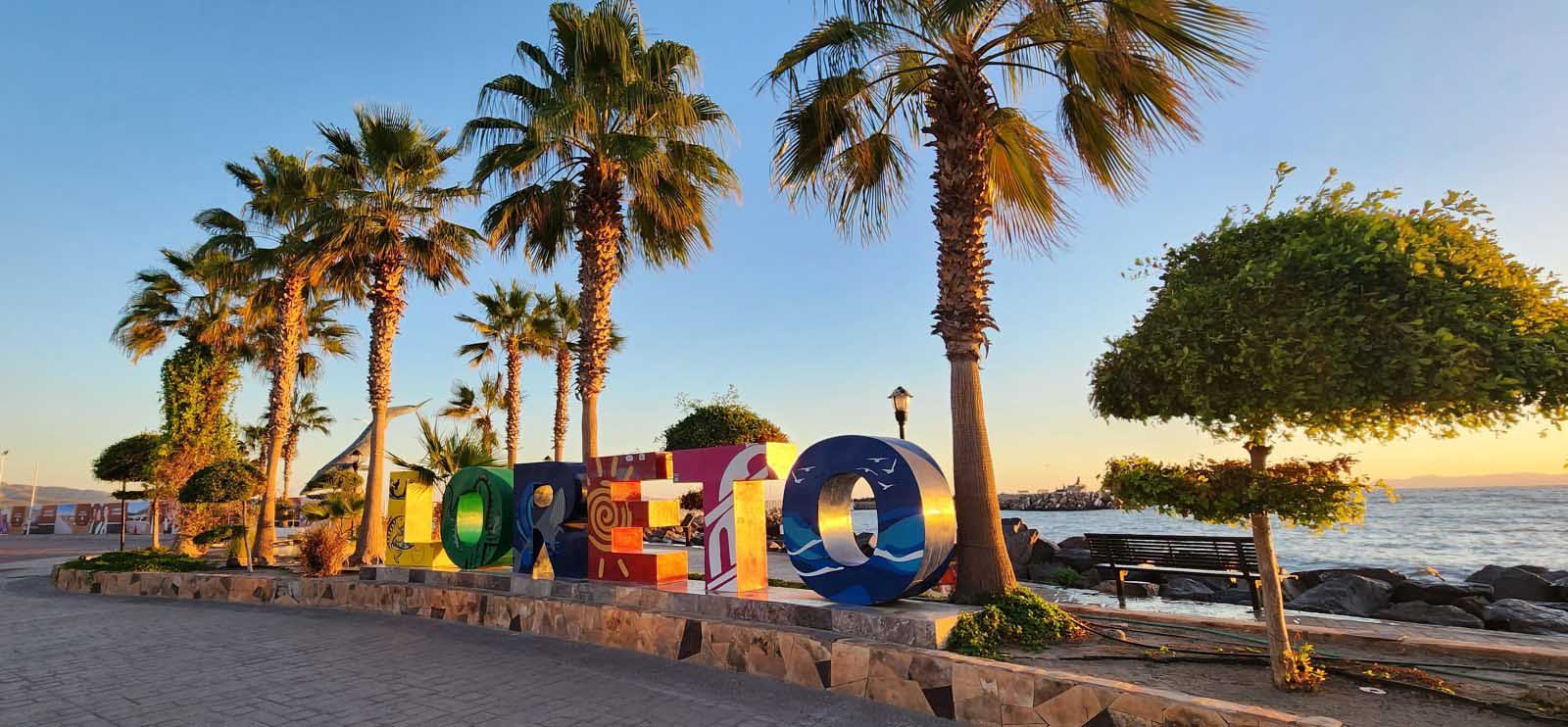
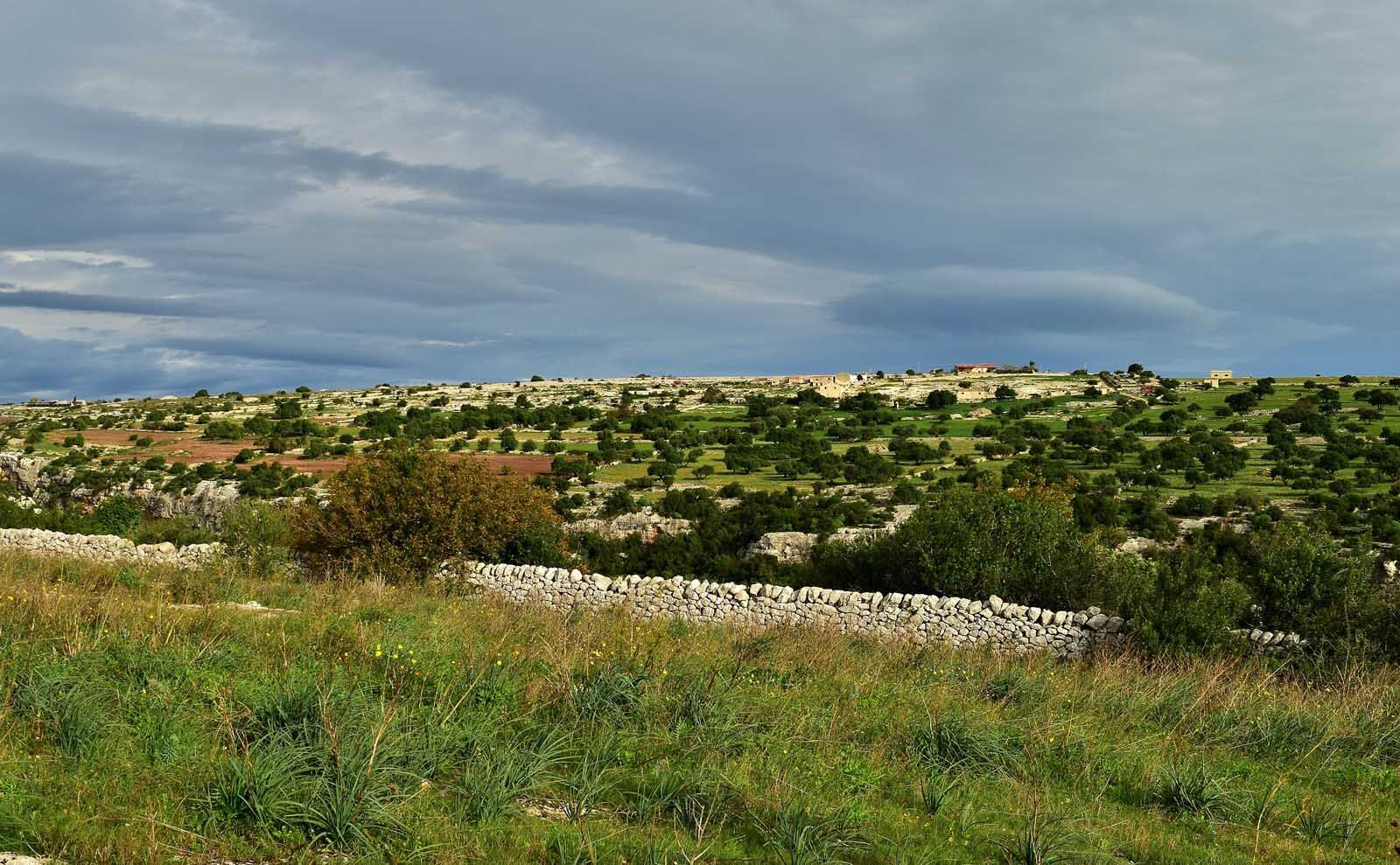
“The landscape looks like nothing,” says our guide Victor as we drive from the airport to Loreto Baja California Sur, “but there are owls and woodpeckers in those cactus, and big horn sheep, grey foxes, mule deer, raccoons and mountain lions in the arroyos, the valleys.” The green and gold mounded hills studded with lanky cardon cactus, copal bushes and prickly chain link cholla seem as static as a western movie set to my untrained eyes. The town of Loreto, and the surrounding towns of Baja California Sur have their own surprises and I was more than ready to savor them all.
Best Things to do in Loreto – Baja California Sur
At least I had a guide. In 1697, when Jesuit priests arrived in Baja California Sur, they had high hopes, no money, and a pledge to build a Camino Real, a Royal Road, for the King of Spain. The first mission they built was the Misión de Nuestra Señora de Loreto Conchó in the center of what would become the town of Loreto.
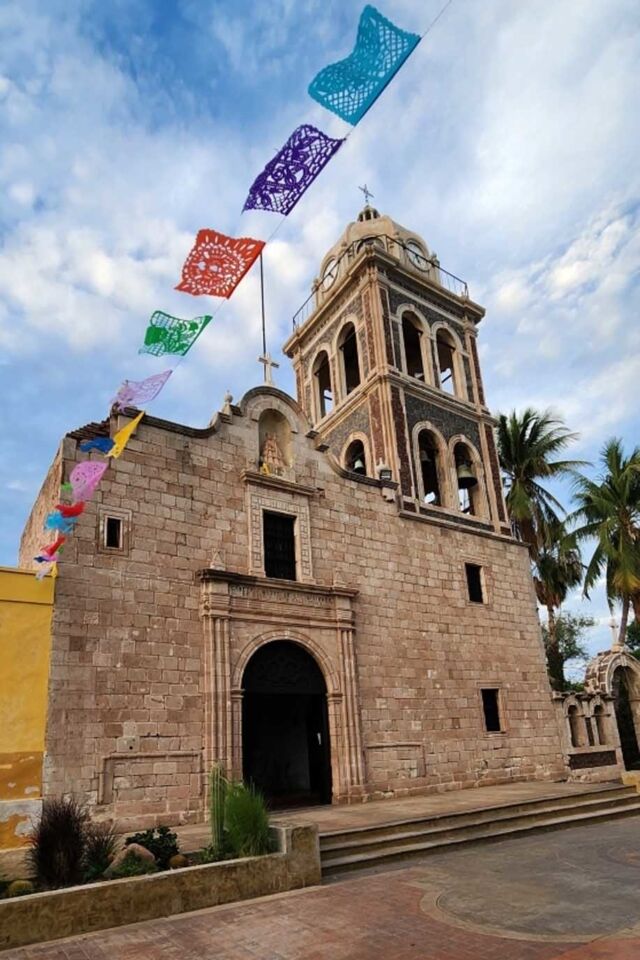
Misión de Nuestra Señora de Loreto Conchó
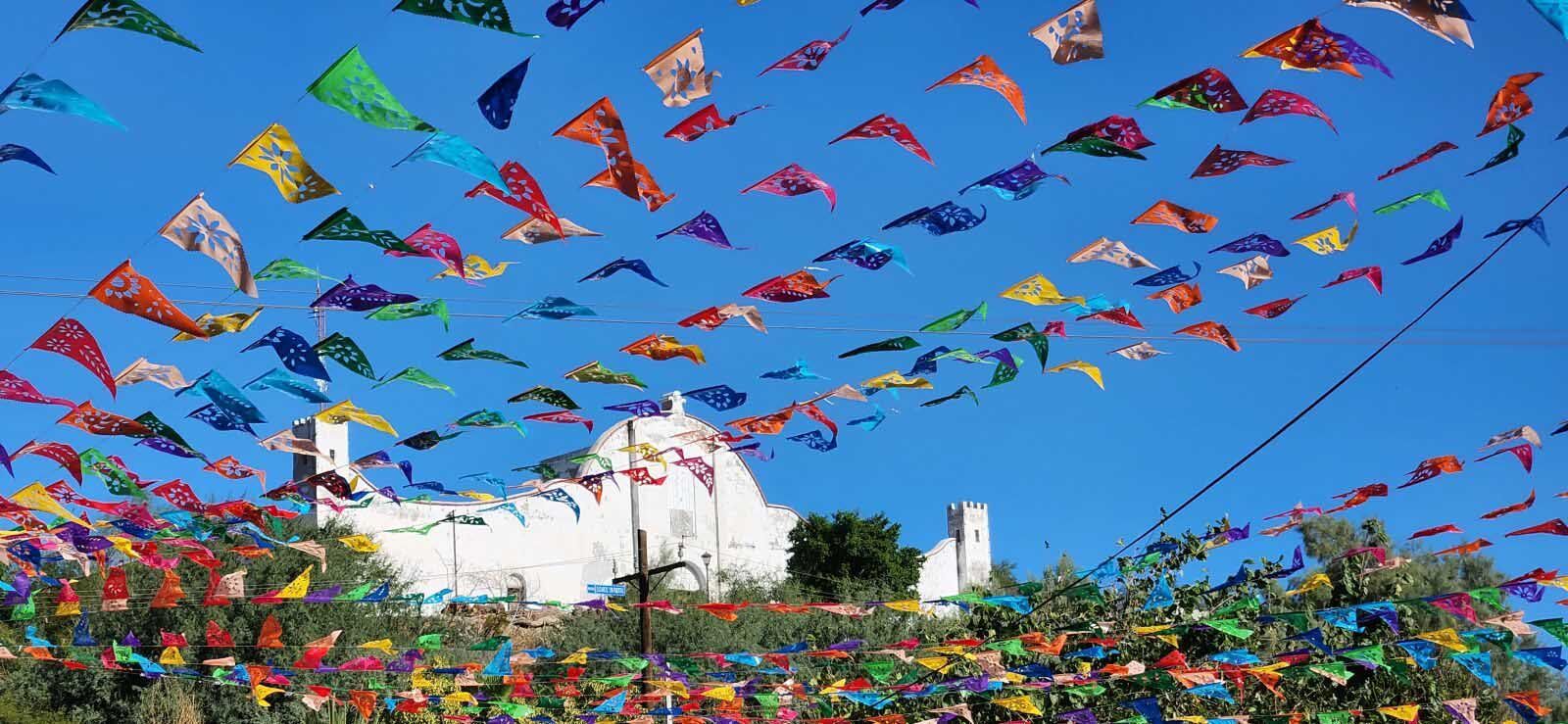
This beautifully restored stone church near the town square still welcomes worshippers today. Its bells ring out on the hour. For a town of 15,000 souls, the church is a busy place. Celebrations and services are held every day and continue into the evening when the lights from the church spill out into the street. A museum of early artifacts stands on the church grounds, along with a tiny gift shop selling delicately crafted religious souvenirs. This was the first of the missions that stretched from Baja California Sur across the border to San Francisco, 1400 miles away, along the Camino Real.
Of course, the Jesuits were not the first people to live in Loreto. They were met by the Monqui, the indigenous people of Baja California Sur who had lived there for thousands of years and were very happy with their nomadic lifestyle and polygamous culture. The Monqui were conscripted into building the missions by the Jesuits who offered them a reliable source of food and the promise of salvation, but in less than one hundred years their small population was decimated by European diseases.
Book this tour
Petroglyphs and Pictographs
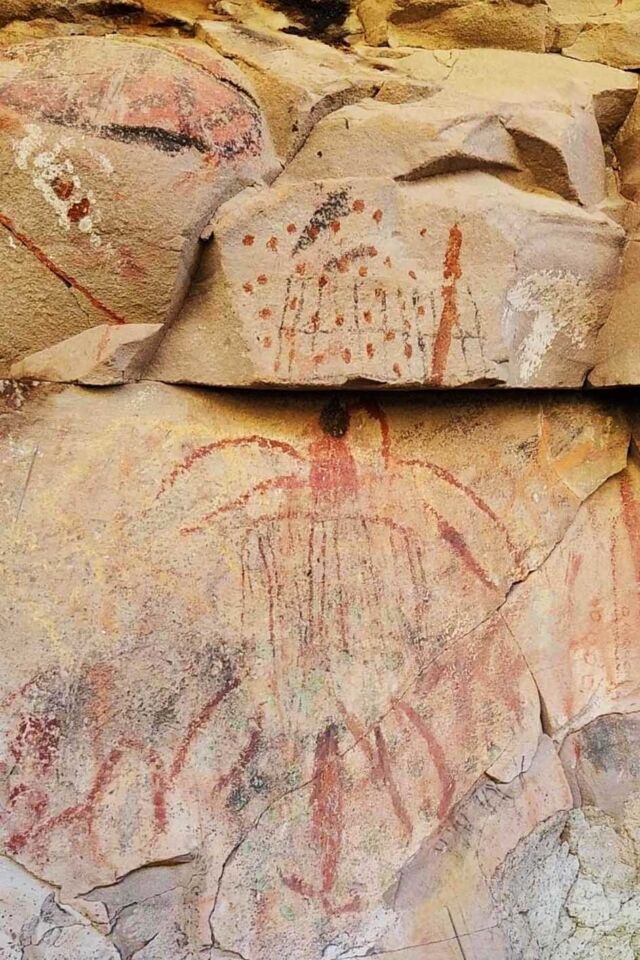
Their culture remains in the form of petroglyphs and pictographs at several sites around Loreto. The two sites closest to town are at Cuevas Pintas, 15 km to the west and La Pingüica, 60 km to the north.
Many tour companies in town organize tours to the sites. On my first day in Loreto I took the one hour drive and two hour hike to see the pictographs and petroglyphs at La Pingüica with Juve Orozco from Sea and Land Tours. Our group clambered over dry stream beds and sloughed through sandy washes filled with many kinds of cactus, bushes teeming with butterflies, and trees strung with cat’s claw vines. Juve was generous with his knowledge of the terrain and the plant life. He told us to be wary of cat’s claw, or uña de gato. It’s a woody vine that the indigenous people of Baja California Sur used to cure indigestion and inflammation. But its thorns are as sharp as its name and we gave it a wide berth.
When we reached the site, Juve pointed out the fine details of the painted petroglyphs, some symbolic, and others clearly showing animals and people on the move. The sheltered surroundings and arid environment has kept the colors bright. A bit further down the rocky arroyo he showed us geometric patterns that had been picked out on the rocks thousands of years ago to form petroglyphs. The most impressive cave paintings in Baja California Sur can be found at the UNESCO designated caves high in the Sierra de San Francisco mountains but they can only be reached by a three day trek with mule or on horseback. You can find these larger than life size images from Loreto’s indigenous past reproduced in concrete on the walking street that leads to the Malecon, Loreto’s beachfront seawall.
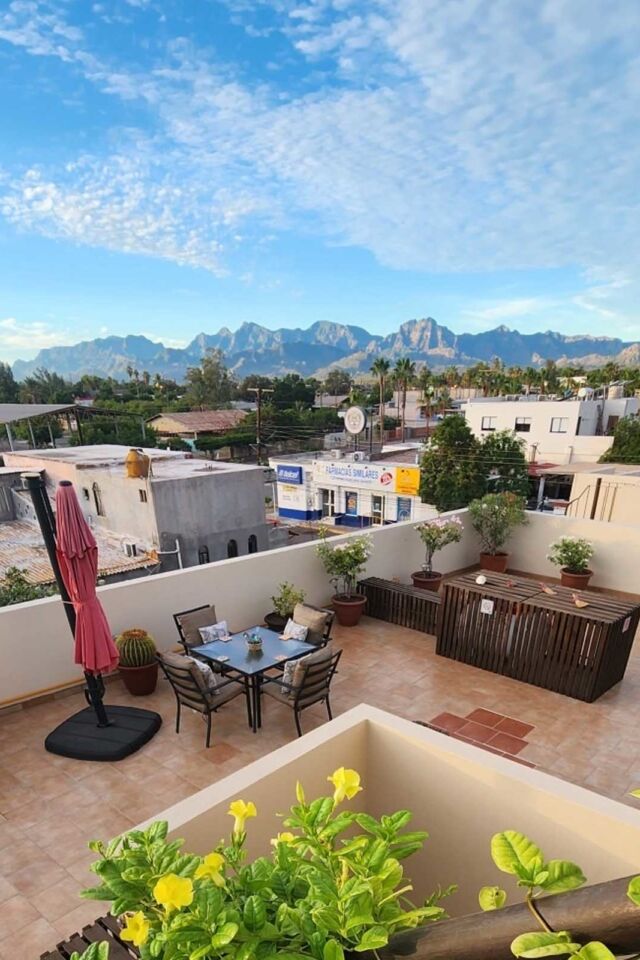
Returning to Loreto, I was happy to find my spotlessly clean room at Bugambilias Suites had a strong, hot shower and plenty of fluffy towels. There was also a full kitchenette, perfect for long stays, and upstairs on the terrace there were plenty of lounge chairs and a panoramic view of the mountains tinged with blue.
The Malecon
If you visit the Malecon as the sun is rising, as I did the next day, you’ll find fishermen casting their lines into the sea, bicyclists furiously pedaling along the boardwalk and joggers taking advantage of the cool morning breeze.
Hotel La Mision
At the Hotel La Mision, a classic Spanish Revival style hotel, I pushed open the massive wooden doors and walked up the cool marble steps to find Los Olivos, an elegant dining room with a shady terrace overlooking the beach. A bountiful morning buffet of fresh fruit, omelets, pastries and excellent coffee was on offer. Next to me a local family were enjoying several kinds of breakfast tortillas and chilaquiles, a traditional Mexican breakfast dish made of lightly fried corn tortillas covered with red or green salsa, mozzarella cheese, onion, cilantro, sour cream and beans. It was a great start to the day.
Playa La Negrita
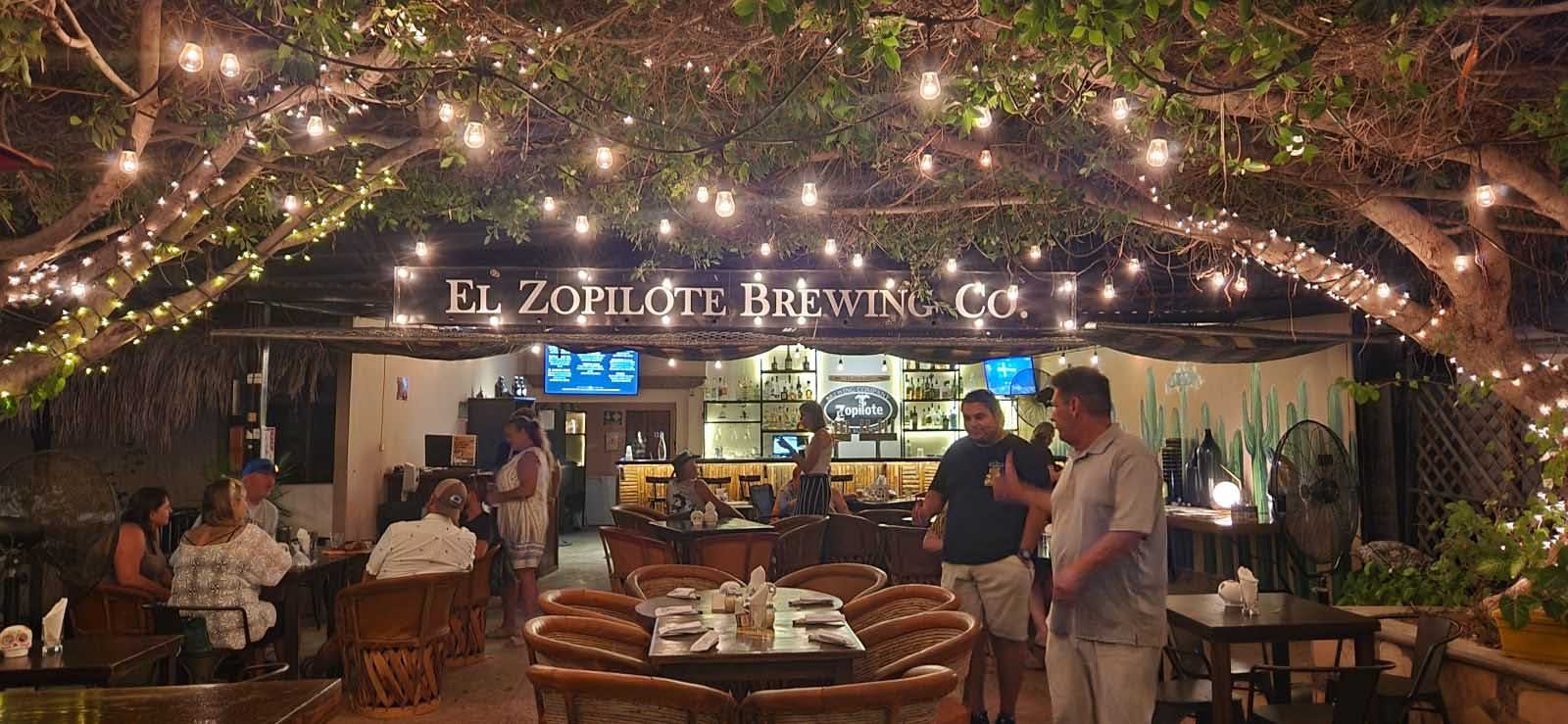
Loreto is full of wonderful restaurants. After a day at the uncrowded sandy shores of Playa La Negrita (Bold Beach) along the Malecon, or an afternoon spent perusing some of the many jewelry, pottery, art, and clothing shops on Juan Maria de Salvatierra, the town square is the place to be. The lights strung through the trees around El Zopilote Brewing Co. begin to glow at sundown as delicious pizzas arrive fresh out of the brick oven to be washed down with an IPA, Bandito Stout or Blood Orange beer. There’s also a fried grasshopper appetizer on the menu for the adventurous.
For the best homestyle Mexican food in town, locals, expats and tourists alike head to Asadero Super Burro. At this hole-in-the-wall diner you can watch the staff as they chop, toss and fry huge platters of traditional favorites over a roaring wood fired stove stoked with dried cat’s claw vines, a perfect use for those pesky vines. The Super Burro on the menu lives up to its reputation – it’s gigantic. Come hungry.
Heroica Mulege
If you’re in in the mood for a road trip full of beautiful scenery, water sports and a Baja California Sur history lesson, head to the pretty town of Heroica Mulege about an hour and 50 minutes north of Loreto on Highway 1.
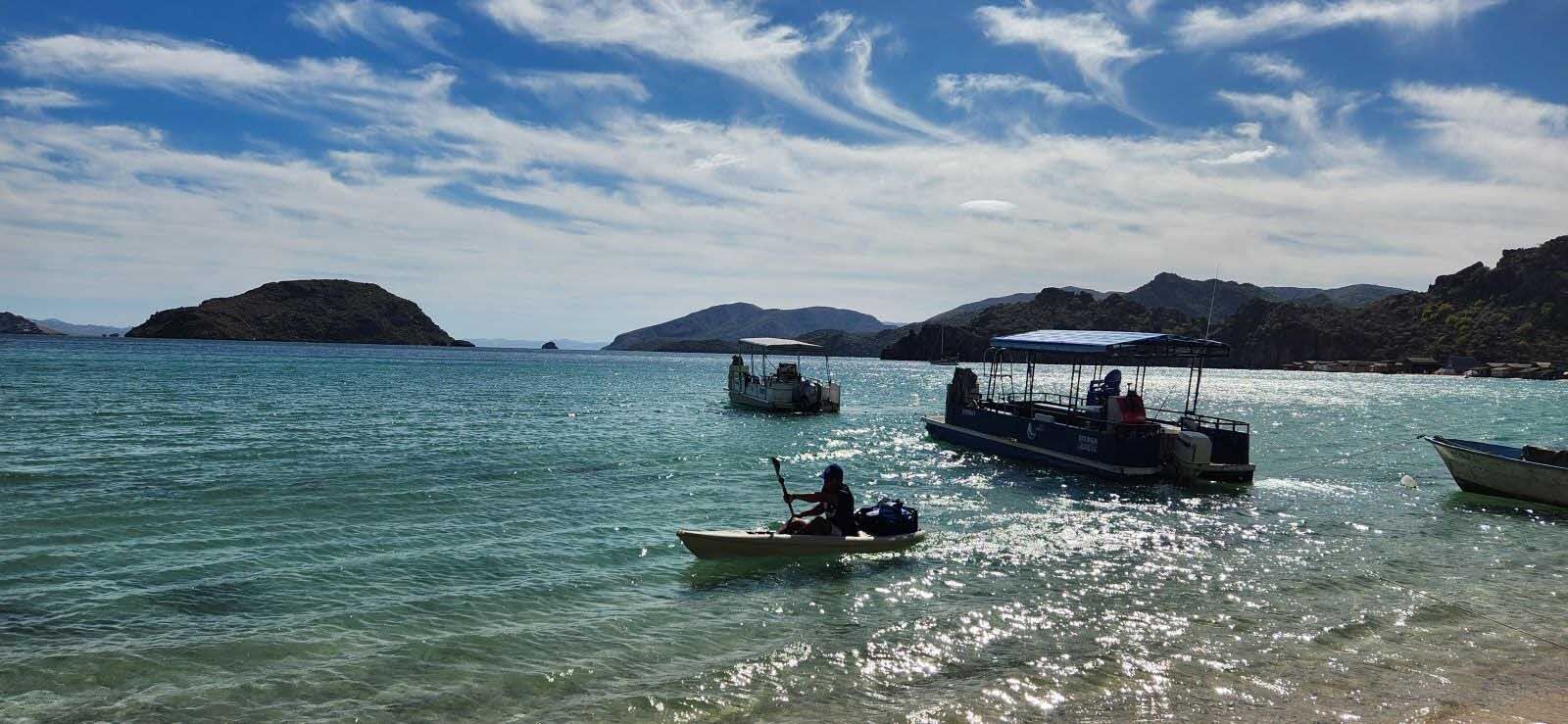
Rent a car or go with Wild Loreto Tours. On the way you’ll pass many secluded beaches, but pull into El Burro beach at Conception Bay at around the halfway point (75 kms./46 mi). It’s one of most lovely beaches in Baja California Sur. The water is clear and warm and La Burra Tours is located right on the beach.
They can take you out to visit all the islands in the bay, or you can rent a kayak and snorkeling equipment to explore the shallow reefs. JC’s Restaurant is near the water. You can sit with your feet in the sand under a shady palapa while the owner Juan Carlos Osuna brings out fresh caught snapper done “pescado zarandeado” style. It’s a traditional recipe from Sinaloa and Nayarit that tastes even better when the fish on the grill was just swimming in the bay that same morning.
Kayaking
For more intensive kayaking trips, including personalized training from professional kayakers, try Peninsula Incognita Tours. I learned more about kayaking in two hours with them than I had on all my previous kayak tours. Contact them through their Facebook page where they also mention their whale watching tours in March and April and the dolphins, sea lions and marine life that you’ll see every day around the islands of Baja California Sur. Read all about kayaking on Baja California Sur – Sea Kayaking Baja Mexico – A Remarkable 10 Day Journey
Santa Rosalia de Mulege Mission
When you arrive at Heroica Mulege, make sure to visit Santa Rosalia de Mulege Mission, a beautiful and evocative church located near an oasis about five minutes from the center of town. A Cultural Heritage Monument, it was built in 1766 and has been lovingly restored. The overlook near the church has splendid views of the Rio Mulege River valley, the carpet of palm trees in the oasis, and the Sierra Giganta mountains.
Museo de Mulege
Heroica Mulege has a most unusual jail, now the Museo de Mulege, to explore. It was called “the jail without walls” because the prisoners were able to leave the jail at daybreak to work and had to return when the warden summoned them back by blowing through a conch shell. In reality, there was nowhere for them to go as there was no road out of Mulege. It existed as a prison from 1907 to 1974 and now has a collection of the handiwork of the prisoners, displays on the history of the local indigenous Cochimi people, and friendly tour guides. Admission is by donation.
Historico Las Casitas
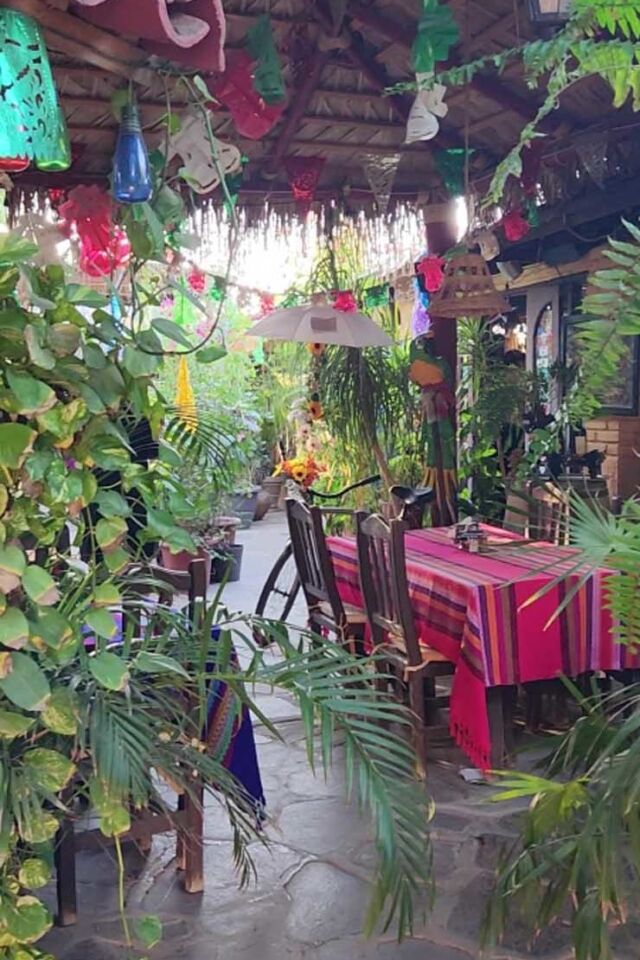
Before heading back to Loreto, drop in at Historico Las Casitas where you’re sure to be overwhelmed with the multicolored floor to ceiling Mexican décor, and a great meal. You can find the house special of yellow fin tuna on the English and Spanish menu, along with traditional favorites and vegetarian dishes.
Far from being a landscape full of nothing, Loreto Baja California Sur and the surrounding towns are rich in hiking, adventure, horseback riding, snorkeling, and diving tours and proud of its history. It’s a more relaxed and authentic side of Mexican life, away from the all inclusive experience. If this sounds like your kind of place, I’ll see you there.
Debra Smith was a guest of Visit Baja California Sur. As always, her opinions are her own. For more stories by Debra, visit her website at WhereToLady.com and follow her travels on Instagram @where.to.lady and on Facebook
Plan more of your Mexico travels with these resources.
After a long winter, spring breakers are raring to dash out the gates, jumping on planes, trains, and automobiles to enjoy their perfect holiday. For college students especially, this holiday marks a much-needed break, but families flock to sand and sunshine as well. I know that our families always took off for spring break every year for some much-needed fun in the sun. Spring Break dates change a little each year, but in general, fall between mid-February and mid-April. This leaves travelers with plenty of choices. So, what are the best Spring Break destinations?
Table of Contents
ToggleTop Spring Break Destinations For 20241. Punta Cana, Dominican Republic2. Myrtle Beach, South Carolina, USA3. Dubrovnik, Croatia4. Cabo San Lucas, Mexico5. Costa Rica6. Cancun, Mexico7. New Orleans, Louisiana, US8. Napa Valley, California, US9. Orlando, Florida, US10. Playa del Carmen, Mexico11. Key West, Florida12. Grand Canyon, Arizona, US13. Montego Bay, Jamaica14. Aspen, Colorado, US15. Paris, France16. Hawaii, USBest Spring Break Destination: FAQsFinding the Perfect Spring Break Destination
Top Spring Break Destinations For 2024
You could be sightseeing in New York City or spending endless days on beaches in Punta Cana. It all depends on what floats your boat. The fantastic thing about Spring Break is that there’s so much variety in weather and activities at this time of year. If you head to southern states, Mexico, or the Caribbean, you can be guaranteed sunshine and incredible hot weather. You can also find skiing holidays in places like Aspen and Park City or book cheaper off season flights to European destinations like Paris.
In this guide, we’ll help you find the very best spring break destination to suit your needs. Whether you want to stay in the USA, jet down to South and Central America, or cross the Atlantic to Europe, these destinations are perfect for Spring Break.
1. Punta Cana, Dominican Republic
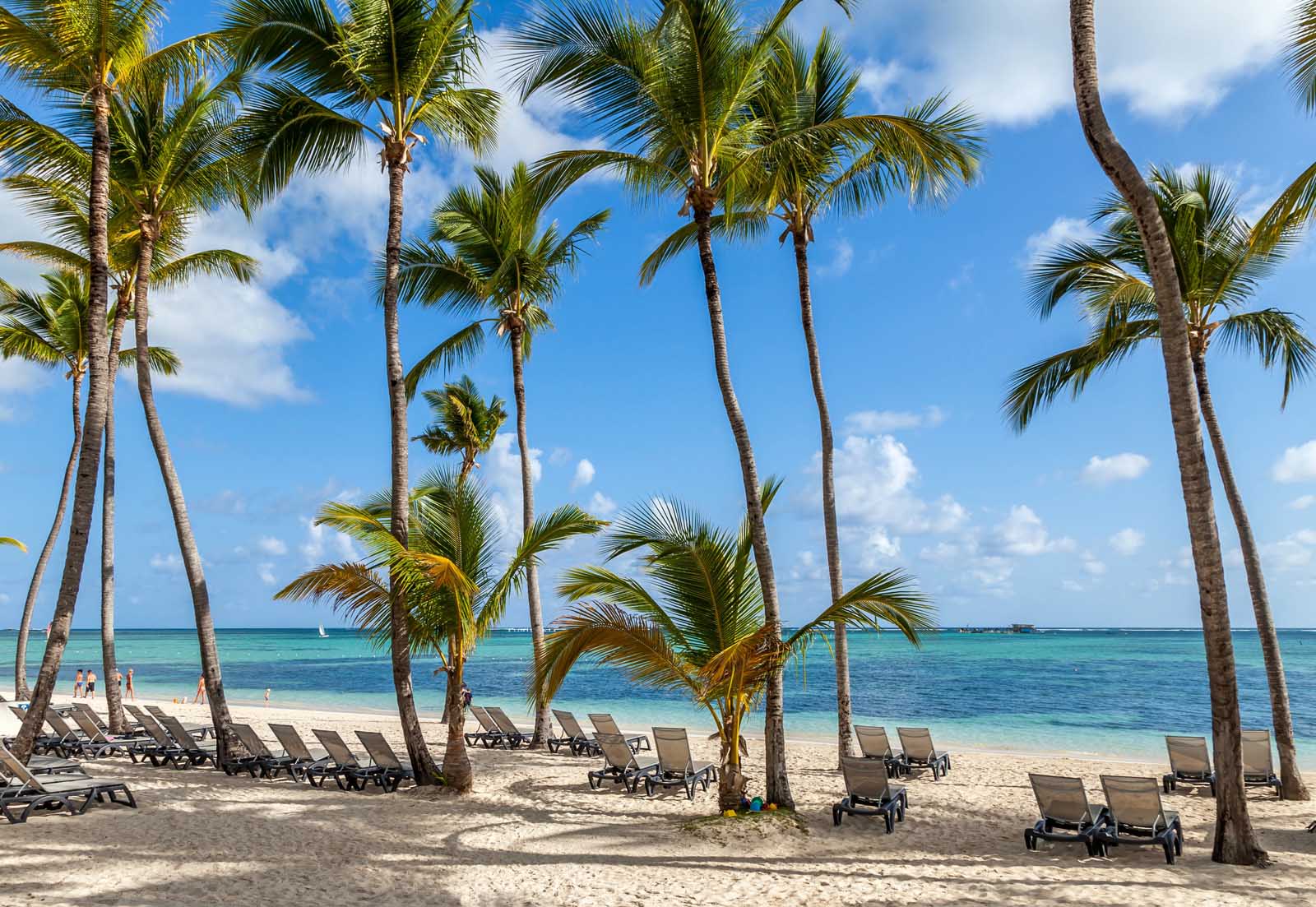
Punta Cana is gorgeous, with beautiful beaches and crystal clear green waters. It sits on the Dominican Republic’s Coconut Coast, a stunning coastline of luxe resorts and striking white sand beaches. Punta Cana is the perfect place to go if you want a Caribbean fix. It is an excellent destination for water sports, like windsurfing and sailing, and sightseeing natural attractions like Cotubanama National Park.
Punta Cana temperatures are already touching the low 80s Fahrenheit in March, while April brings comfortable mid-80s temperatures. It’s our top recommendation for anyone wanting warm weather during Spring Break.
March is also a great time to visit the Caribbean to dodge the dreaded hurricane season. So Punta Cana gets double points in March for avoiding hurricanes and providing beach weather already.
2. Myrtle Beach, South Carolina, USA
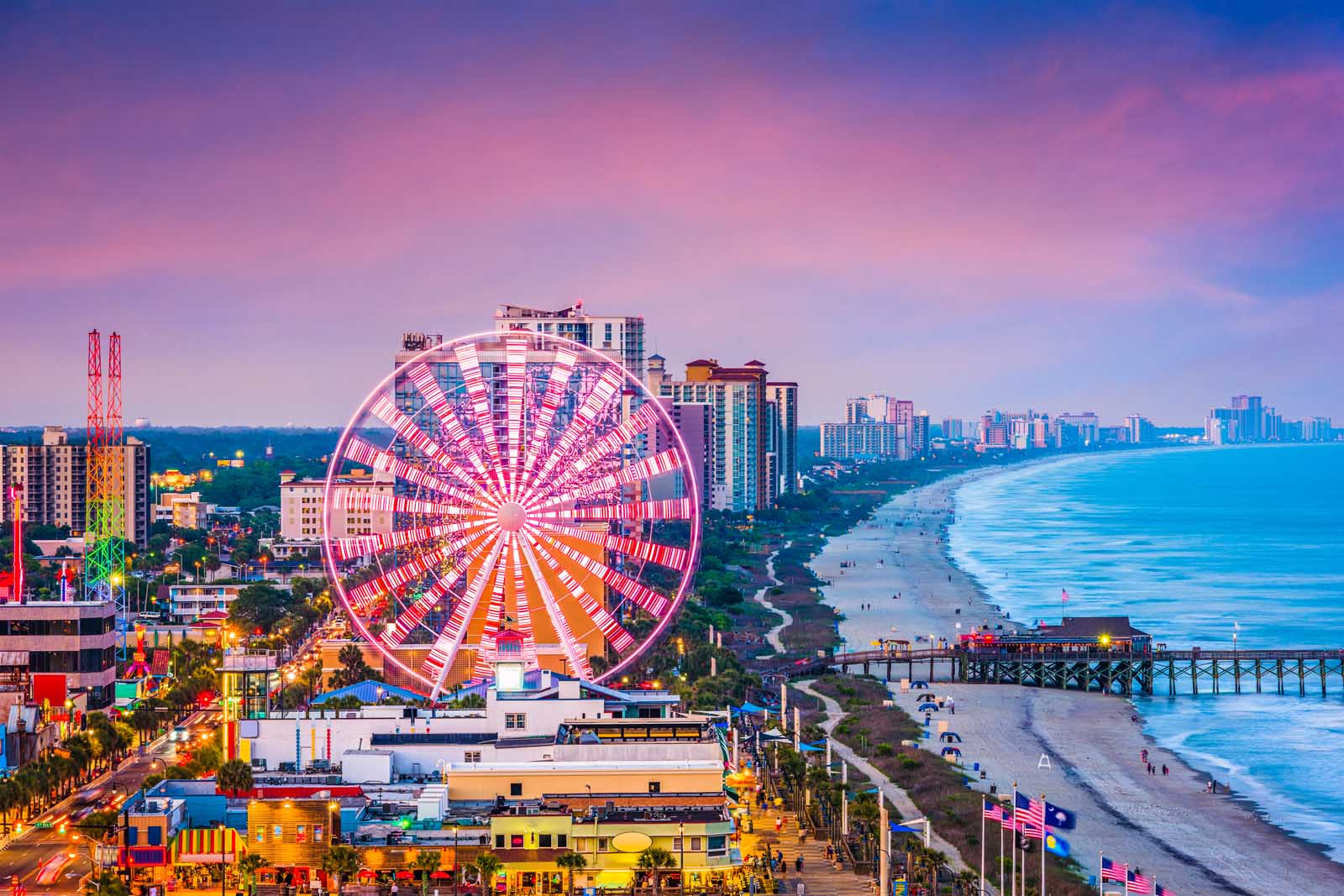
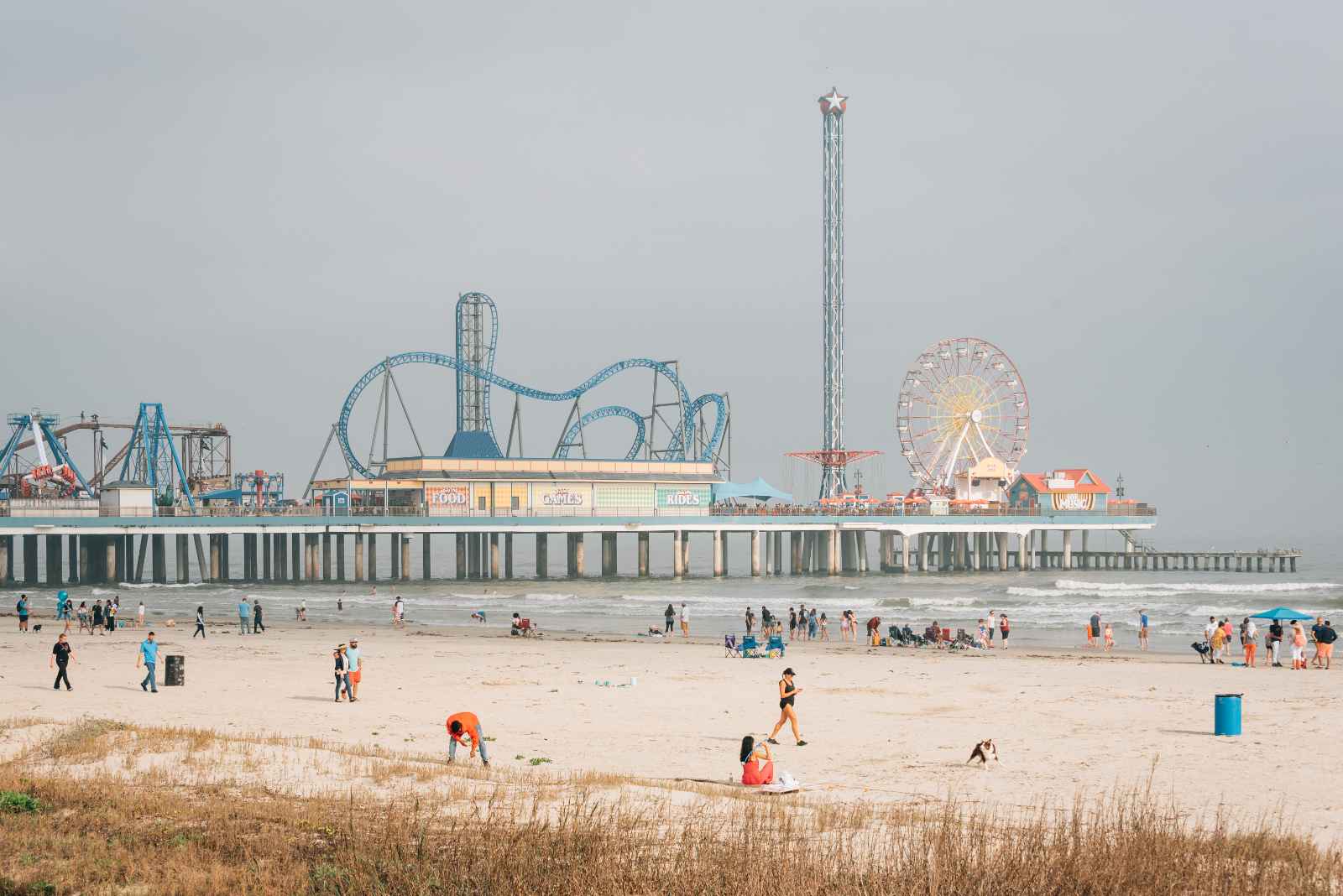
Myrtle Beach is the Spring Break capital of South Carolina and one of the top beaches in the USA. (And, it was the place we always went to during Spring Break) South Carolina is somewhat of an underdog on the US tourism scene, but Myrtle Beach destroys all notion that the state isn’t a worthy Spring Break candidate. This resort city has an expansive beach sitting on 60 miles of beautiful white sand. And its sands are lined by a traditional beachfront boardwalk with kitschy arcades and souvenir shops. Kids love it, trust me, I did!
It’s a great place to head for a beach holiday in the spring. Temperatures hover at around 70 Fahrenheit in March, so you can sunbathe and enjoy the coastline in its now warming weather.
Myrtle Beach is the perfect alternative to Miami and other Florida destinations in Spring Break, with way fewer crowds. It’s also family-friendly, so it’s ideal for anyone looking to take a gaggle of kids of mixed ages away. You can check out all the best things to do in Myrtle Beach here.
3. Dubrovnik, Croatia
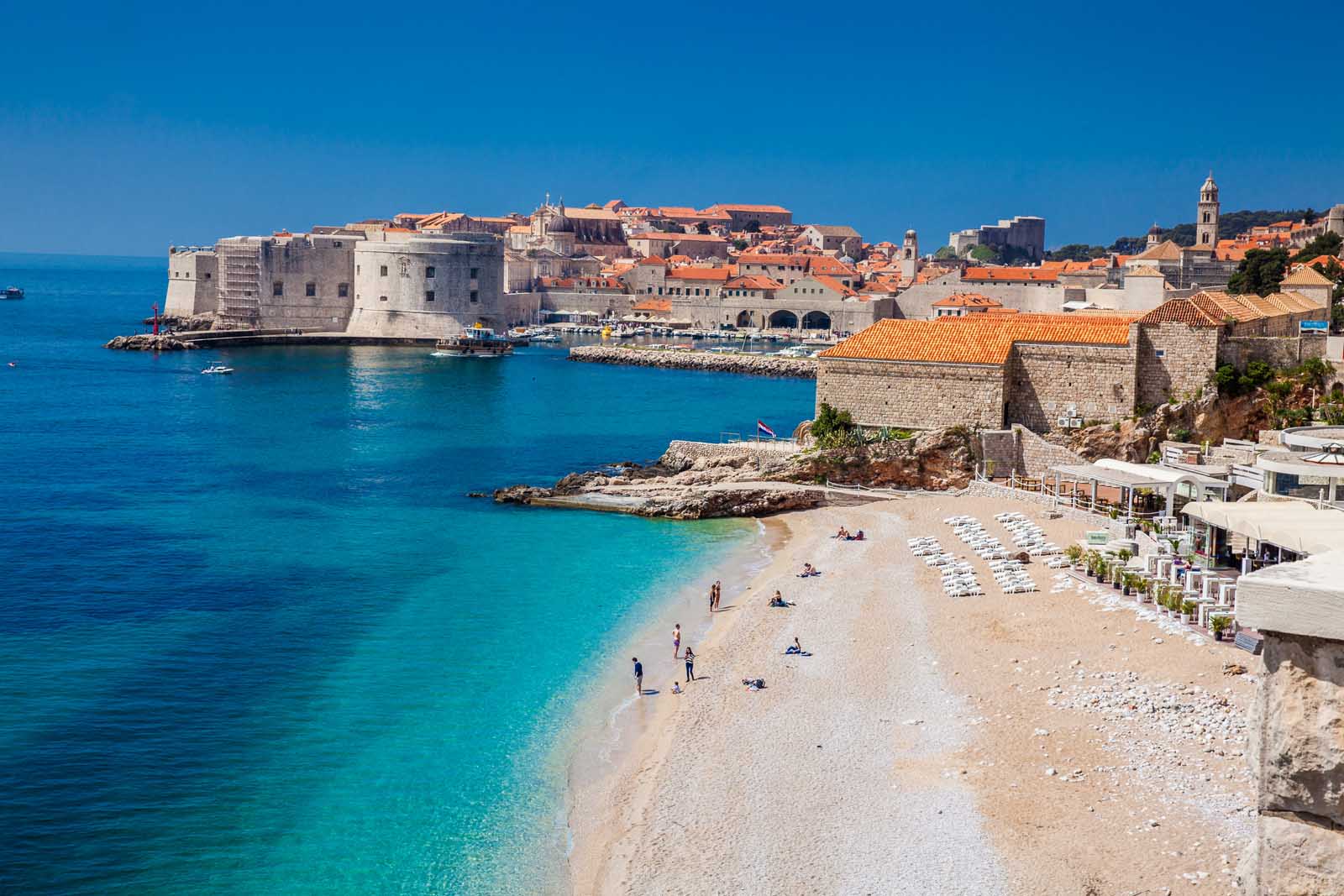
Dubrovnik is a beautiful city if you want to visit Europe over Spring Break. The walled city is in stunning terracotta orange, and it’s so eye-catching that it was chosen as the set for King’s Landing in Game of Thrones. With the new House of the Dragons episodes coming out this year, there’s no spot more topical to visit in Croatia. If you haven’t visited yet, you should make this your year.
There’s a long list of things to do in Dubrovnik, including walking the old city walls and visiting the Red History Museum. There are plenty of beaches in the city center as well, like Bellevue Beach and Banje Beach. Read our full guide for Where to Stay in Dubrovnik – Guide to the Best Neighborhoods
In March, the Dubrovnik temperatures are mild, at around 55 Fahrenheit, so you can start enjoying beach days before the rest of the crowds arrive. We’d suggest booking a trip to Dubrovnik in March, leaving time to take day trips to Croatian islands and Bosnia and Herzegovina.
4. Cabo San Lucas, Mexico
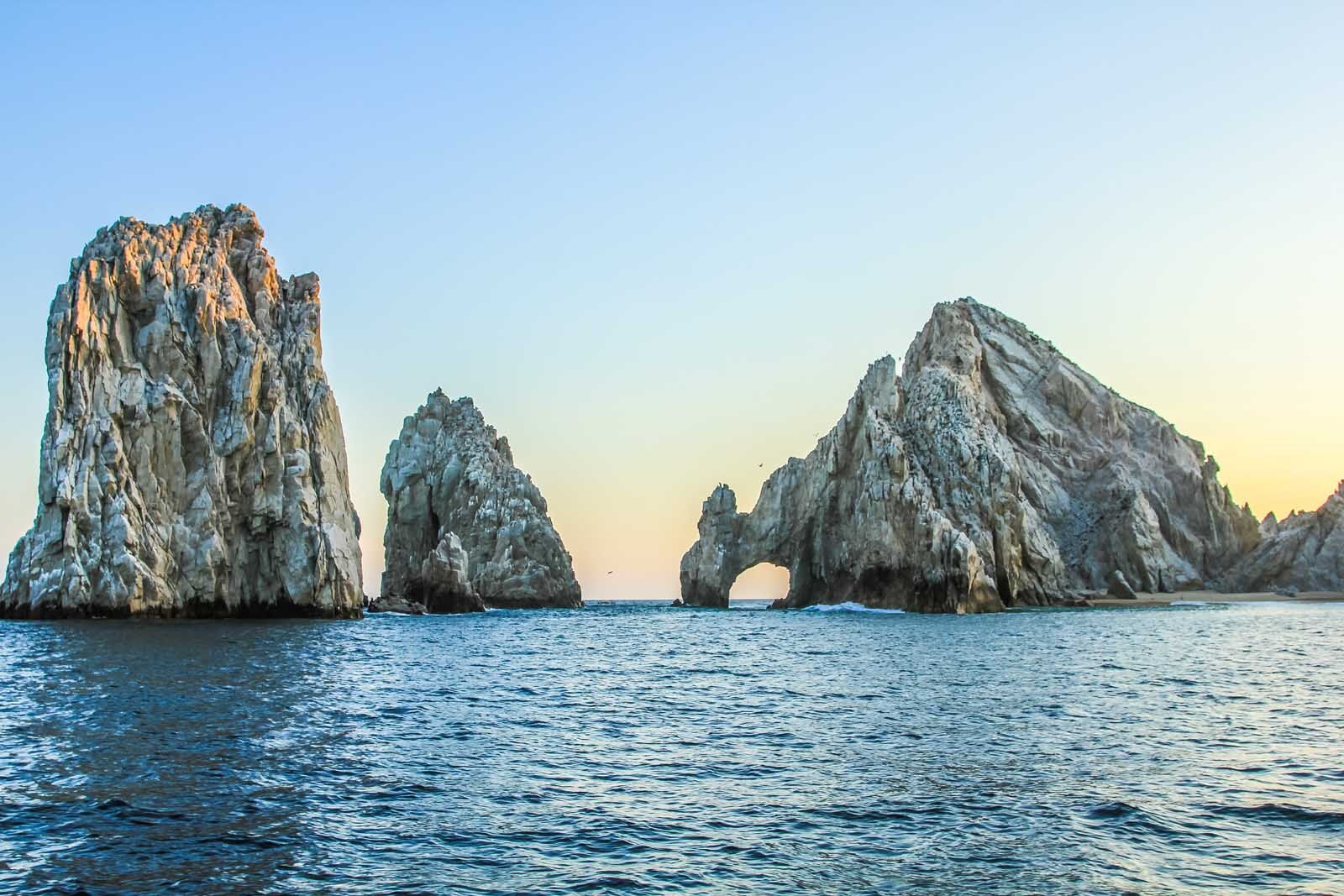
Cabo San Lucas is one of the closest Mexican destinations to the US on the West Coast. If you want to go easy on the ‘travel’ part of your Spring Break holiday, choosing Cabo San Lucas may drastically reduce your flight time. The resort city sits on the Baja California peninsula and has a fun reputation for nightlife, water sports, and beaches; what’s not to love? ‘Cabo’ is an iconic choice when it comes to Spring Break destinations.
Primarily, we’d suggest Cabo San Lucas if you love nightlife and party culture. In Spring Break, the city transforms into one big social scene, so it’s the place to be to dance until the early hours and hear the latest DJs. You can also check out San Jose Del Cabo for a more relaxed pace.
Cabo temperatures hover at the low 70s in March, rising to mid-70s in April. It’s the perfect weather to enjoy the beaches and party culture. However, it’s also mild enough to enjoy things like hiking to Mt.Solmar.
5. Costa Rica
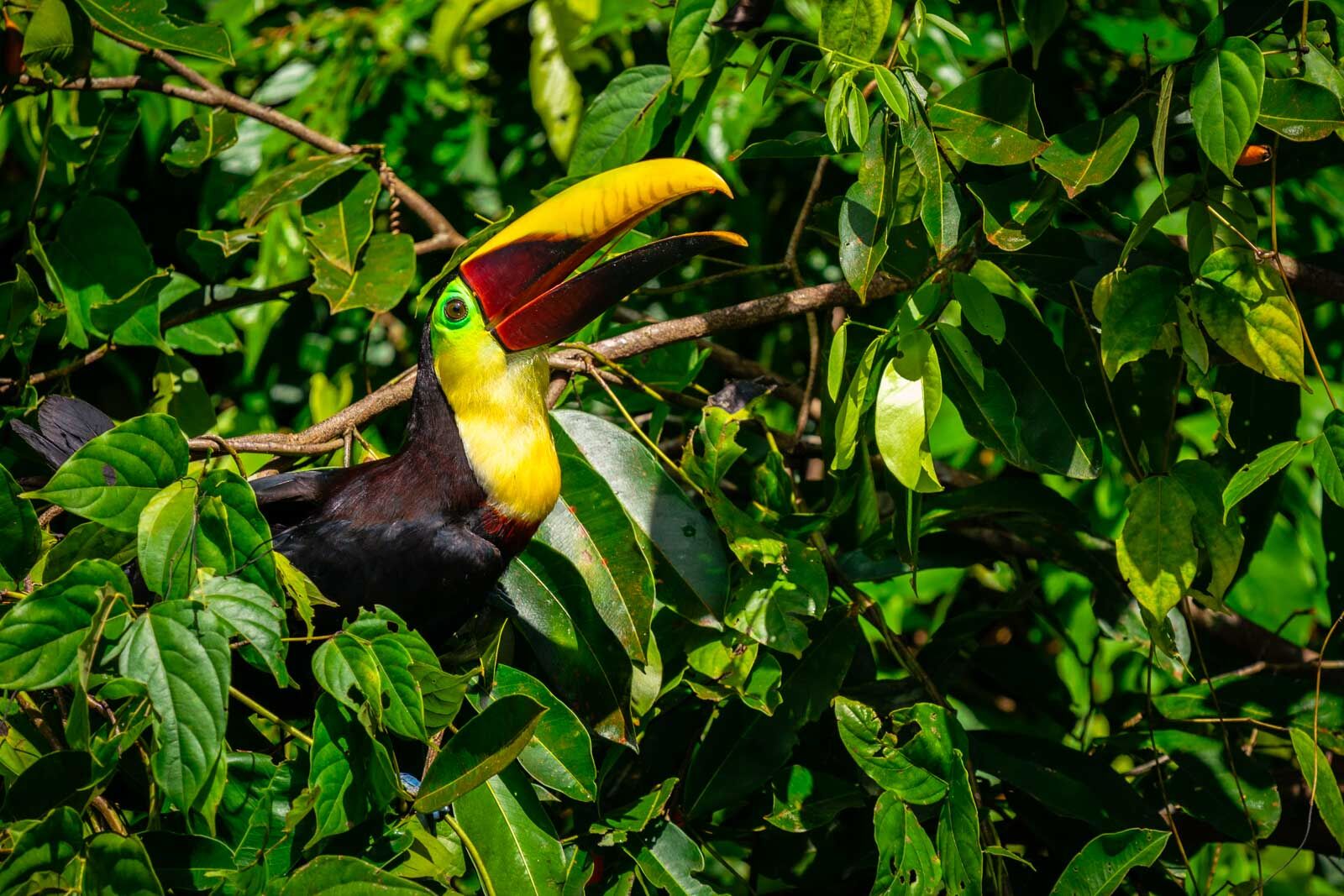
Costa Rica might be a fairly general addition to this guide, but we’ll explain why in a second. Costa Rica is a beautiful place to visit on Spring Break. It’s full of volcanoes, wildlife like sloths and jaguars, and hidden waterfalls in rainforests. If you want an adventurous getaway in spring, Costa Rica is our top recommendation. This is especially true for college students studying wildlife and conservation-related subjects.
There are a few places we’d suggest in Costa Rica, depending on your interests. La Fortuna is known as the access point to the Arenal Volcano, with gorgeous hiking, rural hiking, plenty of sloth encounters, and rainforest chocolate tours. Jaco is a town on Costa Rica’s Pacific coast known for its nightlife and amazing surfing. Finally, San Juan is the sprawling Costa Rican capital. It is best chosen for a city break with day trips to its nearby volcanoes in Poas Volcano National Park.
Costa Rica is a place that you could visit in March without losing out on high temperatures. It sits at an average of 83 Fahrenheit throughout both March and April. And needless to say, it’s fantastic for a thrilling adventure-style holiday.
6. Cancun, Mexico
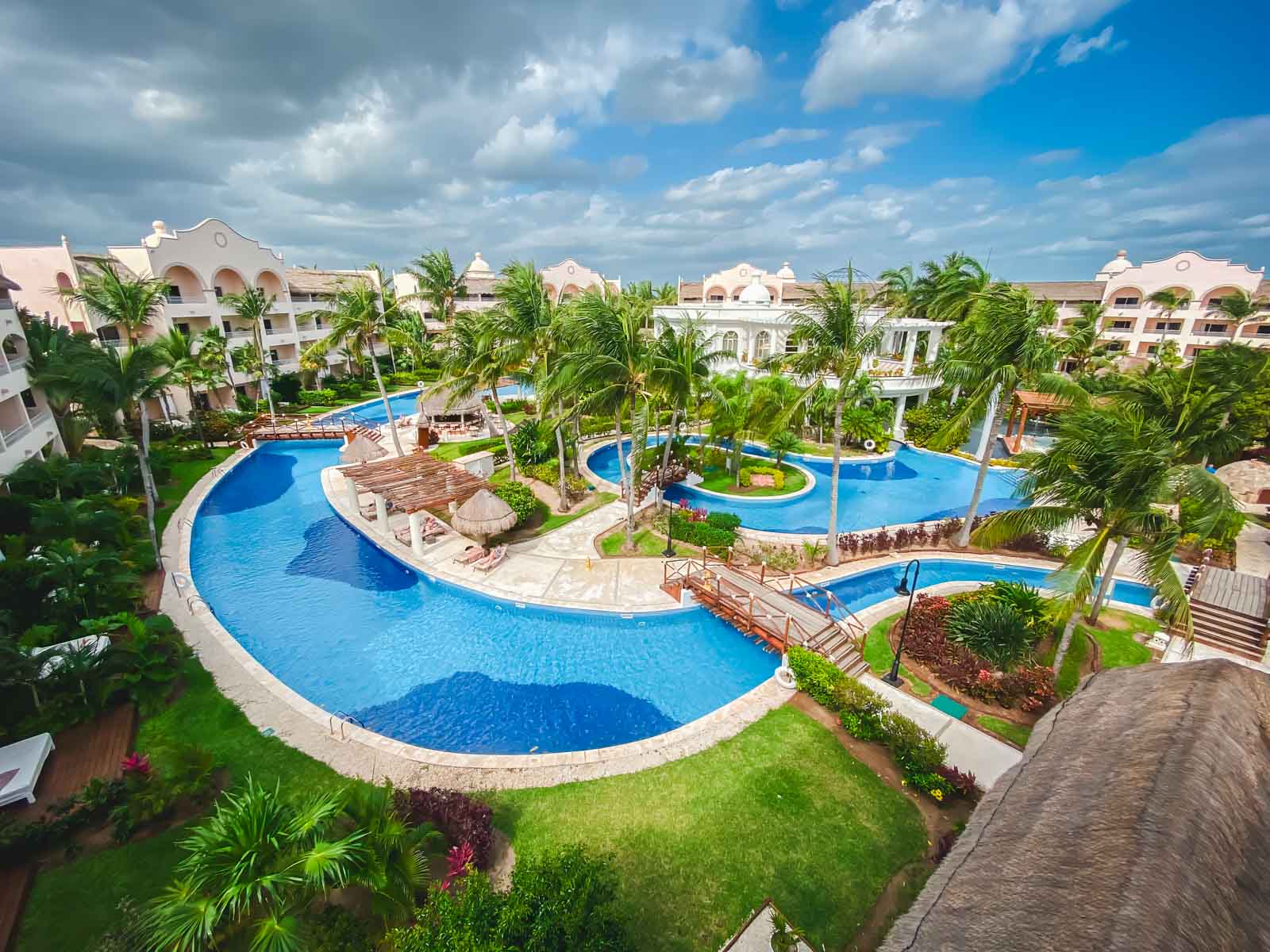
Who doesn’t love Cancun? The Mexican city sprawls across the northern end of the Yucatan Peninsula in a bold affray of pristine resorts and rows upon rows of nightclubs. Spring breakers have been going to Cancun for what seems like decades, and it’s a favorite destination for college students at this time of year.
You can party with live music, work on your tan on white sand, or enjoy outdoor activities like jet skiing and paragliding. However, Cancun is more than just a resort-style destination. You can also take day trips to the ancient Mayan ruins of Chichen Itza or go swimming in pristine cenotes. Read more 12 Best Cenotes In Mexico To Visit
There are plenty of adventures to be had in the Yucatan’s natural beauty, so it won’t all be partying. Just make sure to keep these safety tips in mind if you are out partying the night away.
March to April in Cancun sees temperatures of around 80 degrees Fahrenheit. You can enjoy the full spectrum of amazing things to do in comfortable temperatures; it’s easy to see why it’s so popular.
7. New Orleans, Louisiana, US
New Orleans may be famous for Mardi Graz, but it’s also a top spot for Spring Break trips. The Louisiana city got its nickname the ‘Big Easy’ for good reason. With endless nightlife and round-the-clock entertainment, New Orleans is the perfect place to let off some steam.
History buffs will love the beautiful French Quarter architecture and the city’s fascinating history. Those with a bit more flexibility can even plan their travel dates around February’s Mardi Gras for an early Spring Break.
With jazz bars scattered throughout the French Quarter and wrought iron Victorian balconies overlooking Bourbon Street there’s plenty of energy in New Orleans. Brass bands march through the streets and revelers carry their drinks as they go bar hopping.
Its scenic location on the Mississippi River also makes it naturally beautiful.
We’d most recommend New Orleans for foodies – it has a famous creole mixture of French, African, and American cuisine – and culture lovers. If you can appreciate nightlife, you’ll take to New Orleans like a duck in water.
8. Napa Valley, California, US
Napa Valley is nothing short of idyllic. Napa Valley is where to book if you want a laidback, classy-yet-wine-drunk getaway this Spring Break. This famous Californian wine country is easily one of the best Spring Break destinations. It is located just over an hour’s drive from major San Francisco on the west coast, yet has a country and rural appeal.
You can soar over vineyards by hot air balloon or score the best deals for wine-tasting experiences. You can stay in either Napa or Yountville, where the region has over 475 vineyards to visit or admire from afar.
We’d suggest Napa Valley for anyone planning a couple’s trip this Spring Break or, alternatively, as the perfect trip with the girls.
9. Orlando, Florida, US
Sometimes, you have to embrace your inner child and head to the theme parks. Orlando is the theme park capital of the USA and an ideal place to either take the whole family or visit as an adult for an indulgent Spring Break. The city has more than a dozen theme parks, including Universal Orlando and Walt Disney World. It’s home to wild rollercoasters and kid-friendly costumed characters to bring the magic of Disney to life; beat that, Paris.
There are so many things to do in Orlando. It’s easy to see why Orlando frequently rates as one of the best destinations for Spring Break. The whole city is tailored towards fun and nostalgia. For families visiting with an age range of kids, that’s perfect. And even the adults can cash in on those nostalgic feelings to let their hair down for a bit.
Orlando is busy at Spring Break, so we’d suggest booking advance tickets and skipping the queue passes where possible. You should also be flexible with your dates, traveling a little before or after Spring Break dates if you can.
10. Playa del Carmen, Mexico
We’ve talked about Cancun, but what about beautiful Playa del Carmen? This resort town is also located on the Yucatan Peninsula, scenically dotted on the Riviera Maya strip along the Caribbean Sea. If you want the Mexican culture and weather, just without Cancun’s rather rigid infrastructure and big crowds, Playa del Carmen is a quieter alternative.
Playa del Carmen is better for those who aren’t as fussed about non-stop partying and instead want beautiful beaches and turquoise waters on the east coast of Mexico. You can still take a day trip to cenotes and places like Chichen Itza. But you can also embrace a quieter pace of life, enjoying sleepy urban parks and white sand beaches within easy walking distance of your accommodation.
Temperatures hover comfortably around the low 80 degrees Fahrenheit mark in March and April; Playa del Carmen has the perfect climate for a beach-focused Spring Break.
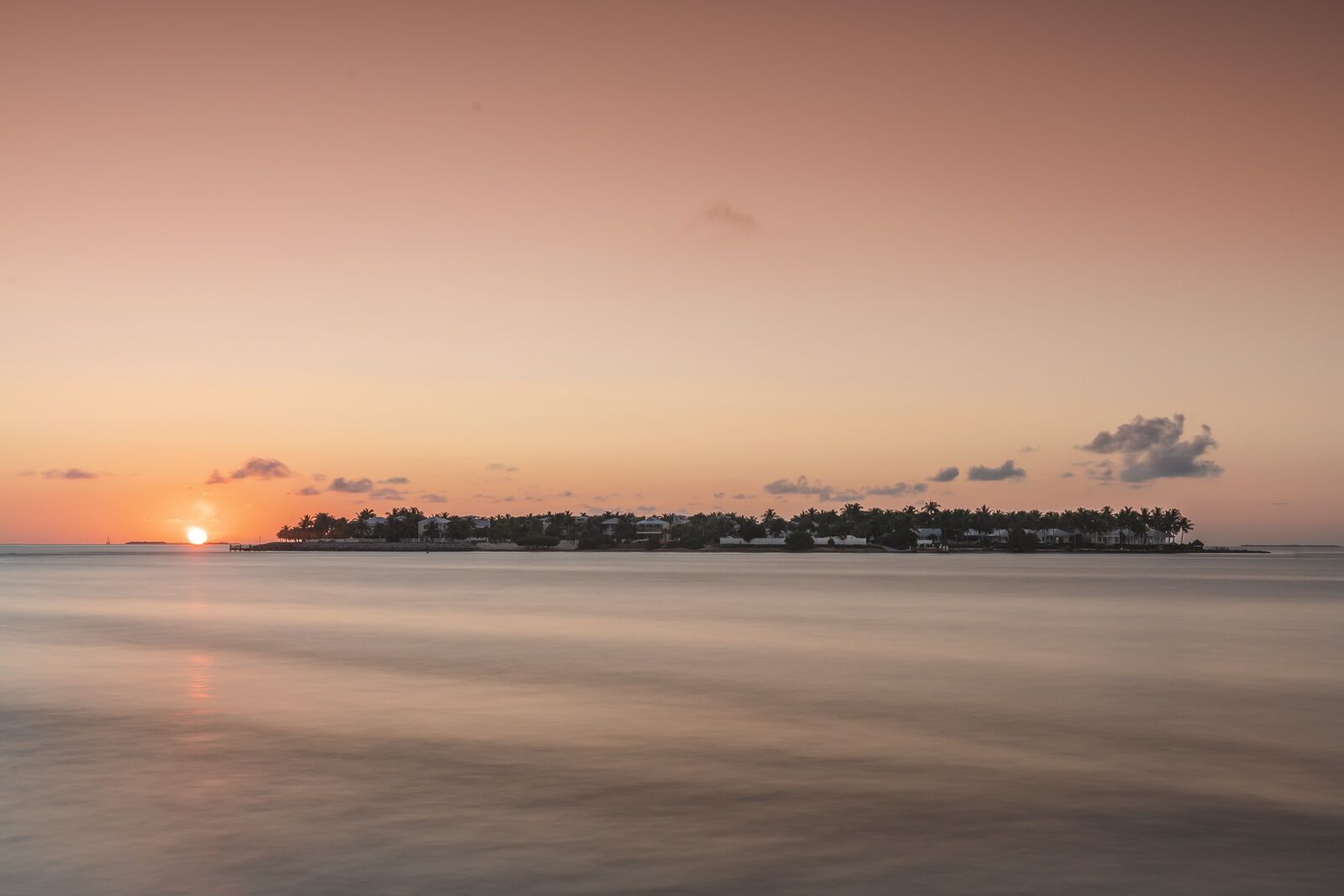
11. Key West, Florida
We couldn’t just mention Orlando and call Florida a day. When it comes to Spring Break ideas, the Florida Keys just had to feature, especially Key West. Key West is the final island on the barrier island chain and is the most southern point of the US. It’s actually only around 90 miles north of Cuba – so it’s as close to Caribbean weather as you can get in the US.
Key West is walkable and much like a ‘town at the end of the world’. It has The Hemingway Home and Museum, Truman Little White House, and Fort Zachary Taylor Historic State Park. However, it’s most famed for its coral reefs and deep sea fishing opportunities. It has some of the best water-related things to do in the Florida Keys.
Book accommodation as far as possible in advance when planning Spring Break in Key West. It’s a popular destination and the most built-up key in the Florida Keys. If accommodation does sell out, you can find spaces in nearby keys, like Big Pine Key and Marathon Key, but you will find less in the way of nightlife and facilities.
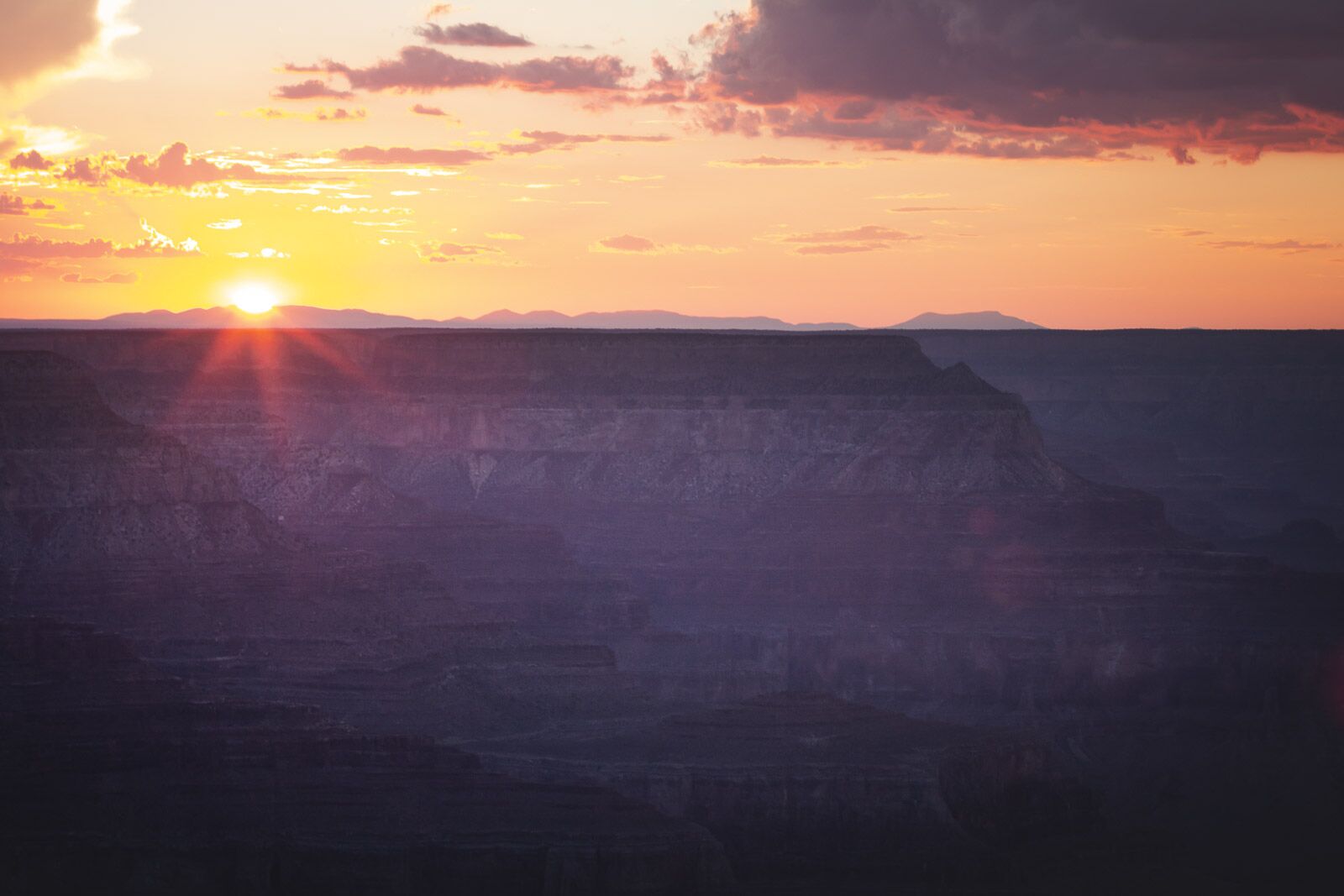
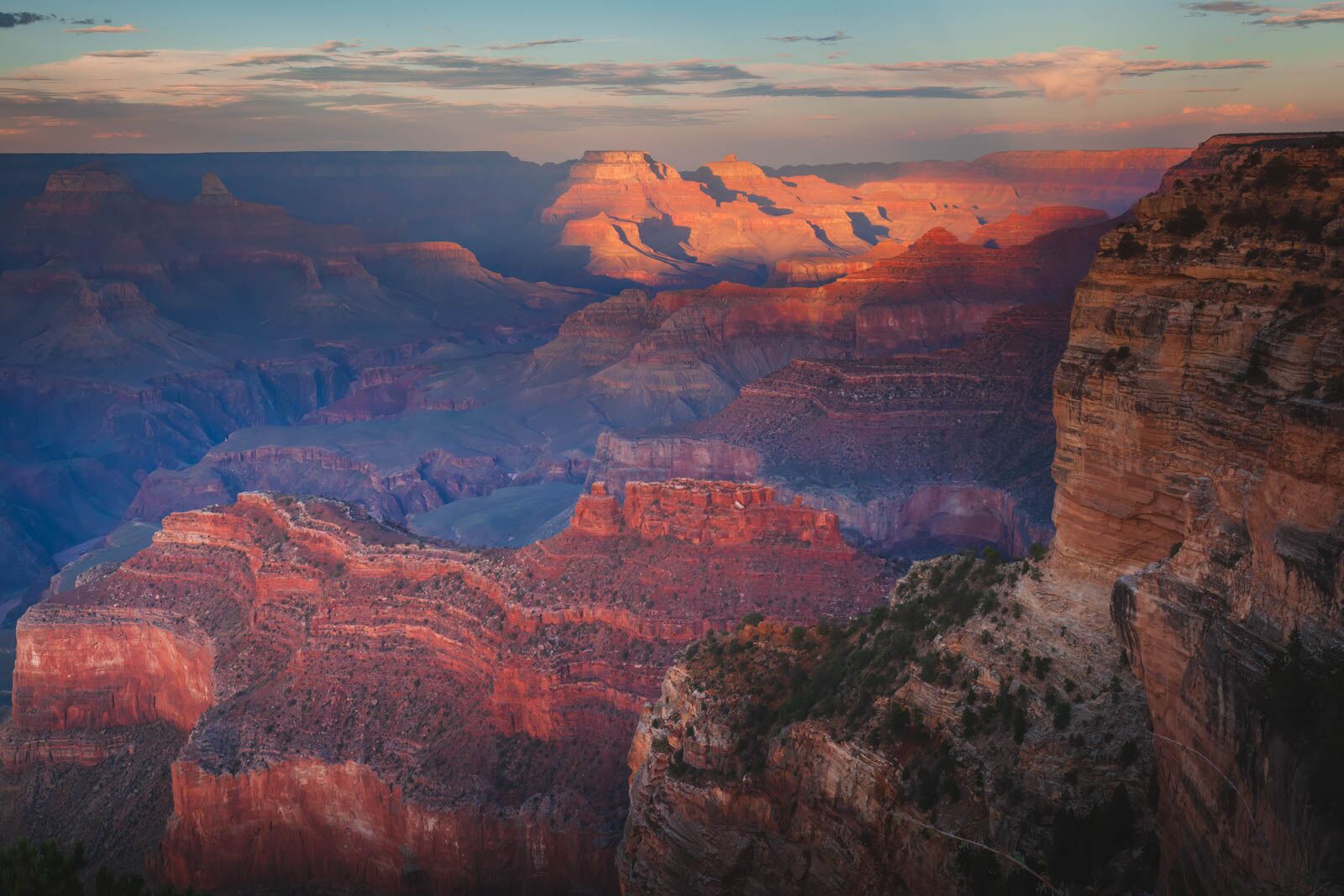
12. Grand Canyon, Arizona, US
It’s impossible to resist the Grand Canyon at the best of times, but for Spring Break trips, it’s just even more exciting. The canyon’s North Rim is closed from November until May because of icy conditions. Still, the South Rim remains open and good for use. March is when the Grand Canyon is just becoming more accessible again. And if you want to tick off a bucket list attraction in the USA, visiting the Grand Canyon is the perfect way to shake off any winter woes.
You can go rock climbing, hiking around the rim trails, and admire the canyon views by helicopter. Grand Canyon National Park is one of the country’s top national parks, with tons of incredible things to do.
For extra fun, you could take a road trip to Forrest Gump Highway. It’s only around a 3.5-hour drive from the canyon, but you’ll get to embrace the perfect backdrop from one of your all-time favorite movies.
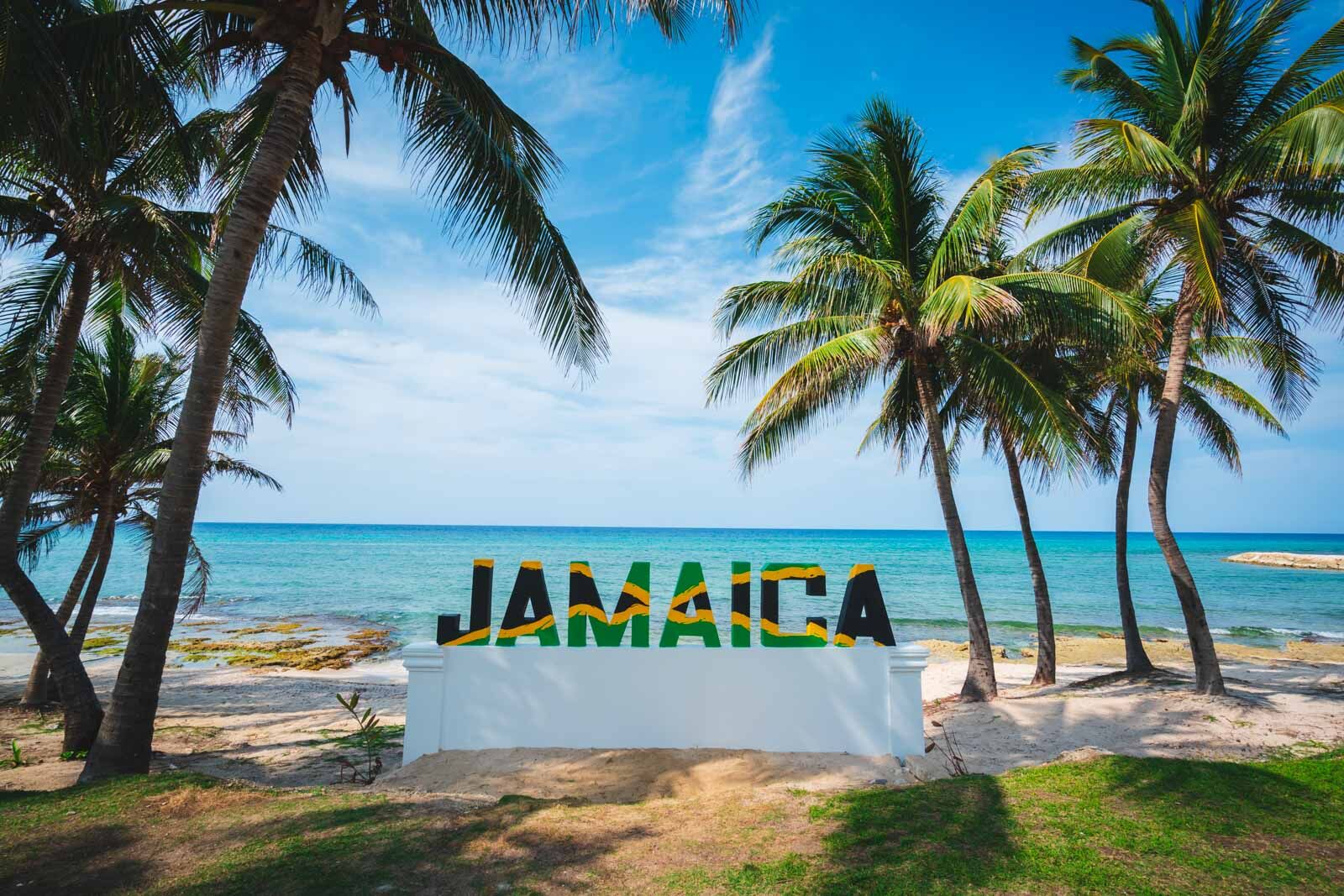
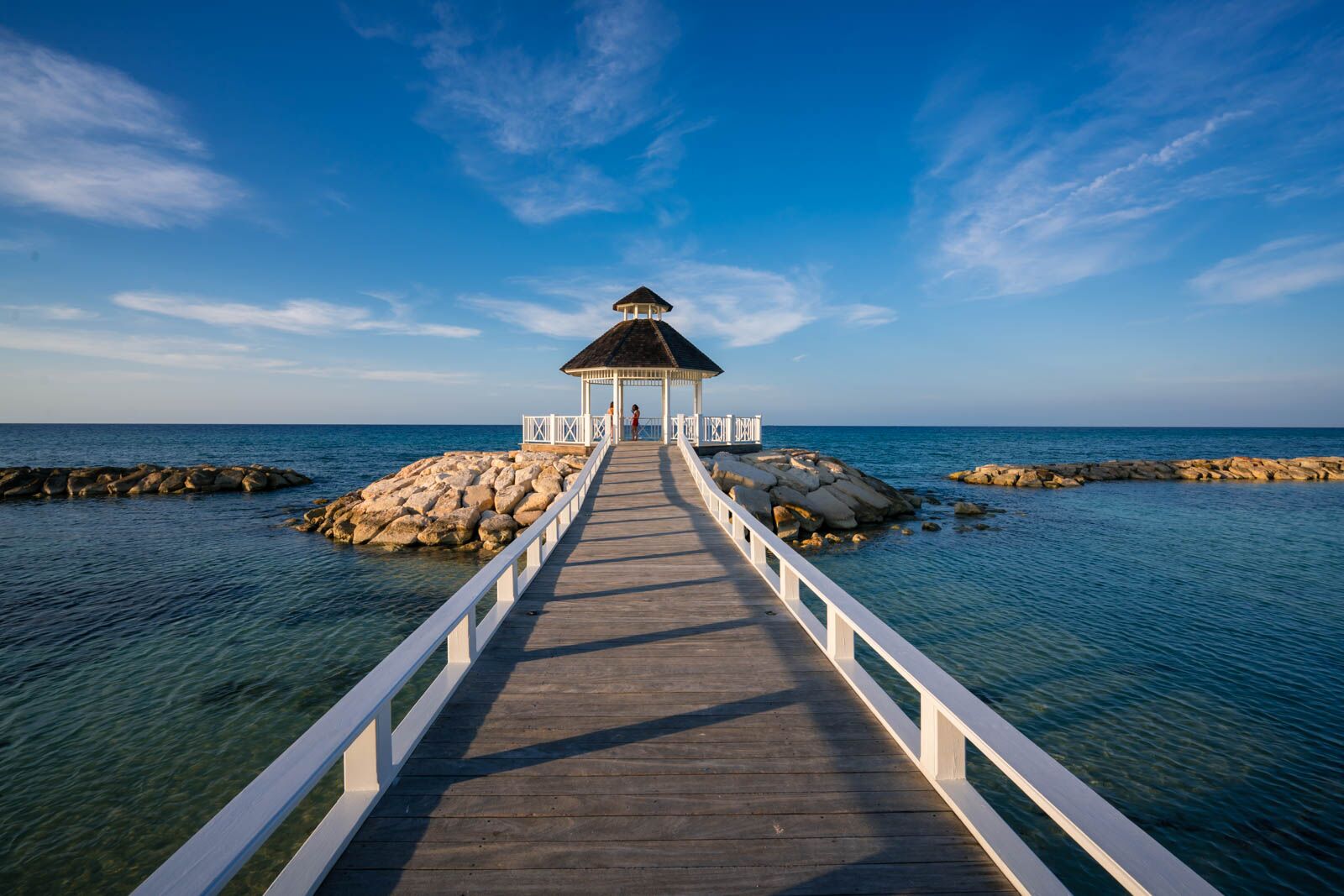
13. Montego Bay, Jamaica
Montego Bay is a match made in heaven for a Spring Break with friends. The city has a pulsing nightlife and a drinking age of 18, which attracts springbreakers like bees to honey. The beach and resort parties are extra fun, with drinking games, water activities, and themed extravaganzas. Montego Bay is the extroverted destination to pick in Jamaica if you want fun Spring Break trips. It has loads of things to do, like reggae tours and Fort Montego.
On the other hand, if you are looking for a quieter scene over Spring Break, head for towns like Negril and Ocho Rios. These tropical towns have more in the way of beaches and jungle hikes than nightlife and have limited accommodations, which helps keep excessive crowds at bay.
March and April in Jamaica have temperatures of around 84-85 degrees Fahrenheit, meaning you’ll have plenty of sunbathing on the cards. It’s where to stay if you want an adventurous tropical Spring Break destination, just with added nightlife.
14. Aspen, Colorado, US
If you are envisioning going on a thrilling snow trip with a large group of friends, Aspen is your best bet. This ski resort town is set in the Colorado Rocky Mountains, so you have beautiful mountain views and slopes galore. If you don’t care for the beach or a city break, Aspen is one of the best Spring Break destinations.
Some of the best things to do in Aspen are its great slopes and four separate ski areas: Aspen Mountain, Snowmass, Aspen Highlands, and Buttermilk Mountain. That’s a grand total of 5,300 acres of skiable terrain. March is a fantastic time to visit Aspen for skiing, known as one of the snowiest months. You get longer daylight hours and gorgeous power, which is a winning combination.
It isn’t just skiing either; Aspen has attractions like the Aspen Art Museum and Cloud Nine Alpine Bistro. If you choose Aspen for your Spring Break trip, prepare for amazing views and plenty of culture.
15. Paris, France
After the Emily in Paris craze and with the 2024 Olympics, it doesn’t look like Paris intends to fall off its trending pedestal any time soon. Paris is one of the best Spring Break destinations. Nothing beats the iconic Eiffel Tower; you have some of the world’s most highly-rated museums at your fingertips. And that’s without even considering the food – Parisian cuisine is a thing of total beauty.
Spring breakers can check out our ultimate 3-day itinerary, including Versailles, the Louvre, and Arc de Triomphe. If you are flying transatlantic to visit Paris, we recommend staying for around a week so you can justify the lengthy flight time.
By leaving yourself this extra time, you can also use Paris as a gateway to cities like London, Edinburgh, Barcelona, and Rome. It’s a great choice if you want to travel to other destinations. Europe is still reasonably sleepy in spring, meaning you can enjoy off-season prices and great flight deals.
16. Hawaii, US
Hawaii is an absolutely classic Spring Break trip. If you plan your dates carefully, it can actually still be considered an ‘off-season’ to experience the islands. March is a little chillier, so we recommend pushing your stay into early April for better temperatures. In April, temperatures jump from highs of the mid-70s Fahrenheit to low 80s. It is also just outside the 2024 Spring Break dates, so you can dodge any huge crowds and bag slightly cheaper rates.
In spring, Hawaii is dry and sunny. It’s the perfect time to enjoy surfing, sunbathing, and hiking since the early mornings are still mild.
There are eight main islands in Hawaii, and you can check out our guide on choosing the best island for you. Big Island is perfect for volcano tourism in Hawaii’s Volcanoes National Park and has a beautiful selection of black sand beaches. Maui is equally brilliant, with whale-watching opportunities and the chance to road trip the Road to Hana Highway. Kauai is where you’ll find the stunning Na Pali coastline helicopter tours.
Flights typically land in Honolulu, with travelers catching onward connections to the island of their choice. You may wish to leave yourself a few days in Honolulu to maximize your experience and see two Hawaiian spots in one.
Best Spring Break Destination: FAQs
Has a Spring Break destination caught your eye yet? You could be kicking back in a small town or city, skiing or sunbathing, hiking or fine dining. The variety is impressive.
What is the best place to visit during Spring Break?
Mexico is always a great choice in Spring Break if you love partying and big crowds, especially Cancun or Playa del Carmen. If you want to head to Europe, it’s a good time to take advantage of cheaper flights outside of summer.
Where do people go the most for Spring Break?
Most people head to major US destinations like Aspen, the Grand Canyon, and Hawaii. However, Europe, Mexico, and the Caribbean are also popular choices.
Where is the cheapest place for Spring Break?
The cheapest place for Spring Break depends on where you are traveling from, as flights are a major cost to incorporate. Sticking to domestic travel within the US is likely the best way to plan a cheaper Spring Break, so long as you stay outside famously expensive destinations, like NYC and its super costly accommodation. Booking in advance is also vital to secure the cheapest accommodation before it sells out.
Where is the cheapest place to travel to in March?
Florida tends to have budget-friendly flights throughout March and spring. You can easily rent a car and there are lots of low-cost activities, like fishing, snorkeling, and hiking.
Finding the Perfect Spring Break Destination
Finding the best Spring Break destinations can be overwhelming. There are so many options when it comes to traveling between February and April, which is partly what makes Spring Break such a fun time of year. You get the full spectrum, from cheaper Transatlantic flights to skiing parties in Aspen and sunshine in Mexico.
Whichever destination you choose, we hope you have a fabulous time. Let your hair down; you deserve it. Nothing beats the fun of a great Spring Break, especially for college students returning to exam season.
Guimarães just may be the most underrated city in Portugal. While most people visit Guimaraes on a day trip from Porto they truly miss out if they don’t give this historic city in Northern Portugal at least a few days on their Portugal Itinerary. Often referred to as the birthplace of Portugal, this ancient city was the first capital of Portugal. As you wander its cobblestone streets, it is easy to understand why it is a designated UNESCO World Heritage Site. Every stone tells a story of battles fought, kingdoms born, and cultures merged.
Guimarães – The Birthplace of Portugal
We spent a week in Guimarães and two full days on a guided tour of the old town and Vino Verde wine region. We fell in love with this remarkable city and will show you why it should be added to your Portugal itinerary.
Known as Cradle City, Guimaraes is located in the northwest region of Portugal, just a short distance from Porto. We flew into Porto and then took a private transfer to the city. However, Guimarães is well-connected by train. When returning to Porto we hopped on the public train for just a few euros and were there within the hour.
For those arriving by air, Francisco Sá Carneiro Airport in Porto is the closest international gateway, located approximately 50 kilometers away. From the airport, visitors can catch a direct train from Porto’s São Bento or Campanhã stations.
Driving to Guimarães is another great option. We rented a car when in Portugal and loved having the flexibility to get around. Car rentals are reasonable in Portugal, and the highways are well-maintained and easy to navigate.
Most people visit Guimarães on day trips, but it is worth spending at least two nights in this beautiful town in the north of the country.
Top Things to Do in Guimarães
While Guimarães is often overlooked for the likes of Lisbon, The Duoro Valley, or Porto, you will be surprised with just how many things there are to do in Guimarães. It is the jumping-off point for exploring the Vino Verde wine region, there is a fascinating old city and plenty of bars and restaurants like its other more famous cities, but there are far fewer crowds making it one of our favorite places to visit in Portugal. So, let’s explore the many reasons to visit Guimarães, Portugal.
1. Explore Guimarães Castle (Castelo de Guimarães)
Guimarães Castle (Castelo de Guimarães) is a symbol of Portuguese identity and independence and is designated as a national monument. Guimaraes was the birthplace of the first king of Portugal, King Afonso Henriques, and Guimaraes Castle was where he held court. It was originally built in the 10th century as a fortress and was expanded over time. This fortress is the first place you should visit in Guimarães to learn about the city’s history and admire its well-preserved interior.
A towering symbol of Portugal’s storied past and cultural heritage, it is a must-visit attraction for history enthusiasts and travelers alike. Perched atop a hill in the charming city of Guimarães, it was built to defend against invading forces and played a pivotal role in forming the Portuguese nation.
When you visit Guimarães, make sure to wander through its historic corridors, climb its towers for panoramic views of the surrounding countryside, and immerse yourself in the legends of knights and kings that echo through its halls.
2. Walk the City Walls
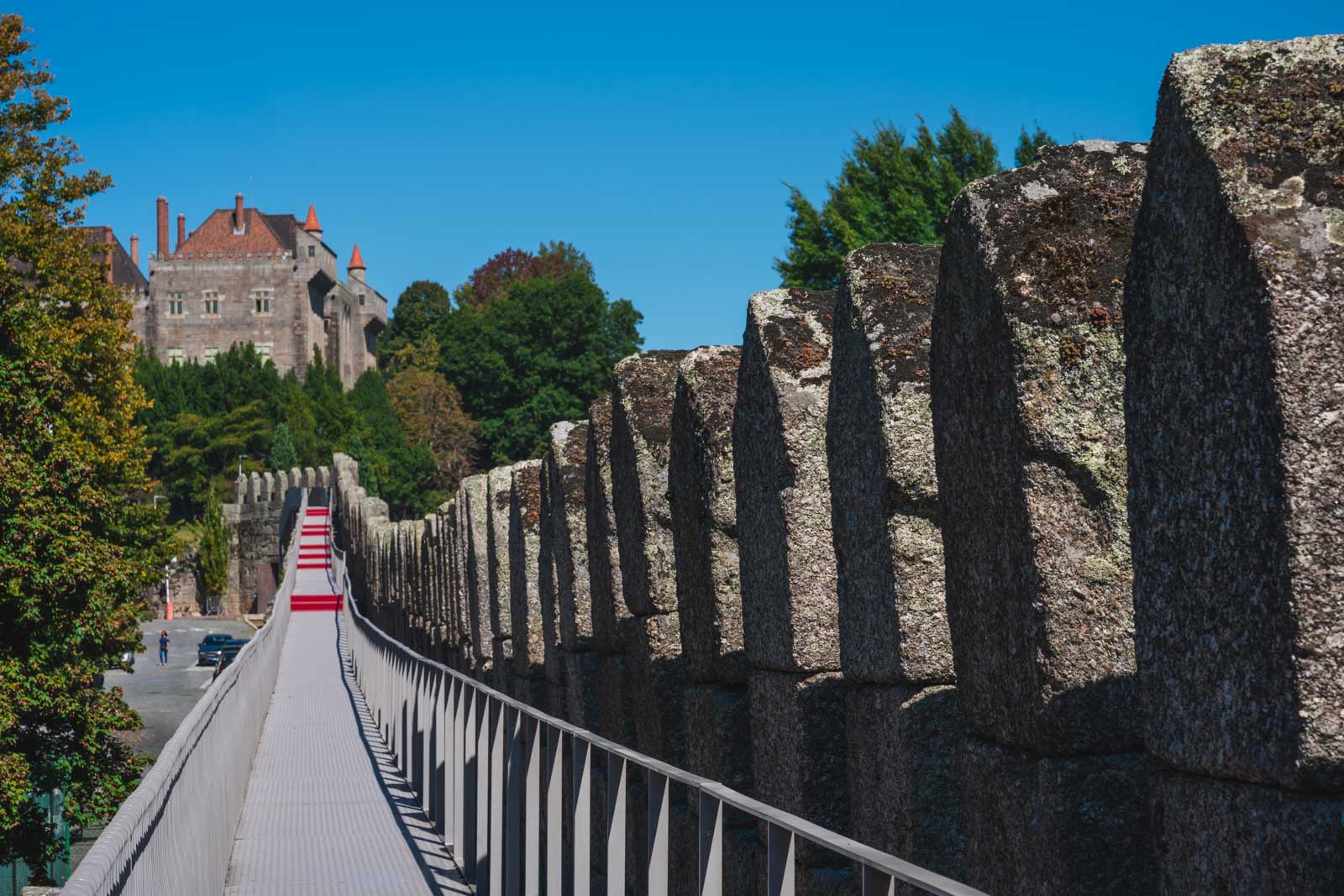
When you are finished at Guimaraes Castle, you can walk toward the city centre along the city walls. Located in the heart of the city, these historic walls are free to explore. Construction was started by the first King of Portugal and finished during the reign of King Dinis. Originally it was two km long and the towers had eight gates with nine towers. Today they are just a short walk along a steel platform, but one tower still stands, and its a fun way to see the historical center from a different perspective.
From the walls, you can see Guimarães Castle, the ancient Ducal Palace, and panoramic views of the old town and its surroundings.
3. Church of Nossa Senhora da Consolação
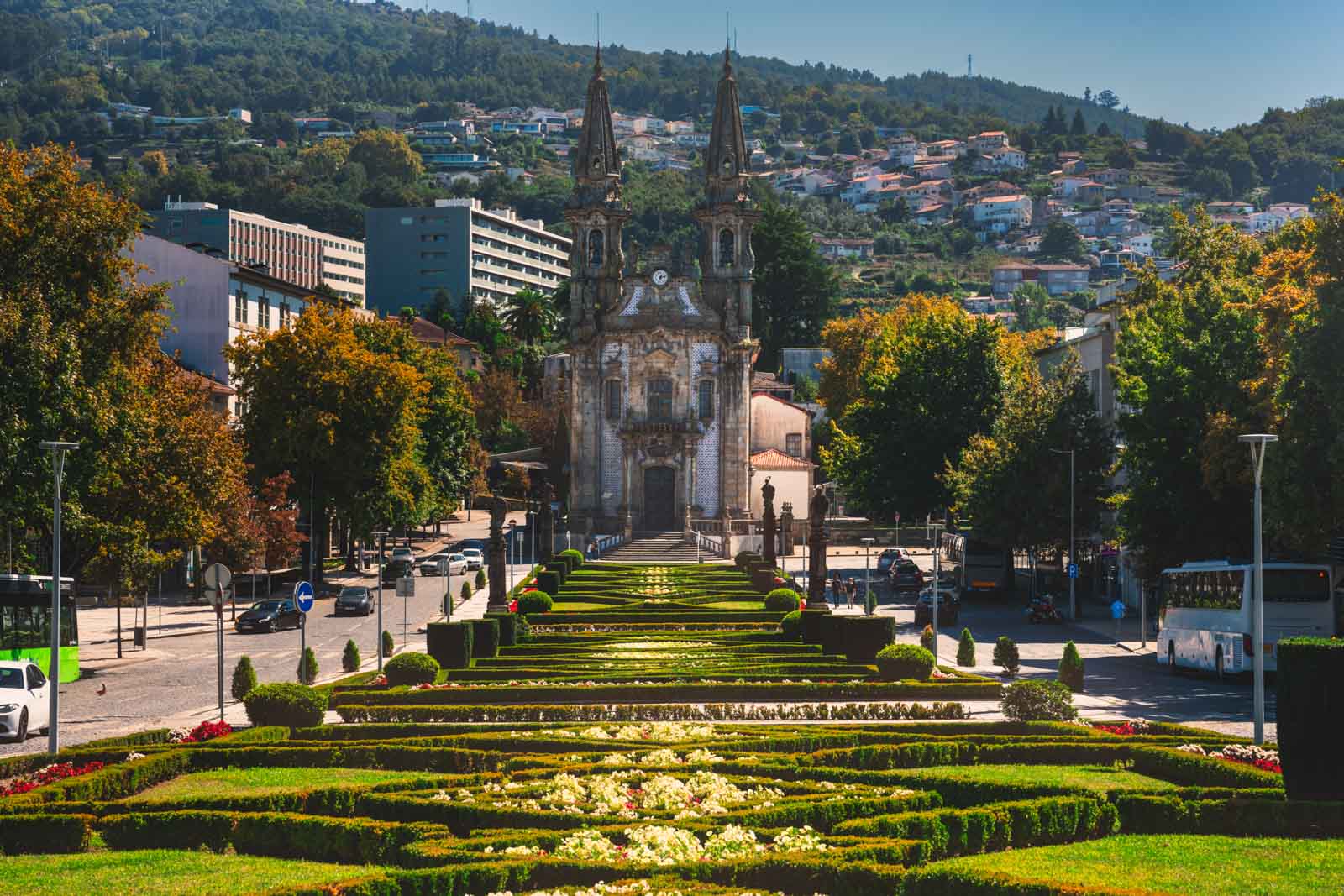
From the walls, you will catch your first glimpse of the most iconic symbol of Guimaraes, the Church of Nossa Senhora da Consolação. Bus tours make the Church of Nossa Senhora da Consolação the first stop in Guimaraes, and for good reason. It is a beautiful site.
It is the setting that makes this Baroque church so famous. It sits at the bottom of a long hill with a colorful weaving garden stretching to its entrance. It is often considered the prettiest church in Portugal.
Entry to the church is free to enter, and the church’s façade and interior are adorned with intricate carvings and azulejos (traditional Portuguese tiles).
4. Wander Through the Historic Center
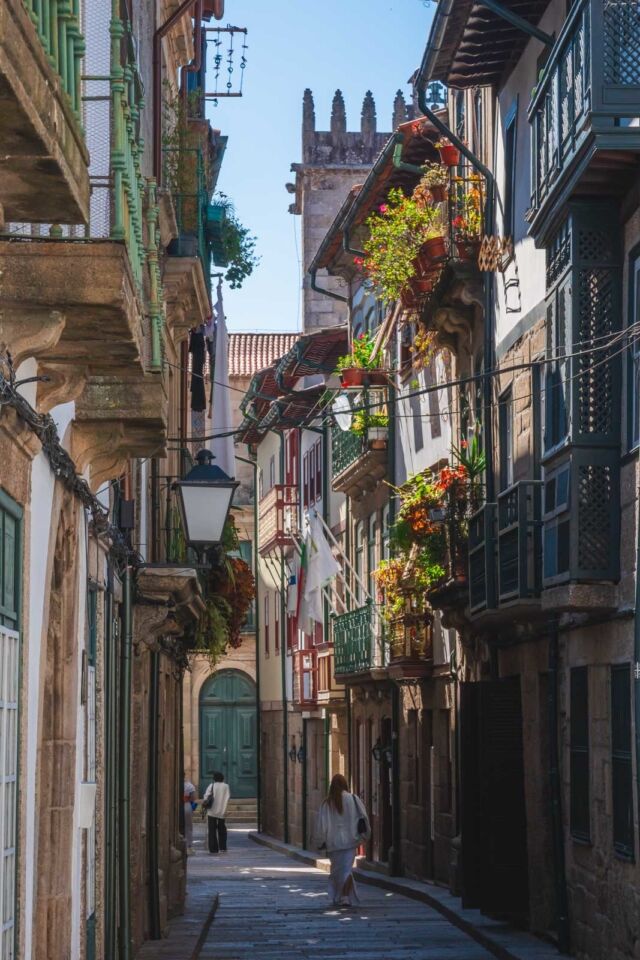
The Historic Centre of Guimarães is not to be missed. The entire city center is a UNESCO World Heritage site renowned for its exceptionally well-preserved architecture. This medieval settlement has remained unchanged for decades with architecture spanning from the Middle Ages to the 19th century.
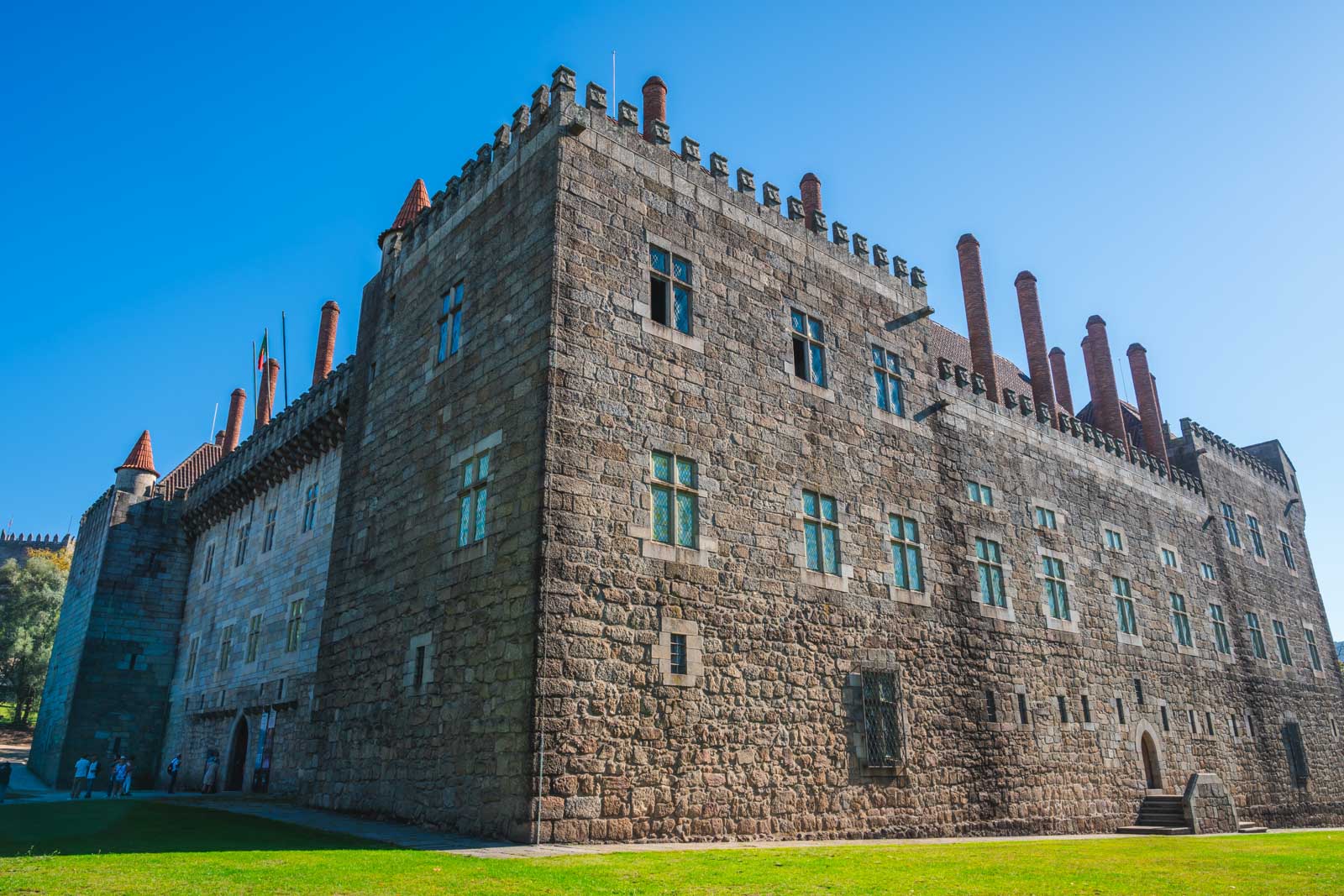
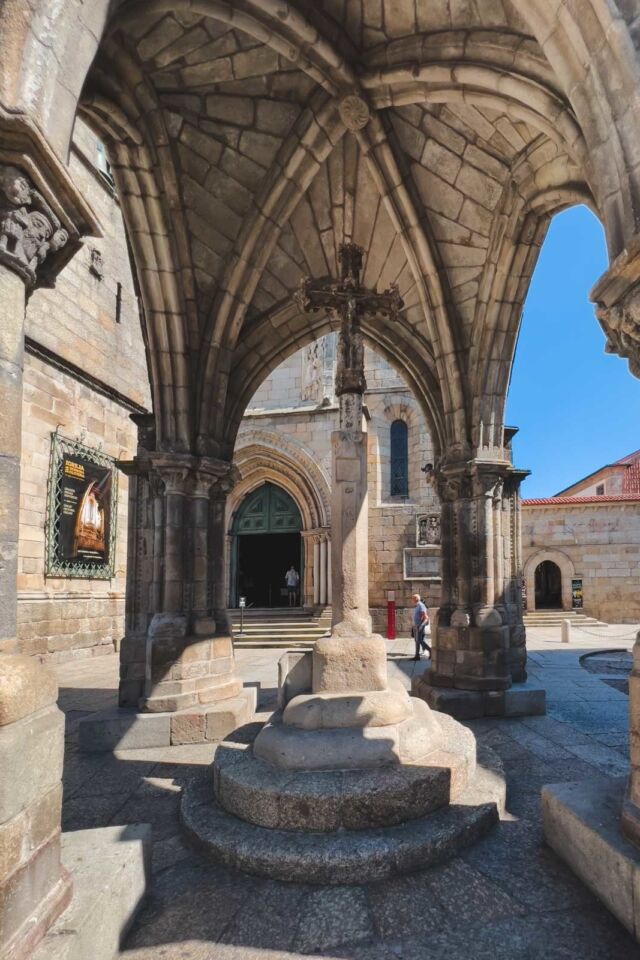
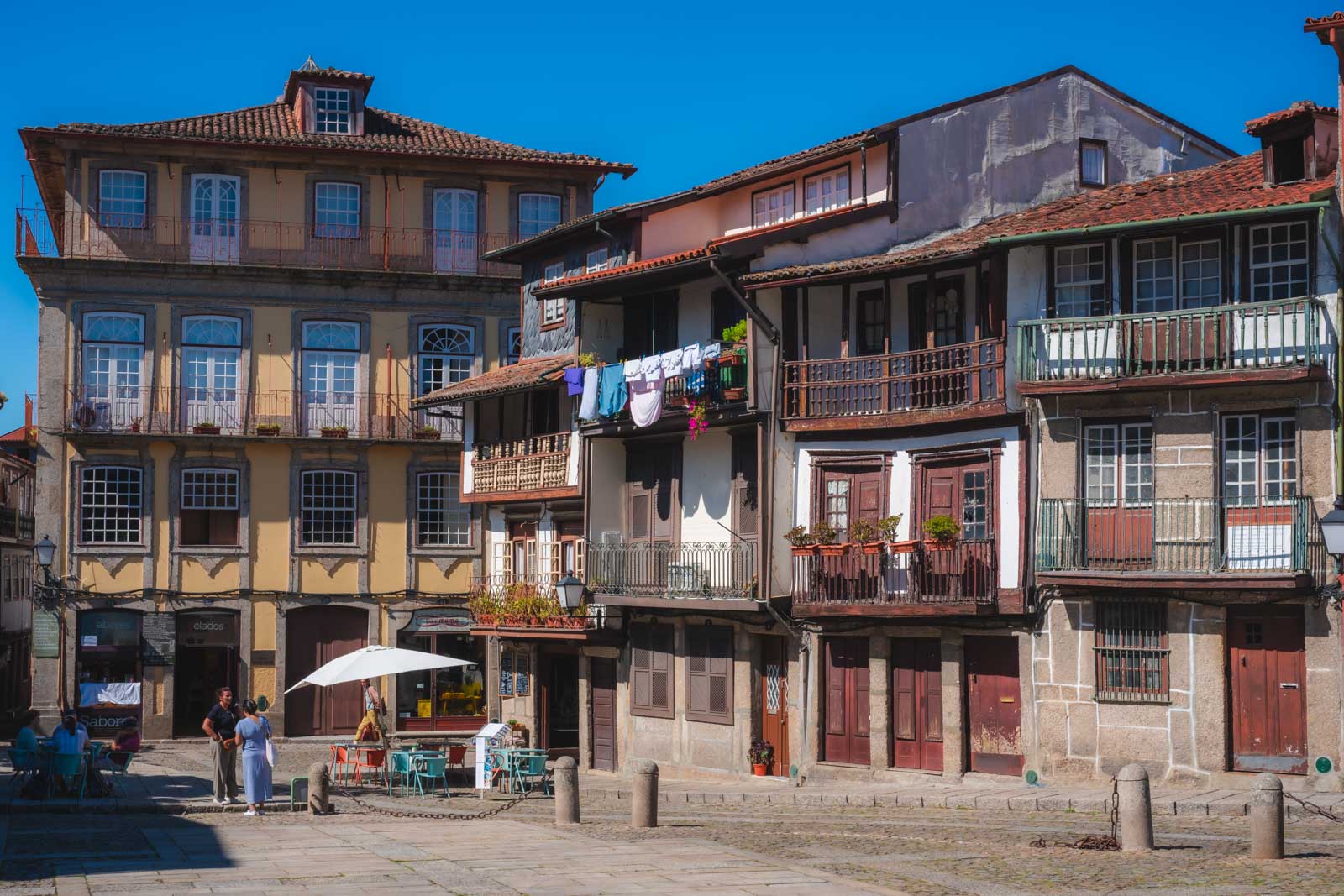
Guimarães Castle stands at the top of the historic center and as we moved our way down through the narrow streets we passed the impressive Palace of the Dukes of Braganza, and the picturesque Largo da Oliveira.
In the center, there are historical landmarks and museums to enjoy local cuisine at traditional Portuguese restaurants. There are various architectural styles, from Romanesque to Baroque, and with fewer crowds than the old towns of Lisbon and Porto, we could relax and enjoy the local atmosphere. The historic city centre of Guimaraes invites travelers to step back in time and experience the wealth of one of Portugal’s most enchanting cities.
5. Visit the Palace of the Dukes of Braganza
Visiting the Palace of the Dukes of Braganza offers a glimpse into the lifestyle of the nobility during the 15th and 16th centuries. The Dukes of Braganza were one of the most powerful families in Portugal during the Middle Ages.
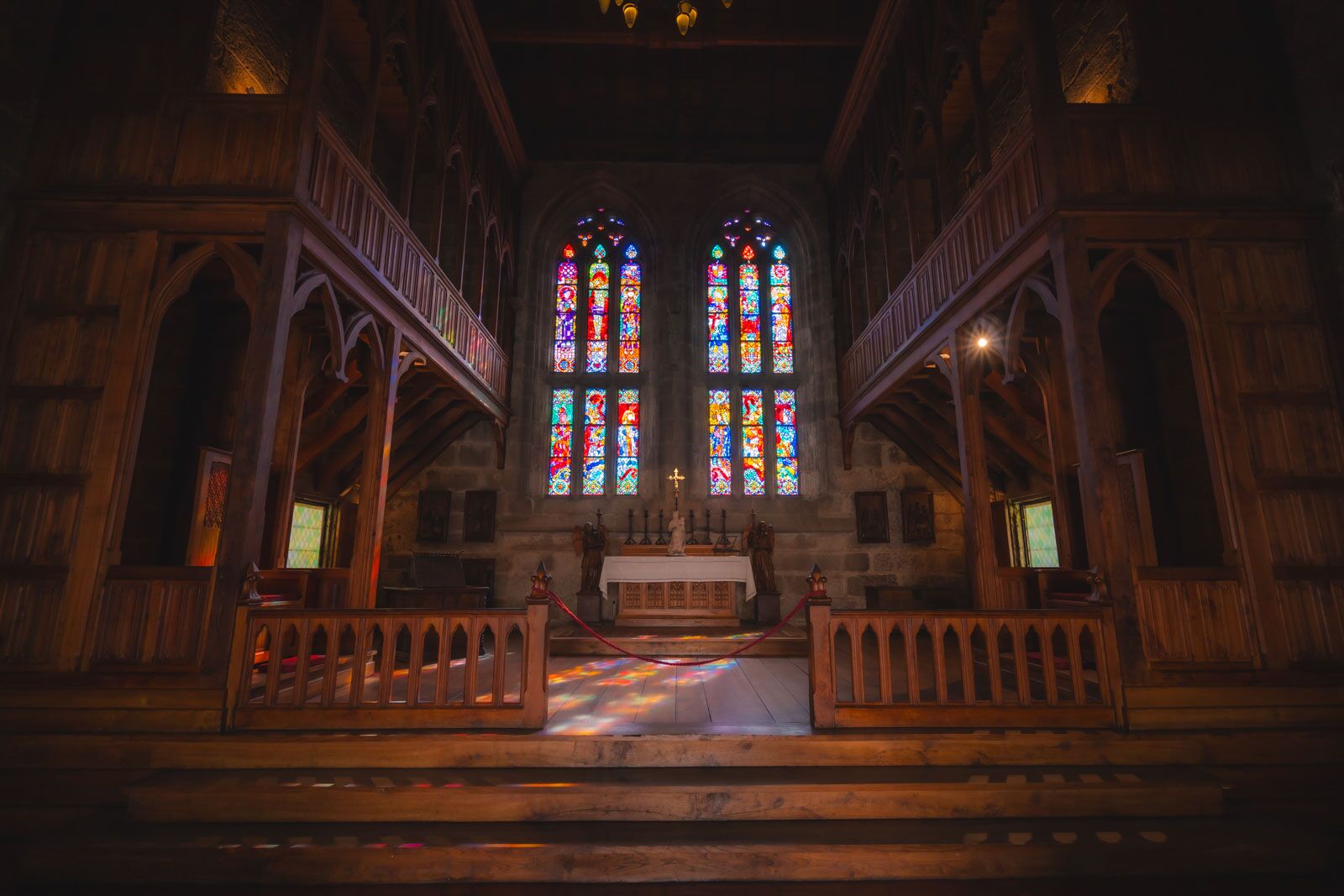
Located in the historic center, this magnificent palace is one of the most visited attractions. Travelers can explore the intricately decorated rooms, admire the extensive collection of tapestries, furnishings, and portraits, and wander through the beautifully maintained gardens.
Note: Photography is prohibited inside. The entrance fee is approximately €6.
6. Stroll Along Santa Maria Street
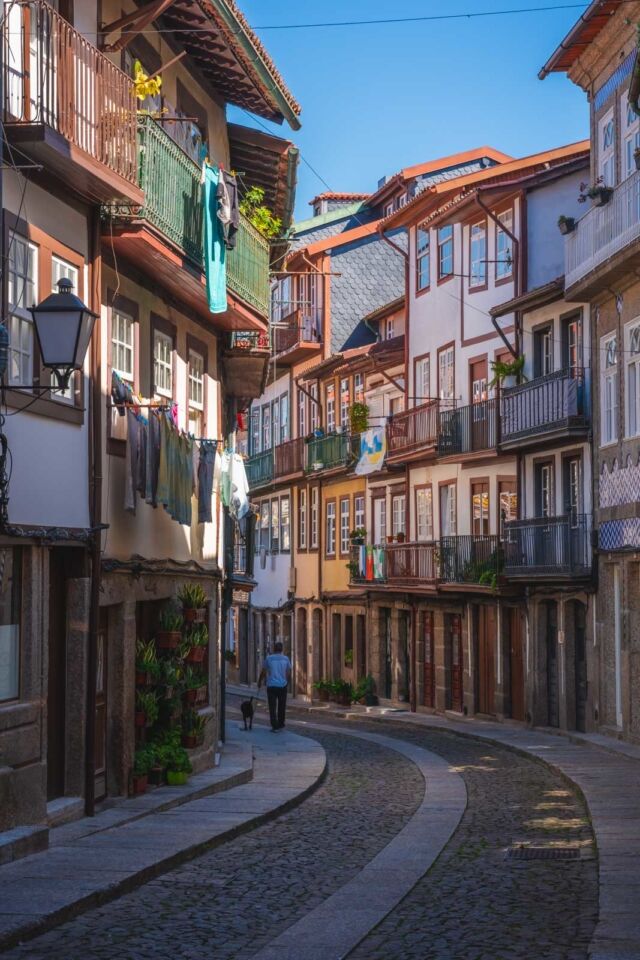
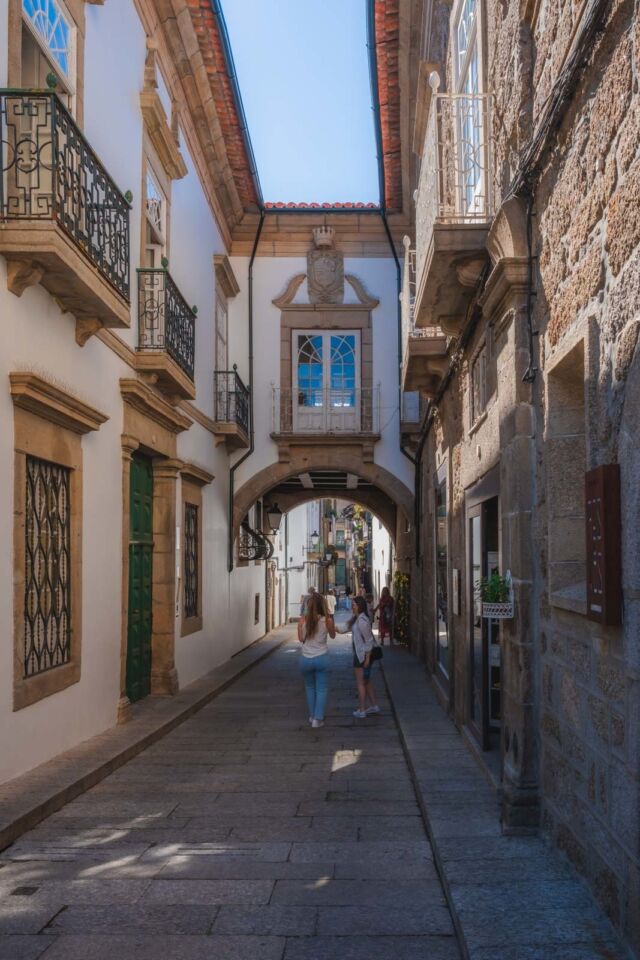
Running through the historical centre is the longest street in Guimarães, Santa Maria Street. This pedestrian street is a mosaic of medieval architecture, historical landmarks, and contemporary life lined with shops and cafes.
Walking along Santa Maria Street is free and offers an opportunity to see iconic sights such as the ancient convents, charming plazas, and the captivating Largo da Oliveira with its emblematic Padrão do Salado.
City Hall stands at the center of the street. How often do you see a town hall set in a 16th-century building that was the former Convent of Santa Clara? You will pass under a medieval archway, and make sure to look up to see the wooden balconies and colorful buildings.
Paula Frederico Atelier
Located on Santa Maria Street is a quirky little shop called Paula Frederico Atelier. Make sure to go inside to pick up a souvenir and you can take a pottery class if you like as well.
7. Take the Cable Car up Penha Hill
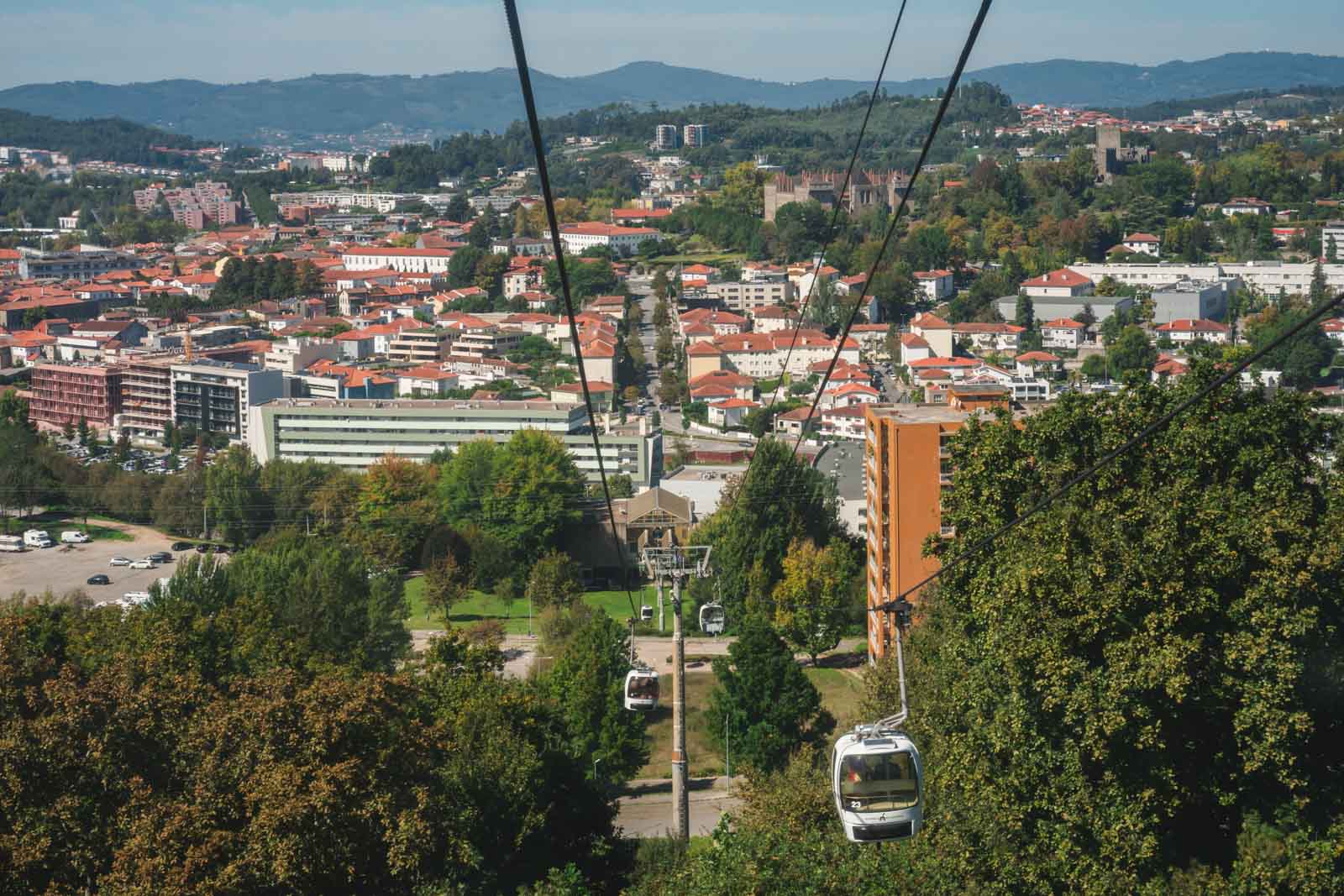
We took the 10-minute Teleferico (cable car) up Penha Hill. This is a fun ride for the whole family, and it offers stunning views of the old and modern town.
The cost is 7.50 return for the cable car, and it feels like you are heading up a ski hill for a fun adventure. Which it is! A trip up Penha Mountain was one of our favorite activities in Guimaraes.
You can also drive up Monte da Penha which we did when going for dinner at the restaurant, but riding the cable car is much more fun.
8. Hike on Monte da Penha (Mount Penha)
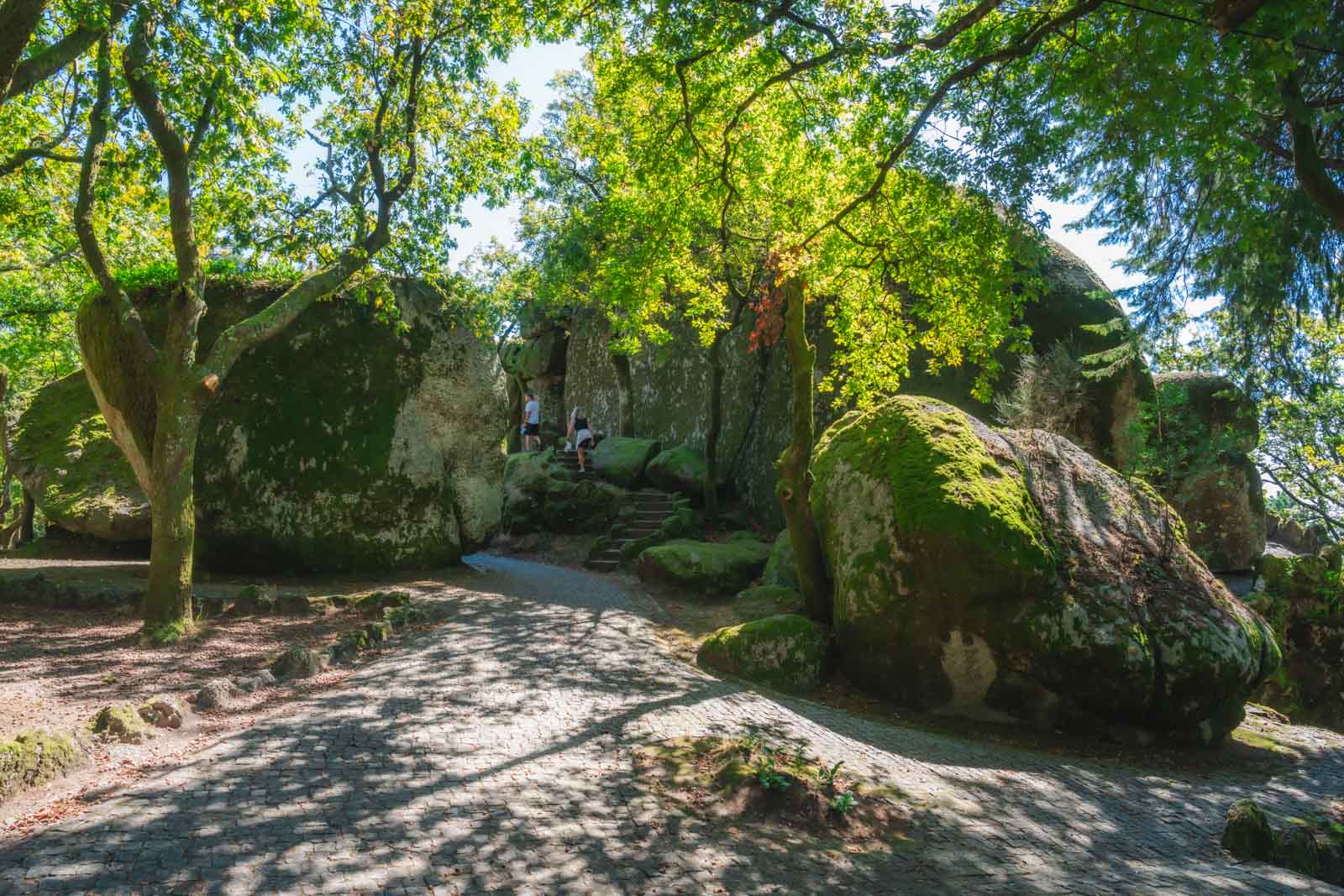
The landscape of Mount Penha is absolutely stunning and there are plenty of hiking trails making for a great day trip. Take in the views of massive boulders, narrow grottos, caves, lookouts, and viewpoints. When you reach the top, you can also visit the striking Penha Sanctuary.
Penha Sanctuary isn’t an old church, but it is a beautiful church standing proudly overlooking the city centre.
9. See the Old Tanneries
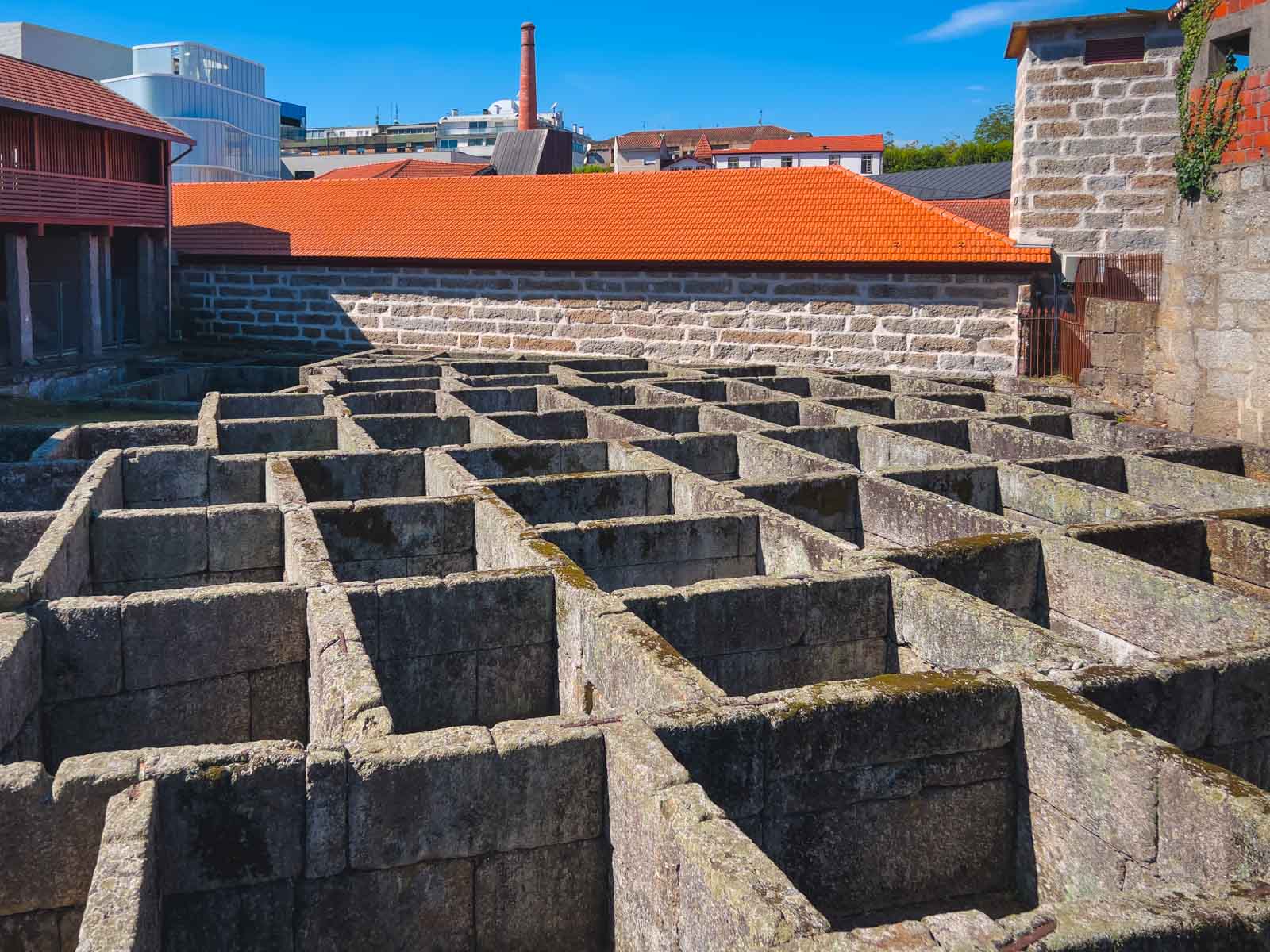
Known as the Couros Zone (Zona dos Couros), the Tanneries were one of the most fascinating stops on our visit to Guimaraes. Located just outside the historical center, they offer a unique glimpse into the city’s once-thriving industrial center for leather processing.
This area has been beautifully preserved, allowing visitors to step back in time and discover the traditional leather production methods that contributed significantly to Guimarães’ economy.
Entry to the Couros Zone is free and as you wander through this district, you’ll encounter ancient tanks from the MIddle Ages that were once used in the tanning process.
You can take a self-guided tour as you follow along with informative plaques that detail the history of leather-making in Guimarães.
10. Largo da Oliveira
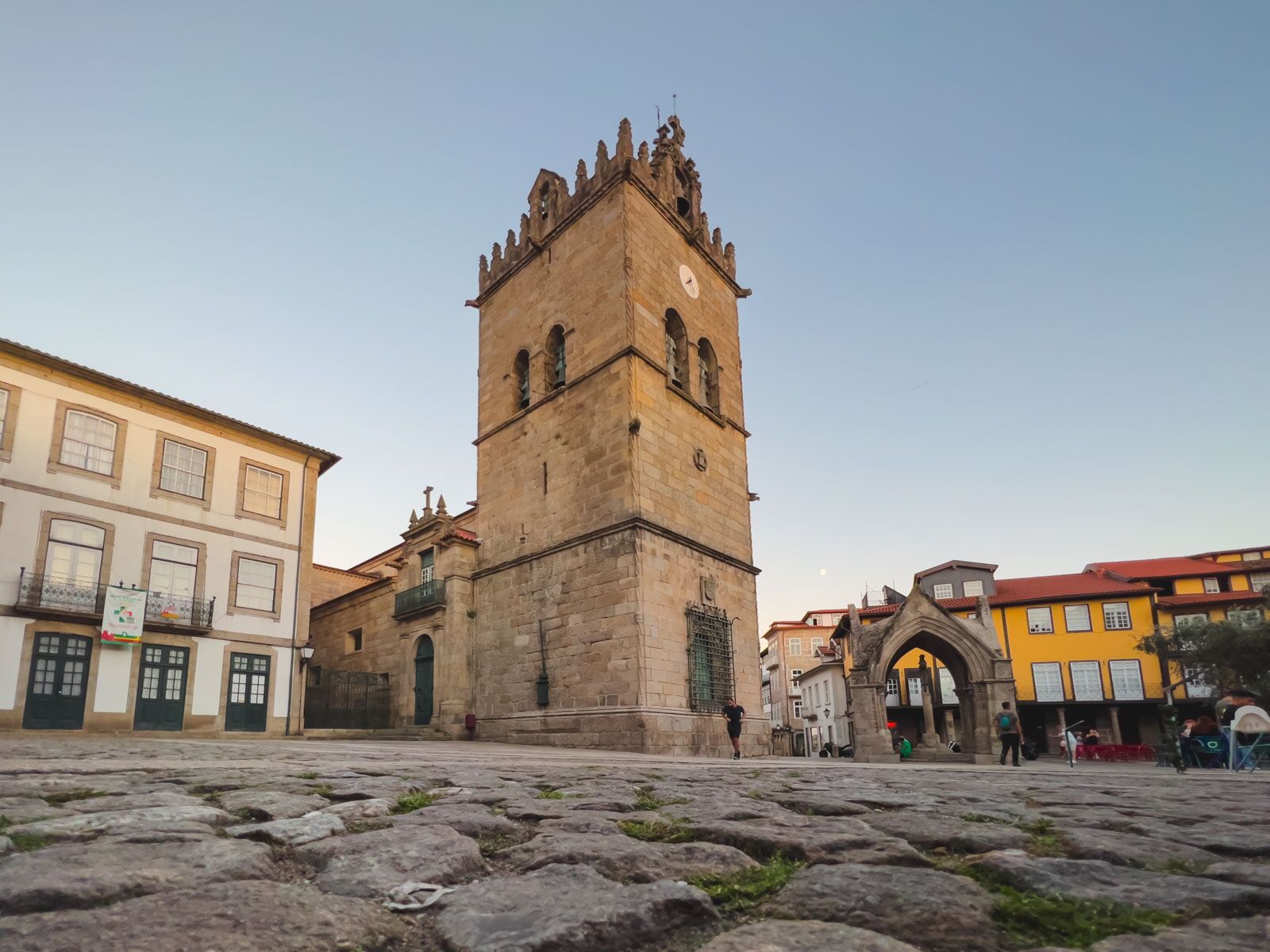
Largo da Oliveira is the iconic square in Guimarães named after a centuries-old olive tree that stands at its center. This square is a buzz with activity with street performers, outdoor dining, and cafés lining the sidewalks. You’ll also see the Old Town Hall.
The Alberto Sampaio Museum is also located nearby containing medieval art and artifacts. With an entrance fee of just around €3, visitors can explore an impressive collection that includes ecclesiastical treasures, stunning silverware, and rare pieces of sculpture and painting from the 12th to the 18th centuries. The museum is housed in a former convent, adding an extra layer of historical intrigue to the visit.
11. Nossa Senhora da Oliveira
While visiting Largo da Oliveira, don’t miss stopping to take in the view of the Igreja de Nossa Senhora da Oliveira. This iconic church is a masterpiece of religious architecture, blending Gothic and Baroque styles.
Besides its architectural beauty, the church is steeped in history, dating back to a medieval battle victory commemorated by the founding of this sacred site. Entry to the church is free.
12. Praça de Santiago / Praça de São Tiago
Santiago Square or Praça de São Tiago is another picturesque square surrounded by Portuguese architecture, with colorful facades and balconies adorned with flowers. It is the hub of activity, offering an array of cafés, restaurants, and small shops.
Here, you can savor authentic Portuguese cuisine or enjoy a cup of coffee while people-watching in one of the most atmospheric settings in the city.
13. Sample Vino Verde
While most people think of the Duoro Valley when planning a wine vacation in Portugal, the region around Guimarães, Portugal is the wine-producing capital of the famous Vino Verde. Many of the vineyards offer dining, accommodation, and tours.
Quinta de Cancela
We visited, Quinta de Cancela where we took a tour of this family-run vineyard and enjoyed Sushi and Sunset with wine pairings followed by a delicious meal.
Quinta dos Encados
We also visited Quinta dos Encados for a tour of its beautiful accommodations overlooking the vineyards followed by a picnic lunch on ancient stone tables.
14. Citania de Biteros
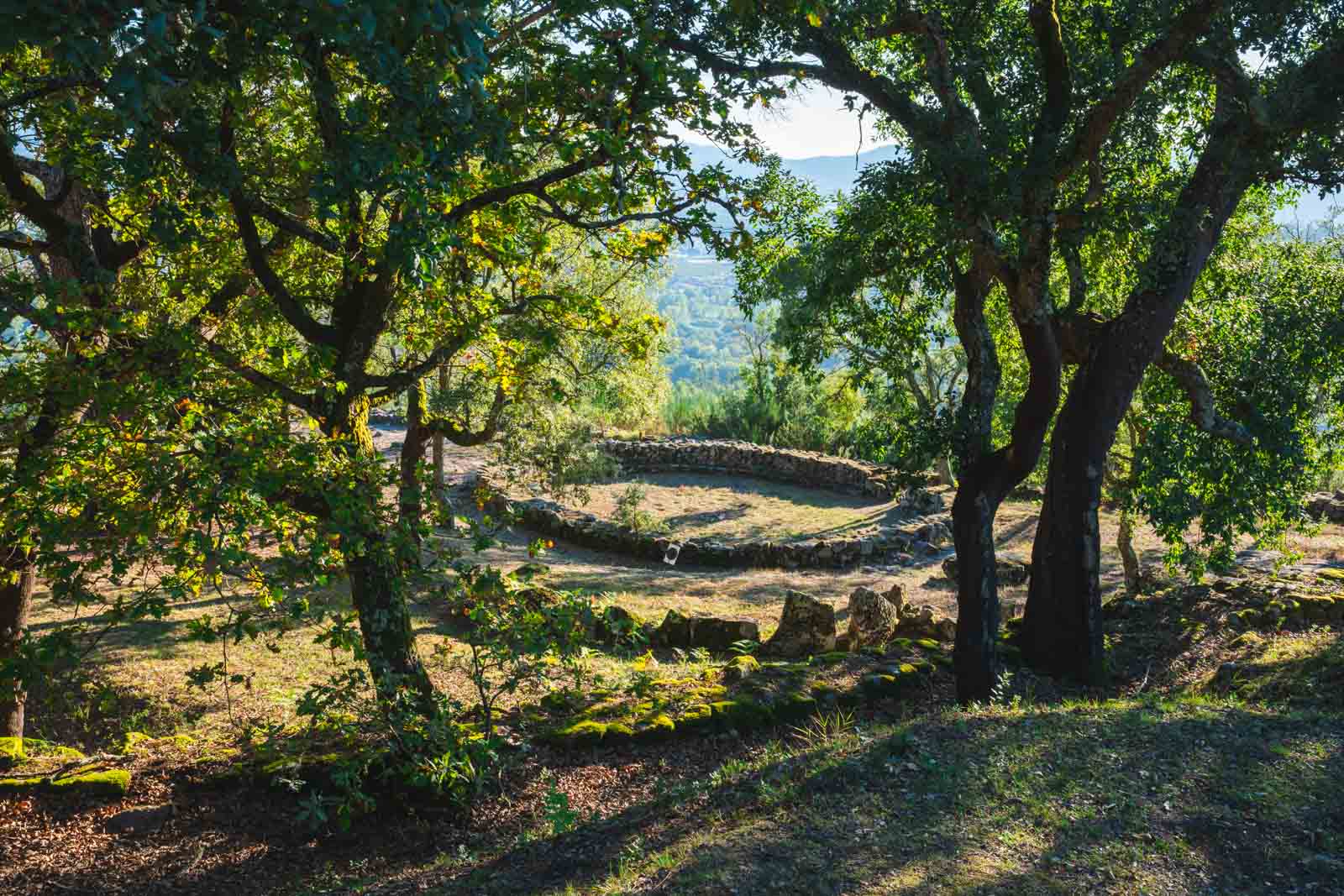
Did you know that you can visit an ancient city free from crowds in Quinta dos Guimarães, Portugal? Citania de Biteros is an ancient fort hill that dates back to the second century BC.
Located just a short drive from the heart of Guimarães, this extensive archaeological site, one of the most significant of the Iberian Peninsula’s Iron Age settlements. A walk through the ruins offers a fascinating glimpse into the lives of the Celtic tribes that once thrived here over 2,000 years ago.
With an entrance fee of around €2, visitors can explore the well-preserved ruins, including stone houses, defensive structures, and communal areas, all set against the backdrop of stunning panoramic views of the surrounding countryside. And the best part, there are no crowds.
15. Eat at a Michelin Star Restaurant
We had the opportunity to eat at A Cozinha a one-star Michelin Restaurant that was divine. It mixes traditional Portuguese dishes with playful textures and flavors. Located in the heart of the Medieval Town, this restaurant feels unpretentious with its mid-century modern design and large portions. (for a Michelin Restaurant anyway).
16. José de Guimarães International Arts Centre (CIAJG)
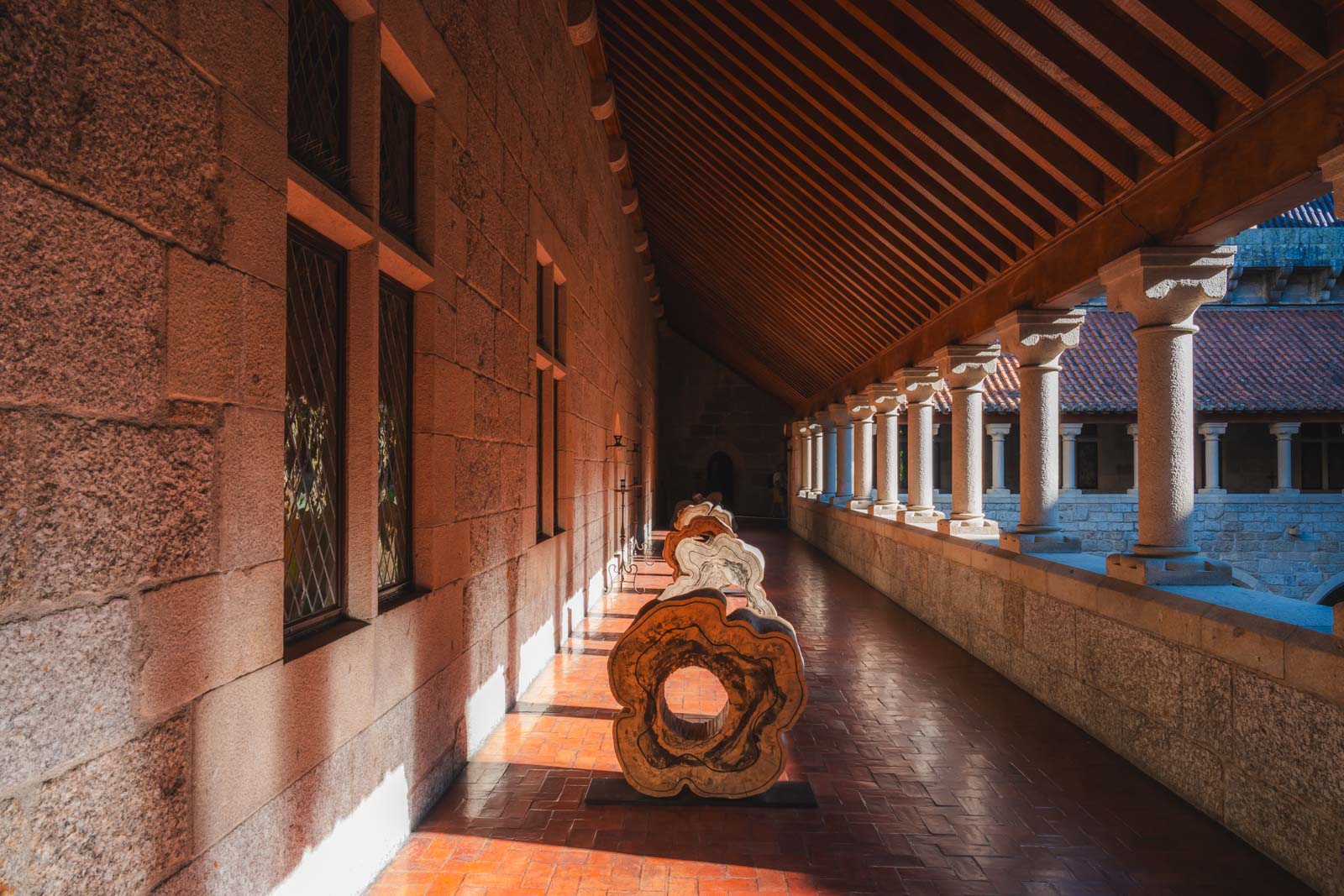
Guimaraes isn’t all about historical sites, we had the chance to visit the José de Guimarães International Arts Centre (CIAJG) which is a modern art gallery. It offers a unique fusion of contemporary art and ancient artifacts.
Located in the heart of the city, within the Platform of Arts and Creativity, this museum is one of Portugal’s most renowned contemporary art galleries and showcases a diverse collection that spans African, Pre-Columbian, and Chinese art, alongside Guimarães’ own works.
Admission to the museum is reasonably priced at around €4, making it an accessible cultural experience for all visitors.
17. Discover the Local Cuisine
Portuguese cuisine is celebrated for its diversity and rich flavors, and Guimarães is no exception. At the local taverns and restaurants, delight in traditional dishes like Bacalhau (salt cod), Francesinha (a type of sandwich), and Vinho Verde (a young wine). The culinary scene here offers a tantalizing taste of the region’s gastronomic heritage.
Where to Eat
We ate at many restaurants during our time up north. Here are a couple of standouts.
Cor de Tangarina – This was our favorite restaurant in Guimaraes serving farm-to-table menus. The outdoor seating is beautiful. A Mercearia da Zé – Lovely Cafe for coffee and pastries Divina Gula – a great spot for pastries, vino verde, and coffee
Guimarães is a treasure trove of history, culture, and natural beauty, offering a wide range of activities that cater to all interests. From exploring ancient castles and wandering through the historic centre to savoring local cuisine and attending lively cultural events, Guimarães promises an unforgettable experience. Don’t miss the opportunity to explore this cornerstone of Portuguese heritage on your next trip to Portugal.
So, you’re planning on visiting Puerto Rico, the island of enchantment. Featuring soft sandy beaches, turquoise waters, and Spanish colonial architecture, the US archipelago is a marvelous destination and you’re lucky to be able to go there.
You’ve found the best guide if you’re looking for ideas on what to do during your vacation in Puerto Rico. There’s something for everyone here, whether you want to explore the historic fortresses of Old San Juan or spend an afternoon riding ATVs in the jungle.
I’ll tell you about all the best historic landmarks and natural attractions, but also fun and thrilling activities like skydiving and flyboarding. And, of course, I’ll cover some of Puerto Rico’s best beaches because who doesn’t want to spend at least one day soaking in the sun in this magical place?
Puerto Rico is the island of superlatives. It’s home to the longest zipline in the US, the largest rum distillery in the world, and the third-largest underground cave system on the planet. You can explore all of those – and much more – during your trip to the archipelago, so join me as I guide you through all the best things to do in Puerto Rico!
Best Of Puerto Rico Quick Guide
Must See: El Morro, Castillo San Cristobal, Old San Juan, Camuy River Cave Park, Crash Boat Beach, Liquillo Beach Where To Stay: Fortaleza Guest House, Boutique Hotel Belgica, Condado Vanderbilt Hotel Fun To Do: Carabali Rainforest Adventure Park, Skydiving, Casa Bacardi Distillery, Caja de Muertos Island Day Trips: El Yunque National Park, Ponce, Cayo Icasos, Taína Route, Cabo Rojo Must-Try Foods: Pasteles, Bacalaitos, Pernil, Tostones, Alcapurrias
Best Things To Do In Puerto Rico
It’s only about three hours from the east coast of Puerto Rico to the west coast, so you can explore most of the main island’s attractions regardless of where you decide to stay. This guide includes all the best attractions and tours on the main island but also everything worth seeing on the smaller islands in the archipelago.
1. Walking Tour of Old San Juan
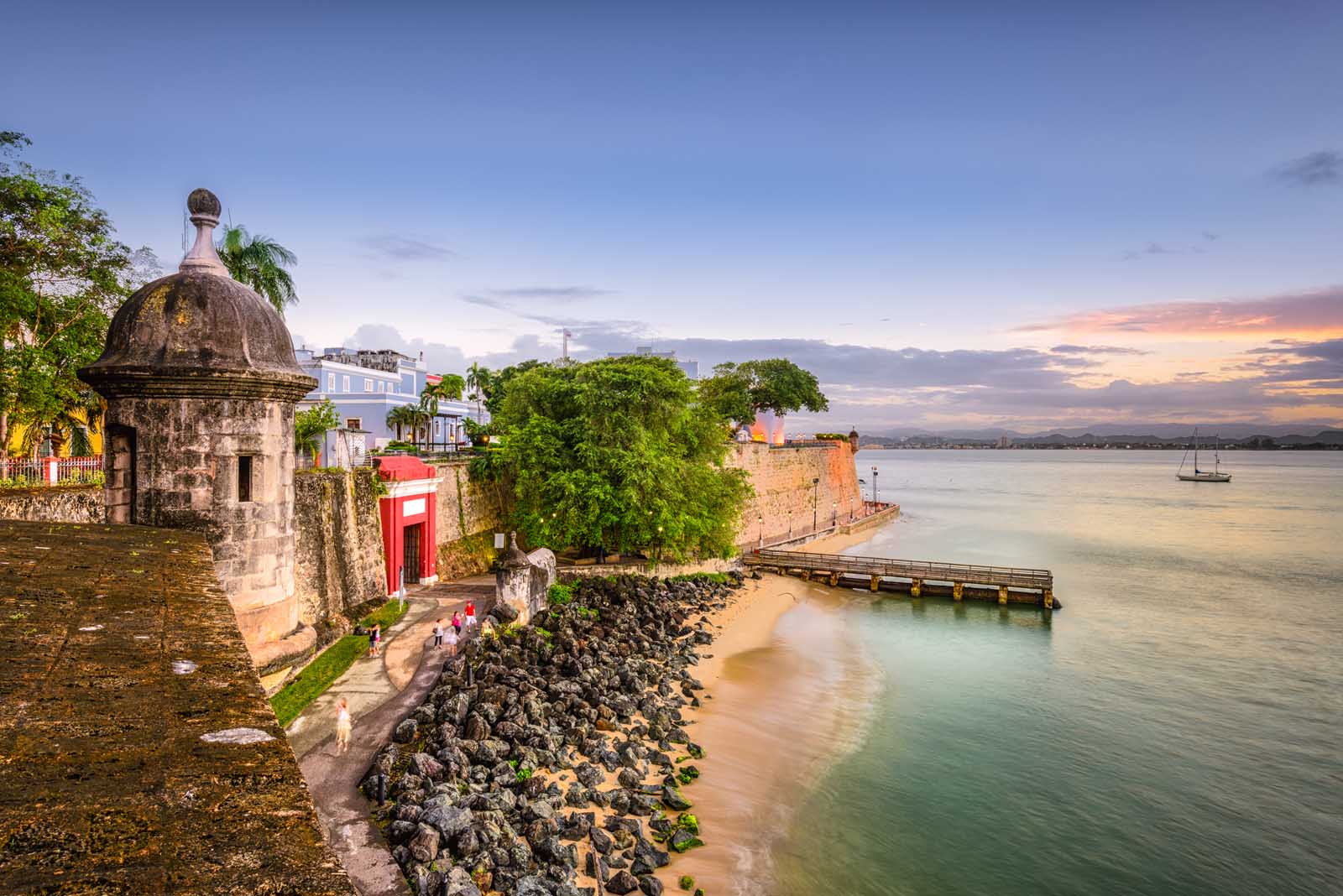
San Juan is the capital of Puerto Rico, as well as one of the oldest European-established cities in the Americas. It was founded in 1521 by Spanish colonists, and the city has plenty of landmarks that recount its rich history. Old San Juan is the oldest part of the city and the best one for historic tours. You cannot explore Puerto Rico and leave out San Juan.
San Juan Cathedral is one of the city’s highlights. It’s the second-oldest church in the Americas and holds the tomb of San Juan’s founder, Ponce de Leon. Calle de la Fortaleza is the city’s most notable street, known for pastel buildings and ornate decorations. It’s lined with shops and restaurants and serves as a great starting point for a thorough exploration of San Juan.
Other notable landmarks in the old town are Plaza Colón, Casa Blanca, Puerta de San Juan, the Walkway of the Presidents, and Plaza del Quinto Centenario. And then there are the castles, but I’ll tell you more about them later because they’re too good to be squeezed into a quick walking tour of San Juan.
Practical Information: Walking tours of Old San Juan take 2-4 hours on average.
2. Visit Castillo San Cristobal
Castillo San Cristóbal is one of two historic castles in San Juan. Constructed in the mid-18th century to protect the city from land attacks, it is the largest of all Spanish-built fortresses in the Americas.
The fort is a part of the San Juan National Historic Site, which has been under UNESCO protection since 1983. Visitors can explore the site on their own or opt for guided tours. When you first enter the fortress, you can watch a brief documentary that recounts its history, and then you’re free to explore the grounds however you like.
Walk along the fort walls to experience some lovely panoramic views. By far, the best vista is from Caballero de San Miguel, which is the highest point of the entire complex. See the underground cisterns, walk through the castle tunnels, and check out the exhibit with military clothing and troop barracks.
Practical Information: The admission fee for Castillo San Cristobal is $10, and it includes access to Castillo San Cristóbal and Castillo San Felipe del Morro within 24 hours.
3. Ride Go-Karts And ATVs At Carabali Rainforest Adventure Park
Photo Credit: Michelle Camacho
Puerto Rico is an excellent destination for a vacation filled with fun and adventure. Head to Carabali Rainforest Adventure Park if you want to spend a day riding zip lines, ATVs, go-karts, and mountain biking through the forest.
Most adventures take place in the foothills of the El Yunque Rainforest, except for the zip-line rides, which are much closer to the park grounds. Even horseback riding is available here, and it’s loads of fun. If you enjoy being outdoors and you’re always in the mood for a new adrenaline rush, a trip to this adventure park is exactly what you need in Puerto Rico.
Practical Information: Carabali Rainforest Adventure Park is open from 8:30 AM to 5 PM.
4. Natural Swimming Pool at Charco Azul
Photo Credit: Lymarie Rodriguez
Charco Azul is Puerto Rico’s natural swimming pool, situated approximately an hour from San Juan. Come here to marvel at the lush greenery and swim in the serene river pools. Jump into the water from the tall cliffs and swim into the caves – if that sounds fun, you’ll have a great time at Charco Azul.
However, getting to Charco Azul is an adventure in itself. You can only get so far in a car and must hike uphill for the final stretch to the area. It’s recommended to park your car at supervised parking lots for the safest experience.
Practical Information: Access to Charco Azul is free of charge. There’s a $3 parking fee at the supervised lot.
5. Hike To The Top of Cerro El Rodadero
Photo Credit: Fernando Ortiz
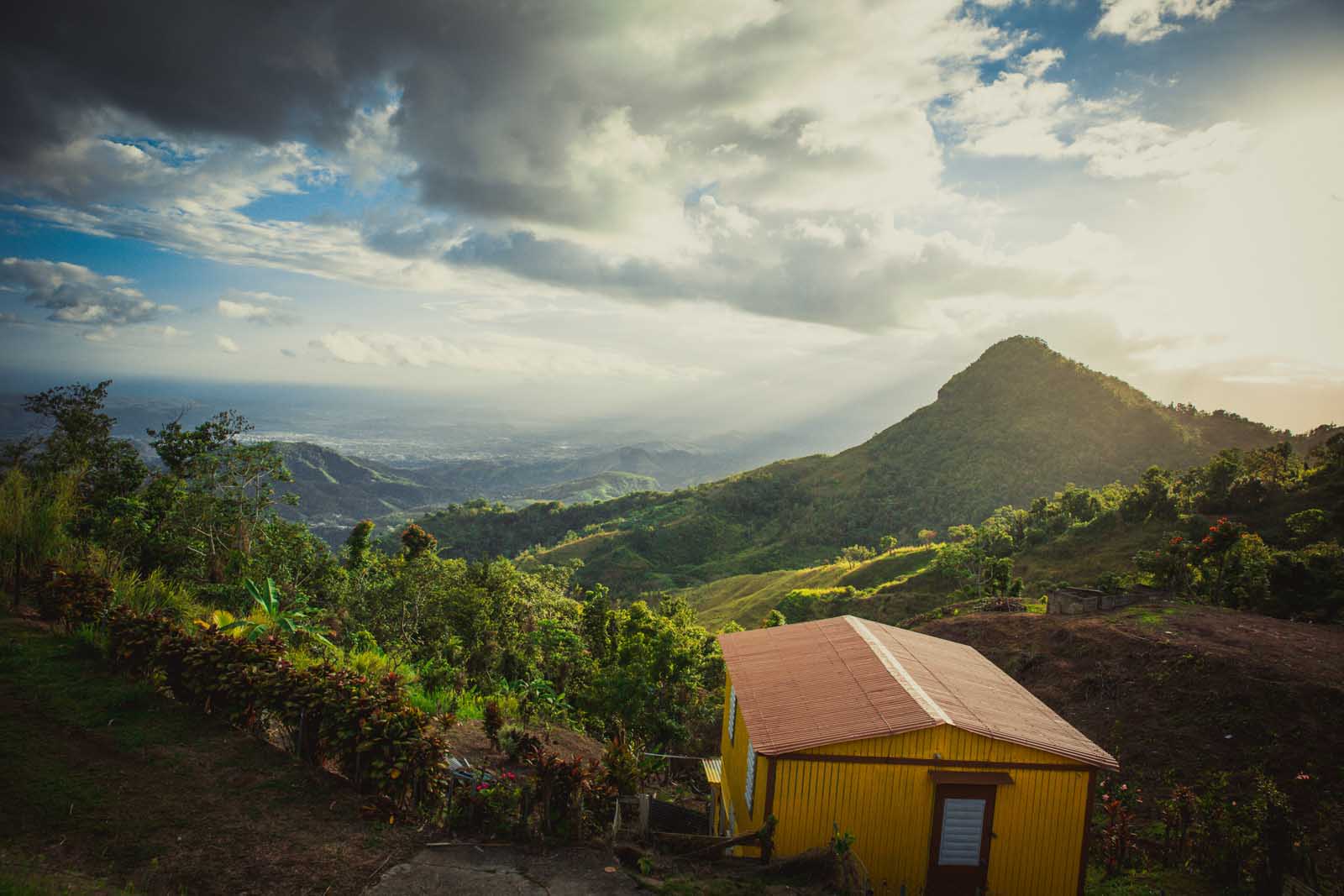
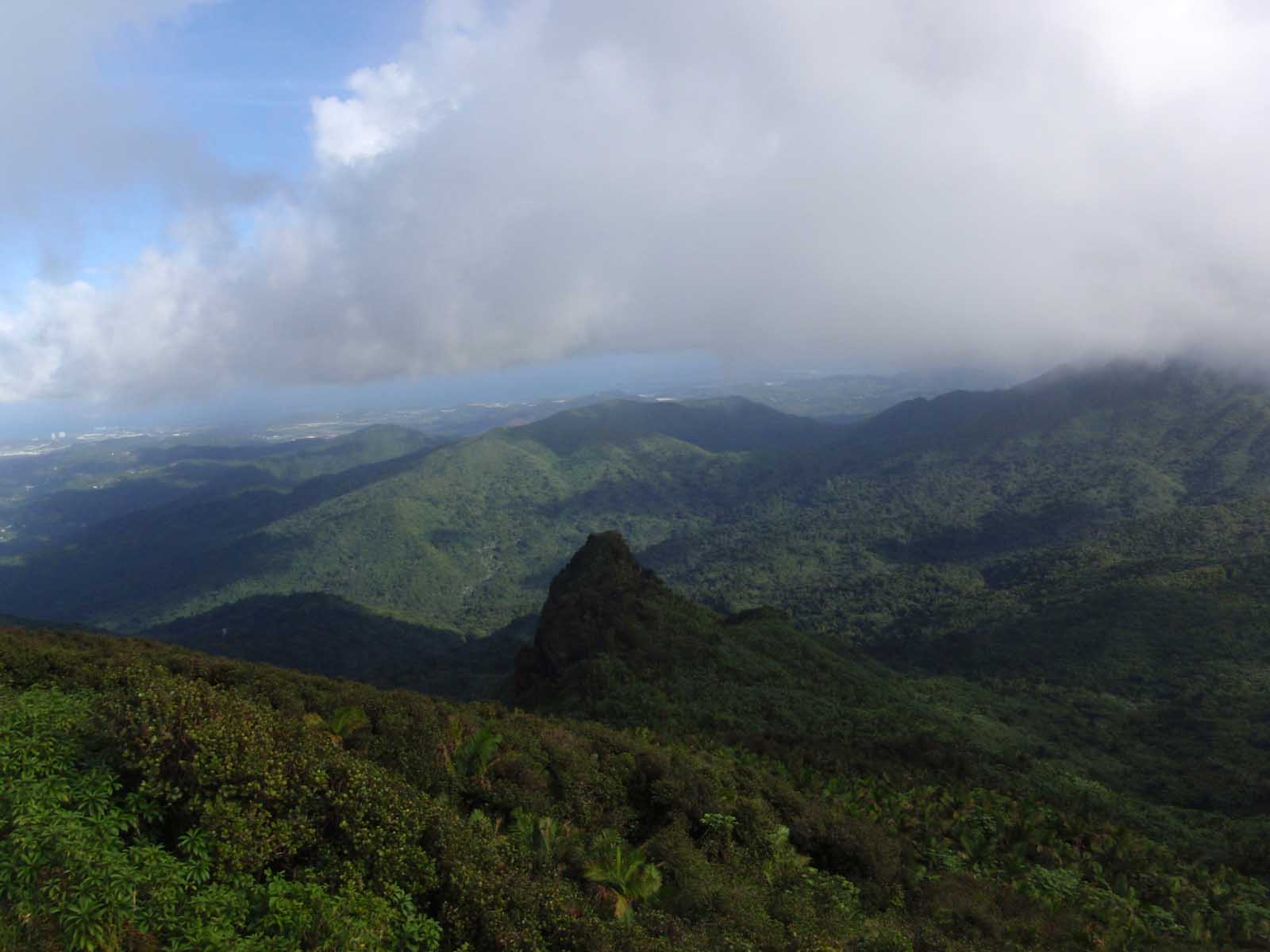
Cerro El Rodadero is a grassy mountain summit northwest of Ponce. Rising to an elevation of 2,864 feet above sea level, it’s one of the taller summits on the island. Hiking trails lead to the top of the mountain, where you can experience a magnificent view of Puerto Rico’s rolling hills.
The hiking trail is moderately difficult. It’s only 20-30 minutes from the nearest parking lot, but the path is quite steep with an elevation gain of more than 300 feet within the first 10-15 minutes of the hike.
Also, the terrain can be quite slippery in wet weather, so wearing sturdy shoes is a must to complete the hike safely. It is absolutely worth the hassle because this is one of the most scenic viewpoints in all of Puerto Rico.
Practical Information: The closest parking lot to Pico Rodadero is approximately a 50-minute drive from Ponce.
6. Excursion To Cascada Gozalandia
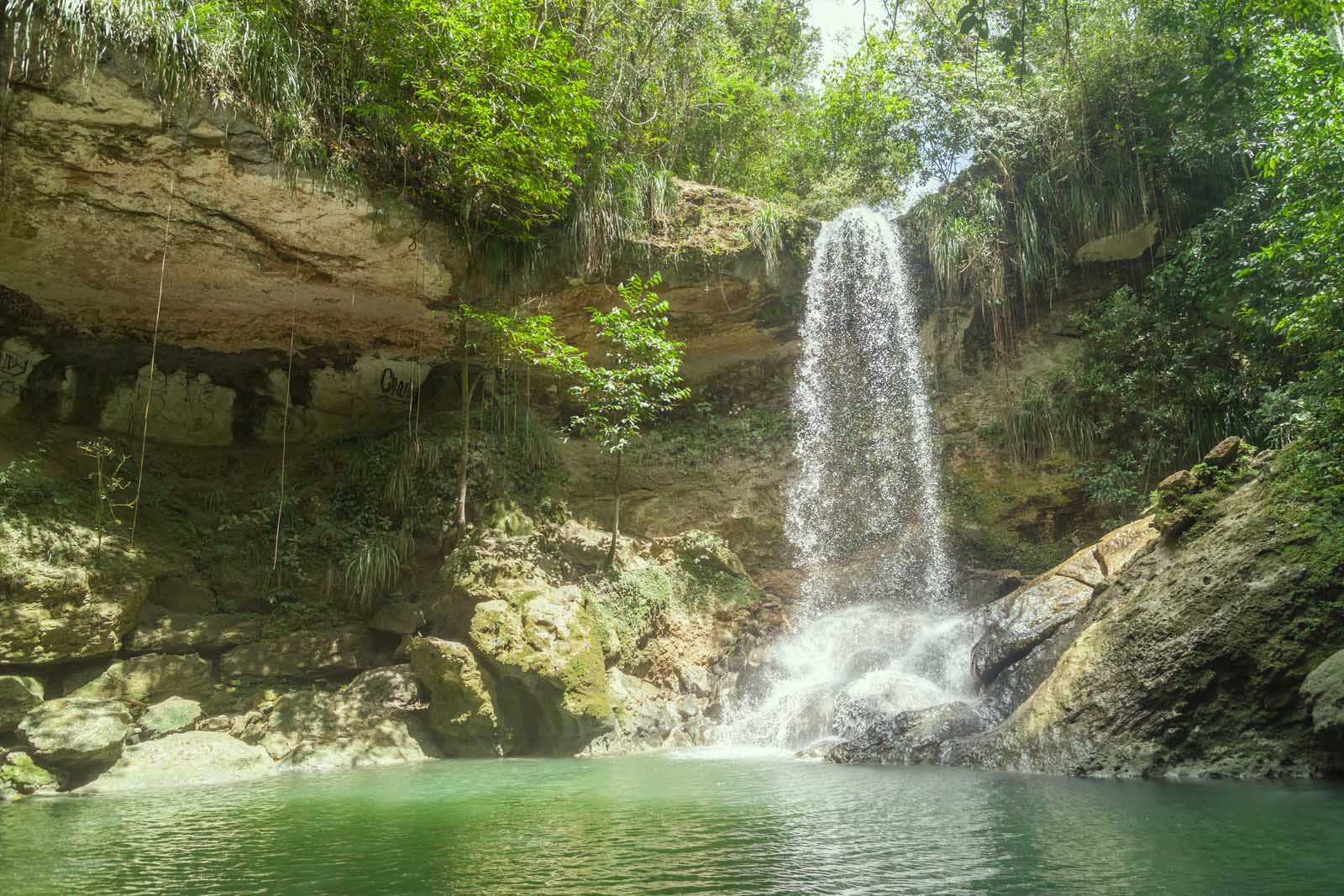
Cascada Gozalandia is a fantastic series of waterfalls in San Sebastian, Puerto Rico. Walking trails take you to the cascades and swimming holes in the forest, where you can marvel at beautiful nature and jump in the water to cool down on a hot day.
The waterfalls are easy to access if you have a car in Puerto Rico. There’s a parking lot near the entrance to the walking trails, as well as a local restaurant, so you don’t have to worry about food.
I recommend exploring as much of the area as you can before you decide to jump in the water. There are several swimming holes and waterfalls here; the ones closest to the parking lot tend to be quite crowded, while the ones farther away are rarely as busy.
Practical Information: Cascada Gozalandia is accessible from 9 AM to 6 PM. Entrance to the area is free of charge and the parking fee is $10.
7. See The Collection At Museo de Arte de Ponce
Museo de Arte de Ponce is a popular fine art museum in Ponce. The contemporary building houses the largest collection of European art in the Caribbean, and it’s one of the best attractions in this city on the southern coast of Puerto Rico.
See works of art from famous Spanish, Dutch, and British artists, as well as some incredible pieces of local Puerto Rican art. The exhibits are spread across the museum’s 14 galleries and it normally takes several hours to see the thousands of artworks on display.
However, the Ponce Museum of Art suffered significant structural damage in the 2020 earthquakes. It has since been closed to the public, and only a small part of its collection has reopened for visitors. Fingers crossed that it’s fully up and running soon!
Practical Information: Tickets are discounted to $6, but tours are available only on Fridays at 1 PM.
8. Enjoy a Day on Crash Boat Beach
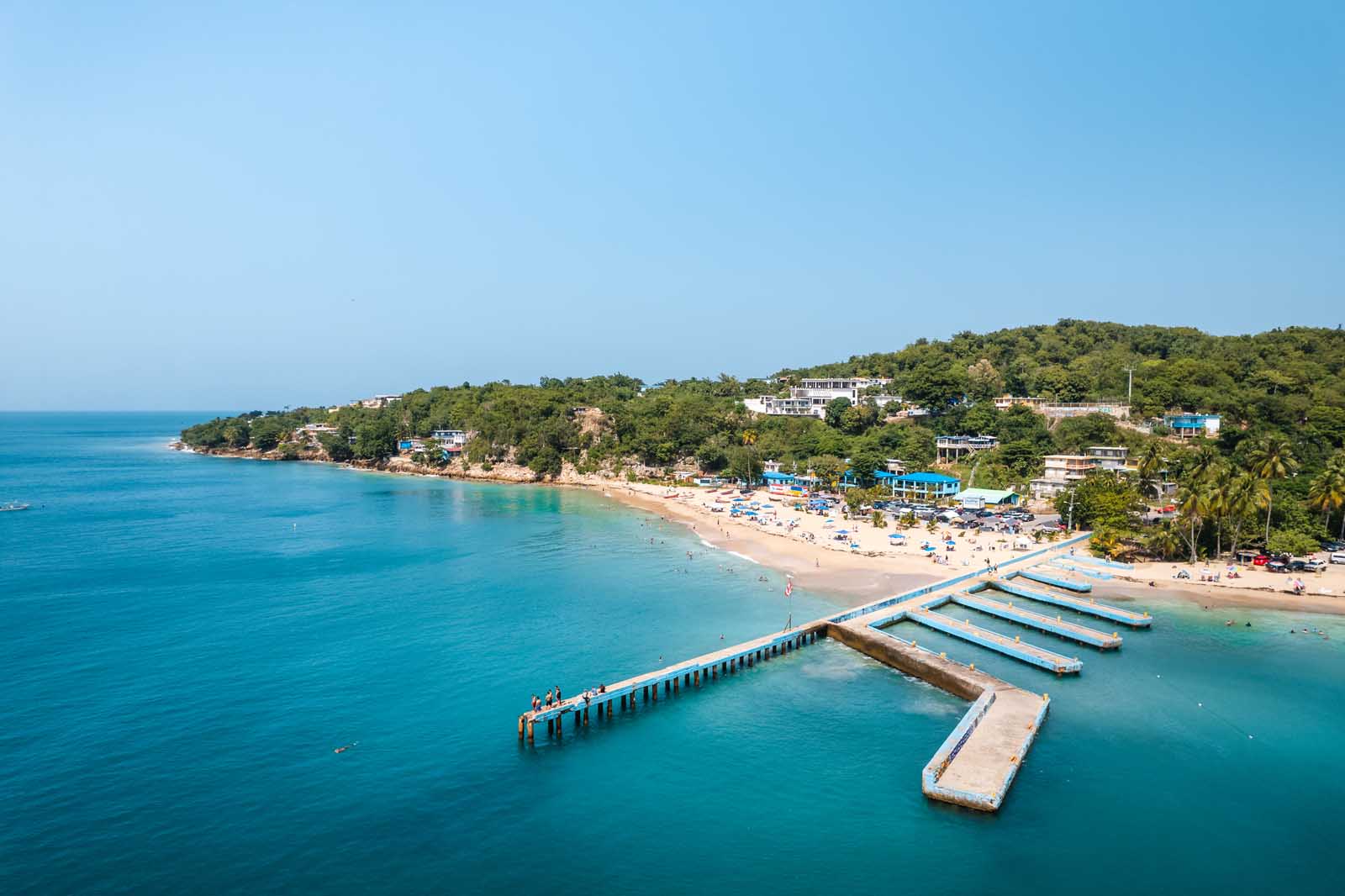
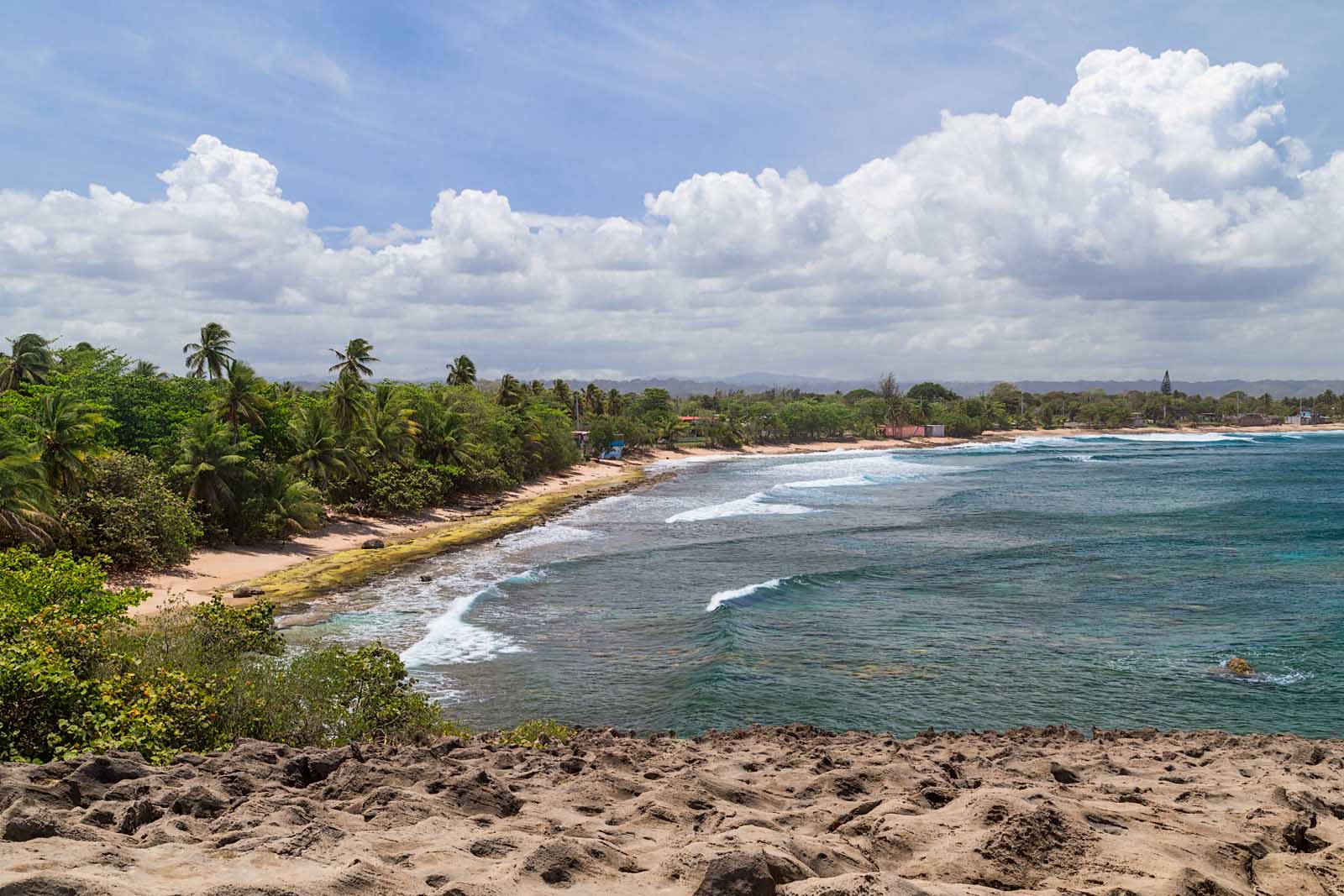
Crash Boat Beach is one of the most famous beaches in Puerto Rico. Set on the west coast of the island, the beach is known for soft sand, turquoise waters, and countless stalls of food vendors. The beach is also popular for diving and water sports, as well as surfing.
Swimming is possible here sometimes, but you need to be mindful of the rip currents and waves. Some days it’s best to stay out of the water, but the upside is that there are plenty of ways to have fun on dry land.
I highly recommend going up to the Crash Boat Beach lookout point, which offers a mesmerizing scenic view of the sandy shore.
Practical Information: Parking is available right next to the beach entrance. Access to the beach is free of charge.
9. Zip-Lining At Toro Verde Adventure Park
Discover Puerto Rico
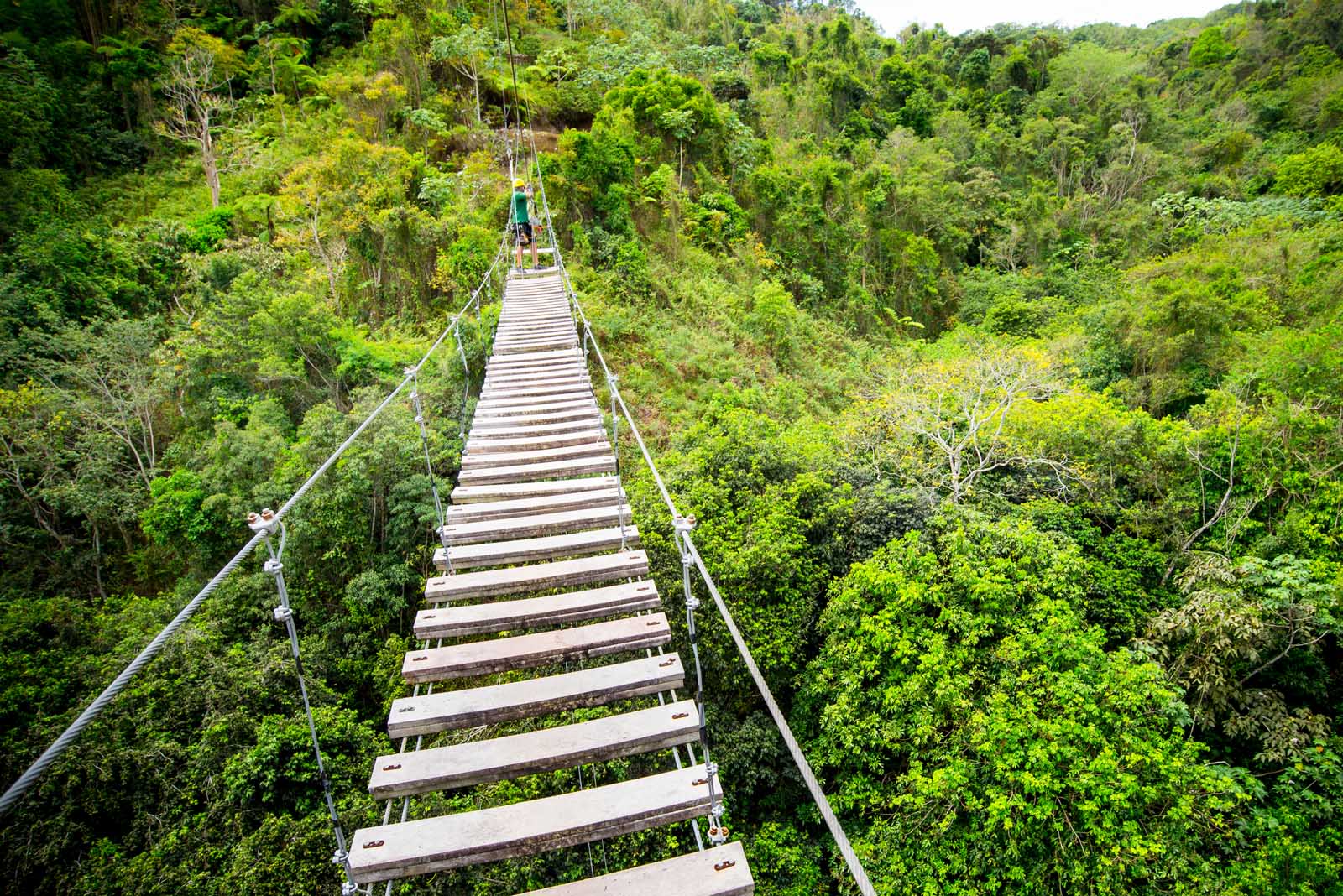
Toro Verde Adventure Park is another top destination for adrenaline junkies in Puerto Rico. Come here for zip line rides, ropes courses, and golf cart rides throughout the park. Visitors of all ages are welcome here, and the place is heaps of fun for anyone who enjoys jungle adventures.
The main attraction in the park is the 2.5-kilometer zipline, aptly named The Beast. It’s suitable for anyone who weighs 100-300 lbs, and it’s possibly the most fun you’ll have in Puerto Rico. Also, the entire area of the adventure park is remarkably scenic, with endless views of rolling hills and treetops.
Practical Information: Toro Verde Adventure Park is open from 8 AM to 5 PM. The fee for The Beast zipline is $50.
10. Hiking At El Yunque National Forest
Puerto Rico’s only tropical rainforest is the best destination for all avid hikers on the island. The area is huge and it would take you several days to explore everything on your own, so I recommend getting a guide to take you around the jungle. It’s quicker to find all the top sights when you’re traveling with local Puerto Ricans who know the way!
El Yunque Forest features hiking paths, waterfalls, and several panoramic viewpoints. Yokahu Tower offers a phenomenal view of the jungle, as does the El Yunque Peak Tower. Both towers are on opposite ends of the rainforest, so you should be able to access at least one depending on where you enter El Yunque.
It’s important to note that the hiking trails range from short and easy to long and strenuous. Hiking up to the El Yunque Peak Tower can take anywhere from one to three hours depending on where you enter the forest, which is precisely why it’s best to visit the area with a local guide.
Practical Information: El Yunque National Rainforest is accessible from 8 AM to 5 PM. Admission is free of charge.
11. Pose For Photos at Castillo San Felipe del Morro
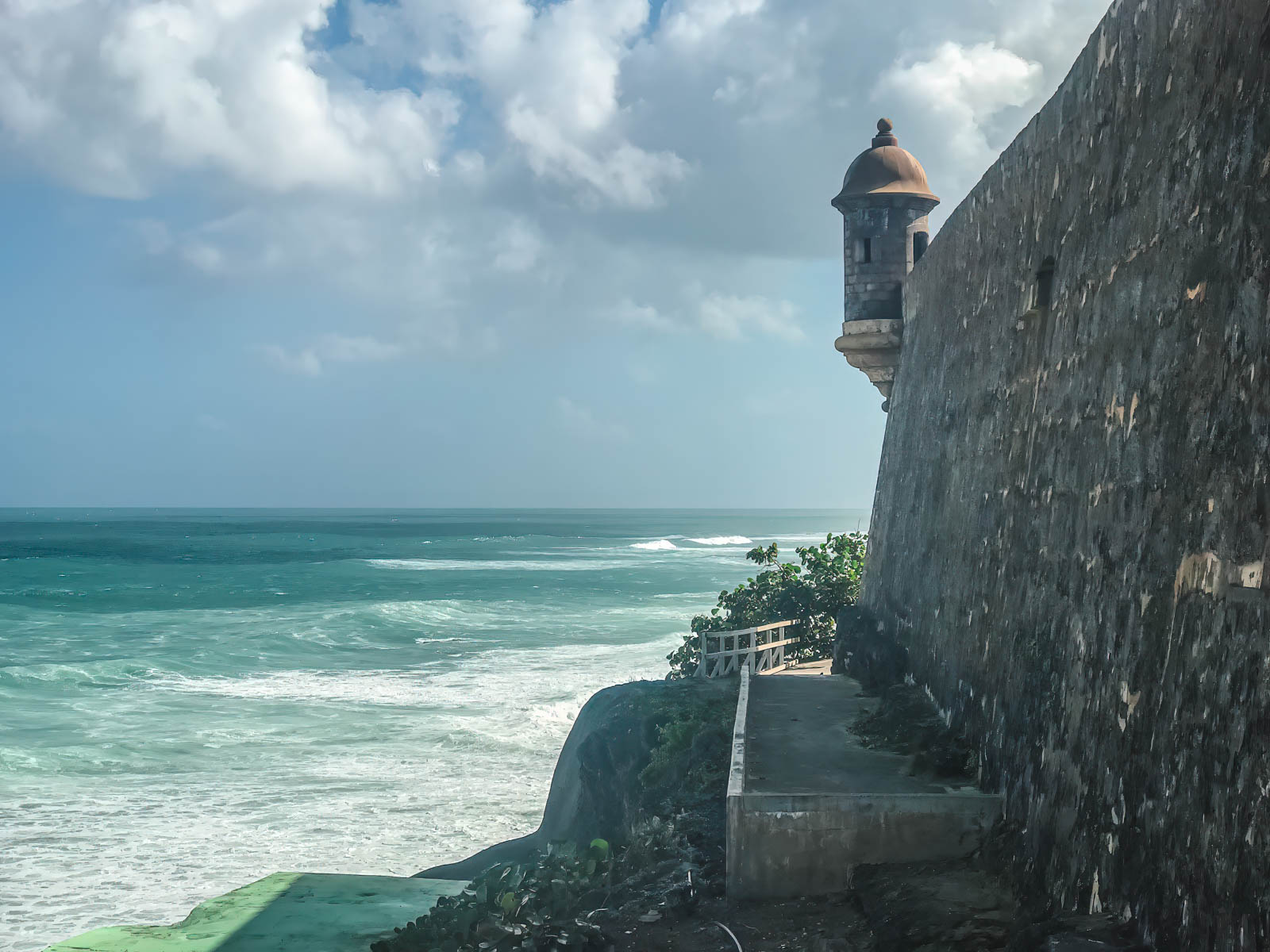
Castillo San Felipe del Morro is one of San Juan’s two significant fortresses. It was built in the 16th century to protect the city from sea attacks and served as one of Spain’s most important military outposts.
This historic landmark is set atop a promontory and offers splendid panoramic views. So, you cannot visit Puerto Rico and miss one of these fortresses. Visitors can explore the grounds on their own or join guided tours that are done by national park rangers. Tour all the different levels of El Morro and discover the recreations of the facilities that were once used by soldiers – kitchens, barracks, dormitories, etc.
The lowest level of the fortress almost reaches the water, and it’s the best spot for epic vacation photographs. You can also see most of the fort from here and really get a sense of just how massive the complex is.
Practical Information: El Morro is open from 9:30 AM to 4:30 PM. Tickets for El Morro are $10 and also include access to Castillo San Cristóbal within 24 hours.
12. Wander Around Museo Castillo Serralles
Museo Castillo Serralles is an elaborate palace from the 19030s that’s been turned into a museum. Visit to see ornate furnishings, period decorations, and the most beautifully landscaped garden in all of Puerto Rico.
The exhibit at the Palace Museum focuses on local history, and it’s great if you want to learn more about the area. But my favorite thing about Castillo Serralles is the enchanting Japanese garden which even includes a pagoda. The views from the garden are out of this world and worthy of the day trip to Ponce.
Practical Information: Museo Castillo Serralles is in Ponce. It’s open for tours from 10 AM to 4 PM and tickets are $15.
13. Day Trip to Isla Culebra
Photo Credit: Luis Figueroa
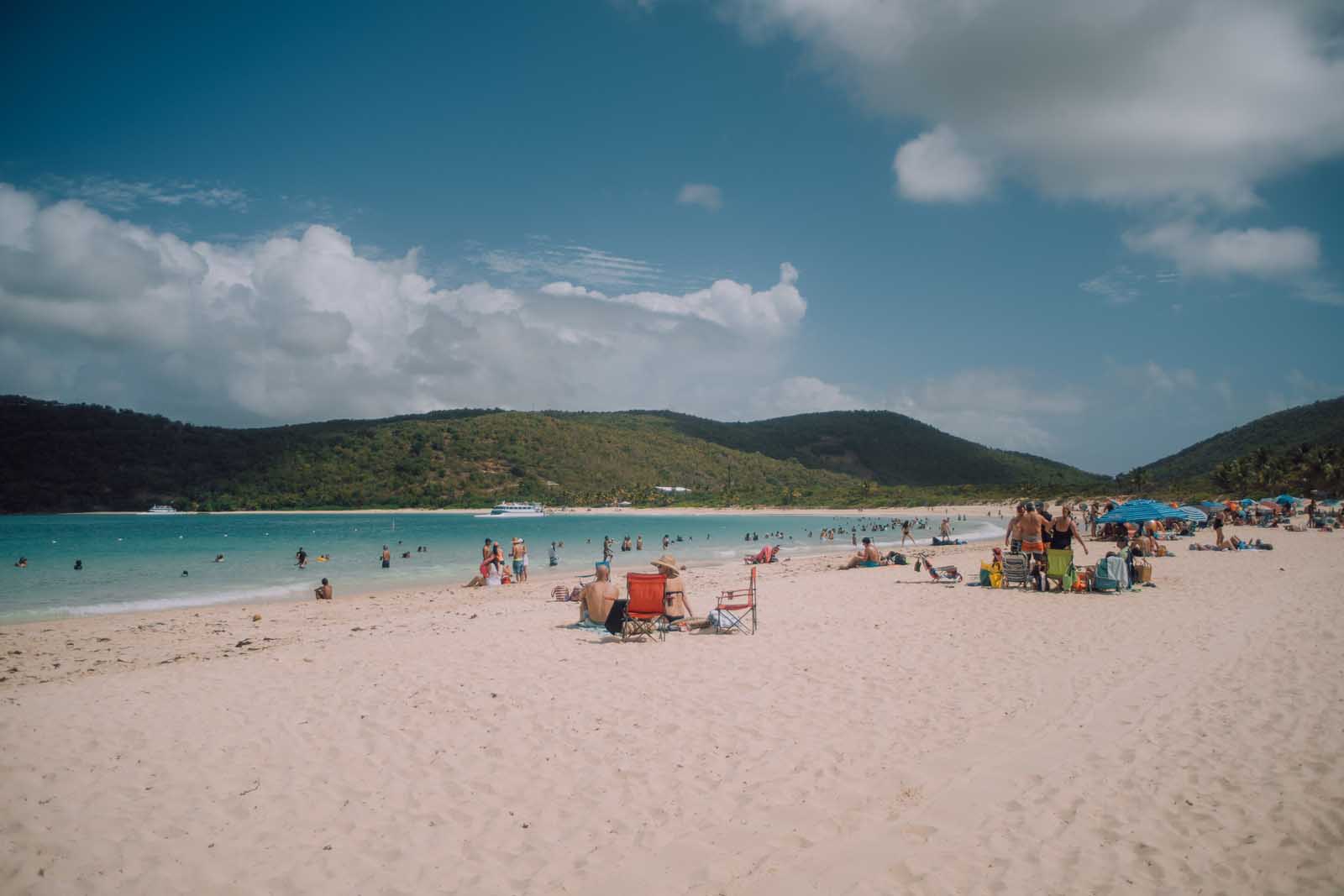
Isla Culebra is a small Puerto Rico island known for fabulous beaches and a wildlife refuge. Flamenco Beach is the most famous on the island, and it manages to attract by far the most visitors. The beach is set in a bay, and it’s a good destination for swimming and snorkeling, but it can get a bit crowded during peak season.
The good news is that there are plenty of other, more secluded beaches on the island that you can reach by boat. I recommend arranging a water taxi to take you to the beach of your choice from Puerto Rico to Isla Culebra. Boat rides are available from the eastern coast of Puerto Rice, usually from Ceiba or Fajardo.
The island’s wildlife refuge also features some amazing white sand beaches with clear, turquoise water. And it’s a great place to visit if you want to get acquainted with the protected flora and fauna that are native to Puerto Rico!
Practical Information: The ferry ride from Ceiba to Isla Culebra is approximately an hour long and costs $2.25 in one way.
14. Day Trip to Vieques Island
Head to the port in Ceiba to catch a ferry to this magical island. Vieques is known for beautiful beaches, bioluminescent bays, and a vast wildlife refuge that is home to endangered animals. A day trip to the island is a must if you’re in Puerto Rico for a while, and I doubt you would regret it if you stayed here longer.
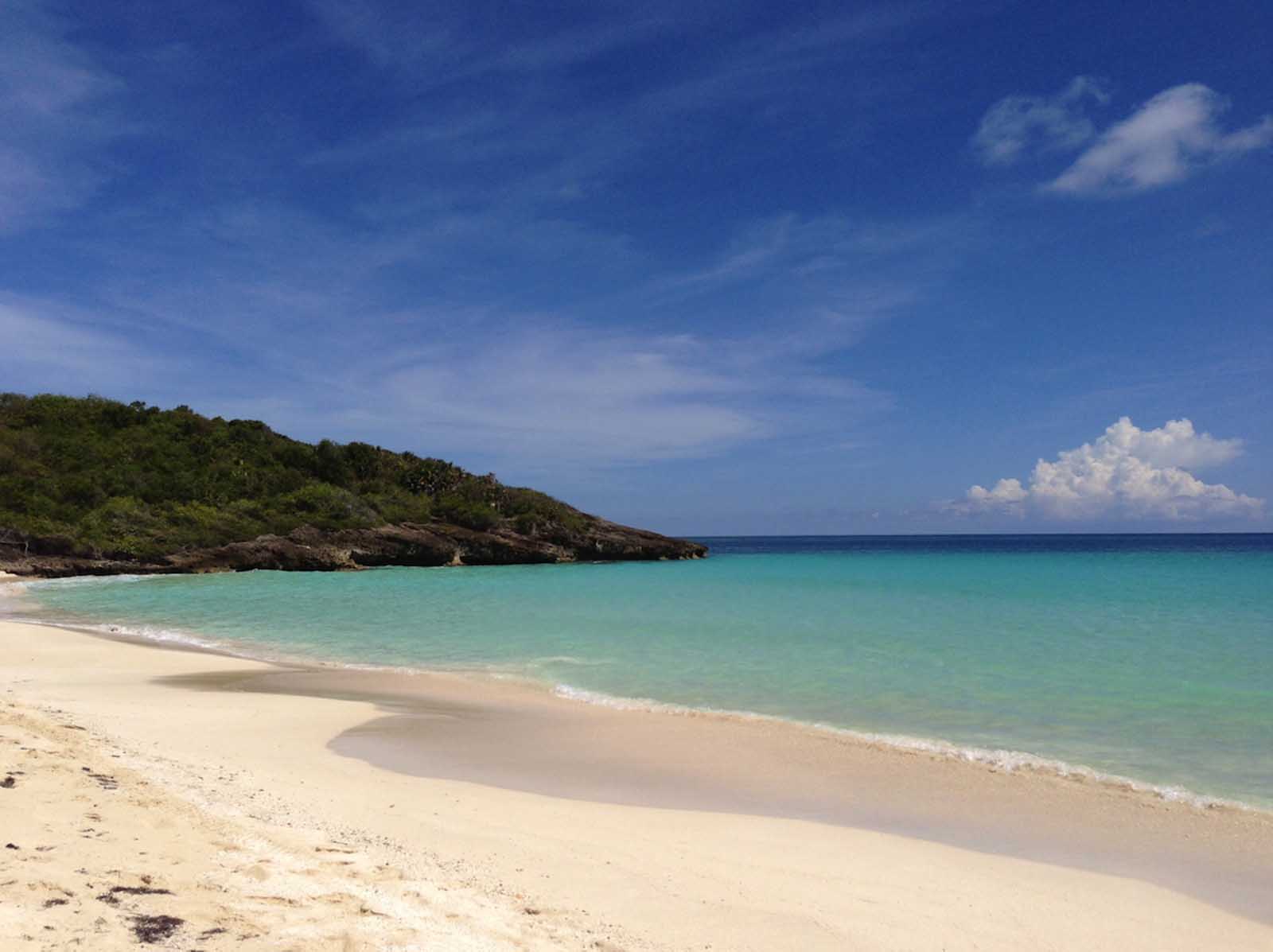
Most of the island’s white sand beaches are safe for swimming, making it a top destination for a relaxed vacation in Puerto Rico. The Black Sand Beach is famous for magnetic black sand, and if you bring a magnet, you can have heaps of fun playing with the sand and feel like a kid again.
Vieques National Wildlife Refuge takes up a large portion of the island. It features many miles of deserted sandy beaches and offers an opportunity to see wild horses playing in the sand. And of course, there’s the Mosquito Bioluminescent Bay, which is popular for night-time kayak tours. Arrange a guided tour in a clear-bottom boat to see the surreal glow of Mosquito Bay’s waters.
Practical Information: Vieques is a 45-minute ferry ride away from Ceiba and a one-way ride is $2. The island can also be reached by small local planes.
15. Admire The Views At Pozo De Jacinto
Photo Credit: Lyma
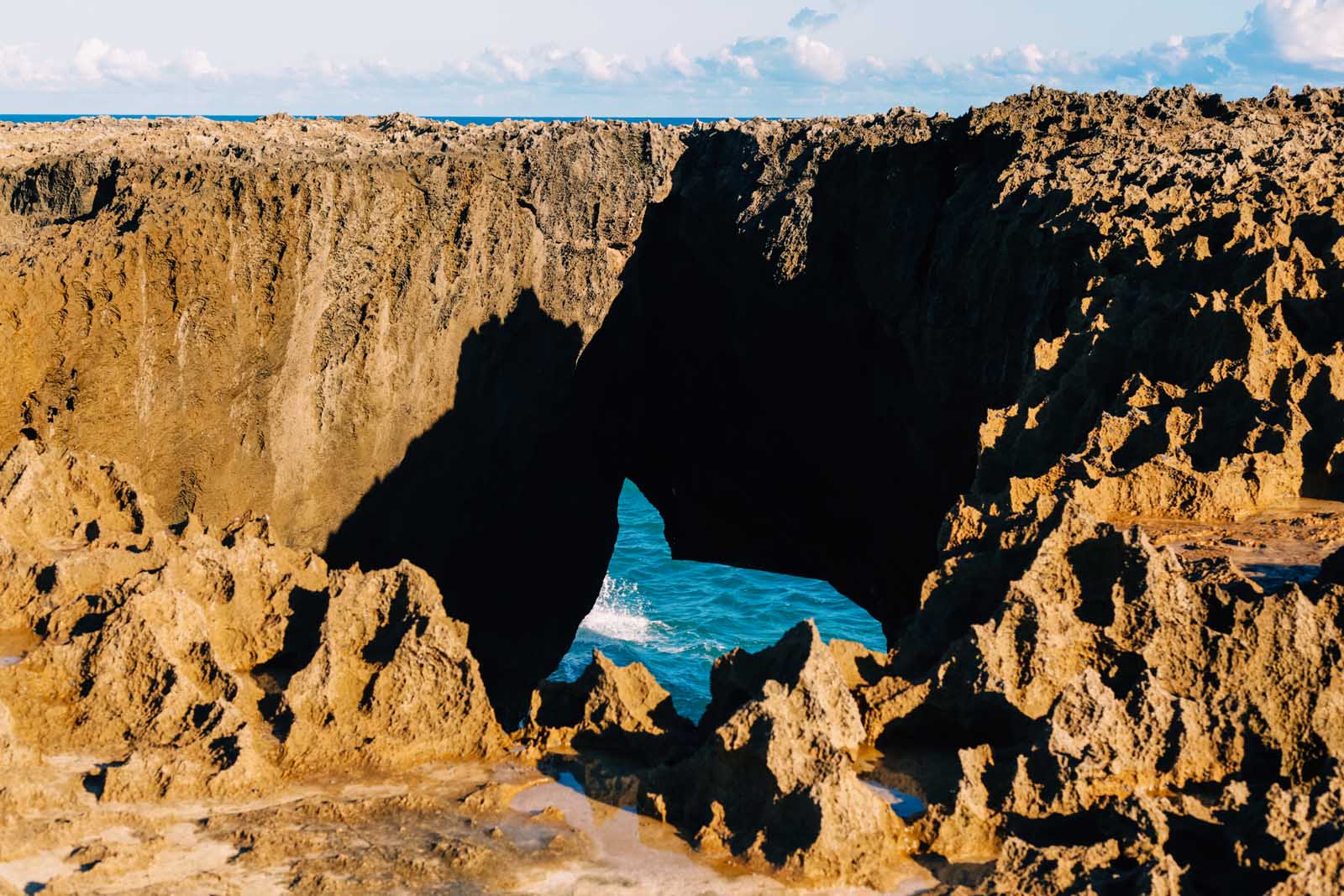
Pozo De Jacinto is a natural landmark in northwestern Puerto Rico. Come here for scenic views of the ocean and a seaside pit cave – it’s a truly impressive sight and one of the best spots for excellent photographs on the island.
Walking paths to nearby beaches and resorts are available here, and you could spend hours just exploring the area and marveling at the panoramic views. I will say that there isn’t much else to do in the area, so if you’re not in the mood for long walks on a seafront walkway, you might want to head elsewhere.
Practical Information: Pozo De Jacinto is a natural attraction, accessible at any time for free.
16. Casa Bacardi Distillery Tour
Casa Bacardi is a popular rum distillery in Cataño Bay across from Old San Juan. Come here for tours, rum tastings, and mixology classes in the world’s largest rum distillery. The Bacardi Distillery spans an area of 137 acres across 44 buildings, so it’s no wonder that it’s also known as the Cathedral of Rum.
The mixology classes are very fun if you want to learn how to make cocktails with rum. And you get to drink the fruits of your labor, which is usually even more fun than making them. Rum-tasting tours allow you to try Bacardi’s best rums paired with appropriate chocolates, plus you’ll get to learn some of the drink’s history.
The most comprehensive tour of the distillery is the Founder’s Experience. It lasts for two hours and it’s the only tour to include a visit to the Tropical Aging Warehouse. A rum tasting is also included in this tour, which is the priciest way of seeing the Bacardi distillery. But I say if you’re going to see the place, do it right,
Practical Information: Experiences at Casa Bacardi are priced at $40-125. Minors are not allowed on tours.
17. Food Tour of San Juan
Authentic Puerto Rican food is a wonderful blend of Spanish, Taíno, Mexican, and American influences. Staple Puerto Rican dishes are similar to the ones from other Latin American countries, but often with a unique twist. If you enjoy hearty food full of different flavors, you’ll absolutely enjoy eating your way through Puerto Rico.
Delicious food is available everywhere on the island, but San Juan is the most popular destination for culinary Puerto Rico tours. Visit the capital’s best local restaurants and devour plates of Pasteles and Pernil, while sipping on tasty rum cocktails. Most food tours will also include sightseeing as you hop from one eatery to another, and some tips and trivia about the local sights.
Practical Information: Culinary tours in Puerto Rico are available in all major cities, but are most common in San Juan. They usually last 2-3 hours.
18. Visit Cabo Rojo
Photo: Beautiful Destinations
Cabo Rojo is on the southwest coast of Puerto Rico. The municipality is home to quite a few interesting sights, including a popular lighthouse, pink salt flats, and sandy beaches. Cabo Rojo National Wildlife Refuge is also in this region, and it’s one of Puerto Rico’s best birdwatching destinations.
The pink salt flats are also part of the refuge, but I have to be honest here – they’re quite underwhelming. Sure, they have a pinkish hue, but it’s not as dramatic or bright as the photos would lead you to believe.
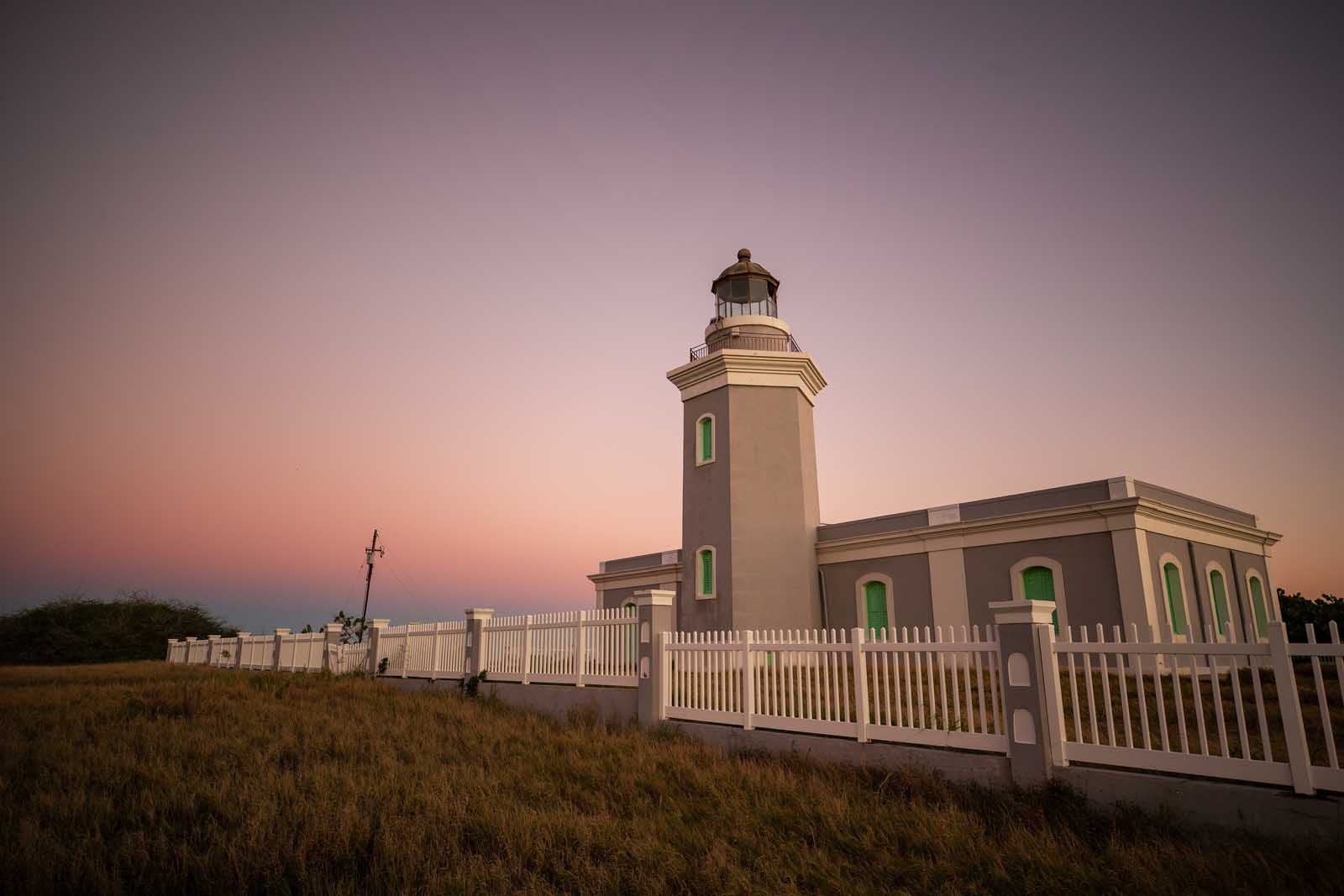
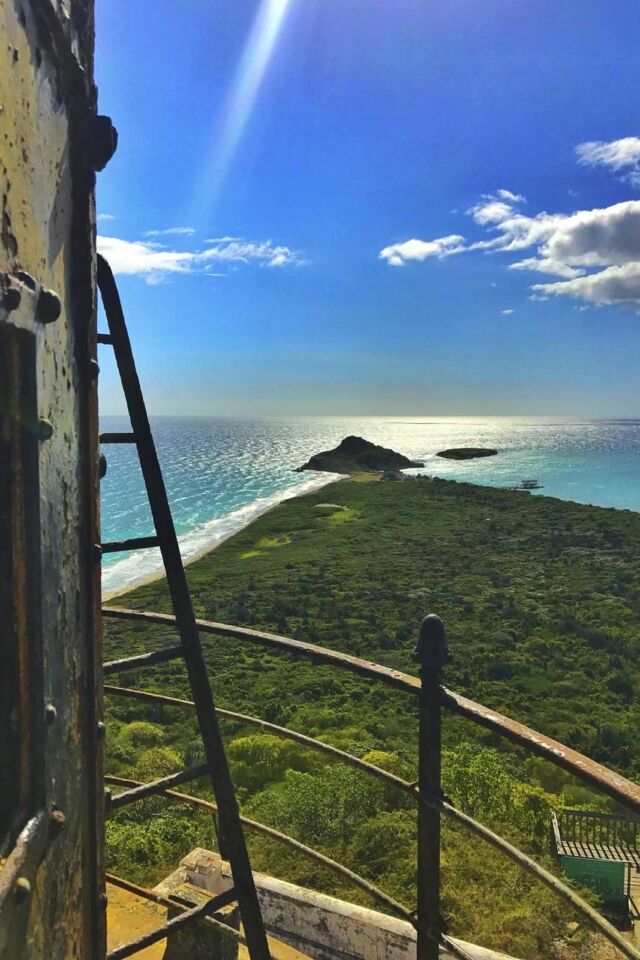
Los Morrillos Lighthouse, on the other hand, is every bit as fabulous as advertised. It’s one of the most scenic spots on the entire island, offering mesmerizing vistas of the sea and the cliffs before it. The walk from the nearest parking lot to the lighthouse is 10-15 minutes, and it’s worth every second.
Practical Information: Cabo Rojo is approximately 2 hours and 50 minutes from San Juan by car.
19. Walk Through The Guajataca Tunnel
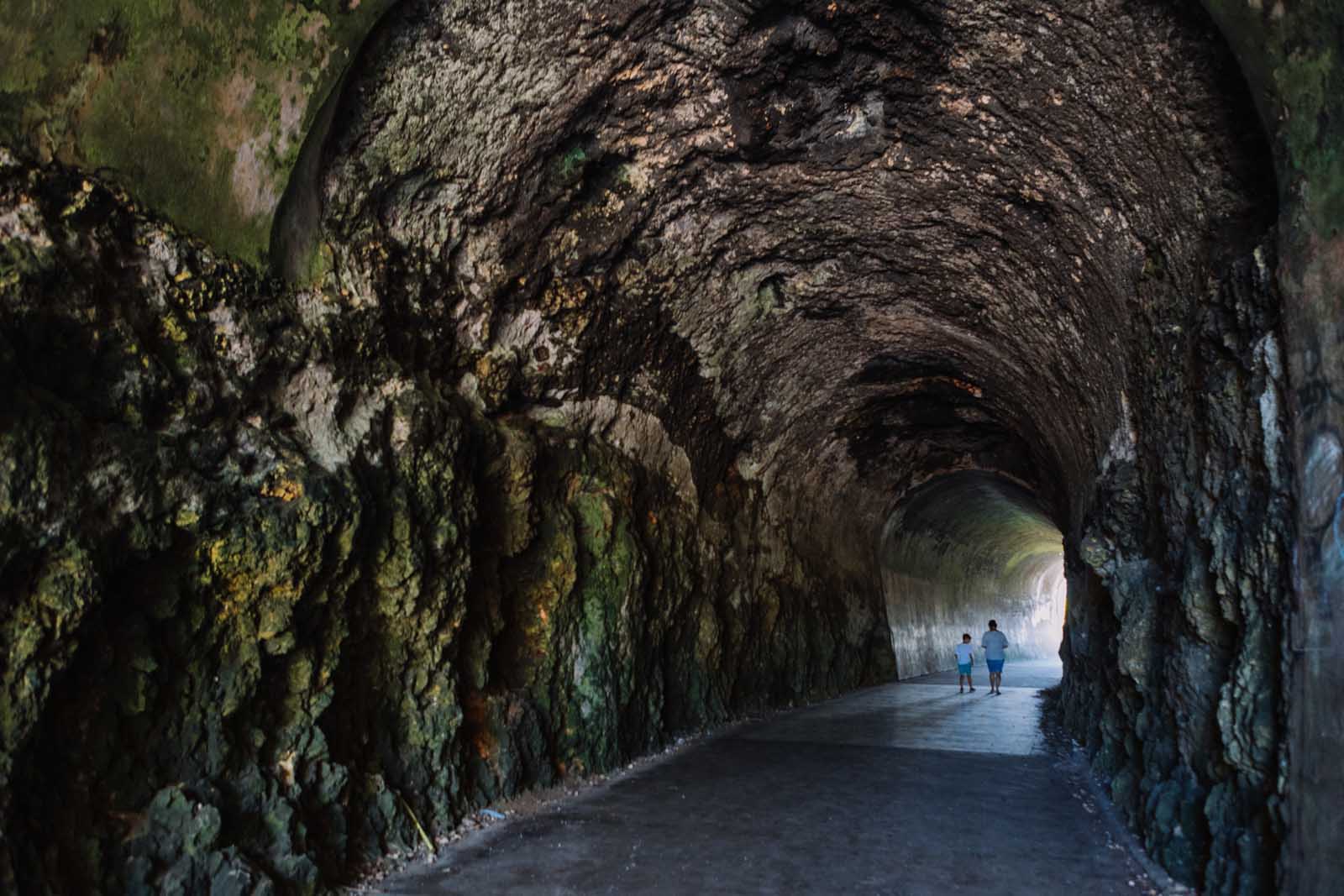
The railroad tunnel of Guajataca is a historical monument in northwestern Puerto Rico. It was first constructed in the early 20th century to connect the towns of Quebradillas and Isabela, and it is still considered one of the most important remnants of Puerto Rico’s railway system from the previous century.
The tunnel is no longer used for railway transport and nowadays anyone can just walk through it. It’s a chilling experience that ends with panoramic views regardless of the direction you pass through the tunnel. Guajataca Beach is beautiful but not suitable for swimming due to rough waves.
Insider Tip: Avoid the area at night because it’s not the safest spot for tourists in Puerto Rico after dark.
Practical Information: Guajataca Tunnel is a 90-minute drive from San Juan. It is accessible at any time of day for free.
20. Explore the Underground Caverns at Camuy River Cave Park
Photo Credit: Omark Reyes
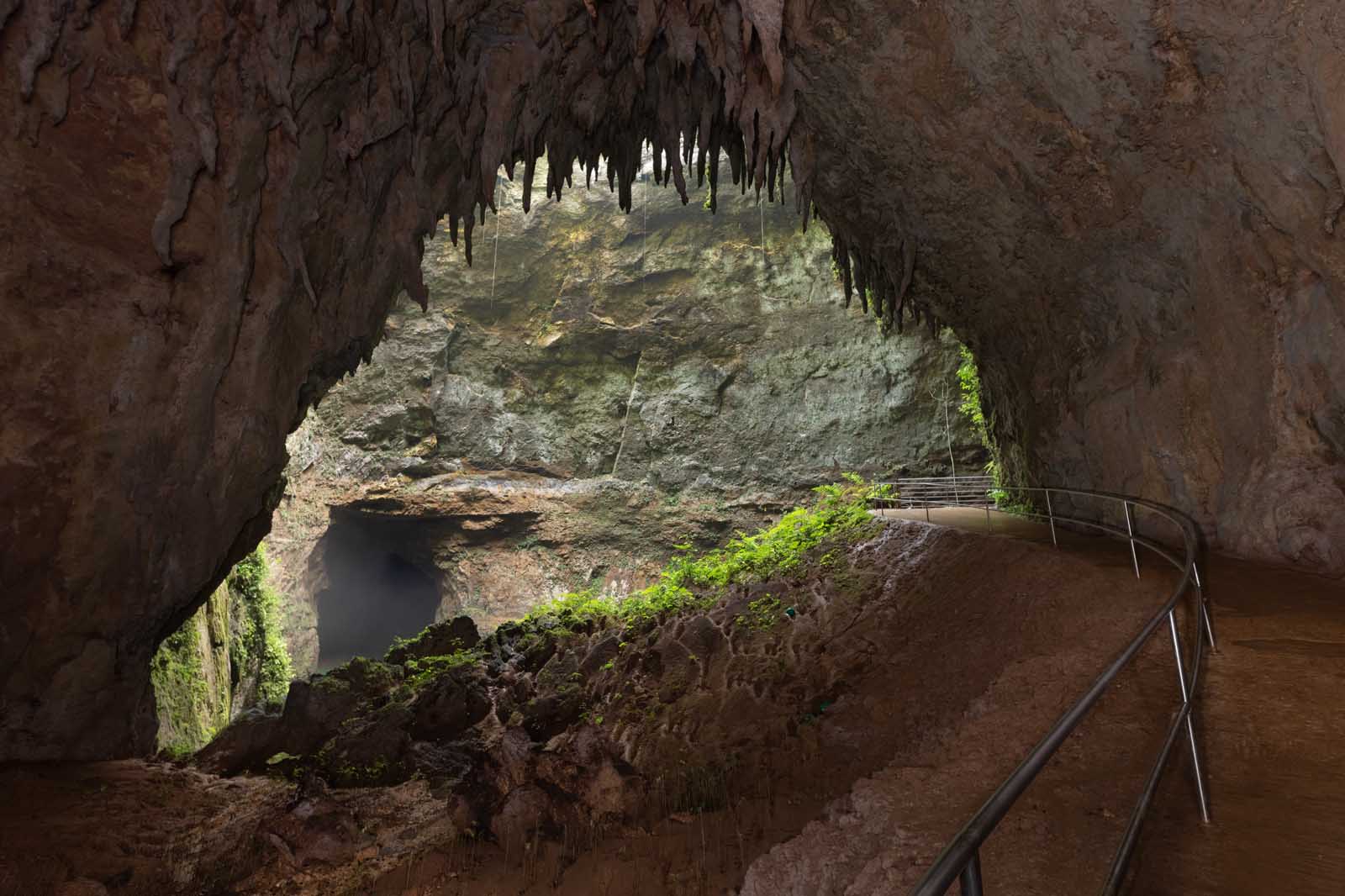
Hidden in the karst region of Puerto Rico’s north coast, the Camuy River Cave Park is one of the best natural landmarks on the island. It is the world’s third-largest subterranean cave system, and it’s only a 90-minute drive from San Juan. Tours from San Juan are available, but you can also easily visit the park on your own if you want.
The park spans an area of 300 acres, so it takes a while to tour the entire place. And since it takes almost three hours to get there and back from San Juan, you’ll have the best time if you turn this into a half-day trip and take your time. Explore the underground caverns, see Puerto Rico’s largest stalagmite, the Empalme Sinkhole, and enjoy the sounds of the rushing Camuy River below.
One important thing to note is that there’s no trolley in the caves for now. You have to walk down and then all the way back up on your own. The path is quite steep and it’s very humid in the caves, so you might want to avoid this experience if you’re not in excellent physical condition. Also, visitors aren’t allowed to roam around the caves on their own and must join guided tours.
Practical Information: Camuy River Cave Park is open Wednesday through Sunday from 8 AM until 4:30 PM. Tickets are $18 and tours take approximately 2 hours.
21. Hop Over To Caja de Muertos Island
Set off the coast of Ponce, Caja de Muertos is a small uninhabited island with pristine nature. It’s accessible by ferries from Ponce, but it’s important to note that there’s no infrastructure on the island at all. Most of it is a nature preserve, so make sure you bring everything you might need to have a good time there.
It’s known as Coffin Island in English, but the atmosphere on the island couldn’t be more different from its name. It’s home to unique flora and fauna, as well as four incredible beaches that are suitable for swimming. And thanks to a variety of walking trails, this tiny island is also very popular for hiking.
One of the trails will lead you to the ruins of the lighthouse, which serves as a reminder of Caja de Muertos’ history. It wasn’t always deserted; people lived on the island in the 19th and 20th centuries, but the population decreased over the decades due to a lack of infrastructure. In 1945, only the lightkeepers remained, and once the lighthouse was automated, they were free to leave too.
Practical Information: Ferries to Caja de Muertos island depart from Salinas Marina. The ride is approximately 40 minutes long.
22. Follow The Taína Route
The Taína Route runs from north to south in central Puerto Rico. Travel from Arecibo to Ponce, passing through multiple smaller towns and discovering Caribbean ceremonial centers, ancient villages, tombs, indigenous petroglyphs, and much more. If you’re genuinely interested in the ancient history of Puerto Rico, this is the best discovery tour on the island.
Taíno people were indigenous on the island until the Spaniards arrived in the early 16th century. The native men were enslaved while the native women became wives to Spanish soldiers, and very little of this indigenous culture remains in Puerto Rico.
However, the natives left many marks on the island, and you can discover them if you embark on the Taina Route. Start with the petroglyphs in Arecibo’s Cueva del Indio, then move on to Utuado’s Centro Ceremonial Indígena Caguana, which is still the most important archeological site of the Taíno-culture in the Antilles. The Cemí Museum in Jayuya boasts a large collection of Taíno artifacts, while Ponce’s Centro Ceremonial Indígena de Tibes boasts petroglyphs, burial sites, and more.
Practical Information: Guided tours of the Taína Route are priced at around $200. If you have access to a car, you can do the excursion on your own.
23. Skydiving at Arecibo
Arecibo has an excellent skydiving center that offers tandem jumps, accelerated freefall, and fun jumps. It’s one of the best things to do in Puerto Rico for thrill seekers, and it’s the perfect opportunity to try something new if you’ve never been skydiving before.
Anyone can try skydiving thanks to experienced instructors who run training courses. Safety briefs precede each jump, and beginners are allowed only on tandem jumps with instructors. Reach speeds of 120 mph as you freefall from an altitude of 14,000 feet – there’s hardly anything more exciting in Puerto Rico.
Practical Information: Skydive Puerto Rico is in Santana, a suburb of Arecibo, about an hour from San Juan. The price of jumps starts at $225.
24. Waterbike Rides at Laguna del Condado
Photo Credit: Omark Reyes
Laguna del Condado is in San Juan, nestled between the Condado and Miramar neighborhoods. It’s part of the San Juan Bay Estuary and one of only two lagoons in Puerto Rico’s capital.
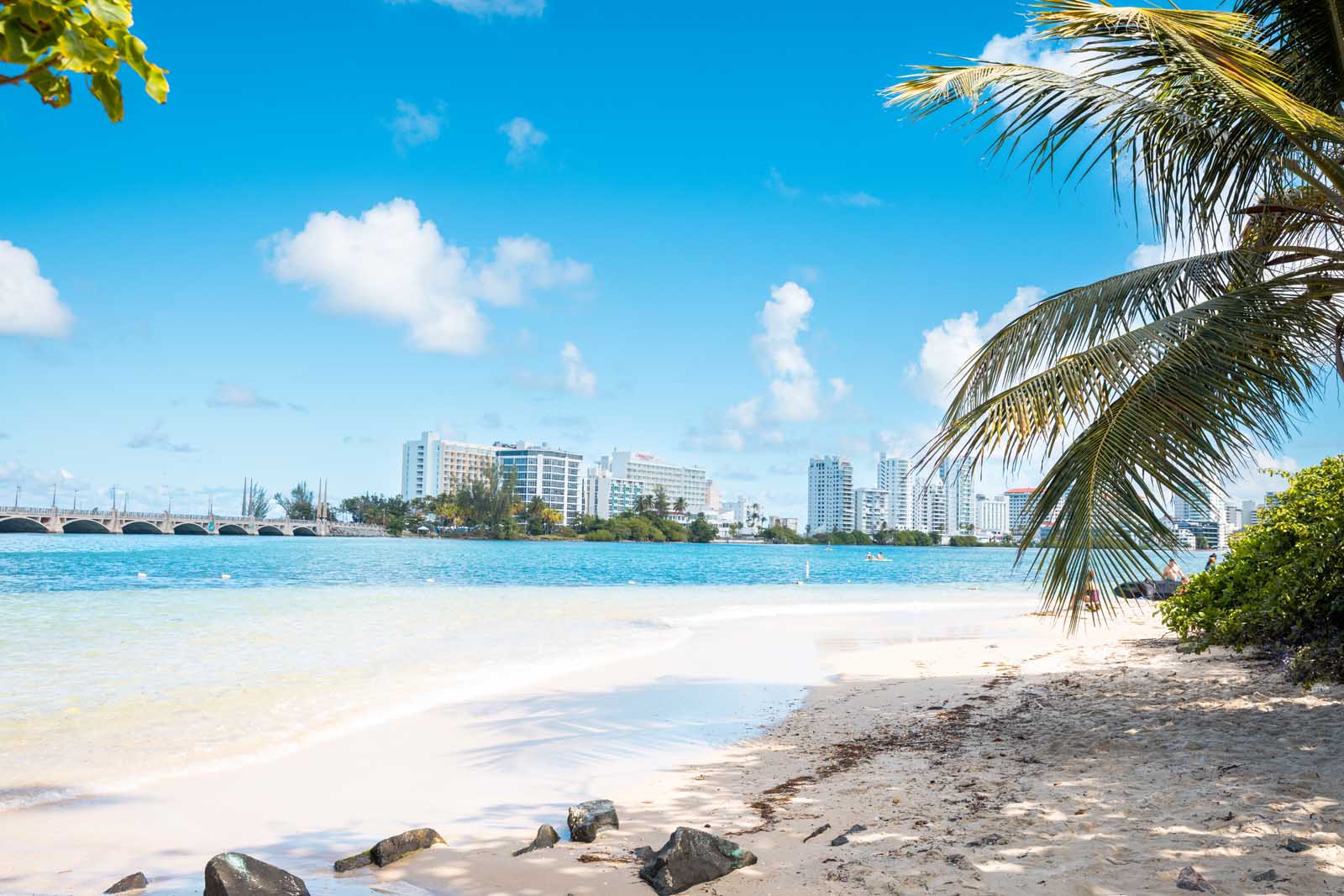
If you’re looking for calm waters in San Juan, this is the best place. Small beaches are available on the shore, and the lagoon is generally popular for SUP rides, kayaking, and water bikes. Rent a water bike and set out on the waters of Condado Lagoon – it’s the perfect opportunity to try something new while enjoying the view of downtown San Juan’s skyline.
The lagoon waters are mostly still and clean, but it’s common to see some manatees swimming around.
Practical Information: Laguna del Condado is accessible at any time of day for free.
25. Snorkeling At Cayo Icacos
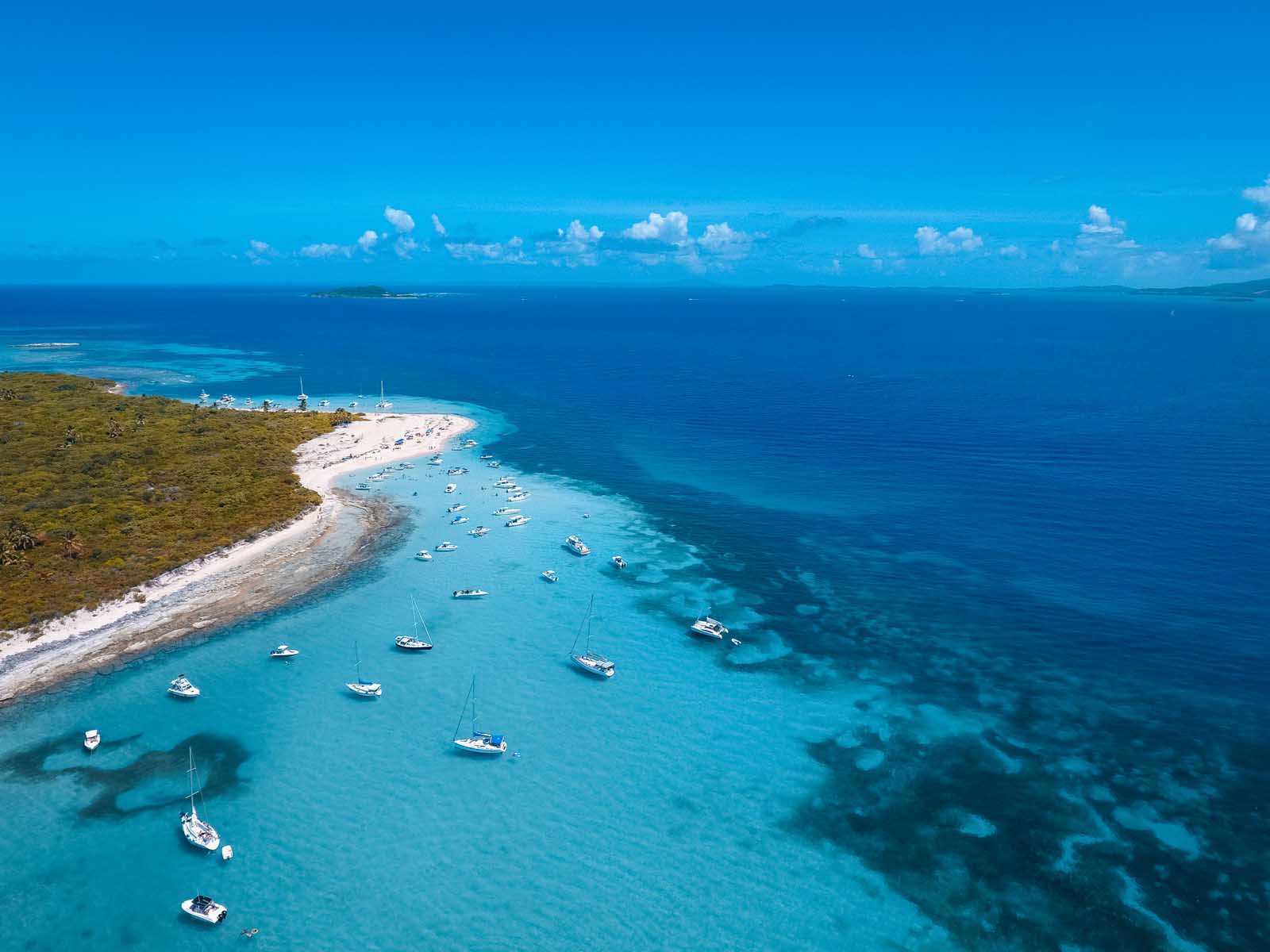
Cayo Icacos is a lovely uninhabited island off the northeast coast of Puerto Rico. Boasting turquoise waters and picture-perfect white sand beaches, the island is a proper slice of paradise. If you’re thinking about renting a boat and having some fun off the coast of Puerto Rico, this is one of the best places to visit.
The tiny island features reefs and rich marine life, which make it a popular destination for snorkeling. And the crystal clear sea is ideal for swimming, making this island an excellent place to be if you want to spend a day just enjoying yourself on the beach and having fun in the water.
One thing to note is that there is not much else to do on Cayo Icacos, so if none of the activities above sound fun to you, feel free to skip this day trip.
Practical Information: Water taxis can take you to Cayo Icacos from Fajardo in about 20 minutes.
26. Visit Museo de Arte de Puerto Rico
Photo Credit: Francisco Ortiz
Museo de Arte de Puerto Rico is a local art museum in San Juan. Set in a former hospital built in the 1920s, the museum houses an impressive collection of Puerto Rican art. If you want to get acquainted with the local culture, this is one of the best places to visit.
The exhibit includes more than 1,000 artworks from the 17th century to the modern day. Some of the most famous Puerto Rican artists are promoted at this museum, as well as up-and-coming artists who have yet to make a name for themselves.
Practical Information: Museo de Arte de Puerto Rico is open from 10 AM to 5 PM. Admission is $12.
27. Flyboarding at Luquillo Beach
Photo Credit: Omark Reyes
What’s the point of going to Puerto Rico if you’re not going to spend at least one or two days having fun on the beach? Luquillo Beach is one of the prettiest on the main island, with tall palm trees, soft sand, and safe swimming spots.
Plenty of food trucks and cocktail bars are available at the beach, so you’ll have access to everything you might need. The water sports here are insane, and I highly recommend you try flyboarding if you’ve never done it before. It’s an amazing feeling, and it only gets better when you’re doing it in Puerto Rico with views of such a picturesque beach.
Practical Information: Luquillo Beach is open from 9:00 AM to 5:30 PM and access is $4.
Frequently Asked Questions for Puerto Rico
What is the #1 Attraction in Puerto Rico?
Castillo San Felipe del Morro is the most visited tourist attraction in Puerto Rico. San Juan’s El Morro castle dates back to the 16th century when it was constructed to protect the island from sea invasions.
How Much Money Do You Need Per Day in Puerto Rico?
The average cost of travel to Puerto Rico is $100-200 per day per person, depending on your travel style. This budget includes accommodation, meals, and transportation around the island.
Is 4 Days in Puerto Rico Enough?
Four days in Puerto Rico is enough to explore many of the island’s tourist attractions, but not enough to see everything. Extend your trip to at least a week and you’ll have enough time to visit all the main attractions on the island.
Is There a Lot to Do In Puerto Rico?
Yes, there is a lot to do in Puerto Rico. The main island offers a wide variety of tourist and natural attractions, plus there are several smaller islands worth visiting on excursions.
Where To Stay In Puerto Rico
If you’re in the mood for sightseeing, stay in San Juan. Puerto Rico’s capital city offers the most tourist attractions, and staying there will allow you to discover all the historic landmarks and go on day trips to nearby destinations. Consider staying close to El Yunque National Forest if you’re primarily interested in hiking trails, waterfalls, and other natural landmarks of the island.
Ponce is a great place to stay for a bit of both; it’s one of the bigger towns in Puerto Rico with plenty of tourist attractions, as well as easy access to the beaches and other natural landmarks. Here are some of the best hotels in Puerto Rico for all budgets:
Tips And Information For Visiting Puerto Rico
Best Time To Visit
Winter is the best season to visit Puerto Rico. The weather is pleasant but it’s not too hot or humid. The temperatures are in the 70s and 80s from mid-December through March, and this is Puerto Rico’s dry season.
However, it’s also the most popular time for trips to the island. Hotel rates are at their highest and the crowds can get quite big at popular tourist attractions, as approximately half of all of tourist visits to Puerto Rico are during this season.
If you want to avoid the crowds and get lower hotel rates, consider a trip in the fall or late spring. It will be warmer and more humid, but there won’t be as many people around. Just don’t go to Puerto Rico between June and September because the temperatures are often in the high 80s and 90s throughout the day, which makes it almost impossible to safely and comfortably explore the island’s attractions.
Getting There
Luis Muñoz Marín International Airport is the busiest in the Caribbean, transporting approximately 10 million passengers annually. The airport is in Puerto Rico, just 15-20 minutes from downtown San Juan. Try to find flights to this airport for a hassle-free journey, especially if you’re planning to stay in San Juan or somewhere close.
Additionally, flights to Luis Muñoz Marín International Airport are often the cheapest because it’s the largest airport with the most international connections. Other major international airports on the island are Mercedita International Airport (Ponce) and Rafael Hernández International Airport (Aguadilla), but they have fewer international connections.
Getting Around
Renting a car is necessary for ultimate freedom and convenience when exploring Puerto Rico. Public transportation exists on the island, but there are no set timetables and it’s simply not reliable. Riding in a taxi and Uber is better than relying on buses and trains, but ultimately more expensive than car rental. A private transfer or a taxi is also the best option for traveling from the airport to your hotel.
I suggest you consider how long you’re staying in Puerto Rico and which attractions you really want to visit. If you want to do just a couple of day trips and spend most of your time lounging on the beach, then book guided tours to explore Puerto Rico on a budget. But if you don’t like the idea of staying in one place and you want to visit as many attractions as possible, car rental is the best option.
How Much Time Do You Need
You need at least a week in Puerto Rico to explore the island’s best attractions without rushing from one place to another. Plan a vacation of 7-14 days for the ultimate adventure filled with spectacular nature, historic buildings, and endless sandy beaches.
Trips shorter than a week are fine if you’re not interested in seeing all of Puerto Rico’s popular landmarks. You should have enough time to see all of San Juan’s best attractions, but not for a more thorough expiration of the main island.
Plan Your Next Trip To Puerto Rico With These Resources
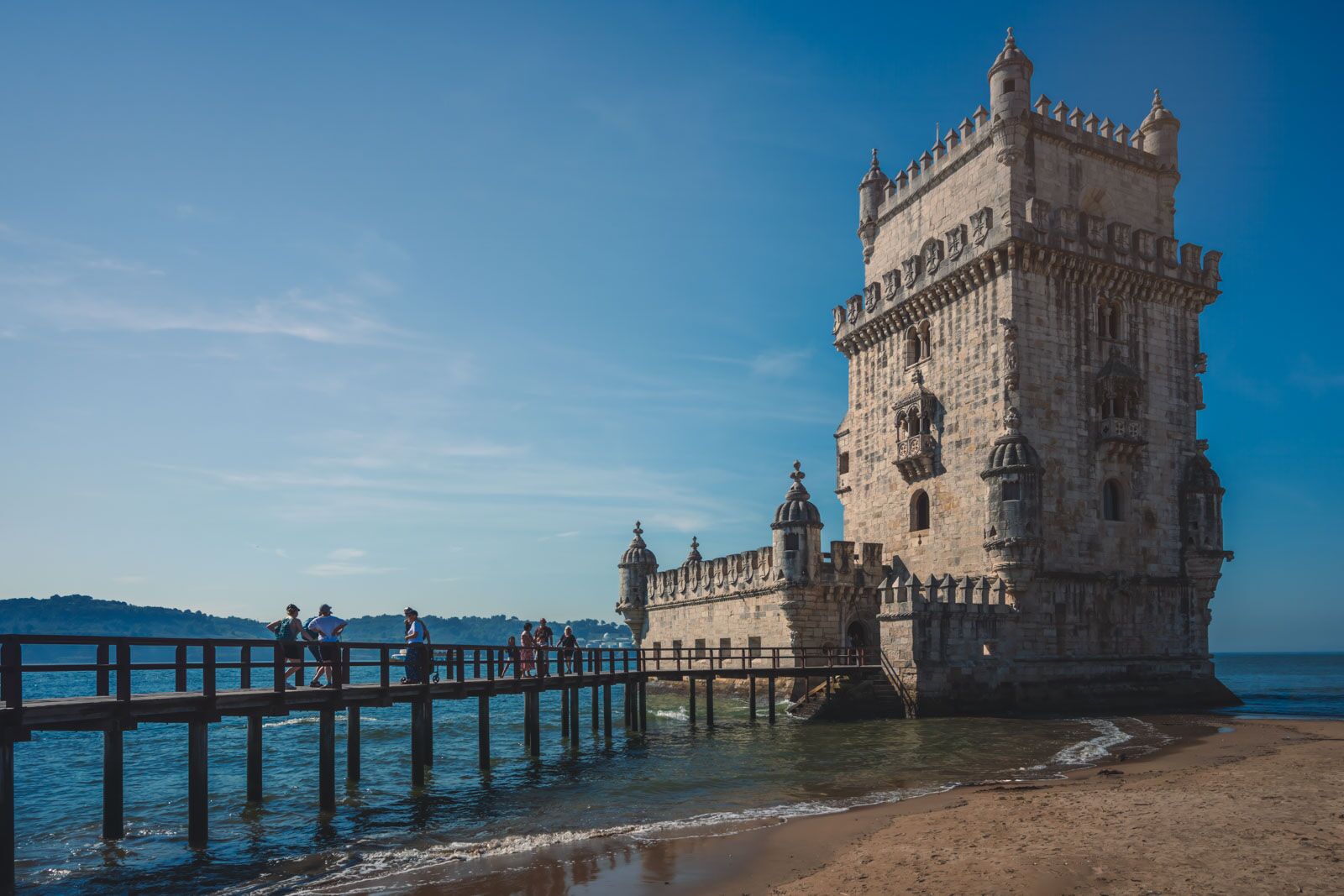
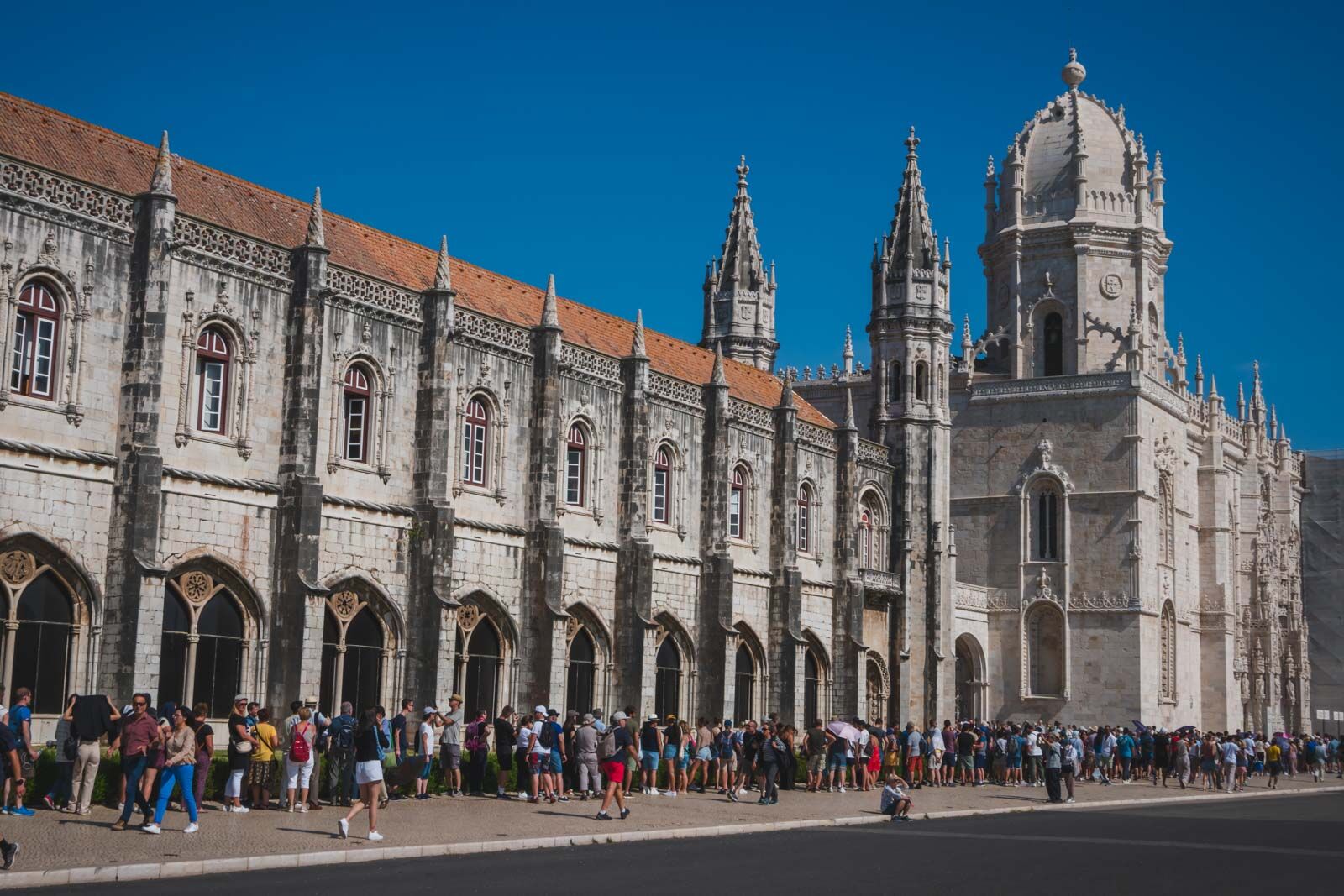
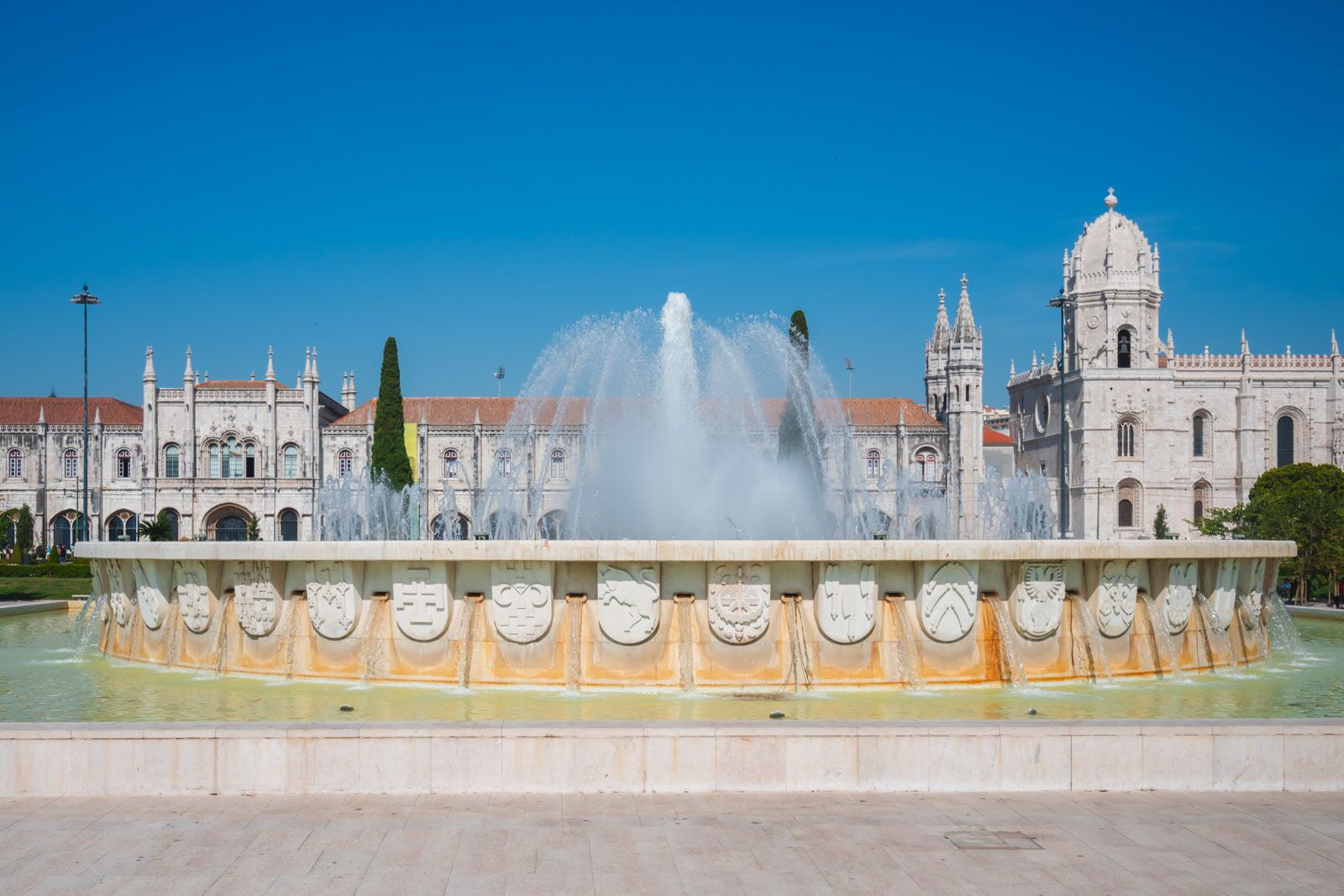
Discover the enchanting allure of Portugal’s capital city, with our ultimate guide to the best things to do in Lisbon. From the moment you set foot on its cobblestone streets, Lisbon invites you on a journey through history and culture. Explore the historic Belém district, where the monumental Jerónimos Monastery and the Tower of Belém are testaments to Portugal’s Age of Exploration. Wander through the narrow alleys of Alfama, the city’s oldest quarter, serenaded by the haunting melodies of Fado music. And don’t forget to indulge in the culinary delights of the Mercado da Ribeira, a food lover’s paradise, where the best of Portuguese cuisine awaits.
The Best Things to Do in Lisbon, Portugal
We spent 3 full days in Lisbon and could have stayed even longer. We really loved this city and found it easy to see why people recommended visiting here so often. It offers the perfect blend of past and present. Of course, it is its history that usually draws people here, but don’t forget that it also has a really cool contemporary culture, from cutting-edge art galleries to chic rooftop bars offering panoramic views that will take your breath away. It is also the perfect place to base yourself to explore, Sintra’s mystical palaces and Cascais’ golden beaches which are just a short trip away.
In short, Lisbon is the perfect place to spend at least 3 days and learn about Portugal’s history and cuisine before venturing out to explore the rest of the country. And that is exactly what we did. These are our recommendations for all of the best things to do in Lisbon that you don’t want to miss.
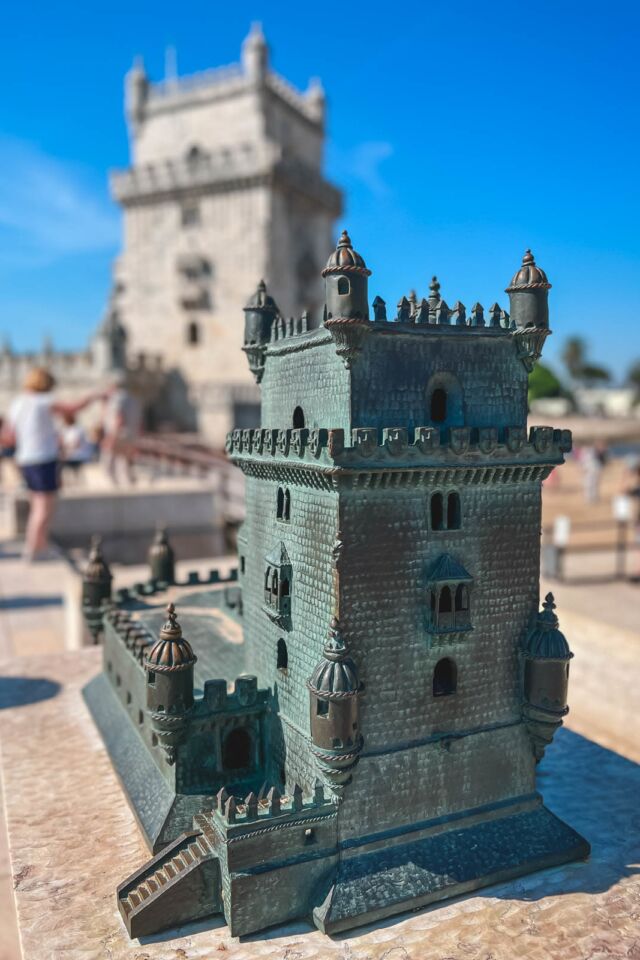
1. Torre de Belém (Belém Tower)
One of the first places you should visit in Lisbon is the iconic Belem Tower or Torre de Belém. Built on the Northern Bank of the Tagus River, Belém Tower is a UNESCO World Heritage Site symbolizing Portugal’s maritime power.
Constructed in the early 16th century as a fortress to guard the entrance to Lisbon’s harbor, visitors are drawn to its ornate limestone façades, richly decorated with maritime motifs and historical figures, offering a glimpse into Portugal’s glorious past. Inside, you can climb the ancient spiral staircases, explore the old cannons, and enjoy views of the Tagus River and the surrounding landscape.
The tower’s history as a point of departure for explorers and its role in defending the city make it a fascinating site for history buffs and architecture enthusiasts alike.
Belem Tower is typically open from Tuesday to Sunday, 10:00 AM to 5:30 PM (October to April) and until 6:30 PM (May to September). Admission costs €6 for adults and is free with the Lisbon Card.
2. Jerónimos Monastery
Located just a hop skip and a jump from Torre de Belém, Jerónimos Monastery is another UNESCO World Heritage site in the heart of Lisbon’s Belém district.
This building is a masterpiece of stunning beauty. Jerónimos Monastery was built in the 16th century to commemorate Vasco da Gama’s successful voyage to India. Vasco de Gama was the first European to reach India by sea.
His monument is a prime example of Manueline architecture, blending Gothic, Renaissance, and Moorish styles. Its intricate facades, cloisters, and the awe-inspiring interior of the church, where Vasco da Gama and other prominent Portuguese figures are entombed, make it a must-visit for history enthusiasts and architecture admirers.
The monastery is open to the public from Tuesday to Sunday, 10:00 AM to 5:30 PM in the winter months and until 6:30 PM during the summer, providing ample opportunity to explore its grandeur. The entrance fee is €10 for the monastery, with various discounts available for students, seniors, and families. Visitors can also enjoy free admission on the first Sunday of each month, making it accessible for everyone to witness the splendor of one of Lisbon’s most iconic landmarks. We admired it from afar, as the line to get in was a little insane so we recommend booking a timed entrance in advance and it is also free to enter with a Lisbon Card.
3. Pastel de Nata at Pastéis de Belém
Indulging in Pastel de Nata is a quintessential experience for any visitor to Lisbon, and if you are going to try it, the best place is just steps away from Jeronimos Monastery.
Pastéis de Belém is an iconic bakery that has been serving its secret recipe since 1837 and offers the original version of the creamy custard tart that has become a symbol of Portuguese culinary tradition. The history of these tarts dates back to the early 19th century, crafted by monks at the nearby monastery. As the monastery closed, the recipe was passed to the bakery, ensuring the legacy of this delicious treat.
Tourists flock here not just for the pastries but for a taste of history, witnessing the bustling atmosphere and the azulejo-covered walls that tell stories of the past.
Pastéis de Belém is open every day from 8:00 AM to 11:00 PM (or midnight during the summer), inviting visitors to enjoy these tarts fresh from the oven. The cost is remarkably affordable, with each tart priced at just over €1, making it a must-visit for a sweet taste of Lisbon’s culinary heritage without breaking the bank.
4. Padrão dos Descobrimentos – Monument to the Discoveries
Staying in the same neighborhood, the Padrão dos Descobrimentos (Monument to the Discoveries) is an imposing structure standing proudly over the Tagus River. Vasco da Gama may be Portugal’s most famous explorer. Still, the country has a history of discoveries and this is a powerful tribute to the explorers who ventured into unknown waters.
Located just a short walk along the water from Belem Tower, this striking monument is shaped like a ship’s prow and was inaugurated in 1960 to commemorate the 500th anniversary of the death of Prince Henry the Navigator, a key figure in the early days of the Portuguese Empire.
The monument showcases over thirty statues of historical figures who significant roles in the discoveries, including explorers, monarchs, cartographers, and scientists, all led by Prince Henry himself.
The Monument to the Discoveries is open from Tuesday to Sunday, 10:00 AM to 6:00 PM (March to September) and until 5:00 PM (October to February), with an entrance fee of approximately €6 for the viewpoint. This site not only offers a visual feast and a lesson in history but also a unique perspective on the daring spirit that propelled Portugal into the annals of global exploration.
5. Mercado de Ribiera (Time Out Market)
Located in the lively Mercado da Ribeira at Cais do Sodré, Mercado de Ribiera was transformed in 2014 by the team behind Time Out Lisboa magazine into a gastronomic haven, featuring a curated mix of over 40 spaces that includes some of Lisbon’s most renowned chefs and restaurants.
From traditional Portuguese dishes to contemporary fusion cuisine, the market provides an unparalleled opportunity to taste your way through the flavors of Lisbon. It’s not just about food; there are also bars, shops, and frequently held cultural events, making it a dynamic hub of activity.
Open daily from 10:00 AM to midnight (and until 2:00 AM on weekends), the market welcomes visitors to explore its offerings. Entry to the Time Out Market is free, allowing you to budget according to what you eat or drink, making it a flexible option for tourists wanting to experience the best of Lisbon’s food scene without a hefty price tag.
6. Food Tour
If you really want to enjoy Portuguese food, a food tour is another option. The Portuguese are passionate about their food and we can attest that Portugal has great food. Take a food tour to enjoy the various ways to eat cod. There are 1001 ways to cook cod from from roasted cod to canned cod.
This food tour takes you through Central Lisbon to sample Portuguese cuisines while taking in the sights and walking through the Streets. You’ll visit Bairro Alto, Chiato, Rossio and Comércio.
7. Tuk Tuk Tour
One of our favorite things to do in the Portuguese capital was to hop in a Tuk Tuk and tour. Tuk Tuks are all over the city and we hopped in one at the Miradouro das Portas do Sol. Tuk Tuks are lined all along the streets here and we negotiated a price of 40€ each for a 90-minute ride. It was a great way to see the top historic sights and miradors overlooking the city center.
Lisbon is known as the city of seven hills and taking a tuk-tuk tour was a fantastic way to get to the top of these lookout points quickly and easily without having to wait in line for elevators or trams.
8. See the City Center from one of Lisbon’s Many Mirador’s
As we mentioned, Lisbon is called the City of Seven Hills and one of the most popular things to do in Lisbon is to go up to one of its many views of the city for sunrise, and sunset or to simply gaze over the city centre at any time of day.
The viewpoints are called Miradors, and we visited many during our day exploring on a tuk-tuk. Standouts included the Miradouro da Senhora do Monte for its panoramic views of the city and the River Tagus. If you are not on a tour, you can easily access it via the historic tram 28.
Not far from there, Miradouro da Graça, located near the Graça Church, offers not only stunning views but also a café to relax in. A short walk or tram ride will take you to this spot, perfect for a leisurely afternoon.
The Miradouro de Santa Luzia, embellished with tile panels and a pergola, overlooks the Alfama district and is just a stone’s throw away from the Lisbon Cathedral, reachable by foot or by taking tram 28.
Lastly, the Miradouro das Portas do Sol presents a spectacular viewpoint of the old quarters, best enjoyed at sunrise. Located near Santa Luzia, it’s a convenient next stop on your miradour journey. Each Miradouro offers a unique perspective of Lisbon.
Free viewpoints
Miradouro da Senhora Miradouro Da Graca Miradouro Santa Luzia Miradouro das Portas do Sol
9. Elevador de Santa Justa – Santa Justa Lift
There were huge lineups for this lift and during our visit, the lookout platform was closed so we didn’t go up, but it is worth visiting for many for simply the fun of it.
The journey itself is not just a means of transport but a trip back in time to the turn of the 20th century. Designed by this Ponsard, a disciple of Gustave Eiffel, the lift will remind you of the Eiffel Tower. When inside you will notice the lift’s ornate interior and machinery showcasing ingenuity in the industrial age. At the top, the lift features two viewing platforms, providing breathtaking 360-degree views of Lisbon, from the Tagus River to the castle and beyond.
This neo-Gothic elevator is located in the heart of the bustling Baixa district. It offers a unique journey from the lower streets of the Pombaline downtown up to the Largo do Carmo taking you directly into the Carmo Square, where the ruins of the Carmo Convent and a delightful view await.
Remember to visit early or during off-peak hours to avoid long queues. We walked by in the morning, at night, and during the day and it was busy every time. Santa Justa Lift tickets cost around €5.50.
10. Tram 28
Riding Tram 28 in Lisbon is a quintessential experience to see the city from different vantage points winding through famous districts and past iconic landmarks.
This journey begins in the Graça district and meanders through Alfama, Baixa, and Estrela, finally reaching Campo Ourique, providing a comprehensive tour of Lisbon’s diverse neighborhoods.
You can hop on this vintage yellow tram at Martim Moniz Square, where the route starts, and enjoy a ride that feels like stepping back in time. Along the way, passengers are treated to views of Lisbon’s Cathedral, the Santa Luzia viewpoint, the bustling streets of Baixa, and the Estrela Basilica, among other sights.
For the best experience, aim to ride early in the morning or later in the evening to avoid the crowds, and consider purchasing a 24-hour public transport ticket for unlimited rides on Lisbon’s trams, buses, and metro.
We didn’t ride this tram and instead took escalators, tuks tuks, and Ubers but we did ride the tram in Porto and if you are visiting Portugal for the first time, you must pop onto one of its top attractions at least once.
11. Castelo de São Jorge
Visiting Castelo de São Jorge offers you a captivating journey back in time, combined with some of the most breathtaking views over Lisbon. Perched atop one of Lisbon’s highest hills, this historical fortress dates back to the Moorish occupation in the 11th century. However, it showcases layers of history from various periods of Lisbon’s past.
As a symbol of Portugal’s rich heritage, the castle invites visitors to wander through its storied ramparts, explore ancient ruins, and visit the exhibition that narrates its history through archaeological finds. Did you know this was Porugal’s first king’s royal residence?
The Camera Obscura, offering a 360-degree view of the city through a periscope, and the beautifully maintained gardens, where peacocks roam freely, add to the charm of this site.
Castelo de São Jorge is open every day from 9:00 AM to 9:00 PM (March to October) and until 6:00 PM (November to February), ensuring ample time for exploration. Admission is approximately €10 for adults, with concessions available for students and seniors, making it a must-visit for those looking to immerse themselves in the history and enjoy stunning panoramic views of Lisbon. Grab Your E-Ticket here.
12. Walk Through the Alfama Neighborhood
It is fitting that Cube de Fado is located in the heart of the Alfama Neighborhood. This is Lisbon’s oldest neighborhood which is a labyrinth of narrow streets, historic buildings, and panoramic vistas that captivate visitors from around the globe.
We were drawn to its medieval alleys, vibrant street life, and stunning views from the Miradouros (viewpoints) like Miradouro de Santa Luzia and Miradouro das Portas do Sol.
If you visit on a Tuesday or Saturday you can go shopping at the Feira da Ladra. This flea market fits right in with vintage clothing, collectibles, and souvenirs.
Wandering through Alfama, you’ll encounter local markets, historic tram 28, and intricately tiled façades, providing endless opportunities for photography and making memories.
The district is also home to notable landmarks such as the São Jorge Castle, the majestic Sé Cathedral, the National Pantheon, Feira da Ladra, and the Door of the Sun viewpoints. A walking tour of this neighborhood is the best way to appreciate all it has to offer.
13. Watch a Fado Show at Clube de Fado
We booked a Fado Show through GetYourGuide, but we wish that we went to a more authentic Fado Show in the Amalfa District.
Clube de Fado is one of Lisbon’s most esteemed venues. It is a UNESCO World Heritage Site listed for its intangible cultural heritage. The dimly lit room sets the stage for a night of poignant performances, creating an electric yet deeply emotional atmosphere.
Clube de Fado attracts some of Portugal’s finest Fado singers and classical guitarists (playing the Portuguese guitarra) pouring their hearts into every performance. The acoustics of the venue are designed to enhance the mournful melodies and poetic lyrics that speak of life, loss, and longing, capturing the essence of the Portuguese spirit.
Dining at Clube de Fado adds another layer to the experience, with traditional Portuguese dishes and fine wines serving as the perfect accompaniments to the evening’s entertainment.
While reservations are highly recommended due to the popularity of the venue, the effort to secure a spot is well worth it for the unforgettable experience of connecting with the raw emotion and cultural depth of Fado music.
14. Museo do Fado
If you want to learn more about Fado, visit the Museu do Fado. Portugal’s most iconic musical expression is recognized as a UNESCO Intangible Cultural Heritage.
Located in the historic Alfama district, just a stone’s throw from the Lisbon Cathedral, this museum is dedicated to celebrating the history and culture of Fado, from its origins in the 19th century to the present day.
The Museu do Fado provides an immersive experience with its extensive collection of Fado recordings, memorabilia, and personal items from legendary Fado singers. Visitors can explore interactive exhibits, listen to classic and contemporary Fado performances, and even try to play a Portuguese guitar.
Open Tuesday to Sunday, from 10:00 am to 6:00 pm.
15. LX Factory
We really loved the vibe of LX Factory. This former industrial complex has been transformed into a busy artists community nestled beneath the towering 25 de Abril Bridge in the Alcântara district of Lisbon.
This urban oasis is a must-visit for tourists seeking to immerse in Lisbon’s contemporary art scene, offering an eclectic mix of art studios, quirky shops, trendy cafes, and world-class restaurants. Plus, the food and drinks are quite affordable making it a perfect stop for lunch.
LX Factory was once an industrial complex of old buildings that has been transformed into a dynamic cultural and commercial hub.
The area hosts regular markets, live music, and art exhibitions, ensuring that no two visits are the same. Entry to LX Factory itself is free, allowing visitors to stroll through its alleys, admire the striking urban art, and soak up the creative energy that permeates the air.
Open every day, with shops typically operating from 10:00 AM to 7:00 PM, and restaurants and bars often staying open much later, visitors can explore at their leisure, experiencing the buzzing atmosphere that lasts into the night.
16. Pink Street
Pink Street, officially known as Rua Nova do Carvalho, is a lively hotspot in Lisbon’s Cais do Sodré district that has become a must-visit destination for tourists seeking the pulse of the city’s nightlife and cultural scene.
Once a seedy area known for its nightclubs and bars catering to sailors, Pink Street is transforming into one of Lisbon’s most fashionable and Instagrammable locations. It still has a seedy feel, but during the day, it attracts Influencers and wannabes to take photos of its hanging umbrellas and pink-painted streets.
Painted pink in 2013 as part of a revitalization project, Pink Street is a unique urban landmark. It is open 24/7, and the area is busy, especially after dark when the bars, clubs, and restaurants come alive, offering everything from traditional Portuguese dishes to innovative cocktails.
Visitors can explore the street and its surroundings at no cost, enjoying the colorful street art, trendy shops, and the lively atmosphere that embodies the modern spirit of Lisbon. Pink Street is not just a place to see; it’s an experience, offering a glimpse into the city’s transformation and its vibrant contemporary culture.
Whether you’re looking for a night out with friends, a taste of local cuisine, or just a stroll in an eye-catching setting, Pink Street in Lisbon promises an unforgettable experience without the need for admission fees.
17. National Tile Museum
One thing you will notice in many of the cities of Portugal is the beautiful ceramic tiles decorating the facades of buildings in the city center. The National Tile Museum or Museu Nacional do Azulejo, in Lisbon, is a unique cultural treasure that offers visitors an in-depth look at the art and history of Portuguese tiles, known as azulejos.
Housed in the former Convent of Madre de Deus, founded in 1509, the museum showcases the evolution of tilework in Portugal from the 15th century to the present day.
The collection includes exquisite examples of azulejos, (ceramic tiles) ranging from simple geometric patterns to elaborate narrative panels that depict Portugal’s rich history and culture. One of the museum’s highlights is a 36-meter-long panorama of Lisbon before the devastating 1755 earthquake.
The museum is open from Tuesday to Sunday, 10:00 AM to 6:00 PM, offering ample time for visitors to explore its vast exhibits. Admission is around €5, with discounts available for students and seniors, making it an affordable and fun experience.
18. Central Baixa District
Nestled at the heart of central Lisbon this district is known as the downtown area of Lisbon, Baixa is distinguished by its grand plazas, Pombaline architecture, and majestic streets like Rua Augusta, leading to the triumphal arch and the stunning Praça do Comércio facing the Tagus River.
This district is a must-visit for its blend of historical significance and modern vitality. With pedestrian-only streets, shopping, and cafes the Central Baixa District is an excellent spot to hang out for an afternoon.
Key attractions include the Elevador de Santa Justa, an ornate, early 20th-century lift that we mentioned earlier in this article, and the MUDE (Museum of Design and Fashion).
Baixa’s grid-like layout, designed after the great earthquake of 1755, makes it easy to explore on foot. You can enjoy shopping, and sipping coffee in traditional cafes, as well as plenty of restaurants serving Portuguese and international cuisine. Exploring Baixa is largely free, aside from specific attractions like the Santa Justa Lift, where a ticket costs around €5.50.
19. Praça Comercio
Praça Comercio stands front and round on the shores of the Tagus River and you will undoubtedly end up here at least once on your visit to the city. Entering from Baxia under the Arco da Rua Agusta will take your breath away.
This grand square on the River Tagus is as massive as it is beautiful, with its distinctive U-shaped arrangement of yellow 19th-century buildings standing at the former Royal Palace of Ribeira that was destroyed following the devastating 1755 earthquake.
Historically, it served as the gateway to Lisbon, where merchants would trade goods from around the globe. Today, it stands as a testament to Lisbon’s resilience and its maritime glory, framed by its iconic yellow Pombaline architecture and the statue of King José I at its center.
20. Bairro Alto
One of our favorite spots for a drink in the city was in the Bairro Alto District. Nestled in the heart of the city, Bairro Alto comes alive as the sun sets, with its narrow cobbled streets buzzing with an array of bars, restaurants, and live music venues that cater to every taste.
By day, this district is still worth a visit with its stunning 16th-century architecture, colorful facades, and picturesque viewpoints that overlook the city.
As night falls, immerse yourself in the district’s lively atmosphere, where the sounds of Fado music spill out from the traditional houses. Bairro Alto’s central location, easily accessible by the iconic Tram 28 or the Baixa-Chiado metro station, makes it a must-visit destination for anyone looking to experience the authentic spirit of Lisbon. Whether you’re in search of cultural enrichment or simply to enjoy a night out, Bairro Alto offers an unforgettable slice of Lisbon’s dynamic urban culture.
21. Lisbon Cathedral – Sé de Lisboa
The Lisbon Cathedral, locally known as Sé de Lisboa, is a monumental landmark that no visitor should miss while exploring the city. Located in the heart of the historic Alfama district, this imposing cathedral was originally constructed in 1147 but the cathedral has undergone various architectural transformations, blending Romanesque, Gothic, and Baroque styles.
You can explore the cathedral’s interior, which houses significant religious artifacts, stained glass windows, and the impressive cloister. The treasury room is another highlight, showcasing a collection of ecclesiastical treasures.
Open daily, with hours typically from 9:00 am to 7:00 pm.
22. Sintra
Pretty Sintra gets all the attention, and if you are looking for a tried-and-tested day trip from Lisbon, this charming village is the top choice. You can admire gorgeous royal residences, including the Pena National Palace. Pena Palace is famous for its bright colors and bold architecture and takes over 2.5 hours to tour because of all its grandeur and scale.
However, Sintra has plenty of palaces and castles, so don’t limit yourself to one. Our favorite place to visit in Sintra was Quinta da Regaleira. The mysterious well is located on a 19th-century estate surrounded by lush gardens filled with exotic plants and flowers.
The real attraction of the Quinta da Regaleira is its underground tunnels and caves. These mysterious passages were once used for initiation rites by secret societies such as the Free Masons, and their secrets still remain hidden to this day. Visitors can explore the tunnels and caves, discovering hidden chambers and hidden passageways as they go.
Sintra is just 30 minutes from Lisbon, making it one of the most popular things to do. It is a convenient yet epic day trip for anyone wanting a magical day tour from Lisbon. And you can enjoy the novelty of palaces and romantic architecture in just half a day.
23. Cascais
Cascais is a small town but an extremely fun day trip. Moreover, this is one of the only day trips from Lisbon you can take by train versus bus, as Cascais has its own train station connected by the ‘Linha de Cascais.’ It is a scenic ride, taking you past sandy beaches and coastal scenery, and it only takes 40 minutes from Cais do Sodre station in southwest Lisbon. The seaside resort is bubbly, with a fun vibe and a mixture of shopping streets and beachfront restaurants. Its old town is where you’ll find the more ‘serious sightseeing’ opportunities, with the Nossa Senhora da Luz Fort and Citadel Palace.
Cascais is a fun allrounder with an outstanding balance of things to do if you want a quick escape from Lisbon’s city center.
Why We Love Lisbon, Portugal
Whether you’re marveling at the iconic tram 28 as it weaves through the city, sipping on a glass of Vinho Verde in a lively Bairro, or watching the sunset from the São Jorge Castle, Lisbon promises an unforgettable adventure. Let’s embark on this journey together, exploring the best things to do in Lisbon, where history, culture, and beauty intertwine to create a destination like no other.
Visiting Lisbon isn’t just about checking off the important monuments and top attractions. It is about strolling through its cobbled streets, taking in the energy of the different neighborhoods and districts, and getting to know the people. We only spent a few days in Lisbon, but you could easily spend a week in the city to enjoy everything it has to offer.
We have had the privilege of visiting Ireland several times, and when visiting the ‘Emerald Isle,’ its cities are some of the best places to embrace Irish culture. Irish cities are magical, full of local history, myths and legends, art galleries, pubs, and friendly locals. Whether you visit Dublin for major attractions like the Guinness Storehouse and the Book of Kells, or you head to Galway for traditional music and street art, you will fall in love with the lively cities in Ireland.
Best Cities in Ireland
In this guide, we’ll introduce you to the best cities in Ireland and Northern Ireland. These are the places where you will make lasting memories during your stay.
The best way to get around Ireland is by renting a car. You can compare car rental prices here. We have taken road trips along the Wild Atlantic Way, on Ireland’s west coast, with island day trips, cobbled streets, and live music and along the Causeway Coast to see some of Northern Ireland’s most awe-inspiring attractions. We have explored lesser-visited cities in Ireland and each one is just as memorable as the last.
1. Dublin
Dublin is Ireland’s largest city and the capital of the Republic of Ireland. We recommend spending at least three days in Dublin before traveling to the different cities in Ireland. Located on the River Liffey, Dublin has hundreds of attractions at your fingertips.
Top attractions in this popular Irish City are endless including a visit to the famous Kilmainham Gaol, the GPO Museum, Dublin Castle, and the Guinness Storehouse (read more about our experience here).
Dublin Castle is one of the most famous medieval castles in the world, dating back to the 13th century. It is now a government building, but that doesn’t stop tourists from coming to see it.
Trinity College, the Book of Kells, and the famous Temple Bar. Dublin is easily one of the best cities in Ireland for history lovers, with stories of the Easter Rising in 1916 to ancient stories within the pages of the Book of Kells. It’s also a city of academia; Dublin is officially Yeats country and houses Trinity College, which educated the likes of Oscar Wilde.
There are so many things to do in Dublin, and if you want to visit Ireland for St Patrick’s Day, you will want to be in Dublin. If you want to escape the city, Dublin is just a hop skip, and a jump from the Wicklow Mountains where you can go hiking or horseback riding.
When visiting Dublin, pick up a Dublin Pass. The Dublin Pass is an excellent way to save money on Dublin attractions giving you entrance to 35 attractions including the Dublin Hop-on Hop-Off Big Bus Tour, Guinness Storehouse, James Joyce Centre, Saint Patrick’s Cathedral (where Saint Patrick himself St Patrick baptised Christians) and many more. Details here.
Plan Your Dublin Vacation
2. Cork City
As the second largest city in Ireland, it once had a reputation as the capital of ‘Rebel Country.’ Cork natives sometimes claim they are the real ‘capital of Ireland.’ We love this city located in the South of the Emerald Isle, and others agree, Cork is a much-loved tourist destination.
If you haven’t visited Cork, you are truly missing out. The best things to do in Cork include day-tripping to Blarney Castle to Kiss the Blarney Stone. The Blarney Stone may be what has attracted tourists to the area for the gift of the Gab, but Blarney Castle is an excellent destination in its own right.
In Cork City proper, you can ring the Bells of Shannon, visit the English Market is a fantastic place for organic and locally produced food, and check out the history at Elizabeth Fort, a 17th-century old city fortress. You should also head down to the small towns around Cork Harbour, the second-largest natural harbor in the world. It’s near Cork Harbour, where you’ll find beautiful Cobh, a colorful seaside town and the Titanic’s last port of call in 1912.
3. Galway City
Galway City is impossible not to love. If you are looking for the best cities in Ireland, look no further than the fifth-largest city.
Despite its growing size, Galway retains an authentic charm that has inspired the likes of Ed Sheeran to write a song about it. Make sure to add Galway to your Emerald Isle Itinerary to really enjoy traditional Irish music and friendly locals.
The real hive in Galway is its colorful old town, lined with cobbled streets and boldly painted independent shops. The city is undoubtedly the best place to visit in Ireland for creatives or anyone looking to get a ‘small town experience.’
Galway City is split in half by the River Corrib and sits on Ireland’s west coast, overlooking Galway Bay. It is a brilliant spot for an Irish road trip.
Galway is located directly on the Wild Atlantic Way, with many of the route’s beautiful viewpoints – like the Cliffs of Moher- just a short drive away. You can also use Galway as a base to take day trips to the gorgeous west coast islands. This is also the jumping-off point for the Aran Islands.
Book a cruise to see the Aran Islands here. However, if you can, we highly recommend spending two nights on one of the Aran Islands. We spent 3 days on the Inis Mór – Fun Fact, the Colin Farrell Movie, the Banshees of Inishmore was filmed on the Aran Islands.
Make sure to visit the Latin Quarter, which is Galway’s ‘old town’ and full of cobbles and street art. For those who know their Irish history, it’s also worth stopping by Saint Nicholas Collegiate Church, a 14th-century church visited by Oliver Cromwell. Meanwhile, for less morbid history, you can appreciate the 16th-century city walls by visiting the Spanish Arch.
Finish your days in Galway with visits to its many art galleries, and of course, check out its live music scene after dark.
4. Limerick City
Limerick is another of Ireland’s largest cities, but this time, it has a reputation for Viking and Medieval history. It was a walled city established by Vikings, making it one of Ireland’s oldest and current largest. It is located on the southwest coast, near the mouth of the River Shannon.
This location once made it a prime target for Viking settlers. But, for modern-day tourists, its location now makes it a great city break just off the Wild Atlantic Way’s path. Limerick is ideally located for a day trip to natural beauty like the Cliffs of Moher. However, it’s also a solace of urban sightseeing amongst tiny country lanes and five building villages.
Top attractions in Limerick include the Treaty Stone, the Hunt Museum for Art and Archaeology, the medieval fortress of King John’s Castle, and the spectacular International Rugby Experience. To embrace the characteristic Viking history in the city, you can walk the Limerick Medieval Trail, taking you through the medieval buildings of English Town with fifteen different points of historical interest. This self-guided walking tour is a great way to see Limerick through early Viking eyes.
It’s the Viking history that really solidifies Limerick as one of the best cities in Ireland. Limerick is also a fantastic city in the southwest, providing an excellent place to stay on the Wild Atlantic Way for an urban break.
5. Waterford
Waterford is another Viking-created city on the island. Founded in 914 AD by Ragnall, Waterford is Ireland’s oldest city and has some unusual claims to fame. It has had its fingers in a few different pots, particularly once known as Ireland’s wine and glass-making capital.
Its coastal location has meant Waterford has remained a trading hub, typical of a port city. It has picked up numerous different industries and has an underlying production-minded subculture. You can still find Waterford Crystal in shops around the city center and at the House of Waterford Museum. As for Waterford wine, you can visit the 15th-century Mayor’s Wine Vault at the Medieval Museum.
Attraction highlights of Waterford include Reginald’s Tower, the Irish Museum of Time, Bishop’s Palace, and Waterford Nature Park. We had to add Waterford to this guide, partly because of its busy production mindset, which makes for some great historical sightseeing, and partly because of its title as Ireland’s oldest city. If you want to learn more about Ireland’s unique production industries and earliest days, Waterford is a compact city you can happily sightsee on foot.
6. Sligo
Small Sligo may be a town, but in our eyes, it’s special enough to justify a position amongst the best cities to visit in Ireland. City status means nothing when you check out Sligo’s literature history, and it has tons to offer tourists in the way of sightseeing.
Sligo sits on the Northwest Coast of Ireland, near the magical site of Queen Maeve’s Cairn, a megalithic tomb atop a Knocknarea mountain, and Carrowmore Megalithic Cemetery – the largest of its kind in Ireland.
Sligo is an ideal place to stop for a few nights on a road trip, and it’s easy to see why it inspired so much literature. The town is surrounded by ancient architecture, and its pretty town center is scenically sliced by the gentle Garavogue River. You should definitely visit the Yeats Society, Sligo Country Museum, and Sligo Abbey in the town itself.
Sligo is shrouded in ancient mystery, dramatized by its extensive literature history. We love its proximity to some of Ireland’s most beloved megalithic tombs, and it’s a beautiful place to visit in Ireland for an insight into this darker history.
7. Athlone
Athlone is a chronically overlooked city to visit in Ireland but trust us, if you stop here, you will love it. Ahlone dates back to the Bronze Age and was even involved in the Jacobite Rising; you’ll find tons of lesser-known historical sites and quiet archaeological sites. It is also a popular stop on bus tours to visit the oldest pub in the world! During our River Shannon Cruise, we parked right in front of Sean’s Bar to enjoy a pint in the world’s oldest pub.
Athlone is a beautiful city split in half by the River Shannon and located right next to Lough Ree. We loved spending two nights in this historic city and visiting the 6th-century site of Clonmacnoise. Read about it here.
8. Kilkenny City
Kilkenny is one of our favorite cities in Ireland. It is a treasure trove of historical and cultural riches. Nestled in the heart of Ireland’s Ancient East, Kilkenny City boasts a stunning medieval landscape, complete with cobbled streets, ancient stone buildings, and the iconic Kilkenny Castle.
This city is not only steeped in history but also thrives as a center of contemporary arts, hosting numerous festivals throughout the year that showcase the best in Irish craft, design, and music.
The bustling streets of Kilkenny are lined with artisan boutiques, inviting cafes, and traditional pubs where one can savor the local cuisine and enjoy the renowned Irish hospitality. Whether you’re exploring the well-preserved Kilkenny Castle, wandering through the enchanting Rothe House and Garden, or simply soaking up the vibrant atmosphere, Kilkenny offers a uniquely enriching experience that captures the essence of Ireland’s cultural and historical splendor.
There’s also St Mary’s Medieval Mile Museum, Rothe House and Garden, St Mary’s Cathedral, and St Canice’s Cathedral. Smithwick’s Experience is a must, too, guiding you through a multi-sensory tour of how Ireland’s oldest ale came to be formed.
9. Wexford
Wexford is easily one of the best cities to visit in Ireland. The major city sits on Ireland’s east coast, which, as you already know, was predominantly founded by Viking settlers. It has an excellent maritime heritage and stunning sandy beaches, many of which are designated Blue Flag Beaches for their cleanliness and safety. It is less industrial than Waterford, with more of a lingering historical atmosphere. You can enjoy condensed culture in its extremely walkable center or use it as a day trip launchpad – more on that in a second.
The best inner-city attractions in Wexford are the National Opera House, Wexford Harbour, and the ruins of Selskar Abbey, where the first Anglo-Irish treaty was signed. Wexford has many medieval lanes and narrow streets in its modern-day shopping quarter. It’s a fun place for some retail therapy with a historical backdrop, one of the main reasons we added it to this guide.
The second reason is Wexford’s day trip potential. It is less than a 10-minute drive from the incredible Irish National Heritage Park, which tells the story of Irish settlement over 9,000 years with recreated houses and costumed guides over 35 acres.
10. Tullamore
Beautiful Tullamore is one of Ireland’s best cities to visit, with fewer tourists than other cities. Located in County Offaly, one of the central counties in Ireland, it has excellent access to the almost tourist-free Slieve Bloom Mountains.
As if this peaceful, off-the-beaten-track setting wasn’t good enough, Tullamore is also known for its whiskey, and you can take guided whiskey tours at the Tullamore DEW Distillery.
The Grand Canal splits the center and has beautiful waterfront views. You should prioritize visits to Shra Castle, Charleville Castle, and the Clara Boardwalk, which treats you to gorgeous views over one of Offaly’s famous bogs. Bogs are crucial to rural culture, historically providing peat to heat homes and that peaty flavor in certain Irish whiskies, like Tullamore Whiskey.
Tullamore is a great place to visit in Ireland to get an insight into rural culture. It provides the perfect springboard for bog tourism and ancient castles, plus, of course, the chance to sample some of the tastiest Irish whiskey.
11. Dingle
The small port city sits on the western Dingle Peninsula, you guessed it, right on the beautiful Wild Atlantic Way’s path; so it’s a must-stop-off if you decide to road trip the Wild Atlantic Way. Dingle has an inspiring relationship with nature and is a much quieter version of Galway Bay. We just had to add it to our list of the best cities in Ireland.
Dingle is children’s book worthy, having piggybacked its fame from the tale of Fungie the Dolphin, a famous lone dolphin that used to call Dingle Harbour home. Now, you can still take boat tours to go dolphin spotting or visit the Fungie statue in the harbor – which immortalizes everyone’s favorite Dingle resident.
In addition to dolphin spotting, you should also check out the Dingle Distillery and Kingdom Falconry. And if you have time for day trips, take a boat tour to the Blasket Islands.
12. Adare
What Adare lacks in city status, it makes up tenfold in character. Its buildings are so aesthetic and it holds so much culture that we just had to include it. It is so beautiful that it is a designated heritage town, with a mixture of colorful traditional terraces and white-washed cottages with thatched roofs. Adare is no hidden gem, but if you can visit off-season, you won’t find it overcrowded. It is like a time capsule, whisking you back to 12th-century Ireland.
When visiting, you must see the thatched cottages, now turned into gift shops like Lucy Eridge, and restaurants like the gorgeous Blue Door Restaurant. You should also visit Adare Castle and the Augustinian Friary. Adare is all about atmosphere and stunning traditional aesthetic.
Adare is the ideal addition to a city break in Limerick. If you have a long weekend, we suggest spending a night there before driving back to Limerick for its airport and major city amenities.
13. Donegal
Introducing Donegal: one of the most popular cities in Ireland. Donegal is set in its same-named county, County Donegal, nicknamed Ireland’s Forgotten County. Dramatic sea cliffs and barren moorland surround the city, and it’s where to visit if you want plenty of day trips into nearby wilderness. Donegal is a brilliant stop-off for a few nights if you follow the Wild Atlantic Way’s route down the west coast.
Donegal Castle and the Railway Heritage Museum are other must-visits in the city. However, Donegal is far from surrounded by natural beauty and happy-go-lucky history. It’s also a harrowing city to learn about the impact of the famine. The Great Famine hit in the mid-19th century and led to the death of approximately 25% of the Irish population. A visit to Donegal’s Famine Graveyard is a must to help comprehend the tragedy of the conflict-driven famine.
Donegal is a great place to visit and experience a huge spectrum of Irish history, culture, and nature in a tiny area. With a beautiful location and lots to teach tourists, it is an easy addition to our list of the best cities to visit in Ireland.
14. Killarney
Killarney is beautifully located on the outskirts of Killarney National Park in County Kerry. County Kerry is located smack dab in the middle of two of Ireland’s most iconic scenic drives: the Wild Atlantic and the Ring of Kerry. It’s the perfect base to go on horseback rides or explore waterfall trails and forests on foot in the Killarney National Park, heading back for a cozy pub dinner in Killarney in the evenings. And if you want to experience Ireland’s ‘deep south’, this is your choice.
Killarney itself has a neo-Gothic architectural style and a small center. You can take a tour by horse and carriage, visit Killarney House and Gardens, and test your tastebuds at the Irish Whiskey Experience. Killarney is also ideally located on a day trip to some unique things to do along the Wild Atlantic Way, like Skellig Michael.
We love its strong sense of character and profoundly traditional atmosphere, and its proximity to the national park is just the ultimate addition.
Best Cities in Northern Ireland
Of course, the island of Ireland is split into two countries: Northern Ireland and the Republic of Ireland. While Northern Ireland is much smaller, it has some fabulous cities to visit, so we had to give it a special mention in this guide.
Visiting both Northern Ireland and the Republic of Ireland in one trip is super straightforward – you can just drive across the border or catch a shuttle service, especially if you’re traveling between Belfast and Dublin. If you can, combine the two in a single trip. These are some of the best Northern Irish cities that should definitely find a way onto your itinerary.
15. Derry / Londonderry
Derry / Londonderry is a city that goes by two names. You can find out why here, but in short, it is because of sectarian tensions. Protestants referred to the city as Londonderry, while Catholics called it Derry. Nowadays, you can usually use either without controversy; to be polite, when talking to Northern Irish people, you can just take their lead in how they reference the city.
It goes without saying that a city with such a backstory behind its name makes for a fascinating tourist destination. There’s tons of political and social history to unpack behind Derry City, and you can stop by attractions like murals and the Museum of Free Derry and walk the Derry Walls. Derry is compact and walkable, making it a great city break. And for any Derry Girls fans, you can spot plenty of filming locations, which is a fun extra.
We had to add Derry City to this list, as it is one of the most complex and interesting cities in Northern Ireland. If you like your history, Derry is a must-visit.
16. Bangor
Beautiful Bangor is a small Northern Irish city just a 30-minute drive outside Belfast. It is a seaside city with sandy beaches and a great place to experience the coastal pace of life in Northern Ireland. In summer, Bangor comes alive with a slightly cheesy seaside resort atmosphere. But if you catch it out of season, it has a really romantic, wistful appeal and a much slower pace.
You can walk the 10-mile Holywood to Bangor section of the North Down Coastal Path or just enjoy having beaches like Ballyholme Beach at your beck and call. Bangor’s waterfront is scenic, an attraction in itself, lined by colorful terraces painted blues, greens, and pinks. Stroll along the water and stop by independent coffee shops like the quirky cafe The Bearded Goat. If you want to get historical in your sightseeing, head to the North Down Museum.
17. Belfast
The Northern Irish capital of Belfast is a fascinating mix of friendly locals and a web of complex history. Belfast is a modern city with a gritty undertone, with city maps still segmented into sectarian neighborhoods despite its now – mostly – blended communities. It’s most famed for its Troubles, a period of political unrest that lasted from 1968 to 1998 before the signing of the Good Friday Agreement. For history buffs, the opportunity to learn about this unrest is a huge draw, usually through black taxi tours of the murals and Peace Wall.
This singular stereotype of Belfast and the tourism it offers is reductionist, though. There’s everything from cozy pubs and bars in the buzzy, cobbled Cathedral Quarter to the Titanic Belfast museum and a trail commemorating the east Belfast-born singer Van Morrison. It’s also a fantastic place to use as a launchpad to visit the Mourne Mountains, Dark Hedges, or the Causeway Coast.
If you want to understand Northern Ireland, head to Belfast. Northern Ireland has an entire culture of its own. Belfast will introduce you to the politics, subcultures, and traditions behind that – all while situated in an ideal place for a day trip to areas of natural beauty.
Best Cities in Ireland: FAQs
Now you know which cities to visit in Ireland, we need to help narrow down your new collection of choices. After all, it is a tough choice. How do you pick between Galway City and Dingle? Or Limerick and Cork? Or Belfast versus Derry? In this section, we’ll look at the most commonly asked questions to see if we can help you pick your top two or three cities in Ireland.
Where is the most beautiful city in Ireland?
The most beautiful city in Ireland is undoubtedly Galway City. The old town is the most authentic place to experience local culture, and out of all the Irish cities, Galway retains a rustic, windswept settlement quality.
What are the 5 largest cities in Ireland?
In the Republic of Ireland, the five largest cities are Dublin, Limerick, Cork, Galway, and Waterford. The largest cities on the island of Ireland, including the Republic and Northern Ireland, are Dublin, Belfast, Limerick, Galway, and Derry/Londonderry.
What is the main town in Ireland?
Dublin is the capital city of Ireland and
I don’t think I would agree with this. I would say it is Dublin. Can you re-write this.
What is the best city to go to in Ireland?
It is a tough call, but Galway is the best city to go to in Ireland. We’d suggest Galway because it is closest to the Wild Atlantic Way and has easy day trip access to the striking west coast islands like the Aran Islands, Skellig Michael, and the Inishmore Islands. It also has the most authentic character, and while Dublin is incredible if you want a luxury hotel, formal museums, and buzzy drinks at Temple Bar, Galway offers more of an immersion into traditional Irish music and culture.
Cities in Ireland We Love
Wherever you choose to visit in Ireland, you’ll find an amazing string of cities offering a different experience and outlook. You can head to Northern Ireland for the brilliant city of Belfast or the sleepy seaside town of Bangor with all its sandy beaches. You can head to Ireland’s west coast for the iconic cities along the Wild Atlantic Way, like Killarney and Galway City. The central cities along the River Shannon, like Athlone, are surrounded by the beautiful bog country. The south offers intense culture in cities like Cork and Limerick city, while the east coast houses Dublin and Ireland’s oldest city, Waterford.
There are some awe-inspiring cities in Ireland. These 17 best cities in Ireland should keep you well entertained during your stay.
Remember to check out some of the smaller towns and villages in Ireland as well. It isn’t known as the ‘Emerald Isle’ for no reason – heading out into the countryside will give you some amazing experiences and perspectives of Ireland. Start in the best cities in Ireland and then branch out to its smaller treasures. Have an incredible stay.
Plan Your Next Trip to Ireland With These Resources
The US is a great place to be when summer hits. You’ve got the hiking trails in national parks like Acadia National Park and Rocky Mountains National Park. There are the west coast beaches and major cities like Los Angeles, San Francisco, and San Diego. And that’s all without considering the delicious cuisine of New Orleans and the historic East Coast, with New York and Washington DC. Wherever you go in the US this summer, you will find a slightly different personality in each region.
Best Summer Vacations in the USA
In this guide, we’ll introduce you to the best summer vacations in the USA. A summer vacation is often a highlight of your year. It’s the chance to explore a new national park, city, or road trip. Summer is about building memories and making new connections, enjoying the sunshine that has spread across most of the USA. Sure, these places might be busier in summer, but seeing them in their full glory makes the extra crowds worth dealing with.
There’s so much to do in the USA in summer; these top 27 places will help you create memories of a lifetime. With any of these amazing spots, you’ll have the ‘best summer ever.’
1. New York City
People rave about visiting New York in the fall and winter when the city comes to life with Christmas markets and festivity. But when it comes to the ‘city that never sleeps’, you best believe it makes full use of all those extra daylight hours. New York is one of the most fun, activity-stuffed summer vacations. As a summer getaway, New York City has so much to offer. It has pop-up events like movie screenings in Bryant Park, and even things like visiting rooftop bars become more pleasant, with longer evenings and later sunsets.
New York is one of our favorite cities. We have endless resources you can scroll through, including a guide on the ultimate one-day itinerary and a guide on our all-time-favorite things to do. In summer, you should especially check out the city’s green spaces (Central Park becomes even more sought-after) as well as day-tripping to some of its nearby beaches.
New York is fantastic to visit in the summer months because of its late-night events, proximity to beaches, and spacious green spaces.
Insider Tip: Check out beaches like Coney Island and Brighton Beach.
Where to Stay: Here’s our thorough guide on where to stay in New York City, plus our favorite hotel, Park Hyatt New York.
2. Napa Valley
Napa Valley is California’s wine country. And while this beautiful area of more than 475 vineyards and countryside towns is gorgeous all year round, summer is special. The Napa harvest season runs from August to October, meaning if you visit in August to early September you’ll visit at the height of the action. With warmer weather, you’ll have long, hot afternoons to look forward to. It’s a heavenly time to visit and indulge in wine tasting with cheese and olives.
Many vineyards are within walking distance of Napa Valley’s main towns, including Rutherford, Napa, Yountville, and Oakville. You can also enjoy activities like hot air ballooning, more reliable flights in better weather, and romantic excursions like horseback riding.
Insider Tip: If you want to dodge the main crowds, visit at the back end of summer in September or October.
Where to Stay: The Estate Yountville.
3. Las Vegas
Bizarrely enough, summer is a quiet time for Las Vegas, which contradicts many of the other destinations we have highlighted. Most of the tourism is concentrated on the spring and fall seasons, with tourists avoiding the summer heat. As temperatures can reach over 100 degrees Fahrenheit in summer months, you can see why it can put some people off.
However, if you’re selective in your sightseeing, there’s no reason you can’t enjoy Las Vegas as one of the best summer vacations in the USA. The lack of crowds is already a great start. Since much of Vegas is seen at night when temperatures are cooler, the city is actually well-suited to a summer vacation. You can enjoy attractions like the Neon Museum and the Mob Museum. And you can still take day trips to Death Valley National Park or Emerald Cave – just do so as early as possible in the morning to beat those crazy midday temperatures.
Las Vegas doesn’t follow a rule book, so why should you? Just shake up the norms around sightseeing times and book accommodation with aircon and a pool; you’ll love Vegas in summer, especially if you are a sun lover. And, if you feel like you can skip flying to Europe, seeing the Eiffel Tower in Vegas is a fabulous compromise.
Insider Tip: Keep outdoor sightseeing to the earliest hours you can manage.
Where to Stay: Here’s our thorough guide on Where to Stay in Las Vegas: Best Places and Areas and our favorite hotel is The Bellagio.
4. Bryce Canyon National Park
Bryce Canyon is gorgeous in summer. We actually listed the national park as one of the best places to visit in spring with a small caveat: you are an experienced hiker and driver in icy conditions. Bryce Canyon National Park is slow to warm up, so if you’d prefer easy access, waiting until summer is ideal. It has plenty of shaded trails that experience long, crisp mornings even in the height of summer. And there’s even a free shuttle service in the summer season.
If you are looking for somewhere where you can enjoy hiking trails and dramatic Utah rock formations, Bryce Canyon National Park is our top recommendation. You can breeze through the easy Sunset Point Trail or tackle the classic, and more difficult, Navajo Loop.
Yes, Bryce Canyon is at its busiest in June, July, and August, but this is for good reason. You won’t be contending with ice and difficult accessibility. And if you are a solo hiker, these crowds can be preferable for safety in numbers. For the inexperienced and freshly solo, this national park wiggled its way onto our list as one of the best summer vacations. If you are in the area make sure to check out our guide to Utah National Parks: How to visit The Mighty 5.
Insider Tip: Visit in September to October if you’d prefer fewer crowds.
Where to Stay: Brian Head Lodge.
5. Outer Banks
North Carolina’s Outer Banks are a timeless place to spend a summer vacation. The Outer Banks are a collection of barrier islands that start by the North Carolina-Virginia border and stretch all the way down to Ocracoke Island. They extend over 175 miles and are full of gorgeous beaches with deep blue waters.
In summer, you’ll see Cape Hatteras National Seashore at its absolute best, and you can enjoy leisurely strolls to both Cape Hatteras and Bodie Island Lighthouses. The Pea Island National Wildlife Refuge is also a haven for migratory and endangered birds. Keep your eyes peeled for warblers, sparrows, and waxwings if you’re lucky.
The Outer Banks are perfect for anyone who wants to experience beach-style summer vacations. It is also ideal for the more adventurous, especially those passionate about water-related activities and wildlife conservation. The Outer Banks are quiet and not overly developed, with just a few small towns along its length.
Insider Tip: Make sure to see the wild horses on the Outer Banks. You can take a guided tour or go it alone.
Where to Stay: Check out Island Motel OBX.
6. Great Smoky Mountains National Park
The Great Smoky Mountains stretch between Tennessee and North Carolina and are a region of legendary wilderness. The mountains clocked their name for their trademark low-lying mist, which typically cloaks the forested ridges in the early morning. The national park is home to over 1,500 black bears and more than 200 varieties of birds. And that’s before you even begin to think about the over 4,000 different types of plant varieties. Regarding conservation and natural beauty, the Great Smoky Mountains National Park is in a league of its own.
You can tackle sections of the Appalachian Trail and enjoy warmer temperatures by cooling off in swimming holes like the Wye and Sinks. Summer brings many water-related activities, from white water rafting through dense forests and shaded trails to hidden waterfalls like Laurel Falls. While if wildlife sightseeing is your main draw, driving Cades Cove Loop Road is a great bet, and bears and deer are most active in summer.
The Great Smoky Mountains National Park is one of the best summer vacations for nature lovers. The whole 500,000-plus acres spring into life in the summer, with wildlife more active and water activities more enjoyable.
Insider Tip: Drive Cades Cove Loop Road to spot black bears.
Where to Stay: Best Western Plus Apple Valley Lodge Pigeon Force.
7. Chicago
Thanks to its scenic location along Lake Michigan, Chicago is a beautiful place to visit for a summer vacation. It has miles of sandy beaches along the lakefront and plentiful green spaces in the city, like Millenium Park. In warm weather, it’s one of the best summer vacation spots.
The city is rammed with things to do and tasty dishes to eat; it’s famous for its Italian-influenced cuisine and killer pizzas, which you can enjoy al fresco in the sunshine. There’s also no better time to stroll the Chicago Riverwalk or take a boat tour. Chicago has a fast-paced personality, and if you don’t believe us, just check out the festivals coming up this summer.
Given its location on Lake Michigan, it would be a crime not to day trip to nearby towns and cities when staying in Chicago. Remember that Milwaukee has Summerfest, too. We love summers in Chicago because of its lakeside location and endless festivities.
Insider Tip: Make sure to snag tickets for Milwaukee’s Summerfest.
Where to Stay: Here’s our guide on where to stay. We’d particularly recommend Pendry Hotel.
8. Colonial Williamsburg, Virginia
History buffs, this is your time to shine. Colonial Williamsburg is the USA’s largest-ever outdoor living museum and whisks visitors back to the 18th century. The museum spans 301 acres, with two separate art museums, historic taverns, and exhibits. It’s set in a historic district within Williamsburg, and you can walk around for free. Williamsburg was one of America’s first-ever ‘planned cities’ by British colonialists, so it’s a momentous place to visit and comprehend this part of the USA’s history.
In summer, the action at Colonial Williamsburg is in full flow. You’ll see all the actors out engaging with visitors, and you’ll enjoy warmer weather to walk the streets. We’d advise against walking around in the midday heat. Still, you can plan the walking aspects for the early morning and then spend midday to early afternoon in indoor attractions, like the art museums. You can also tour Colonial Williamsburg after dark too, with haunted tours.
Colonial Williamsburg has a unique history to embrace this summer. You’ll love the experience; an outdoor museum is the perfect way to enjoy the sunshine.
Insider Tip: Plan your timings and itinerary around the hottest parts of the day, especially when visiting with children.
Where to Stay: Club Wyndham Kingsgate.
9. Boston
Boston is another option for history-loving summer vacation seekers. It is full of beautiful Victorian-style buildings and is brimming with Revolution history. Boston also sits on the East Coast, and it’s another place that gets off to a slow start when it comes to warming up in spring. The Atlantic breeze keeps temperatures reasonably low, meaning waiting until summer to catch Boston in warmer temperatures is best.
Boston is massively walkable if you stay downtown, so much so that it’s been nicknamed ‘America’s Walking City’. Chinatown, Beacon Hill, and Back Bay are all within easy walking distance of the city’s downtown region. And in summer, the warm weather makes Boston’s walkability even more appealing, so grab your comfiest walking shoes.
You can enjoy plenty of outdoor activities in summer, like kayaking the Charles River or strolling James P. Kelleher Rose Garden. There are also scenic trails around the waterfront and history-themed attractions like the Boston Tea Party Ships and Museum.
For us, Boston’s walkability is partly what makes it such an entertaining city. And there’s no doubt that summer is the best time to go strolling and experience Boston’s history.
Insider Tip: Don’t forget to walk the Harvard campus.
Where to Stay: The Newbury Boston.
10. Uinta-Wasatch-Cache National Forest
If you want the best summer in the great outdoors, Uinta-Wasatch-Cache National Forest is a beautiful choice for a summer vacation. The national forest is just outside of Salt Lake City in Utah and is an accessible choice for a summer trip combined with a city break. While previously the forest was a relatively unsung tourist destination, more and more people have clocked onto its beauty. It is a bit Banff-esque, with jutting peaks that keep their snow caps way into late spring and alpine lakes. And by summer, the wildlife is in full swing.
Little Deer Creek Falls is magnificent, as is the gorgeous Amethyst Lake. You can go horseback riding, cycling, or hiking. Uinta-Wasatch-Cache National Forest has dozens of hidden waterfalls and alpine lakes, with more challenging mountain peaks for the more experienced hikers and climbers. Mount Timpanogos via Timpooneke Trail is particularly stunning in summer.
We’d suggest fully embracing the wilderness with a camping vacation in the forest. It’s a brilliant time to safely access an area of extreme natural beauty.
Insider Tip: Late summer is typically best for dodging inevitable mosquitos.
Where to Stay: The Lodge at Snowbird.
11. Galveston
Galveston is beautifully situated on the Gulf Coast of Texas, and if you aren’t sold on Texas as a summer destination, prepare for that to change. Galveston is an island city on a barrier island blessed with miles of beaches and the gorgeous Galveston Island State Park with bird watching and boardwalks. Galveston is where to go for bird watching, fresh seafood, and pristine beaches.
In summer, you can experience Galveston’s beaches at their best. You could even enter the AIA Sandcastle Competition, which has been running for over 35 years. Regarding bird watching, it’s also an excellent time for frigatebirds, scissor-tailed flycatchers, and painted buntings. Head out with some binoculars to Galveston Island State Park and work on your tan while spotting some of the USA’s prettiest summer birds.
Galveston is, without a doubt, a brilliant beach destination for summer vacations, and it has the added bonus of fantastic bird watching. It’s a popular Texas getaway for anyone in the know.
Insider Tip: Bring binoculars and long-lens cameras so you don’t miss out on smaller or distant birds.
Where to Stay: Virginia Point INN.
12. Miami
We cannot have a list of summer vacation spots and not feature Miami. Miami is a little bit ‘love it or hate it,’ but that’s all part of its spunky aesthetic. There’s nothing more classic than Miami’s South Beach, with its art deco beach infrastructure. And in summer, Miami is in full flow. You can enjoy all of its beach culture, surfing, and sunbathing. The weather is perfect for day-tripping to enjoy the nearby Key Biscayne and Biscayne National Park.
Now, it is a well-known fact that summer spells hurricane season. However, July is the odd one out here, as the driest month of the year. With heat and record dry days, it’s a popular time to visit Miami, and one we’d also recommend if you want to experience the city in its summertime glory.
Insider Tip: Sign up for hurricane and weather alerts.
Where to Stay: Here’s our guide on where to stay in Miami, plus our favorite Bentley Beach Club.
13. Atlantic City
Atlantic City is a fun resort city on the New Jersey shore. It initially sprang up in the 19th century as a health resort – somewhere to head to the coast in summer for fresh air and sea. Now, Atlantic City has hit its rebellious years and instead offers a hotbed of nightclubs and casinos. It’s where to book a summer vacation if you want party culture in a less-trodden spot. Think of a quieter, coastal Vegas.
In summer, you get the most out of Atlantic City’s location, with the gorgeous boardwalk and beach access. And when it gets to midday heat, you can dash into the cooling shade of the Central Pier Arcade or cool off at Island Waterpark.
Atlantic City got our vote for its fun, party atmosphere. Plus, it is less than 2.5 hours away from New York City by car and is pretty accessible.
Insider Tip: Visit the bizarre building, Lucy the Elephant.
Where to Stay: Hard Rock Hotel & Casino Atlantic City.
14. Lewes, Delaware
Lewes is tiny, a coastal blip on Delaware’s Atlantic coastline. It has a pretty big story behind it, though, as the site of the first European settlement in Delaware and a once-thriving Dutch trading post. The arrival of colonists was short-lived, though, when all settlers were killed in 1632. Despite its complex early days, the town offers far more than just colonial tales and maritime history. The town is surrounded by nature, including Cape Henlopen State Park and Prime Hook National Wildlife Refuge.
The history of Lewes is best appreciated by walking the area and its surrounding nature, which is what scored it our vote as one of the best summer vacations. The warm weather helps you to spend more time outdoors and understand Lewes better. There are some cracking beaches nearby, too, like Savannah and Johnnie Walker Beach.
Insider Tip: Check out Lewes’ breweries.
Where to Stay: Home2Suites by Hilton Lewes Rehoboth Beach.
15. Olympic National Park
Olympic National Park is stunning. Situated right by the Canada border, separated from Vancouver Island only by the Salish Sea, Olympic National Park is famed for its old-growth rainforests. You can walk through the magic Hall of Mosses, which only stretches less than a mile but has drooping ferns and dramatically hanging green moss from gnarled trees. It’s like something out of a fairy tale.
In summer, you can enjoy camping and hiking in Olympic National Park with warmer temperatures and lesser rainfall on your side. And if you still want some element of summer beach vacation, it also has the nearby La Push beaches with the famous Hole-In-The-Wall.
Summer is the best time to experience Olympic National Park and embrace even more of its usual magic, with leaping salmon if you visit in September and more active wildlife across the season. It’s also warm enough to enjoy its beaches better.
Insider Tip: Take the ferry to Victoria from Port Angeles to sneak in a visit to Canada as well.
Where to Stay: Pacific Inn Motel.
16. Grand Teton National Park
Now, we will mention Yellowstone, but it would be totally amiss of us not to mention Grand Teton National Park as well. These two national parks are only a couple of hours apart. Yet, they both offer an entirely different experience and outdoor activities. Grand Teton National Park is glaciated rather than volcanic like Yellowstone.
Grand Teton is a fertile region of glaciated mountains with dramatic crags and sharp ridges from centuries-old ice shaping. Its pastures now feed thousands of moose, elk, and bison. In summer, tourists can drive the park’s scenic 42-mile loop and spot wildlife out their window. You can also easily enjoy water activities like kayaking on Jenny Lake and warm weather hikes.
Much of the park closes between late fall and spring, so summer is the best time to thoroughly access Grand Teton National Park. If you want ‘full access,’ we’d suggest visiting between June and early September.
Insider Tip: Extend your stay to combine both national parks in one visit.
Where to Stay: The Virginian Lodge.
17. Orlando
Orlando isn’t known for its breathtaking scenery in a natural sense. Instead, the Florida mega city is famous for its theme parks, including Magic Kingdom and its colossal Disney castle. You could easily spend a week exploring the different theme parks and rollercoasters, making it one of the best summer vacation spots for anyone wanting to let their hair down. It’s an ideal city choice if you love theme parks and the thrill of rollercoasters.
Undoubtedly, summers are a busy time for Orlando, especially given the school holidays and kids’ appeal. We’d suggest visiting in June if you want a quieter experience or in early September when most schools have returned.
You can also take some great day trips from Orlando, like to the Kennedy Space Center or Blue Springs State Park, to snorkel with a manatee. It’s an ideal summer vacation for anyone wanting to balance theme park fun with a few cool Florida experiences.
Insider Tip: Research passes and theme park discounts.
Where to Stay: Hyatt Regency Grand Cypress Resort.
18. San Francisco
San Francisco is a golden child of the West Coast. It is mainly known for its foggy conditions, with plenty of – slightly eerie – photos of the Golden Gate Bridge shrouded in mist. It has a bit of a microclimate, with different neighborhoods experiencing different weather simultaneously because of wind patterns from its Pacific Coast location. However, the summer weather transforms the city into one of the US’ best summer vacation spots.
Fisherman’s Wharf becomes even more pleasant to walk around, as does Golden Gate Park. And there are festivals galore, from the Union Street Festival to the 4th of July celebrations. The outdoor Sundown Cinema also pops up in Dolores Park. At the same time, beach lovers can enjoy spectacular beaches like Baker Beach and Mile Rock Beach.
Like New York City, San Fran is a city that shakes itself into action over the summer, utilizing its precious green spaces and beaches. These are all the great things to do in San Francisco.
Insider Tip: Allow a few days in case of the ‘return of the fog’.
Where to Stay: Here’s where to stay in San Fran, plus its best hotel, the Four Seasons Hotel San Francisco.
19. Glacier National Park
Glacier National Park is gorgeous, with sloping mountain spikes cloaked in ice and acres of alpine meadows dotted with wildflowers. If outdoor adventures are your thing, Glacier National Park really comes into its own for summer vacations. There are over 700 miles of trails to hike. With the summer temperatures underway, these are all now accessible without ice and snow underfoot.
You can hike to Grinnell Glacier, complete the Trail of the Cedars, admire multi-colored rocks in Lake McDonald, and see 35-foot Saint Mary Falls.
Glacier National Park is a real gateway into Montana, with mountain goats, grizzlies, and moose. Summer is when all these residents are most active too, so you’ll have a whale of a time choosing this park as your summer vacation.
Insider Tip: Bring bear spray – enough said.
Where to Stay: Moss Mountain Inn.
20. Zion National Park
Zion National Park, we’ll admit that we are obsessed. Like many of the beautiful national parks in southern Utah, Zion National Park is a slow starter for thawing out after winter. Spring is a tricky time as there is still ice on trails (which is a pain for sketchier routes like Angels Landing). You get all the snow melt, which makes trails like the Narrows inadvisable full of all but the most experienced hikers.
All of these factors combine to make Zion perfect for your summer vacation. Summer travelers get an easier version of the park, and if you visit in early summer, like June, you’ll still dodge the worst of the crowds. It’s incredible what waiting those extra couple of months can do regarding trail accessibility in Zion. And that’s what makes it one of the best summer vacation spots.
You can hike Angels Landing with safer footing, wade happily through the now-lower Narrows, and make your way to the Emerald Pools. Zion is all about outdoor adventure, so you want to be able to enjoy it.
Insider Tip: If you want to hike the major trails like Angels Landing, research the lottery permits beforehand.
Where to Stay: Here’s where to stay in Zion National Park. Our top choice is Zion Villa.
21. The CA-1 Section of the Pacific Coast Highway
Road trip, anyone? Some of the best summer vacations are road trips. While Route 66 is officially in its ‘too hot’ territory, the breezy CA-1 section of the Pacific Coast Highway is perfect. The highway stretches from just north of San Francisco to Capistrano Beach, covering roughly three-quarters of the Californian coastline. You pass Santa Cruz, with its die-hard surfer culture, and Monterey, with its sea lion kayaking experiences. There’s also McWay Falls – an 80-foot mammoth of a sight – and gorgeous beaches along Santa Barbara. And that’s all without mentioning the Pacific Coast Highway’s famed bridges.
If you tackle the entire stretch, we would allow around a week. It covers a whopping 600 miles. You want to be able to take your time driving and stop as much as you’d like without rushing to clock up your miles for the day, so lean towards more days.
Insider Tip: Definitely carve out time to go kayaking with sea lions in Monterey.
Where to Stay: Alila Ventana Big Sur.
22. San Diego
San Diego is beautiful in summer, with easy access to a long chain of beaches like Silver Strand and Imperial Beach. The city is fast rising in popularity because of its year-round good weather, and summer is no exception. It’s as close to Mexico as you can possibly get in terms of climate and summer sunbathing, located right near the border in Southern California.
You can make the most of the sunshine with beach days, relax shopping around Seaport Village in the San Diego harbor, and go sightseeing around Balboa Park. We love the amount of outdoor space, which makes San Diego one of the best summer vacations.
To seriously dodge the crowds, we suggest visiting San Diego in September, which is quieter. Otherwise, as a second city compared to glitzy LA, San Diego is always pleasant to visit in terms of fewer crowds.
Insider Tip: Make sure you day trip to a few different beaches.
Where to Stay: Here’s where to stay in San Diego and our top recommendation, Pantai Inn.
23. Grand Canyon National Park
Grand Canyon National Park is easily one of the most popular summer vacations in the USA and is also a UNESCO World Heritage site. The warmer weather means easier driving conditions – wave goodbye to gritted teeth and icy roads – and in May, the North Rim reopens to tourists after its seasonal closure. The incredible weather is perfect for hiking stunning trails like South Kaibab and South Rim Trail. You should still dodge most crowds if you get there early, in June rather than July or August.
We’d also recommend summer hiking in Grand Canyon National Park because of the extended daylight hours. You have sunsets later, meaning more time to polish off your activities for the day and then head to a scenic lookout.
You’ll be able to enjoy the gorgeous North Rim, more daylight hours, and easier access. If you visit in June, you won’t have to compromise with crowd density and trail traffic.
Insider Tip: Be mindful of exposed trails in the midday heat and always abide by safety advice.
Where to Stay: Here’s where to stay near the Grand Canyon. We’d particularly recommend El Tovar Hotel.
24. Rocky Mountain National Park
Who doesn’t love the Rockies? Rocky Mountain National Park is famous for its protected mountain terrain and hiking trails like Bear Lake Trailhead. It is full of glassy lakes that reflect surrounding snow-capped mountains well into late spring, and the Rockies have some fabulous natural attractions like Lake Haiyaha. There’s no denying that it’s one of the best summer vacation spots, either; all of these attractions become suddenly more accessible in the summer season.
Everyone knows that the alpine tundra clings to its snow a little longer, and while experienced hikers and drivers may wish to skip the crowds and visit in early spring, waiting can be better. If you aren’t as confident or don’t have the right vehicle and equipment, Rocky Mountain National Park is easier to visit in summer. Be mindful of timings when embarking on trails – you can dodge most summer crowds just by being time-savvy.
Insider Tip: Pick early start times for hikes, especially on popular routes like Bear Lake.
Where to Stay: Blue Door Inn.
25. Yosemite National Park
Yosemite National Park is one of our top recommendations for the best summer vacation spots. As a national park famed for waterfalls, nothing quite suits a summer vacation better than a shaded hike through undergrowth to some of Yosemite’s best falls. While crowds and temperatures rise, you can always find a peaceful spot amongst the park’s dense redwoods.
Carbon Falls is a great place to visit in Yosemite in summer, as it’s swimmer-friendly. Mirror Lake is a pretty trail that is minimal effort in summer at just over 2 miles in length, while Four Mile Trail is a little more challenging with sweeping valley views. And, of course, you have to see the classic Yosemite Falls.
Early summer (think June) is best for waterfalls in Yosemite National Park, as it is when the snowmelt runs off and creates more dramatic falls. You don’t want to wait until the back end of summer, like August and September, as even Yosemite Falls can look slightly pathetic in its fall power by this time of year. Some waterfalls dry completely in mid to late summer, so the early birds get the worm here.
Insider Tip: Visit on a weekday for fewer crowds.
Where to Stay: Here’s where to stay in Yosemite. Our favorite spot is Yosemite Valley Lodge.
26. Yellowstone National Park
Yellowstone National Park is famously sat on top of a dormant volcano, making it a hive of volcanic activity with exciting attractions like geysers and hot springs. It also has America’s largest herd of buffalo, grizzly bears, and wolves – which are more active in summer months. With the most daylight hours and accessible trails and roads, the summer season is the ideal time to experience all the intensity that Yellowstone National Park has to offer.
You can take a summer bus tour, get a permit to go fishing and experience the thrill of white water rafting. One of the best summer activities is horseback riding, heading through remote areas of natural beauty that a car just couldn’t get you to. And, of course, there are classic attractions like Old Faithful, Grand Prismatic Spring, and the Morning Glory Pool.
Yellowstone National Park does get busy in summer, but the increase in activity feels electric. You’ll see more wildlife and just generally enjoy easier road conditions and being outdoors more in warm weather.
Insider Tip: Get organized with trip planning as things sell out quickly.
Where to Stay: Check out our full comprehensive guide on Where to Stay in Yellowstone National Park – Guide to the Best Hotels. Canyon Lodge Yellowstone is one of our favorites.
27. Acadia National Park
We won’t lie; Acadia National Park gets busy from June until early September, so if you are visiting on summer vacation, forget having trails to yourselves. However, despite this, Acadia National Park is still one of the best summer vacation spots in the USA. The mild weather makes hiking the plethora of trails heavenly, and you can enjoy things like kayaking, rock climbing, or mountain biking without the slippery, wet rocks and mud.
You can hike the short but tough Precipice Trail, which involves narrow ledges and metal ladder rungs nailed into rock faces. There’s also Ocean Path for views of the sea and the dramatic sight of Thunder Hole, where waves spray as high as 40 feet in the air.
Acadia National Park has some of the best trails to tackle, and it’s much more fun when they aren’t covered in a layer of slippery mud. We recommend wangling your summer trip for mid to late September, just after the summer rush but before the October fall foliage flurry of tourists.
Insider Tip: Plan ahead with parking reservations to overcome the summer crowds.
Where to Stay: Bar Harbor Manor.
Best Places to Visit in Summer: FAQs
When you are planning a summer getaway, the USA has tons to offer. In particular, you should make the most of outdoor activities and nature through water sports and hiking trails. Many national parks are inaccessible over winter and early spring if you don’t have expert equipment and 4WD vehicles. So summer is the perfect time to see many national parks in the USA.
Similarly, city breaks are also a great idea in summer, as cities are starting to embrace their outdoor spaces more, like movie nights in New York’s Bryant Park.
Before you go ahead and book your best summer yet, take heed of these quick FAQs. They may sway you if you are currently in between choices.
Which place is best to visit in summer?
The Utah National Parks are much easier to enjoy in June when the trails are more accessible. But if you’d prefer a beach-style vacation, we’d recommend the Outer Banks
Where is the best place for summer vacation?
The best places for a summer vacation in the USA are New York City, Chicago, San Diego, or San Francisco for a city break. Then, for a beach holiday, we’d recommend the Outer Banks.
What is the best country to visit in summer?
The USA is beautiful to visit in summer. The country has impressive nature, and summer is the best time to experience that, be it in the city center’s green spaces or remote national parks.
Where is the cheapest place to go in the summer?
Some of the cheapest states in the USA are West Virginia, Texas, and South Carolina. This means the Great Smoky Mountains and Galveston are some of the cheapest summer vacations on our list.
Why You Should Visit The USA in Summer
As you can see, the USA is never short of summer vacation ideas. These 27 best summer vacation spots are guaranteed to keep you on your toes this July and August, yet they are just the tip of the iceberg. You’ll find hundreds more amazing destinations across the USA in summer; we just couldn’t quite fit them on the list. The country really comes into its own with the arrival of summer. It’s one of the best lights you can possibly see it in.
Looking for more inspiration? Check out our guides on the best road trips to take around the USA in 2024 and the best national parks. We’ve even got a guide on the best beaches in the USA. These 27 destinations are just the beginning; make sure to continue researching, as the USA is overflowing with amazing summer vacation ideas.
Plan Your Next Summer Vacation With These Resources
When road tripping along the rugged landscape of County Antrim, you will find Northern Ireland’s only UNESCO World Heritage Site and most visited attraction, the Giant’s Causeway. It truly is a natural wonder. But, depending on when you go, your Giant’s Causeway visit can be amazing or average. We will share how to visit the Giant’s Causeway with insider tips for how to avoid the crowds, where to find the best places to stay, and what you will actually see when you make a stop at this awe-inspiring destination along the Causeway Coast.
If you’re planning a visit and want to make the most of your trip guide to experiencing the Giant’s Causeway like a pro, you have come to the right place. We have visited the Giant’s Causeway three times on organized tours and independently. We’ve marveled at its unique basalt columns at sunrise, sunset, and everywhere in between. So, are you ready to fall in love with the Giant’s Causeway like we did? Let’s go!
Tips for Visiting the Giant’s Causeway
The Giant’s Causeway never ceases to amaze us, its basalt columns look like perfectly placed stepping stones leading out to the water’s edge. However, one of our Giant’s Causeway visits was less than stellar due to crowds because we visited at the wrong time of day. So, to help you avoid making the same mistake we made on our first visit, we will share the best ways to visit the Giant’s Causeway from out other experiences exploring the North Antrim Coast of Northern Ireland.
This UNESCO World Heritage Site offers a magical landscape steeped in myth and beauty. Known for its unique basalt columns formed by ancient volcanic fissure eruptions, the Giant’s Causeway is Northern Ireland’s most popular attraction. It is truly incredible and lives up to the hype.
Where is the Giant’s Causeway
The Giant’s Causeway is located in County Antrim on the northeast coast of Northern Ireland, about 60 miles from Belfast. The best way to reach this iconic landmark is by car, offering the flexibility to explore at your own pace. Check for Rental Car Prices here.
Driving from Belfast takes approximately 1 hour and 30 minutes via the M2 and A26, leading you through some of Northern Ireland’s most picturesque landscapes. It is just 2.5 miles north of Bushmills Village and 1 hour and 20 minutes from Belfast.
Public transportation options include train services from Belfast to Coleraine, followed by a connecting bus to the Causeway. There is bus service from Balintoy Village.
If you don’t have a car, you can join a guided tour from Belfast or Derry/Londonderry, which often includes other attractions along the Causeway Coast.
The best time to visit The Giant’s Causeway
The Giant’s Causeway is open year-round, so you can visit anytime. However, the best times to explore this UNESCO World Heritage Site are the shoulder seasons of spring (April to June) and autumn (September to November).
During these months, visitors can enjoy mild weather and fewer crowds. Temperatures during these seasons average a comfortable 10°C to 15°C (50°F to 59°F), ideal for walking and photography.
While the summer months (July and August) promise warmer weather, with temperatures ranging from 15°C to 20°C (59°F to 68°F), they also bring the peak tourist season, resulting in larger crowds and longer wait times.
The winter months, though less crowded, can be challenging due to colder temperatures, around 5°C to 8°C (41°F to 46°F), and shorter daylight hours.
Best Time of Day to Visit
The best time to visit the Giant’s Causeway during the day is at sunrise or sunset. The Visitor Centre is open from 9:00 AM to 5:00 PM daily, but you can visit outside of opening hours.
To truly appreciate its splendor without the crowds, aim to visit either early in the morning or late in the afternoon. We visited both times in different years and times of year, and both times, we had it virtually to ourselves. Plus the softer light made for stunning photographs as we enjoyed quieter moments while roaming the site.
Posing on the pillars
We walked down at sunrise well before the visitor center opened and could hike all over the weathered rock formations, taking in views from different angles. By the time the buses started arriving, we had our fill and went back to the hotel for breakfast.
We did the same thing at night. Once the buses left, we walked down to watch the sunset with a group of two other people. When you are along the Giant’s Causeway, it is truly magical.
The one time we were on a bus tour, we arrived in mid-day, and it was chaos.
Many people visit the Giant’s Causeway on a road trip around the Causeway Coast or as part of a day tour from Belfast. The guided tours and bus tours stop at the Giant’s Causeway starting at 10 am, so if you can get in before that, you will have a better time.
What is the Giant’s Causeway
The Giant’s Causeway is a unique natural phenomena of exceptional beauty easily making its designation as a UNESCO World Heritage Site. It was formed 60 million years ago during a volcanic eruption and it is truly a wonder of the world. There are more than 40 thousand basalt columns that are perfectly stacked, creating what looks like a giant set of interlocking bricks leading out to the sea.
The basalt columns were formed during the eruption when the flowing lava crashed into the waves of the sea. As the ocean cooled the lava, it turned them into volcanic stones. There are similar basalt columns worldwide, including in Iceland and across the sea; you can visit the Scottish Island Staffa Flow (Isle of Staffa) to see Fingals Cave, which is another amazing sight that was formed by volcanic activity.
Giant’s Causeway Visitor Centre
The Giant’s Causeway is run by the National Trust, which is an organization that promotes the preservation of natural and architectural wonders. They have created a Visitor Center to enhance the visitor experience with interactive displays and an interpretation area that blends seamlessly with the landscape.
If you have a National Trust Membership, entrance is free. Most tourists obviously won’t have a membership, so let’s go through the coasts.
If you stay at the Causeway Hotel, you can also visit the Giant’s Causeway for free.
Prices vary, with current entrance fee rates at £13.50 for adults and £6.70 for children, offering value for those interested in learning more about the geological and mythological background of the area. National Trust members can enjoy free entry and parking. Prices change at peak season.
The Giant’s Causeway Visitor Centre opens at 10:00 am and closes depending on the time of year, anywhere from 5 pm to 9 pm. But you can visit it alone and walk down anytime if you stay at the Causeway Hotel. From the parking lot, you will walk through a tunnel taking you to the Blue Trail which is a half-mile walk downhill.
Driving and Car Park Locations
If you are not staying at the Causeway Hotel you will need to pay for parking or you can walk. Some of the guest houses near Giant’s Causeway are not too far away as well. There are some good hiking trails to the Giant’s Causeway as well and if you are up for a hike, you can walk from Dunserverick Castle or Portballintrae.
If you are driving, you will need to purchase a parking ticket. Using the car park closest to the visitor centre costs £13 per person, adding up quickly. The cost for parking is £13 per adult in the car. £32.50 for a family and £6.50 for children.
That makes The Causeway Hotel an even more desirable option. When you stay here, parking and entrance is free.
There is another car park along the Causeway Road, The Causeway Coast Car park costs £10 and is an easy walk to the visitor centre.
When you purchase a ticket online, it includes parking, a guided tour, and audio guides. You also have access to the Visitor Centre, the exhibition, café and souvenir shop.
Guided Tours
We realize that most people will not want to drive on the other side of the road and there are plenty of guided tours from Dublin, and Belfast. Plus, if you book a tour, you won’t need to worry about any of these costs as they will all be included. Here are a couple of guided tours that we recommend that also explore more of County Antrim and Northern Ireland.
This full-day guided tour is highly rated and takes you along the Causeway Coastal Route to see the Carrick-a-Rede Rope Bridge, Dunluce Castle, The Dark Hedges, and Giants Causeway.
Giant’s Causeway Walking Trails
Blue Trail – This is the common trail that is along the paved road leading to Giant’s Causeway from the Visitor Centre.
Green Trail – This is a 3.2 km (2 miles) hike that takes 1.5 hours. This trail starts at the Causeway Hotel and follows the path toward path towards Runkerry Head. This trail is suitable for people with disabilities and is wheelchair friendly. It is also kid-friendly for buggies. This trail takes you out to see the Portcoon Cave, 150 yards long and 40-foot high, sea cave.
Red Trail – The Red Trail is a moderate trail that takes about 1.5 hours. It starts at the Giant’s Causeway visitor’s centre and goes along the top of the cliffs.
Yellow Trail – The Yellow Trail is a challenging hike, that begins at Runkery Head and ends at Hamilton’s Seat. The trailhead is accessible near the village of Portballintrae and goes past the Causeway Hotel and Visitors Centre. You’ll meet up with the Blue Trail and can go down to the Giant’s Causeway or stay high to continue on the Yellow Trail. There are sheer cliffs on this path, so be careful.
Where to Stay at the Giant’s Causeway
We highly recommend spending more time at the Giant’s Causeway than just on a quick day trip. The reason being is that if you join a tour, you will arrive at the Giant’s Causeway at midday with all the crowds. On two of our visits, we stayed at the Causeway Hotel and could walk down to see the Giant’s Causeway at sunrise and sunset. During these times of the day, we had it all to ourselves.
Causeway Hotel
The Causeway Hotel is the closest hotel to the Giant’s Causeway located directly at the visitor’s centre. But there are plenty of BnBs around the area and other hotels in Bushmills which is just 2.5 miles away. You can then easily drive to the Giant’s Causeway for sunrise or sunset. See reviews on TripAdvisor and Check prices on Booking.com
The Causeway Hotel has a bar and restaurant so you don’t have to leave at all and can spend maximum time at the Giant’s Causeway. The rooms are pretty basic, though, and need an update. What the rooms lack in ambiance is made up for in its location.
Bushmills Inn
The Bushmills Inn is another great option located in town. We ate here and had an amazing meal. It dates back to 1600 and was a coaching inn at the time. It has been completely renovated and the rooms are now a 4-star luxury. If you want something more upscale and don’t mind needing to drive to the Giant’s Causeway, this is a great option. See reviews on TripAdvisor and Check Prices on Booking.com
Giant’s Causeway History – The Legend
Inside the visitors center, there is a gift shop, a snack bar, and a coffee shop. There is also a film about the legend of the Giant’s Causeway involving the Irish Giant Finn McCool and the Scottish Giant Benandonner.
Before science, it was believed that the Irish giant Finn McCool made the Giant’s Causeway to create a bridge to Scotland to challenge his rival. Legend says that rivals Fionn Mac Cumhaill (Finn McCool) of County Antrim in Ireland were constantly bickering with the Scottish Giant Benandonner.
Finn McCool and Bennadoner fighting on the Giant’s Causeway
One day Finn McCool decided to build a bridge to cross the sea and challenge Benandonner to a fight. It’s an easy legend to believe, as each stone seems to be placed there for a purpose. Read the full legend at The Legend of the Giant’s Causeway – Do You Believe?
The Actual History of the Giant’s Causeway
Formed over 60 million years ago due to intense volcanic eruptions, the Causeway is famous for its 40,000 interlocking basalt columns, creating a natural phenomenon that has intrigued visitors for centuries.
This blend of geological wonder and mythical tales, coupled with the site’s breathtaking natural beauty, makes the Giant’s Causeway a pivotal subject of study for geologists and a must-visit destination for tourists worldwide.
It is Northern Ireland’s only UNESCO World Heritage Site. Whether you’re drawn by the allure of its ancient origins or intrigued by the enchanting stories passed down through generations, the Giant’s Causeway offers a unique window into the past, making it an essential part of Northern Ireland’s cultural and natural heritage.
Mobility and the Giant’s Causeway
For those with mobility issues, there is a bus that you can take down and up to the Giant’s Causeway from the visitor’s center. They also have wheelchairs and scooters available to borrow at the Giant’s Causeway visitor centre. Note that they are available on a first come first serve basis. The bus costs
Things to do Near the Giant’s Causeway
After the morning visit, there are plenty of things to see and do nearby. Giant’s Causeway is located along the Causeway Coastal Route, and it is one of the most spectacular road trips on earth.
What to See and Do
Beyond the awe-inspiring basalt columns, the Giant’s Causeway area is rich in attractions worth exploring:
The Visitor Centre: Start your visit here to delve into the Causeway’s fascinating geological and mythological stories. The Shepherd’s Steps: Challenge yourself with a climb up these steep steps to be rewarded with panoramic views. The Giant’s Boot: Discover this curious rock formation that, according to legend, belongs to the giant Finn McCool. Dunluce Castle: A short drive away, the ruins of this medieval castle offer a glimpse into Northern Ireland’s storied past. Bushmills Distillery: No trip to County Antrim is complete without a visit to the world’s oldest licensed distillery, offering tours and tastings.
Dunluce Castle
Dunluce Castle is a lovely stop located just 10 minutes from Giant’s Causeway. The ruins sit high on a cliff and are one of the most picturesque castles in Northern Ireland.
Make sure to continue driving west to stop at the viewing platform just a short distance further. This just opened this year, and there are two fantastic lookouts where you can see Dunluce Castle on one side and the high sea cliffs of Northern Ireland on the other.
Bushmills Distillery
Bushmills is Dave’s favourite whisky, and we always stop to pick up a bottle of their signature 16-year-old. You can do a distillery tour and it is highly recommended. Even if you don’t do a tour, you can get into the grounds for a peek and into the gift shop to purchase a bottle or two. Bushmills Distillery is located in Bushmills Village and is just a five-minute drive from Giant’s Causeway.
Dark Hedges
The Dark Hedges is 20 minutes from Giant’s Causeway and they are the most photographed place in Northern Ireland. The Dark Hedges are located on Bregagh Road near the town of Ballymoney in County Antrim. It is lined with 90 beech trees forming an arch all the way along the road. It was used as The King’s Road in Game of Thrones. Note: Some Dark Hedges have been cut down due to deteriorating conditions, but there are still many standing. Read more: The Dark Hedges of Northern Ireland – Tips to Visit and What you Need to Know
Carrick a Rede
The Carrick a Rede Rope Bridge is another amazing stop that is located just 15 minutes from Giant’s Causeway. It was once a dangerous bridge to cross only used by fishermen, but today it has been restored and tourists can walk across this suspension bridge for unparalleled coastline views.
The Giant’s Causeway and the Causeway Coast are extraordinary places to visit. Spending time in this part of Northern Ireland will create memories to last a lifetime as you explore one of the most beautiful coasts in the world. Read more about the Causeway Coast at: The Ultimate Causeway Coastal Route Itinerary, Northern Ireland
Giant’s Causeway Belfast Tours
You can book day tours to the Giant’s Causeway from Belfast if you aren’t doing a self-drive around the Causeway Coastal Route. This highly rated tour takes you to see famous sights along the Antrim coast before reaching the Giant’s Causeway. Places you’ll see en route to the Giant’s Causeway are Cushendun Caves, Carnlough Harbour, and the Dark Hedges. Learn about the history from live commentary on board.
Another excellent option for a tour from Belfast to the Giant’s Causeway is this popular Game of Thrones Tour. You’ll enjoy the beauty of the Antrim Coast before hitting the world-famous Giant’s Causeway. During this guided day tour, you’ll stop at places like Carrickfergus Castle and the nine Glens of Antrim before seeing the coastal town of Ballycastle. It’s then time to see HBO’s Game of Thrones filming locations like Magharmorne Quarry, which is the location of Castle Black and the Dark Hedges, to see King’s Road.
From Dublin
Tours to the Giant’s Causeway even be booked from Dublin. This highly rated tour is the perfect day trip for people with limited time but who still want to enjoy some of the top Northern Ireland destinations when they visit Ireland. Visit the Dark Hedges, Dunluce Castle, and Giant’s Causeway, and spend some time in Belfast on a guided tour from Dublin.
Admire the formations of the Giant’s Causeway, a UNESCO World Heritage Site Head to Portaneevy View Point to see the Carrick-a-Rede Rope Bridge Marvel at the stunning scenery of the Antrim coastal route Hear stories of folklore and history with a few myths and legends too See some of the Game of Thrones sites throughout the day
Other Places with Columns in the World
A quick Google search will show you that there are dozens of hexagonal columns around the world. We noted Iceland and Scotland, but they can be found from Mongolia to Thailand. Ones that we’ve seen with our own eyes are Iceland, Namibia, Australia, and California. We even recently saw incredible formations in Santiago Chile.
If you aren’t driving, this is a good day tour that includes visiting the top attractions on the Causeway Coast including Giant’s Causeway, Dunluce Castle and the Dark Hedges. Visit RentalCars.com to see prices for car rentals from Dublin or Belfast.
Resources for Planning Your Trip to Northern Ireland
Southern Italy is home to many wonderful destinations, but few are as captivating as Sicily. The beautiful island seemingly has it all, from high-end vacation resorts to historic Greek and Roman landmarks. That’s precisely what makes it an excellent vacation spot for pretty much anyone!
Whether your idea of a nice vacation includes relaxing on the beach for hours on end or endless adventures, you can enjoy yourself in Sicily. The island offers a bit of everything, and I want to tell you all about its best attractions and landmarks.
If you can’t stay in one place for too long, Sicily is a destination you will thoroughly enjoy. Get behind the wheel and drive from one coastal town to another, discovering old churches, castles, and hiking trails that lead to scenic viewpoints. It’s the perfect location for a memorable road trip, so buckle up as we get into all the best things to do in Sicily!
Best Things To Do In Sicily
Sicily’s rich history and picture-perfect landscapes leave no one indifferent. I’m certain you will easily find tours and attractions to fill your time on the island and love every second of it! With Baroque towns, Greco-Roman ruins, and delectable food, enjoying your vacation is a given. Consider my favorite Sicily tours and things to do, for an unforgettable trip.
Best of Sicily Quick Guide
Must See: Palermo, Taormina, Catania, Valley of the Temples, Syracuse, Mount Etna, Cefalu Where To Stay: Hotel Europa, Hotel Villa Athena, San Domenico Palace Fun To Do: Mount Pellegrino, Godfather tours, Parco delle Madonia, Food tours Day Trips: Aeolian Islands, Noto, Marsala Salt Flats, San Vito Lo Capo Must Try Foods: Arancini, Cannoli, Pasta alla Norma, Pesce Spada, Caponata
1. Hop Over To The Aeolian Islands
Situated just off the northeastern coast of Sicily, the Aeolian Islands are the perfect excuse to get a boat and set off on a fun day trip. The volcanic archipelago boasts a total of seven islands, the largest of which is Lipari.
The namesake town of this island is known for its historic hilltop castle at the center of an archeological site. Come here to see ancient ruins, but also to enjoy incredible panoramic views.
If you’re more interested in natural landmarks than historic ruins, head to Vulcano Island. Follow a hiking path to the top of a volcano for surreal vistas of a crater and nearby islands. The southern coast of Vulcano features black sand beaches, while the western coast boasts grottos and caves. Overall, there’s plenty to do and see in the Aeolian Islands, and you could easily spend more than a day cruising from one waterfront village to the other if you had the time.
Practical Information: Tours of the Aeolian Islands usually depart from Milazzo.
2.Join a Godfather Tour of Sicily
There’s no denying the fact that Francis Ford Coppola’s adaption of The Godfather novel is one of the most iconic films of the 20th century. The masterpiece featured several scenes shot in Sicily, and the locals have long decided to capitalize on this popularity.
Join a Godfather tour of the island and you can discover where some of the movie’s best scenes were filmed. Savoca and Forza D’Agrò are the two villages that were most heavily featured on the screen, and tours will take you to both.
You’ll get to visit the church where Michael Corleone and Apollonia get married, the iconic Bar Vitelli, and even Vito Corleone’s birthplace, the Andolini house. And if you see some oranges along the way, don’t worry; they’re actually pretty common on the island and not a bad omen.
Practical Information: Godfather tours of Sicily usually take around 4 hours.
3. Explore the Best Attractions in Catania
Catania is the second largest municipality on the island, right after Palermo. Situated at the foot of Mount Etna, this ancient port city offers historic buildings, palazzos, ruins, and much more. Hiking trails lead from the town to the top of the Etna volcano, making Catania one of the best destinations for travelers who don’t want to rent a car in Sicily, but still want to explore most of its iconic sights.
The 13th-century Castello Ursino with a royal archeological collection is Catania’s best-known landmark. There’s also the 2nd-century Greek-Roman theatre, the spectacular Palazzo Biscari with frescoes and a stucco facade, and the wonderful botanical garden with a collection of palm trees and succulents.
I’ve barely even scratched the surface of notable attractions in Catania! If you’re in town only for a day, it’s best to arrange a guided tour of the historic sights, so you don’t miss anything important. And if you’re staying there for a while, take your time touring the town, tasting street food, and trying to make time for a museum or two.
Practical Information: Catania is the second-largest city in Sicily, serviced by the Catania International Airport, the island’s busiest.
4. Visit Mount Etna
Hiking to the top of the largest active volcano in Europe sounds fun, right? Tours of Mount Etna take place every day, and it’s one of the most popular destinations on the island. A cable car can take you up the mountain, and it’s the best option for people who want to go on self-guided tours.
See the craters, get a drink at a bar at an altitude of 2,500 meters, and enjoy the enchanting views from the top of the continent’s largest volcano. It’s a bucket-list experience, one that could likely be the highlight of your entire trip to Sicily.
Consider booking a guided tour of Mount Etna if you’re not a confident hiker.
Practical Information: The cable car to Mount Etna costs 50-78€, depending on the final station.
5. Try The Best Sicilian Dishes
Sicily is an Italian island, so of course the food is going to be one of the best things about the trip! Every night you’ll have the world’s hardest dilemma – do you eat pasta or pizza for dinner? And every day you can try something new for lunch, gorging on authentic Sicilian dishes and trying to find your favorite one.
I already know my favorite street food from Sicily and it’s arancini. The deep-fried rice balls stuffed with cheese are one of the best things I’ve ever had in my life, and I’ve been trying to recreate them ever since. If anyone knows a really good recipe for authentic Sicilian arancini, please share it!
Sicilian cuisine is heavy with seafood, which is evident in many of the island’s staple dishes.
Sarde a beccafico, Pasta con le sarde, and Involtini di pesce spade are all classic dishes with fish as the main ingredient. For dessert, you can eat as many cannolis as you like. The traditional recipe calls for a classic creamy cheese filling, but patisseries often have more than one option for the filling, usually chocolate and pistachio.
Practical Information: Sicilian food tours are available in all major cities on the island. Palermo, Catania, and Taormina have the most options.
6. See The Sights In Palermo
Palermo is the capital of Sicily. It’s the biggest city on the island and a great destination for those who prefer a more urban vibe. Palermo is the center for culture and history on the north coast, and it’s absolutely one of the top destinations for a first-time trip to Sicily.
If you only have one day in the city, it’s best to do a classic guided walking tour of Palermo’s best attractions. See the Palermo Cathedral, stand at the Baroque Quattro Canti square, tour the magnificent Norman Castle, and admire the view from Torre di San Nicolò di Bari.
Stay in Palermo if you’re planning a longer trip to Sicily. The city offers a plethora of historic landmarks, excellent food, and a pretty good nightlife. It’s also got beautiful beaches and easy access to other nearby destinations, so there’s enough to do here that you could stay busy for at least five days.
Practical Information: Palermo is serviced by an airport and a ferry from Naples. The city is two and a half hours from Catania airport by car and bus.
7. Medieval Castles at Parco delle Madonie
Parco delle Madonie is a regional park most easily accessible from Palermo and Cefalu. Featuring historic castles and medieval villages, the park is excellent for exploring remnants of a different era in Sicily.
It’s also a top destination for hiking on the island, as there are several marked trails within the park grounds. Also, some of the tallest mountains on the island are situated within this park, making it a must-visit for all alpinists who can’t resist a good climb.
One of the top attractions at this park is a giant yellow bench that would make the Hulk appear tiny. It’s a great destination for some excellent photos, but also for endless views of the island’s rolling hills.
Practical Information: Parco delle Madonie is accessible any time of day or night for free.
8. Day Trip to Noto
Noto is one of the lovely Baroque towns on the southeast coast of Sicily. It’s known for the Noto Cathedral, a grand 18th-century church with a neoclassical dome. The interior of the cathedral is not quite as impressive as you would expect, but it’s nonetheless worth going inside to see some interesting sculptures and frescos.
Nicolaci Palace is one of the town’s most lavish residences. The palazzo once belonged to a wealthy family, and nowadays it’s open for public tours. Period furnishings and stunning decorations adorn the palace interior, while the palace balconies offer a splendid view of Noto’s famous flower carpet.
Practical Information: Noto is situated in southeast Sicily, approximately an hour’s drive from Catania.
9. Experience Saliturismo at Marsala
Marsala is the largest town on the west coast of Sicily, known for ancient ruins, fortified wine, and salt flats. It’s one of the most picturesque destinations in Sicily, especially the salt flats with the windmills in the background.
This is the most popular attraction in Marsala and visitors can even experience what it’s like to be a saltworker for an hour. But it’s not the only reason to come to this city. Marsala also boasts an archaeological park with Roman ruins and museums, castles, churches, and old city gates.
Isola di San Pantaleo is another excellent destination to visit close to Marsala. Accessible only by boat rides from private piers at the salt flats, the island features remnants of an old Phoenician settlement.
Practical Information: Marsala is roughly two hours from Palermo and Agrigento. Experiences at the Salt Resort cost 16-60€, and are available mostly from June to September. Only guided tours of the salt flats are available year-round.
10. Spend a Day on The Beach
Sicily has many miles of sandy, pebble, and stone beaches. Allow for at least one day of pure hedonism lying on a lounge chair on the beach, enjoying the sound of the waves and the scent of salt in the air.
Licata Beach, on the island’s southern shore, is one of the best if you want to avoid crowds. It features soft sand and crystal clear water, but it’s nowhere near as touristy as some of the other beaches on the island.
San Vito Lo Capo Beach is another one of the island’s best. Boasting white sand and turquoise waters, it’s an excellent destination for travelers who want to spend a day swimming and sunbathing.
Practical Information: Most beaches in Sicily are free to enter. However, in many places, you won’t be allowed to stay on the beach unless you rent loungers and umbrellas, which cost anywhere from 12-25€, depending on the location.
11. Discover Historic Ruins in Taormina
The hilltop town of Taormina is one of the best for ancient ruins in Sicily. Teatro Antico di Taormina is by far the most famous landmark in town; the Greco-Roman theater is teeming with history, and it offers an excellent view of Mount Etna.
Because the town sits atop a hill, the views are out of this world. You’ll enjoy endless vistas of Sicily’s mountains on one side and the sea on the other. However, the panoramic location also means that it’s quite a bit of a walk whenever you want to go down to the beach.
Taormina is home to some of the best resorts on the island, including the fabulous hotel featured in the second season of White Lotus – San Domenico Palace. Unahotels Capotaormina is another fabulous resort worth mentioning because it has a private sandy beach that you can reach via a lift carved into the rocks.
Practical Information: Taormina is situated on the east coast of Sicily, roughly an hour from Catania.
12. Tour Ancient Cave Dwellings
The south coast of Sicily boasts quite a few interesting natural landmarks, one of which is the Archaeological area of Cava d’Ispica. The cave dwellings are carved into the mountain and offer epic views of the beautiful island landscapes.
Cava d’Ispica is tucked away far from the tourist centers of Sicily, so it’s a place you’ll be able to visit only if you have a car. It’s worth the hassle though because the archeological park is quite big and also features a Water Mill Museum inside a cave, a necropolis, and a cave church with frescos painted on the walls. This is one of the attractions off the beaten path in Sicily, so you can expect fewer people around.
Practical Information: Cava d’Ispica is open from 9 AM to 7 PM. Tickets are 5€.
14. Head to The Valley of the Temples
The Valley of the Temples is an archeological site in Agrigento, on the southern coast of Sicily. It’s one of the best destinations on the entire island if you want to discover remnants of ancient history and see some marvelous Greek ruins.
Agrigento is a UNESCO World Heritage Site thanks to its historic landmarks, so it’s definitely one of the best cities on the island for historic tours. The town was founded in the 6th century BC as a Greek colony and became one of the most important cities in the Mediterranean world.
There are many temples in the valley but by far the most famous one is the Temple of Concordia. The ancient Greek temple is incredibly well preserved and serves as a great example of Dorian architecture.
Practical Information: The temples can be visited from 8:30 AM to 7 PM. The entrance fee is 12€.
14. Antique Buildings of San Vito Lo Capo
San Vito Lo Capo is best known for its namesake beach, which boasts soft sand, crystal-clear sea, and epic mountain views. But there’s much more to this beachfront town, and I wouldn’t rule it out entirely as a place to stay in Sicily.
One of the most interesting landmarks in town is Santuario di San Vito Martire. Dating back to the Byzantine era, the building features a bizarre mixture of architectural elements. Its height and limited openings on the walls indicate a former military purpose, but the crypt and bell tower are typical of religious buildings.
Tonnara del Secco is another interesting historic landmark, most popular for its serene waterfront location.
Practical Information: San Vito Lo Capo is situated in the northwest of Sicily, roughly a two-hour drive from Palermo.
15. Anti-Mafia Tour
Sicily has a long and tumultuous history with the mafia. Cosa Nostra originated on the island, and although many people romanticize this because of The Godfather films, the late 19th and early 20th centuries were a tough time for the locals.
The Mafia Wars of the late 20th century caused the death of many innocent people. Since then, several anti-mafia tours and organizations have popped up in Sicily, which aim to educate people about the darker side of life on the island, which isn’t explored in detail in pop culture.
The village of Corleone even has an Anti-Mafia Museum, which you should consider visiting if you genuinely want to know more about the topic. The guides will tell you many insane stories about the mafia, and it will help you understand just how bad the situation can get when the criminals are in control of everyday life.
Practical Information: The Antimafia Museum is open from 10 AM to 5 PM.
16. Walk to Isola Bella
Isola Bella is a small island accessible by a walk from Taormina. You must cross a sandy beach to reach the island, and if the tide is high, you’ll be walking through knee-deep water. The experience is absolutely wonderful though, as this charming little island offers beautiful panoramic views all around.
There’s even a small museum on the island, but don’t expect much from it. It features some nice walking paths and a very modest exhibit on the island’s natural history.
One thing to note is that Isola Bella doesn’t have good beaches for swimming. They’re mostly rocks that don’t feel very comfortable to walk on, so keep that in mind. Come here for stunning surroundings and beautiful panoramic vistas, ideally on an afternoon walk.
Practical Information: Isola Bella is accessible only by walking paths from Taormina. The entrance fee to the island is 4€.
17. Cave Church at Mount Pellegrino
According to Geothe, Mount Pellegrino is the most beautiful promontory in the entire world. The hill overlooks the Bay of Palermo and is accessible by uphill hiking paths from Sicily’s capital. If you stay in Palermo for at least 2-3 days, you won’t regret making time for Mount Pellegrino.
Santuario di Santa Rosalia is another reason to make it up the hill. The 17th-century church is carved into the side of the mountain, and it is dedicated to the patron saint of Palermo. The church is an astonishing sight, and anyone can go inside for free.
Mount Pellegrino features even more walking and cycling paths, scenic viewpoints, and even a stunning castle. Addaura Cave is another famous landmark here, but one that’s unfortunately no longer accessible to the general public. It’s known for prehistoric drawings on the cave walls and remains closed to visitors for safety reasons.
Practical Information: Mount Pellegrino is accessible 24/7 for free. The Sanctuary of Saint Rosalia is open from 9 AM to 6 PM.
18. Visit an Old Quarry in Syracuse
Syracuse is yet another destination in Sicily known for Greek and Roman ruins. The town boasts an ancient quarry in the Neapolis Archaeological Park, which is also home to a Greek theater and a Roman amphitheater.
The Tecnoparco Museo di Archimede is also at the archaeological park, and it’s another place to consider adding to your itinerary. Well, if you’re a self-proclaimed nerd you might enjoy the place since the open-air museum features models and illustrations that demonstrate how Archimedes’ concepts work. Otherwise, maybe you should stick to the Syracuse beaches.
There’s another scientific museum in town, and it’s situated on Ortigia Island. The Archimede & Leonardo da Vinci Museum features interactive models of various scientific inventions the two legends came up with. The Temple of Apollo is also on this island, and it’s another iconic historic landmark of Sicily.
Practical Information: Syracuse is on the southeast coast of Sicily, roughly an hour’s drive from Catania.
19. Marvel at Messina’s Medieval Architecture
The port city of Messina serves as a gateway to Sicily, offering direct ferries to mainland Italy from the island. Most people who travel to Sicily in a car will pass through this town, and it’s absolutely worth it to stop here and explore the sights for a few hours. Even if you’ve arrived on the island by other means, Messina is a place worth visiting on excursions.
The town boasts a wonderful blend of Greek, Roman, and Medieval architecture. Tour the historic center to discover monumental churches, ancient fortresses, and the city’s many fountains.
Additionally, Messina is the third-largest city in Sicily by population, so it’s got great infrastructure. It’s home to many excellent restaurants and shops, as well as friendly locals.
Practical Information: Messina is a port city in northeastern Sicily, separated from the mainland by the Messina Strait. It’s roughly an hour’s drive from Catania, but two and a half hours from Palermo.
20. Roman Mosaics at Villa Romana Del Casale
Villa Romana del Casale is one of the landmarks that will make you want to get a rental car in Sicily. Nestled in the central area of the island, halfway between Agrigento and Catania, the spectacular estate dates back to the 4th century AD.
This historic landmark is surprisingly well-preserved considering how old it is. Some of the mosaics and wall paintings are practically intact and are the main reason why the palace holds UNESCO World Heritage status.
Don’t worry, you can visit this magnificent place even if you don’t have a car. Guided tours of Villa Romana del Casale are available from both Agrigento and Catania, often combining the visit to this landmark with tours of other notable attractions in the area.
Practical Information: Villa Romana Del Casale is open for tours from 9 AM to 6 PM. The entrance fee is 12€.
21. Coastal Hikes at Zingaro Nature Reserve
Zingaro Nature Reserve is situated in northwestern Sicily and it’s one of the best destinations for day trips from Palermo. The waterfront nature park features dramatic cliffs, secluded beaches, and rewarding hiking trails.
Come here if you want to escape the crowds of city streets and spend some time exploring the captivating Sicilian landscapes. The nature reserve even features a natural history museum in a cave, with a small but interesting exhibit on the local flora and fauna.
If you want to go on hikes at Zingaro Nature Reserve, be sure to pack a swimsuit. Many trails lead to secluded bays and coves, where you can enjoy a crystal clear and tranquil sea.
Practical Information: The Zingaro Nature Reserve is open from 7 AM to 7:30 PM in the summer season. The admission fee is 5€.
22. See The Turkish Steps
For a long time, this was the most popular beach in Sicily. Unfortunately, it eventually closed to the public because of erosion and lack of environmental protection. Visitors can no longer spend time on the beach, but it is still possible to get a glimpse of this incredible natural landmark.
Viewpoints are available on the cliffs just above the beach. There are multiple parking lots off the side of the road here, and you don’t have to walk for more than a couple of minutes to be able to admire this scenic site. It’s a picturesque place and a great spot to pose for some epic photos from Sicily. And it only takes 10-15 minutes to check this landmark off your itinerary, especially if you’re already driving around southern Sicily.
Practical Information: The Turkish Steps Beach is on the island’s southern coast, close to Porto Empedocle. It is most easily accessible on road trips.
23. Enjoy the Views From Hilltop Castello di Cefalù
Cefalù is a very popular destination on the northern coast of Sicily. The picturesque town is known for its traditional stone houses, historical landmarks, and long sandy beaches. It’s one of the most popular places for beach vacations in the north, and it’s got an abundance of hotels and resorts to prove it.
Even if you’re not looking for the perfect beach town in Sicily, consider traveling to Cefalu if only for a day. See the Norman Cathedral of Cefalù with its marvelous Byzantine mosaics and hike to the top of a hill, where the ruins of Castello di Cefalù await. It’s an exhausting hike, but the captivating views from the top make it all worthwhile.
Practical Information: Cefalù is approximately an hour from Palermo but two hours from Catania.
Frequently Asked Questions
What is Sicily best known for?
Sicily is best known for its ancient ruins, beautiful villages, and spectacular beaches. The popular holiday destination boasts an excellent blend of luxury resorts and historic landmarks, allowing anyone to enjoy the island.
How many days in Sicily is enough?
You need at least 5-7 days to tour Sicily’s most famous towns and attractions. A stay of 10-15 days allows you to visit all the most popular landmarks on the island.
What is the nicest part of Sicily to visit?
Taormina is one of the prettiest towns in Sicily, with vast sandy beaches and excellent resorts. Palermo is also very popular, thanks to its many historical landmarks and excellent nightlife.
Is Sicily worth visiting without a car?
Yes, Sicily is worth visiting even if you don’t have a car. Stay in either Palermo or Catania, and you can easily explore the nearby tourist attractions (which are abundant) by arranging tours or using public transport.
Tips And Information For Visiting Sicily
Best Time To Visit
The best time to visit Sicily is between April and June, or in October. Any time of the year is a good time to visit Sicily; the island’s mild, Mediterranean climate means that you can wear lightweight clothes and enjoy the sunshine virtually year-round.
July, August, and September are the most popular months for visits to the island. This is when the crowds are the biggest and the hotel prices are at their highest, so you might want to skip this busy season. July and August are also very hot on the island with temperatures that are in the high 30s C° throughout the day, which means you can’t get out and explore as much while staying comfortable.
Getting There
Catania Fontanarossa Airport is the largest and busiest airport in Sicily. It’s on the eastern coast very close to Catania, and a great starting point for your journey through Sicily. A taxi from the airport into Catania town should cost 25-30€.
The Palermo Airport services the western coast of the island, and it’s better to fly there if you’re planning to spend most of your time in this part of Sicily. Travel from the airport into town by public transport, taxi, or private transfer.
Getting Around
Renting a car is best if you want ultimate freedom in Sicily. The island is big with attractions on all four coasts, and you simply can’t see everything without a car. Ideally, you’d rent a cute little Fiat 500 to fit in with the locals. It’s not a joke – having a small car will help you navigate the narrow roads of Sicily more easily.
Is there a point in coming to the island if you don’t have a car? Yes, absolutely! Even if you’re not in a position to drive around the island, you can still explore much of it by booking tours and riding public transport. It’s just that you’ll need to focus on one specific region, and I highly recommend you choose the northeast.
In terms of public transport on the island, Sicily has trains and buses. However, it’s interesting that the buses are much more reliable than the trains. In fact, it’s best for tourists to avoid the trains like the plague; the delays are very common, and when those happen you could get stuck in a town and might have to spend the night there.
How Much Time Do You Need
You need at least 5-7 days for a thorough exploration of Sicily. Every additional day you can spare will allow you to see more of this stunning Italian island and its countless attractions.
Sicily is quite big and has loads of interesting places to see. Cefalu, Taormina, Syracuse, Palermo, and Mount Etna are just a few, and if you were to spend only a day in each of them, boom – there’s your five-day itinerary. That doesn’t account for any island-hopping or even the inland attractions.
On the other hand, if your idea of a visit to Sicily includes spending most of your time relaxing at the resort and maybe venturing out into the town for a night or two, then a trip of any length can work. But if you really want to get out and explore, you’ll regret booking anything shorter than a week.
Where To Stay In Sicily
Palermo is a good place to stay if you want to be in a bigger city with easy access to other destinations on the northern shore of Sicily. Catania, Taormina, and Syracuse are all great if you want to stay on the east coast and be close to Mount Etna National Park. Agrigento is one of the best destinations on the southwestern coast of the island. Here are some of the best hotels in Sicily for all budgets:
Hotel Europa is an affordable place to stay in Palermo, close to the city’s historic center. Hotel Villa Athena boasts a location smack dab in the middle of the Valley of the Temples, and it’s perfect for a luxury getaway. San Domenico Palace in Taormina is THE hotel from White Lotus season 2 with comfortable rooms and epic views from the hotel restaurant and terrace.
Disclaimer: This post contains affiliate links to handpicked partners, including tours, gear and booking sites. If you click through or buy something via one of them, I may receive a small commission. This is at no extra cost to you and allows this site to keep running.
More than just a big city trip deserving of your attention, Madrid is also the epicentre for wider Spain travel. A capital city that sits in the middle of the country, it’s the optimal starting point to journey in any direction and explore one or more of Spain’s 17 regions.
Spain is the second biggest country in Western Europe after France. Still, its accessibility via the Renfe ‘Spanish High Speed’ AVE train network makes navigating different parts of the country and getting anywhere from Madrid by train easy. With the trains reaching speeds of up to 350 km per hour, you can travel from Santander on the north coast to Malaga in the south in 8 hours or western Salamanca to eastern Castellón de la Plana in 6. Madrid Atocha is the most common station change – the hub of the high-speed tracks.
READ MORE: Travel in Spain by Train: AVE Guide
Beyond Madrid, planning a myriad of Spain trips ultimately comes down to what city to choose, also factoring in travel time and ticket budget. To help you shortlist, I have gathered a selection of my personal highlights, the most searched for city trips by train from Madrid on the Renfe rail site, and the most remarkable places to go in Spain that set the stage of Spanish culture, history and landscape.
I can’t wait to get back on the (rail) road when we can travel again and head south to explore new ground.
Remarkable Places to Go in Spain – Spain Trips From Madrid by Train
Madrid City Sightseeing
Train Stations: Madrid’s main train station is Madrid Atocha (Madrid Puerta de Atocha). It is also the largest railway station in the city, the central station for the high-speed AVE trains and home to a large botanical garden – a tropical greenhouse in the capital.
Is Madrid worth visiting? The dishevelled elegance of the capital jostles with the touristic and coastal Barcelona for visitor attention; still, I don’t think it should be bypassed, especially if you thrive in the momentum of big city life and having expansive ground to uncover.
You need ample time (three-four days) to explore the remaining threads of medieval history, the Renaissance Habsburg to the 19th-century neoclassical architectural styles, alongside the art museums, markets and the grungy and bohemian neighbourhoods. Madrid is a heady mix of grandiose sites and local subcultures, fuelled by a buzzing tapas bar culture, day and night. A walkable city, the best way to get around Madrid is by metro.
Highlights of Madrid
Madrid’s Royal Palace (Palacio Real de Madrid) is the largest in Europe, with over 3,000 rooms. Daily tours take you through the highlights, including the Main Staircase and the Royal Gallery. A stroll in the adjacent Sabatini Gardens provides green-set views of the palace, and the public viewing Changing of the Guard takes place every Wednesday and Saturday.
Plaza Mayor square is outlined by the pretty arched porticos of its market place past – once the heart of Old Madrid when it first became a capital during the reign of the Habsburg King Phillip III. Today’s bustling square is the Puerta del Sol, whose semi-circular thoroughfare is the junction for some of Madrid’s busiest streets. It was once the site of an old city gate and the starting point for all the major roads in Spain.
The Temple of Debod is a 2nd-century Egyptian temple set within the elevated Cuartel de la Montaña Park and the prime spot for watching Madrid’s sunset. The Egyptian government gifted the temple to save it from being submerged in the construction of the Aswan Dam.
The 19th century El Retiro Park (Parque de El Retiro) is the most beautiful and famous park in the city, with a boating lake, monuments and botanical gardens. It’s also close to the Atocha train station. The striking white crown-like spired Cybele Palace (Palacio de Cibeles) stands at one end of the park’s exterior.
Art enthusiasts could spend their entire time engrossed in the city’s 50 museums, of which around half are art galleries. If you choose just one, then The Prado Museum (Museo Nacional del Prado) is the most world-renowned and locally famed. I took a guided tour of El Prado for an introduction to this treasure chest of European masterpieces spanning the 12th to the 20th centuries.
I spent most of my time scratching the surface of Madrid’s neighbourhoods. It’s personally how I like to understand the intricacies of a city. Malasaña and Chueca are the trendy, stylish and boho areas, Lavapiés is the edgy, street art-filled multicultural neighbourhood, and La Latina is the centre of the Tapas bar culture. Barrio de las Letras (the Literary Quarter) is a compact artist hub where writers from the Spanish Golden Age once resided. Los Austrias is the historic neighbourhood where you’ll find Plaza Mayor and San Miguel Market.
Short on time or looking for a different form of sightseeing? Excitedly tour Madrid in a nostalgic SEAT 600 or venture to the city’s highlights on the hop-on-hop-off bus.
Places to Go in Spain From Madrid by Train
Madrid to San Sebastian
A visit to the northern Spanish coastal city of San Sebastian (Donostia) lands you in a very distinct region of Spain. A gastronomically acclaimed city, awash with Old Town architecture from Baroque basilicas to Belle Époque buildings, filled with music, the arts and home of Balenciaga, and the root of some of the oldest traditions and language in Europe from the Basque heritage.
A city surrounded by sea that once drew in royals and aristocrats for summer holidays, you can factor in beach strolls, surf lessons, and stand-up paddleboarding with the city’s creative pillars that made San Sebastian a European Capital of Culture. I viewed the city from the heights of Igueldo mountain, explored the grounds by bike on the city’s 30 km of dedicated biking paths, and made sure to find time to indulge in the strolls and deliciousness of Pintxos bar hopping.
READ MORE:
Visit San Sebastian – How to Experience the European Capital of Culture.
The Best Pintxos in San Sebastian, Spain: The Miniature Food Culture.
Madrid to Girona
Barcelona steals the limelight for those planning to visit Spain’s north-eastern Catalonia, but consider the neighbouring city of Girona, whose walled quarters and narrow streets take you on a journey spanning over 2,000 years. The secluded beaches of the Costa Brava are just 30 minutes away.
You can find Girona’s medieval history in the historical centre Old Quarter (Barri Vell) – the garrison of a preserved medieval old town whose Roman past is marked by the Força Vella Fortress. Built by the Romans in the 1st-century BC, parts of the walled fortress, with extended ramparts of which you can walk upon, remain. Take a walking tour to find the Game of Thrones filming locations.
Other city highlights include the Cathedral with a Romanesque tower and baroque façade, built between the 11th and 18th centuries, getting lost in the labyrinth of narrow lanes and alleys of the Jewish Quarter, and the magnificent Islamic-modelled architecture of the Arab Baths, built by Christians in 1194. The red iron Peixateries Velles Bridge from 1827 is a famed postcard picture viewpoint in the city.
READ MORE:
Things to Do in Girona – Inside the Historical Secret of Spain.
Madrid to Zaragoza
Anchored between Madrid and Barcelona, the Aragon region’s capital in North-Eastern Spain is a compact city that could work as a day trip. Zaragoza is where an artful urban boldness mixes with the graceful ancient.
The 11th-century medieval Islamic Ajafería Palace is the most symbolic site to visit. Zaragoza’s UNESCO World Heritage status comes from this display of Mudéjar art native to Aragon – a blend of Islamic and Christian elements when the two faiths coexisted after the Christian Reconquista. Beyond the palatial centre of Zaragoza, best viewed from the heights of the Roman Catholic Cathedral-Basilica of Our Lady of the Pillar, you will soon see that street art paves the way for the city’s other persona.
The colossal building murals are part of an annual urban regeneration drive, bringing an artistic new life to forgotten neighbourhoods. Consider hiring a local guide for insider knowledge. In Goya’s home, with a dedicated museum of his works to boot, it’s no wonder that art plays a central role in the city’s persona. Ultra-modern architecture like the Alma del Ebro sculpture (The Soul of the Ebro) at the Zaragoza Expo Zone continues the decorative trend.
READ MORE:
Visit Zaragoza, Spain – World Heritage, Legacy and Urban Revival
Madrid to Barcelona
One of the most popular long-distance trips from Madrid by train is to Barcelona, the coastal capital of the Catalonia region. I’ve visited the city twice, choosing new major sites to peruse without rushing, savouring long boulevard-strewn walks, Barcelona bike tours and beach days, and spending long evenings sipping jugs of sangria in a local neighbourhood square. Coupled with Madrid, you’ll need some big city steam.
A stroll on the kilometre-long Las Ramblas is a rite of passage, and Gaudi’s architectural masterpieces take centre stage, most notably the Sagrada Familia, the egg-white curves of Casa Mila, the mosaic wonders of Casa Batlló and Park Güell. The Gothic Quarter (Barri Gòtic) brings together an incredible maze of narrow streets, medieval squares and striking gothic façades. Shop local produce from seafood to jamón ibérico and cheese at the market institution that is La Boqueria and catch a local bus to one stretch of La Barceloneta – the long yellow sand stretch and promenade of Barcelona’s city beach.
The UNESCO World Heritage city of Valencia is one of Spain’s oldest, a trip that combines a heritage of 2,000 years with a Mediterranean climate and fine powered sand beaches.
Valencia is a city full of accolades. Start in the Old Town’s cobblestoned labyrinth (Ciutat Vella). The historically layered Roman, Gothic, Baroque Cathedral protects the Holy Chalice and the Silk Exchange (La Lonja) World Heritage Site displays why it is one of the famous civil gothic monuments in Europe. The 1000-year-old neighbourhood of Barrio del Carmen, whose Muslim and Christian walls whose gates still stand, preserves some of the city’s iconic medieval structures like the Serrano and Quart Towers.
For food and nature, the Central Market in Valencia, with its 1200 food stalls, is the largest market with fresh produce in Europe. The wetland oasis of L’Albufera National Park is where the famed culinary paella was invented. Valencia’s port area trio of museums, known as the City of Arts, connects to the Turia Gardens. This city park’s extensive network of tree-lined footpaths, lakeside recreation spots and 18 bridges in different architectural styles makes it one of Spain’s largest urban parks.
Madrid to Córdoba
A trilogy of cultures from its founding as a Roman city to Arab conquest and Christian rule, the golden stoned Córdoba is an ancient architectural marvel. In preserving this legacy, Cordoba holds the title of the first city to have four UNESCO World Heritage Sites – more than any other city in the world.
Visit the Mosque-Cathedral, La Mezquita – the most famed of the four UNESCO World Heritage Sites as a distinguished monument of Islamic architecture, alongside the notable Historic Centre and Jewish Quarter surrounding it. Also included are the excavated ruins of the Caliphate city palace at the foot of the Sierra Morena Mountains, which ruler Abd-al Rahman III had constructed in 929 AD to display his Kingdom’s power. The beautiful domestic courtyards symbolic of Córdoba and its acclaimed Festival of the Patios, which open the private community spaces for public viewing, are a UNESCO Intangible Cultural Heritage of Humanity site.
Other interest sites include touring the fortress turned Royal residence, Alcazar de Los Reyes Cristianos and the 1st century BC Roman Bridge over the Guadalquivir River. The former Moorish Calahorra Tower at the end is today a museum detailing the long history of conquest and achievement in the city.
Madrid to Seville
From bustling Madrid to the charming, flamenco dancing famed Seville, this city is where the colourful, artistic streets converge with the delicate, classical architecture of the open squares and boulevards. As Andalusia’s capital, and another of the most popular trips from Madrid by train, it will most likely be your introduction to the region too.
The Cathedral is a city centrepiece as is the exquisite Plaza de España is a plaza in the Parque de María Luisa. A mix of Islamic and Renaissance designs, this 1928 masterpiece is a symbol of the city known for its grandeur of tiled fountains, opulent bridges and lush gardens. Dedicate at least half a day to exploring the vast landscapes and vivid detail of the stunning Mudéjar architecture of the Real Alcázar of Seville, a 14th-century royal palace built by Muslim Kings.
Seville is not without its modern architectural additions. Occupying one of Seville’s squares, the city’s Metropol Parasol (more affectionately known as ‘the mushrooms’) is the largest wooden structure in Europe, whose curling walkways up to 26 metres high provide a new panoramic view of the city. Designed by German architect Jürgen Mayer, it has been the subject of much controversy since its completion in 2011.
Madrid to Granada
Granada’s icon is the fortified Arab citadel of the Alhambra, perched defiantly in the Sierra Nevada Mountains. An opulent tiered, tiled and terraced complex of palaces, courtyards and gardens, it is preserved as one of the finest examples of Islamic architecture on the continent.
In the Historical Centre of Granada city, Catholic architecture takes centre stage, including the Renaissance masterpieces of the Cathedral of Granada and the Monasterio de San Jerónimo, alongside the baroque Basilica San Juan de Dios and the Capilla Real (Royal Chapel) mausoleum of the last Catholic Monarchs. Admire the cave houses of Sacromonte and join the buzz at Campo del Prínicpe Square in the Jewish neighbourhood of Realejo-San Matias and indulge in the tradition of free tapas in Granada, for which a complimentary morsel is given with every drink ordered.
Adjacent to Centro Granada, spend time getting lost in the streets of Albaicin, granted UNESCO World Heritage status for its traditional Moorish architecture and courtyards and kicking back in the hum of the atmospheric Arabic teahouses.
Madrid to Malaga
The fashionable city of Malaga on the golden sand southern coastline of the Costa del Sol is one of the world’s oldest cities. Its pre-historic 3,000 years of history go back to its founding by the eastern Mediterranean Phoenicians in the 7th-century BC. Today, Malaga is best known as the birthplace of the revered artist Pablo Picasso.
History stands at the base of Gibralfaro hill with the preserved palace structure of Alcazaba of Málaga, a Muslim monument partially constructed in 1057 using stone materials from the 1st century AD Roman Theatre that stands in front of it. The hilltop Castillo de Gibralfaro Castle was built to protect the Alcazaba, captured in 1487 by the Catholic Monarchs during the Reconquista that drove out the Moors and used as a residence by the King. Visitors also come here for the sweeping views over the city. Monuments from the Christian era of Malaga include monasteries and basilicas and the commanding Renaissance allure of the Malaga Cathedral (Catedral Nuestra Señora de la Encarnación).
Art enthusiasts can follow Picasso’s trail at number 15 Plaza de la Merced – the building where he was born in 1881 – before heading to the 16th century Renaissance beauty of Buenavista Palace, home to the Museo Picasso Málaga (Malaga Picasso Museum). Break up a tour of Malaga’s highlights with a trip to one of the 15 city beaches.
Tips for Planning Spain Trips
When to Go
The best time for this trip, based on optimal weather conditions, are the shoulder ends of May-October, based on all the average forecasts for Madrid, San Sebastian, Girona, Zaragoza, Barcelona, Valencia, Cordoba, Seville, Granada and Malaga.
Travelling from Madrid by Train
All train tickets for the AVE rail network have to be pre-booked since you can’t turn up on the day and book at the station. You can show tickets electronically via a smartphone. There are nine classes, of which Turista (a second class option with 2 x 2 seating rows) and the more spacious Turista Plus (with 2 x 1 seating rows) are the most common and cost-effective.
If you are booking a multi-stop trip, consider getting a ‘Spain Pass’. This means you can travel using just one ticket for the AVE and other long-distance trains. You must reserve a seat before every trip, as limited space is assigned for Spain Pass holders.
Disclaimer: This article was created in collaboration with the Tourism Office of Spain as inspiration for when we can travel again. For further Spain travel advice and help planning your trip, visit Spain’s official tourism portal. Borders of Adventure maintains full editorial control of the content published on this site.
Photos of Malaga by former local David Brennan and an image of Valencia used with permission from the Spanish Tourist Office in London for this campaign.